
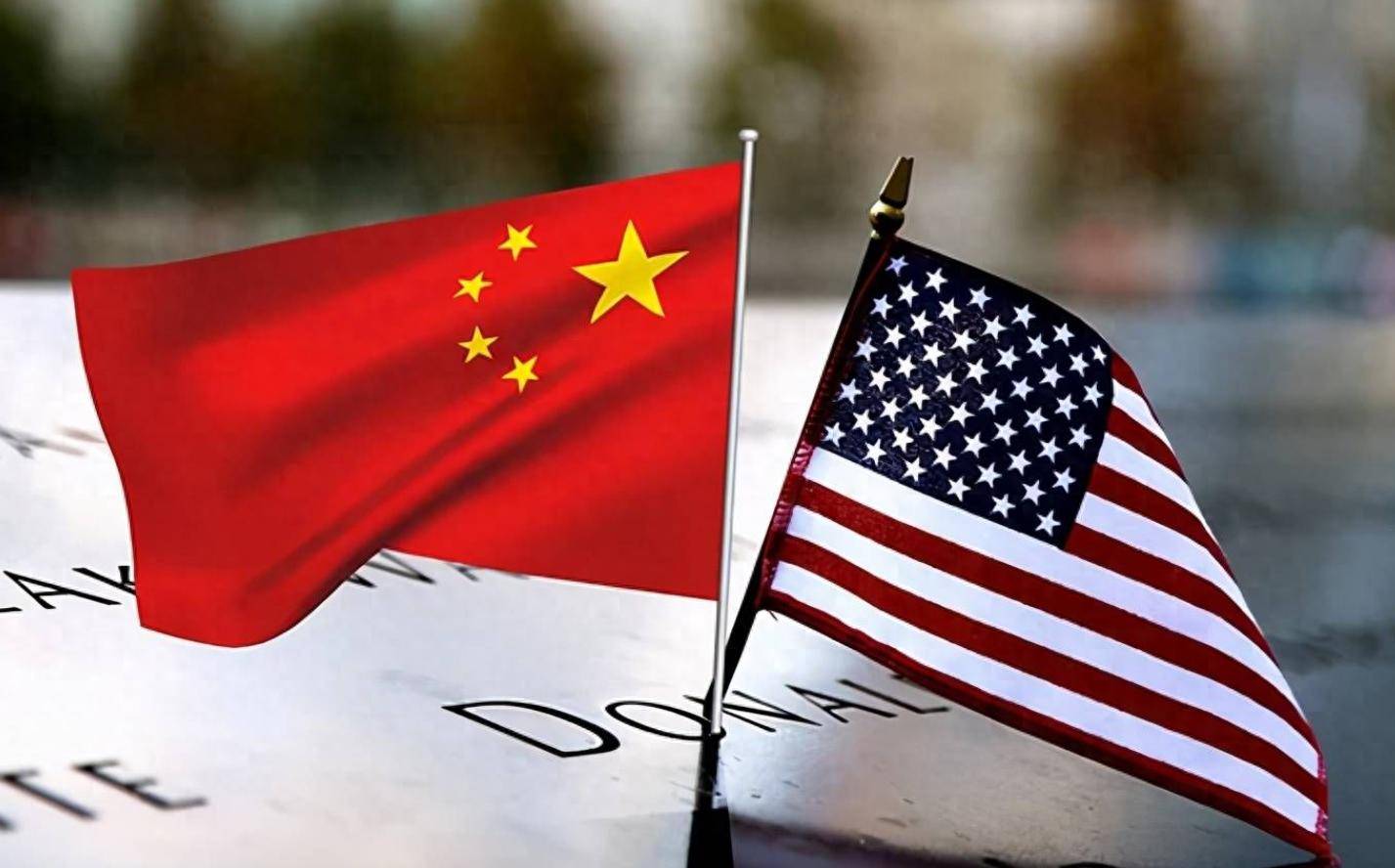
中美贸易摩擦

Search documents
长江商学院调查:股民信心改善,但长期牛市需基本面支撑
Sou Hu Cai Jing· 2025-09-23 10:39
Group 1 - The recent rise in A-shares indicates a recovery in investor confidence, but a long-term bull market requires strong fundamental support [1] - As of September 2025, approximately 63.1% of surveyed investors believe A-shares will rise, an increase of 1.6 percentage points from April 2025 and 15.6 percentage points from July 2024 [1] - The expected return rate for A-shares is around 1.6%, up 1 percentage point from April 2025 and 5.6 percentage points from July 2024 [1] Group 2 - The valuation recovery of A-shares is driven by three main factors: monetary policy, fiscal policy, and technological advancements [1][2] - The central bank has released liquidity through multiple measures, including a total of approximately 2 trillion yuan from two reserve requirement ratio cuts [1] - Public investment in infrastructure, supported by high fiscal deficits, is expected to boost economic growth and improve corporate fundamentals [2] Group 3 - China's technological enterprises have made significant breakthroughs, with companies like Yushun Robotics and DJI gaining international attention, leading to strong performance in related sectors [2] - By August, sectors such as semiconductors and automation equipment saw stock price increases of over 60% year-on-year [2] Group 4 - Strategic responses to US-China trade tensions have bolstered market confidence in China's economic and technological self-reliance [4] - The proportion of China's exports to the US has decreased from 19.3% in 2018 to 11.8% in the first half of 2025 [4] - Efforts to reduce reliance on US high-end AI chips and promote domestic chip development have strengthened China's negotiating position [4] Group 5 - Despite improved market sentiment and strong performance from tech companies, overall earnings growth for non-financial A-share companies remains low [4] - The current rise in A-shares is primarily driven by valuation rather than fundamental improvements, raising concerns about sustainability [4] Group 6 - China's economy grew by 5.3% year-on-year in the first half of the year, aligning with the growth target of around 5% [5] - The inflation rate was nearly zero in the first half, which is unfavorable for corporate profitability [5][6] - Transitioning the economic structure from investment to consumption, along with promoting innovation and upgrading industries, are critical for fundamental development [6]


48:47,美国投票结果诞生,特朗普收到坏消息,他要支付351亿巨款
Sou Hu Cai Jing· 2025-09-22 17:05
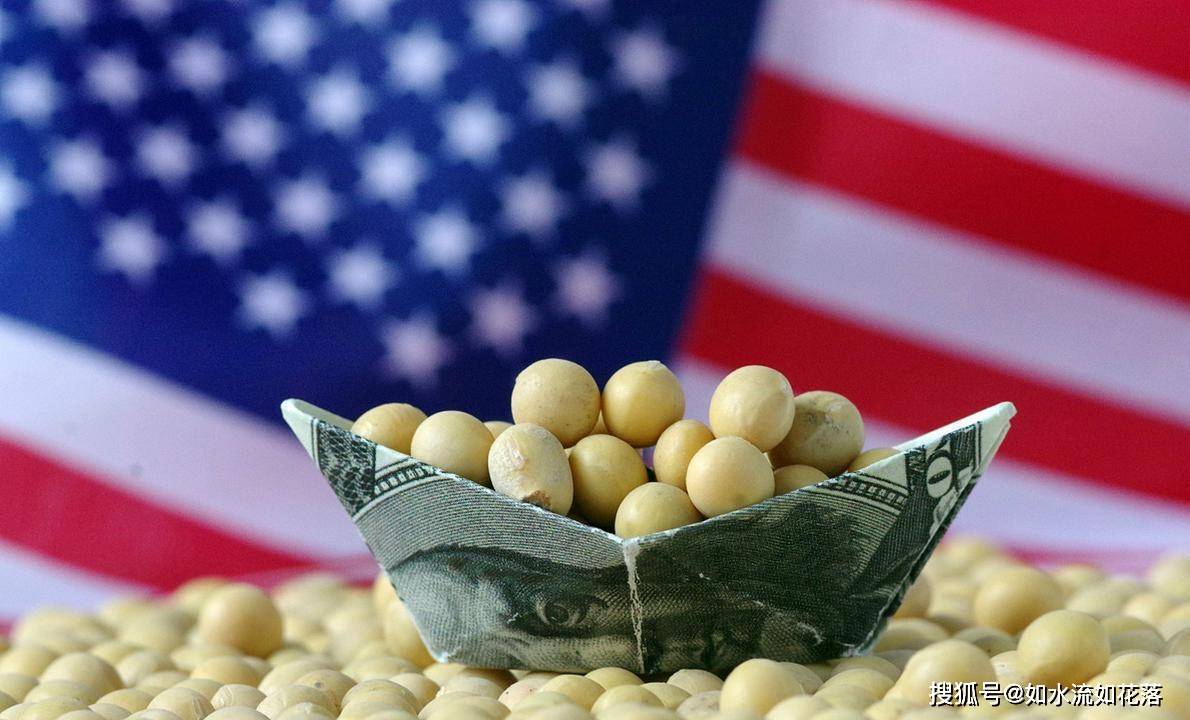
Core Insights - The article highlights the challenges faced by American farmers, particularly in the soybean sector, due to trade tensions and inadequate government support [5][6][9][14] - It discusses the political implications of agricultural subsidies and the growing discontent among farmers towards the Trump administration [11][13][14] Group 1: Economic Impact - American soybean exports to China saw a dramatic decline of 42% year-on-year in Q4 2024, exacerbating the struggles of U.S. farmers [6] - The current domestic soybean inventory has reached an alarming 1.02 billion bushels, with prices dropping to $10.25 per bushel, which is below the production cost [9] - The agricultural sector contributes 18.7% to the U.S. GDP, supporting over 230,000 jobs, indicating the broader economic implications of the agricultural crisis [11][14] Group 2: Political Dynamics - The narrow Senate vote of 48 to 47 for Trump's economic advisor Stephen Milan to join the Federal Reserve Board reflects a shift in political dynamics, with some previously loyal lawmakers showing signs of independence [3][14] - Trump's promise of $35.1 billion in agricultural subsidies, initially aimed at winning over agricultural state voters, faces significant challenges in implementation due to rising national debt and budget constraints [5][14] - Discontent among farmers is growing, with many expressing their frustrations directly to Trump, indicating a potential shift in voter sentiment ahead of future elections [13][14] Group 3: International Relations - Trump is attempting to leverage international relationships, particularly with European allies, to alleviate the surplus of unsold U.S. soybeans, but faces resistance [8] - The World Trade Organization (WTO) has raised concerns over the U.S. agricultural subsidies, which could lead to international disputes and further complicate trade relations [8]
年薪4亿!美国芯片女王居然是中国人,在中国最艰难时她站了出来
Sou Hu Cai Jing· 2025-09-22 04:59
Core Insights - AMD, under the leadership of Dr. Lisa Su, transformed from a struggling company on the brink of bankruptcy to a market leader, at one point surpassing Intel in market capitalization [1][12][35] - Dr. Su's strategic decisions, particularly in the Chinese market, have sparked controversy amid U.S.-China tensions, yet she has maintained a focus on compliance and innovation [3][20][24] Company Overview - In 2014, AMD was facing severe financial difficulties, with stock prices plummeting to under $2 and a market cap of only $2-3 billion [4][12] - Dr. Su implemented significant reforms, focusing on high-performance computing and the development of the "Zen" architecture, which ultimately revitalized the company [7][12] Market Strategy - A crucial partnership in 2016 with China's Haiguang Technology, worth $293 million, provided AMD with essential funding and technology access [16][18] - Despite facing political backlash and accusations of aiding China, AMD has continued to pursue opportunities in the Chinese market, which accounted for 35% of its revenue in 2023 [22][24] Product Development - AMD has developed "China-specific" chips, such as the MI309, designed to comply with U.S. regulations while still serving the Chinese market [25][29] - The company is currently awaiting approval for the MI308 chip, which could restore shipments to China, highlighting its adaptive strategy in a challenging regulatory environment [29] Leadership and Vision - Dr. Su has positioned herself as a pragmatic leader, emphasizing the importance of market needs over political affiliations, while actively engaging with both U.S. and Chinese stakeholders [31][35] - Her compensation package remains among the highest globally, reflecting her success in increasing AMD's market value from billions to over $200 billion [35][37]


关税大消息!特朗普继续施压,关税政策冲击持续,大豆出口遭遇“寒潮”,美国坐立难安
Sou Hu Cai Jing· 2025-09-17 04:20
Core Insights - The U.S. soybean industry is facing a significant crisis as China, once the largest buyer, has not placed any orders this year, contrasting sharply with last year's orders of approximately 13 million tons [1][3] - The ongoing tariff policies imposed by the Trump administration are a major factor contributing to the decline in soybean purchases from China, leading to increased anxiety among U.S. farmers [3][5] - South American producers, particularly Brazil and Argentina, are filling the market gap left by the U.S., which threatens to erode the competitive advantage of U.S. soybeans [6][8] Group 1: Market Dynamics - The absence of Chinese orders during the harvest season has created a stark contrast to the previous year, where significant orders were placed, indicating a drastic shift in market dynamics [1][3] - The U.S. soybean industry is experiencing a potential loss of market share to South American countries due to their competitive pricing and production costs [6][8] Group 2: Policy Impact - The Trump administration's trade policies, including tariffs, have not yielded the promised long-term benefits for U.S. agriculture, instead leading to immediate losses and market instability [3][5] - The reliance on tariffs as a strategy has exposed vulnerabilities in the U.S. agricultural sector, particularly in the soybean market, which is now facing increased competition and pressure [8] Group 3: Future Outlook - The current situation raises concerns about the long-term viability of the U.S. soybean industry if the trend of declining orders from China continues [1][6] - The potential for a deeper economic impact on the U.S. as a whole is evident if the agricultural sector, particularly soybeans, does not recover from this downturn [8]
英伟达最新芯片,在华遇冷
半导体芯闻· 2025-09-16 10:33
Core Viewpoint - Nvidia's newly launched AI chip RTX6000D faces weak market demand in China, with major tech companies reportedly not placing orders due to its high price and performance issues compared to the banned RTX5090 [2][3]. Group 1: Market Demand and Performance - The RTX6000D is primarily designed for AI inference tasks but is considered expensive relative to its performance [2]. - Sample tests indicate that the RTX6000D's performance is inferior to that of the RTX5090, which is available through gray market channels at less than half the price of the RTX6000D, approximately 50,000 RMB (around 7,000 USD) [2]. - Despite the weak demand, analysts from JPMorgan and Morgan Stanley had optimistic forecasts, predicting production of 1.5 million and 2 million units of RTX6000D, respectively, in the second half of the year [3]. Group 2: Regulatory and Trade Context - The ability to obtain advanced AI chips has become a focal point in the US-China trade tensions, with China's market regulator investigating Nvidia for potential antitrust violations [5]. - Chinese regulatory authorities have also questioned companies like Tencent and ByteDance regarding their procurement of the H20 chip, expressing concerns about information risks [5]. - Nvidia emphasizes that its products do not have any "backdoor risks" that would allow remote access or control [5]. Group 3: Chip Specifications and Future Prospects - The RTX6000D is based on Nvidia's latest Blackwell architecture, featuring a bandwidth of 1398 GB/s, slightly below the 1.4 TB/s threshold set by export restrictions [6]. - The H20 chip, priced between 10,000 to 12,000 USD, utilizes an older Hopper architecture but offers a higher bandwidth of 4 TB/s; however, its shipment has not yet commenced due to regulatory issues [6]. - The upcoming B30A chip, also based on the Blackwell architecture, is expected to deliver performance up to six times that of the H20 at a price only double that of the H20, pending approval from Washington [6].


中美贸易摩擦新焦点 comex黄金多空战势明
Jin Tou Wang· 2025-09-16 02:17
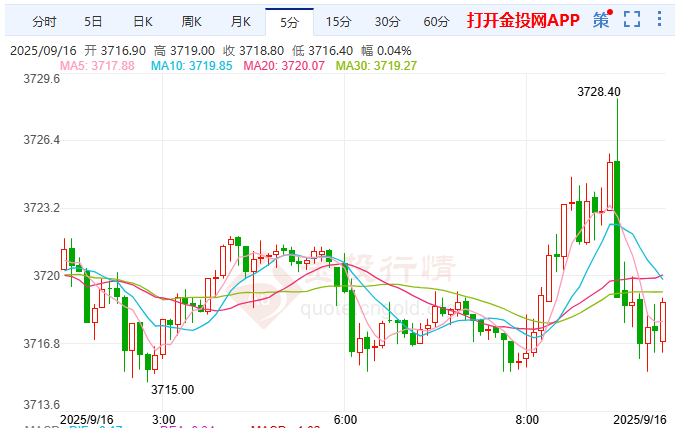
Group 1 - Short-term futures traders engaged in profit-taking after recent gold price increases, leading to pressure on prices [1] - December gold futures rose by $17 to $3703.4 per ounce during trading [1] Group 2 - U.S. and Chinese trade officials held high-level talks in Madrid, focusing on trade issues and global economic conditions [3] - China announced an investigation into the U.S. semiconductor industry, citing NVIDIA for potential antitrust violations [3] - Fitch Ratings downgraded France's credit rating from AA- to A+ due to rising public debt and political instability [3] - Fitch warned that France's fiscal consolidation policy space will be constrained as the 2027 presidential election approaches, predicting a fiscal deficit above 5% of GDP from 2026 to 2027 [3] Group 3 - Global financial markets are focused on the upcoming FOMC meeting, with expectations of a 25 basis point rate cut [4] - This would mark the first easing of monetary policy since November 2024, in response to signs of economic weakness [4] - The latest economic outlook report is expected to show weakening growth momentum and rising unemployment [4] Group 4 - From a technical perspective, December gold futures bulls have a strong advantage, with the next target above $3750 per ounce [6] - The first resistance level is at $3700 per ounce, followed by a weekly contract high of $3715.2 per ounce [6] - The first support level is at the overnight low of $3662.8 per ounce, then $3650 per ounce [6]
美国大豆协会主席拉格兰喊话特朗普美国大豆对华出口订单为零,呼吁特朗普解除对华关税
Sou Hu Cai Jing· 2025-09-15 18:48
Core Viewpoint - The U.S. soybean exports to China have dropped to zero due to tariffs, significantly impacting American farmers and the agricultural sector, while China has diversified its suppliers, primarily turning to Brazil for soybean imports [3][5][13]. Group 1: Impact on U.S. Soybean Industry - The U.S. soybean association's president has called for the removal of tariffs as exports to China have plummeted, highlighting the urgency of the situation [3][13]. - In 2017, the U.S. exported over 60 million tons of soybeans, with China purchasing two-thirds of that amount, indicating the critical role of China as a buyer [3]. - Following the trade tensions that began in 2018, U.S. soybean export value dropped from $12 billion to $3 billion, a decrease of over 70% [5]. Group 2: Changes in China's Supply Chain - China has shifted its soybean imports from the U.S. to Brazil, which became the largest supplier, with over 64 million tons imported in 2020, accounting for more than 60% of China's total imports [7]. - The diversification of suppliers has allowed China to maintain a steady supply of soybeans, despite the increased shipping costs [7]. Group 3: Broader Implications for U.S. Agriculture - The soybean crisis reflects a larger issue within U.S.-China agricultural trade, with potential repercussions for other commodities like pork, corn, and beef [9][11]. - The U.S. agricultural sector, particularly in key states like Iowa and Illinois, is facing significant challenges, with farmers expressing concerns about their sustainability amid ongoing trade disputes [9]. Group 4: Market Dynamics and Future Outlook - The U.S. soybean market has seen a drastic decline in prices, with futures hitting a ten-year low in 2018 due to the loss of Chinese orders, indicating that subsidies alone cannot sustain the industry long-term [11]. - The long-term strategy of using short-term farmer pain to exert pressure on China may backfire, as the market share lost to Brazil could be difficult to reclaim [11][13].
没时间了,中美马德里谈判前,美国连开3枪,逼中国付出更高代价
Sou Hu Cai Jing· 2025-09-15 07:09
Group 1 - The core point of the article highlights the upcoming high-level talks between China and the U.S. in Madrid, focusing on trade issues such as tariffs, export controls, and the TikTok situation [1] - This meeting marks the fourth face-to-face negotiation between the two countries this year, following previous discussions in Geneva, London, and Stockholm [1] - The Chinese government maintains a firm stance on defending the rights of its enterprises, urging the U.S. to adopt a constructive approach in resolving mutual concerns through dialogue [1] Group 2 - The U.S. government has taken provocative actions against China just before the negotiations, including unfounded accusations of economic exploitation in Latin America [3] - The U.S. Treasury Department has imposed sanctions on individuals and entities linked to the Houthi movement, which includes several Chinese companies, alleging their involvement in military logistics [5] - The Trump administration is pressuring allies to impose stricter trade restrictions on China, including a proposal for 100% tariffs on Chinese goods, citing China's oil imports from Russia as justification [7]
海通国际:阿里巴巴-W上周获南向资金220亿港元流入 料港股维持震荡
Zhi Tong Cai Jing· 2025-09-15 06:18
Group 1 - The report from Haitong International indicates that A-shares are expected to consolidate in September, while Hong Kong stocks may receive short-term support due to easing liquidity pressures and a strengthening RMB [1] - Last week, A-shares experienced significant volatility, with the Shanghai Composite Index rising by 1.5% and the ChiNext Index increasing by 2.1%. Hong Kong stocks also saw gains, with the Hang Seng Index up by 3.8% and the Hang Seng Tech Index up by 5.3% [1] - Following the dovish signals from Powell at the Jackson Hole meeting, gold prices rebounded over 9%. However, recent US inflation data confirmed rate cut expectations, leading to fluctuations in gold prices [1] Group 2 - The report highlights that Alibaba's self-developed chips and the next-generation Qwen3 model have led to a significant rise in stock prices, indicating a continued increase in risk appetite [2] - The liquidity in Hong Kong remains stable, with the HIBOR maintaining stability. The RMB has appreciated moderately against the USD, although a potential rebound in the USD could weaken this support for Hong Kong stocks [2] - Southbound capital inflow surged to HKD 60.8 billion last week, with Alibaba receiving HKD 22 billion of this inflow, totaling HKD 37 billion since September [2]

海通国际:阿里巴巴-W(09988)上周获南向资金220亿港元流入 料港股维持震荡
智通财经网· 2025-09-15 06:17
Group 1 - The report from Haitong International indicates that A-shares are expected to consolidate in September, while Hong Kong stocks may receive short-term support due to easing liquidity pressures and a strengthening RMB [1] - A-shares experienced significant fluctuations last week, with the Shanghai Composite Index rising by 1.5% and the ChiNext Index increasing by 2.1%. Hong Kong stocks also saw gains, with the Hang Seng Index up by 3.8% and the Hang Seng Tech Index up by 5.3% [1] - The Jackson Hole meeting saw Powell release dovish signals, leading to a rebound in gold prices, which increased by over 9%. However, recent US inflation data confirmed rate cut expectations, causing gold prices to fluctuate [1] Group 2 - The liquidity in Hong Kong remains stable, with HIBOR maintaining stability. The RMB has appreciated moderately against the USD, but a potential rebound in the USD may weaken this support for Hong Kong stocks [2] - Southbound capital inflow surged to HKD 60.8 billion last week, with Alibaba receiving HKD 22 billion of inflow, totaling HKD 37 billion since September [2] - The report suggests that the market has fully priced in three rate cuts this year, leading to a strong rebound in A-share technology stocks, while Hong Kong stocks are boosted by Alibaba and Baidu [2]