美元贬值

Search documents
大锤落地!所有人做好财富洗牌的准备
大胡子说房· 2025-07-05 04:50
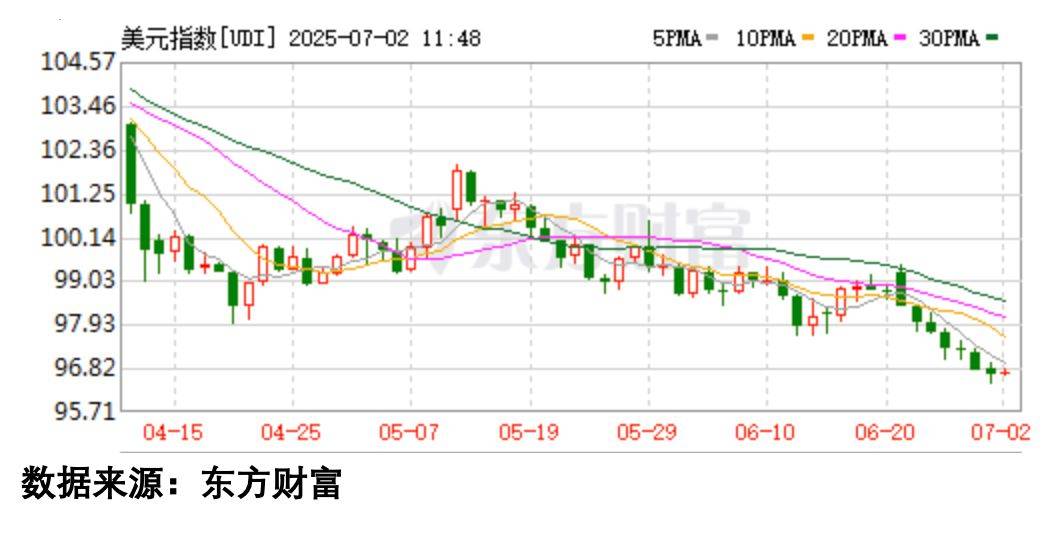
Core Viewpoint - The article highlights a concerning global trend of wealth stagnation and decline, with a significant drop in private net wealth and per capita wealth across various countries, including developed and emerging economies [1][2]. Group 1: Global Wealth Decline - Global private net wealth has decreased by 2.4% in recent years, with per capita wealth shrinking by 3.6%, equating to a loss of approximately $3,200 per person [1]. - Wealth erosion is not limited to developed nations like the US and Europe but also affects emerging markets, including BRICS and ASEAN countries [1]. Group 2: Debt-Fueled Growth Model - The root cause of this wealth decline is attributed to the unsustainable debt-driven growth model that has been in place since World War II, particularly under US leadership [1]. - The model relies on printing money to issue debt, which in turn fuels consumption and GDP growth, but has reached its limits as global public debt is projected to exceed $102 trillion in 2024, with the US accounting for one-third of this total [1][2]. Group 3: US Debt Expansion - The recent passage of the "Great America Act," which allows for an additional $3.4 trillion in debt, indicates a refusal by US elites to address the debt crisis responsibly [2]. - This decision to continue expanding debt is viewed as a dangerous choice for the global economy, as it could exacerbate financial instability [2]. Group 4: Debt Cycle Analysis - The article discusses the concept of debt cycles, as outlined by Ray Dalio, which consists of five stages spanning approximately 80 years [3][4]. - The current phase, characterized as the "deleveraging phase," sees different countries adopting varied approaches, with some, like the US, opting to continue accumulating debt rather than reducing it [4][6]. Group 5: Implications of US Debt Practices - The US's deviation from normal debt cycle behavior poses significant risks, particularly in terms of potential dollar devaluation, which has already seen a 10% decline this year [6][7]. - Historical patterns indicate that major dollar devaluations have occurred during times of economic crisis, and the current situation combines both proactive and reactive factors leading to a potential unprecedented devaluation of up to 50% [7][8]. Group 6: Investment Strategies - The anticipated dollar devaluation could lead to substantial declines in dollar-denominated assets, prompting a shift in investment strategies towards safer assets such as commodities and high-dividend stocks [8][9]. - The current market trend shows a preference for bank stocks due to their high dividends, reflecting a broader demand for risk-averse investments [9].


大摩邢自强:中国25H2财政政策预测,美联储后面会强降息、快降息
贝塔投资智库· 2025-07-04 04:13
Group 1 - China's actual GDP growth rate reached 5.2% in the first half of the year, slightly exceeding targets, but nominal GDP remains relatively weak due to ongoing deflation in CPI and PPI [2] - Fiscal policy has been front-loaded with measures such as local debt replacement, subsidies for trade-ins, and increased social security spending, resulting in faster expenditure growth from January to May compared to previous years, potentially overextending growth for the remainder of the year [2] - The upcoming high-level meeting in July is expected to adopt a more moderate and observational tone, with no significant fiscal stimulus likely until after the trade pause between China and the U.S. ends in August [2] Group 2 - Additional policy measures are anticipated in the fall, likely waiting for clearer data in the third quarter, with expectations set for late September or October [2] - Despite the Federal Reserve not lowering interest rates this year, significant cuts are expected in the future, potentially totaling 175 basis points over the next two years [2] - The U.S. dollar is projected to depreciate by another 10%, following a previous 10% decline, leading to a cumulative depreciation of 20% [2] Group 3 - China's promotion of stablecoins is not aimed at making them investment tools or exchange instruments, but rather focuses on cross-border trade settlement [2] - It is suggested to combine export controls on strategic resources like rare earths with stablecoin pilot programs, involving state-owned enterprises and banks to issue stablecoins specifically for rare earth trade, thereby strengthening financial autonomy [3] - A humanoid robot contains an average of 1 kg of rare earths, 2 kg of lithium, 3 kg of graphite, and 6.5 kg of copper, with China currently holding 88% of global rare earth supply, 93% of graphite, and 75% of lithium refining market [3] Group 4 - By 2050, the demand for strategic mineral resources in the global robotics industry is estimated to reach $800 billion [4]

张瑜:“弱美元”or“去美元”?“美元贬值”or“美元反弹”?——张瑜旬度会议纪要No.116
一瑜中的· 2025-07-04 03:54
Core Viewpoint - The article discusses the recent trends in the US dollar, highlighting the divergence between a weakening dollar and rising US Treasury yields, suggesting caution in interpreting these signals as indicative of a broader trend towards de-dollarization [2]. Group 1: Conceptual Clarification - Two key concepts are defined: de-dollarization transactions, which involve selling dollar assets and reflect a contraction of US asset exposure, and weak dollar transactions, which do not require reducing dollar asset exposure but rather increasing short positions on the dollar [3]. Group 2: Background Context - Background 1: Since the strong dollar cycle began in 2014-2015, overseas institutions have maintained dollar exposure to benefit from both US Treasury yield spreads and dollar appreciation. By 2024-2025, major global pension funds have reduced their dollar hedging ratios to historical lows, indicating a significant dollar exposure [4]. - Background 2: There is a positive correlation between the dollar hedging ratios of pension funds and exchange rate volatility; higher volatility leads to stronger hedging demand [4]. Group 3: Current Analysis - Following the implementation of equal tariffs on April 3, the volatility of the dollar exchange rate has increased significantly. For institutions with large dollar exposures, there are two strategies: de-dollarization transactions or weak dollar transactions. The article leans towards weak dollar transactions as the primary reality, noting no significant outflows from US equities or bonds and a rise in speculative short positions on the dollar [5]. Group 4: Future Predictions - To predict the future of the dollar, two questions are posed: whether the short positions on the dollar have been fully covered and the structure of the holders of these short positions. Current data suggests that while some institutions have raised their hedging ratios, the momentum for covering short positions may have peaked, indicating a potential end to rapid dollar depreciation [9][10]. - The concentration of dollar short positions is at a historical low, suggesting a fragile trading structure. If the US economy remains stable and tech stocks perform well, there may be a risk of a rebound in the dollar as volatility decreases [10]. - Overall, the macro environment is characterized as "internal stability with external changes," with the narrative of de-dollarization being misinterpreted. The article concludes that the weakening of the dollar is nearing its end, with potential for a period of volatility or even a rebound [11].

降息博弈或加剧美国经济不确定性
21世纪经济报道· 2025-07-04 02:20
Group 1 - The U.S. government is pushing for interest rate cuts from the Federal Reserve to mitigate potential economic recession risks caused by tariff policies [1][2] - The "Big and Beautiful" tax and spending bill aims to stimulate the economy by increasing government debt and potentially lowering interest costs through rate cuts [2][3] - If the Federal Reserve does not cut rates, it may lead to a significant increase in the federal deficit, while premature rate cuts could trigger inflation and reduce demand for U.S. Treasury bonds [2][3] Group 2 - The depreciation of the U.S. dollar, which has fallen approximately 10.8% this year, is increasing inflationary pressures due to tariffs [2][3] - Historical data suggests that a weaker dollar combined with high tariffs will likely impact U.S. prices, as seen in previous administrations [3][4] - Concerns are rising regarding the quality of U.S. Consumer Price Index (CPI) data, with an increase in estimated data affecting inflation accuracy [4] Group 3 - Recent employment data shows a significant increase in non-farm payrolls, indicating that the Federal Reserve's decision to maintain interest rates may be justified [4] - The ongoing conflict between the White House and the Federal Reserve could introduce more uncertainty into the market, particularly with the potential impact of immigration policies on employment data [4]
降息博弈或加剧美国经济不确定性
2 1 Shi Ji Jing Ji Bao Dao· 2025-07-03 22:53
美联储的困境在于,它必须耐心等待,如果在关税引发的价格压力显现时已经降息,那么它不得不重新 采取激进的加息政策。但是,如果未来通胀并未出现而将利率持续维持在高位,则可能会对美国经济产 生冲击,并损害其劳动力市场。迄今为止,美国物价保持温和状态,价格上涨尚未出现,这让白宫更有 底气要求降息。 随着美国"大而美"税收与支出法案审议的推进,美国白宫在最近几周加大了对美联储及其主席鲍威尔的 抨击。美国总统特朗普要求立即降息,并威胁提前宣布美联储主席鲍威尔的继任人选。这让本就受所 谓"对等关税"影响的美联储降息决策进一步政治化,给全球经济带来不确定性。 鲍威尔拒绝白宫提出的降息建议,主要是担心关税导致通胀重新抬头。鲍威尔是特朗普总统在第一任期 内任命的美联储主席,但是,2022年美联储错误判断了通胀形势,没有对物价上涨做出及时的加息决 定。现在,鲍威尔不想重蹈覆辙。这是因为,美国政府加征的关税反映到美国消费价格上可能会有传导 滞后效应,预计会体现在6月、7月和8月的数据之中。 特朗普表示将在未来几个月内提前宣布美联储主席鲍威尔的继任人选。而这可能会被国际投资者解读为 央行失去独立性,美元的信用被大幅削弱。今年以来,美元 ...
7月防御性资产或成首选!机构最新观点
天天基金网· 2025-07-03 05:14
Group 1 - The article highlights the weakening outlook for the US dollar due to the uncertainty surrounding tariffs and the recent passage of the "big and beautiful" tax and spending bill by the US Senate, leading to a decline in the dollar index by over 7% since April [1][2] - The article notes that the offshore RMB has appreciated against the dollar, reaching a high of 7.1493, while other Asian currencies have also strengthened, indicating a broader trend of non-USD currency appreciation [2][3] - The report emphasizes that the Hong Kong stock market is becoming a new safe haven for global capital, driven by its low absolute valuations and improving corporate governance, which is attracting more funds [4][5] Group 2 - The article discusses the potential for a significant increase in the fiscal deficit in the US, with the Senate's version of the tax bill expected to expand the deficit by $3.9 trillion over the next decade, raising concerns about fiscal sustainability [2][3] - It mentions that the Hong Kong Interbank Offered Rate (Hibor) has dropped significantly, with the one-month rate falling to 0.52% and the overnight rate nearing 0%, indicating a strong liquidity environment in the market [4] - The article points out that the valuation of the Hang Seng Index is significantly lower than that of the US market, with a forecasted P/E ratio of 11 times and a dividend yield of 3.2%, making it an attractive option for international capital seeking to escape the dollar [5][6]
7月防御性资产或成首选!机构最新观点
证券时报· 2025-07-03 04:09
Core Viewpoint - The global market is closely monitoring the outcome of the US tariff negotiations, which are expected to influence market pricing for July [1][5]. Group 1: US Tariff Negotiations and Market Impact - The deadline for the resumption of tariffs on July 9 has led to increased uncertainty, with the Senate passing a significant tax and spending bill, causing a generally pessimistic outlook for the US dollar [2][7]. - Since the announcement of "reciprocal tariffs" in April, the US dollar index has dropped over 7%, while Asian currencies have collectively rebounded to new highs since October of the previous year [2][5]. - The market is showing a clear risk-averse tendency, with defensive assets becoming a primary choice for some investors due to the uncertainty surrounding US tariffs [3][10]. Group 2: Currency Movements and Economic Indicators - As of July 2, the US dollar index remained around 96, while the offshore RMB appreciated to around 7.15 against the dollar, marking its highest level since November [6]. - Other Asian currencies, including the Malaysian ringgit, South Korean won, and Thai baht, have also reached their highest points since October, with the Singapore dollar hitting a 10-year high [6]. Group 3: Hong Kong Market as a Safe Haven - The Hong Kong stock market is expected to attract more capital inflows due to its relatively low absolute valuations and improving corporate governance [3][12]. - Following the continuous depreciation of the US dollar, Hong Kong's Hibor rates have rapidly declined, with the one-month Hibor rate dropping to 0.52%, the lowest since data collection began in 2000 [11]. - The Hong Kong market is becoming a new "safe asset" stronghold, with significant international capital inflows anticipated as corporate governance reforms enhance shareholder returns [11][12]. Group 4: Valuation Comparisons - The Hong Kong stock market remains significantly undervalued compared to the US market, with the Hang Seng Index projected P/E ratio for 2025 at 11 times and a projected dividend yield of 3.2% [12]. - High dividend sectors such as banking, telecommunications, and utilities are expected to yield over 5%, making Hong Kong an attractive option for capital reallocating away from the US dollar [12].

7月防御性资产或成首选!机构最新观点
券商中国· 2025-07-02 23:19
Core Viewpoint - The global market is closely monitoring the outcome of the US tariff negotiations, which are expected to influence market pricing for July, with a general bearish outlook on the US dollar due to increased uncertainty surrounding tariffs and fiscal policies [2][4]. Group 1: US Tariff Negotiations and Dollar Outlook - The market is anticipating the results of the US tariff negotiations set for July 9, with a significant focus on the implications for the US dollar and non-US currencies [3][4]. - Since the announcement of "reciprocal tariffs" in April, the US dollar index has declined over 7%, while Asian currencies have rebounded to new highs since October of the previous year [2][3]. - The Senate's passage of the "big and beautiful" tax and spending bill is expected to exacerbate the US fiscal deficit, further impacting the dollar's sustainability [3][4]. Group 2: Defensive Assets and Hong Kong Market - In light of the uncertainty surrounding US trade policies, defensive assets have become a primary choice for investors, with the Hong Kong stock market positioned to attract more capital due to its low absolute valuations [2][6]. - The Hong Kong interbank offered rate (Hibor) has seen a significant decline, with one-month Hibor dropping to 0.52% and overnight Hibor nearing 0%, indicating strong market liquidity [7]. - The Hong Kong market is viewed as a new safe haven for global capital, with expectations of a multi-year depreciation cycle for the US dollar, leading to increased international investment in Hong Kong stocks [7][8]. Group 3: Valuation and Investment Trends in Hong Kong - The valuation of Hong Kong stocks remains significantly lower than that of US markets, with the Hang Seng Index projected to have a price-to-earnings ratio of 11 times and a dividend yield of 3.2% by 2025 [8]. - The influx of global and southbound capital is driving a revaluation of undervalued blue-chip stocks in Hong Kong, with notable growth in the Hong Kong central enterprise dividend ETF [8].

全球大涨,背后到底发生了什么?
大胡子说房· 2025-07-02 12:47
Core Viewpoint - The global capital markets are experiencing a rare and unusual phenomenon where both stock markets and commodities are rising simultaneously, despite the decline in oil and gold prices [1][4][7]. Group 1: Stock Market Performance - Major global stock indices have seen significant increases, with the US stock market reaching historical highs after a downturn earlier in the year [1][4]. - The Shanghai Composite Index has stabilized above 3400 points, marking a new high for the year [1]. - European indices such as France's CAC40, Germany's DAX, and the UK's FTSE 100 have also shown positive performance [1]. Group 2: Commodity Market Trends - Commodities like copper, aluminum, and lead have experienced price increases, with copper prices surpassing $5 and aluminum reaching a three-month high [6][25]. - In contrast, oil and gold prices have declined, with Brent crude falling from $79 to $66 and gold dropping from 3452 to 3289 [8][9]. Group 3: Underlying Factors - The rise in global stock markets is closely linked to the depreciation of the US dollar, which has fallen from 101 to 97 since May [14][13]. - The US government's intention to weaken the dollar is aimed at reducing debt pressure and encouraging capital repatriation [16][15]. - The expectation of increased US debt and monetary easing by the Federal Reserve is driving market sentiment [22][21]. Group 4: Capital Flow Dynamics - The disparity in commodity price movements is influenced by US purchasing behavior, with the US prioritizing the accumulation of certain commodities while neglecting others like oil and gold [28][27]. - The capital flow towards commodities that the US is willing to stockpile indicates a strategic approach to manage future costs amid a weaker dollar [24][25]. Group 5: Future Outlook - The upcoming month of July is critical, with potential further interest rate cuts and significant legislative actions expected [35][34]. - The overall market sentiment is characterized by uncertainty, particularly regarding the credibility of the dollar and US debt [39][40]. - Despite the current stock market rally, there are concerns that it may be a prelude to a downturn, necessitating caution and preparation for potential risks [41][42].

全球央妈密会,股市要迎来巨资?
Sou Hu Cai Jing· 2025-07-02 11:19
Group 1: Dollar Depreciation and Global Financial Trends - The dollar is expected to depreciate by over 10% in the first half of 2025, marking the largest decline for this period since 1973 [1] - Despite the dollar's depreciation, central bank leaders believe that its status as the world's reserve currency is unlikely to change in the short term, with the dollar accounting for 58% of global foreign exchange reserves compared to 20% for the euro [1] - The market sentiment often diverges from actual performance, as evidenced by the strong performance of the US stock market despite predictions of a declining dollar [3] Group 2: Real Estate Market Concerns - A report from a major overseas bank indicates that real estate demand may decline by an additional 50%, which could significantly impact consumption and investment, given that approximately 60% of wealth is concentrated in real estate [5] Group 3: A-share Market Resilience - A-share market shows signs of resilience, with ETF fund flows shifting from net outflows to net inflows since June 13, indicating that smart money is quietly positioning itself [6] - The relationship between real estate and stock market investments suggests that as real estate becomes less attractive, funds will seek new opportunities in the stock market [8] Group 4: Retail Investor Challenges - Retail investors often fall into cognitive traps, such as equating stock price movements with trading activity, which can lead to misinterpretations of market trends [10] - The phenomenon of institutional buying not leading to stock price increases highlights the importance of trading activity over mere holding volume [10] - In a volatile market, institutions are continuously testing and adjusting their strategies, which can provide insights into the quality of their holdings [12] Group 5: Recommendations for Ordinary Investors - Ordinary investors are advised to focus on building their own investment analysis frameworks and utilizing professional quantitative tools to better understand market dynamics [14] - Emphasizing patience and discipline is crucial in navigating the complexities of the current financial landscape, where valuable data often lies in the details [14]