财政赤字

Search documents
中金2025下半年展望 | 美国宏观经济:美国式再平衡
中金点睛· 2025-06-08 23:57
Core Viewpoint - The article discusses the significant impact of the Trump administration's tariff policies on the U.S. economy, highlighting the multifaceted use of tariffs as a tool to address various domestic economic and social issues, including trade deficits, social inequality, national security, government debt, illegal immigration, and drug abuse [2][20]. Tariff Policy and Economic Impact - The effective tariff rate in the U.S. rose to 28.4% before decreasing to 15.5% after progress in U.S.-China talks, still significantly higher than 2.4% in 2024, marking the highest level in nearly a century [6][11]. - Tariffs are viewed as a negative supply shock with "stagflation" effects, potentially leading to inflationary pressures in the U.S. economy, although the current inflation is expected to be more structural and one-time rather than indicative of overheating [3][27]. - The uncertainty surrounding tariff policies is causing businesses to delay investments and reduce hiring, contributing to downward pressure on economic activity [3][33]. Currency Valuation - The tariffs have unexpectedly led to a depreciation of the U.S. dollar, as investors perceive the high tariffs to be more harmful to the U.S. economy than to other countries, prompting a shift away from dollar assets [3][38]. - Concerns about potential strategies to devalue the dollar, similar to historical events like the Smith Agreement and Plaza Accord, are present, but the article suggests that active devaluation is not the baseline scenario [3][40]. Fiscal Policy and Tariffs - Tariffs function as a form of tax that can be passed on to consumers, acting as a "hidden consumption tax," which may help alleviate some deficit pressures but raises concerns about the high levels of government debt [4][45]. - The "One Big Beautiful Bill" proposed by the House aims to make tax cuts permanent while also cutting welfare spending, reflecting a functional fiscal approach that may limit inflationary pressures [4][49]. Economic Forecast - The U.S. economy is expected to experience "slowing growth and phase-in inflation" in the second half of 2025, with core CPI inflation projected to rise from 2.9% in Q2 to 3.5% in Q4 [6][58]. - Real GDP growth for 2025 is forecasted to decline to 2.0%, with further slowing in domestic demand indicators [6][58]. - The Federal Reserve is anticipated to delay interest rate cuts until Q4 2025, with a potential reduction of 25 basis points [6][59]. Trade Negotiations and Future Tariff Policies - Future tariff negotiations may focus on expanding U.S. exports and reducing trade barriers from other countries, with a possibility of maintaining a 10% base tariff as a revenue-generating measure [20][21]. - Tariffs related to illegal immigration and fentanyl may be lifted if substantial progress is made by other countries in addressing these issues [22][23]. - The article emphasizes that Trump's tariff policies reflect a broader trend of re-evaluating globalization and are likely to become institutionalized as part of his administration's strategy [23].


央行出手,继续增持!
凤凰网财经· 2025-06-07 12:53
Group 1 - As of May 2025, China's foreign exchange reserves reached 32853 billion USD, an increase of 36 billion USD from April, representing a growth rate of 0.11% [2][3] - The continuous growth of foreign exchange reserves in 2025 is supported by the recovery of the economy and improved economic quality, with reserves increasing each month from January to May [2][3] - Recent policies such as interest rate cuts and reserve requirement ratio reductions are expected to further support the real economy and stabilize the foreign exchange market [3] Group 2 - As of May 2025, China's gold reserves stood at 7383 million ounces, with an increase of 6 million ounces, marking the seventh consecutive month of gold accumulation by the central bank [4][5] - The price of gold has experienced volatility, with a notable decline followed by a rebound, closing at 3331 USD per ounce on June 7, 2025, reflecting a decrease of 1.31% [5][8] - The World Gold Council indicates that despite recent outflows from gold ETFs, there remains potential for gold price increases due to economic uncertainties and inflation concerns [8]
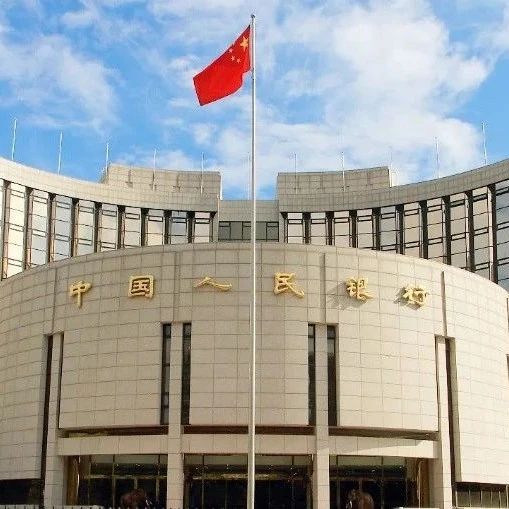
北大汇丰智库:2025年赤字、债务及中国财政可持续性研究报告
Sou Hu Cai Jing· 2025-06-07 02:48
Group 1 - The report defines fiscal sustainability as the long-term stability or decline of the debt-to-GDP ratio, or the future public revenue being sufficient to cover all public expenditures and accumulated debt [1][14]. - As of the end of 2023, China's explicit government debt reached 56.14% of GDP, while implicit debt accounted for 11.34%, leading to a total debt of 67.48% of GDP. Local government financing platform debt constituted 57.24% of GDP [2][16]. - The report emphasizes that maintaining fiscal sustainability does not require a zero deficit, but rather that the deficit should not exceed sustainable thresholds to avoid increasing the debt-to-GDP ratio [2][14]. Group 2 - The report highlights that reasonable uses of debt include infrastructure construction and counter-cyclical adjustments, but long-term reliance on debt for regular expenditures is unsustainable [3][20]. - Key factors for fiscal sustainability include economic growth and inflation, with nominal GDP growth being crucial. The report warns against deflation, which could exacerbate debt burdens [4][15]. - Structural reforms are necessary, including reducing administrative expenditures, optimizing the tax system, and improving social security systems to narrow structural deficits [4][5]. Group 3 - The report suggests that China should learn from international experiences, such as the EU's establishment of debt and deficit warning lines, to assess long-term risks while controlling debt levels [6]. - It emphasizes that China's fiscal issues are fundamentally structural, requiring tax optimization, expenditure restructuring, and market-oriented reforms for sustainable fiscal and economic interaction [6][24]. - The report concludes that while challenges such as high local debt and slowing growth exist, a reasonable policy mix can prevent a debt crisis and lay the foundation for long-term development [6].

开撕!老美内部自顾不暇
大胡子说房· 2025-06-06 09:30
Core Viewpoint - The article discusses the fallout between Elon Musk and Donald Trump due to a new legislative proposal called the "Big and Beautiful Act," which primarily benefits the wealthy while cutting social welfare programs for the poor [1][21]. Summary by Sections Legislative Changes - The "Big and Beautiful Act" proposes three main actions: 1. Continued tax cuts for the wealthy, with significant reductions in tax liabilities for corporations like Apple, which could save $13.5 billion in taxes based on projected profits of $97 billion in 2024 [1]. 2. An increase in military spending by 28% over five years, benefiting Trump's financial backers [11][15]. 3. Cuts to healthcare subsidies by $700 billion and food stamps by $267 billion, affecting 20 million people’s access to healthcare and 41 million people's access to food [19][20]. Musk's Reaction - Musk, typically an ally of the wealthy, is outraged because the act excludes renewable energy companies from the tax cuts, indicating a direct attack on his interests [4][3]. - He has criticized the act for potentially increasing the fiscal deficit, which is already projected to be $2 trillion annually [8][9]. Economic Implications - The article highlights the contradiction in Trump's approach, where he calls for debt reduction while simultaneously raising the national debt ceiling from $36 trillion to $40 trillion [24]. - The internal conflict within the U.S. government may provide an opportunity for other countries, as the U.S. may have less capacity to engage in international disputes [31][32].

特朗普预算法案详解(下):《美丽大法案》的影响和展望
2025-06-06 02:37
Summary of Key Points from the Conference Call Industry or Company Involved - The discussion revolves around the "Beautiful Act" and its implications on the U.S. economy and fiscal policy. Core Insights and Arguments - The "Beautiful Act" is expected to significantly expand the U.S. fiscal deficit over the next decade, particularly between 2025 and 2028, with 2027 projected to be the peak year for deficit increase. Post-2028, the expansion rate is expected to slow down as spending cuts are implemented [1][5][9]. - Without considering tariff impacts, the U.S. deficit rate may remain above 6% for the next 30 years, potentially exceeding 10% by 2055 [1][5]. - Tax reduction policies have varying impacts across income groups, benefiting high-income individuals the most while low-income groups see minimal benefits. For the lowest 20% income bracket, the negative effects of tariffs may outweigh the positive effects of tax cuts, leading to an overall negative outcome [1][6]. - Historical data indicates that tax cuts typically boost the stock market and significantly enhance corporate profitability. For instance, after the tax cuts implemented in 2018, most sectors experienced positive profit growth, particularly in energy, finance, and industrial sectors [1][7]. - There are notable differences between the Senate and House versions of the "Beautiful Act." The Senate proposes a $5.8 trillion increase in the deficit budget, including $3.8 trillion for the extension of the TCJA, while the House version suggests a $2.8 trillion increase. The Senate's proposed spending cuts are significantly lower than those in the House version [1][8]. Other Important but Possibly Overlooked Content - The timeline of the Trump fiscal plan shows an initial increase in deficit and spending during his term (2025-2028) to stimulate the economy, with a significant reduction in deficit expected after the 2029 transition to a new president [1][9]. - The U.S. fiscal expansion policy is influenced by various rules, such as the Paygo principle and the Byrd rule, which require new legislation not to increase the deficit over ten years. However, past presidents have often favored expanding fiscal spending to boost the economy, suggesting a continued trend of deficit increase in the future [1][10]. - Trump's tariff policy plays a crucial role in the advancement of the tax reduction plan. Tariff revenues are a significant supplement to U.S. fiscal income, and any inability to collect these tariffs could increase fiscal pressure. Despite challenges, Trump may still implement tariffs through other means, ensuring that the tax reduction plan's outcome remains largely unaffected [1][11]. - The likelihood of the tax reduction plan passing is bolstered by the reconciliation process, requiring only 51 Republican votes in the House for approval. Current dynamics suggest that as long as opposition votes are limited, the plan can proceed [1][12]. - Balancing future tax reductions with increased deficits will require navigating existing regulations while addressing practical operational needs. The trend indicates a continued push towards fiscal expansion, with potential adjustments in tariff policies to maintain economic stability [1][13].
BCR国际金融速报: 15%!沃勒披露实际关税预期,称冲击“可控”
Sou Hu Cai Jing· 2025-06-06 02:17
美联储理事克里斯托弗·沃勒周一在韩国央行国际会议上释放关键信号:尽管特朗普政府关税政策将推高失 业率并短期加剧通胀,但若核心通胀持续向2%目标迈进,今年晚些时候仍可能启动"利好式"降息。此番表 态为动荡中的全球市场注入一剂强心针。 关税冲击:短期阵痛而非长期威胁 沃勒重申其4月提出的双重情景框架: 核心通胀持续向2%目标收敛; 劳动力市场保持稳健态势。满足上述条件后,美联储可实施"利好式降息"(因通胀担忧缓解主动降息), 而非经济衰退逼迫的"利空式降息"。 市场隐忧:赤字推升美债收益率 在与韩国央行行长李昌镛对话中,沃勒指出长期美债收益率攀升主因财政赤字担忧。市场原预期财政整固 取得进展,但现实是联邦赤字将长期维持在2万亿美元(占GDP 6%),导致投资者要求更高风险补 偿。"问题不在国债能否售出,而在市场愿付的价格",他警示外国投资者避险情绪升温可能进一步推高收 益率。 政策分歧:鸽派孤勇者的博弈 作为美联储内最坚定呼吁放松政策的官员,沃勒立场与多数同僚形成鲜明对比: 高关税情景:商品平均关税达25%并长期维持,推升通胀但影响仍属暂时性; 低关税情景:平均关税10%并通过谈判逐步下调,失业率上升幅度相对温和 ...

美债收益率陷入拉锯战 通胀与财政风险成焦点
智通财经网· 2025-06-05 22:33
Group 1 - The 10-year U.S. Treasury yield remains below 4.5%, indicating economic uncertainty and multiple factors affecting market direction [1] - Global investors are reassessing debt and deficit issues across countries, not just in the U.S., with expectations of rising global bond yields [1][2] - The decline in the international appeal of U.S. Treasuries is evident as foreign investors, particularly from Japan, shift their focus back to domestic markets due to rising Japanese bond yields [2] Group 2 - Japan's government debt-to-GDP ratio is the highest among developed countries at 235%, while the U.S. stands at 122% [3] - Concerns are rising regarding European sovereign debt as fiscal pressures increase, with Germany's 10-year bond yield expected to rise from 2.5% to 3% [3] - The U.S. fiscal policy and tariff uncertainties complicate predictions for the 10-year Treasury yield, which is projected to end the year at 4.25% [3] Group 3 - A proposed tax bill in the U.S. could increase the fiscal deficit by $2.4 trillion over the next decade, with the current fiscal deficit at 6.4% of GDP [4] - The likelihood of a severe market reaction similar to the U.K.'s past situation is considered low due to high current yields helping to stabilize the market [4] Group 4 - A sharp rise in U.S. Treasury yields could negatively impact the stock market, leading to wider credit spreads and tighter financial conditions, ultimately suppressing economic growth [5] - Concerns about U.S. debt management are highlighted, with warnings that failure to control debt could lead to significant market disruptions [5]
美联储理事库格勒:单向上升的财政赤字可能会影响美联储,即可能会推高中性利率水平。
news flash· 2025-06-05 17:03
Core Viewpoint - The rising fiscal deficit may impact the Federal Reserve, potentially leading to an increase in the neutral interest rate level [1] Group 1 - The Federal Reserve Governor, Christopher Waller, indicated that a one-directional increase in the fiscal deficit could have implications for monetary policy [1] - The potential rise in the neutral interest rate level is a concern for the Federal Reserve as it navigates economic conditions [1]
美国“大美丽法案”影响几何?|国际
清华金融评论· 2025-06-05 12:03
Core Viewpoint - The "Big Beautiful Bill" passed by the House of Representatives is expected to increase the net deficit by at least $3 trillion over the next decade, with significant implications for U.S. fiscal policy and economic growth [3][11][28]. Summary by Sections Bill Content and Progress - The "Big Beautiful Bill" includes the permanent extension of key provisions from the 2017 Tax Cuts and Jobs Act, additional tax relief measures, and increased spending in defense and border security while cutting expenditures in agriculture, education, and energy [3][11][13]. - The bill is projected to increase the national debt by approximately $3.8 trillion over the next ten years, according to the Congressional Budget Office (CBO) [11][28]. Tax Policy - The bill extends and makes permanent the major provisions of the 2017 Tax Cuts and Jobs Act, introduces new personal and family tax cuts, and raises the state and local tax deduction cap from $10,000 to $40,000 [13][14]. - It also imposes higher tax rates on passive income for individuals and corporations from countries deemed to have "discriminatory" tax policies, potentially reaching a maximum rate of 20% [4][14]. Deficit and Revenue Projections - The estimated annual tariff revenue is projected to reach around $200 billion, which could help mitigate the deficit increase caused by the bill, although it will not fully cover the shortfall from tax cuts [5][30]. - Under baseline assumptions, the deficit rates for 2025 to 2028 are estimated to be around 6.4% to 7.0%, with optimistic scenarios potentially lowering the rates slightly [6][30][28]. Economic Impact - The bill is expected to provide a marginal boost to economic growth, with projections indicating a real GDP growth rate of approximately 1.5% in 2025 and a potential recovery to 2.0%-2.5% in 2026 due to tax cuts and lower interest rates [7][32]. - However, the long-term fiscal sustainability remains a concern, as the combination of increased deficits and rising interest payments could lead to a significant increase in the national debt [34][38]. Long-term Debt and Interest Risks - The CBO estimates that if the ten-year Treasury yield remains at 4.5%, interest payments could exceed $13 trillion by 2034, significantly increasing the fiscal burden [34][38]. - The debt-to-GDP ratio is projected to rise from nearly 100% to 128% by 2034, raising concerns among credit rating agencies about the sustainability of U.S. fiscal policy [38]. Market Reactions and Bond Yields - Recent increases in long-term U.S. Treasury yields are attributed to the "Trump premium," reflecting market concerns over the fiscal implications of the "Big Beautiful Bill" and the potential for increased deficits [45][51]. - Despite short-term pressures, the 10-year Treasury bonds are still viewed as having significant investment value, especially in light of potential future interest rate cuts by the Federal Reserve [52].

美国“大美丽法案”影响几何?|国际
清华金融评论· 2025-06-05 12:03
以下文章来源于中国银河宏观 ,作者中国银河宏观 中国银河宏观 . 中国银河证券宏观经济研究 文/中国银河证券首席宏观分析师 张迪 、 中国银河证券宏观经济分析师 于金潼 、中国银河证券宏观经济分析师助理 铁伟奥 5月22日,美国众议院以215比2 1 4票的微弱优势通过2 0 2 5财年预算 协调法案"The One , Bi g, Be a utif ul Bill "(大美丽法案)。不同机 构估计,该法案将在未来1 0年内使净赤字增加至少3万亿美元。这个 法案究竟会带来什么影响? 大美丽法案包括什么? 5月22日,美国众议院以215比214票的微弱优势通过2025财年预算协调法案"The One, Big, Beautiful Bill"(大美丽法案)。不同机构估计,该法案将在未来 10 年内使净赤字增加至少3 万亿美元。主要内容包括延长并永久化2017年《减税和就业法案》的主要条款,并添加额外的税收减免 政策;虽然在农业、教育、能源等领域削减了支出,但在国防和边境安全上扩大了支出,叠加减税政 策,总体上法案让美国政府赤字进一步上行。 其中外国资产税引人注意,法案第899条规定对美国认为 存在税收政策"歧 ...