人民币国际化

Search documents
央行出手:继续买买买!
中国基金报· 2026-01-07 10:21
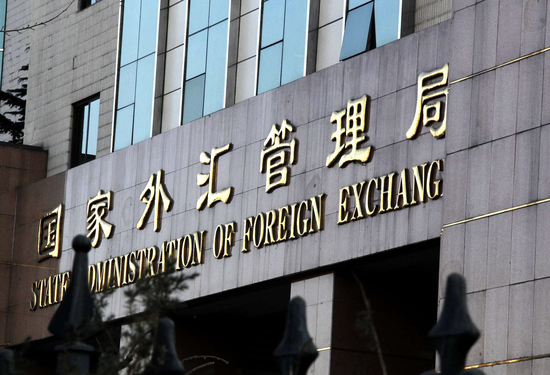
东方金诚首席宏观分析师王青表示,按不同标准测算,当前我国略高于3万亿美元的外储规模 处于适度充裕状态。综合考虑各方面因素,未来外储规模有望保持基本稳定。在外部环境波 动加大的背景下,适度充裕的外储规模将为保持人民币汇率处于合理均衡水平提供重要支 撑,也能成为抵御各类潜在外部冲击的"压舱石"。 央行连续14个月增持黄金 【导读】去年12月外储规模环比上升0.34%,央行连续14个月增持黄金 中国基金报记者 张玲 1月7日,国家外汇管理局发布的数据显示,截至2025年12月末,我国外汇储备规模连续5个 月稳定在3.3万亿美元以上。同时,央行已连续14个月增持黄金。 外储规模继续稳定在3.3万亿美元以上 数据显示,截至2025年12月末,我国外汇储备规模为33579亿美元,较11月末上升115亿美 元,升幅为0.34%。 国家外汇管理局表示,2025年12月,受主要经济体货币政策、宏观经济数据等因素影响,美 元指数下跌,全球金融资产价格涨跌互现。汇率折算和资产价格变化等因素综合作用,当月 外汇储备规模上升。我国不断巩固拓展经济稳中向好势头,经济长期向好的支撑条件和基本 趋势没有改变,有利于外汇储备规模保持基本稳定。 ...


央行连续第14个月增持黄金,外汇储备连续5个月增加
Bei Ke Cai Jing· 2026-01-07 10:20
值得注意的是,尽管国际金价已经处于历史高位,但我国央行已连续14个月增持黄金,从2024年11月至 2025年12月,每月保持稳定增持节奏。 市场人士指出,我国央行持续增持黄金可以有效分散风险,优化外汇储备结构,实现资产保值增值。另 外,黄金储备是主权货币信用的重要基石,充足的黄金储备,向全球市场传递了"人民币价值有实物资 产支撑"的信号,增强了国际社会对人民币的信心。同时,也为人民币在跨境贸易结算、国际储备货币 竞争中提供了"压舱石",有助于推动人民币国际化进程。 中国民生银行首席经济学家温彬表示,黄金长期上涨的基本逻辑依然稳固:一方面,地缘政治冲突和大 国博弈加剧进一步削弱了市场对美元信用的信心;另一方面,在"去美元化"趋势下,各国央行持续通过 增持黄金优化外汇储备结构。 国际货币基金组织(IMF)在去年10月发布的全球外汇储备货币构成数据显示,截至去年第二季度末, 美元在全球外汇储备中的占比已降至56%左右,创下自1995年以来的新低。 与此同时,各国央行,尤其是新兴市场央行持续购金以对冲美元风险与地缘不确定性,形成结构性买 盘,推动黄金在全球央行储备资产中的占比逐步攀升。同时,美联储引领的全球降息周期 ...
从海外投资者结构变化看美国国债风险|国际
清华金融评论· 2026-01-07 10:10
Core Viewpoint - The article discusses the changing landscape of U.S. Treasury holdings, particularly the decline in the share of U.S. debt held by foreign investors, and emphasizes the need for China to diversify its reserve assets and enhance the internationalization of the renminbi [1]. Group 1: Overview of U.S. Treasury Holdings - The total amount of U.S. Treasury securities has reached a historical peak of $38.11 trillion as of October 30, 2025, an increase of nearly $2 trillion from the end of 2024 [4]. - The ratio of U.S. debt to GDP has remained high, reaching 118.78% by the second quarter of 2025 [4]. - The total holdings of U.S. Treasury securities by various investors have surged from $3.04 trillion in Q1 2000 to $26.84 trillion by Q2 2025 [4]. Group 2: Changes in Foreign Investor Holdings - The share of U.S. Treasury securities held by foreign investors has decreased from a peak of 57.30% in Q4 2008 to approximately 34.08% by Q2 2025 [5]. - Despite the decline in share, the total amount held by foreign investors has increased from $4.91 trillion in September 2011 to $9.16 trillion by July 2025, indicating a robust growth trend [8]. - The structure of foreign holdings is shifting, with a slight increase in short-term debt holdings from 12.93% to 15.43% since September 2011, reflecting a preference for liquidity amid uncertain global interest rates [9]. Group 3: Changes in Holder Composition - The composition of foreign holders has shifted significantly, with private investors increasing their holdings from $1.74 trillion in December 2013 to $5.24 trillion by July 2025, a growth of 201.21% [10]. - The share of private investors has risen from 30% in December 2013 to 57.16% by July 2025, surpassing that of official investors for the first time [10]. - Official foreign investors have reduced their holdings from $4.05 trillion in December 2013 to $3.92 trillion by July 2025, a decline of 3.22% [10]. Group 4: Implications for Reserve Diversification - The decline in U.S. Treasury holdings by official foreign investors may be attributed to a trend towards diversifying foreign exchange reserves, with a shift from U.S. dollar assets to gold [11]. - Global official dollar reserve assets have shown a declining trend since 1999, while gold reserves have increased significantly, indicating a strategic shift in reserve management [11].

中国外汇储备连升五个月,黄金储备“14连增”
Xin Lang Cai Jing· 2026-01-07 09:30
Group 1: Foreign Exchange Reserves - As of December 2025, China's foreign exchange reserves reached $33,579 billion, an increase of $115 billion from November, marking a rise of 0.34% and a continuous increase for five months [1][5] - The increase in reserves is attributed to the decline in the US dollar index, which fell by 1.2% in December due to factors such as the Federal Reserve's interest rate cuts [1][5] - The overall economic stability and positive long-term trends in China support the maintenance of foreign exchange reserves at a stable level [1][5] Group 2: Gold Reserves - By the end of December, China's gold reserves stood at 74.15 million ounces (approximately 2,306.323 tons), with a month-on-month increase of 30,000 ounces (about 0.93 tons), marking the 14th consecutive month of gold accumulation [2][6] - The long-term upward trend in gold prices is supported by geopolitical tensions and a shift towards "de-dollarization," leading central banks to optimize their foreign exchange reserve structures by increasing gold holdings [4][8] - The necessity for central banks to continue accumulating gold is rising, as it enhances the credibility of sovereign currencies and supports the gradual internationalization of the Renminbi [4][9]
万亿美元顺差是问题吗?复旦圆桌会热议贸易平衡与政策选择
Sou Hu Cai Jing· 2026-01-07 04:18
Core Insights - China's goods trade surplus reached a record $1.0758 trillion in the first 11 months of last year, making it the first country to surpass a trillion-dollar surplus [1] - The forum at Fudan University focused on the structural causes, global impacts, and policy responses related to the anticipated record trade surplus in 2025 [1] Group 1: Structural Causes of Trade Surplus - The trade surplus is not a short-term phenomenon, having shown a sharp increase since 2018, driven by enhanced manufacturing competitiveness and long-term export support policies, alongside domestic consumption and investment shortfalls leading to "savings surplus" [2] - China's export products are transitioning from labor-intensive to high-tech products, with significant growth in exports of automobiles and integrated circuits, while traditional categories like textiles are experiencing negative growth [3] Group 2: Global Impact and Trade Dynamics - The proportion of trade surplus with the US and EU has decreased from 92% in 2018 to less than 50%, while countries along the "Belt and Road" account for 43.6% of the surplus, enhancing China's proactive stance in trade negotiations [5] - The correlation coefficient between geopolitical conflicts and China's trade surplus is 0.69, indicating that external factors significantly influence the surplus [3] Group 3: Policy Recommendations and Future Outlook - Experts recommend avoiding drastic measures like significant RMB appreciation or the complete removal of export tax rebates, which could harm export businesses and employment [2] - Suggestions include adjusting trade policies to expand imports of non-strategic products, lowering tariffs, and encouraging e-commerce companies to establish overseas warehouses to alleviate surplus pressure [2] - The transition from export to "going out" is seen as a trend that can help improve profit margins for companies and reshape the current account structure, similar to Japan's experience in the 1990s [6]

8133吨、2333吨、2303吨:一场跨越世纪的黄金“储备赛”
Sou Hu Cai Jing· 2026-01-07 03:37
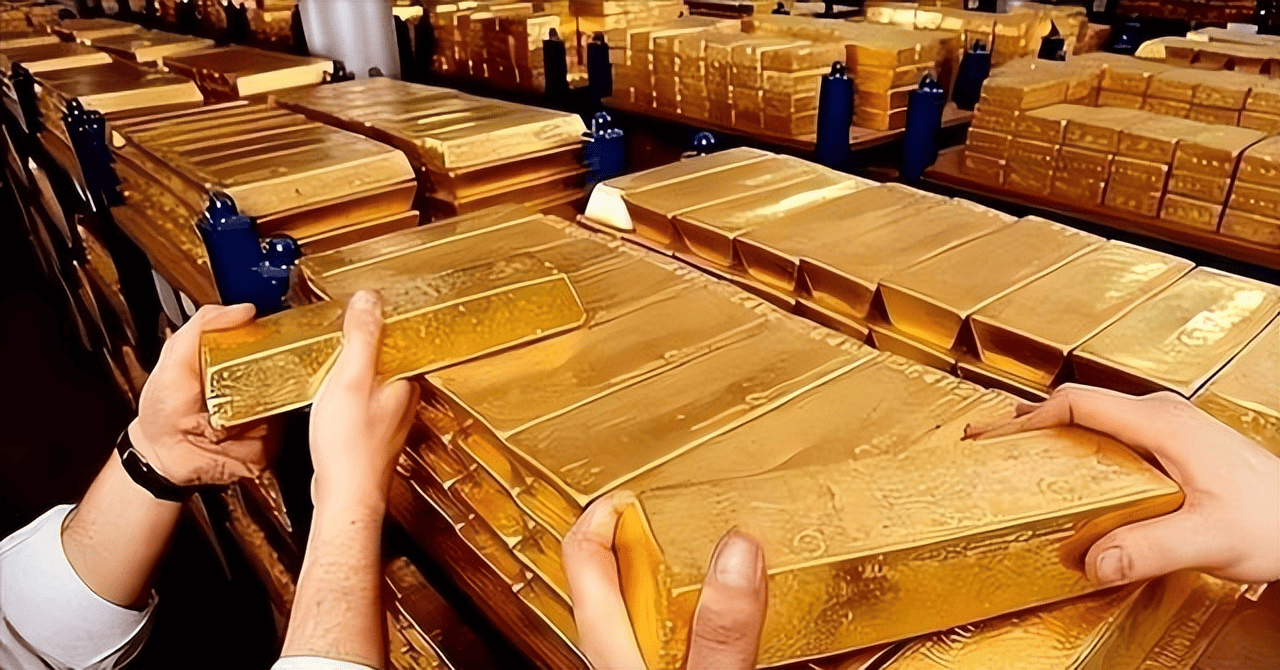
Core Insights - The article discusses the ongoing competition among countries regarding gold reserves, highlighting the strategic importance of gold in financial security and geopolitical power dynamics [1][3]. Group 1: Gold Reserves Comparison - The United States holds the largest gold reserves at 8,133 tons, accounting for 69% of its foreign exchange reserves, which serves as a cornerstone for the credibility of the US dollar [3]. - Russia has significantly increased its gold reserves to approximately 2,333 tons by 2025, with gold making up 26% of its foreign exchange reserves, particularly after Western sanctions post-Crimea [3]. - China's gold reserves stand at 2,303 tons, which is relatively low compared to its status as the world's second-largest economy, indicating potential for future growth [3][5]. Group 2: Strategic Approaches to Gold Accumulation - Since 2009, China has adopted a strategy of gradually increasing its gold reserves while reducing its holdings in US Treasury bonds, aiming for asset diversification and strengthening the international credibility of the Renminbi [5]. - Russia's gold accumulation is seen as a means to create a financial defense system independent of Western payment systems, especially highlighted during the Russia-Ukraine conflict [3][5]. - The global surge in gold prices, projected to exceed $2,500 per ounce by 2025, has intensified the trend of central banks increasing their gold reserves, particularly among emerging market countries [5]. Group 3: Broader Implications of Gold Reserves - The competition for gold reserves transcends national borders, with countries like Russia and China exploring new financial models supported by gold, such as gold-backed digital currencies [5]. - The article emphasizes that gold serves not only as a crisis response mechanism but also as a symbol of trust and independence among nations, shaping a new multipolar financial landscape [5].
恒指三连扬,后市续望2万7
Guodu Securities Hongkong· 2026-01-07 03:32
Group 1: Market Overview - The Hang Seng Index has shown strong performance, rising 4.2% in the first three trading days of 2026, with a notable increase of 363 points on the last trading day, closing at 26,710 points [3][4] - The A-share Shanghai Composite Index has reached a 10-year high, contributing to the positive momentum in the Hong Kong market [3] - The total market turnover was approximately 291.76 billion HKD, with a net inflow of 2.879 billion HKD from northbound trading [3] Group 2: Currency and Economic Outlook - Citigroup forecasts that the Chinese yuan will strengthen to 6.8 against the US dollar within the next 6 to 12 months, driven by the internationalization of the yuan and easing trade tensions [7] - The report anticipates that the People's Bank of China may implement a managed appreciation of the yuan, with GDP growth target set around 5% for the year [7] Group 3: Fund Performance - The Mandatory Provident Fund (MPF) recorded a net return of 16.5% for the year 2025, marking the third consecutive year of positive returns [8] - Stock and mixed asset funds accounted for nearly 80% of the total MPF assets, with average net returns of 24.8% and 16.8% respectively over the past year [8] Group 4: Company News - Hesai Technology has been selected by Nvidia as a partner for the NVIDIA DRIVE AGX Hyperion 10 platform, aimed at supporting L4 autonomous driving [10] - BrainCo has signed cooperation agreements with Peking University Sixth Hospital and Shandong Provincial Mental Health Center to advance digital therapy products for mental health [11] - NIO aims for annual sales growth of 40% to 50%, with plans to expand its battery swap station network significantly by 2030 [12]
一定要做好上涨的准备
Xin Lang Cai Jing· 2026-01-07 01:24
来源:Mask的小酒馆 我觉得现在大家坐稳扶好就可以了,做好上涨的准备,而且在这个过程中不要下车。 今天(1月6日)涨得最好的是证券,证券我现在的收益今天结算一下也有6、7个点了。 11月27号买的,不知道大家收益如何。而且除了证券,化工也已经有个30多个点的收益了。 节后回来除了指数,科技也在大涨。 比如港股信息技术ETF(159131)这几天就表现得不错。 为什么?因为港股那边,现在其实还有数字人民币2.0和人民币国际化的利好催化。 你想啊,数字人民币2.0要真正流通起来、要实现跨境支付,靠的是什么?靠的是技术基础设施,靠的 是芯片、算力、云计算、AI应用。而这些优质的科技资产,恰恰大量集中在港股市场。 2025年南向资金全年净买入港股超1.4万亿港元,创互联互通机制开通以来新高。其中,阿里巴巴、小 米集团、腾讯控股、中芯国际四大科技巨头港股通成交总额最高。为什么这些钱往科技股里涌?因为聪 明钱看到了数字化基础设施建设的巨大机会。 而港股信息技术ETF(159131)这只ETF是全市场首只聚焦"港股芯片"产业链的产品,重仓的是半导 体、电子、计算机软件这些硬核科技。你看它的前五大权重股:中芯国际占比20% ...

从马杜罗被拘捕看其隐形影响
Sou Hu Cai Jing· 2026-01-06 14:06
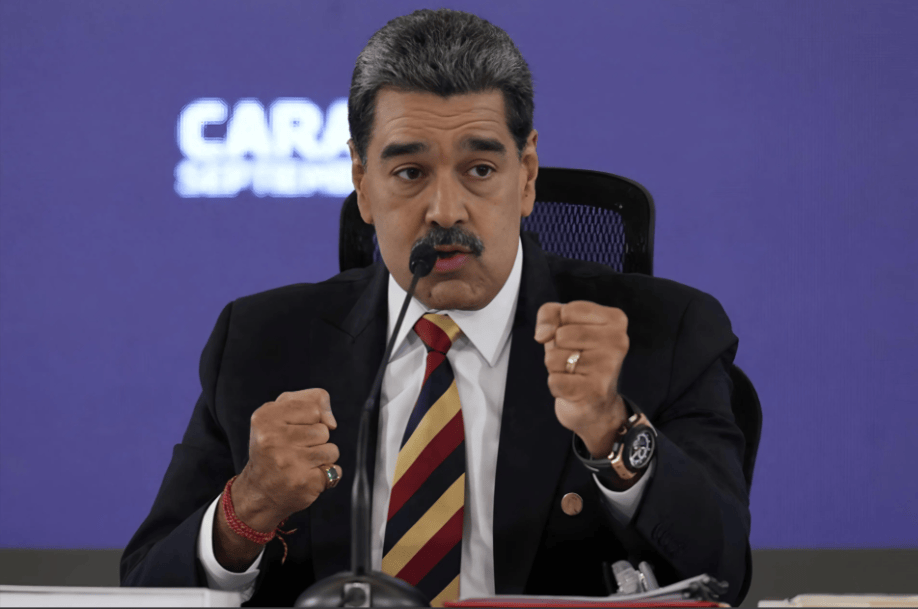
作为全球最重要的石油储备国之一,委内瑞拉在美国制裁的重压下,为打破金融封锁,自2017年起逐步推动其石油出口以人民币 计价和结算。此举不仅是应对美元流动性枯竭的权宜之计,更是对以美元为核心的全球石油—金融体系的直接挑战。任何试图绕 开美元进行大宗商品交易的行为,尤其是像石油这样的战略资源,都被视为对这套体系根基的动摇。 因此,委内瑞拉与人民币的"联姻",触动了美国最敏感的神经。这不仅仅关乎贸易结算的技术选择,更关乎全球金融权力的再分 配。无论马杜罗被拘捕的内部诱因具体如何,仍然难以完全剥离因挑战美元主导地位而加剧的地缘战略挤压的嫌疑。在全球化时 代,一个试图挣脱美元体系束缚、寻求替代性金融支柱的国家及其领导人,所面临的风险不仅是经济上的孤立,其国内政治的稳 定与领导人的安全,都可能因此被卷入大国金融战争的漩涡。 其次,拉美地区在全球化时代大国博弈中,如何站队?如何在世界舞台上获得更多话语权?何去何从?现在已经不是一个委内瑞 拉总统被拘捕了,1月4日,特朗普当天威胁哥伦比亚总统佩特罗,称对哥伦比亚发动行动"听起来不错"。佩特罗喊话特朗普,对 其发表的不当言论表示"最强烈的反对",指出其无视主权国家间关系的基本准 ...
马杜罗被抓往美国受审,对全球石油市场和中国石油供应有何影响?
Sou Hu Cai Jing· 2026-01-06 07:29
Core Viewpoint - The arrest of Venezuelan President Maduro has minimal immediate impact on global oil prices due to Venezuela's current oil production being less than 1% of global output, with 60-90% of its oil exported to China, leading to a global supply surplus. However, in the medium to long term, the potential lifting of sanctions and the return of U.S. companies could restore production, increasing global supply and putting downward pressure on oil prices. The impact on China includes higher export prices and increased replacement costs, while Russia faces economic threats from lower oil prices [1][3][21]. Group 1: Current Oil Production and Market Impact - Venezuela holds the largest oil reserves globally, totaling 303 billion barrels, accounting for 17% of global reserves, but its actual production is significantly lower due to mismanagement and sanctions [8][10]. - Currently, Venezuela's oil production is less than 1% of global output, with an average daily production of around 90,000 to 110,000 barrels, a drastic decline from over 3.5 million barrels per day in the 1970s [12][13]. - The majority of Venezuela's oil, over 60%, is exported to China, which limits its impact on the global oil market [14][17]. Group 2: Future Projections and Geopolitical Implications - The geopolitical changes in Venezuela are unlikely to have a substantial effect on the global oil market, as the country's oil production is severely constrained [21]. - If Venezuela's oil production is restored, it could take 1 to 2 years, potentially increasing global supply and lowering oil prices [21]. - The shift in Venezuela's political landscape may lead to a reorientation of oil exports towards the Americas, reducing supply to China and increasing import costs by 20-30% for China, particularly in diesel and asphalt [21]. - The control of Venezuelan oil resources by the U.S. could impact the internationalization of the Renminbi, as it may strengthen the dollar's dominance in oil transactions [21]. Group 3: Impact on Russia - A change in Venezuela's regime could have severe economic implications for Russia, as lower oil prices could disrupt its state capitalism model, necessitating significant economic adjustments [21].