
技术普惠

Search documents
世界为什么还需要一个新皮卡品牌?
汽车商业评论· 2025-09-11 23:08
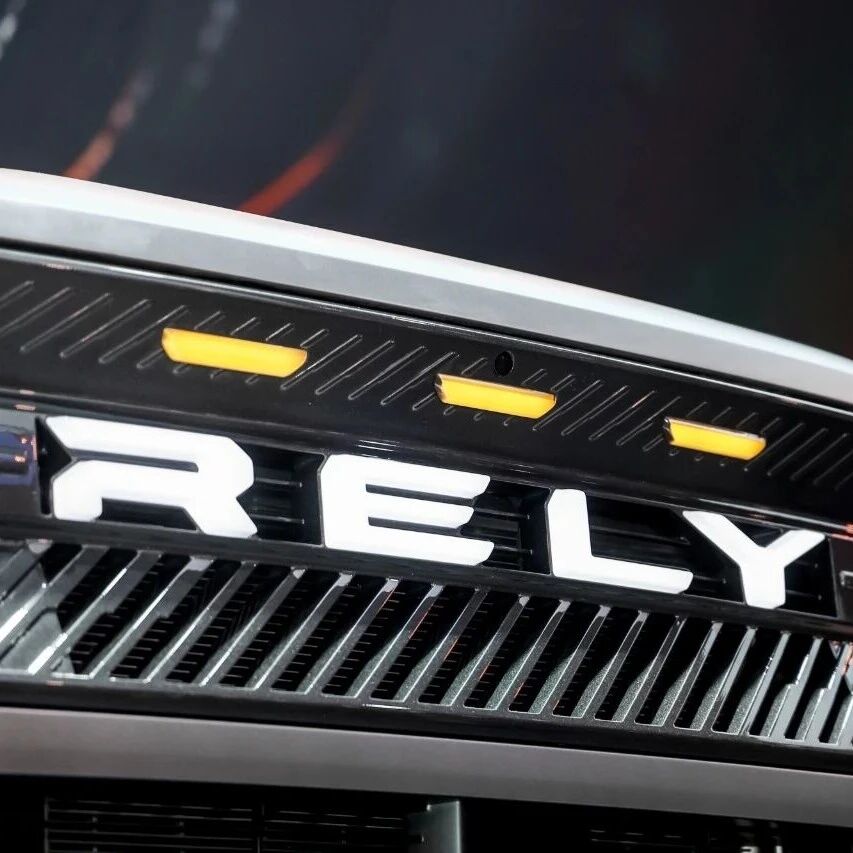
Core Viewpoint - RELY Weilin aims to transform the pickup truck industry from "functional satisfaction" to "experience upgrade" through its technology-centric approach, emphasizing "technology for all" [5][19]. Group 1: Product Launch and Pricing - At the 2025 Chengdu Auto Show, RELY Weilin showcased its three major series: Weilin R08, Weilin P3X, and Weilin P2X, with the R08 series starting pre-sales at a price range of 88,800 to 151,800 yuan, expected to officially launch in the second half of 2025 [6][8]. - The pricing strategy has generated significant buzz, with expectations that the final pricing will further disrupt the market [8]. Group 2: Market Opportunity and Competition - The global pickup truck market is projected to reach $260.16 billion by 2033, indicating substantial growth potential despite being dominated by brands like Toyota and Ford [11]. - Chinese pickup brands face challenges in overseas markets due to low brand recognition and a perception of being low-end products, but RELY Weilin benefits from the backing of Chery Holding, which has a strong global presence [11][12]. Group 3: Technological Advantages - RELY Weilin's "Weilin Kaitian Platform" is designed specifically for pickup trucks, offering four core advantages: global layout, flexible architecture, open-source power, and digital chassis, supporting various energy types and power combinations [16][19]. - The platform allows for advanced features such as AI electronic architecture and intelligent cockpit systems, positioning RELY Weilin to compete with mainstream passenger vehicles in terms of technology [19][20]. Group 4: Industry Transformation - The traditional pickup truck market is slow to adopt electric and intelligent technologies, presenting an opportunity for RELY Weilin to "leapfrog" competitors by offering advanced features and a dual fuel-electric strategy [20]. - The shift from "tool vehicle" to "all-purpose vehicle" is crucial, as new-generation users demand comfort and versatility, which RELY Weilin addresses through its platform's design [21][24]. Group 5: Future Outlook - RELY Weilin's commitment to balancing comfort and functionality in its vehicle design, along with its innovative power platform, positions it as a potential disruptor in the global pickup market [24][26]. - The brand's recent developments indicate a strong foundation for future growth, although the ultimate impact on market dynamics will require time to assess [26].

五年卖了170万辆,一款「国民代步车」的炼成
3 6 Ke· 2025-09-02 12:04
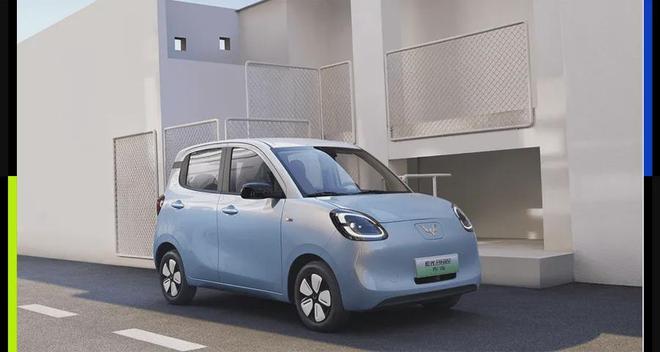
Core Insights - The article highlights the emergence of the Hongguang MINIEV as a leading micro electric vehicle in China, emphasizing its affordability and accessibility for the average consumer [2][3][6] - The vehicle has achieved significant sales milestones, with over 1.7 million units sold within five years, making it a national symbol of practical transportation [3][6][9] - The marketing strategy of Hongguang MINIEV focuses on emotional resonance with users, leveraging social media and innovative campaigns to enhance brand engagement [11][10] Group 1: Product Positioning and Market Impact - Hongguang MINIEV is positioned as "the people's vehicle," targeting urban commuting and short-distance travel, thus filling a gap in the market for affordable transportation [6][8] - The vehicle's pricing starts at 36,800 yuan, making it accessible to many families and young individuals, significantly lowering the barrier to car ownership [6][8] - The model has contributed to the rapid growth of the micro electric vehicle market in China, with a reported retail sales increase of 32% year-on-year [8][9] Group 2: Sales Performance and Environmental Impact - As of November 2023, the cumulative sales of Hongguang MINIEV have surpassed 1.7 million units, with a record of over 405 billion kilometers driven collectively by users, equating to 1.01 million laps around the Earth [9][6] - The vehicle has played a role in reducing carbon emissions by over 7.99 million tons, promoting a shift towards low-carbon transportation [9][6] Group 3: Marketing and Brand Strategy - The marketing approach of Hongguang MINIEV includes user participation initiatives, such as the "装出腔调" creative competition, which encourages customization and community engagement [11][10] - Collaborations with popular cultural IPs, such as "熊出没," have helped to resonate with diverse consumer demographics and enhance brand visibility [11][10] Group 4: Technological Advancements and Future Outlook - The continuous evolution of Hongguang MINIEV includes the introduction of new models that cater to family needs, such as the four-door version, which addresses the demand for larger vehicles [13][15] - The overall trend in the Chinese electric vehicle industry indicates a shift towards more affordable and technologically advanced options, with Hongguang MINIEV leading this transformation [15][17] - The company aims to maintain its leadership position in the micro vehicle market while contributing to the broader goals of green and technological transportation [17][18]
零跑汽车“双响”备战金九银十
Zhong Guo Qing Nian Bao· 2025-09-01 12:42
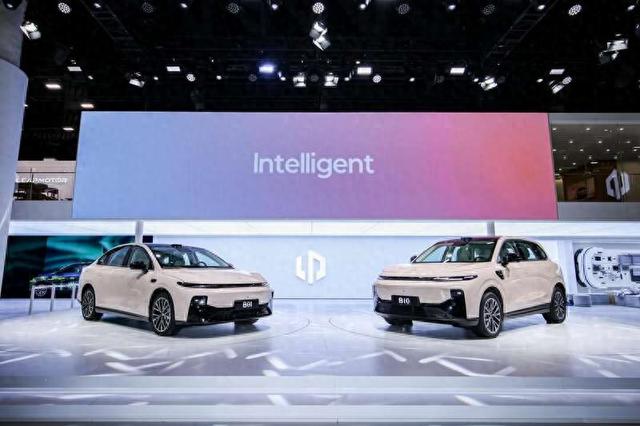
Core Insights - The Chengdu International Auto Show, which opened on August 29, is seen as a platform for preparing for the peak sales season in September and October, with Leapmotor showcasing its achievements as the top-selling new energy vehicle brand in China for five consecutive months [2] - Leapmotor announced two significant milestones: the delivery of its 10,000th B01 vehicle within just 37 days of its launch and the unveiling of the B10 model in a new color, reinforcing its youthful and fashionable brand image [2] - Leapmotor's sales exceeded 50,000 units in July, and by August 21, cumulative deliveries surpassed 900,000 units, marking a turnaround to profitability in the first half of the year, making it the second new energy vehicle company in China to achieve this [2] Product Strategy - Leapmotor's core strategy focuses on providing better configurations and quality for the same price, with over 40% of B01 buyers being female and more than 80% opting for the long-range version [2] - The B series has seen significant success, with over 50% of buyers choosing the laser radar version, indicating market acceptance of its "high configuration at low price" strategy [2] Technology and Innovation - Leapmotor emphasizes "full self-research" in its development, utilizing advanced technology such as the Qualcomm 8650 chip and laser radar for high-level driving assistance features [3] - The smart cockpit employs the Qualcomm 8295 chip and Leapmotor OS 4.0 Plus, with daily usage rates of its dual AI voice models exceeding 80% [3] - The company plans to enhance its driving assistance capabilities to be among the top in the industry by the first half of next year, focusing on hardware and software integration [3] Global Expansion - Leapmotor is transitioning from "export" to "localized operations," with the first batch of B10 vehicles heading to Europe and plans to enter over 20 countries and regions by the end of the year [3] - The company has established nearly 600 sales outlets in Europe, laying a solid foundation for future sales growth [3] Future Product Lines - Leapmotor aims to expand its product lineup with the introduction of the A series (targeting the market below 100,000 yuan) and the D series (aiming for the 300,000 yuan market), creating a comprehensive product spectrum [4] - The D series is positioned to offer competitive features typically found in vehicles priced at 500,000 yuan, maintaining Leapmotor's commitment to high value [4]

蔚来ES8上市,投资者信心爆棚
Zhong Guo Qi Che Bao Wang· 2025-08-22 01:32
Core Insights - NIO's third-generation ES8 was officially launched on August 21, 2025, with a starting price of 416,800 yuan, leading to a significant market reaction and a 9.27% increase in its stock price, pushing its market capitalization to over $12.4 billion, marking a six-month high [1][5] Pricing Strategy - The pricing strategy for the third-generation ES8 is described as "precise targeting," with the base price dropping by 81,200 yuan compared to the previous generation, and the BaaS battery rental option starting at 308,800 yuan, nearly 20% lower than market expectations [3][4] - The ES8 features a full suite of advanced technologies, including a 900V high-voltage architecture, 520kW dual motors, and 31 high-performance sensors, including three LiDARs, all standard across the model [3] Redefining Luxury Standards - The ES8 redefines luxury electric SUV standards with its dimensions, being the largest pure electric SUV in the Chinese market, and offers a spacious interior with features like zero-gravity seats and advanced entertainment systems [4] - The vehicle includes a dual-screen system with a 21.4-inch mini-LED sky screen and a 15.6-inch AMOLED central control screen, along with a high-power sound system, creating an immersive experience for users [4] Market Response - The stock surge following the ES8's launch reflects the capital market's anticipation of a "golden era" for pure electric three-row SUVs, with data showing a 217% year-on-year increase in sales for six-seater or more pure electric SUVs in China [5][6] - NIO's investment of over 18 billion yuan in charging and battery swap infrastructure has established the largest intelligent electric energy network globally, enhancing its competitive edge [5] Industry Implications - The success of the ES8 serves as a model for the high-end electric vehicle market in China, showcasing a different approach compared to competitors like Tesla and Li Auto, focusing on technology development and ecosystem building [6] - The enthusiastic market response to the ES8 signifies a vote of confidence in the upgrade of China's electric vehicle industry, demonstrating that Chinese brands can produce world-class high-end electric vehicles and redefine global automotive competition [6]


比亚迪李云飞:让赛车文化走进每个人的生活半径
Zhong Guo Jing Ying Bao· 2025-08-18 03:10
Core Viewpoint - BYD has launched a new all-terrain racetrack in Zhengzhou, aiming to democratize motorsport experiences and make them accessible to the general public, contrasting with traditional high-cost racetracks [2][3][4]. Group 1: Racetrack Features - The Zhengzhou racetrack, built with an investment of 5 billion yuan, features a 1758-meter main track and various terrains for diverse driving experiences, including straight-line acceleration, drifting, and extreme challenges like water navigation and desert climbing [3][4]. - The racetrack is designed as a "car technology experience center," offering both traditional racing experiences and showcasing the capabilities of electric vehicles and smart driving technologies [3][4][6]. - The facility includes 27 off-road projects inspired by famous Chinese off-road locations and features the world's largest sand testing area and a water navigation pool [4][5]. Group 2: Strategic Importance - The Zhengzhou racetrack is part of BYD's broader "全民赛车" (全民赛车) initiative, with plans for additional racetracks in Hefei and Shaoxing, further enhancing public engagement with electric vehicles [5][6]. - BYD's operations in Zhengzhou, including a manufacturing plant and the upcoming "迪空间" (Di Space) exhibition center, create a comprehensive ecosystem that integrates production, culture, and consumer experience [6][7]. - The Zhengzhou plant is a key production base, with a high level of automation and significant production capacity, indicating potential for future growth [6][7]. Group 3: Consumer Engagement - The racetrack and exhibition center serve as immersive experiences that allow consumers to engage with BYD's technology and vehicles, enhancing brand loyalty and accelerating sales processes [7]. - The facilities are designed to transform traditional car sales by providing hands-on experiences that can influence purchasing decisions, effectively acting as large experiential showrooms [7].

一颗石头的「取经」之路
3 6 Ke· 2025-08-15 14:30
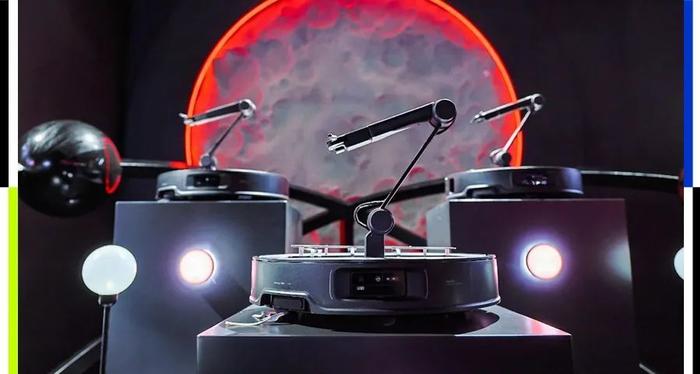
Core Insights - The article discusses the evolution and market positioning of Stone Technology in the robotic vacuum cleaner industry, highlighting its innovative approach and cultural alignment with traditional Chinese values [4][25] - Stone Technology has successfully captured a significant market share in the high-end segment, outperforming established foreign competitors like iRobot [7][20] Industry Overview - The robotic vacuum cleaner market has been evolving for over 30 years, characterized by frequent technological advancements and a competitive landscape filled with various players, including traditional home appliance manufacturers and tech companies [3][4] - The average selling price of robotic vacuum cleaners is around 2500, indicating a crowded market where success often hinges on breakthrough products [4] Company Performance - Stone Technology has maintained a leading position in the market with a GMV market share of 23.4% and a sales market share of 16.7% as of 2024, alongside high customer satisfaction ratings [20][21] - The company's revenue has shown consistent growth, with figures of 66.11 billion, 86.40 billion, and 119.19 billion for the years 2022 to 2024, and a 78.96% year-on-year increase in the first half of 2025 [20] Innovation and Technology - Stone Technology has focused on continuous innovation, introducing several groundbreaking technologies such as the LDS navigation system and high-temperature sterilization features in its products [11][19] - The company invests heavily in R&D, with expenditures consistently around 7%-8% of revenue, significantly higher than traditional appliance manufacturers [20][21] Market Strategy - Stone Technology has successfully expanded its product line beyond robotic vacuums to include floor washers and washing machines, leveraging its technological expertise across categories [19][24] - The company has entered over 170 countries, achieving market leadership in several international markets, demonstrating its ability to replicate domestic success abroad [24] Cultural Alignment - The collaboration with the Chinese IP "Rensheng Guo" reflects Stone Technology's strategy to align its brand with traditional cultural values, enhancing its market appeal [10][25] - The narrative of Stone Technology's growth parallels the cultural symbolism of resilience and innovation found in Chinese folklore, reinforcing its brand identity [25]

二季度扭亏为盈,坚守的小牛电动,守得云开见月明
美股研究社· 2025-08-14 10:01
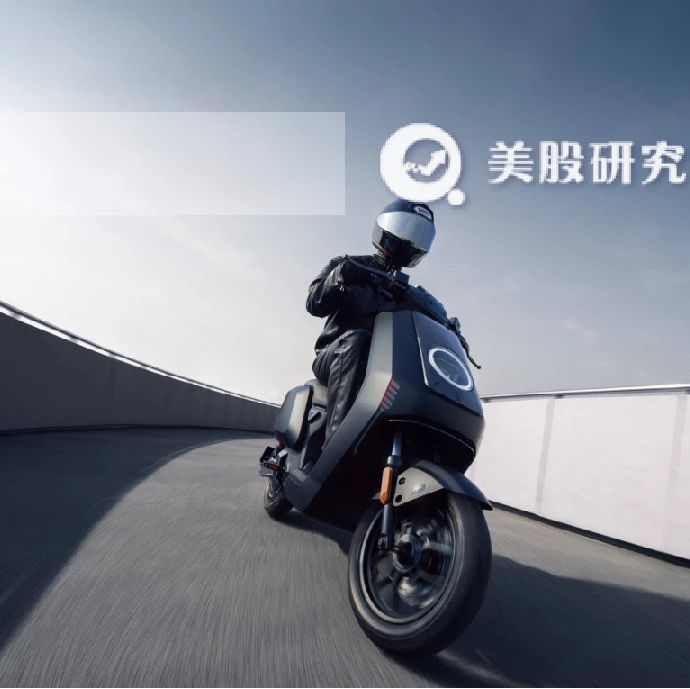
Core Viewpoint - Niu Technologies has successfully turned a profit in Q2, achieving a net profit of 5.9 million yuan, ending a streak of ten consecutive quarters of losses, amidst a challenging global electric vehicle market characterized by rising costs and price wars [1][10]. Revenue Growth and Market Strategy - Niu Technologies reported total revenue of 1.256 billion yuan, a year-on-year increase of 33.5%, with gross profit reaching 371 million yuan, up from 255 million yuan in the same period last year [4]. - The company sold 350,090 electric scooters, marking a 36.7% year-on-year increase, with domestic sales reaching 318,719 units, a 53.6% increase, while international sales fell by 35.5% to 31,371 units [5][4]. - The "technology for all" strategy has been pivotal, allowing Niu to introduce high-end features at lower price points, thus penetrating the commuter market and driving domestic vehicle revenue up by 45.4% to 1.057 billion yuan, accounting for 84.2% of total revenue [6][5]. Channel Expansion and Product Innovation - Niu's domestic store count reached 4,304, a 38% increase year-on-year, supporting sales growth through an "All in online" strategy that enhanced customer conversion [7]. - Significant investment in R&D, which increased by 35.5%, has led to the introduction of innovative technologies, reinforcing Niu's position in the high-end market [7][9]. - The launch of the Dual Master series achieved record sales of 228 million yuan on its first day, highlighting the brand's enhanced pricing power due to technological advancements [8]. Financial Position and Future Outlook - As of June 30, 2025, Niu's cash and cash equivalents totaled 1.2266 billion yuan, providing a solid foundation for future strategic initiatives [9]. - The company anticipates Q3 revenue to reach between 1.433 billion and 1.638 billion yuan, representing a year-on-year growth of 40% to 60%, driven by continued innovation and channel optimization [16]. Competitive Landscape and Market Challenges - The electric scooter market is becoming increasingly competitive, with Niu facing challenges from established players like Ninebot, which reported a 61.54% revenue increase in Q2 [14][15]. - The global smart scooter market is projected to reach $50 billion by 2025, with significant growth opportunities in emerging markets despite a currently limited distribution network [14]. - Niu's ability to control costs is crucial for its future success, as production costs per unit decreased by 12.5% year-on-year, and operating expenses as a percentage of revenue fell from 32.7% to 24.2% [16].

石头科技赴港上市,“扫地茅”又要IPO了
Sou Hu Cai Jing· 2025-08-13 22:37
Group 1 - Stone Technology has submitted its prospectus to the Hong Kong Stock Exchange, planning to list under the "A+H" model, potentially becoming a significant case of secondary listing in the smart hardware sector by 2025 [1] - The company reported a revenue of 11.945 billion yuan for 2024, marking a 38.03% year-on-year growth, but its net profit decreased by 3.64% [1][2] - The company is facing challenges in its strategic expansion, with R&D spending at twice that of traditional manufacturers and sales expenses increasing over 70% [2] Group 2 - Stone Technology's founder, Chang Jing, transitioned from working for major tech companies to establishing the firm in 2014, capitalizing on the smart hardware opportunity [4][5] - The company initially gained traction by partnering with Xiaomi, launching its first product, the "Mijia Smart Vacuum Cleaner," which disrupted the market with its competitive pricing [5] - By 2020, the company had reduced its reliance on Xiaomi, increasing its own brand revenue from 10% to 90% [7] Group 3 - Following the release of its financial report, Stone Technology's stock price dropped significantly, falling 25.42% in just two days [8] - The company has increasingly relied on overseas markets, with 53.48% of its revenue coming from international sales in 2024 [11] - Stone Technology is diversifying its product line, introducing washing and drying machines, but faces stiff competition in a mature market [12][13] Group 4 - The vacuum cleaner market is experiencing declining sales, with a 5.39% drop in units sold in the first half of 2023 [15] - Stone Technology's inventory turnover period has increased significantly, indicating potential inventory issues [15] - The company is shifting focus to international markets, establishing a presence on platforms like Amazon to drive growth [18] Group 5 - Stone Technology's overseas revenue reached 6.388 billion yuan in 2024, a 51.06% increase, surpassing domestic revenue [18] - The company is entering the washing machine market, targeting new households, but faces challenges due to established competitors [18] - The founder's venture into the automotive sector with Extreme Stone Automotive has not yet gained significant traction, with low sales figures reported [19]

越降价,车越贵?中国汽车均价已到顶峰
虎嗅APP· 2025-08-12 13:50
Core Viewpoint - The article discusses the ongoing price war in the Chinese automotive market, highlighting the paradox of declining prices alongside rising average vehicle prices due to market structural changes and shifts in consumer preferences [4][5]. Group 1: Price War and Market Dynamics - In 2024, 227 car models in China experienced price reductions, with average price drops of 18,000 yuan for new energy vehicles and 13,000 yuan for fuel vehicles, representing declines of 9.2% and 6.8% respectively [4]. - Despite the price war, the average retail price of passenger cars increased from 151,000 yuan in 2019 to 186,000 yuan in the first half of 2024 [4][5]. - The automotive industry’s profit margin fell to 4.3% in 2024, down from 7.8% in 2017, which is lower than the 6% profit margin of downstream industrial enterprises [4]. Group 2: Market Structure Changes - The market for fuel vehicles is experiencing a "two extremes" scenario, where the sales share of low-end models (5-10 million yuan) dropped from 26.8% in 2019 to 13.5% in 2024, while high-end models (above 300,000 yuan) increased from 6.2% to 10.3% [5]. - The overall sales of new cars priced above 200,000 yuan increased from 2.15 million units in 2019 to 6.99 million units in 2024, a growth of 3.25 times, while sales of cars below 200,000 yuan decreased by 670,000 units [5]. Group 3: Future Trends and Predictions - By 2025, the average price of passenger cars is expected to decline, with projections showing a drop to 172,000 yuan in Q2 and 169,000 yuan in July, an 8,000 yuan decrease from 2024 [6]. - The decline in average prices is attributed to a slowdown in the high-end fuel vehicle market and the impact of "old-for-new" policies, which are revitalizing the mid-to-low-end market [6][7]. - The market share of vehicles priced above 200,000 yuan is projected to continue decreasing, while the share of vehicles priced below 100,000 yuan is expected to rise [7]. Group 4: Impact of New Energy Vehicles - The average price of new energy vehicles is projected to decrease from 184,000 yuan in 2023 to 161,000 yuan in 2025, driven by supply chain maturity and an increase in high-end model sales [5]. - The share of new energy vehicles in the 300,000-400,000 yuan segment rose from 14.4% in 2021 to 39.8% in 2024, indicating a shift towards higher-end electric vehicles [5]. Group 5: Autonomous Brands and Market Competition - Several domestic automakers have launched high-end brands, with models priced between 700,000 and 1,000,000 yuan achieving significant sales milestones shortly after launch [8]. - The demand for traditional luxury vehicles is expected to decline, with autonomous brands potentially filling the gap left by high-end fuel vehicles [8].
小牛电动2025年Q2财报:营收增长33.5% 净利润同比扭亏为盈
Zheng Quan Ri Bao Wang· 2025-08-12 06:48
Core Viewpoint - Niu Technologies reported a strong performance in Q2 2025, achieving revenue of 1.2557 billion yuan, a year-on-year increase of 33.5%, and a net profit of 5.9 million yuan, marking a successful turnaround to profitability [1] Group 1: Financial Performance - The company achieved a historical high in vehicle sales, reaching 318,719 units in Q2, a year-on-year increase of 53.6% [1] - Revenue from complete vehicles in the domestic market grew by 45.4% year-on-year, amounting to 1.0569 billion yuan [1] - The company expects Q3 revenue to reach between 1.433 billion yuan and 1.638 billion yuan, representing a year-on-year growth of 40% to 60% [3] Group 2: Market Expansion - Niu Technologies expanded its domestic retail network to over 4,300 stores, a 38% increase compared to the same period last year [2] - The company sold 31,371 vehicles in the overseas market during Q2, with a single vehicle revenue of 3,288 yuan, reflecting a year-on-year increase of 22.6% [2] - Niu Technologies has established a presence in 53 countries and regions, enhancing its global service system through partnerships with local dealers [2] Group 3: Product Innovation and R&D - The company has focused on technological inclusivity, integrating high-end features into more affordable products, which has opened up broader market opportunities [1] - R&D investment increased by 35.5% year-on-year, supporting ongoing product innovation [2] - The company’s cash and cash equivalents, along with short-term investments, totaled 1.2266 billion yuan as of June 30, 2025, providing ample resources for future strategic initiatives [2]