
美元疲软

Search documents
金价大跌吸引买家,美联储再降息利好,4000美元关口还能撑多久?
Sou Hu Cai Jing· 2025-11-01 18:51
Core Viewpoint - The article discusses the recent fluctuations in gold prices, the impact of the Federal Reserve's interest rate cut, and the psychological significance of the $4000 price level for gold, highlighting the dynamics between buyers and market sentiment [1][5][13]. Group 1: Gold Price Movements - Gold prices initially surged to historical highs but then experienced a sudden decline in late October, prompting buyers to enter the market as prices dropped to new lows [1][3]. - The international gold price briefly rebounded to around $4009 per ounce, with the $4000 mark becoming a critical psychological barrier that could trigger stop-loss orders or panic selling if breached [3][6]. Group 2: Federal Reserve Actions - On October 29, the Federal Reserve announced a 25 basis point interest rate cut, bringing the target range for the federal funds rate to 3.75% to 4.00%, marking the second cut since September and the fifth since September 2024 [5][10]. - The Fed's decision to cut rates was influenced by slowing economic growth and high inflation, aiming to stabilize the economy amid incomplete data due to a potential government shutdown [5][10]. Group 3: Market Reactions - The interest rate cut typically reduces the opportunity cost of holding gold, leading to increased buying interest, particularly among retail investors and physical buyers [6][11]. - Despite the buying momentum, there are concerns about a potential short-term correction, with analysts suggesting support levels at $3850 and even $3690, creating a tense market atmosphere [6][11]. Group 4: Market Sentiment and Dynamics - Many ordinary buyers view the current market as an opportunity to purchase gold and jewelry without chasing extreme highs, contributing to market stabilization [8][11]. - The weakening dollar and expectations of further rate cuts have made gold more attractive, resulting in increased trading activity [8][11]. Group 5: Future Outlook - If gold prices can hold above the $4000 level, market sentiment may turn optimistic, encouraging further investments in physical gold or futures [11][13]. - Conversely, if prices fall below this threshold, concentrated stop-loss orders could trigger significant selling, leading to increased volatility and potential price corrections [11][13].

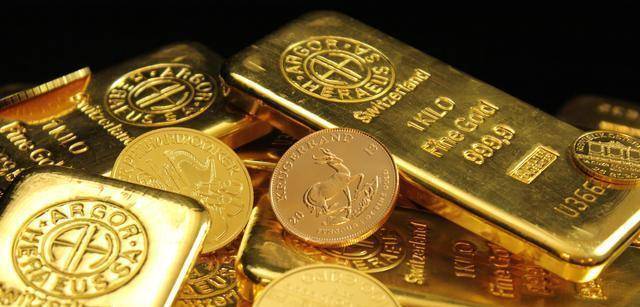
印度央行加速回收黄金:半年运回64吨,两年多来已运回274吨
Sou Hu Cai Jing· 2025-11-01 08:11
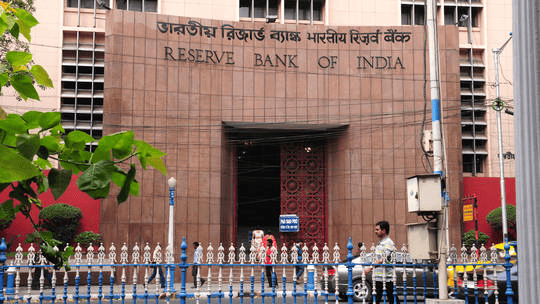
Core Insights - The Reserve Bank of India (RBI) has significantly increased its domestic gold reserves, bringing back approximately 64 tons of gold during the first half of the fiscal year (April to September) [1][3] Group 1: Gold Reserves - As of the end of September, RBI's total gold holdings amounted to 880.18 tons, with 575.82 tons stored domestically [3] - The domestic gold reserves now exceed 65% of the total, nearly doubling compared to four years ago [3] - Since March 2023, India has repatriated 274 tons of gold, indicating a trend of transferring gold back to the country [3] Group 2: Influencing Factors - The geopolitical situation, particularly the freezing of Russian foreign exchange reserves by the West following the Russia-Ukraine conflict, has been a significant factor in India's decision to bring gold reserves back home [3] - The uncertainty caused by tariffs imposed during the Trump administration has led to a weakening of the dollar against major currencies, prompting investors to view gold as a safer asset compared to the dollar [3]
【UNforex财经事件】金价突破4000美元 全球贸易缓和点燃市场信心
Sou Hu Cai Jing· 2025-10-31 03:43
Group 1 - The core viewpoint is that gold has regained its status as a preferred safe-haven asset amid rising global economic uncertainty, with prices surpassing $4000, reflecting strong market demand for safety [1][2] - Multiple factors are driving the rise in gold prices, including increased global economic risks, a weakening dollar, and heightened inflation expectations [1] - The recent meeting between Chinese and U.S. leaders has generated optimism in the market, particularly regarding trade discussions and potential tariff reductions, which could positively impact global economic activity [1] Group 2 - Despite short-term optimism from trade discussions, gold prices remain strong, supported by ongoing global economic uncertainty and the interplay of loose monetary policies and geopolitical risks [2] - The current market sentiment indicates that gold may experience fluctuations at high levels, with a solid support base as long as risk appetite does not significantly improve [2] - Investors are advised to remain cautious and monitor Federal Reserve policy developments and the progress of U.S.-China negotiations, as these factors could influence gold price movements [2]
dbg markets:美元疲软,KKR将重心转移到亚洲
Sou Hu Cai Jing· 2025-10-23 03:08
Group 1 - The core viewpoint is that KKR is shifting its investment focus towards Asia due to the weakening momentum of the US dollar and the ongoing fundamental advantages in Asian markets [1] Group 2 - Compared to over 20% alternative asset allocation in mature markets like Europe and the US, most Asian institutions have less than 10%, indicating significant room for growth [3] - The substantial household savings in Asia, particularly Japan's $14 trillion in household wealth, with half still held in cash, presents a capital source for investment as savers seek higher asset returns [3] - KKR's capital deployment speed in Japan has reached five times that of ten years ago, making Japan KKR's most active investment destination outside the US, accounting for 40% of its Asia-Pacific assets [3] Group 3 - India is identified as KKR's second-largest market in Asia, with a young population over 60% driving consumption potential and increased foreign investment in manufacturing due to global supply chain adjustments [4] - KKR is focusing on investments in India's toll roads, renewable energy, and digital infrastructure, with expectations to invest over $5 billion in these sectors over the next three years [4] - Despite a decline in China's share of private equity transactions in the Asia-Pacific region from over 50% in 2020 to 27% by 2024, KKR remains focused on the Chinese market, particularly in domestic consumption and value-added services [4]

美国资本转投亚洲?KKR:美元疲软正驱动投资东移
智通财经网· 2025-10-22 01:51
Group 1 - KKR's co-CEO Joseph Bae indicated that global investors are gradually reallocating funds towards Asia as the dollar weakens and Asian fundamentals strengthen [1][2] - The firm is significantly increasing its investments in Japan, which has become KKR's largest Asian market, accounting for 40% of its regional assets [1] - Japan's household wealth, totaling $14 trillion, presents substantial opportunities as half of it remains in cash, with a shift towards new asset classes expected [1] Group 2 - KKR is also increasing its investments in India, which is its second-largest Asian market, focusing on sectors like toll roads, renewable energy, and digital infrastructure [2] - Despite Asia being a major beneficiary of global diversification, North American investors remain cautious about China, with its share of Asia-Pacific deal volume dropping from over 50% in 2020 to just 27% by 2024 [2] - KKR continues to focus on domestic consumption and value-added services in China, which remain investment hotspots despite the cautious sentiment [2]
Gold prices topped $4,300 this week. What's driving the surge?
Yahoo Finance· 2025-10-17 16:14
Core Insights - Gold prices have reached a record high, closing at $4,326 per troy ounce, with futures trading above $4,344 before a slight decline [1] - The surge in gold prices is attributed to economic uncertainty, including a prolonged government shutdown and ongoing trade tensions, particularly with China [2][4] - Gold futures have increased nearly 60% since the beginning of 2025, while silver futures have risen about 70% in the same period [3] Economic Context - The U.S. government shutdown has delayed key economic data and affected federal employees, contributing to investor anxiety [5] - President Trump's trade wars have imposed steep tariffs, straining businesses and consumers, leading to higher costs and a weakened job market [4] - The Federal Reserve's recent interest rate cuts have made gold a more attractive investment option [6]
4 forecasters explain why gold's record-shattering rally has further to run — including one call for a 20% surge
Yahoo Finance· 2025-10-08 22:52
Core Viewpoint - The gold market is experiencing a record-breaking surge, with prices surpassing $4,000 an ounce for the first time, marking a year-to-date gain of 52%, potentially leading to its best year since 1979 [1][9]. Group 1: Market Drivers - Economic uncertainty, inflation concerns, and a weaker US dollar are key factors driving the gold rally [2][9]. - Central bank purchases and strong inflows into gold ETFs are expected to continue supporting gold prices [4][5]. Group 2: Price Forecasts - Goldman Sachs has raised its price target for gold to $4,900 per ounce by December 2026, anticipating a 20% increase through the end of next year [3]. - HSBC predicts gold prices could range from $3,600 to $4,400 next year, suggesting an 8% potential increase from current levels [6][7]. Group 3: Future Considerations - Analysts caution that the rally may lose momentum in 2026 due to increased supply and reduced physical demand, alongside potential downward pressure from a strengthening US dollar [8].
Haefele: The dollar is absorbing a lot of the shock
Youtube· 2025-10-01 12:08
Economic Outlook - The ADP report is anticipated to be a significant market mover as the Federal Reserve remains data-dependent, with investors closely monitoring economic and job data [1] - There is an expectation of further Federal Reserve interest rate cuts, with speculation about timing and market reactions [2] Sector Analysis - Investors are shifting towards defensive sectors such as healthcare and staples, as well as exploring options markets for downside protection [2] - Technology, AI, and healthcare sectors are expected to remain resilient amid potential government shutdowns, with the dollar absorbing market shocks [3] Global Investment Opportunities - There are emerging opportunities outside the U.S., particularly in China’s tech sector and potential political changes in Japan that could benefit investors [4] - The dollar has declined significantly year-to-date, impacting U.S. markets, but may lead to renewed interest in international markets, especially in Brazil and emerging markets [5][7] Commodity Trends - Commodities like platinum and copper are showing upward trends, with emerging markets likely to benefit from higher commodity prices [8][9] - There is potential stabilization in China, along with government stimulus that could positively influence commodity markets [10]

金晟富:9.30黄金强势再创历史新高!月线收官谨防调整回落
Sou Hu Cai Jing· 2025-09-30 02:40
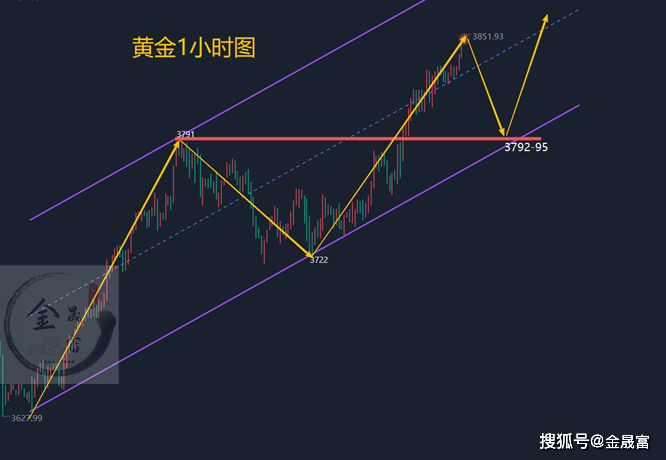
Core Viewpoint - The recent surge in gold prices is driven by expectations of interest rate cuts, political risks from a potential U.S. government shutdown, and ongoing geopolitical tensions, particularly the Russia-Ukraine conflict [2][3][4][5]. Group 1: Economic Factors - The strongest driver for the gold market is the rising expectation of interest rate cuts by the Federal Reserve, with a 89.3% probability of a cut in October [3]. - The U.S. personal consumption expenditure price index data aligns with market expectations, providing a conducive environment for rate cuts [3]. - The decline in bond yields, with the 10-year U.S. Treasury yield dropping below 4.14%, supports the upward trend in gold prices [3]. Group 2: Political Risks - The political deadlock in Washington is a significant factor pushing gold prices higher, as a government shutdown could lead to economic uncertainty and volatility in the markets [4]. - The potential delay in the release of the non-farm payroll report due to the shutdown adds to the uncertainty, further enhancing gold's appeal as a safe-haven asset [4]. Group 3: Geopolitical Tensions - The ongoing Russia-Ukraine conflict continues to escalate, reinforcing gold's status as a safe-haven asset amid geopolitical instability [5]. - A decline in the U.S. dollar index, which fell by 0.24% to 97.92, provides additional support for gold prices as it lowers the cost for overseas buyers [5]. Group 4: Market Sentiment - There is a growing consensus among institutional investors regarding the bullish outlook for gold, driven by the combination of political risks and interest rate cut expectations [6]. - The flattening of the yield curve, with the spread between two-year and ten-year Treasury yields narrowing to 51 basis points, indicates weakening confidence in economic growth [6]. - The divergence in opinions among Federal Reserve policymakers regarding inflation and labor market conditions adds to the uncertainty, enhancing gold's investment appeal [6].
每日机构分析:9月23日
Xin Hua Cai Jing· 2025-09-23 14:18
Group 1 - Eurozone inflation is on a downward trend, increasing the likelihood of the European Central Bank (ECB) cutting interest rates again in 2025, with core inflation expected to fall below 2% due to slowing wage growth and declining commodity prices [1] - Bridgewater Associates warns of high government debt in the US and UK, leading to economic strain and social polarization, with UK productivity stagnating since the mid-2000s [1] - Deutsche Bank strategists predict a continued weak dollar, as investors shift away from US assets amid a new easing cycle from the Federal Reserve and concerns over its independence [2] Group 2 - German manufacturing is facing challenges, with a decline in manufacturing PMI to 48.5 indicating increased contraction, despite a rise in services PMI to 52.5 [2] - Malaysia's fiscal deficit target for 2025 is expected to remain at 3.8%, benefiting from lower Brent crude prices and a stronger ringgit, with inflation expectations adjusted down to 1.5% [2] - The H-1B visa reform in the US may reduce the outflow of Indian talent, benefiting India's economy, but could also lead to decreased remittances from the US, putting downward pressure on the Indian rupee [3]


