经济复苏

Search documents
GDP增长-0.2%!日本经济一年来首次萎缩
Hua Er Jie Jian Wen· 2025-05-16 06:23
日本经济在过去一年首次萎缩,关税、通胀对日本经济造成双重打击。 第一季度数据显示,外部需求(出口减去进口)削减了0.8个百分点的增长,其中出口下降0.6%,进口 则增长2.9%。 随着美国关税损害作为日本主要增长引擎之一的出口,持续的通胀也在损害另一个引擎:私人消费(约 占GDP的一半)。周五发布的数据显示,第一季度私人支出环比持平。 "持续的价格上涨通过削弱消费者信心,对日本经济构成下行风险,"经济大臣Ryosei Akazawa周五在新 闻发布会上表示。 Akazawa表示,关税担忧尚未影响消费,但这位负责与美国进行贸易谈判的部长承诺,在最近的政府调 查显示消费者情绪可能恶化后,将密切关注消费者情绪。 企业投资成为唯一亮点 据日本政府周五发布的初步数据显示,日本一季度实际GDP环比下降0.2%,这是一年来首次经济收 缩,弱于经济学家预测的0.1%萎缩,也与前一季度0.6%的增长形成鲜明对比,一季度日本经济按年率 计算萎缩0.7%。 这一GDP数据发布之际,市场正担忧美国关税可能通过抑制出口和降低企业投资意愿,危及日本来之不 易的经济复苏。 凯投宏观亚太区主管Marcel Thieliant表示: 由于贸易 ...
日本经济再生大臣赤泽亮正:就业和收入状况的改善有望支撑温和的经济复苏。
news flash· 2025-05-16 01:28
日本经济再生大臣赤泽亮正:就业和收入状况的改善有望支撑温和的经济复苏。 ...
西门子CEO:德国有复苏的潜力。经济的进一步复苏将取决于关税形势的发展和贸易冲突的解决。
news flash· 2025-05-15 05:55
Core Viewpoint - Siemens CEO stated that Germany has the potential for economic recovery, which will depend on the development of tariff situations and the resolution of trade conflicts [1] Group 1 - The potential for recovery in Germany's economy is highlighted by the CEO of Siemens [1] - Economic recovery is contingent upon the evolution of tariffs and the resolution of ongoing trade disputes [1]
中金 • 全球研究 | 泰国经济2Q25展望:复苏遇阻与逆风博弈
中金点睛· 2025-05-14 23:43
Core Viewpoint - Thailand's economic recovery faces unexpected disruptions, with GDP growth forecasted to slow down to 1.8% in 2025, down from previous expectations of 2.5% for 2024, due to multiple adverse factors impacting the economic outlook [2][9]. Macroeconomic Overview - Thailand's real GDP is projected to grow by 2.5% in 2024, up from 2.0% in 2023, driven by a 5.4% increase in goods exports, a 26.3% rise in international tourist arrivals, and a 4.4% growth in private consumption [8][9]. - The IMF has revised Thailand's GDP growth forecast for 2025 down to 1.8%, highlighting the challenges posed by external factors such as U.S. tariffs and domestic political instability [9][10]. Policy Regulation - The Thai government has introduced an economic stimulus plan exceeding 500 billion THB (approximately 15 billion USD) to counteract slowing growth, focusing on consumption stimulation and investment [3][21]. - The Bank of Thailand has lowered the policy interest rate from 2.25% to 1.75% to enhance market liquidity, with additional measures including debt relief programs and digital wallet initiatives aimed at supporting indebted households [3][21]. Trade Dynamics - U.S. tariff policies present uncertainties for Thailand's exports, with a trade surplus of 35.4 billion USD expected in 2024, and a corresponding tariff rate of 36% [4][30]. - In Q1 2025, Thailand's exports grew by 15.2%, supported by strong demand from the U.S. and China, but ongoing trade negotiations with the U.S. remain stalled, posing risks to future trade performance [4][31]. Tourism Industry - The tourism sector is under scrutiny due to security incidents and the impact of the March earthquake, with international tourist arrivals increasing by only 1.9% in Q1 2025 [5][37]. - High-spending tourists from Western countries are partially offsetting the decline in Chinese visitors, but the overall recovery in tourism is expected to be slower than anticipated [5][38]. Capital Markets - The Thai stock market (SET Index) has fallen by 14.5% year-to-date, reaching a five-year low, driven by global market volatility and domestic economic challenges [6][46]. - Recommendations for investment strategies include diversifying into high-dividend blue-chip stocks, tourism-related sectors, and utilities, as well as taking advantage of potential stock buyback programs [6][47].


央行释放重要信号
Wind万得· 2025-05-14 22:43
Core Viewpoint - The central viewpoint of the article emphasizes that the combination of loose monetary policy and fiscal efforts is supporting credit expansion, with M2 and social financing growth rates exceeding expectations, despite short-term pressures from local debts and external uncertainties [1][3]. Group 1: Financial Data Overview - As of the end of April, M2 balance reached 325.17 trillion yuan, with a year-on-year growth of 8%, surpassing the market expectation of 7.2% [3]. - M1 balance stood at 109.14 trillion yuan, showing a year-on-year increase of 1.5%, with a slight decline in growth rate compared to the end of March [3]. - In April, the incremental social financing was 1.16 trillion yuan, which is 1.22 trillion yuan more than the previous year [3]. - The cumulative social financing increment for the first four months was 16.34 trillion yuan, an increase of 3.61 trillion yuan year-on-year, with government bond net financing being a major support [3]. Group 2: Loan Structure and Trends - In the first four months, new RMB loans totaled 10.06 trillion yuan, remaining stable compared to the same period last year, with April alone contributing 280 billion yuan [3][10]. - Resident loans increased by 518.4 billion yuan, with medium to long-term loans (like mortgages) rising by 760.1 billion yuan, while short-term loans decreased by 241.6 billion yuan [10]. - Corporate loans increased by 9.27 trillion yuan, accounting for 92% of the total loan increment, with a rising proportion of medium to long-term corporate loans [11]. Group 3: Economic Support and Policy Implications - The financial data from the first four months indicates that the growth rates of social financing, M2, and RMB loans continue to exceed the nominal GDP growth rate, reflecting strong financial support for the real economy [13]. - The central bank's counter-cyclical adjustment policies, such as interest rate cuts and structural tools, have facilitated monetary supply expansion, alongside accelerated government bond issuance [15]. - Government bond net financing for the first four months was 4.85 trillion yuan, contributing significantly to social financing growth [16]. Group 4: Interest Rates and Future Expectations - The average interest rate for newly issued corporate loans in April was 3.2%, while the personal housing loan rate was 3.1%, both at historical lows [22]. - Market expectations suggest that the central bank will continue to maintain a loose environment through interest rate cuts and reserve requirement ratio reductions, with a focus on stabilizing growth and promoting reasonable price recovery [23].
西南期货早间评论-20250514
Xi Nan Qi Huo· 2025-05-14 05:45
Report Industry Investment Ratings No relevant content provided. Core Views - The report analyzes multiple futures markets, including bonds, stocks, precious metals, and various commodities. It suggests different investment strategies based on market conditions, such as being cautious with bonds, considering long positions in stock index futures, and taking long positions in gold futures [6][10][12]. Summary by Category Bonds - **Market Performance**: On the previous trading day, most bond futures closed higher. The 30 - year, 10 - year, and 2 - year contracts rose, while the 5 - year contract fell slightly. The central bank conducted 43 billion yuan of 7 - day reverse repurchase operations, resulting in a net injection of 43 billion yuan [5]. - **Analysis**: The external environment is favorable for bond futures, but yields are relatively low. China's economy shows a stable recovery trend, and there is room for domestic demand policies. It is recommended to be cautious, expecting increased volatility [6][7]. Stock Index Futures - **Market Performance**: On the previous trading day, stock index futures showed mixed results, with the CSI 300 and SSE 50 rising slightly, while the CSI 500 and CSI 1000 fell [8]. - **Analysis**: Although tariffs disrupt the domestic economic recovery rhythm, domestic asset valuations are low, and there is policy - hedging space. The report is optimistic about the long - term performance of Chinese equity assets and suggests considering long positions in stock index futures [10][11]. Precious Metals - **Market Performance**: On the previous trading day, gold and silver futures prices declined. The eurozone's May ZEW economic sentiment index improved [12]. - **Analysis**: The complex global trade and financial environment, potential central bank policy easing, and trade frictions are expected to drive up gold prices. The long - term bullish trend of precious metals continues, and it is recommended to take long positions in gold futures on dips [12][13]. Steel Products (Rebar, Hot - Rolled Coil) - **Market Performance**: On the previous trading day, rebar and hot - rolled coil futures rebounded slightly. Spot prices are at certain levels [14]. - **Analysis**: The real estate downturn suppresses rebar demand, but the current peak demand season may support prices. The valuation is low, and there are signs of a bottom. It is recommended to look for short - selling opportunities on rebounds and manage positions carefully [14][15]. Iron Ore - **Market Performance**: On the previous trading day, iron ore futures rose slightly. Spot prices are at certain levels [16]. - **Analysis**: The increase in iron ore demand and the decrease in supply and inventory support prices. The valuation is relatively high. It is recommended to look for long - buying opportunities at low levels, take profits on rebounds, and set stop - losses if the previous low is broken [16]. Coking Coal and Coke - **Market Performance**: On the previous trading day, coking coal and coke futures fell slightly [18]. - **Analysis**: The supply of coking coal is loose, and the demand for coke from steel mills is weakening. Prices are expected to remain weak in the short term. It is recommended to look for short - selling opportunities on rebounds and manage positions carefully [18][19]. Ferroalloys - **Market Performance**: On the previous trading day, manganese silicon and silicon iron futures fell. Spot prices also showed some changes [21]. - **Analysis**: The demand for ferroalloys is weak, and the supply is relatively high. There are concerns about manganese ore supply disruptions. It is recommended to consider long positions in out - of - the - money call options for manganese silicon and exit short positions for silicon iron at the bottom [21][22]. Crude Oil - **Market Performance**: On the previous trading day, INE crude oil opened high and closed low. There are various data and news in the energy market [23][24]. - **Analysis**: OPEC+ is increasing production, and there are concerns about oversupply. However, the reduction of Sino - US tariffs is beneficial to crude oil. It is recommended to wait and see for the main crude oil contract [25][26]. Fuel Oil - **Market Performance**: On the previous trading day, fuel oil followed crude oil, opening high and then fluctuating lower. Singapore's fuel oil inventory decreased [27]. - **Analysis**: The possibility of relaxed US sanctions on Russia is negative for high - sulfur fuel oil, but tariff agreements are beneficial for demand recovery. It is recommended to take long positions in the main fuel oil contract [27][28][29]. Synthetic Rubber - **Market Performance**: On the previous trading day, synthetic rubber futures rose. Spot prices increased, and the basis was stable [30]. - **Analysis**: Supply pressure persists, but demand is expected to improve due to tariff expectations, and costs are rebounding. It is expected to be short - term bullish [30][31]. Natural Rubber - **Market Performance**: On the previous trading day, natural rubber futures rose. Spot prices increased, and the basis was stable [32]. - **Analysis**: The supply is expected to increase, but demand may improve due to tariff changes. It is expected to fluctuate weakly [32][34]. PVC - **Market Performance**: On the previous trading day, PVC futures rose. Spot prices increased slightly, and the basis was stable [35]. - **Analysis**: Supply is gradually recovering, and demand is weakly recovering. The market is expected to fluctuate weakly at the bottom [35][37]. Urea - **Market Performance**: On the previous trading day, urea futures rose. Spot prices increased, and the basis was stable [38]. - **Analysis**: The adjustment of export policies and the upcoming agricultural demand may lead to a bullish trend. It is necessary to continue to monitor policy changes and price differences between domestic and foreign markets [38][40]. PX - **Market Performance**: On the previous trading day, PX futures rose. The PXN spread increased [41]. - **Analysis**: The short - term upward repair of crude oil prices and positive sentiment are expected to drive PX prices to rebound. It is recommended to participate on dips and pay attention to crude oil price changes and macro - policies [41]. PTA - **Market Performance**: On the previous trading day, PTA futures rose. Supply decreased, and demand increased [42]. - **Analysis**: The improvement in the short - term supply - demand structure and the expected improvement in costs are expected to drive PTA prices to rebound. It is recommended to operate in the low - price range and control risks [42]. Ethylene Glycol - **Market Performance**: On the previous trading day, ethylene glycol futures rose. Supply increased slightly, and inventory decreased [43]. - **Analysis**: The restart of coal - based ethylene glycol plants is slower than expected, and imports are reduced. It is expected that prices will have upward space. It is recommended to participate on dips and pay attention to inventory and policies [43]. Short - Fiber - **Market Performance**: On the previous trading day, short - fiber futures rose. Demand improved slightly, and costs increased [44]. - **Analysis**: The improvement in the supply - demand fundamentals and the support from costs are expected to drive short - fiber prices to adjust bullishly. It is recommended to take short - term long positions on dips and control risks [44]. Bottle Chips - **Market Performance**: On the previous trading day, bottle - chip futures rose. Costs increased, and demand improved [45]. - **Analysis**: The increase in raw material prices and the improvement in supply - demand fundamentals are expected to drive bottle - chip prices to rebound. It is necessary to pay attention to cost price changes [45]. Soda Ash - **Market Performance**: On the previous trading day, soda ash futures fell. Production decreased, and inventory increased [46]. - **Analysis**: The market remains in a loose pattern, but the concentrated maintenance in May may lead to short - term adjustments. Short - sellers at low levels should adjust their positions [46]. Glass - **Market Performance**: On the previous trading day, glass futures fell. There are changes in production lines and market prices [47][48][49]. - **Analysis**: There is no obvious driving force in the supply - demand fundamentals. The tariff adjustment and the expected policy support may have an impact on market sentiment, but the actual repair degree needs to be observed [49]. Caustic Soda - **Market Performance**: On the previous trading day, caustic soda futures rose. Production increased slightly, and inventory was at a neutral level [50]. - **Analysis**: The demand for caustic soda is limited, but the maintenance of some plants in May may provide some driving force. It is necessary to focus on plant operations and liquid chlorine prices [50][51]. Pulp - **Market Performance**: On the previous trading day, pulp futures rose. The tariff negotiation result gave some confidence, but the supply - demand situation is still loose [52]. - **Analysis**: The supply is high, and the demand is weak. The short - term rebound may be due to tariff news. It is necessary to pay attention to international production cuts and domestic consumption - stimulating policies [52][53]. Lithium Carbonate - **Market Performance**: On the previous trading day, lithium carbonate futures fell. The supply - demand situation is in surplus [54][55]. - **Analysis**: The decline in ore prices weakens the cost support, and the demand slows down. It is expected to run weakly [55]. Copper - **Market Performance**: On the previous trading day, Shanghai copper fluctuated slightly. Spot prices decreased slightly [56]. - **Analysis**: The Comex copper is weak, and the 60 - day moving average suppresses prices. The Sino - US negotiation results may lead to price fluctuations. It is recommended to wait and see [56][57]. Tin - **Market Performance**: On the previous trading day, Shanghai tin rose. There are changes in supply and demand [58][59]. - **Analysis**: The contradiction between the current shortage and the expected supply increase is expected to lead to a bearish - fluctuating trend [59]. Nickel - **Market Performance**: On the previous trading day, Shanghai nickel rose. The supply and demand situation is complex [60]. - **Analysis**: The cost support is strong, but the demand is weak. It is necessary to pay attention to the opportunity after the repair of macro - sentiment [60]. Industrial Silicon/Polysilicon - **Market Performance**: On the previous trading day, industrial silicon futures fell, and polysilicon futures rose. Spot prices of polysilicon decreased [61]. - **Analysis**: The demand in the industry chain is weak, and the supply reduction is limited. It is in the capacity - clearing cycle, and it is recommended to maintain a bearish view and pay attention to the start - up changes in the southwest region during the wet season [61][62]. Soybean Oil/Soybean Meal - **Market Performance**: On the previous trading day, soybean meal futures fell, and soybean oil futures rose. Spot prices also changed [63]. - **Analysis**: The supply of soybeans is expected to be loose, and the upward pressure on soybean meal is high. It is recommended to wait and see. The cost support for soybean oil at the bottom is strong, and it is recommended to consider out - of - the - money call options [63][64]. Palm Oil - **Market Performance**: Malaysian palm oil prices rose, but the increase was limited by inventory. Domestic palm oil imports and consumption data are available [65][66]. - **Analysis**: It is recommended to consider the opportunity to expand the spread between soybean oil and palm oil [67]. Rapeseed Meal/Rapeseed Oil - **Market Performance**: Canadian rapeseed prices rose. There are changes in domestic supply and demand and inventory [68]. - **Analysis**: It is recommended to consider long positions in rapeseed meal after a pull - back [68][69]. Cotton - **Market Performance**: Domestic cotton futures fluctuated, and external cotton futures fell. There are various data and news [70][71]. - **Analysis**: The end of the peak season weakens demand, but the Sino - US negotiation results may support prices. It is recommended to operate with a light position and pay attention to tariff policies [70][72][73]. Sugar - **Market Performance**: Domestic sugar futures fluctuated at a low level, and external sugar futures rose. There are production and inventory data from Brazil and India [75]. - **Analysis**: The global trade friction affects demand. It is expected to run in a range, and it is recommended to operate within the range [75][76][77]. Apple - **Market Performance**: Domestic apple futures fell slightly. There are signs of production reduction, and inventory is at a low level [78][79]. - **Analysis**: The low inventory and the expected production reduction may lead to a strong spot price. It is recommended to consider long positions after a pull - back [79][80]. Live Pigs - **Market Performance**: The national average price of live pigs decreased slightly. There are data on supply, demand, and inventory [81]. - **Analysis**: The supply is expected to increase after the holiday, and the demand is in a short - term off - season. It is recommended to wait and see [81][82]. Eggs - **Market Performance**: Egg prices rose. There are data on production, cost, and inventory [83]. - **Analysis**: The supply is expected to increase in May, and the pre - holiday stocking may support prices. It is recommended to take profits and then wait and see [83][84]. Corn/Starch - **Market Performance**: Corn and corn starch futures fell. There are data on supply, demand, and inventory [85][86][87]. - **Analysis**: The supply pressure of corn is still there, but the bottom support is strong. Corn starch follows the corn market. It is recommended to wait and see [87]. Logs - **Market Performance**: On the previous trading day, log futures fell. Import data and spot price changes are available [88]. - **Analysis**: There is no obvious driving force in the fundamentals, and the spot market has weak support for the futures price [88][89].
政策预期稳健+国际大行看好!中国资产再获重估,平安基金多产品一键布局核心资产
Sou Hu Cai Jing· 2025-05-14 02:28
Group 1 - The People's Bank of China emphasizes maintaining ample liquidity and promoting reasonable price recovery as key considerations for monetary policy [1] - The report highlights the dual function of monetary policy tools to support technology finance, green finance, and inclusive small and micro enterprises, while also boosting consumption and stabilizing foreign trade [1] - Analysts from Huatai Securities and Guotai Haitong suggest that the central bank's easing cycle is likely to continue, with potential for further rate cuts and structural tools if economic pressures increase [1] Group 2 - Global investment banks are reassessing their outlook on the Chinese economy following a thaw in US-China trade relations, with several firms raising their growth forecasts for China [2] - Notable investment banks, including UBS and Morgan Stanley, have upgraded their outlook for the Chinese stock market, with Nomura raising its rating to "tactical overweight" [2] Group 3 - The China A50 Index ETF (159593) focuses on industry leaders, combining profitability quality with valuation safety margins [3] - The China A500 ETF (159215) serves as a core broad-based index product, balancing stability from large-cap leaders with coverage of emerging industries, showcasing a dual advantage of "segment leaders + new productivity" [3] - The Shanghai 180 ETF (530280) has become a key tool for capturing opportunities in the transformation of China's core assets following an optimization of its compilation plan in November 2024 [3]
全球政策协同效应或将逐步显现:申万期货早间评论-20250514
申银万国期货研究· 2025-05-14 00:35
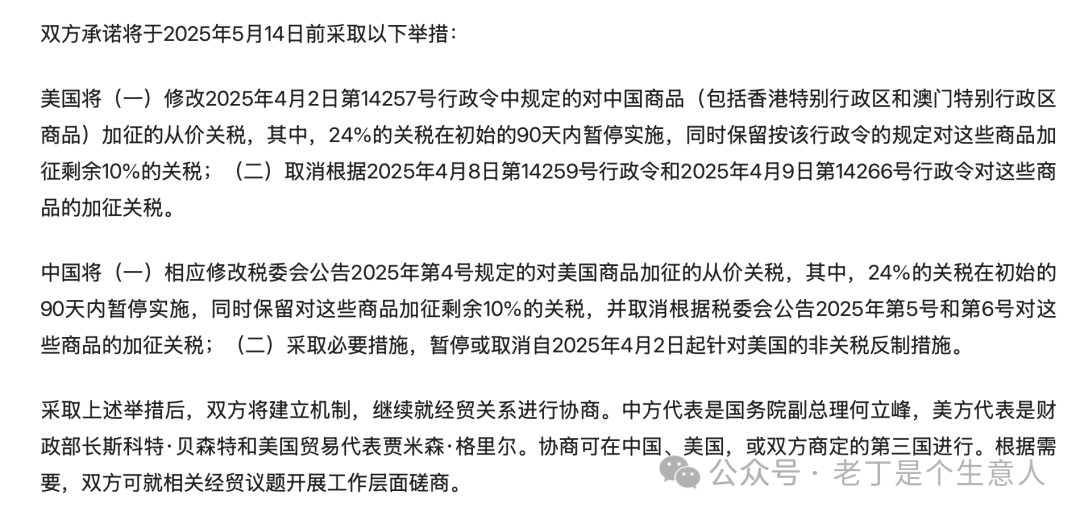
Group 1 - The core message emphasizes the need for global cooperation to maintain peace and promote development amid rising risks and changes in the world order [1] - The Chinese government announced a reduction in tariffs on U.S. imports, with the tariff rate adjusted from 34% to 10% and a temporary suspension of a 24% tariff for 90 days [6] - In April, the U.S. Consumer Price Index (CPI) rose by 2.3% year-on-year, marking the lowest level since February 2021, while core CPI remained steady at 2.8% [5][10] Group 2 - In the oil sector, U.S. crude oil inventories increased by 4.287 million barrels, while gasoline and distillate inventories decreased by 1.374 million barrels and 3.675 million barrels, respectively [10][7] - The shipping industry saw a positive sentiment with the European shipping index rising by 5.79% to 1465.2 points, driven by easing tariff concerns and expectations for the traditional peak season in July and August [28] - The stock market showed mixed performance, with technology stocks rising and the banking sector leading gains, while overall trading volume reached 1.33 trillion yuan [4][8]

重磅!新谈判达成,关税延缓,经济和股市会转好吗?
Sou Hu Cai Jing· 2025-05-13 14:03
Group 1: Tariff Negotiations - The recent negotiations between China and the US resulted in a temporary suspension of most tariffs, with the US reducing tariffs on Chinese goods from 145% to 30% and China lowering tariffs on US goods from 125% to 10% [3][4] - The current tariff reduction measures are temporary and will last for 90 days, during which further negotiations are expected [4][10] Group 2: Employment Impact - As of 2024, China's import and export sector employs approximately 180 million people, with 40 million in direct employment and 140 million in related upstream and downstream industries [2] Group 3: Industry Impact - The tariff negotiations have led to significant stock price increases in the electric vehicle supply chain and related industries in China [5][8] - The highest tariffs are still applied to syringes and needles due to concerns over fentanyl, which remains a critical issue in the negotiations [7] Group 4: Economic Impact - China's GDP growth rate for the first quarter of 2024 is reported at 5.4% [10] - Different scenarios regarding future tariffs could impact GDP growth, with potential reductions of 0.3%, 0.9%, and 2% under optimistic, neutral, and pessimistic scenarios, respectively [12] Group 5: Stock Market Impact - The current price-to-earnings ratio for China's Shanghai Composite Index is 13.8, indicating it is still in a historically undervalued range [20] - Following the announcement of tariff negotiations, the stock market showed positive reactions, recovering losses from earlier declines [22][26]