
避险需求

Search documents
CME交易中断搅动市场COMEX金上涨
Jin Tou Wang· 2025-12-01 04:01
Group 1 - The core viewpoint of the articles highlights a bullish sentiment in the gold market driven by technical chart patterns and a recent disruption in futures trading due to a cooling system failure at CME Group's data center [1] - February gold futures rose by $38.8, reaching $4241.1 per ounce, indicating strong short-term bullish momentum [1] - The CME Group experienced a significant trading halt affecting various markets, including stocks, forex, bonds, and commodities, due to a malfunction in their cooling system, which has raised concerns about the vulnerability of critical financial infrastructure [1] Group 2 - Technical analysis suggests that the next bullish target for February gold futures is to break the key resistance level of $4285.60 per ounce, while the bearish target is to drop below the support level of $4000.00 per ounce [2] - The first resistance level is identified at $4250.00 per ounce, followed by $4285.60 per ounce; the first support level is at the overnight low of $4174.60 per ounce, with the next support at $4150.00 per ounce [2]

新世纪期货交易提示(2025-12-1)-20251201
Xin Shi Ji Qi Huo· 2025-12-01 03:27
Report Investment Ratings - Black Industry: Iron ore, coal coke, roll screw, and glass are rated as "oscillating"; coal coke is "oscillating weakly" [2] - Financial: CSI 500 and CSI 1000 are rated as "rebounding"; 2-year, 5-year, and 10-year treasury bonds are "oscillating", with 10-year treasury bonds "rising"; Shanghai 50 and CSI 300 are "oscillating" [3] - Precious Metals: Gold and silver are rated as "oscillating strongly" [3][4] - Light Industry: Logs are "oscillating at the bottom"; pulp, double-offset paper are "oscillating weakly" [4][6] - Oilseeds and Oils: Soybean oil, palm oil, and rapeseed oil are "running in a range"; soybean meal, rapeseed meal, soybean No.1, and soybean No.2 are "oscillating" [6] - Agricultural Products: Pigs are "oscillating strongly" [9] - Soft Commodities: Rubber, PX are "oscillating"; PTA is "oscillating"; MEG is "oscillating widely"; PR is "on the sidelines"; PF is "on the sidelines" [11] Core Views - The overall market is in a state of oscillation, with individual sectors showing weak, strong, or rebounding trends. The market is affected by factors such as supply and demand, policies, and international economic situations [2][3][4] - The black industry is facing challenges such as over - supply and weak demand, and prices are likely to remain oscillating [2] - The financial market is short - term adjusted but remains optimistic in the medium - term, with high - tech industries continuing to grow [3] - Precious metals are supported by factors such as central bank gold purchases and geopolitical risks, with prices likely to oscillate strongly [3][4] - The light industry is affected by supply and demand and cost factors, with prices oscillating at the bottom or weakly [4][6] - The oilseeds and oils market is affected by factors such as US biodiesel policies and South American weather, with prices running in a range or oscillating [6] - The agricultural products market, especially the pig market, is affected by factors such as supply and demand and slaughter rates, with prices oscillating strongly [9] - The soft commodities market is affected by factors such as weather and downstream demand, with prices oscillating [11] Summary by Category Black Industry - Iron ore: Global iron ore shipments decreased by 238.0 tons to 3278.4 tons, 47 - port foreign ore arrivals increased by 569.6 tons to 2939.5 tons, and daily average molten iron production decreased by 1.6 tons to 234.68 tons. The supply - demand surplus is hard to reverse, and prices will oscillate at a high level [2] - Coal coke: Affected by import news and supply - guarantee meetings, the market is worried about supply resumption, and the coke enterprises started the first price cut. Supply concerns in the coking coal industry are intensifying, and prices will adjust weakly in the short - term [2] - Roll screw: Downstream demand is low, winter storage has not started, and prices will oscillate at the bottom. Whether steel prices can stop falling depends on production reduction and policy implementation [2] - Glass: Supply news is disturbing, and inventory has decreased. However, real - estate completion affects demand, and whether prices can rise depends on cold - repair progress [2][3] Financial - Stock index futures/options: The market adjusted in the short - term but remains optimistic in the medium - term. High - tech industries are growing. China's economic sentiment is generally stable [3] - Treasury bonds: The yield of the 10 - year treasury bond decreased by 1bp, and the market trend is slightly rebounding [3] Precious Metals - Gold: Its pricing mechanism is shifting to central bank gold purchases. It is supported by factors such as the US debt problem, geopolitical risks, and central bank gold purchases. Short - term Fed policies and geopolitical situations affect prices [3][4] - Silver: Similar to gold, it is affected by Fed policies and economic data, and prices are likely to oscillate strongly [4] Light Industry - Logs: Port shipments decreased, imports and arrivals are changing, and inventory is increasing. Prices are expected to oscillate at the bottom [4][6] - Pulp: Spot prices are differentiated, costs support is weakening, and demand is poor. Prices are expected to oscillate weakly [6] - Double - offset paper: Supply is stable, the market is cautious, and prices are expected to oscillate weakly [6] Oilseeds and Oils - Oils: US soybean crushing is at a record high, but bio - diesel policies are uncertain. Malaysian palm oil production and inventory are high, and domestic oil supply is abundant. Prices are expected to run in a range [6] - Meal: US soybean supply is structurally tight, but global supply is loose. Domestic supply is abundant, and demand is mainly for rigid needs. Prices are expected to oscillate [6] Agricultural Products - Pigs: The average trading weight fluctuates, demand has recovered, and slaughter rates are rising. Prices are expected to oscillate strongly, and settlement prices may decline slightly next week [9] Soft Commodities - Rubber: Affected by weather, production in some areas is low, demand is weak, and inventory is increasing seasonally. Prices are expected to oscillate widely [11] - PX: Supply is strong, downstream demand is good, and prices will oscillate [11] - PTA: Cost is loose, short - term supply - demand is improving, and prices will follow cost fluctuations [11] - MEG: There is long - term inventory pressure, and prices will oscillate with upward pressure [11] - PR: Cost is supported, but downstream follow - up is weak, and prices may rise with limited amplitude [11] - PF: Supply - demand is okay, and prices will oscillate without new news [11]
11月29日黄金价格行情解析,国内回收销售稳定高位
Sou Hu Cai Jing· 2025-11-30 09:25
"哎,你昨天去金店看价格了吗?听说黄金又涨了一点。"朋友这句话说得挺有意思,其实最近黄金价格一直在微调,但整体趋势还是挺稳的。无论是回收还 是销售,市场上都有自己的一套逻辑,而背后的走势也和国际局势、美元表现紧密相关。11月29日的黄金行情,再次给大家提供了参考。 国内黄金价格回收与销售:稳中带韧性今天国内黄金大盘回收价稳定在944.76元一克,销售价报946.76元。可以看到,差价不大,说明市场流动性比较健 康。受美联储降息预期增强的影响,沪金主力合约交易在946元附近,这让黄金的避险需求支撑了价格的韧性。白银、铂金、钯金也都跟涨,回收价分别为 12.081元、367元和325.4元。工业金属需求回暖,直接带动贵金属的联动上涨,这意味着不仅是黄金,其他金属品种也有投资参考价值。 金店金饰价格:头部品牌略高,批发价性价比突出周大福、周生生、老凤祥等品牌金饰价格在1321-1328元每克,比上月上涨了六十元左右,而水贝黄金批 发价仅1102元每克,价差超过200元。轻克重产品(10克以内)销量提升至45%,反映出消费者更倾向于小件、易携带、性价比高的产品。简单来说,如果 你买来佩戴或送人,头部品牌有品牌溢价和设 ...

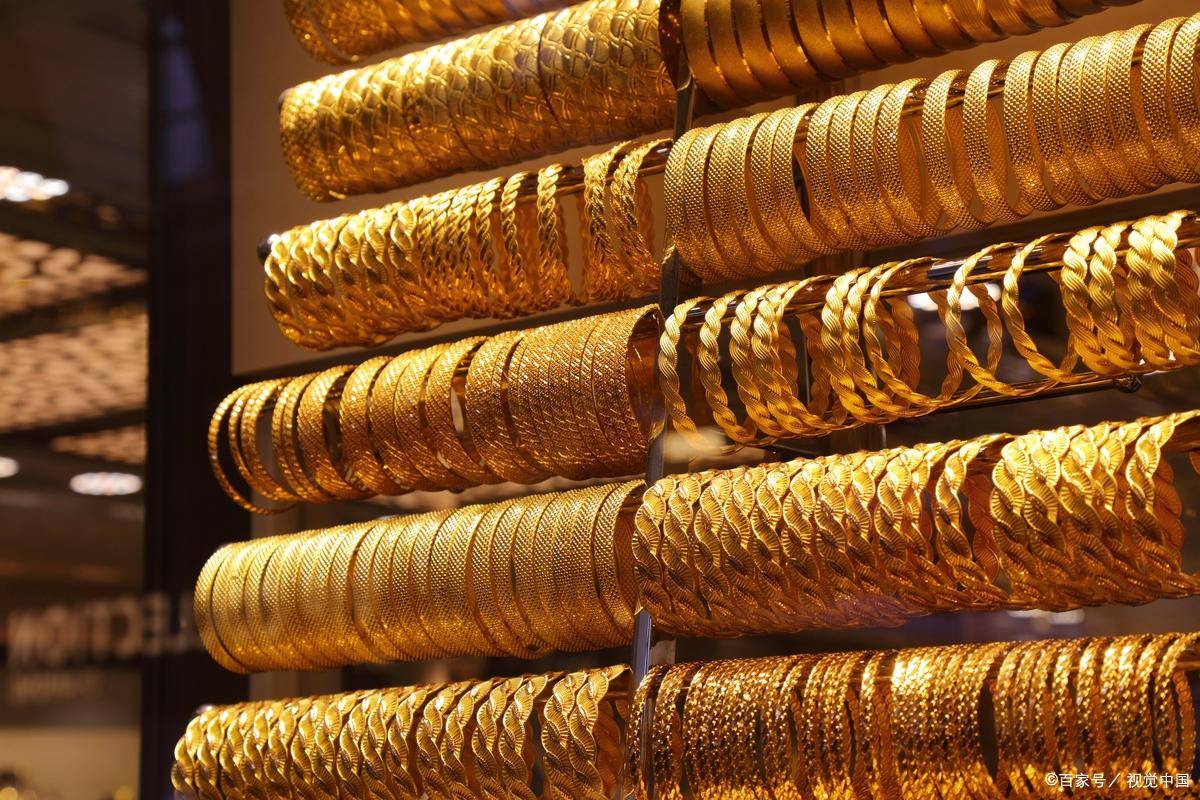
三大因素或支持黄金明年继续“闪耀”
Sou Hu Cai Jing· 2025-11-28 17:10
Core Viewpoint - The gold market has experienced a strong bull run in 2023, with international gold prices increasing by 58.41% year-to-date, reaching a high of $4,100 per ounce as of November 27 [1] Group 1: Factors Supporting Gold Prices - Global central banks continue to purchase gold, with a net purchase of 39 tons in September, a 79% increase from August, marking the highest monthly net purchase in 2025 [1] - A survey indicated that 95% of central banks expect to increase their gold reserves in the next 12 months, the highest percentage since the survey began in 2019 [1] - Gold is becoming a preferred asset for central banks' diversified reserves, indicating long-term demand [1] Group 2: Economic Influences on Gold Prices - The deepening interest rate cut cycle by the Federal Reserve is expected to enhance gold's appeal as a non-yielding asset, with market expectations of approximately two rate cuts in 2026 [2] - The decrease in interest rates lowers the opportunity cost of holding gold, thereby increasing its attractiveness [2] Group 3: Geopolitical and Credit Risks - Heightened geopolitical tensions and ongoing trade friction are driving demand for safe-haven assets like gold [2] - The increasing scale of U.S. debt and concerns over dollar credit risk contribute to a long-term trend of "de-dollarization," further supporting gold prices [2]
PAAS vs. AG: Which Silver Mining Stock is the Better Buy?
ZACKS· 2025-11-28 16:21
Core Insights - Pan American Silver Corp. (PAAS) and First Majestic Silver Corp. (AG) are prominent players in the silver mining sector, both headquartered in Vancouver, Canada, and providing exposure to silver and gold [1] Silver Market Overview - Silver prices have increased by 75.9% year over year, while gold prices rose by 56.9%, driven by strong safe-haven demand, geopolitical tensions, and trade conflicts [2] - Industrial demand for silver, particularly in solar energy and electronics, now constitutes over half of global silver demand [2] - Current silver trading price is near a record high at $53.70, with expectations of a rate cut supporting further price increases [2] Pan American Silver (PAAS) Highlights - PAAS operates 12 mines across the Americas and has a significant stake in the Juanicipio project, expected to produce 14.7-16.7 million ounces of silver in 2025 [4][5] - Third-quarter silver production for PAAS was 5.5 million ounces, maintaining the same level as the previous year, with an increased production outlook for 2025 to 22-25 million ounces [6] - Gold production in the third quarter was 183.5 thousand ounces, down from 225 thousand ounces year-over-year, with a maintained guidance of 735-800 thousand ounces for 2025 [7] - All-in sustaining costs (AISC) for silver were $15.43 per ounce, significantly lower than $20.90 in the previous year [8] - PAAS reported a record free cash flow of $252 million in the third quarter, raising its cash and short-term investments to $910.8 million [9] - The company increased its quarterly dividend by 17% to 14 cents, up from 12 cents [10] First Majestic Silver (AG) Highlights - AG focuses on silver and gold production primarily in Mexico and the U.S., operating four underground mines and holding various development assets [13] - The acquisition of Gatos Silver in January 2025 solidified AG's position as a primary silver producer, contributing significantly to its production numbers [14][15] - AG's total production reached 7.7 million silver-equivalent ounces in the third quarter, a 39% year-over-year increase, with record silver production of 3.9 million ounces [15][16] - Free cash flow for AG increased by 67.5% year-over-year to $98.8 million, with liquidity reaching $682 million [17] Earnings Estimates Comparison - The Zacks Consensus Estimate for PAAS's 2025 earnings is $2.15 per share, indicating a 172% year-over-year growth [18] - For AG, the 2025 earnings estimate is 25 cents per share, improving from a loss of 14 cents in 2024 [20] Stock Performance and Valuation - Over the past year, PAAS stock has surged by 99.2%, while AG has gained 120.6% [21] - PAAS is trading at a forward price-to-sales (P/S) multiple of 4.38X, while AG is at 5.71X, both higher than their five-year medians [22] Investment Outlook - Both PAAS and AG are positioned to benefit from rising silver and gold prices, increased production expectations, and expansion efforts through acquisitions [24]



国际现货白银历史性攻破55美元,年内涨幅已超90%
Sou Hu Cai Jing· 2025-11-28 14:56
Core Viewpoint - The international spot silver price surged over 3% during the U.S. trading session, breaking the historical threshold of $55 per ounce, reaching a peak of approximately $55.25 per ounce, with a year-to-date increase exceeding 90% [1] Group 1: Price Movement - The silver price's significant rise is attributed to various factors, including the accumulation of driving forces throughout the year [1] - The current price level reflects a strong demand for safe-haven assets amid economic uncertainties [1] Group 2: Economic Factors - The U.S. deficit is out of control, contributing to the upward pressure on silver prices [1] - Inflation remains around 3%, while calls for interest rate cuts from the Federal Reserve are increasing, further influencing the silver market [1]
金价坚守4170美元,降息预期下的“黄金时代”前奏
Sou Hu Cai Jing· 2025-11-28 07:13
Core Viewpoint - The gold market remains resilient despite a 5% decline from its historical high, supported by expectations of a potential interest rate cut by the Federal Reserve in December, which is a key factor for gold prices [3][5]. Group 1: Current Market Conditions - As of November 28, gold is trading around $4,179 per ounce, maintaining a position near a two-week high despite a slight drop to $4,157.22 on the previous day [1]. - The market is currently experiencing low liquidity due to the Thanksgiving holiday, leading to cautious investor behavior as they assess signals from the Federal Reserve [3]. Group 2: Influencing Factors - Key fundamental factors supporting gold prices include a slowdown in U.S. economic growth leading to lower interest rates, a weakening dollar, ongoing safe-haven demand, and strong central bank buying [3][4]. - The probability of a rate cut in December has exceeded 85%, contrasting with previous statements from Fed Chair Powell that did not guarantee a cut [3]. Group 3: Future Outlook - The long-term upward trend for gold remains intact, with structural factors such as declining real interest rates, a weaker dollar, and safe-haven demand expected to drive prices back to historical highs [4]. - Short-term price consolidation is anticipated within the $4,000 to $4,170 range, but a clear signal from the Fed regarding rate cuts could lead to a breakout [4][5]. - The year 2026 is projected to be a significant period for gold, with expectations of continued interest from investors and central banks [5].

2025年11月28日:期货市场交易指引-20251128
Chang Jiang Qi Huo· 2025-11-28 04:51
Report Investment Ratings - **Macro Finance**: Index futures are bullish in the medium to long term and recommend buying on dips; Treasury bonds are expected to trade sideways [1][5]. - **Black Building Materials**: Coking coal and rebar suggest range trading; glass is expected to continue weakening [1][5][7]. - **Non - ferrous Metals**: Copper, aluminum, tin, gold, and silver recommend range trading; nickel suggests waiting or shorting on rallies; lithium carbonate is expected to trade with a bullish bias [1][9][14]. - **Energy and Chemicals**: PVC, styrene, rubber, urea, and methanol suggest range trading; caustic soda and soda ash recommend waiting and watching; polyolefins are expected to trade with a bearish bias [1][16][18]. - **Cotton Textile Industry Chain**: Cotton and cotton yarn are expected to trade sideways; PTA suggests range - bound trading; apples are expected to trade with a bullish bias; jujubes are expected to trade with a bearish bias [1][25][27]. - **Agriculture and Animal Husbandry**: Live pigs' near - term contracts are expected to adjust weakly at low levels, and long - term contracts should be cautiously chased for rallies; eggs' price increase is limited; corn suggests waiting for a rebound to hedge at high prices; soybean meal suggests range trading; oils and fats suggest buying on dips after a rebound [1][30][34]. Core Views The report analyzes various futures markets, including macro finance, black building materials, non - ferrous metals, energy and chemicals, cotton textile industry chain, and agriculture and animal husbandry. It provides trading suggestions based on current market conditions, supply - demand relationships, and macro - economic factors for each sector. Summary by Category Macro Finance - **Index Futures**: Due to factors such as rising US inflation, weak retail sales, and high - valuation risks in Europe, the market rotation is fast, and index futures are expected to trade sideways in the short term but are bullish in the medium to long term [5]. - **Treasury Bonds**: The bond market is currently "insensitive to positive news and sensitive to negative news" because of the narrow interest - rate fluctuation range, which reduces the attractiveness to institutional investors. Treasury bonds are expected to trade sideways [5]. Black Building Materials - **Double - Coking Coal**: The coal market is in a downward trend with weak demand. Most mines are reducing prices, and the market is in a wait - and - see state. It is recommended to trade within a range [6]. - **Rebar**: With unclear prospects for the Fed's December interest - rate cut and a domestic policy vacuum, steel production and demand have both declined this week. Steel mills' profits are low, and production cuts may increase. Rebar is expected to trade within a range at low levels [7]. - **Glass**: Although there are rumors of production line cold - repairs, most of them are false. Supply remains stable, demand is weak, and glass prices are expected to continue weakening [8]. Non - ferrous Metals - **Copper**: Concerns about supply from Congo (Kinshasa) and the restart of production in Indonesia's Grasberg mine are factors. Consumption has improved, and social inventories have decreased. Copper prices are expected to remain high in the short term, with a trading range of 85,000 - 88,000 yuan, and it is recommended to trade within the range [9]. - **Aluminum**: The price of bauxite is expected to decline, and alumina production capacity is increasing. Aluminum production capacity is relatively stable, and demand is entering the off - season. Aluminum prices are expected to trade sideways [9][10]. - **Nickel**: Indonesia's new RKAB policy may increase supply uncertainty. Nickel is in an oversupply situation, and it is recommended to wait or short on rallies [13]. - **Tin**: Domestic production and imports have changed, and the semiconductor industry is recovering. Supply is expected to improve, and tin prices are expected to be supported. It is recommended to pay attention to supply and demand [14]. - **Silver and Gold**: Affected by the US economic data and the Fed's interest - rate cut expectations, both are expected to trade sideways in the short term and be supported in the medium term [14][15]. - **Lithium Carbonate**: Supply is affected by mine production, and demand is strong. The domestic supply - demand is in a tight balance, and prices are expected to trade with a bullish bias [15]. Energy and Chemicals - **PVC**: High supply, weak domestic demand, and uncertain export growth. PVC is expected to trade with a bearish bias, and it is necessary to pay attention to policies and cost factors [16]. - **Caustic Soda**: Affected by alumina production and inventory, it is recommended to wait and watch [18]. - **Styrene**: The rebound is limited by factors such as pure - benzene supply and demand and port inventory. It is expected to trade sideways [18]. - **Rubber**: Entering the off - season of production, inventory is increasing, and demand is weak. Rubber prices are expected to trade within a range [20]. - **Urea**: Supply is increasing, demand from agriculture is weakening, and industrial demand is strengthening. Urea is expected to trade sideways [21]. - **Methanol**: Supply is increasing, demand from the olefin industry is stable, and traditional demand is weak. Methanol prices are expected to trade sideways [23]. - **Polyolefins**: Supply pressure has eased, demand is improving slightly, and prices are expected to trade with a bearish bias. It is necessary to pay attention to downstream demand and raw - material prices [24]. - **Soda Ash**: Supply is expected to decrease, demand is weak, and it is recommended to wait and watch [24]. Cotton Textile Industry Chain - **Cotton and Cotton Yarn**: Global cotton supply and demand are relatively loose, but yarn prices are firm, and they are expected to trade sideways [27]. - **PTA**: Affected by oil prices and supply - demand, it is expected to trade within a range at low levels [27]. - **Apples**: Warehouse trading is stable, and prices are expected to trade with a bullish bias [28]. - **Jujubes**: Acquisition progress varies by region, and prices are expected to trade with a bearish bias [29]. Agriculture and Animal Husbandry - **Live Pigs**: Short - term supply pressure remains, demand growth is limited, and long - term capacity reduction is accelerating but still above the normal level. Near - term contracts are recommended to be shorted on rallies, and long - term contracts should be cautiously chased for rallies [30][32]. - **Eggs**: Short - term supply and demand are improving marginally, long - term capacity reduction takes time, and price increases are limited [32][33]. - **Corn**: Short - term supply pressure is relieved, long - term supply and demand are relatively loose, and it is recommended to hedge at high prices after a rebound [34]. - **Soybean Meal**: Affected by import policies and weather, it is recommended to trade within a range [35]. - **Oils and Fats**: Short - term prices are rebounding, but there are still many limiting factors. It is recommended to buy on dips and pay attention to palm - oil data [35][40].
黄金暴涨57%仍未见顶?华尔街投行齐声看多:2026年或再涨20%,冲击5000美元
Sou Hu Cai Jing· 2025-11-28 04:13
Core Viewpoint - Gold prices experienced a slight decline after reaching a near two-week high, as investors assess the likelihood of a Federal Reserve rate cut in December, with market bets on rate cuts increasing significantly [1][6]. Market Performance - Spot gold fell by 0.1%, trading around $4158 [2]. - Since hitting a record high of $4381.21 on October 20, gold has retreated approximately 5% but remains above the critical $4000 level [4]. Analyst Insights - Carsten Menke from Julius Baer expects the consolidation in gold prices to continue, as the effects of the previous correction have not been fully digested [4]. - Factors supporting gold prices include a slowing U.S. economy leading to lower interest rates, a weak dollar, ongoing safe-haven demand, and strong central bank purchases [4]. Federal Reserve Signals - The Federal Reserve has sent mixed signals regarding the timing and extent of rate cuts, increasing demand for hedging in overnight interest rate-related options and derivatives [4]. - The probability of a rate cut in December has surged to 85%, up from 30% a week prior, according to CME FedWatch data [6]. Future Price Predictions - Bank of America projects a target price of $5000 per ounce for gold, indicating a potential increase of 19% from current levels, driven by persistent fundamental forces [8]. - Goldman Sachs anticipates a price of $4900 per ounce by the end of next year, reflecting a 17% increase [9]. - Deutsche Bank forecasts gold could reach $4950 per ounce by 2026, suggesting an 18% upside potential [13]. - HSBC offers a more moderate outlook, predicting gold prices will fluctuate between $3600 and $4400 per ounce by 2026, with the upper limit indicating a 5% increase [15]. Demand Drivers - Central bank purchases are expected to remain strong, particularly as countries seek to diversify reserves in light of geopolitical tensions [10][12]. - The anticipated global rate cuts are expected to enhance the appeal of non-yielding assets like gold [11].


黄金基金ETF(518800)涨超0.8%,近20日净流入超24亿元,美国经济数据疲软及降息预期推动金价上涨
Sou Hu Cai Jing· 2025-11-28 02:27
Core Viewpoint - Weak economic data from the United States and increased expectations for interest rate cuts are driving up precious metal prices, with heightened demand for safe-haven assets due to tensions in the Middle East and uncertainty in European energy markets [1] Group 1: Precious Metals Market - Gold prices are maintained above $4,000, influenced by a weaker dollar and market expectations regarding the "Hassett Federal Reserve" policy framework [1] - Silver has shown stronger performance compared to gold [1] - If interest rates are cut in December and Hassett becomes the Federal Reserve Chair, gold and silver prices are expected to rise further [1] Group 2: Investment Strategies - In the medium to long term, the central tendency of gold prices is expected to rise, suggesting that investors may consider participating in subsequent pullbacks and gradually accumulating positions [1] - Direct investment in physical gold and tax-exempt gold ETF (518800) are recommended, along with gold stock ETF (517400) that covers the entire gold industry chain [1]