
情绪消费

Search documents
上半年GDP同比增长5.3% 国家统计局:消费是增长主动力
Zhong Guo Jing Ying Bao· 2025-07-15 09:28
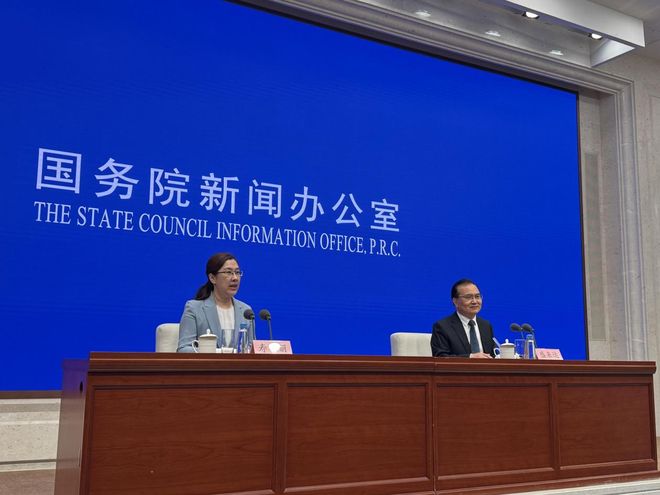
Core Viewpoint - The overall economic performance in the first half of the year is stable and improving, with a GDP growth of 5.3% year-on-year, indicating strong resilience and pressure resistance of the Chinese economy [2][3]. Economic Performance - The GDP for the first half of the year reached 66,053.6 billion yuan, with a year-on-year growth of 5.3% [2]. - The contribution rate of domestic demand to GDP growth was 68.8%, with final consumption expenditure contributing 52% [4]. - The first quarter GDP growth was 5.4%, while the second quarter saw a slight decrease to 5.2% [2]. Sector Analysis - The primary industry added value was 31,172 billion yuan, growing by 3.7%; the secondary industry reached 239,050 billion yuan, with a growth of 5.3%; and the tertiary industry added 390,314 billion yuan, growing by 5.5% [2]. - Retail sales of consumer goods totaled 24.55 trillion yuan, with a year-on-year growth of 5%, and the second quarter growth accelerated to 5.4% [4]. Consumer Trends - Service consumption accounted for an increasing share, with service retail sales growing by 5.3% and goods retail sales by 5.1% [4]. - Upgrading consumption trends were noted, with sports goods retail sales increasing by 22.2% and jewelry retail sales by 11.3% [4]. - New consumption models and trends, such as "self-indulgent consumption" and personalized consumption, are emerging [4]. Future Outlook - The positive consumption trend is expected to continue into the second half of the year, supported by ongoing consumption policies and subsidies [5]. - The expansion of visa-free policies is boosting domestic consumption, with significant increases in foreign visitors during holidays [5].

“一日店长”实火,情绪消费何以上头?
3 6 Ke· 2025-07-14 23:49
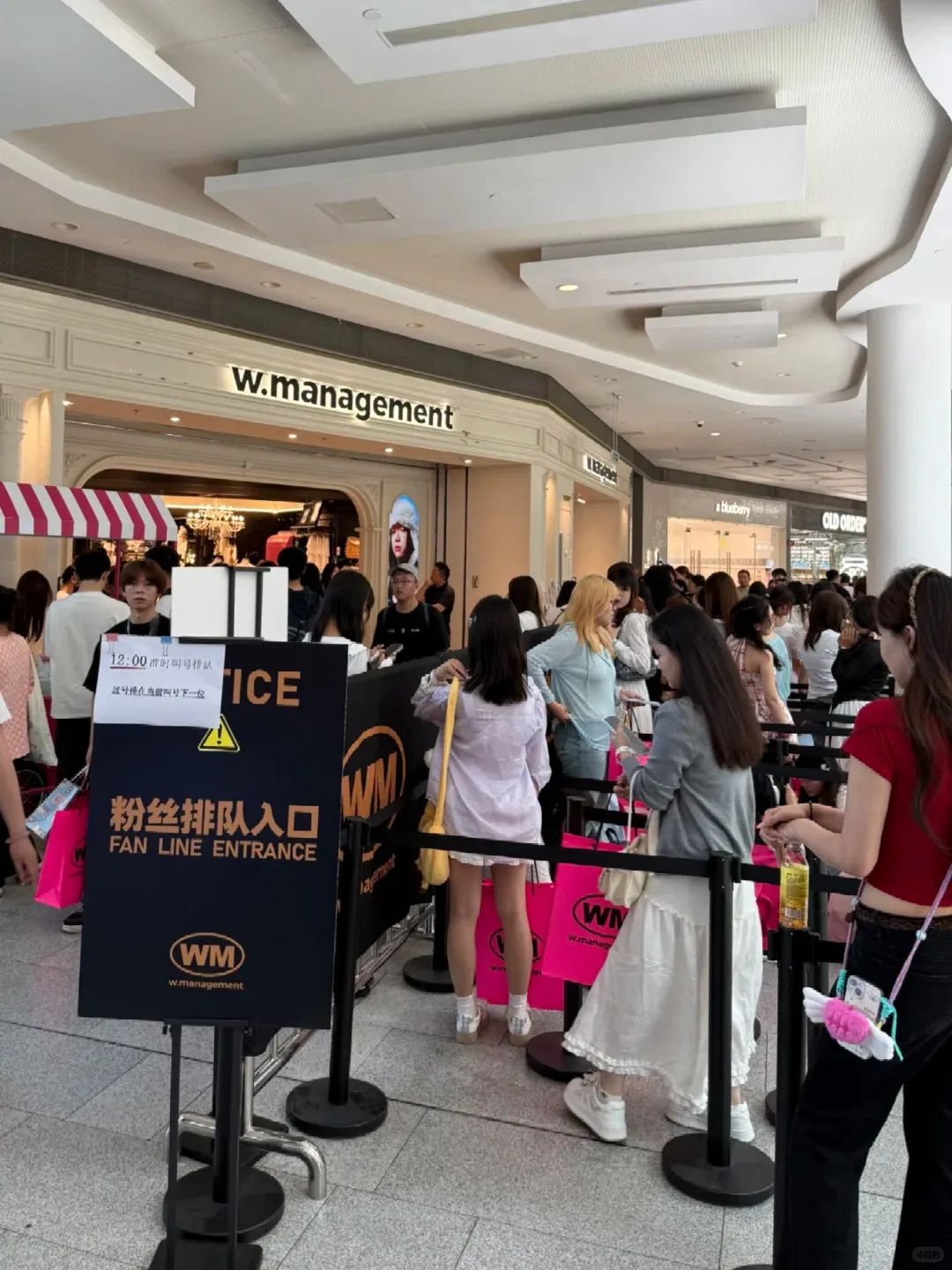
Core Insights - The fast fashion brand W.Management has opened its first store in Beijing, attracting significant consumer interest through an interactive "One-Day Store Manager" event [1][4][6] Group 1: Brand Overview - W.Management, founded in 2023, targets a core female demographic by promoting "freedom of dressing" through its unique design style that blends American retro and modern street elements [4][6] - The brand has rapidly expanded, opening 23 large stores across various cities including Beijing, Shanghai, and Guangzhou within three years, with each store exceeding 2000 square meters [4][6] Group 2: Marketing Strategy - The "One-Day Store Manager" initiative has become a popular marketing strategy among brands, initially originating from Japan, where celebrities serve as temporary store managers to drive traffic and engagement [23][24] - W.Management has effectively utilized social media platforms like Xiaohongshu to create buzz around its store openings and events, engaging fans and consumers through pre-event promotions and interactive activities [11][13][17] Group 3: Consumer Engagement - The "One-Day Store Manager" event not only boosts foot traffic but also enhances consumer interaction, allowing fans to engage directly with influencers and brand representatives during the event [15][19] - The presence of attractive and engaging staff during these events has been noted to significantly enhance the shopping experience, leading to increased consumer satisfaction and brand loyalty [19][26] Group 4: Industry Trends - The trend of utilizing "One-Day Store Managers" has gained traction among various brands, including those in the beverage sector, as a means to create unique consumer experiences and drive sales [25][28][31] - Brands are increasingly recognizing the value of emotional consumer engagement, where the shopping experience transcends mere transactions, fostering deeper connections with consumers [38][39]
北京消费结构与趋势|“服务+体验+情感共鸣” 北京消费迈入第五时代
Bei Jing Shang Bao· 2025-07-14 14:12
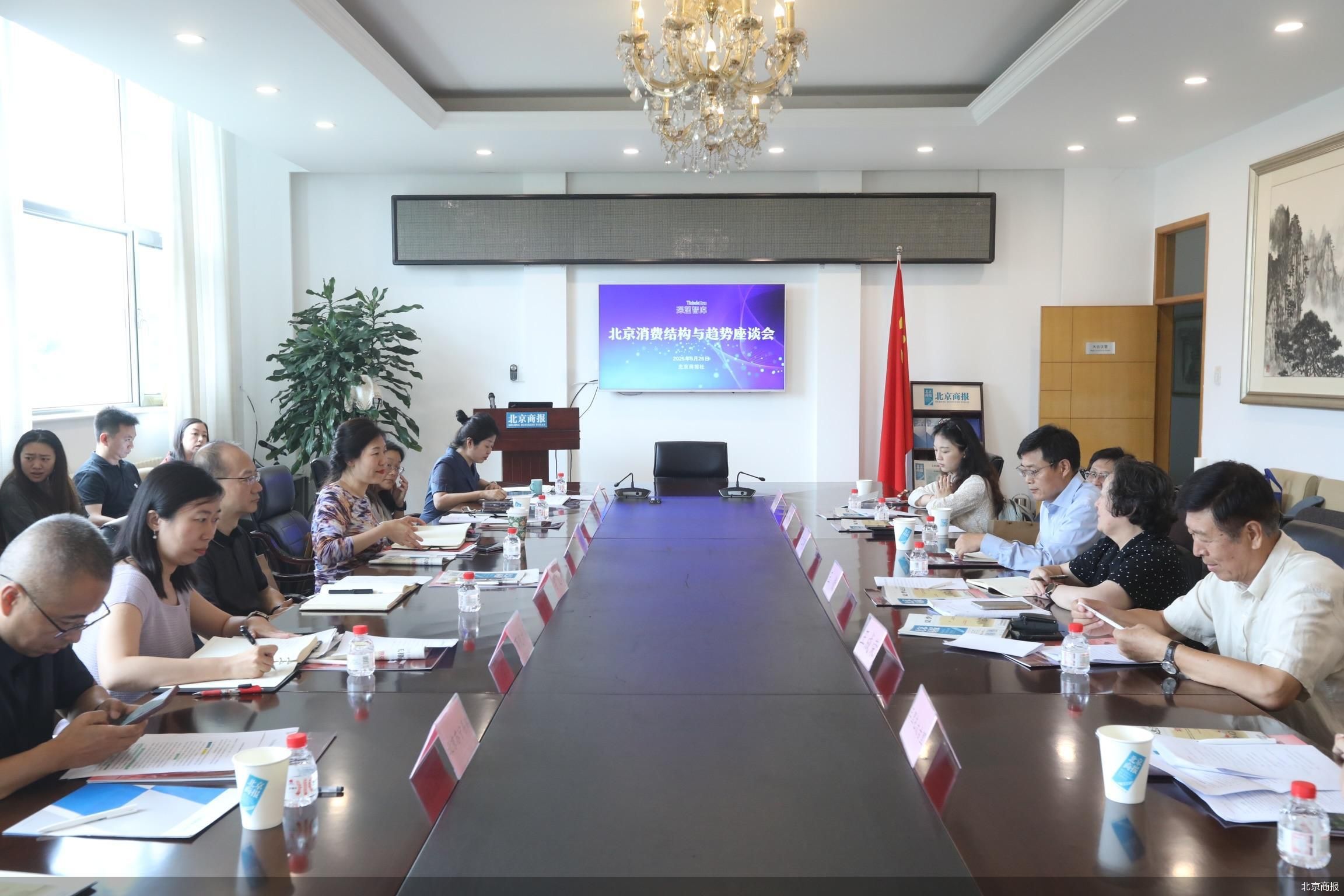
Core Insights - Beijing's consumption has entered its fifth era, focusing on spiritual satisfaction, emotional resonance, and social value creation [1][3] - The "Action Plan" aims for an average annual growth of around 5% in total market consumption by 2030, with 24 policy measures to boost consumption [3][4] Consumption Trends - Service consumption is growing, particularly in information services and cultural entertainment, with a 4.9% increase [4] - The shift from product-oriented consumption to service-oriented consumption is evident, with a forecast that service consumption will account for 47% of total consumption by 2024 [4][5] - The Z generation is becoming the main consumer group, driving emotional consumption trends and a preference for domestic brands [6][7] Market Dynamics - The consumption landscape is evolving from standardized supply to precise demand matching, with a notable rise in outdoor and lifestyle brands [6][7] - The market is experiencing a transformation towards a composite model of "service + experience + technology," indicating a shift in consumer preferences [7][8] Technological Impact - Technology is becoming a core driver of high-quality development, with the durable consumer goods market expected to reach 24 trillion yuan in 2024, growing by 5% [8] - The integration of traditional cultural elements with modern design is enhancing brand value and local cultural identity [9] Policy and Economic Context - The "Action Plan" outlines a vision for Beijing to become an international consumption center, emphasizing the need for proactive consumption creation [9][3] - The focus on optimizing indicators, innovating scenarios, and supporting policies is crucial for uncovering the dual potential of rational and emotional value in consumption [3][4]
小小潮玩“拿捏”情绪经济
Xin Hua She· 2025-07-14 12:42
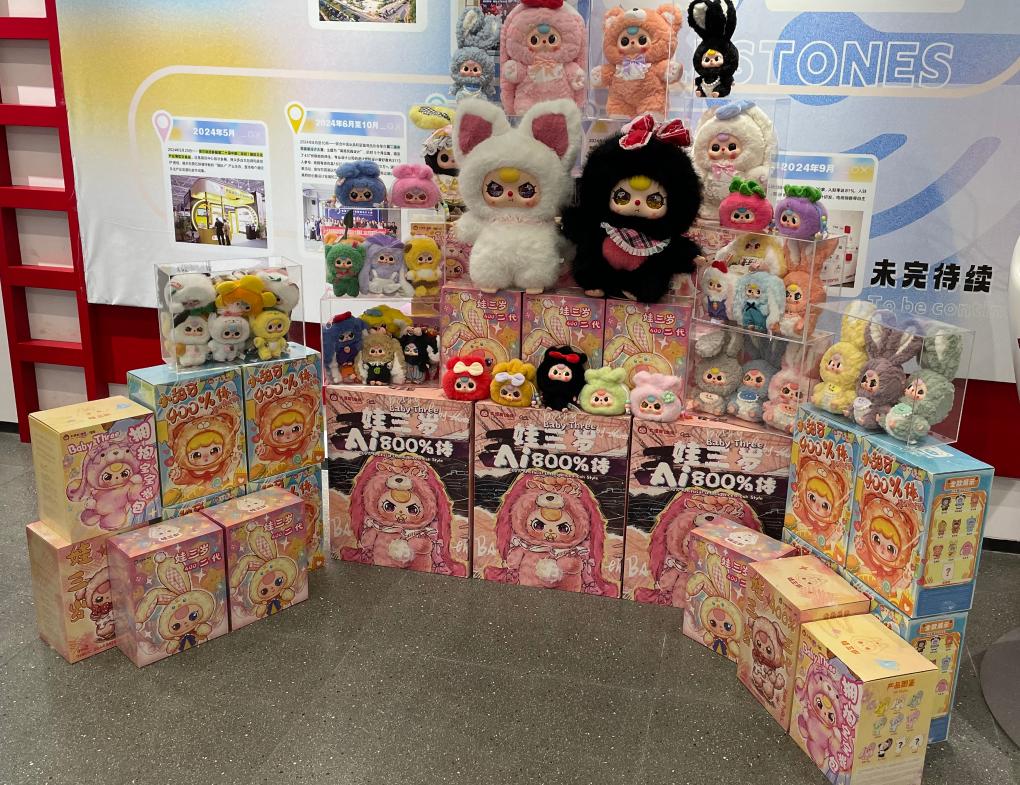
Group 1 - The core product of the Dongguan潮玩 brand "娃三岁" is an AI plush toy that engages in interactive conversations, appealing to both children and young adults [1][3] - The潮玩 industry in China has seen significant growth, with market size increasing from 6.3 billion yuan in 2015 to 60 billion yuan in 2023, and projected to reach 110.1 billion yuan by 2026, maintaining a growth rate of over 20% [3] - The shift in consumer behavior among young people is evident, as they prioritize emotional satisfaction and self-expression over traditional utility in their purchases [3][5] Group 2 - The rise of emotional consumption is becoming a new growth point in the market, with the emotional consumption market in China expected to exceed 2 trillion yuan by 2025, including categories like blind box economy and潮流玩具 [3][5] -潮玩 designs that are cute, quirky, and unique resonate with consumers, allowing them to project their emotions and stories onto the products [5][7] -潮玩 companies are evolving from mere manufacturers to "emotional service providers," expanding into new business areas such as IP incubation, immersive experiences, and cross-industry collaborations [7]
迪阿股份:2025年限制性股票激励计划推出 多重亮点凸显长期发展信心
Zheng Quan Shi Bao Wang· 2025-07-14 12:28
Core Viewpoint - The company, Di'A Co., has announced a stock incentive plan aimed at binding core talent with long-term company growth, reflecting confidence in future performance and commitment to its key team members [1][2]. Group 1: Incentive Plan Details - The company plans to grant a total of up to 901,900 shares of restricted stock to a core team of no more than 27 individuals, including directors and senior management, while excluding independent directors and major shareholders to avoid conflicts of interest [2]. - Key personnel such as the COO and supply chain head will receive significant portions of the stock, with the COO receiving 132,300 shares (14.67% of total) and the finance head receiving 116,200 shares (12.89% of total) [2]. - This strategy aims to reduce talent turnover and attract top external talent, creating a virtuous cycle of talent aggregation and performance growth [2]. Group 2: Performance Metrics - The incentive plan links performance to ambitious growth targets, requiring revenue growth rates of over 10%, 20%, 33%, and 46% from 2025 to 2028, with net profit targets set at 36 million, 100 million, 150 million, and 200 million respectively [3]. - A dual assessment system categorizes performance into six levels, ensuring that individual contributions are closely tied to team goals, thereby motivating high performers [3]. Group 3: Industry Context - The jewelry industry is showing signs of recovery despite a temporary downturn in 2024, driven by a favorable supply-demand structure and a predicted supply shortage in the diamond market by 2025 [4]. - Historical data indicates that downturns can be strategic opportunities for leading companies to enhance their competitive positions, as evidenced by Chow Tai Fook's market share increase during previous cycles [4]. - The Chinese jewelry market is expected to grow at a compound annual growth rate of 8.2% from 2023 to 2028, with a significant increase in design patents indicating ongoing product innovation [4]. Group 4: Market Performance - The jewelry sector has demonstrated strong long-term growth, with the gold and jewelry index yielding an annualized return exceeding 9% over the past five years, outperforming the Shanghai Composite Index [5]. - Current price-to-earnings (PE) ratios for the gold and jewelry industry are below 19 times, indicating a favorable valuation relative to historical averages [5]. Group 5: Emotional Consumption Strategy - The company is capitalizing on the growing trend of emotional consumption, particularly among Generation Z, by positioning its products as symbols of emotional value rather than mere jewelry [6]. - The emotional consumption market is projected to grow significantly, with the global healing economy expected to reach $7 trillion by 2025, and the Chinese emotional consumption market surpassing 2 trillion yuan [6]. - Di'A Co.'s strategy of linking its brand narrative to significant life events, such as marriage, differentiates it from other emotional consumption brands, enhancing consumer loyalty and competitive advantage [7].
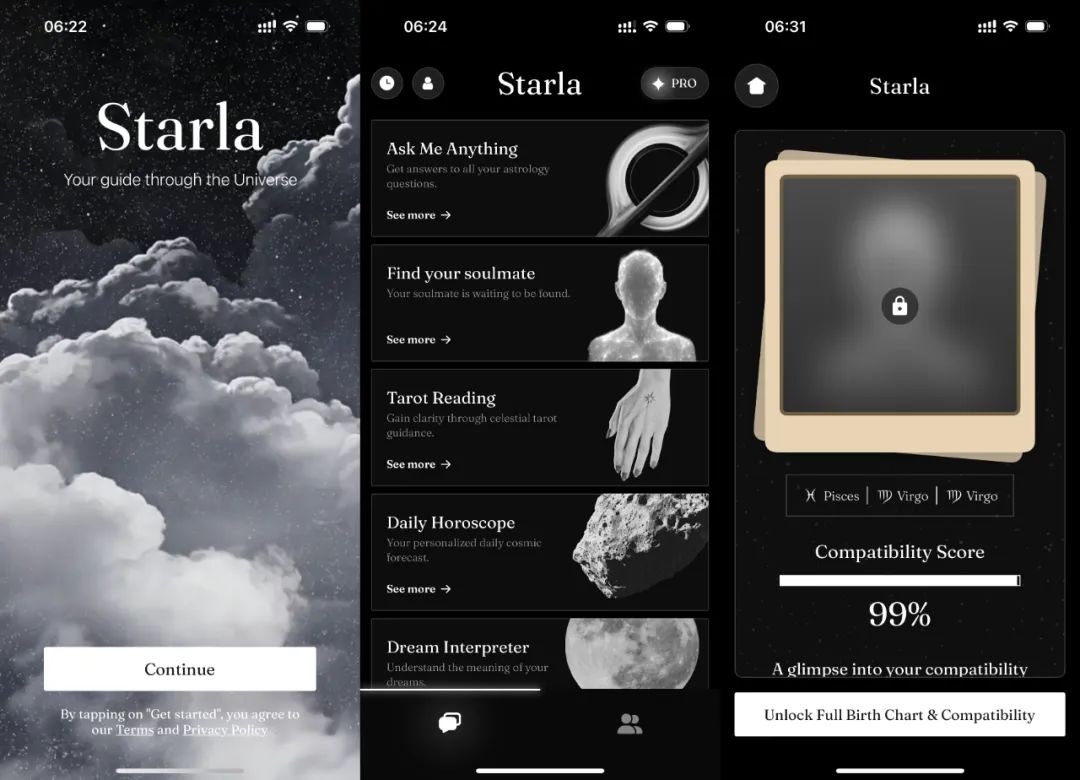
AI算姻缘火了,下载破10万、月入百万,卷爆一众社交软件
3 6 Ke· 2025-07-14 11:45
Core Insights - The rise of AI applications for fortune-telling, particularly in the context of finding soulmates, has gained significant traction, with products like Starla and Astra leading the trend [1][5][21] - These applications leverage low technical barriers to tap into high emotional value, addressing the loneliness prevalent in modern society by offering hope rather than concrete answers [2][21] Product Performance - Starla, launched in March, peaked at 110,000 daily downloads in June and generated over $2.18 million in revenue by the end of June [6][21] - Astra, which launched last year, also saw a surge in downloads, exceeding 100,000 daily downloads in June and maintaining a monthly revenue of $300,000 [6][21] User Engagement and Experience - The core functionality of these applications combines GPT dialogue, AI-generated images, and astrological algorithms to create a visual representation of a "soulmate," effectively meeting emotional needs [7][13] - Unlike traditional astrology apps, these products offer an interactive experience, allowing users to input personal information and receive immediate feedback, enhancing user satisfaction [8][13] Market Trends - The global revenue for spiritual services is projected to reach $2.3 billion in 2024, indicating a growing market for AI-driven fortune-telling applications [5][21] - The success of Starla and Astra reflects a shift in consumer behavior, where emotional value and the experience of hope are prioritized over the accuracy of predictions [14][21] Business Model - Both Starla and Astra utilize subscription models to enhance user retention, with Astra offering a free trial and various subscription tiers ranging from $6.99 weekly to $109.99 for a lifetime membership [20][21] - The applications are designed to create a sense of anticipation and ongoing engagement, capitalizing on users' emotional needs and the desire for connection [20][21]
拼搭玩具:创意启蒙与社交玩法共振,积木玩具进入高成长通道,头豹词条报告系列
Tou Bao Yan Jiu Yuan· 2025-07-14 11:45
Investment Rating - The report does not explicitly state an investment rating for the building block toy industry Core Insights - The building block toy industry is experiencing high growth driven by innovative gameplay and IP integration, with local brands gaining market share against international leaders like LEGO [4][11][15] Summary by Sections Industry Overview - Building block toys are creative entertainment tools composed of multiple small parts, promoting various developmental skills and appealing to both children and adults [5][6] - The market is characterized by IP integration, innovative gameplay, a broad audience, and a gradual rise of local brands [11] Market Dynamics - The market size is expanding due to a solid foundation, the explosion of miscellaneous retail formats increasing exposure and accessibility, and a resonance between supply and demand [4][39] - Future changes are expected from the rise of niche categories and local brands, particularly character-based toys leading growth [40] Competitive Landscape - In 2023, the global market concentration (CR3) reached 84%, with LEGO holding a dominant 75% share, although its market share in China decreased by 8.5 percentage points [15][44] - Local brands like Blokus are capturing market share through competitive pricing and rapid market response, with Blokus achieving a 30.3% market share in the character toy segment [22][31] Consumer Trends - The consumer base is diversifying, with demand expanding from children to teenagers and adults, who seek personalized, high-quality, and creative products [14][34] - IP has become a core factor influencing consumer purchasing decisions, with 59% of LEGO's products being IP-based, leading to a 19% premium on these products [23][34] Supply Chain Analysis - The supply chain consists of raw material suppliers, IP licensors, manufacturers, and consumers, with a focus on cost reduction through standardized parts and efficient production paths [21][39] - The price of key raw materials like ABS plastic has decreased significantly, aiding manufacturers in lowering production costs [26] Future Outlook - The rise of character-based toys is expected to be a key growth driver, with local brands leveraging IP collaborations to enhance product appeal [40] - The market is anticipated to see increased competition as local brands continue to innovate and expand their reach into lower-tier markets [46]
LABUBU火爆全球:从情绪连接到文化认同
Zhong Guo Jing Ying Bao· 2025-07-14 06:31
Group 1 - Generation Z, as the "natives" of the internet and new consumption, increasingly values community identity and emotional expression, leading to the rise of emotional consumption where emotional connections are prioritized over storytelling [1] - The success of LABUBU is attributed to a combination of unique artistic design, effective commercial operation, scarcity in collectible value, viral social media marketing, celebrity influence, and alignment with Generation Z's psychology [2] - The company has established a closed-loop ecosystem centered around IP, utilizing blind boxes as an engine, data as a link, and community as the soil for growth, which enhances user retention and value accumulation [2] Group 2 - The company is accelerating its international expansion, aiming to transform its IP into a globally recognizable cultural symbol while exploring diversified business avenues such as theme parks and home decor to find new profit curves [2] - The shift from relying on cost advantages and scale to leveraging unique IP and emotional connections marks a significant transition in the global competition landscape for Chinese brands [3]

行业周报:闪购业务订单数创新高,即时零售行业竞争持续升级-20250713
KAIYUAN SECURITIES· 2025-07-13 15:09
Investment Rating - The industry investment rating is "Positive" (maintained) [1] Core Views - The report highlights the rapid growth of instant retail, with daily order volumes for Taobao Flash Sale and Meituan Flash Sale reaching new highs, indicating a competitive landscape among major platforms [5][25] - The report emphasizes the shift in the instant retail industry from speed competition to comprehensive strength competition, driven by significant investments from major e-commerce platforms [26] - The report suggests focusing on high-quality companies in high-growth sectors driven by emotional consumption themes [8][29] Summary by Sections Retail Market Review - The retail industry index rose by 2.20% during the week of July 7 to July 11, outperforming the Shanghai Composite Index by 1.11 percentage points [7][14] - The internet e-commerce sector showed the largest increase among retail sub-sectors, with a weekly rise of 4.37% [17][20] Retail Insights: Instant Retail Competition - Taobao Flash Sale and Meituan Flash Sale reported daily order volumes exceeding 80 million and 150 million, respectively, contributing significantly to market growth [5][25] - Major platforms are implementing substantial subsidy programs to support merchant transformations, indicating a trend towards a three-way competitive landscape [26] Focus on High-Growth Quality Companies - Investment themes include: - **Gold and Jewelry**: Focus on brands with differentiated product offerings, recommending companies like Laopuhuangjin and Chaohongji [8][29] - **Offline Retail**: Emphasizing companies that adapt to trends, with recommendations for Yonghui Supermarket and Aiyingshi [8][29] - **Cosmetics**: Highlighting domestic brands with strong differentiation, recommending brands like Maogeping and Pola [8][29] - **Medical Aesthetics**: Focusing on companies with differentiated product lines, recommending Aimeike and Kedi-B [8][29] Company-Specific Insights - **Zhou Dafu**: FY2025 revenue of 89.66 billion HKD (-17.5%), net profit of 5.916 billion HKD (-9.0%), focusing on product structure optimization [31][36] - **Laopuhuangjin**: FY2024 revenue of 8.506 billion CNY (+167.5%), net profit of 1.473 billion CNY (+253.9%), benefiting from brand expansion [31][36] - **Chaohongji**: 2025Q1 revenue of 2.252 billion CNY (+25.4%), net profit of 189 million CNY (+44.4%), driven by differentiated product offerings [31][39] - **Mao Ge Ping**: FY2024 revenue of 3.885 billion CNY (+34.6%), net profit of 881 million CNY (+33.0%), focusing on high-end cosmetics [31][39] - **Polaya**: FY2024 revenue of 10.778 billion CNY (+21.0%), net profit of 1.552 billion CNY (+30.0%), maintaining a strong position in the domestic market [31][39]
情绪消费引导文旅市场新供给
Jing Ji Ri Bao· 2025-07-12 22:23
Group 1 - The core viewpoint of the articles highlights a significant shift in travel preferences from traditional sightseeing to personalized emotional experiences, reflecting a change in consumer sentiment towards emotional satisfaction [1][2][3] - Emotional consumption is defined as a behavior where consumers prioritize their emotional needs and experiences when purchasing goods or services, leading to a demand for deeper cultural immersion and emotional resonance during travel [1][2] - The tourism industry is adapting to this new trend by enhancing the quality of experiences and services, focusing on creating unique cultural atmospheres and ensuring that tourists feel a sense of belonging and self-identity during their travels [1][3] Group 2 - The emergence of new consumption scenarios and innovative experiences is reshaping the market, with "atmosphere upgrades" becoming a key feature as consumers seek immersive experiences that fulfill their emotional expectations [2][3] - Cross-industry integration within the cultural tourism sector, such as collaborations with music, technology, esports, and educational experiences, is generating new leisure and entertainment models that cater to diverse consumer needs [2] - Providing high-quality services and creating new consumer demands are essential strategies for driving emotional consumption, with a focus on personalized and customized travel services that respect and care for consumer preferences [3]