
产业升级

Search documents
一根藤上一颗瓜,地头长出金疙瘩
Xin Hua Ri Bao· 2026-01-10 21:19
Core Insights - The article discusses the upgrade of the watermelon industry in Suzhou, particularly focusing on the new brand "Yumeiren Huatianguo," which sold out shortly after its launch last year [1] - The initiative is supported by a charitable trust fund aimed at revitalizing local agriculture and enhancing the quality of watermelon production [2] Group 1: Industry Development - The new watermelon brand "Yumeiren Huatianguo" was developed using AI to create a name that reflects both the geographical indication of the region and its historical significance [1] - The local watermelon industry has a history of over 40 years but faced challenges due to slow technological advancements and traditional farming methods, leading to price drops as low as 0.5 yuan per pound [1] - The introduction of a charitable trust fund has provided financial support for building high-standard greenhouses and irrigation systems, which has improved production quality [2] Group 2: Market Performance - The first batch of over 11,000 watermelons produced last year received positive consumer feedback, with many noting a nostalgic taste [2] - The new watermelons, certified as "green food," have successfully entered the high-end market, with wholesale prices stabilizing between 8 to 10 yuan per pound, resulting in over 200,000 yuan in collective income for the village [2] - The new greenhouse model allows for winter seedling cultivation and staggered market entry, avoiding price wars typical in peak seasons [2] Group 3: Community Engagement - The initiative has attracted interest from local farmers, with 30 households applying to participate in the new farming model, each planning to cultivate 3 to 4 acres [3] - The charitable trust fund also supports community projects, such as street lighting, enhancing overall living conditions in the village [3] - The "Suxin Hongshan Charity Trust" was recognized with the "Most Influential Charity Project" award, highlighting its role in promoting rural revitalization and community welfare [3]
民生实事 件件暖心
Xin Lang Cai Jing· 2026-01-10 19:31
Group 1 - The core focus of the articles is on the significant investments and reforms made by the organization to improve living standards and healthcare services for workers and their families [1][2] - Since the beginning of the 14th Five-Year Plan, the organization has invested a total of 448.13 billion yuan, constructing and renovating 5,570 kilometers of pipelines and 366 gas stations and heat exchange stations, while also renovating 614 old urban residential communities, benefiting over 240,000 households [1] - The organization has established 17 integrated medical communities to enhance healthcare services, achieving a stable consultation rate of around 90% within the service area, while reducing the number of patients transferring to external facilities year by year [1] Group 2 - The organization has implemented convenient medical services such as "diagnosis and treatment first, payment later," and has introduced a unified service window and medical card system, significantly improving the patient experience [2] - The organization is advancing the "Road+" model to integrate transportation with industry and tourism, with the G3036 Aksu-Aral Expressway expected to open in June 2026, reducing travel time between Aksu and Aral to one hour and enhancing regional logistics and industrial development [2] - The organization is committed to continuous reforms and practical measures to enhance the quality of life for its workers, aiming to create a warmer and more substantial social welfare system [2]
特朗普承认自己犯了大错,万万没想到中国竟敢这样跟美国硬碰硬
Sou Hu Cai Jing· 2026-01-10 18:23
Core Insights - The article discusses the miscalculations made by the U.S. during the trade war with China, highlighting that the U.S. underestimated China's preparedness and resilience in the face of tariffs [1][22][36] Group 1: U.S. Strategy and Miscalculations - The U.S. believed that imposing high tariffs would force China to concede due to its reliance on the U.S. market [3][4] - The assumption that China would be a passive participant in the trade war proved incorrect, as China had prepared a comprehensive response strategy [5][24] - The U.S. initially expected a "buffer period" for companies to adjust, which was quickly dispelled by China's immediate retaliatory measures [10][12] Group 2: China's Response and Strategy - China's countermeasures included imposing equal tariffs and strategically halting the approval of imports for critical U.S. products, demonstrating a calculated approach [9][12] - The focus on less publicized but essential products for U.S. companies, such as medical equipment components, showcased China's ability to target vulnerabilities effectively [13][16] - China's export controls on rare earth elements highlighted its strategic leverage, as the U.S. heavily relies on Chinese supply chains for these critical materials [14][16] Group 3: Economic Impact and Trade Dynamics - The U.S. experienced rising domestic prices and reduced fiscal revenue due to high tariffs, which did not yield the intended economic pressure on China [18][20] - Despite expectations of a significant decline in exports, China saw growth in trade with Africa, ASEAN, and the EU, indicating resilience and adaptability [20][22] - The trade war catalyzed China's shift towards higher-value exports, with electric vehicles and advanced machinery now comprising over half of its total exports [20][31] Group 4: Future Trade Relations - The trade relationship between the U.S. and China has entered a "new stable cycle," characterized by a balance of competition and cooperation in non-sensitive areas [27][28] - U.S. companies, despite government rhetoric, have increased their investments in China, indicating a pragmatic approach to the intertwined global supply chains [29][31] - The article concludes that both nations have learned from the trade war, leading to a more nuanced understanding of their economic interdependence [40][46]

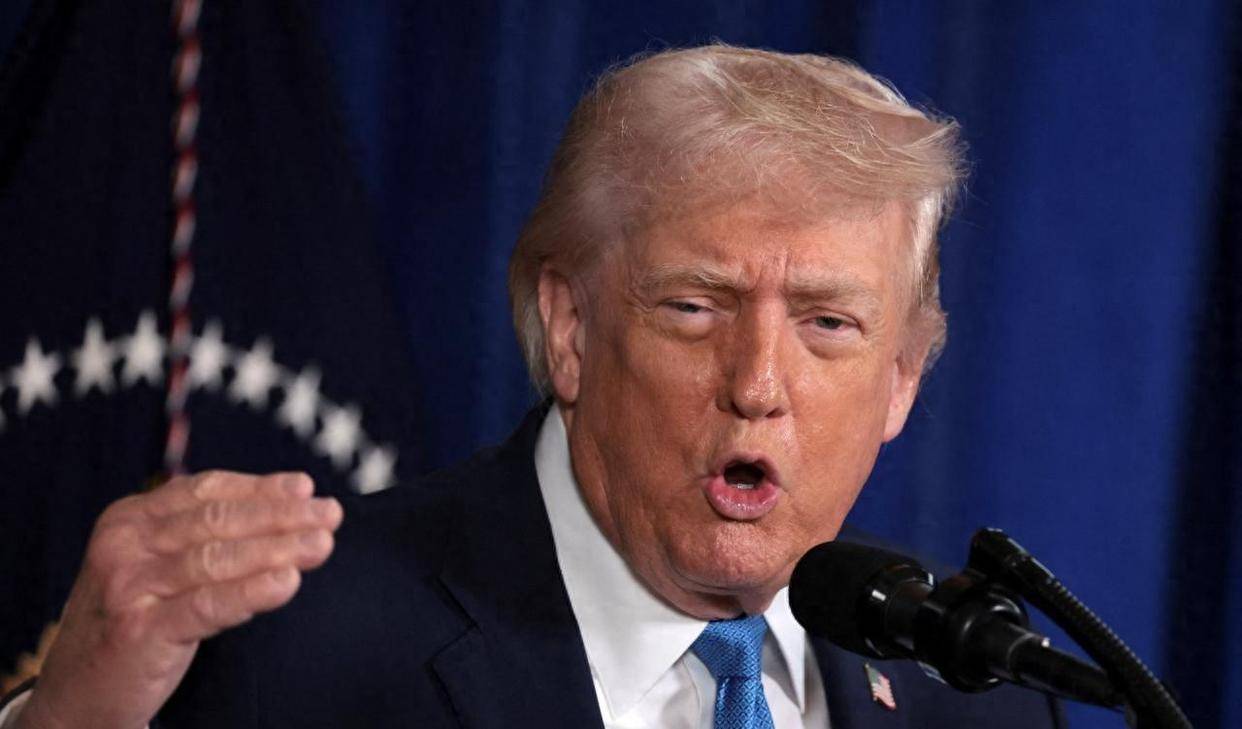
年涨 180%!从首饰到战略王牌,白银凭啥能成大国博弈的核心筹码?
Sou Hu Cai Jing· 2026-01-10 16:17
Core Viewpoint - The recent tightening of silver export controls by China has transformed silver from a secondary precious metal into a critical strategic resource, impacting global supply chains and market dynamics [1][5]. Group 1: Export Control Changes - Starting January 1, 2026, silver exports from China will transition from a quota system to a licensing management model, requiring detailed reporting of buyer identities and end-use of goods [3]. - Only 44 companies have been granted export qualifications, effectively excluding smaller enterprises with annual production below 80 tons from the export market [3][21]. Group 2: Silver's Strategic Importance - Silver has become essential in high-tech industries, with the photovoltaic sector consuming 55% of global silver production, highlighting its critical role in solar energy conversion [7][9]. - The metal is also vital for electric vehicle control modules, 5G base station components, and AI server parts, making it irreplaceable in several strategic industries [9]. Group 3: Supply and Demand Dynamics - The global silver market has faced a supply-demand imbalance for five consecutive years, with a supply gap of 3,660 tons in 2025, expected to widen in 2026 [15]. - Current silver inventories in London are at a decade-low of 233 tons, indicating a critical shortage in available supply [15]. Group 4: China's Dominance in Refining - Although China only produces 13% of the world's silver, it dominates the refining sector, processing 60% to 70% of global silver into high-purity products necessary for industrial use [11][13]. - China's ability to refine silver from by-products of copper and lead-zinc mining gives it a significant advantage in controlling the global silver supply chain [13]. Group 5: Market Reactions and Future Outlook - Following the new export policy, silver prices experienced extreme volatility, with futures prices nearing historical highs before a sharp decline, reflecting market anxiety over supply shortages [19]. - The new regulations have led to a significant reshaping of the silver export landscape, with 90% of small traders being excluded, resulting in a more regulated market environment [21]. Group 6: Implications for Global Trade - Europe, heavily reliant on Chinese silver for photovoltaic applications, faces increased procurement costs or the need to develop alternative technologies, which may take years to implement [23]. - In contrast, China's domestic market is prioritizing supply for high-tech industries, with policies in place to ensure the availability of silver for critical sectors [25]. Group 7: Long-term Strategic Shifts - The tightening of silver export controls is part of a broader strategy by China to assert its influence in global resource markets, moving from a passive participant to an active rule-maker [31][33]. - The ongoing demand for silver in emerging technologies positions it as a key asset in the global resource competition, with implications for future market dynamics and pricing strategies [29][33].
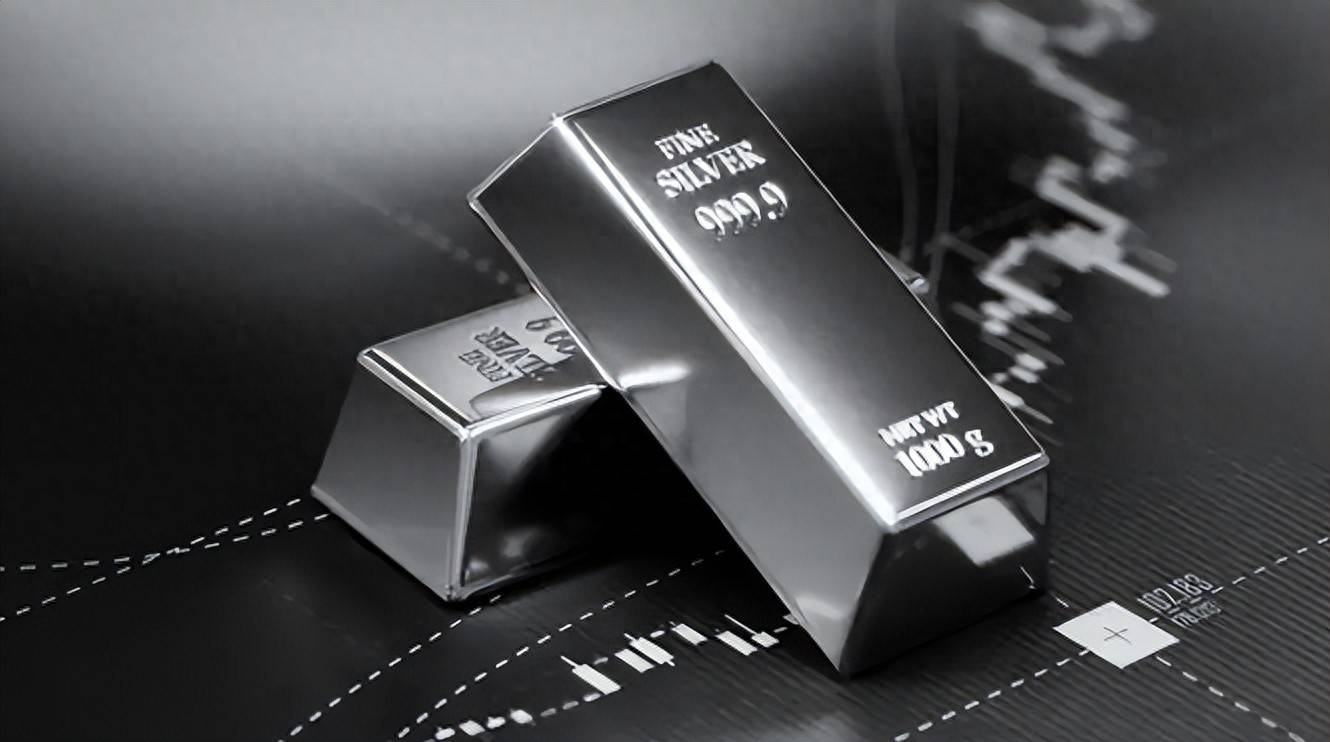
美方承认犯下大错了!特朗普之前真的没料到,中国敢跟美国这么打
Sou Hu Cai Jing· 2026-01-10 09:42
美国在贸易政策上对中国的认知偏差,导致了一系列战略失误。特朗普团队从一开始就低估了中国经济的独立性和反制能力,以为通过高关税就能快速迫使 中国妥协。这种判断基于美国长期积累的优越感,却忽略了中国在全球供应链中的核心地位。 实际情况是,中国出口结构已从依赖单一市场转向多元化,内需消费已成为经济增长的主要引擎。美方官员私下透露,在2025年关税战初期,他们未能预见 中国会如此迅速且坚定地回应。 特朗普原以为中国会因出口规模巨大而率先寻求豁免,但中国直接实施对等措施,展示了战略准备的充分性。这种误判不仅暴露了美国决策的短视,还反映 出对华政策缺乏深度分析。 贸易战重启后,美国迅速将对华关税推至145%,试图通过极限施压改变中国贸易做法。特朗普政府认为,这种高强度手段能迫使中国让步,并营造出中国 被国际孤立的印象。但中国经济韧性超出预期,通过加强与东盟和欧盟的合作,缓冲了出口冲击。 美方承认,这种策略未能缩小贸易逆差,相反,美国整体对外逆差在2023年降至2790亿美元后,又在2025年反弹到更高水平。 特朗普的关税政策本意是振兴本土制造业,但实际导致美国企业成本上升,通胀压力加剧。相比之下,中国加速本土技术创新,在 ...
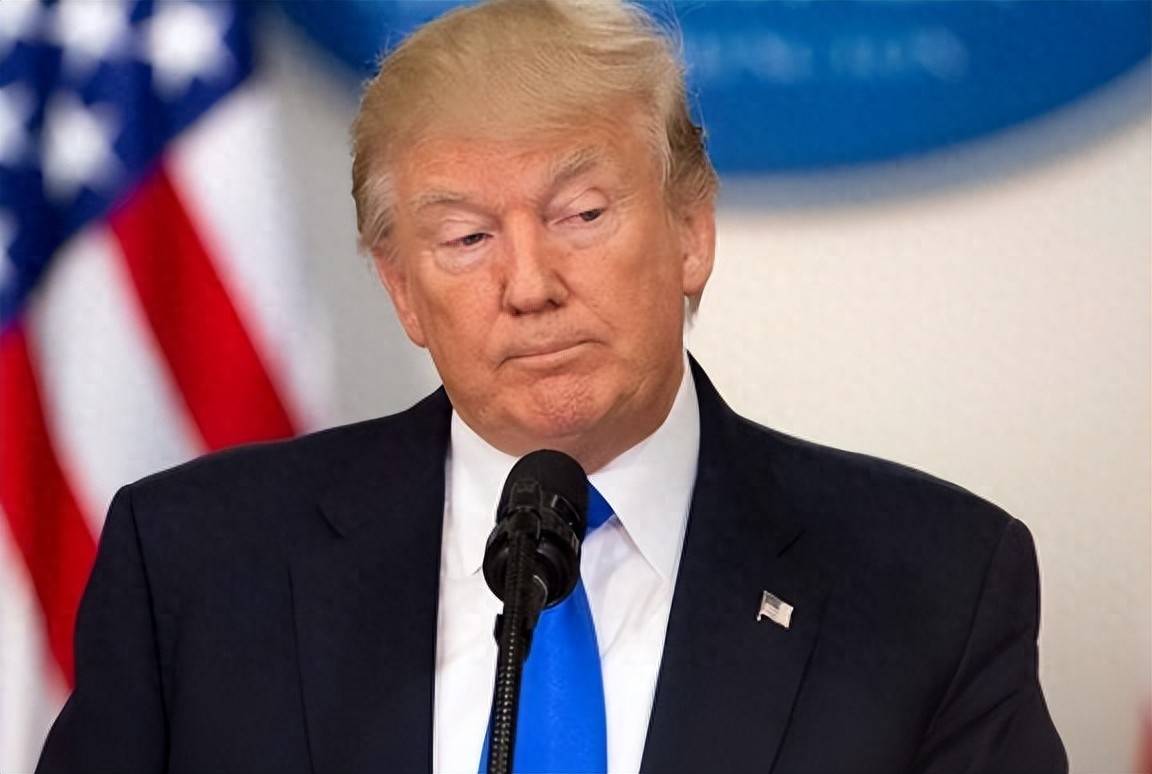
(走进中国乡村)“金饭碗”盛满全球订单 山西祁县下申村玻璃“出海记”
Zhong Guo Xin Wen Wang· 2026-01-10 06:06
Core Insights - The article highlights the transformation of Xiaoshan Village in Shanxi Province into a global hub for glassware production, showcasing how traditional craftsmanship has evolved into an international industry cluster that drives rural revitalization [1][2]. Group 1: Industry Development - Xiaoshan Village, known as the "Glassware Capital of China," has developed a glass industrial park with over 60 enterprises, accounting for a quarter of the county's glass businesses [1]. - The aggregation of enterprises has led to reduced production costs and enhanced order-taking capabilities, making the glass industry a solid income source for villagers [2]. Group 2: Employment and Economic Impact - More than 2,000 people are employed in the park, representing 85% of the village's labor force, with income from glass manufacturing being the primary economic source for most families [2]. - The village collective has increased its income through land leasing and park services, which supports infrastructure improvements and community welfare initiatives [2]. Group 3: Product and Market Reach - The products are primarily exported to Europe, the Middle East, and Africa, with items like wine glasses and cold drink cups being particularly popular among overseas customers [2]. - The competitive edge lies in the decades of craftsmanship, high-quality production, and the cost advantages of clustered manufacturing [2]. Group 4: Innovation and Future Plans - The village is attracting young talent, such as design graduates, who are contributing to product design and new sales channels, including e-commerce and live streaming [4]. - Future plans include upgrading the industry with standardized factories and automated production lines, as well as creating a "Glass Cultural and Creative Park" to integrate industrial tourism and innovative design [4].
以旧换新精准激活车市消费潜力 | 忠阳车评
Xin Lang Cai Jing· 2026-01-10 05:03
Core Viewpoint - The Chinese government continues to support automotive consumption policies despite the adjustment of the new energy vehicle purchase tax, signaling a strong commitment to boosting domestic demand and the automotive market [1] Group 1: Policy Implementation - The new "two new" policy will be implemented in 2026, with specific guidelines for the vehicle trade-in subsidy released promptly to address market concerns and avoid policy gaps [1] - The automotive trade-in program is expected to support over 11.5 million vehicles and generate more than 1.6 trillion yuan in new car sales by 2025 [1] Group 2: Subsidy Expansion - The trade-in subsidy has been expanded to include older gasoline and diesel vehicles, allowing more consumers to benefit from the program [2] - The new subsidy structure links the amount to the sales price of new vehicles, enhancing fairness and precision in the policy, while promoting higher-end vehicle consumption [2][3] Group 3: Standardization and Optimization - A unified national standard for trade-in subsidies will be established, with specific percentages for different vehicle types, such as 8% for new energy vehicles and 6% for gasoline vehicles [3] - The policy encourages the purchase of new energy vehicles and low-emission gasoline vehicles, with nearly 60% of trade-ins expected to be new energy vehicles by 2025 [3] Group 4: Market Dynamics - The automotive consumption landscape in China is shifting from first-time purchases to trade-ins, with an estimated 12 million trade-in applications expected by 2026 [4] - The increasing focus on intelligent features in new energy vehicles is expected to enhance consumer experience and stimulate market activity [4]

外资闭店撤离,中国要变天?别慌,刚吃饱饭的我们可没那么脆弱
Sou Hu Cai Jing· 2026-01-10 03:37
Core Viewpoint - The narrative of foreign capital "retreating" from China is a misinterpretation, as the country is undergoing a structural adjustment rather than a complete withdrawal of foreign investment [3][6][24] Group 1: Foreign Investment Trends - In 2024, nearly 59,100 new foreign-invested enterprises were established in China, marking an increase of nearly 10% from the previous year, despite a 27.1% decline in actual foreign investment [6][8] - The global foreign direct investment landscape is currently volatile, with a notable increase in new foreign enterprises in high-tech and emerging industries in China [8][10] - The changes in foreign investment are characterized by a shift towards high-tech production, research and development, digital economy, and specialized services, indicating a strategic realignment rather than a mass exit [10][14] Group 2: Economic Context - The exit of some traditional and labor-intensive industries is occurring, with manufacturing lines moving to countries like Vietnam and India due to lower labor costs, but this does not signal a collapse of the Chinese economy [10][19] - The perception that foreign brands leaving equates to the end of the Chinese economy is a cognitive bias, as the overall trend shows that foreign investment is adapting to new market demands and competitive pressures [16][19] - China's market is evolving from reliance on foreign capital for technology and investment to leveraging foreign investment to accelerate the development of high-end industries, reflecting economic growth and industrial maturity [21][22] Group 3: Future Outlook - The ongoing structural adjustment in foreign investment indicates that while some capital is leaving, high-end investments are increasingly willing to establish a presence in China, demonstrating sustained market confidence [24] - The narrative of foreign capital retreat should be reframed to focus on whether China can maintain its footing in industrial upgrades and whether foreign investors are still interested in participating in future growth [22][24] - China's attractiveness as a global investment destination remains strong due to its large consumer market, complete industrial chain, and continuous innovation, positioning it as a "certainty oasis" for global capital [14][24]
物价温和回升背后,有哪些积极变量?
2 1 Shi Ji Jing Ji Bao Dao· 2026-01-10 02:10
Group 1 - The consumer price index (CPI) in China increased by 0.8% year-on-year in December 2025, marking the highest growth since March 2023, driven by effective domestic demand policies and increased consumption during the New Year holiday [1] - The core CPI, excluding food and energy prices, rose by 1.2% year-on-year, indicating sustained consumer recovery momentum [1] - The industrial producer price index (PPI) showed a month-on-month increase, with the year-on-year decline narrowing, reflecting improvements in industrial production and pricing [1] Group 2 - The service sector and quality consumer goods prices have been steadily rising, with service prices increasing for eight consecutive months, indicating a shift in consumer spending from basic to quality-oriented products [2] - Prices in the digital economy sector, such as external storage devices, rose by 15.3% year-on-year, while biomass liquid fuel prices increased by 9%, showcasing the structural support for industrial prices from new productive forces [2] - The overall price recovery is supported by the optimization of demand structure and industrial upgrades, reflecting new growth momentum in the market [2] Group 3 - Policies aimed at reducing "involution" competition and building a unified national market are positively impacting PPI recovery, with prices in previously over-competitive sectors like coal and lithium batteries showing a continuous narrowing of year-on-year declines [3] - The significant year-on-year drop in pork prices by 14.6% in December is a major factor pulling down food prices and overall CPI, while international oil prices are expected to influence domestic fuel prices [3] - The recovery pace of the real estate market will also affect overall domestic demand and is a key variable in determining the price level [3] Group 4 - The internal recovery momentum is expected to dominate, promoting a continued moderate increase in prices, supported by macro policies and ongoing industrial upgrades [4] - Policies such as trade-in programs are anticipated to effectively boost consumer demand, with CPI and core CPI likely to continue their moderate upward trend [4] - The supply-demand relationship in the industrial sector is expected to improve, driven by the growth of the digital economy and green industries, leading to a potential year-on-year positive PPI by the second half of 2026 [4]
苏州市政府召开“十五五”《规划纲要(草案)》征求意见座谈会
Su Zhou Ri Bao· 2026-01-10 00:22
Group 1 - The core viewpoint emphasizes the importance of the "15th Five-Year Plan" as a guiding document for Suzhou's economic and social development over the next five years, focusing on achieving socialist modernization [2] - The meeting gathered representatives from various sectors, including technology, education, and economy, who provided positive feedback on the achievements during the "14th Five-Year" period and offered suggestions on areas such as technological innovation, industrial upgrading, and cultural tourism [1] - The mayor highlighted the need for the plan to reflect the actual conditions of Suzhou and the aspirations of the public, aiming for a high-quality development trajectory [1][2] Group 2 - The "15th Five-Year Plan" is seen as a critical period for laying the foundation for socialist modernization and requires a comprehensive approach to setting goals and tasks [2] - The mayor called for a thorough understanding of the spirit of the 20th Central Committee's Fourth Plenary Session and emphasized the importance of aligning with the directives from the provincial and municipal party meetings [2] - The meeting aimed to foster consensus and enhance the plan's foresight and operability to lead high-quality development effectively [2]