
性价比消费

Search documents
户外「三宝」,被集体退坑
36氪· 2025-07-27 23:58
Core Viewpoint - The article discusses the rapidly changing preferences of the middle class in China regarding outdoor activities and related consumer products, highlighting a shift from once-popular activities like camping, cycling, and skiing to a more cost-conscious approach as economic conditions change [3][4][5]. Group 1: Changing Trends in Outdoor Activities - The middle class's interest in outdoor activities, once a symbol of a refined lifestyle, has shifted dramatically, with terms like "cycling withdrawal" and "camping gear clearance" becoming common [4][5]. - The popularity of outdoor activities such as camping, cycling, and skiing has seen a rapid rise and fall, indicating that middle-class preferences are fleeting and subject to quick changes [6][12]. - Data from the China Bicycle Association shows a 15.1% year-on-year increase in the production of mid-to-high-end bicycles priced over 1,000 yuan in 2023, reflecting a temporary surge in interest [7]. Group 2: Economic Impact on Consumer Behavior - The economic downturn has led to a significant change in consumer behavior, with individuals now prioritizing cost-effectiveness over luxury in their spending habits [25][29]. - The article notes that the once-thriving skiing industry has seen a decline, with some brands reporting sales drops of 30%-50% compared to previous years, indicating a shift in consumer spending [17][19]. - The camping industry, which experienced a boom during the pandemic, is now facing challenges as many campsites struggle to attract customers, leading to increased competition and lower prices [22][24]. Group 3: Industry Challenges and Adaptations - The influx of new businesses in the cycling and skiing sectors has led to oversaturation, with many companies now offering significant discounts to clear excess inventory, some discounts reaching up to 50% [15][18]. - The article highlights that many outdoor brands are now facing inventory issues, with some forced to pause operations due to high stock levels and low sales [17][19]. - The camping industry is described as having a fragile revenue model, heavily influenced by seasonal factors and consumer trends, making it difficult for businesses to sustain profitability [31][32].


中产“三宝”,集体崩盘
虎嗅APP· 2025-07-27 09:52
Core Viewpoint - The article discusses the rapid changes in consumer preferences among the middle class in China, particularly regarding outdoor activities and associated products, highlighting a shift from enthusiasm to disillusionment in the camping, cycling, and skiing markets [2][4][7]. Group 1: Changing Consumer Preferences - The once-popular outdoor activities like camping, cycling, and skiing have seen a significant decline in interest, with social media reflecting a shift from recommendations to liquidation of equipment [2][4]. - Middle-class consumers are known for their fickle preferences, quickly moving from one trend to another, leading to a cycle of abandonment for previously popular activities [2][3]. - The rise of new outdoor activities has been rapid, with significant participation in events like marathons and the popularity of cycling and skiing peaking during the pandemic [4][5]. Group 2: Market Dynamics and Economic Impact - The cycling industry has seen a surge in the number of related businesses, with approximately 348.2 million companies in China as of 2024, but many are now facing significant discounts and unsold inventory [10]. - Skiing, influenced by the Winter Olympics, initially gained popularity, but recent data shows a decline in sales and participation, with some brands experiencing a drop of 30%-50% in sales [11][12]. - The camping industry, which thrived during the pandemic, is now facing a downturn, with many businesses closing or struggling to attract customers due to increased competition and high customer acquisition costs [14][15]. Group 3: Consumer Behavior and Spending Trends - Middle-class consumers are increasingly price-sensitive, with a shift from luxury brands to more affordable options, reflecting a broader economic trend where spending priorities have changed [7][19]. - The article notes that consumers are now more likely to seek discounts and value for money, leading to a decline in the sales of high-end outdoor gear [7][19]. - The narrative of consumer spending has shifted from a focus on luxury and status to a more pragmatic approach, where cost and functionality take precedence [18][19]. Group 4: Industry Challenges and Future Outlook - The article highlights the challenges faced by businesses in the outdoor industry, including the need for continuous innovation and adaptation to changing consumer preferences [21][22]. - Many businesses that entered the market during its peak are now struggling to survive as the market cools, leading to a potential consolidation where only the most resilient companies will thrive [21][22]. - The future of the outdoor industry may require a reevaluation of business models, focusing on sustainable practices and genuine consumer engagement rather than chasing fleeting trends [22].

中产「三宝」,集体崩盘
3 6 Ke· 2025-07-25 08:18
Core Insights - The outdoor activities that were once symbols of middle-class lifestyle, such as camping, cycling, and skiing, have seen a significant decline in popularity, with many enthusiasts now abandoning these pursuits [1][2][6] - The middle class's preferences are rapidly changing, leading to a cycle of trends that come and go, often leaving businesses with excess inventory and financial losses [2][8] Industry Trends - The traditional sports associated with the affluent, such as tennis and golf, have shifted to more contemporary activities like camping and cycling, which gained popularity during the pandemic [2][4] - Data from the China Bicycle Association indicates a 15.1% year-on-year increase in the production of mid-to-high-end bicycles priced over 1,000 yuan in 2023, reflecting a temporary surge in interest [2] - Skiing has also become more accessible, with a 209% increase in ski ticket orders in early November 2023 compared to the same period in 2019, indicating a brief spike in consumer interest [4] Market Dynamics - The camping industry, which saw a boom during the pandemic, is now facing a downturn, with many businesses closing or pivoting due to decreased demand and increased competition [15][16] - The number of bicycle-related enterprises in China has surged to approximately 3.482 million, with a 110.6% increase in new businesses in 2023, yet many are struggling to sell products at original prices [9] - The ski industry is experiencing a significant drop in sales, with some brands reporting a 30%-50% decline in sales compared to previous years, leading to inventory clearance efforts [11][12] Consumer Behavior - The middle class is increasingly focused on cost-effectiveness, leading to a shift away from expensive outdoor activities like skiing and cycling towards more affordable options like hiking [19][21] - The perception of outdoor activities has changed, with many consumers now prioritizing value over brand prestige, resulting in a decline in sales for high-end outdoor brands [6][7][19] - The social aspect of outdoor sports has diminished, as many former enthusiasts have shifted their focus to other priorities, impacting the community around these activities [19][21] Business Challenges - Companies that invested heavily in outdoor sports infrastructure are now facing challenges due to the rapid decline in consumer interest, leading to financial strain [8][22] - The outdoor industry is characterized by a lack of standardization and a need for continuous innovation to meet changing consumer demands, making it difficult for businesses to maintain profitability [22] - The camping sector is particularly vulnerable to external factors such as weather, which can significantly impact operational days and revenue potential [22]

广东人最捧场的萨利亚,又偷偷涨价了
创业邦· 2025-07-19 10:20
Core Viewpoint - SAIZERIYA, a Japanese Italian restaurant chain, is significantly increasing its investment in the Chinese market, establishing new subsidiaries and expanding its presence in various cities, particularly in Central China [4][5][6]. Group 1: Company Expansion - SAIZERIYA announced the establishment of a wholly-owned subsidiary in Wuhan with a registered capital of 3 billion yen (approximately 147 million yuan) to manage its restaurants in the city [4]. - The company is also setting up a new parent company in China, with a registered capital of about 300 million yen (approximately 15 million yuan), aimed at managing all SAIZERIYA outlets in China [4]. - As of now, SAIZERIYA has nearly 500 stores in China, with a significant concentration in Guangdong, where the Guangzhou branch manages 222 restaurants [6][8]. Group 2: Financial Performance - For the fiscal year 2025, SAIZERIYA reported a sales revenue of 188.34 billion yen (approximately 9.09 billion yuan), a year-on-year increase of 15.4%, with a net profit of 7.78 billion yen (approximately 376 million yuan), up 50.4% [9]. - The Asian segment, primarily driven by the Chinese market, generated sales of 63.06 billion yen (approximately 3.05 billion yuan), reflecting a 10.5% increase and accounting for over 30% of SAIZERIYA's total revenue [9]. Group 3: Market Strategy - SAIZERIYA is aggressively expanding into lower-tier cities, having opened its first stores in places like Zhaoqing and Jiangyin this year, and aims to penetrate the Central China market with the new Wuhan subsidiary [13]. - The company plans to invest approximately 30 million USD (about 215 million yuan) in a new factory in Guangzhou to support its expansion, with the goal of increasing its store count to 1,000 in China [15]. - Despite the expansion, SAIZERIYA has faced challenges in profitability, with a 5.4% decline in operating profit for the Asian segment, indicating that the push for growth may be impacting margins [15]. Group 4: Pricing Strategy - SAIZERIYA has begun to increase menu prices after previously stating it would not do so, with price hikes of 1-2 yuan on various dishes due to rising raw material costs [16]. - Specific price increases include the garlic chicken bacon cheese baked rice, which rose from 18 yuan to 19 yuan, and the truffle chicken cheese baked rice, which increased from 20 yuan to 21 yuan [16].
摩根士丹利:东盟消费者+医疗保健
摩根· 2025-07-16 00:55
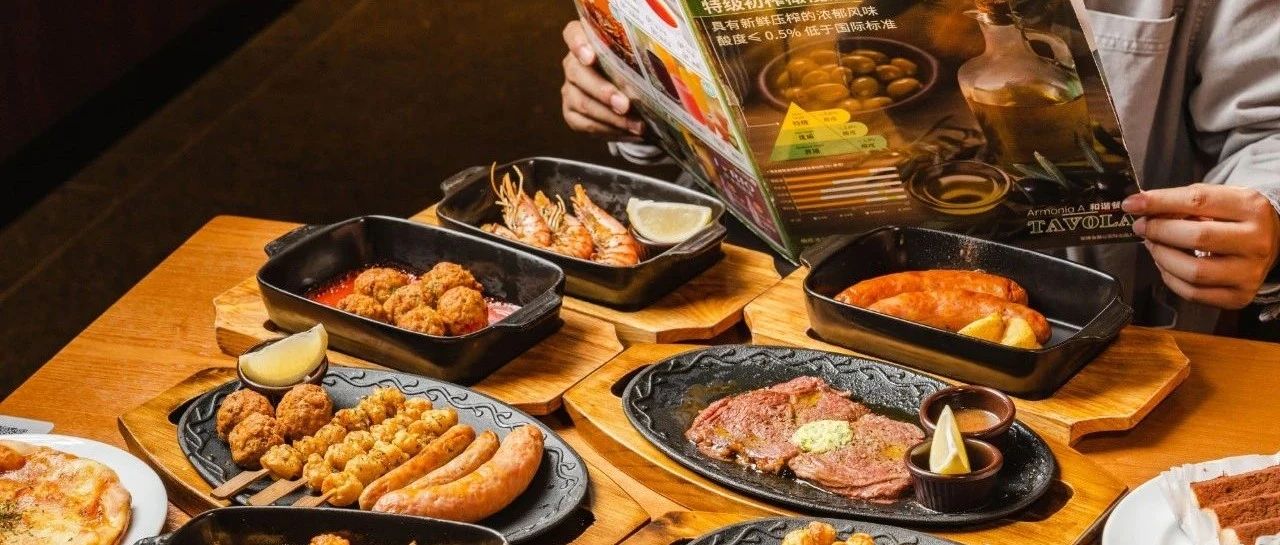
Investment Rating - The report indicates a positive investment outlook for healthcare stocks in Southeast Asia, particularly in countries facing aging populations like Thailand [5][12]. Core Insights - The Asian consumer market is characterized by price sensitivity, with consumers downgrading spending in food but increasing expenditures in travel [1][4]. - The rapid growth of the fast-moving consumer goods (FMCG) market in Southeast Asia, particularly in Indonesia, the Philippines, and Thailand, is noteworthy, with growth rates double that of India [1][7]. - Local brands are gaining market share over global brands due to their ability to offer personalized products at lower prices through e-commerce and social media [6][4]. Summary by Sections Consumer Behavior - Asian consumers prioritize value for money and are highly sensitive to prices, often influenced by macroeconomic cycles [4][1]. - The Z generation plays a significant role in consumer behavior, heavily relying on social media and influencers for purchasing decisions [4][1]. Demographics and Market Impact - Approximately one-third of Asia's population is under 25, but significant demographic differences exist, with countries like Thailand facing rapid aging [5][1]. - The increase in single-person households is driving growth in pet ownership and online entertainment [5][1]. FMCG Market Trends - The combined FMCG market size of Indonesia, the Philippines, and Thailand is comparable to that of India, with a growth rate significantly higher than India's [7][1]. - There is a notable opportunity for growth in the dairy sector, particularly in Indonesia, where per capita spending is significantly lower than in Thailand [7][1]. Grocery Retail Sector - Traditional small stores remain important in Asia, but modern retail channels are growing faster, with convenience stores dominating the market [8][9]. - Thailand's 7-11 is one of the most profitable globally, with substantial room for market share expansion [11][9]. E-commerce Development - The e-commerce market in Southeast Asia is rapidly expanding, with a current market size of $160 billion and a compound annual growth rate exceeding 30% [20][21]. - Despite the growth, e-commerce penetration remains lower than in China and South Korea, indicating further potential for development [21][20]. Healthcare Sector Potential - The healthcare sector in Southeast Asia has significant growth potential, driven by low current spending relative to GDP and an aging population [12][5]. - Thailand's healthcare spending has increased by approximately 7% over the past decade, highlighting a growing demand for healthcare services [12][5]. Key Companies - CPO is a leading grocery retailer in Thailand with a market capitalization of approximately $12 billion, dominating the convenience store segment [24]. - Astro is Indonesia's largest diversified group, holding significant market shares in both the automotive and heavy equipment sectors [24]. - Jollibee, the largest listed fast-food chain in Asia, is expanding internationally while maintaining a strong domestic presence [27]. - BDMS operates the largest private healthcare network in Thailand, catering to both local and international patients [29]. - bh Hospital is a major private hospital in Southeast Asia, known for its high profit margins and focus on international patients [30].
贵价雪糕没人买?年轻人连哈根达斯都抛弃了
Hu Xiu· 2025-07-14 07:39
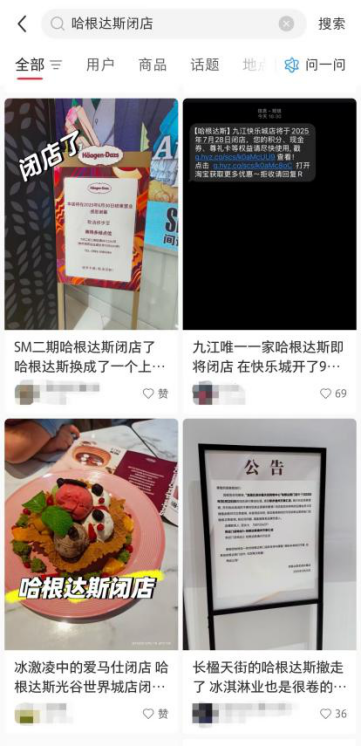
Core Viewpoint - The article discusses the decline of Häagen-Dazs in the Chinese market, highlighting its struggles against cheaper ice cream brands and changing consumer preferences, leading to a significant reduction in store numbers and sales [1][3][19]. Group 1: Company Performance - Häagen-Dazs' net sales in China for the third quarter of fiscal year 2025 were reported at $138 million, reflecting a year-on-year decline of approximately 3.2% [3]. - The number of Häagen-Dazs stores in mainland China has halved from 557 in 2019 to only 263 currently, indicating a severe contraction in its physical presence [4]. - The CEO of General Mills acknowledged a double-digit percentage decline in store traffic for Häagen-Dazs in China [3]. Group 2: Market Dynamics - The rise of affordable ice cream brands has shifted consumer preferences, with many opting for lower-priced options, making it difficult for Häagen-Dazs to attract customers [6][29]. - Häagen-Dazs was once perceived as a luxury brand, but its image has deteriorated as consumers now view it as overpriced and outdated [22][29]. - The competitive landscape has intensified, with local brands like Zhong Xue Gao and others introducing innovative and cost-effective products that challenge Häagen-Dazs' market position [22][28]. Group 3: Consumer Sentiment - Consumers have become more price-sensitive, with many expressing disbelief at Häagen-Dazs' high prices compared to similar products available at much lower costs [21][30]. - The nostalgia associated with Häagen-Dazs has not translated into sustained consumer loyalty, as younger generations prioritize value and health in their purchasing decisions [19][30]. - The perception of Häagen-Dazs as a "high-end" product has been undermined by its recent controversies, including the use of inferior ingredients, further alienating its customer base [22][29].

北京消费结构与趋势|北京市流通经济研究中心相关工作人员:北京消费新逻辑在Z世代情绪消费与科技场景中破题
Bei Jing Shang Bao· 2025-07-14 06:54
Group 1 - The core viewpoint of the articles highlights the transformation of Beijing's consumption market, driven by service orientation, technological advancement, and emotional value consumption, particularly among Generation Z [1][2] - Generation Z's emotional consumption has emerged as a new market engine, leading to rapid growth in sectors such as trendy toys, pet economy, and niche markets, with businesses creating feedback loops through social recognition and experiential events [1] - The structural transformation of consumption scenarios reflects a reconfiguration of market logic, with a notable shift towards cost-effectiveness and small, frequent purchases, as well as the integration of online and offline retail experiences [2] Group 2 - Technological consumption is identified as a core driver of high-quality development, with the durable consumer goods market expected to reach 24 trillion yuan in 2024, reflecting a 5% year-on-year growth, particularly in personal electronic devices [2] - The transformation of Beijing's consumption market is fundamentally shifting from product-led consumption to a composite drive of services, experiences, and technology, outlining a clear path for the development of international consumption centers [2]
大人穿童装背后的新型消费观
Sou Hu Cai Jing· 2025-07-03 15:15
Core Insights - The trend of adults wearing children's clothing is gaining popularity in both China and Japan, reflecting a shift towards more conscious consumerism [1][8] - In the 1990s, Japanese women embraced children's clothing for its better fit and comfort, a sentiment that is now echoed by the new middle class in China [3][4] - The appeal of children's clothing lies in its affordability and similar quality to adult versions, making it a smart choice for consumers seeking value [3][4] Consumer Behavior - Chinese consumers are increasingly opting for children's luxury brands like Dior and Stella McCartney, recognizing that these items offer the same quality as adult versions at a significantly lower price [4][6] - Positive feedback from consumers on platforms like Vipshop highlights the successful fit and comfort of children's clothing for adults, indicating a growing acceptance of this trend [6] - The decision to wear children's clothing is also driven by a desire for self-expression and comfort, challenging traditional notions of maturity in fashion [8]


越下沉客单价越低,人均138元的巴奴火锅,上市路“难”在哪?
3 6 Ke· 2025-07-03 06:53
Core Viewpoint - The restaurant industry is experiencing a new wave of capital enthusiasm, with several leading brands, including Banu, preparing for IPOs in Hong Kong amidst a competitive market environment characterized by price wars and slowing growth [1][2]. Industry Overview - The restaurant sector is witnessing a surge in IPO activities, particularly in Hong Kong, with brands like Banu, Mijue Ice City, and others entering the market [1]. - The hot pot segment, represented by Banu, is facing intense competition and a slowdown in growth, raising questions about the timing of its IPO [1][2]. Company Performance - Banu's revenue has shown consistent growth over the past three years, with figures of 1.433 billion, 2.112 billion, and 2.307 billion yuan for 2022, 2023, and 2024 respectively, totaling over 5.8 billion yuan [2]. - In Q1 2025, Banu achieved a revenue of 709 million yuan, marking a 25.7% year-on-year increase [2]. - The company turned a profit in 2023 with a net profit of 102 million yuan, which increased to 123 million yuan in 2024, reflecting a 20.8% growth [2]. Profitability Concerns - Despite revenue growth, Banu's profit margins remain low, with adjusted net profit margins of 2.9%, 6.8%, and 8.5% from 2022 to 2024, significantly lower than its competitor Haidilao [3]. - The average customer spending at Banu remained high, with figures of 147 yuan, 150 yuan, and 142 yuan from 2022 to 2024, surpassing Haidilao's average of 110-120 yuan [4]. Market Strategy - Banu's high average spending has not translated into proportional profit returns, as its premium pricing strategy conflicts with the current consumer trend favoring value for money [5][6]. - The company is focusing on expanding into lower-tier cities, with 78.6% of its 145 stores located in second-tier and below cities, where it has seen higher profit margins compared to first-tier cities [12]. Competitive Landscape - Banu's operational efficiency, measured by table turnover rates, lags behind Haidilao, with Banu averaging 3.0 times per day compared to Haidilao's 4.1 times in 2024 [7]. - Unlike Haidilao's diversified strategy, Banu remains focused primarily on hot pot dining, with over 97% of its revenue coming from dine-in operations, limiting its exposure to the growing takeout market [9][10]. Future Outlook - The upcoming IPO is seen as a crucial move for Banu to raise funds for expansion and to enhance its supply chain capabilities, including the establishment of central kitchens and satellite warehouses [14]. - The company faces the challenge of maintaining customer spending levels in lower-tier markets while managing the increased operational costs associated with expansion [14].
平安消费精选混合基金经理丁琳:把握精神消费、性价比消费和品牌出海投资主线
Quan Jing Wang· 2025-06-25 08:14
Core Viewpoint - The investment strategy conference held by Ping An Fund highlighted the transformative changes in the consumer market, presenting diverse investment opportunities in the new consumption sector by 2025 [1] Group 1: Consumer Trend Outlook - Three key areas of focus for medium to long-term consumer trends are identified: spiritual consumption, cost-effective consumption, and the international expansion of consumer brands [2] - Spiritual consumption is a significant trend, with the collectible toy market exemplifying this shift as consumer demand moves from material to spiritual needs [2] - Cost-effective consumption is driven by a slowing economy, leading consumers to be more budget-conscious, with new retail formats like discount snack stores emerging to meet this demand [2] - The international expansion of consumer brands is becoming crucial as Chinese companies seek to leverage their domestic success in global markets [2] Group 2: New Consumption Investment Opportunities - Key investment opportunities in the new consumption sector include collectible toys, snack foods, domestic cosmetics, personal care products, and gold jewelry [3][4][5] - The collectible toy market is experiencing robust growth, with a global market size of 773.1 billion yuan in 2023, and China holding only a 14% share, indicating significant room for growth [3] - The snack food retail market is projected to reach 37,380 billion yuan by 2024 and 49,477 billion yuan by 2029, driven by the rise of discount snack stores that enhance consumer experience and efficiency [4] - The domestic cosmetics market is expected to reach 537.2 billion yuan by 2024, with local brands gaining traction in international markets through improved quality and branding [4] - The gold jewelry sector is benefiting from rising gold prices, with low-weight products becoming popular among consumers, and traditional gold craftsmanship adding cultural value to products [5]