关税

Search documents
美联储7月会议纪要:聚焦经济韧性、通胀压力与金融脆弱性
Sou Hu Cai Jing· 2025-08-20 19:04
Financial Market Dynamics and Open Market Operations - The current target range for the federal funds rate is approaching a neutral level, with GDP forecasts for 2025 to 2027 similar to those prepared for the June meeting [1] - Almost all participants at the Federal Reserve's July meeting agreed that maintaining the benchmark interest rate in the range of 4.25% to 4.50% is appropriate [1] - The impact of tariffs is becoming more evident in commodity prices, but the overall effect on the economy and inflation remains to be seen [1] - The market perceives the overall U.S. economy as resilient, but financial markets are beginning to differentiate between individual companies based on earnings scale and quality [1] - Existing data shows that foreign holdings of U.S. assets remain relatively stable [1] - Reserves remain in a state of abundance [1] Economic Situation Assessment - Actual GDP growth in the first half of the year has been moderate, with the unemployment rate remaining low and consumer price inflation still slightly elevated [1] - Inflation appears to have stagnated, with tariffs exerting upward pressure on commodity price inflation [1] - The labor market remains robust [1] Financial Situation Assessment - The U.S. financial system is still described as "significantly" fragile, with asset valuation pressures remaining high [1] - Vulnerabilities related to non-financial corporate and household debt are characterized as "moderate," with household debt to GDP ratio at its lowest level in the past 20 years and household balance sheets remaining strong [1] - The debt repayment capacity of listed companies remains strong [1] Economic Outlook - Commodity price increases are expected to be smaller and occur later than previously anticipated, with financial conditions expected to provide slightly stronger support for output growth [1] - The labor market is anticipated to weaken, with the unemployment rate expected to rise above the estimated natural rate by the end of this year and remain above it until 2027 [1] - Tariffs are expected to push inflation higher this year and provide further upward pressure on inflation in 2026, with inflation projected to decline to 2% by 2027 [1] - High uncertainty remains, primarily reflecting changes in economic policy and their related economic impacts [1] Current Economic Conditions and Outlook - Overall inflation remains slightly above the long-term target of 2%, but excluding tariff effects, inflation is close to the target [1] - Short-term inflation is expected to rise, with significant uncertainty regarding the impact of tariffs, which will take time to manifest in prices [1] - Current demand conditions limit companies' ability to pass tariff costs onto prices [1] - Long-term inflation expectations remain stable [1] - The unemployment rate remains low, with employment at or near maximum estimated levels [1] - Economic activity growth is expected to remain low in the second half of the year, with weakened housing demand, increased unsold homes, and declining home prices [1] - Uncertainty regarding the economic outlook remains high, emphasizing upward inflation risks and downward employment risks [1] - Concerns about the fragility of the U.S. Treasury market may increase demand for U.S. government bonds [1]
美股科技股突发下跌,自4月9日以来,纳指科技ETF涨超46%,纳指100ETF、纳指ETF嘉实涨超30%
Ge Long Hui· 2025-08-20 08:57
Group 1: Market Overview - The US tech stocks experienced a sudden decline, with notable drops in companies like Nvidia (down 3.5%), Palantir (down 9.4%), and Supermicro (down 5.4%), leading to a 1.4% drop in the Nasdaq index, marking the largest single-day decline since August [1][2] - Since the low point in April, major US tech companies have seen an average rebound of nearly 50%, with tech ETFs tracking the Nasdaq showing significant gains of over 46% for the Nasdaq Tech ETF and over 30% for the Nasdaq 100 ETF [5] Group 2: AI Investment Concerns - A report from MIT revealed that 95% of companies see almost zero returns on their generative AI investments, with only about 5% of AI projects achieving substantial financial impact [2] - OpenAI's CEO, Sam Altman, commented that the AI sector is currently in a bubble, further fueling investor concerns [3] Group 3: Market Sentiment and Trading Behavior - There is a growing sensitivity to market news, with any minor developments causing significant emotional reactions among investors [4] - Recent trading activity indicates that Wall Street traders are heavily betting on "doomsday" put options, particularly for the Invesco QQQ Trust Series 1 ETF, reflecting fears of a repeat of the severe sell-off seen in April [7] Group 4: Economic Indicators and Consumer Impact - Discrepancies in market views regarding US employment and tariffs are increasing, with Goldman Sachs reporting that US consumers have borne 22% of tariff costs as of June, projected to rise to 67% by October [8] - The current state of the US stock market is viewed as being at historical highs in terms of index levels, profitability, and valuation, suggesting a decreasing cost-effectiveness in the long term [9]


8.20黄金跌30美金破位 再探3300
Sou Hu Cai Jing· 2025-08-20 08:06
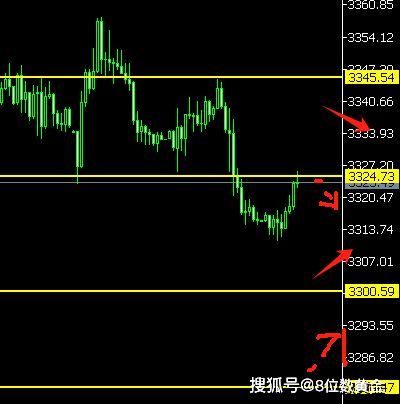
黄金过山车,重回3330,跌没所有涨幅。震荡调整后,再次大跌30美金,破位新低,延续大的空头,持 续再探3300关口。 今天的走势 上方先看3324的位置,再次突破,持续看3345前高阻力。 昨天反弹无力,晚间就跌破位了。 当然了,不破3324,继续看回调。 今天跌至3310,跌幅达到了30多美金。 再次止跌调整,先看调整力度。 今天消息面 重磅今晚美联储货币政策会议纪要,又到了鹰鸽两派对决的时候了。无疑重点,依然是降息的议题,特 别是9月会议临近,要不要降息,或成为了最近的争论的焦点,内部分歧的结果,或影响市场走向。 下方延续,持续看向3300的关口。 再一次试探关键关口,不破上方再战3324。 下方再次跌穿3300,持续看向3280的支撑。 黄金连涨4个月后,到本月进入了高位调整的过程。围绕3300关口横盘,到本月依然不改震荡格局。随 着调整的持续,大的方向也进入了抉择的过程,震荡了4个月,随时迎来大的突破。 操作方面,黄金接连震荡下行,继续看承压和回调,关注3324和3345做空的机会。此外,黄金下方面临 关键支撑区域,关注3300和3280做多的机会。 昨天主要因素: 一方面,关税收入大增,对于关税的 ...

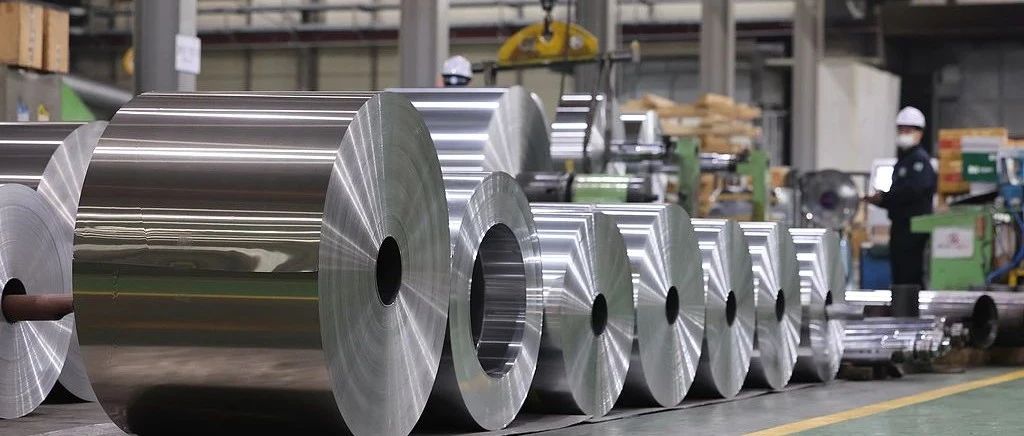
美国扩大钢铝关税范围 贸易商措手不及
Sou Hu Cai Jing· 2025-08-20 04:10
Core Viewpoint - The U.S. Department of Commerce has unexpectedly added 407 products to its list of steel and aluminum derivative products subject to a 50% tariff, impacting various industries and trade operations [1][4]. Group 1: Scope and Impact - The newly added products include wind turbines and components, mobile cranes, bulldozers, rail vehicles, furniture, compressors, and pumps, among hundreds of others [4]. - The announcement took effect on August 18, with many traders caught off guard due to the lack of prior notification, affecting ongoing shipments [4]. - The new tariffs are expected to increase the overall effective tariff rate in the U.S. by approximately 1 percentage point, impacting over $200 billion in imports from the previous year [5]. Group 2: Strategic Changes and Compliance Burden - The inclusion of a wide range of products indicates a strategic shift in the regulatory approach to steel and aluminum derivatives, with implications for compliance and supply chain management [5]. - Companies will now need to provide detailed information regarding the weight of aluminum, customs value percentages, and the countries of casting/smelting, significantly increasing compliance burdens [5]. - The total value of goods affected by metal tariffs is estimated to reach around $328 billion, potentially exacerbating inflationary pressures on already rising prices [5].

关税或引爆通胀美联储临考纸黄金跳水
Jin Tou Wang· 2025-08-20 03:10
Group 1 - The current trading price of paper gold is around 766.03 yuan per gram, with a slight decline of 0.13% [1] - The highest price reached today was 767.43 yuan per gram, while the lowest was 764.49 yuan per gram, indicating a bearish short-term trend [1] - Key resistance levels for paper gold are identified between 774 yuan per gram and 856 yuan per gram, with important support levels between 764 yuan per gram and 804 yuan per gram [3] Group 2 - Despite expectations for a 25 basis point rate cut, some members of the Federal Open Market Committee (FOMC) remain hesitant, influenced by potential new data [2] - The Trump administration is exerting significant pressure on the Federal Reserve to ease policies, which creates a divide among FOMC members regarding the decision to cut rates [2] - Current unemployment rates are stable, and the impact of tariff measures on consumer prices is viewed as a one-time adjustment rather than a trigger for sustained inflation [2]
国泰君安期货商品研究晨报:贵金属及基本金属-20250820
Guo Tai Jun An Qi Huo· 2025-08-20 02:51
1. Report Industry Investment Ratings No industry investment ratings are provided in the report. 2. Core Views of the Report - Gold: PPI exceeding expectations dampens expectations of interest rate cuts [2][4] - Silver: Experiences a slight decline [2][4] - Copper: The rise of the US dollar puts pressure on prices [2][9] - Zinc: Shows a slight drop [2][12] - Lead: A significant increase in overseas inventories puts pressure on prices [2][15] - Tin: Trades within a range [2][18] - Aluminum: Trades within a range; Alumina: Shifts downward; Cast aluminum alloy: Follows the trend of electrolytic aluminum [2][22] - Nickel: Narrow - range fluctuations based on fundamental logic, with caution for news - related risks [2][25] - Stainless steel: The steel price fluctuates due to the game between macro expectations and reality [2][25] 3. Summaries by Related Catalogs Gold and Silver - **Fundamental Data**: For gold, the closing prices of Shanghai Gold 2510, Gold T + D, and Comex Gold 2510 all declined, with daily declines of - 0.33%, - 0.31%, and - 0.57% respectively. For silver, the closing prices of Shanghai Silver 2510 and Silver T + D also decreased, with daily declines of - 0.77% and - 0.48% respectively. There were also changes in trading volume, positions, inventories, and spreads [5]. - **Trend Intensity**: Gold trend intensity is - 1, and silver trend intensity is - 1, indicating a bearish outlook [7]. Copper - **Fundamental Data**: The closing price of the Shanghai Copper main contract decreased by - 0.05%, and the London Copper 3M electronic disk decreased by - 0.69%. There were changes in trading volume, positions, inventories, and spreads [9]. - **Macro and Industry News**: The US Department of Commerce included 407 types of steel and aluminum derivative products in the tariff list. The meeting locations for the US, Russia, and Ukraine are being considered, and Trump mentioned that Ukraine may need to make territorial concessions. PT Smelting's oxygen - making equipment malfunction extended the maintenance period, and Codelco restarted the smelter at the El Teniente copper mine. Glencore applied to include two copper mine projects in Argentina in the investment incentive plan [9][11]. - **Trend Intensity**: Copper trend intensity is 0, indicating a neutral outlook [11]. Zinc - **Fundamental Data**: The closing price of the Shanghai Zinc main contract decreased by - 0.69%, and the London Zinc 3M electronic disk decreased by - 0.45%. There were changes in trading volume, positions, spreads, and inventories [12]. - **News**: The Ministry of Industry and Information Technology and other departments aimed to standardize the photovoltaic industry competition order [13]. - **Trend Intensity**: Zinc trend intensity is - 1, indicating a bearish outlook [13]. Lead - **Fundamental Data**: The closing price of the Shanghai Lead main contract increased by 0.30%, and the London Lead 3M electronic disk decreased by - 0.03%. There were changes in trading volume, positions, spreads, and inventories [15]. - **News**: The US Department of Commerce included 407 types of steel and aluminum derivative products in the tariff list, and the meeting locations for the US, Russia, and Ukraine are being considered [16]. - **Trend Intensity**: Lead trend intensity is - 1, indicating a bearish outlook [16]. Tin - **Fundamental Data**: The closing price of the Shanghai Tin main contract increased by 0.40%, and the London Tin 3M electronic disk increased by 0.30%. There were changes in trading volume, positions, inventories, and spreads [19]. - **Macro and Industry News**: There were multiple news events including diplomatic meetings and corporate actions [19][20]. - **Trend Intensity**: Tin trend intensity is - 1, indicating a bearish outlook [21]. Aluminum, Alumina, and Cast Aluminum Alloy - **Fundamental Data**: The closing price of the Shanghai Aluminum main contract decreased, and there were changes in trading volume, positions, spreads, and inventories for aluminum, alumina, and cast aluminum alloy. There were also changes in related costs, profits, and prices in the industrial chain [22]. - **Comprehensive News**: The US Department of Commerce included 407 types of steel and aluminum derivative products in the tariff list [24]. - **Trend Intensity**: Aluminum trend intensity is 0, alumina trend intensity is - 1, and aluminum alloy trend intensity is 0 [24]. Nickel and Stainless Steel - **Fundamental Data**: There were changes in the closing prices, trading volumes, positions, and various industry - related data for nickel and stainless steel [25]. - **Macro and Industry News**: There were multiple news events related to the nickel and stainless - steel industries, including production suspensions, regulatory requirements, and government actions [25][26][27][28][29]. - **Trend Intensity**: Nickel trend intensity is 0, and stainless steel trend intensity is 0, indicating a neutral outlook [30].
五矿期货文字早评-20250820
Wu Kuang Qi Huo· 2025-08-20 02:11
Report Industry Investment Ratings - Not provided in the content Core Views - The stock market may experience intensified short - term volatility after continuous recent rises, but the overall strategy is to go long on dips. The bond market may return to a wide - range shock pattern in the short term, while the long - term interest rate trend is downward. For most commodities, prices are affected by various factors such as supply - demand fundamentals, policies, and macro - economic conditions, showing different trends and adjustment ranges [3][6]. Summary by Category Macro - financial Index - News includes a photovoltaic industry symposium, satellite internet application promotion, high trading volume in the stock market, and an "AI + manufacturing" development plan. The trading logic is that policies support the capital market, and the short - term market may be volatile, but the long - term strategy is to go long on dips [2][3]. - The basis ratios of different contracts of IF, IC, IM, and IH are provided [3]. Treasury Bonds - On Tuesday, the main contracts of TL, T, TF, and TS all rose. News includes fiscal revenue data and global hedge funds buying Chinese stocks. The central bank conducted a net injection of 4657 billion yuan. The strategy is that the interest rate may decline in the long - term, and the bond market may be in a wide - range shock pattern in the short term [4][6]. Precious Metals - Domestic precious metals prices generally declined, while international prices rose slightly. The US 10 - year Treasury yield and the US dollar index are reported. The short - term pressure on precious metals prices is due to the progress of Russia - Ukraine negotiations and the resilience of US economic data. Wait for Powell's speech to decide on silver long positions [7][8]. Non - ferrous Metals Copper - Copper prices may consolidate due to concerns about US tariffs and cooling "anti - involution" sentiment. The supply of copper raw materials is tight, and the overall price may wait for macro - economic drivers. The operating ranges of Shanghai copper and LME copper are provided [10]. Aluminum - Aluminum prices oscillated and adjusted due to the expansion of US aluminum tariffs and cooling "anti - involution" sentiment. The domestic aluminum ingot inventory is low, but the downstream consumption is weak. The short - term price may be in an oscillatory adjustment [11]. Zinc - Zinc prices have a large downward risk. The domestic zinc market is in an oversupply situation, and the LME market's structural disturbance is receding [12]. Lead - Lead prices are expected to be weak. The industry has a situation of weak supply and demand, and the social inventory of lead ingots is rising [13]. Nickel - Nickel prices may have a callback pressure in the short term, but there is support in the long term. If the price drops significantly, long positions can be established [14]. Tin - Tin prices are expected to oscillate. The supply is tight in the short term, and the demand is weak in the off - season [15][16]. Carbonate Lithium - The price of carbonate lithium has adjusted. The supply and demand pattern improvement depends on the reduction of the ore end. Speculative funds are advised to wait and see, and holders can choose opportunities to enter the market [17]. Alumina - Alumina prices may be shorted on rallies. The supply of ore is disturbed, but the over - capacity pattern remains [18]. Stainless Steel - Stainless steel prices are expected to oscillate. The market is weak, and the downstream procurement is cautious [19]. Casting Aluminum Alloy - Casting aluminum alloy prices face upward resistance. The downstream is in the off - season, and the supply and demand are both weak [20]. Black Building Materials Steel - Steel prices may decline if demand cannot be repaired. The demand for rebar has decreased, and the demand for hot - rolled coils has increased. The inventory of both is rising, and the demand is insufficient [22][23]. Iron Ore - Iron ore prices may adjust slightly. The supply is increasing, the demand is slightly weak, and the inventory is rising [24][25]. Glass and Soda Ash - Glass prices are expected to oscillate. The inventory is increasing, and the demand is not significantly improved. Soda ash prices are also expected to oscillate, with the price center expected to rise in the long - term, but the upward space is limited [26][27]. Manganese Silicon and Ferrosilicon - The prices of manganese silicon and ferrosilicon have declined. Investment positions are advised to wait and see, and hedging positions can be considered. The "anti - involution" policy has an impact on the market, and the final price will return to the fundamentals [28][29]. Industrial Silicon and Polysilicon - Industrial silicon prices are expected to oscillate weakly. The over - capacity and high inventory problems remain. Polysilicon prices are expected to oscillate widely, and the follow - up impact of warehouse receipts needs attention [31][33]. Energy and Chemicals Rubber - Rubber prices are expected to oscillate weakly. It is advisable to wait and see. The long and short sides have different views on rubber prices, and the industry's tire production and inventory data are provided [35][36]. Crude Oil - Crude oil has the potential to rise, but the upward space is limited in the short term. The target price of WTI is set at $70.4 per barrel, and short - term long positions can be taken on dips [39][40]. Methanol - Methanol prices are advised to wait and see. The supply pressure is large, and the demand is expected to improve in the peak season [41]. Urea - Urea prices can be considered for long positions on dips. The supply is loose, the demand is average, and the price may break through the oscillatory range with positive news [42]. Styrene - Styrene prices may rise with the cost. The cost support exists, the inventory is decreasing, and the demand is improving [43]. PVC - PVC prices are advised to wait and see. The supply is strong, the demand is weak, and the valuation is high [46]. Ethylene Glycol - Ethylene glycol prices may decline in the short term. The supply and demand situation is changing, and the inventory may accumulate [47]. PTA - PTA prices can be considered for long positions on dips with PX. The supply may accumulate, and the demand needs improvement [48]. p - Xylene - p - Xylene prices can be considered for long positions on dips with crude oil. The load is high, the inventory may decrease, and the valuation has support [49][50]. Polyethylene PE - Polyethylene prices are affected by cost and supply. The short - term contradiction has shifted, and short positions can be held [51]. Polypropylene PP - Polypropylene prices are expected to oscillate strongly with crude oil. The supply and demand are both weak in the off - season [52]. Agricultural Products Hogs - Hog prices may be in an oscillatory range. The short - term can focus on low - buying, the medium - term should pay attention to the upper pressure, and the far - month can use the reverse spread strategy [53]. Eggs - Egg prices may be stable or decline. The supply is large, and the short - term may fluctuate, while the medium - term can consider short positions after the price rebounds [54]. Soybean and Rapeseed Meal - Soybean meal prices follow the cost to oscillate. The import cost has a stable and slightly rising trend. Long positions can be tried on dips in the cost range [55][56]. Oils - Oil prices are expected to oscillate strongly. The fundamentals support the price center, but the upward space is limited [57][59]. Sugar - Sugar prices are likely to decline. The international and domestic supply is increasing, and the valuation is high [60]. Cotton - Cotton prices may oscillate at a high level. The USDA report is positive, but the downstream consumption is average [61].
中金:美国企业承担了多少关税成本?
中金点睛· 2025-08-19 23:41
Core Viewpoint - The article discusses the impact of increasing tariffs on U.S. companies, highlighting the complexities of cost absorption and pricing strategies in response to tariff pressures. Group 1: Tariff Impact on Inflation and Cost Distribution - The effective tariff rate in the U.S. has risen to 10.6%, with theoretical rates potentially reaching 16-17% [2][4] - Concerns about inflation have not materialized as expected, with CPI increases remaining below projections for the past four months [2][4] - The distribution of tariff costs among exporters, U.S. companies, and consumers will significantly influence the overall economic pressure [6] Group 2: Company Behavior Under Tariff Pressures - The article analyzes U.S. companies' responses to tariffs through earnings calls, focusing on industries with high overseas dependency and various supply chain stages [7][10] - Companies are categorized based on their reliance on imports and their position in the supply chain, affecting how they experience tariff impacts [7][10] Group 3: Pricing Strategies and Cost Absorption - Companies are generally cautious in passing on tariff costs to consumers, with many opting to absorb costs initially [12][13] - Essential goods see slower and smaller price increases due to lower price elasticity, while discretionary items experience more aggressive pricing adjustments [14][15] - Companies like Walmart and Kroger are particularly careful about passing on costs for essential items, while others in discretionary sectors are more proactive [14][15] Group 4: Supply Chain Adjustments - Companies are negotiating with suppliers and adjusting supply chains to mitigate tariff impacts, with many reducing reliance on Chinese imports [16] - Retailers like Home Depot and Best Buy have significantly decreased their sourcing from China, while increasing imports from countries like Vietnam and Taiwan [16] - Some manufacturers are investing in U.S. production to counteract long-term trade risks [16] Group 5: Financial Impact of Tariffs - Tariffs have led to an average profit margin decline of 1.2% across sampled companies, with manufacturers bearing a larger share of the cost [18][19] - The impact varies by sector, with manufacturers experiencing more significant cost absorption compared to retailers [19][20] - Retailers have more flexibility in adjusting product offerings to mitigate tariff impacts, while manufacturers face higher costs due to direct exposure to imported materials [20] Group 6: Demand Trends and Consumer Behavior - There is a noted shift towards value-oriented consumption as consumers react to rising prices due to tariffs [21] - Durable goods saw a temporary spike in demand as consumers rushed to purchase before anticipated price increases, leading to potential future demand declines [21][22]



税率50%,美国将407类钢铝衍生产品纳入关税清单
财联社· 2025-08-19 23:36
Core Viewpoint - The U.S. Department of Commerce has expanded the steel and aluminum tariff list to include 407 product categories, imposing a 50% tariff rate, aimed at protecting domestic manufacturing and reducing import dependency [1][2]. Group 1: Tariff Expansion Details - The new tariffs, effective from August 19, significantly broaden the scope of previous tariffs announced by the Trump administration, now covering a wide range of products including wind turbines, mobile cranes, railway vehicles, furniture, and various machinery that contain steel or aluminum components [2]. - The Department of Commerce's action is intended to close loopholes and continue revitalizing the U.S. steel and aluminum industries, as stated by Jeffrey Kessler, Deputy Assistant Secretary for Industry and Security [2]. Group 2: Economic Impact - Experts warn that the new tariffs could affect at least $320 billion worth of imports based on 2024 projections, potentially exacerbating cost-push inflation as indicated by the rising Producer Price Index (PPI) [3]. - Importers face a dilemma as many goods are already in transit; accepting the goods will incur high tariffs, while delaying delivery could lead to significant financial losses [3]. Group 3: Historical Context - In June, the Trump administration announced a doubling of steel and aluminum import tariffs to 50%, which has already caused disruptions in global supply chains [4].