
地缘政治

Search documents
摩根大通研判格陵兰:特朗普或在达沃斯收手谈判
Jin Shi Shu Ju· 2026-01-20 07:36
他认为,这种策略的目的并非将局势推向不可控的对抗,而是迫使各方尽快回到谈判桌前。 基于这一判断,他并不排除市场在过程中经历一次较为明显的调整,但强调这本身并不令人意外。他 说, AI播客:换个方式听新闻 下载mp3 音频由扣子空间生成 特朗普近期加大了对格陵兰岛的施压,试图以美国国家安全为由夺取该岛,并威胁对欧洲盟友征收关 税。他声称格陵兰岛对其"金穹"反导计划至关重要,美国需控制该岛以防止俄罗斯等国介入。然而,格 陵兰岛和丹麦均反对美国的收购意图,欧洲盟友也加强了在格陵兰岛的军事存在以应对美国的行动。 在围绕特朗普提出的"格陵兰构想"引发的市场波动中,摩根大通分析师费德里科·马尼卡尔迪(Federico Manicardi)给出了相对冷静且偏谨慎乐观的判断。他认为,尽管相关言论在短期内放大了不确定性、 制造出更高的噪音水平,但从结果来看,这一事件更可能以紧张局势逐步缓和、并最终通过谈判达成协 议而告终。 马尼卡尔迪指出,特朗普式政治本身就会制造额外的波动,而这一特征在当前时点被进一步放大。眼下 市场已经处于对股市回调风险亮起"橙色预警灯"的阶段,在这种背景下,任何具有地缘政治和贸易意味 的表态,都会被市场迅 ...
光大期货能化商品日报(2026年1月20日)-20260120
Guang Da Qi Huo· 2026-01-20 06:11
1. Report Industry Investment Rating - No information about the industry investment rating is provided in the report. 2. Core Views of the Report - The prices of various energy and chemical products are expected to fluctuate in a range. For example, crude oil, fuel oil, asphalt, polyester, rubber, methanol, polyolefins, and PVC are all forecasted to show an oscillatory trend [1][2][4]. - Geopolitical factors such as the situation in Iran, the confrontation over Greenland, and the US Supreme Court's decision on tariffs are significant drivers of price fluctuations in the energy and chemical markets [1]. - The supply and demand dynamics of each product also play a crucial role in price movements. For instance, the supply of low - sulfur fuel oil is sufficient, while the demand for asphalt is weak in the short term [2]. 3. Summary by Relevant Catalogs 3.1 Research Views - **Crude Oil**: On Monday, Brent March contract closed down $0.19 to $63.94 per barrel, a 0.30% decline. SC2603 closed at 440.3 yuan/barrel, down 2.3 yuan/barrel, a 0.52% decline. The end of the unrest in Iran reduces the risk of supply disruptions. Market attention has shifted to the Greenland issue, and the US Supreme Court's upcoming decision on tariffs also adds uncertainty. In 2025, China's industrial crude oil production was 216.05 million tons, a 1.5% year - on - year increase, and the processing volume was 737.59 million tons, a 4.1% year - on - year increase. Currently, the market demand is divided, and the prices are expected to oscillate [1]. - **Fuel Oil**: On Monday, the main fuel oil contracts on the SHFE showed slight increases. The supply of low - sulfur fuel oil is sufficient, but the demand has some support. The high - sulfur fuel oil market structure has strengthened slightly, but the inflow of Venezuelan resources may be negative. The prices of FU and LU are likely to follow the trend of crude oil, with FU having higher volatility [2]. - **Asphalt**: On Monday, the main asphalt contract on the SHFE closed up 0.29% at 3142 yuan/ton. Concerns about raw materials have eased slightly. The price is mainly driven by the impact of the Iranian situation on crude oil. The demand will further shrink due to bad weather, and the market is in a game between "weak demand reality" and "strong cost expectation" [2]. - **Polyester**: TA605 closed up 0.24% at 5030 yuan/ton, while EG2605 closed down 1.08% at 3755 yuan/ton. PX prices have some support due to supply contractions. The polyester and terminal industries are expected to reduce their production loads. TA prices are expected to follow raw material prices, and EG prices are expected to oscillate at a low level [4]. - **Rubber**: On Monday, the main rubber contracts on the SHFE declined. In 2025, China's rubber tire exports increased in both volume and value. The inventory in Qingdao has increased seasonally, and the prices are expected to oscillate widely in the short term [4][6]. - **Methanol**: The supply is at a high - level oscillation, and the overseas supply from Iran remains low. The demand has weakened due to the shutdown of some MTO plants. The port de - stocking is still under pressure, and the prices are expected to oscillate at the bottom [6]. - **Polyolefins**: The production margins of various polyolefin production methods are mostly negative. The supply will decrease slightly in January, and the demand will decline as the Spring Festival approaches. The prices are expected to oscillate at the bottom [6][8]. - **Polyvinyl Chloride (PVC)**: The market prices in East, North, and South China have adjusted. The supply is at a high - level oscillation, and the domestic demand is slowing down. The 05 contract has a large premium, and the prices are expected to oscillate at the bottom [8]. 3.2 Daily Data Monitoring - The report provides the basis data of various energy and chemical products, including spot prices, futures prices, basis, basis rates, and their changes on January 19th and January 16th, as well as the historical quantiles of the latest basis rates [9]. 3.3 Market News - The end of the unrest in Iran reduces the risk of supply disruptions. The market is concerned about the confrontation over Greenland, where the US may impose tariffs on EU countries, and the EU is prepared to retaliate [11]. - The US Supreme Court may rule on tariffs in the coming weeks, which is a major test of the president's power [11]. 3.4 Chart Analysis - **4.1 Main Contract Prices**: The report presents the closing price charts of main contracts for various energy and chemical products from 2022 to 2026, including crude oil, fuel oil, low - sulfur fuel oil, asphalt, LPG, PTA, ethylene glycol, short - fiber, LLDPE, polypropylene, PVC, methanol, styrene, 20 - number rubber, natural rubber, synthetic rubber, European line container shipping, and p - xylene [13][15][17][19][21][23][25][27]. - **4.2 Main Contract Basis**: The basis charts of main contracts for various products are provided, such as crude oil, fuel oil, low - sulfur fuel oil, asphalt, ethylene glycol, PP, LLDPE, natural rubber, 20 - number rubber, p - xylene, synthetic rubber, and bottle chips [31][33][37][38][41][43]. - **4.3 Inter - period Contract Spreads**: The report shows the spread charts between different contracts for various products, including fuel oil, asphalt, European line container shipping index, PTA, ethylene glycol, PP, LLDPE, and natural rubber [44][46][49][52][54][56][58]. - **4.4 Inter - variety Spreads**: The spread and ratio charts between different varieties are presented, such as crude oil internal and external markets, crude oil B - W spread, fuel oil high - low sulfur spread, fuel oil/asphalt ratio, BU/SC ratio, ethylene glycol - PTA spread, PP - LLDPE spread, and natural rubber - 20 - number rubber spread [60][64][65][66]. - **4.5 Production Profits**: The production profit and processing fee charts for various products are provided, including LLDPE, PP, PTA, and ethylene - based ethylene glycol cash flow [68][70].
中辉能化观点-20260120
Zhong Hui Qi Huo· 2026-01-20 05:59
1. Report Industry Investment Ratings - Crude oil: Cautiously bearish [1] - LPG: Cautiously bearish [1] - L: Bearish continuation [1] - PP: Bearish continuation [1] - PVC: Bearish consolidation [1] - PX/PTA: Range - bound [2] - Ethylene glycol: Cautiously bearish [2] - Methanol: Cautiously chase long [2][3] - Urea: Cautiously chase long [3] - Natural gas: Bearish rebound [7] - Asphalt: Cautiously bearish [7] - Glass: Bearish continuation [7] - Soda ash: Bearish continuation [7] 2. Core Views of the Report - The overall market is affected by factors such as geopolitical situation, supply - demand relationship, and cost. Geopolitical risks in the Middle East and South America have an impact on the prices of energy - related products. Supply - demand imbalances exist in many varieties, with some facing over - supply pressure during the off - season, while others have weak demand. Cost factors, especially the price of crude oil, play a crucial role in the price trends of many products [1][7][11] 3. Summaries According to Related Catalogs Crude Oil - **Summary**: Geopolitical risks in the Middle East have decreased, but there is still uncertainty. The market is in an off - season with supply surplus, and inventories are rising. OPEC+ is in an expansion cycle, and the price is expected to be under pressure in the long - term, with short - term rebounds possible [1][11][12] - **Price Information**: WTI主力 at $59.34, Brent主力 at $64.13, and SC主力 at 442.6 yuan/barrel [9] - **Supply**: Iraq's daily oil export in January 2026 is expected to be 3.6 million barrels [12] - **Demand**: The share of Middle East crude supply in India's December 2025 crude imports rose to nearly 54% [12] - **Inventory**: As of the week of January 9, US crude inventory increased by 3.4 million barrels to 422.4 million barrels [12] - **Strategy**: In the long - term, OPEC+ expansion may push the price into a low - price range. Short - term, watch for rebounds, and for SC, focus on the range of [430 - 445] [13] LPG - **Summary**: It follows the downward trend of the cost - end crude oil price. The supply and demand are relatively stable, with downstream chemical demand showing resilience. The inventory shows positive signals [1][17] - **Price Information**: On January 19, the PG主力 contract closed at 4124 yuan/ton, down 0.48% [16] - **Supply**: As of the week of January 16, the LPG commodity volume was 518,700 tons, up 600 tons [17] - **Demand**: As of the week of January 16, the PDH, MTBE, and alkylation oil operating rates were 73.07% (- 2.54pct), 67.57% (+0.00pct), and 37.99% (+0.32pct) respectively [17] - **Inventory**: As of the week of January 16, the refinery inventory was 156,700 tons, down 1,900 tons, and the port inventory was 2.0278 million tons, down 104,200 tons [17] - **Strategy**: In the long - term, the price may continue to decline. Focus on the range of [4000 - 4100] [18] L - **Summary**: The basis weakens, and it follows the cost - end to move weakly. The short - term supply - demand contradiction is not prominent [22] - **Price Information**: L05 closed at 6667 yuan/ton, with a basis of - 7 yuan/ton [20][22] - **Supply**: The parking ratio is 14%, and the planned device restart this week may lead to a slight increase in production [22] - **Demand**: Entering the off - season in January, the demand is weakening [22] - **Strategy**: Focus on the range of [6600 - 6750] [22] PP - **Summary**: The warehouse receipts are at a high level, and the supply is slightly increasing. It follows the cost to fluctuate weakly in the short - term. The supply - demand is weak on both sides [26] - **Price Information**: PP05 closed at 6482 yuan/ton, with a basis of - 31 yuan/ton [24][26] - **Supply**: The parking ratio is 19%, and the PDH profit is low, increasing the expectation of maintenance [26] - **Demand**: Entering the off - season in January, the demand is weakening [26] - **Strategy**: Focus on the range of [6400 - 6600] [26] PVC - **Summary**: The price of calcium carbide has increased, and the price of liquid caustic soda has decreased, with improved cost support. However, there is an expectation of weakening supply - demand in the long - term, and the high - inventory structure is difficult to reverse [30] - **Price Information**: V05 closed at 4801 yuan/ton, with a basis of - 241 yuan/ton [28][30] - **Supply**: The domestic operating rate has increased to 80% [30] - **Demand**: In the seasonal off - season, both domestic and foreign demand are weak [30] - **Inventory**: Social inventory has reached a new high [30] - **Strategy**: Focus on the range of [4700 - 4900] [30] PX/PTA - **Summary**: It is in a range - bound state. The processing fee has been repaired, but the downstream demand is seasonally weak. The supply is affected by device maintenance, and the cost - end PX is in a weak balance [32] - **Price Information**: TA05 closed at 5018 yuan/ton, with a basis of - 58 yuan/ton [31][32] - **Supply**: Multiple domestic devices are under maintenance, and overseas devices have some planned maintenance [32] - **Demand**: Downstream polyester and weaving industries have reduced operating rates, and orders are decreasing [32] - **Inventory**: There is a slight accumulation of inventory in January - February, but the pressure is not large [32] - **Strategy**: Pay attention to the opportunity of buying on dips for 05 contract, and focus on the range of [4980 - 5100] [33] Ethylene Glycol - **Summary**: The valuation is relatively low. The domestic supply load has increased, while the downstream demand is seasonally weak. The port inventory is rising, and there is an expectation of inventory accumulation in January - February [35] - **Price Information**: EG05 closed at 3614 yuan/ton, with a basis of - 101 yuan/ton [34][35] - **Supply**: Multiple domestic devices have changed their operating status, and overseas devices have some planned maintenance [35] - **Demand**: Downstream polyester and weaving industries have reduced operating rates, and orders are decreasing [35] - **Inventory**: Social inventory is slightly increasing, and there is inventory accumulation pressure in January - February [35] - **Strategy**: Pay attention to the opportunity of short - selling on rebounds, and focus on the range of [3700 - 3770] [36] Methanol - **Summary**: The valuation is not low, and the comprehensive profit is weak. The domestic and overseas device operating rates have decreased, and the demand is slightly weak. The supply pressure is expected to ease in January, and there is a game between weak reality and strong expectation [39][40] - **Price Information**: The valuation of methanol is at the 16.0% quantile level in the past six months, and the East China basis is strengthening [39] - **Supply**: Domestic and overseas devices have reduced their operating rates, and the import volume in January is expected to be about 850,000 tons [39][40] - **Demand**: The demand from the olefin industry and traditional downstream industries is weak [39][40] - **Inventory**: The (port) inventory has been significantly reduced [40] - **Strategy**: The supply pressure is expected to ease in January, and the demand is suppressed by the weak olefin market. Pay attention to the range of [2180 - 2240] [41] Urea - **Summary**: The absolute valuation is not low, and the supply is increasing with the resumption of production of previous maintenance devices. The short - term demand is relatively strong, but it will enter the off - season during the festival. The price has a ceiling and a floor under the policies of "export quota system" and "ensuring supply and stabilizing prices" [43][44] - **Price Information**: The main contract of urea closed at 1801 yuan/ton, with a basis of - 31 yuan/ton [42][44] - **Supply**: The operating rates of coal - based and gas - based urea devices are rising, and the daily output is at a high level [44] - **Demand**: The winter storage is progressing steadily, and the demand from compound fertilizers and melamine industries is strong, but the export is weakening month - on - month [43][44] - **Inventory**: The social inventory is still at a relatively high level [43] - **Strategy**: The winter storage has limited positive effects, and the supply pressure is increasing. Pay attention to the range of [1760 - 1790] [45] Natural Gas - **Summary**: Affected by cold air, the demand has been boosted in the short - term, leading to a price rebound. However, the supply is relatively sufficient, and the price may be under pressure in the long - term [49] - **Price Information**: On January 19, the NG主力 contract closed at $2.702 per million British thermal units, up 0.75% [48] - **Supply**: In December 2025, the natural gas production of industrial enterprises above designated size increased steadily. The number of natural gas rigs in the US decreased [49] - **Demand**: The proportion of natural gas heavy - duty trucks in the terminal sales of heavy - duty trucks was 26.00% from January to November 2025 [49] - **Inventory**: As of the week of January 9, the US natural gas inventory decreased by 71 billion cubic feet [49] - **Strategy**: In the winter, the demand for heating provides support, but the supply is sufficient. Pay attention to the range of [3.361 - 3.991] [49] Asphalt - **Summary**: The geopolitical situation in the Middle East has cooled down, and the price has followed the decline of crude oil. The supply - demand is relatively loose, and the cracking spread is gradually returning to normal but still has room for compression [54] - **Price Information**: The BU主力 contract closed at 3142 yuan/ton, up 0.38% [52] - **Supply**: The production in December 2025 increased slightly, and the operating rate has changed [53] - **Demand**: The demand has entered the off - season, and the shipment volume has decreased [53] - **Inventory**: The inventory of 70 sample enterprises has increased [53] - **Strategy**: The geopolitical situation in the Middle East is still uncertain. Pay attention to the range of [3100 - 3200] [54] Glass - **Summary**: The terminal real - estate demand is weak, and the cost support has weakened. The supply - demand is weak on both sides, and the price is expected to continue to decline [58] - **Price Information**: FG05 closed at 1070 yuan/ton, with a basis of - 50 yuan/ton [56][58] - **Supply**: The daily melting volume has slightly increased, but supply reduction is still needed [58] - **Demand**: The demand from the real - estate industry is weak, and the number of deep - processing orders is low [58] - **Strategy**: Pay attention to the range of [1040 - 1080] [58] Soda Ash - **Summary**: The operating rate of production enterprises has increased, and the factory inventory is gradually decreasing from a high level. The demand from the float glass industry is insufficient, and the supply is under pressure [62] - **Price Information**: SA05 closed at 1192 yuan/ton, with a basis of - 42 yuan/ton [60][62] - **Supply**: The second - phase 2.8 million - ton device of Yuanxing has been put into production, and the capacity utilization rate has increased to 87% [62] - **Demand**: The real - estate demand is weak, and the cold - repair expectation of float glass has increased, resulting in insufficient demand [62] - **Strategy**: Pay attention to the range of [1150 - 1200] [62]
谈判未果,27国反制美国失败,中方掷地有声,对特朗普提了个要求
Sou Hu Cai Jing· 2026-01-20 05:08
Group 1 - The core issue revolves around the EU's response to President Trump's threat of imposing tariffs on eight European countries, which has led to a lack of consensus among EU member states on countermeasures [1][3] - The proposed countermeasures include a list of tariffs amounting to €93 billion, but these remain in the planning stage and are not expected to be implemented until after February 6 [1][5] - The meeting highlighted a divide between hawkish members advocating for strong retaliation and doves favoring dialogue, resulting in a situation where the EU's verbal condemnation of the U.S. did not translate into decisive action [3][5] Group 2 - China's response to the situation emphasized adherence to international law and norms, criticizing the U.S. for using economic pressure as a geopolitical tool [5][7] - The ongoing negotiations reflect a complex interplay of geopolitical interests, with the U.S. focusing on Greenland's strategic value while Europe remains hesitant to confront the U.S. due to its reliance on American security [5][7] - The incident illustrates the fragility of ally relationships when economic measures are employed as geopolitical weapons, raising concerns about future negotiations on various contentious issues [7]

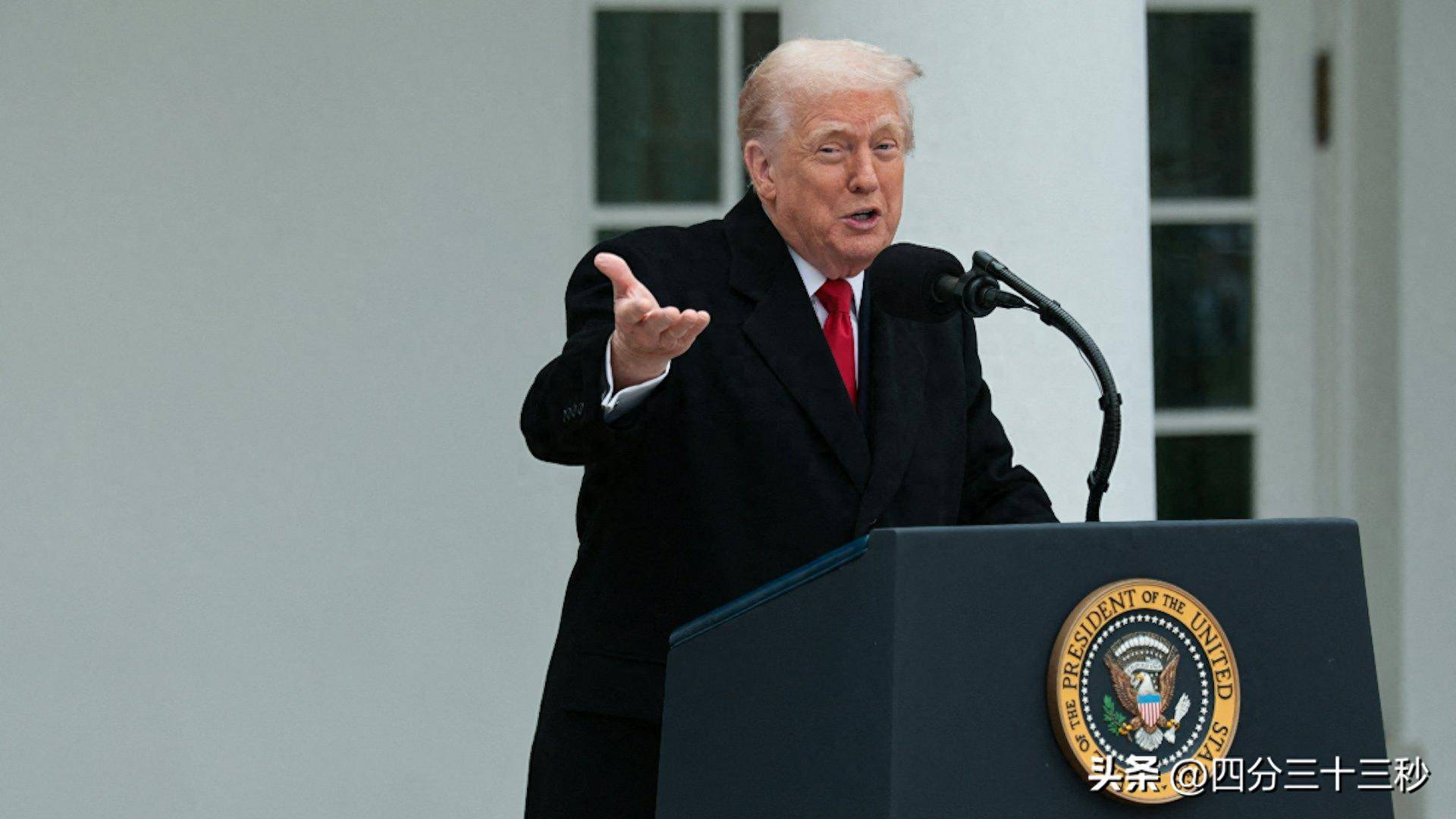
美媒:丹麦向格陵兰岛增派部队,军方发布士兵抵达照片
Huan Qiu Wang· 2026-01-20 04:42
Group 1 - Denmark has increased its military presence in Greenland by deploying additional troops, coinciding with U.S. President Trump's expressed interest in acquiring the territory [1][4] - Approximately 100 Danish soldiers have arrived in Nuuk, the capital of Greenland, with more troops expected to be deployed to the western region of the island [5] - The Danish Ministry of Defense has stated that the decision to enhance military activities in Greenland is a response to rising geopolitical tensions in the Arctic region [5] Group 2 - The Danish military has confirmed a significant increase in troop numbers stationed in Greenland, indicating a strategic shift in response to external pressures [4] - The deployment of soldiers is part of a broader initiative to strengthen Denmark's military capabilities in the Arctic, reflecting concerns over national security [5]

长城证券:基本金属价格震荡调整 维持有色金属行业“强于大市”评级
智通财经网· 2026-01-20 03:40
Group 1: Industry Overview - The non-ferrous metals industry maintains a "stronger than market" rating due to geopolitical tensions and supply chain security concerns driving the strategic status of metals [1] - The global base metals market is undergoing a structural reshaping of supply and demand dynamics, with strong and sustained demand from green industries such as electric vehicles, photovoltaics, and wind power [1] - Supply constraints are becoming more rigid due to long-term investment shortages, declining resource grades, and extended project production cycles [1] Group 2: Aluminum Market - The operating capacity of the electrolytic aluminum industry increased by 0.5 million tons, reaching 44.25 million tons, with industry profitability exceeding 6,000 RMB per ton [2] - High aluminum prices are suppressing demand, leading to an increase in domestic aluminum ingot inventory by 39,000 tons [2] Group 3: Alumina Market - The alumina market continues to experience inventory accumulation, with weekly operating capacity at 96.25 million tons, an increase of 40 tons [3] - Inventory levels are at historical highs, with a weekly increase of 75,000 tons, and profit margins are negative, with losses expanding to -186 RMB per ton based on domestic ore prices [3] Group 4: Copper Market - Copper prices are rising due to geopolitical tensions and production cuts at mines, with the copper concentrate processing fee declining to -46.53 USD per ton [4] - The operating rate of major copper rod enterprises increased to 57.47%, while global copper inventory rose to 1.0874 million tons, an increase of 77,800 tons week-on-week [4] Group 5: Zinc Market - The zinc market shows weak consumption with visible inventory accumulation, as the galvanizing operating rate recorded 53.48%, a decrease of 0.91% [5] - Domestic zinc ingot inventory remains stable at 118,400 tons, while LME inventory is at 106,500 tons, showing minimal change [5]

突发,特朗普搞崩美股,明天要大跌?8万亿资产大清算
3 6 Ke· 2026-01-20 03:32
Group 1 - The core viewpoint of the article highlights the escalating geopolitical tensions between the U.S. and Europe, particularly through the imposition of tariffs and the potential for a broader economic conflict [1][3][7] - The U.S. is set to impose a 10% tariff on eight European countries, with a warning that this could rise to 25% if a satisfactory agreement regarding Greenland is not reached by June 1 [1][3] - The European Union's response includes the potential activation of the "Anti-Coercion Instrument" (ACI), which could involve capital flow restrictions and asset freezes as a countermeasure [3][7] Group 2 - The article discusses the strategic importance of Venezuela and Greenland in the context of U.S. resource control, emphasizing that the U.S. aims to secure heavy oil and rare earth elements to maintain its geopolitical dominance [4][6] - Venezuela is noted to have over 300 billion barrels of proven oil reserves, which are critical for U.S. refining operations, while Greenland is highlighted for its significant rare earth mineral deposits essential for technology and defense [5][6] - The potential consequences of the EU's financial response to U.S. tariffs could lead to significant market disruptions, including rising U.S. Treasury yields and a reevaluation of the dollar's status as a safe haven [3][8] Group 3 - The article suggests that the ongoing geopolitical maneuvers signify a shift in global paradigms, where resources are not merely commodities but instruments of national policy [6][7] - The U.S. is actively working to establish a resource supply chain that is independent of Eastern influences, particularly in the context of AI and modern warfare [6][7] - The June 1 deadline for tariff negotiations is identified as a critical juncture that could influence long-term trends in U.S. Treasury yields and the S&P 500 [8]
中辉有色观点-20260120
Zhong Hui Qi Huo· 2026-01-20 03:00
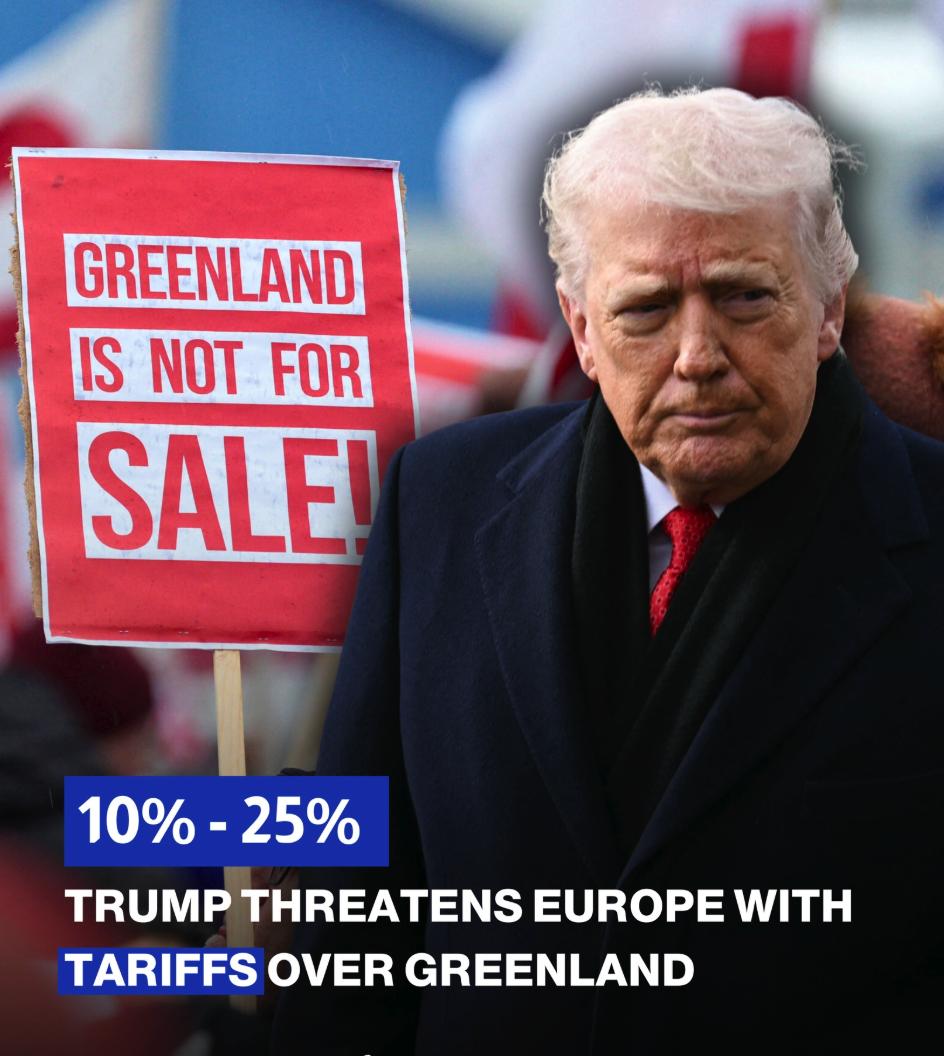
中辉有色观点 | | | | 品种 | 核心观点 | 主要逻辑 | | --- | --- | --- | | 黄金 | 长线持有 | 特朗普言论震惊欧洲,欧洲即将反击,美国最高院开审库克案,美联储降息概率反 复,地缘溢价交易继续,流动性风险偏好尚可。中长期来看,地缘秩序重塑,不确 | | ★★ | | | | | | 定性持续存在,央行继续买黄金,长期战略配置价值不变。 | | 白银 | | 白银自身逻辑让位于黄金带来的避险属性,尽管白银未被征收关税,但同时交割交 | | ★★ | 长期持有 | 易等持续,短期交易所调保,短期注意节奏控制。长期降息、供需缺口连续 5 年, | | | | 全球大财政均对白银长期有利,长期滚动做多逻辑不变。 | | 铜 | | 特朗普为夺取格陵兰岛威胁对欧洲加征关税,欧美关系恶化,美元走弱,美国持续 | | ★ | 长线持有 | 虹吸全球铜资源,短期铜重新站稳 10 万关口,建议多单持有,移动止盈落袋,中长 | | | | 期对铜依旧看好。 | | | | 宏观多空交织,消费淡季高锌价对需求抑制作用明显,叠加宏观和板块情绪退潮, | | 锌 | 承压回落 | 锌承压回落。企业 ...
光大期货:1月20日能源化工日报
Xin Lang Cai Jing· 2026-01-20 02:11
Oil Market - WTI prices were not available due to the Martin Luther King Jr. Day holiday, while Brent crude for March closed at $63.94 per barrel, down $0.19, a decrease of 0.30% [2][15] - Domestic crude oil production in China for 2025 is projected to be 21,605 million tons, a year-on-year increase of 1.5%, with processing volume at 73,759 million tons, up 4.1% [2][15] - The market is currently experiencing a seasonal decline in diesel and gasoline demand, with oil prices showing no significant driving force, maintaining a volatile trend [2][15] Fuel Oil - The main contract for fuel oil (FU2603) rose by 0.12% to 2,538 yuan per ton, while low-sulfur fuel oil (LU2603) increased by 0.07% to 3,060 yuan per ton [16] - Supply of low-sulfur fuel oil is expected to be sufficient, with Singapore receiving approximately 290-300 million tons in January, up from 260-270 million tons in December [16] - The geopolitical situation in Iran continues to significantly impact oil prices, with fluctuations expected to follow oil price movements [16][4] Asphalt - The main contract for asphalt (BU2602) increased by 0.29% to 3,142 yuan per ton, with concerns over raw material supply easing slightly [17] - The market is currently facing a "weak demand reality" against a backdrop of "strong cost expectations," particularly as winter weather impacts demand [17] Rubber - The main contract for rubber (RU2605) fell by 90 yuan per ton to 15,745 yuan per ton, with NR and BR contracts also experiencing declines [18] - China's rubber tire exports for 2025 are expected to reach 9.65 million tons, a year-on-year increase of 3.6% [18] - Inventory levels for natural rubber in Qingdao increased, indicating a seasonal accumulation trend [18] PX, PTA, and MEG - TA605 closed at 5,030 yuan per ton, up 0.24%, while EG2605 fell by 1.08% to 3,755 yuan per ton [19] - PX futures closed at 7,106 yuan per ton, with a slight increase of 0.28%, and the market is expected to see some support due to supply reductions [19] Methanol - Methanol prices in Taicang were reported at 2,207 yuan per ton, with CFR China prices ranging from $262 to $266 per ton [21] - Domestic supply remains stable, but demand is under pressure due to reduced operating rates in MTO facilities [21] Polyolefins - Polypropylene prices are under pressure, with production margins for various methods showing negative values [22] - Demand is expected to recover slightly in early January, but inventory levels are anticipated to rise as the month progresses [22] PVC - PVC prices have decreased, with the market experiencing a supply-demand imbalance and overall bearish sentiment [23] - The upcoming end of export tax rebates is expected to increase upward pressure on long-term contracts [23] Urea - Urea futures prices are experiencing weak fluctuations, with the main contract closing at 1,772 yuan per ton, down 1.45% [24] - Market sentiment is declining, with production rates and demand showing signs of weakness ahead of the Spring Festival [24] Soda Ash - Soda ash futures prices are fluctuating, with the main contract closing at 1,192 yuan per ton, down 0.33% [25] - The industry is facing pressure from supply and demand dynamics, with cautious sentiment prevailing in the market [25] Glass - Glass futures prices fell significantly, with the main contract closing at 1,070 yuan per ton, down 2.9% [26] - The market is experiencing a supply recovery, but demand remains cautious, leading to a bearish outlook [26]

光大期货:1月20日金融日报
Xin Lang Cai Jing· 2026-01-20 02:11
Market Overview - The A-share market experienced high-level fluctuations with Wind All A index rising by 0.41% and a trading volume of 2.73 trillion yuan [9] - The central bank announced a 25 basis points reduction in the interest rates of various structural monetary policy tools, aimed at supporting specific financing needs in sectors like technology innovation, inclusive elderly care, and carbon reduction [9][10] - The recent bull market is driven by breakthroughs in technology themes and geopolitical uncertainties, which have collectively pushed the equity market upward [9] Monetary Policy - The central bank's interest rate cut is expected to guide funds into relevant sectors, enhancing capital expenditures and promoting corporate profitability [9] - The Shanghai and Shenzhen Stock Exchanges have raised the minimum margin ratio for margin trading from 80% to 100%, indicating increased risk aversion among investors [9] - The central bank's structural monetary policy tools have been optimized to include carbon reduction projects and expanded coverage for private SMEs with high R&D investments [10] Bond Market - The bond futures market saw a decline, with the 30-year main contract dropping by 0.22% and the 10-year contract down by 0.02% [10] - The central bank conducted a 7-day reverse repurchase operation with a net injection of 722 billion yuan, maintaining a stable liquidity environment [10] - The overall bond market is expected to continue a bearish trend, influenced by the central bank's focus on reasonable price recovery as a key consideration for monetary policy [10] Precious Metals - London spot gold showed strong fluctuations, while silver continued to perform robustly, with the gold-silver ratio dropping to around 49.7 [11] - Geopolitical tensions, particularly regarding Iran and trade disputes, have heightened investor anxiety, keeping gold's short-term appeal strong [11] - The platinum and palladium markets are experiencing high volatility, with potential buying opportunities arising after price corrections [11]