价值竞争

Search documents
Lazada的东南亚破局记丨东盟“独角兽”
2 1 Shi Ji Jing Ji Bao Dao· 2025-12-17 12:21
Core Insights - Lazada achieved its first monthly profit in July 2024, marking a significant transformation in the competitive landscape of Southeast Asian e-commerce [1] - The Southeast Asian e-commerce market has grown from $4 billion to $184 billion over the past decade, shifting focus from subsidies to user retention and operational efficiency [2] - Lazada's strategy emphasizes brand and quality differentiation, leveraging partnerships with Tmall to facilitate low-cost market entry for brands [2] Group 1 - Lazada was founded in Singapore in 2012, initially operating in a blue ocean market where online shopping accounted for only 1% of total retail sales [1] - The platform's gross merchandise volume (GMV) exceeded $1 billion within three years of its launch, and it became part of Alibaba's ecosystem in 2016 [1] - The integration with Alibaba introduced AI-driven strategies and a robust supply chain, enabling Lazada to modernize its operations [1] Group 2 - The competitive landscape has stabilized into a triopoly among Shopee, Lazada, and TikTok Shop, with a shift towards quality and service-driven competition [2] - The rise of a young, quality-seeking middle-class consumer group in Southeast Asia presents opportunities for Lazada to enhance its internal capabilities [2] - During this year's "Double 11" shopping festival, LazMall, Lazada's online brand mall, saw sales increase by 11 times, with average order value rising by 141% [2] Group 3 - Lazada's development illustrates that clear strategic focus and ecosystem collaboration can lead to sustainable growth in emerging markets [3] - The Southeast Asian market is transitioning from a "traffic war" to a "value competition," especially with the entry of Chinese cross-border e-commerce [3]
前三季度全球腕戴设备出货增长10%:华为登顶,小米苹果并列
Guan Cha Zhe Wang· 2025-12-17 09:00
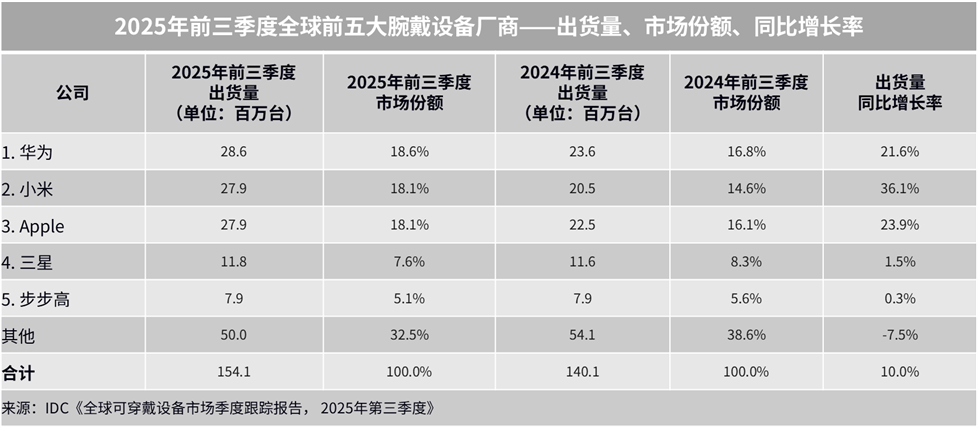
Core Insights - The global wearable device market shipped 150 million units in the first three quarters of 2025, marking a 10.0% year-on-year growth, with China contributing 58.43 million units, a 27.6% increase [1][4] - Major manufacturers have launched new products, driving growth in the smart wearable market, particularly in developed regions like Europe and North America [1][3] Global Market Performance - In the first three quarters of 2025, the global smartwatch market shipped 120 million units, up 7.3% year-on-year, while the global wristband market saw shipments of 32.86 million units, a 21.3% increase [1] - Huawei led the global wearable market with 28.6 million units shipped, capturing 18.6% market share, followed closely by Xiaomi and Apple, each with 27.9 million units and 18.1% market share [2] - Xiaomi exhibited the fastest growth among top brands, with a 36.1% increase in shipments [2] Chinese Market Performance - In China, Huawei dominated the wearable market with 20.8 million units shipped, holding a 35.5% market share, while Xiaomi followed with 15.9 million units and a 27.2% market share [4] - The overall Chinese wearable market grew by 27.6% year-on-year, with significant contributions from both Huawei and Xiaomi [4] Product Innovations and Strategies - Huawei's new Watch GT 6 series features significant upgrades, including enhanced screen brightness and health monitoring capabilities, and is expanding its overseas market presence [3] - Xiaomi's growth is driven by its entry-level products, particularly the Mi Band 10 and Redmi Watch series, leveraging high cost-performance ratios [3] - Apple introduced three new models in Q3 2025, enhancing its position in the mid-to-high-end market through aggressive pricing strategies [5] Future Market Projections - IDC forecasts that China's wearable market will reach 79.58 million units by 2026, with adult smartwatches expected to grow by 8.2% [7] - The children's smartwatch market is anticipated to recover in 2026, driven by continuous product iterations from leading manufacturers [7] - The wristband segment is expected to maintain growth due to its affordability and broad user base [7] Industry Trends - The wearable market is entering a "value competition" phase, with manufacturers focusing on health function upgrades and technological advancements [8] - There is a growing demand across different age groups and a penetration into lower-tier markets, which may unlock long-term growth potential for the industry [8]




IDC:2025年前三季度全球腕戴设备市场同比增长10%
智通财经网· 2025-12-17 05:51
Core Insights - The global wearable device market is projected to ship 150 million units in the first three quarters of 2025, reflecting a year-on-year growth of 10.0% [1] - The Chinese market alone is expected to ship 58.43 million units, marking a significant year-on-year increase of 27.6% [1][9] - Major manufacturers are actively launching new products, which is driving growth in both global and developed markets [1] Global Market Performance - The global smartwatch market is expected to ship 120 million units in the first three quarters of 2025, with a year-on-year growth of 7.3% [1] - The global wristband market is projected to ship 32.86 million units, showing a year-on-year increase of 21.3% [1] - The top five manufacturers in the global wrist-worn device market include Huawei, Xiaomi, Apple, Samsung, and BBK, with Huawei leading at 28.6 million units shipped [3] Company-Specific Insights - **Huawei**: Achieved the highest global shipment volume of 28.6 million units, with a year-on-year growth of 21.6%. The new Watch GT 6 series features significant upgrades and is expanding its overseas market presence [3][4] - **Xiaomi**: Recorded a shipment of 27.9 million units, marking a 36.1% year-on-year increase. The growth is driven by its entry-level products like the Mi Band 10 and Redmi Watch series [4] - **Apple**: Launched three new models in Q3 2025, including the Apple Watch S11, which supports 5G. Apple maintains a strong position in the mid-to-high-end market [5] - **Samsung**: Released the Galaxy Watch 8 series, successfully reversing a decline in shipments earlier in the year [6] - **BBK**: Maintained a strong position in the children's smartwatch market in China, leveraging its brand and product diversity [7] Chinese Market Performance - The Chinese wrist-worn device market is expected to ship 58.4 million units in the first three quarters of 2025, with a year-on-year growth of 27.6% [9] - The top five manufacturers in China include Huawei, Xiaomi, BBK, Apple, and Honor, with Huawei leading at 20.8 million units shipped [9] Future Market Predictions - The Chinese wrist-worn device market is projected to ship 79.58 million units in 2026, with a growth rate of 5.1% [11] - The adult smartwatch segment is expected to grow by 8.2%, while the children's smartwatch market is anticipated to recover in 2026 [11] - The wristband market is expected to continue its growth trajectory, driven by high cost-performance ratios and diverse product offerings [11] Industry Trends - The wearable market is entering a "value competition" phase, with manufacturers focusing on health function upgrades, AI applications, and 5G technology [12] - There is a growing demand across different age groups and a penetration into lower-tier markets, which may unlock long-term growth potential for the industry [12]
终止汽车“价格战”乱象,汽车行业将迎“价格合规指南”,比亚迪、小鹏、北汽、长城等车企纷纷表态
Hua Xia Shi Bao· 2025-12-17 04:24
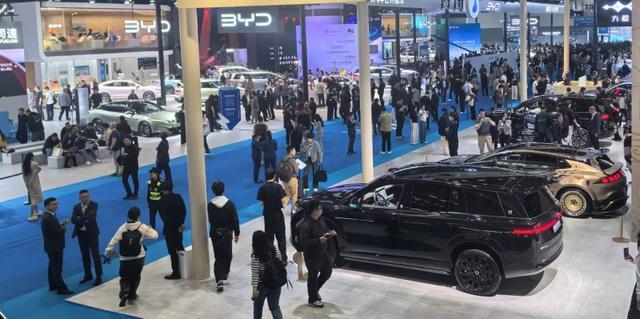
Core Viewpoint - The Chinese automotive industry is experiencing intense competition, particularly in the electric vehicle sector, leading to a "price war" that has prompted the National Market Supervision Administration to draft the "Automotive Industry Pricing Behavior Compliance Guidelines" to establish a fair competitive environment and promote high-quality development [2][4]. Group 1: Price War and Its Impact - The automotive market has undergone four major price wars in the past three years, with over 90% of mainstream brands participating and an average price reduction of 15%, with some models seeing discounts exceeding 30% off the official price [3]. - As of mid-2025, the proportion of automotive dealers reporting losses rose to 52.6%, an increase of 8.3 percentage points year-on-year, with 74.4% of dealers selling vehicles below cost, leading to direct economic losses [3]. - The industry's profit margin has declined from 7.8% in 2017 to 4.3% in 2024, with a further drop to 4.1% in the first four months of this year, representing a nearly 60% decrease compared to the 10.2% margin during the industry's peak in 2012 [3][4]. Group 2: Regulatory Response - The newly introduced guidelines require companies to establish pricing strategies based on production costs and market demand, implementing comprehensive price management across the entire supply chain [4]. - The guidelines explicitly outline nine scenarios of "selling below cost" and seven types of price fraud, providing clear legal boundaries for companies and addressing the core issues of the ongoing price war [4][6]. Group 3: Industry Response and Future Outlook - Major automotive companies, including BYD and Xpeng Motors, have quickly expressed support for the guidelines, committing to optimize their pricing management systems and ensure compliance [5]. - The "National Subsidy" policy is set to continue through 2026, with a significant increase in funding for consumer goods replacement, indicating a strong governmental push to stimulate consumption and promote industry upgrades [6][7]. - The automotive industry has seen a revenue increase of 7.9% and profit growth of 4.4% in the first ten months of this year, with profit margins recovering to 4.4%, suggesting a shift away from aggressive price competition [7][8]. - The production and sales of new energy vehicles have also shown significant growth, with a year-on-year increase of 31.4% and 31.2% respectively, further enhancing China's market share in the global electric vehicle sector [8].


京东首发!源头直发!高品质贝司令冰鲜半壳生蚝重磅上线
Sou Hu Cai Jing· 2025-12-17 02:51
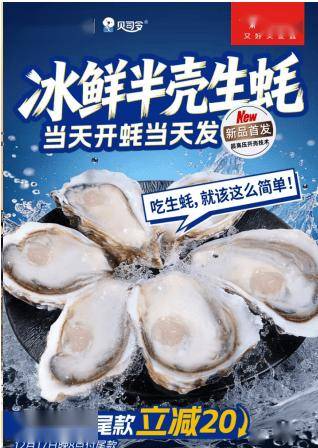
立足消费痛点,打造差异化产品 贝司令是山东灯塔水母海洋科技有限公司(以下简称"灯塔水母")旗下核心品牌,灯塔水母则是乳山当 地知名生蚝企业,主打高端生蚝。经过6年发展,贝司令已是电商平台牡蛎类目领军品牌,旗下产品涵 盖了鲜活生蚝、刺身生蚝、液氮冻生蚝、捞汁生蚝等不同品类,满足消费者丰富多样的个性化需求。 12月17日,京东生鲜携手国内乳山牡蛎头部品牌贝司令,正式推出冰鲜半壳生蚝新品,并于京东平台首 发。通过京东"源头直采+全链路品控"的超级供应链优势,以及贝司令差异化产品创新,双方携手破解 了传统生蚝食用不便、品质参差的行业痛点,为消费者带来"开袋即烹、鲜度不减"的极致体验和地道的 海鲜美味。 便捷提升的同时,生蚝的品质并没有"打折"。贝司令耗资3亿建成全球领先的生蚝智造工厂,每一只乳 山生蚝都经过12小时无菌海水净化与6道深度清洗,达到生食级洁净标准;经过开壳处理后的生蚝最终 会通过0-4°C冰鲜锁温技术,将离水时那一刻的饱满与肥腴完美封存,让消费者家家中依然能品尝到堪 比现撬的丰腴口感与鲜甜汁液。 通过差异化的产品打造,贝司令的冰鲜半壳生蚝既避免了开盲盒式的品质难题,又解决"开蚝2小时,吃 蚝10分钟"的 ...

麦当劳年末再涨价,“穷鬼套餐”成最后坚守?
Guan Cha Zhe Wang· 2025-12-15 14:28
Core Viewpoint - McDonald's has initiated a new round of price adjustments in the Chinese market, with price increases ranging from 0.5 to 1 yuan for various classic menu items, reflecting broader cost pressures in the restaurant industry [1][14][20] Price Adjustments - The price increase affects a wide range of products, including a 1 yuan increase for items like the Big Mac and Double Filet-O-Fish, while some snacks and desserts have seen a 0.5 yuan rise [1] - The "1+1 Flexible Combo" remains unchanged at 13.9 yuan unless specific items are selected, which has been interpreted as a "structural price increase" by some consumers [13] Historical Context - This price adjustment is part of a series of price changes by McDonald's, which has become a regular occurrence at the end of the year. For instance, in December 2023, there was an average price increase of about 3% across certain products [14] - The "1+1 Flexible Combo" has seen incremental price increases since its introduction, illustrating a gradual pricing strategy [13] Industry Trends - The price hikes at McDonald's are indicative of a broader trend in the restaurant industry, where companies like KFC and Salia have also raised prices due to rising supply chain and labor costs [14] - McDonald's CEO has highlighted the significant cost pressures, including a 40% increase in labor, packaging, and food costs from 2019 to 2024 [16] Consumer Reactions - Consumer responses to the price increases have been mixed, with some expressing dissatisfaction and others noting perceived reductions in product sizes, indicating heightened sensitivity to price changes and product value [16][20] Competitive Landscape - The price increases among leading brands may signal a shift away from a prolonged price war in the restaurant sector, moving towards a focus on brand value, product quality, and service experience [16] - Despite the price hikes, McDonald's continues to promote value through campaigns like the "Ten Yuan Eat Burger" and plans to expand its restaurant presence in China significantly by 2025 [17]


烘焙行业洗牌:传统品牌不断关店 行业增长逻辑与竞争格局彻底改写
Xin Lang Cai Jing· 2025-12-15 06:10
Core Insights - The traditional baking brand 85°C is experiencing a significant contraction, highlighted by the closure of its last store in Beijing on October 28, 2023, while simultaneously testing a new donut store concept [1][7] - This situation reflects a broader survival crisis faced by traditional baking brands, indicating a shift from incremental expansion to intense competition in a saturated market [1][7] Company Summary - 85°C's parent company, Meishi-KY, reported a revenue decline of 11.08% in the first half of 2025, amounting to 35.22 billion New Taiwan Dollars (approximately 8.22 billion RMB), with potential losses exceeding 93 million RMB for the year if operational adjustments are not made [2][8] - The brand has initiated a strategic contraction, exiting markets like Jinan and closing stores in major cities such as Beijing, Hangzhou, and Nanjing, with over 400 stores still operational but a clear trend of closures [2][8] - In response to market pressures, 85°C is launching a new "85°C DONUt" concept, featuring a compact store model of around 10 square meters, offering 14 SKUs including 13 types of donuts and 1 sandwich, priced between 6-10.8 RMB [2][8] Industry Summary - The baking industry is witnessing a collective closure trend across various brands and regions, with notable examples including Paris Baguette and other international brands facing similar challenges in the Chinese market [3][9] - Data indicates that the average lifespan of baking stores in China is only 32 months, with 57% of stores closing within two years of opening [3][9] - The market is projected to grow, with estimates suggesting a market size of 611.07 billion RMB in 2024, increasing to 662.15 billion RMB in 2025, but the distribution of growth benefits is heavily skewed [4][10] - Rising costs and product homogenization are critical challenges for traditional brands, leading to reduced profit margins and diminished appeal to younger consumers [4][10] Competitive Landscape - Tea brands are emerging as significant disruptors in the baking market, with strategies that integrate baking and tea offerings, such as Nayuki's Tea and other brands introducing baked goods alongside beverages [5][11] - Convenience stores and supermarkets are also diversifying their offerings with in-house baked products, further fragmenting the market [5][11] - A report predicts that by 2030, the market share of traditional baking stores will decrease from 77% to 71%, indicating a shift towards integrated consumer experiences [5][11]
海辰储能王鹏程:长时储能开启“价值竞争” 海外市场已成增长引擎
Zhong Zheng Wang· 2025-12-14 07:44
Core Viewpoint - The company is making significant technological advancements in the energy storage sector, aiming to shift the industry focus from price competition to value creation through innovative solutions [1][2]. Group 1: Industry Trends - The global energy storage market is experiencing explosive growth, with expected shipments surpassing 550 GWh in 2023, up from an initial forecast of 520 GWh, and projected to exceed 900 GWh by 2026 [2]. - The competitive landscape is evolving from a focus on low prices to a multidimensional competition centered around long-duration storage, scenario-based solutions, and global service capabilities [2][3]. Group 2: Company Innovations - The company launched an 8-hour long-duration energy storage system designed to address challenges in renewable energy consumption and grid stability, featuring a specialized 1300Ah battery cell that improves integration by over 10% and efficiency by more than 30% compared to mainstream systems [2]. - In the AIDC (Artificial Intelligence Data Center) scenario, the company employs a collaborative model of lithium and sodium batteries to achieve millisecond-level load fluctuation stabilization and replace traditional diesel generators, contributing to "zero-carbon backup power" [2]. Group 3: Financial Performance - The company has submitted a new listing application to the Hong Kong Stock Exchange, showcasing strong financial growth, with revenues projected to rise from 3.615 billion yuan in 2022 to 12.917 billion yuan in 2024, and a revenue of 6.971 billion yuan in the first half of 2023, representing a year-on-year increase of 224.6% [4]. - The company is expected to turn a profit in 2024 with a net profit of 288 million yuan, continuing profitability into the first half of 2025 with a net profit of 213 million yuan [4]. Group 4: International Expansion - The company's overseas revenue is projected to grow from nearly zero in 2022 to 3.7 billion yuan in 2024, accounting for 28.64% of total revenue, with an overseas gross margin of 42.3%, significantly higher than the domestic gross margin of 8.1% [4][5]. - The company attributes its overseas revenue growth to a focus on energy storage, system delivery, and deep localization strategies, with operational factories in Texas and plans for further localization in Europe and Australia [5].
商务年会透变局:商用车行业迈入 “价值竞争” 新周期
Zhong Guo Qi Che Bao Wang· 2025-12-12 14:57
Core Insights - The commercial vehicle industry in China is transitioning from a focus on scale competition to value competition, emphasizing new energy, intelligence, service models, and market layout as key dimensions for future growth [1][5] Group 1: New Energy Development - The penetration rate of new energy vehicles is shifting from policy-driven to market-driven, with significant growth expected in sales and market share [2] - Shaanxi Heavy Truck aims for over 25,000 new energy heavy trucks sold in 2025, a 260% increase year-on-year, with a market share target of 35%-40% by 2026 [2] - Weichai has raised its 2026 sales target for new energy vehicles from 20,000 to 61,000 units, while JAC's new energy light trucks are now among the top three in the industry [2] Group 2: Intelligent Solutions - The focus of intelligence in commercial vehicles is shifting from mere technological showcases to practical value realization through operational scenarios [3] - JAC's "Smart Anticipation" AI system utilizes vehicle networking data for fault warnings and maintenance planning, creating a service loop [3] - Foton is integrating smart technologies to address operational pain points in key scenarios, enhancing transport efficiency and safety [3] Group 3: Service Model Transformation - Leading companies are transitioning from being "single product suppliers" to comprehensive solution providers, extending their service chains to meet evolving customer demands [4] - The shift in market dynamics from "incremental competition" to "stock game" reflects a need for integrated solutions rather than just vehicle sales [4] - Collaborative ecosystems are becoming essential for companies to navigate industry cycles, with various firms forming alliances and integrating services [4] Group 4: Market Strategy - The domestic market is optimizing its structure, with companies focusing on niche segments rather than broad offerings, such as Shaanxi Heavy Truck's focus on high-power tractors and new energy dump trucks [5] - The overseas market is emerging as a critical growth area, with Weichai setting a target of 130,000 units for 2026, indicating a shift from product export to ecosystem expansion [5] - The overall transformation in the commercial vehicle industry is marked by a move from scale-driven to value-driven strategies, emphasizing user needs and ecosystem collaboration [5]
圣梵诺门窗总经理邝艳华:政策赋能品质升级 以价值竞争破局行业发展新赛道
Sou Hu Cai Jing· 2025-12-12 10:39
Core Insights - The conference held in Foshan, Guangdong, focused on the transformation of the building materials and home furnishing industry towards quality, intelligence, and sustainability, providing new momentum for development [1] - The general manager of Shengfannuo, Kuang Yanhua, shared insights on leveraging policy opportunities, industry ecosystem construction, and corporate development planning [1] Industry Policies and Opportunities - The construction of "good houses" is fundamentally linked to quality materials, which is a significant advantage for the window and door industry [3] - National policies have clarified the future direction for the window industry, providing clear goals for material suppliers [3] - The industry needs to enhance quality control capabilities to eliminate low-quality products that pose safety risks, especially as policies tighten [3] Market Trends and Innovations - The trend of replacing old products is a global phenomenon, with significant demand for renovation in Europe, indicating vast market potential for the window industry [4] - Shengfannuo has integrated features for elderly-friendly modifications in product design and is exploring multi-scenario experiences to enhance customer engagement [4] Value Competition and Industry Ecosystem - The core of building a healthy industry ecosystem is aligning product prices with their value, moving away from price competition to value competition [6] - Shengfannuo emphasizes three dimensions for core value construction: quality control, sustainable service, and innovation through technology [7] Future Business Development - Future focus areas for Shengfannuo include product line diversification and expansion into overseas markets, adapting to different consumer needs and aesthetic preferences [8] - The company prioritizes technical feasibility, talent reserves, and quality control when balancing current business and new ventures [8] Recognition and Achievements - Shengfannuo received multiple honors at the conference, reflecting recognition for its sustainable development and commitment to quality [9] - The key to winning these awards was a patented product with superior thermal insulation performance, meeting the highest national standards [9]