资源民族主义

Search documents
沪指12连阳创33年最长纪录,“开门红”能否延续?
Sou Hu Cai Jing· 2026-01-05 23:44
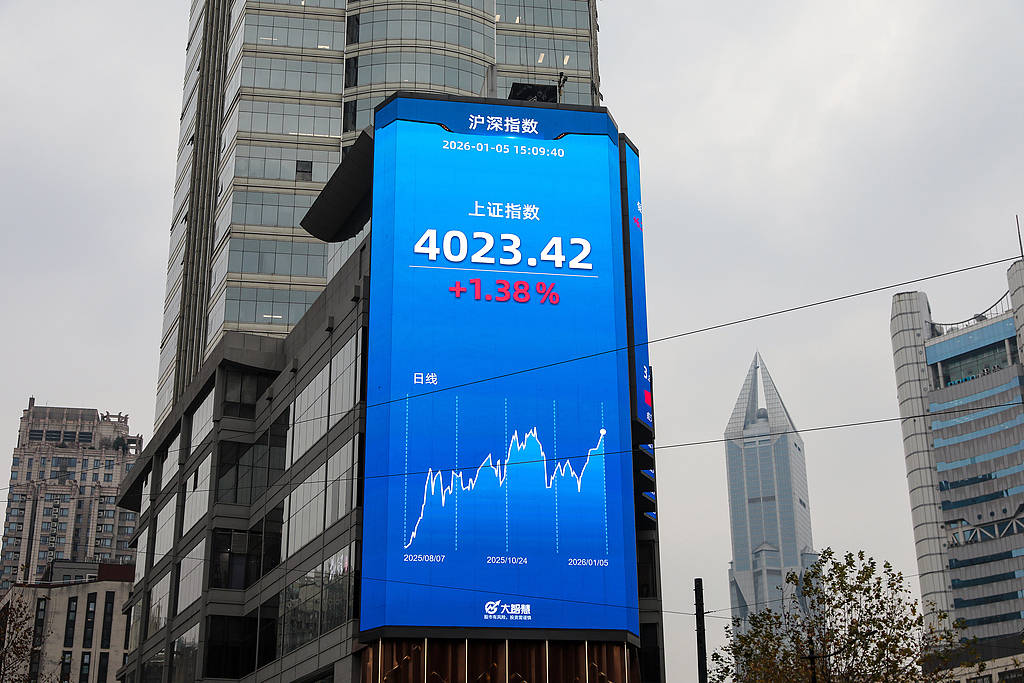
"5日线不破,技术上是没有看空理由的,很多投资者看到指数中阳后有高抛做差价的想法,但在多头行情中这种做法是非常容易卖飞的,目前最 好的操作策略就是顺势持股不动,别去频繁操作,让利润自己滚动起来。"该券商投顾表示。 广发基金指出,考虑到年初保险开门红、流动性宽松等因素,春季行情或仍然是大概率。国内出海方向中的资源品(有色、化工)或仍然是弹性 最好的顺周期方向,此外可关注部分出海制造业(工程机械等)。同时,委内瑞拉事件短期对油价的影响或较为有限,委内瑞拉事件也强化了当 前的资源民族主义叙事,可关注全球定价的资源品,特别是部分有色金属(铜铝金锂)及能化的配置价值。 展望2026年,华夏基金表示,A股市场"慢牛长牛"的中期趋势有望在深化与平衡中延续。从宏观环境看,"十五五"规划的开局为政策提供了充足空 间,而中美对等关税的暂缓及海外风险回落,共同营造了更为友善的外部环境。市场驱动力正从单纯的估值修复向盈利与结构再平衡过渡。 A股2026年首个交易日喜迎"开门红",三大股指全线走高。 截至1月5日收盘,沪指强势收复4000点整数关口,报4011.45点;科创50指数涨4.41%,深证成指上涨2.24%,创业板指涨2.8 ...

全世界疯抢铜
虎嗅APP· 2026-01-03 09:39
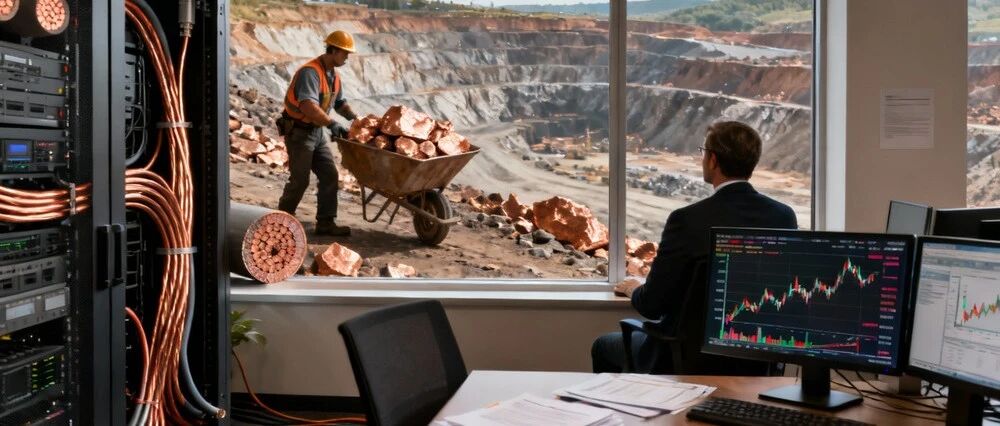
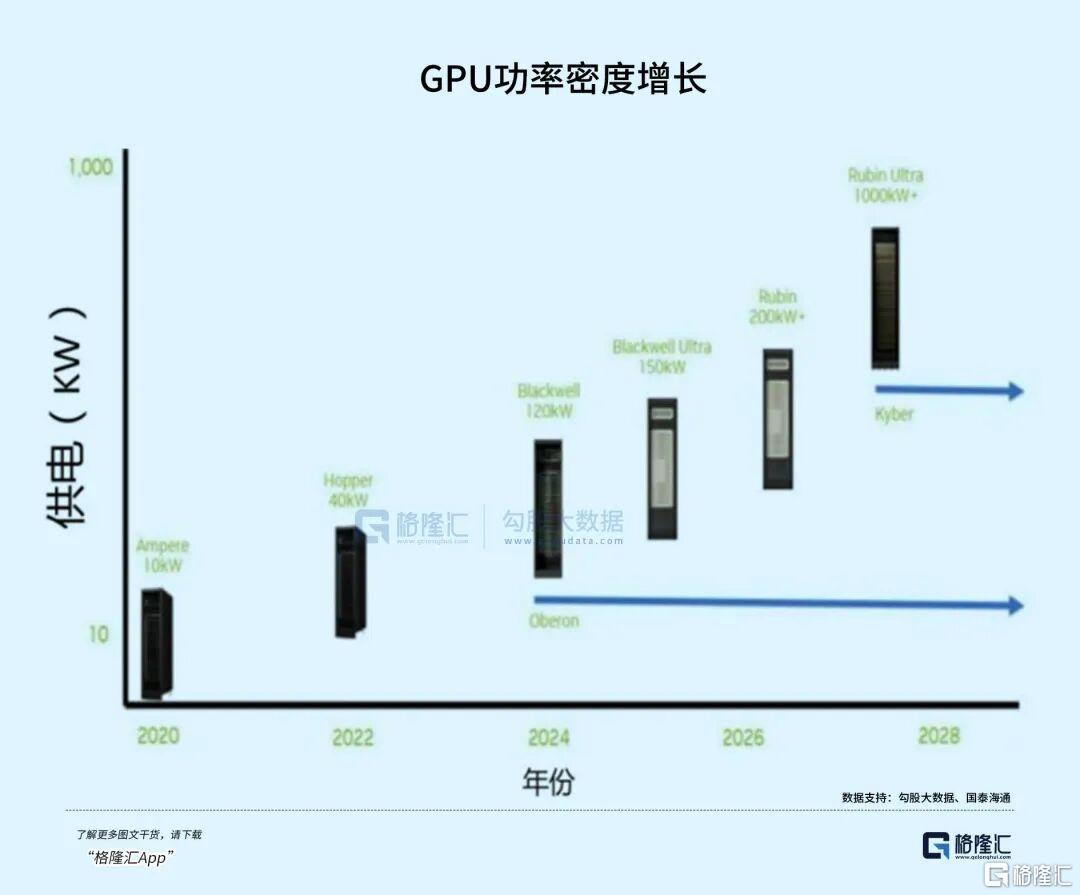
以下文章来源于格隆 ,作者万连山 格隆 . 一个游走于资本市场与佛祖之间的浪子。我可以生,可以死,我大笑,由天决定! 本文来自微信公众号: 格隆 ,作者:万连山,题图来自:AI生成 今年是贵金属大牛之年。其中,铜的剧情最为惊奇。 我们过去称铜为"铜博士",经济好铜涨,经济差铜跌—— 高度敏感于全球流动性、经济预期与通胀 变化。 但最近几个月发生了什么? 全球PMI还在荣枯线挣扎,铜价却像打了激素一样往上冲。 更魔幻的是,一边是美国仓库里堆成山的现货,COMEX库存较年初暴涨330%,创下22年新高;另 一边是亚洲、欧洲陷入铜荒,LME库存跌至13万吨以下,新加坡仓库甚至出现"提货即空仓"的奇 观…… 在这个不合理的时代,种种不合理的现象,或许才是合理的。 一、单边狂欢 如果说石油是工业血液,铜就是AI时代的神经系统。 AI数据中心在本质上就是一个巨大的、发热的铜线团。 传统IDC单机柜功率仅5kW~8kW,AI数据中心机柜功率密度可达30kW~150kW,差距极其巨大。 高功率密度直接催生出两大用铜需求。 首先,电力传输需要更粗的铜芯电缆和铜母排,以降低30%以上的导电损耗。 随着芯片热设计功耗突破700W甚 ...
有色板块延续升势 中国铝业(02600)升7.25%
Xin Lang Cai Jing· 2025-12-30 11:04
Group 1: Copper Market Insights - The copper supply is currently constrained due to resource nationalism and supply chain disruptions, leading to an uneven global copper inventory distribution [1][3] - As major economies stabilize, the mismatch between supply and demand is expected to transition from anticipation to reality, with strong market sentiment driving copper prices upward [1][3] - The US economy shows positive performance and optimism, while domestic copper demand is expected to remain resilient through 2026, contributing to the bullish market outlook [1][3] Group 2: Aluminum Market Dynamics - Aluminum has transitioned from a traditional bulk raw material to a core carrier of energy value, which supports the long-term bullish trend and upward price movement of aluminum [2][4] - Current aluminum price increases are partially driven by rising copper prices, but future growth may be supported by the mean reversion of the copper-aluminum ratio and increased demand for aluminum as a substitute for copper [2][4] - The lithium market is projected to experience simultaneous supply and demand growth by 2026, although potential mismatches in the release timing of supply and demand should be monitored [2][4]


革故鼎新,迭创新高
Dong Zheng Qi Huo· 2025-12-30 02:44
Report Industry Investment Rating - The report has a "Bullish" rating for copper [1] Core View of the Report - The copper market is in a period of significant transformation, with supply constraints intensifying and demand entering a new cycle. The combination of these factors is expected to drive copper prices higher in both the short and long term. The report suggests a long - term upward trend in copper prices, with potential for significant price increases due to strong demand from new and traditional sectors and supply disruptions [2][3][4][5] Summary by Relevant Catalogs 1. Raw Material End - **Copper Concentrate**: - Main - producing countries face challenges. In Chile, production recovery is difficult and slow, with a 0.1% cumulative year - on - year increase in copper production from January to September, and significant differences in production structure. In Peru, production growth is limited, and policy changes may increase risks. In Congo (Kinshasa), production growth has slowed, and there are risks of resource nationalism and geopolitical conflicts. China's production is expected to increase with new project launches, with an estimated 2026 output of over 1.9 million metric tons [19][31][40] - From a company perspective, major mining companies' production growth is limited in 2025, with a marginal increase of only 22,000 metric tons. In 2026, under a neutral - optimistic scenario, production may increase by 344,000 metric tons [44] - New project contributions are decreasing. The cost curve of global copper mines has shifted upward significantly, and in 2026, the cost may continue to rise [51] - **Recycled Materials**: - Demand for recycled materials has increased due to the shortage of copper concentrates. However, short - term constraints are complex, including price expectations, policy risks, and inventory levels. China's scrap copper imports face challenges such as trade frictions and potential policy restrictions [53][58][59] - **Conclusions and Thoughts**: - In 2025, the marginal growth of global copper mine production is significantly reduced to 20,000 - 30,000 metric tons. In 2026, under a neutral scenario, the marginal growth is estimated to be 300,000 - 450,000 metric tons [61] - "Systemic disturbance risks" have emerged in the mining end, which will be difficult to resolve in the short term, and the bottleneck problem may continue or even worsen in 2026 [61] - High copper prices will stimulate the release of scrap resources, but policy changes and price expectations will affect the utilization rhythm. Overseas trade policies are the core risk for imports [62] 2. Smelting End - **Domestic Market**: - The import of anode copper has declined, and the supply of domestic scrap - copper - made anode copper is limited. The shortage of raw materials will directly impact smelting production in 2026, and the risk of production slowdown or reduction is significant [65][77] - Copper concentrate processing fees continue to decline, and smelting profits are deteriorating. Sulfuric acid prices are under regulatory pressure, and cold - material processing fees may also decline, which will limit the output of refined copper [78][84][90] - Although there is still capacity expansion in the domestic market, due to raw material shortages and profit contractions, there is a risk of project delays or cancellations. Under a neutral scenario, the marginal increase in China's refined copper production in 2026 is estimated to be 400,000 - 600,000 metric tons [94][95] - **Overseas Market**: - Overseas smelters are facing problems such as aging facilities, high maintenance costs, and low processing fees. In 2025, overseas refined copper production has decreased, and there is a risk of further reduction in 2026 [98][103][105] - **Conclusions and Thoughts**: - In 2026, the growth of global refined copper production will shrink significantly to less than 500,000 metric tons, and the scope of smelter production cuts may expand in the first half of the year [106] - The market logic will focus on the realization of production - cut expectations, which will affect the market price and structure. There may be policies to limit capacity, and smelting enterprises may face competition and integration [107] - The production rhythm difference between domestic and overseas smelters supports the fundamental pattern of "strong overseas and weak domestic", which is not conducive to copper imports. Non - processing - fee factors such as by - product prices need to be closely monitored [107] 3. Demand End - **Macro Level**: - From an economic cycle perspective, the global economic cycle is in a transition from "recession" to "recovery", but there are uncertainties in the US and China. The US may continue the interest - rate cut cycle, and Europe may increase fiscal support for manufacturing. In China, there is still room for fiscal and monetary policy support, and PPI may turn positive [109][113] - From a manufacturing cycle perspective, the global manufacturing PMI is hovering around 50, and the recovery may be structurally differentiated. Southeast Asia may maintain strong momentum, and China may see more structural changes in the manufacturing industry [115] - In the long - term, the US dollar index may decline, which will increase the allocation demand for non - sovereign currencies and key resources, and copper's financial attribute will gradually increase [116] - **Traditional Demand - China**: - In the power industry, policy support for power and grid investment will continue, and investment is expected to maintain growth. Power equipment exports are also strong. In the home appliance industry, copper price increases may impact demand, and there may be a process of aluminum replacing copper. In the real estate industry, although it still has a negative impact on copper demand, the negative impact is gradually shrinking. Overall, China's traditional copper demand is expected to have a marginal increase of 140,000 - 310,000 metric tons in 2026 [119][128][133] - **Traditional Demand - Overseas**: - In the US, there is structural differentiation in demand. The real estate industry may recover, and power infrastructure construction will bring new growth points for copper demand. In Europe, the energy industry supports copper demand, but traditional demand is still weak. In Japan, copper demand is relatively stable. In emerging markets, copper demand is in a high - growth period. In 2026, overseas copper demand is expected to have a marginal increase of more than 500,000 metric tons [134][140][147][148] - **New Energy Demand**: - In the new energy vehicle market, China's production and sales are booming, but there are uncertainties in 2026. Overseas, there are also different development situations. In the wind and photovoltaic power sectors, global new installations are expected to continue to grow. In the data center and energy - storage fields, copper demand is increasing rapidly. Overall, the marginal increase in new - energy copper demand in 2026 is expected to reach nearly 800,000 metric tons [152][154][156] - **Conclusions and Thoughts**: - In 2026, global copper demand is expected to grow by 1.3 - 1.4 million metric tons, with new - energy demand growing more strongly and contributing more than traditional demand. Demand growth may be stronger in the first half of the year [157] - The market may underestimate the contribution of new - energy demand and the resilience of traditional demand. In the next 3 - 5 years, copper demand growth may reach over 5% [157] - Micro - demand is strongly influenced by policies, and attention should be paid to the policies of major economies. High copper prices may lead to aluminum replacing copper in some industries [158] 4. Investment Suggestions - **Balance Sheet and Inventory**: - From 2025 to 2026, the global copper supply - demand gap is expected to widen, with a marginal shortage of 950,000 metric tons in 2026. Global visible inventories increased in 2025, but there are issues such as inventory distribution imbalance [159][167][168] - **Core Issues and Key Insights**: - The US copper tariff issue may cause inventory transfer and impact the market. The US dollar liquidity and allocation may affect copper prices, and the long - term copper price is expected to rise significantly [170][171][172] - **Market Outlook and Trading Strategies**: - Macroscopically, the US dollar may decline in the first half of 2026, and non - sovereign currency and key resource allocation demand may increase. Fundamentally, attention should be paid to the realization of supply - contraction logic and demand changes in the first half of the year. There is a risk of short - term spot shortages and squeeze - out market conditions [173] - In 2025, the copper market was volatile. The copper price is still in an upward trend, and the high point of the Shanghai copper main contract in the first half of the year is expected to reach 110,000 - 120,000 yuan/ton. A long - term long - position strategy and a Sell Put option strategy are recommended [174]





沪镍 上行空间有限
Qi Huo Ri Bao· 2025-12-30 00:56
Core Viewpoint - The recent reduction in Indonesia's RKAB quota and the anticipated taxation policy on cobalt have led to a rapid rebound in nickel prices, with the main contract reaching a peak of 130,880 yuan/ton, indicating a significant V-shaped reversal in technical patterns [1] Group 1: RKAB Quota Reduction - Indonesia's Ministry of Energy and Mineral Resources plans to set the RKAB quota for 2026 at 250 million tons, a substantial decrease of 34% from 379 million tons in 2025, aimed at preventing further declines in nickel prices [1] - The Indonesian Nickel Miners Association Secretary General stated that this move reflects a clear intention to support nickel prices [1] - Data indicates that the demand for nickel ore in Indonesia for 2026 is estimated to be at least 327 million wet tons, leading to a projected supply gap of 57 million tons if the 250 million tons quota is implemented [1] Group 2: Quota Approval History - Historical patterns show that Indonesia's government has frequently revised RKAB quota approvals, with actual issuance often exceeding initial plans, as seen in 2025 where the approved quota reached 364 million tons despite an initial plan of 298 million tons [2] - There is a cautious outlook regarding the actual implementation of the current quota reduction, with expectations that the final quota may range between 280 million to 320 million tons [2] - Short-term supply shortage expectations are likely to continue influencing market dynamics and intensifying capital speculation [2] Group 3: Cobalt Taxation Policy - Indonesia plans to officially release a revised nickel reference price calculation formula in early 2026, which will classify cobalt as an independent commodity subject to royalties [3] - The potential taxation on cobalt could generate approximately $600 million annually for the Indonesian government, even with a minimal cobalt content in nickel ore [3] - The cost increase for nickel production due to cobalt taxation is estimated to be between $65 to $371.43 per ton, depending on the royalty rate applied [3] Group 4: Market Implications - Despite the increase in costs due to cobalt taxation, the actual net cost increase for integrated companies is expected to be limited, as they can offset costs through cobalt recovery [4] - The likelihood of the cobalt taxation policy being implemented is considered higher than that of the RKAB quota reduction, as historical execution of price policies has been more decisive [4] - Predictions indicate that Indonesia's MHP production capacity will reach 850,000 metal tons in 2026, with a year-on-year increase of over 85%, potentially leading to further oversupply in the global nickel market [4] - The recent strong rebound in nickel prices is driven by market sentiment, but further significant price increases may be limited without additional policy developments [4]
美元“失宠”,铜成“硬通货”!金铜齐飞,全球经济大洗牌真相!
Sou Hu Cai Jing· 2025-12-29 15:28
这篇主要来分析金铜齐涨背后的玄机,美元信用缩水遇上资源争夺升温,全球经济格局正悄悄改写。 2025年的全球市场,最让人意外的不是股市涨跌,而是黄金、铜这些"老物件"成了香饽饽。现货黄金一年涨了1870多美元,突破4500美元/盎司,伦铜也创 下每吨1.2万美元的新高,白银、铂金等更是翻倍上涨。 华尔街去年预测的黄金目标价,连现在的一半都不到,彻底被市场打脸。 变局的引信:美元信任的动摇 这波金铜狂潮背后,首先牵扯到的,就是美元的"江湖地位"和各国对它的信任危机。 一直以来,美元都是全球金融体系的基石,是国际贸易结算的主要货币,也是各国央行储备的首选。黄金的价格,也常常和美元走势呈现负相关,美元强, 黄金就弱。可现在,这个"铁律"似乎失灵了。美元指数不弱,黄金却依然高歌猛进,这是为什么? | 0 | | --- | | 名称 | 现价 | 涨跌幅▶ | | --- | --- | --- | | 伦敦金现 | 4509.530 | 0.57% | | SPTAUUSDOZ.IDC | | | | 伦敦银现 | 71.614 | 0.23% | | SPTAGUSDOZ IDC | | | | COMEX黄金 | ...
全世界疯抢铜
Ge Long Hui· 2025-12-29 11:50
今年是贵金属大牛之年。 其中,铜的剧情最为惊奇。 我们过去称铜为"铜博士",经济好铜涨,经济差铜跌——高度敏感于全球流动性、经济预期与通胀变化。 单边狂欢 如果说石油是工业血液,那铜就是AI时代的神经系统。 AI数据中心本质上就是一个巨大的、发热的铜线团。 但最近几个月发生了什么? 全球PMI还在荣枯线挣扎,铜价却像打了激素一样往上冲。 更魔幻的是。 一边是美国仓库里堆成山的现货,COMEX库存较年初暴涨330%,创下22年新高;另一边是亚洲、欧洲陷入铜荒,LME库存跌至13万吨以下,新加坡仓 库甚至出现"提货即空仓"的奇观。 …… 在这个不合理的时代,这种种不合理的现象,或许才是合理的。 01 普通服务器的PCB用铜量约0.5平方米,AI服务器单机PCB用量是传统服务器的8倍,层数从16层增至24层以上。 传统IDC单机柜功率仅5-8kW,AI数据中心机柜功率密度可达30-150kW,差距极其巨大。 高功率密度直接催生出两大用铜需求。 首先电力传输需要更粗的铜芯电缆和铜母排,以降低30%以上的导电损耗。 更重要的是液体冷却,这才是大杀器。 随着芯片热设计功耗突破700W甚至1000W,风冷已经失效,液冷板和 ...
英媒:美国觊觎委内瑞拉石油属于“资源帝国主义”
Xin Lang Cai Jing· 2025-12-28 10:11
Core Viewpoint - The article discusses the U.S. approach towards Venezuela's oil resources, likening it to a form of "resource imperialism" under the Trump administration, which seeks to control foreign resources under the guise of security and political rhetoric [1][2]. Group 1: U.S. Actions and Policies - The U.S. has intercepted Venezuelan oil tankers and intensified actions against President Maduro, with Trump suggesting that seized Venezuelan oil could be considered U.S. assets [1]. - Trump's rhetoric reflects a long-standing belief that the U.S. has the right to control or seize foreign resources, as evidenced by his past statements regarding Iraq's oil [2]. - The Trump administration's global energy policy is characterized by military threats and the cessation of aid to secure resources beyond renewable energy [1]. Group 2: Resource Nationalism and Imperialism - Trump's approach is described as "resource nationalism," where he prioritizes the acquisition of resources from other nations, including oil and rare earth minerals, often through coercive means [2]. - The administration has engaged in agreements, such as with Ukraine, to secure priority access to minerals and uranium in exchange for military support [2]. - Experts note that while previous U.S. administrations pursued similar goals, they often used more diplomatic language, whereas Trump has been more direct about the exploitative nature of these policies [2]. Group 3: Environmental and Global Implications - Trump's focus on fossil fuels as a cornerstone of national power disregards international norms and climate science, leading to potential long-term consequences for future generations facing climate change [3]. - The administration's push for increased fossil fuel usage among allies, such as urging the UK to expand North Sea drilling, reflects a broader strategy that prioritizes short-term gains over sustainable practices [2][3].
战略金属行业2026年投资策略:供需向好与资源民族主义共振,看好战略金属投资机会
EBSCN· 2025-12-28 01:59
Core Insights - The report highlights the positive outlook for strategic metals investment opportunities due to favorable supply-demand dynamics and resource nationalism [3][5][11]. Market Review: Strategic Metals Lead Nonferrous - From the beginning of the year until December 18, 2025, the nonferrous metals sector has risen by 78.53%, ranking second among all industries. Strategic metals have shown significant gains, with tungsten up 136.7%, cobalt up 69.1%, and rare earth permanent magnets up 56.7% [7]. Cobalt: Supply Tightening from Congo (DRC) - The Democratic Republic of Congo (DRC) has implemented an export quota system for cobalt, leading to a projected supply-demand imbalance of -7.5/-3.3/-3.3 million tons for 2025-2027. The DRC's export ban and subsequent quota system are expected to keep cobalt prices elevated [3][14][16]. Rare Earths: Supply Expectations Tightening - The rare earth sector is experiencing tightening supply due to strategic export controls and a lack of public quota announcements. The price of light rare earths has seen fluctuations, with a peak price of 64.30 million yuan/ton for praseodymium and neodymium oxides in August 2025, followed by a decline [22][26][46]. Tungsten: Continued Supply-Demand Gap - The tungsten market is facing a supply squeeze due to mining restrictions and declining ore grades. Demand remains stable, supported by applications in military and photovoltaic sectors, suggesting that tungsten prices are likely to rise [3][5]. Tin: Supply Tightness and AI Demand Growth - The resumption of tin production in Myanmar is slow, with significant delays expected. However, the rapid development of AI is emerging as a new growth driver for tin demand [3][5]. Antimony: Export Recovery Expected - The suspension of export restrictions to the U.S. is anticipated to boost China's antimony exports, which currently account for 36% of its production. The lifting of these restrictions is expected to enhance export volumes significantly [5]. Investment Recommendations - The report suggests focusing on companies benefiting from the tightening supply of strategic metals, including Huayou Cobalt, China Rare Earth, and Xiamen Tungsten. Specific recommendations include companies with significant cobalt production quotas in the DRC and those involved in rare earth processing [5][3].


所求即所得 - 东南亚政治展望
Xin Lang Cai Jing· 2025-12-28 01:30
(来源:紫金天风期货研究所) 来源:紫金天风期货研究所 说是说东南亚,其实我想讨论的只有三个国家,越南,马来西亚和印尼。 有几个原因,第一他们是经济体量最大的,第二他们代表了三种东南亚的经济发展模式,资源,FDI, 资源+FDI。第三他们也代表了东南亚三种宗教文化模式,儒家文化,伊斯兰教,儒家文化+伊斯兰教。 而最重要的原因,我很喜欢这三个国家。在旅游上,我觉得印尼优于马来西亚优于越南,在饮食上,我 觉得马来西亚优于越南优于印尼但都远高于全球平均水准。在出行便利性上,马来西亚优于越南优于印 尼。 既然说到吃,那么我多说几句,越南的饮食分成北方和南方,北方辛辣南方温润,总体来说我觉得南方 的海鲜更好,北方的米粉更对我的胃口。马来西亚分成东马和西马,西马的福建菜非常不错,而东马的 海鲜更好。印尼菜非常有特色,我很喜欢他们的炸鱼和牛肉。 越南:高FDI下的政治改革 之前讨论过越南的政治问题,在明年一月份,也就是下个月,越南会进行自己的十四大,选举出新的领 导班子。苏林主席作为强力部门出身的优秀领导人,他拥有很大的选择权,去思考该如何分享和支配自 己的权力。在之前的文章中我们介绍过他的可能选择越南政治 - 极其有趣, ...