能源

Search documents
战略相持——周观点-20260301
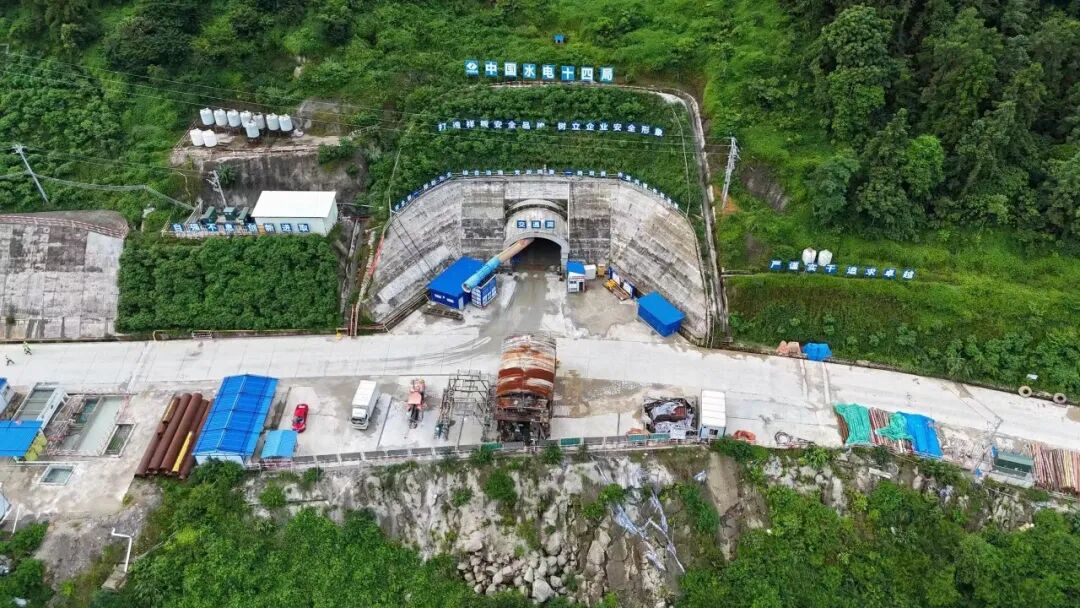
Huafu Securities· 2026-03-01 12:26
Group 1 - The report indicates that the US dollar may rebound in the short to medium term due to marginal improvements in US monetary and fiscal policies, alongside ongoing credit expansion [3][15] - The report highlights that inflation in capital goods is increasing, with the core PPI rising to 3.600% year-on-year in January 2026, driven primarily by services and capital goods [8][15] - The report suggests that the re-industrialization of the US may be a focus area, with potential implications for capital goods inflation and manufacturing capacity recovery [3][15] Group 2 - The report notes that outside of China, non-US economies may be adversely affected by a strong dollar, indicating a potential risk for these markets [3][15] - The report emphasizes that the application of AI in China presents a competitive advantage that could systematically suppress the US stock market's AI industry chain, potentially limiting the dollar's rebound [3][15] - The report identifies a shift in focus from manufacturing construction to energy infrastructure, with energy and communication sectors showing resilience compared to the declining manufacturing sector [9][15] Group 3 - The report provides insights into the performance of the Hong Kong stock market, indicating a decline in major indices, particularly in technology stocks, with the Hang Seng Index down by 2.76% in February [17][21] - The report highlights that advanced manufacturing and cyclical sectors are leading in performance, while financial and real estate sectors are experiencing declines [22][33] - The report mentions that high-beta stocks continue to lead in performance, with low-priced and micro-cap stocks also showing significant gains [31][33]
AI+行业场景全景图谱
中国软协CIO分会&数字产业创新中心· 2026-03-01 05:15
Investment Rating - The report provides a comprehensive overview of the A+ industry landscape, indicating a positive investment outlook for sectors involved in digital transformation and smart technologies [1][3]. Core Insights - The report emphasizes the integration of smart technologies across various sectors, including real estate, manufacturing, energy, and healthcare, highlighting the potential for efficiency improvements and cost reductions [3][4]. - It identifies key trends such as the rise of smart construction, digital supply chain management, and intelligent energy systems, which are expected to drive growth in the industry [3][4]. - The report also discusses the importance of data analytics and AI in enhancing operational efficiency and customer engagement across different sectors [3][4]. Summary by Relevant Sections Real Estate Development - Smart investment decision-making and design optimization are crucial for enhancing project outcomes [3]. - The report highlights the use of intelligent customer acquisition and property management services to improve user experience and operational efficiency [3]. Manufacturing - The focus is on digital factory planning, production optimization, and intelligent supply chain management to enhance productivity [3]. - The report discusses the implementation of smart manufacturing technologies, including digital twins and AI-driven decision-making [3]. Energy Sector - The report outlines advancements in smart energy management, including intelligent power generation and distribution systems [4]. - It emphasizes the role of renewable energy sources and smart grid technologies in achieving sustainability goals [4]. Healthcare - The integration of smart healthcare services, including telemedicine and AI-driven diagnostics, is highlighted as a key growth area [4]. - The report discusses the potential for improved patient outcomes through the use of intelligent health management systems [4]. Transportation and Logistics - The report identifies smart logistics and transportation solutions, such as automated delivery systems and intelligent traffic management, as critical for enhancing efficiency [4]. - It emphasizes the importance of data-driven decision-making in optimizing supply chain operations [4]. Agriculture and Environmental Management - The report highlights the role of smart agriculture technologies in improving crop yields and resource management [4]. - It discusses the integration of intelligent environmental monitoring systems to enhance sustainability practices [4].
美股市场速览:市场持续震荡,博弈聚焦半导体传媒
Guoxin Securities· 2026-03-01 01:30
Investment Rating - The report maintains a rating of "Underperform" for the U.S. stock market [4]. Core Views - The market continues to experience volatility, with a focus on semiconductor and media sectors [2]. - The S&P 500 index decreased by 0.4% this week, while the Nasdaq Composite fell by 1.0% [1]. - Among 15 sectors, 6 sectors showed positive performance, with Household & Personal Products and Commercial & Professional Services both increasing by 3.3% [1]. Summary by Sections 1. Investment Returns - The weighted average price return for various sectors shows significant variation, with Energy at 2.1% and Materials at 1.4% for the week [13]. - The Household & Personal Products sector had a return of 3.3%, while the Banking sector saw a decline of 5.4% [13]. 2. Fund Flows - The estimated fund flow for S&P 500 constituents was -31.9 billion USD this week, indicating a net outflow [2]. - Key sectors with inflows included Media & Entertainment (+28.3 million USD) and Pharmaceuticals, Biotechnology & Life Sciences (+7.2 million USD) [2]. - The Semiconductor Products & Equipment sector experienced the largest outflow at -57.0 million USD [2]. 3. Earnings Forecast - The S&P 500 constituents' dynamic EPS expectations increased by 0.7% this week, with 20 sectors seeing upward revisions [3]. - The Semiconductor Products & Equipment sector had a notable upward revision of 3.6% in earnings expectations [3]. - The Materials sector saw a downward revision of -0.5% in earnings expectations [3]. 4. Valuation Levels - Valuation levels across sectors vary, with the report indicating a focus on the semiconductor and media sectors for potential investment opportunities [4].




伯克希尔哈撒韦第四季度运营利润为102亿美元,同比下降近30%
美股IPO· 2026-02-28 23:16
Core Viewpoint - Berkshire Hathaway's net profit for 2025 is projected to decline to $66.968 billion, significantly down from $88.995 billion in 2024, primarily due to over $8 billion in substantial impairments affecting profit clarity, alongside a 6% decrease in operating profit driven by cooling insurance performance [1][3]. Financial Performance Summary - The net profit for 2025 is composed of three main components: operating profit of $44.486 billion, investment gains of $30.737 billion, and non-temporary impairments of $8.255 billion (after-tax) [5]. - The operating profit for 2025 is reported at $44.486 billion, down approximately 6% from $47.437 billion in 2024, with a significant 30% decline in Q4 operating profit to $10.200 billion [3][5]. - Investment gains for 2025 are recorded at $30.737 billion, a decrease from $41.558 billion in 2024, with impairments on Kraft Heinz and Occidental Petroleum contributing to the profit decline [4][5]. Investment Performance Breakdown - The investment gains for 2025 include two key sources: improved unrealized gains but a significant reduction in realized gains compared to 2024, compounded by impairments impacting net profit support [6]. - Unrealized gains for Q4 2025 are approximately $9.6 billion, with total unrealized gains for the year at about $12.9 billion, contrasting with a loss of about $38.1 billion in 2024 [10]. Insurance Segment Analysis - The primary reason for the decline in operating profit is a notable drop in insurance underwriting profits, which fell to $7.258 billion in 2025 from $9.020 billion in 2024, with Q4 profits dropping significantly to $1.561 billion [11]. - Insurance investment income for 2025 is reported at $12.513 billion, down from $13.670 billion in 2024, with Q4 income also declining [11]. Non-Insurance Business Resilience - Despite the weakness in the insurance segment, Berkshire's diversified operations continue to show resilience, with traditional business segments contributing stable cash flow and profits to offset the downturn in insurance [8]. - BNSF Railway's profit for 2025 is $5.476 billion, up from $5.031 billion in 2024, while Berkshire Hathaway Energy's profit is $3.979 billion, also showing an increase [12]. Float and Capital Structure - The insurance float has increased to approximately $176 billion by the end of 2025, up by about $5 billion from the end of 2024, which is crucial for the company's investment capacity and strategic flexibility during market fluctuations [15]. - The average A-class equivalent shares remain stable, with net profit per A-share at $46,563 and B-share at $31.04 [15].


“后巴菲特时代”首封股东信:巴菲特仍坐镇,手握3700亿现金,坚守日本投资策略
华尔街见闻· 2026-02-28 14:22
Core Viewpoint - The letter marks the beginning of the "post-Buffett era" with Greg Abel as the new CEO, emphasizing continuity in leadership and commitment to shareholder value [2][12]. Financial Performance - In 2025, the company achieved an operating profit of $44.5 billion, down from $47.4 billion in 2024 but above the five-year average of $37.5 billion [40]. - The net cash flow from operating activities reached $46 billion, exceeding the five-year average of over $40 billion [40]. - The insurance float increased to $176 billion by the end of 2025, significantly up from $88 billion a decade ago [49]. Capital Management - The company holds over $370 billion in cash and U.S. Treasury bonds, maintaining a strong defensive position [3][25]. - The principle of not paying dividends remains unchanged; dividends will only be considered if retained earnings can create more than $1 in market value for shareholders [4][30]. - Stock buybacks are prioritized when the stock price is below the estimated intrinsic value [4][30]. Investment Strategy - In 2025, the company acquired OxyChem and Bell Labs, reinforcing its strategy of investing in companies with sustainable profitability [3][29]. - The company emphasizes a disciplined approach to capital allocation, focusing on investments that align with long-term value creation [27][30]. Insurance Business - The property and casualty insurance business achieved a combined ratio of 87.1%, significantly better than the five-year average of 90.7% [41]. - The insurance sector is facing pricing pressures due to increased capital influx, which may lead to stagnation in premium growth [41][45]. - The company’s insurance float is expected to continue growing, with a return of $29 billion to the parent company in 2025 [49]. Non-Insurance Business - The non-insurance segment includes high-quality companies across various industries, with a focus on operational excellence and accountability [50][51]. - The Burlington Northern Santa Fe Railway Company reported a net cash flow of $8.1 billion in 2025, returning $4.4 billion to the parent company [52]. - Berkshire Hathaway Energy is entering a significant investment cycle, driven by increased electricity demand from data centers [54]. Corporate Culture and Values - The company maintains a decentralized management model, empowering managers while holding them accountable for performance [19][20]. - Integrity and transparency are core values, with a commitment to uphold the company's reputation [21][22]. - The pursuit of operational excellence is a continuous journey, with a focus on long-term value creation rather than short-term gains [36][38].

What Defense Stocks Stand to Gain--and Lose--From the US Attacks on Iran
Barrons· 2026-02-28 13:53
Group 1 - The U.S. attack on Iran is expected to significantly impact defense stocks, potentially leading to increased military spending and stock performance in the defense sector [1] - Energy stocks are also likely to be affected due to the geopolitical tensions, which may result in fluctuations in oil prices and supply chain disruptions [1]


央行出手稳汇率;“沪七条”再松绑丨一周热点回顾
Di Yi Cai Jing· 2026-02-28 03:26
Group 1: Silver Economy and Elderly Care - The State Council meeting on February 24 emphasized the potential of the silver economy and the need for supportive measures to promote elderly care services and industries [2][3] - By the end of 2025, the population aged 60 and above in China is expected to reach 320 million, with projections indicating it will exceed 400 million by 2035, leading to a silver economy scale surpassing 30 trillion yuan [2] Group 2: Currency and Foreign Exchange - The People's Bank of China announced a reduction in the foreign exchange risk reserve ratio for forward foreign exchange sales from 20% to 0%, marking the first use of this tool in nearly three and a half years [4] - The renminbi exchange rate saw significant appreciation, with onshore and offshore rates surpassing 6.87 and 6.84 respectively, reaching a new high since April 2023 [4] Group 3: Real Estate Policy Adjustments - Shanghai's new real estate policies, known as "Shanghai Seven," include easing restrictions for non-local residents on purchasing homes and increasing the maximum public housing loan limit from 1.6 million yuan to 2.4 million yuan [5][6] - The policies aim to activate the local housing market and attract eligible non-local buyers, potentially leading to a "small spring" in the real estate market [6] Group 4: Food Safety Regulations - New regulations for online food delivery and sales were introduced, requiring merchants to have real physical stores and adhere to strict food safety standards, with penalties for violations increased significantly [7][8] - The regulations aim to address rampant issues in the online food market, including false advertising and substandard products, promoting a more regulated and safe industry environment [8] Group 5: Software Industry Concerns - The software sector faced significant sell-offs, highlighted by IBM's stock dropping over 13%, the largest single-day decline in 25 years, due to fears surrounding AI's impact on traditional software business models [10][11] - A report predicting a potential "intelligent crisis" by 2028 raised concerns about mass unemployment and economic collapse, further fueling market anxiety [11] Group 6: U.S. Tariff Proposals - The U.S. government is considering new tariffs on approximately six industries, including large batteries and industrial chemicals, citing national security concerns [12] - This move follows a recent Supreme Court ruling against previous large-scale tariffs, with the Trump administration planning to implement transitional tariffs while exploring more permanent measures [12]
抛售海外资产,套现上千亿:李嘉诚要回来了?用脚投票,风向已变
Sou Hu Cai Jing· 2026-02-28 02:32
Core Viewpoint - The article discusses the strategic investment decisions of Li Ka-shing, highlighting his ability to adapt to changing global circumstances and the implications of his recent asset sales in the UK, particularly the sale of UKPN to French energy giant Engie for £10.548 billion, which is significantly lower than previous valuations [1][4]. Group 1: Investment Strategy - Li Ka-shing's family has been strategically divesting overseas assets, accumulating cash reserves of at least HKD 300-400 billion to mitigate risks associated with geopolitical tensions and regulatory scrutiny [4][6]. - The sale of UKPN is seen as a necessary move rather than a desired one, indicating a shift in investment strategy due to increased sensitivity around foreign ownership of critical infrastructure in the UK [1][4]. - The focus has shifted from European investments to Asian markets, reflecting a strategic realignment towards regions perceived as more stable and predictable [6][7]. Group 2: Risk Management - Li Ka-shing's investment philosophy emphasizes risk avoidance and stability, with a preference for low-risk, high-reward opportunities [5][7]. - The current global environment, characterized by uncertainty and volatility, has led to a prioritization of cash holdings over uncertain assets, aligning with the principle that having liquidity provides security during economic downturns [6][7]. - The approach of "not earning the last penny" underscores a commitment to risk management and sustainable growth rather than aggressive profit-seeking [7]. Group 3: Legacy and Philanthropy - Beyond financial gains, Li Ka-shing is focused on family legacy and philanthropic efforts, aiming for a lasting impact and reputation [8]. - The emphasis on traditional values and cultural beliefs reflects a desire for a meaningful legacy that transcends mere wealth accumulation [8].

通胀担忧再度升温,美国1月PPI涨幅全线超预期
Feng Huang Wang· 2026-02-27 22:49
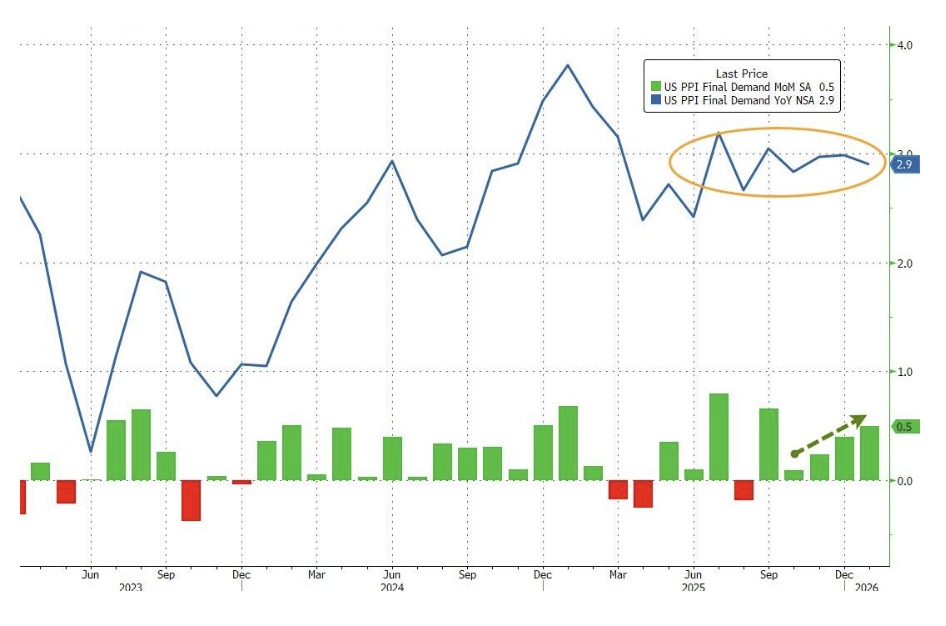
Core Insights - The Producer Price Index (PPI) for January in the U.S. rose more than expected, indicating that businesses may be passing on higher costs from import tariffs to consumers, suggesting potential inflationary pressures in the coming months [1][6] - The PPI year-on-year rate for January was recorded at 2.9%, exceeding the expected 2.6% and down from the previous value of 3.0% [1] - The core PPI, excluding volatile food and energy prices, increased by 3.6% year-on-year, above the expected 3.0% and up from the previous 3.3% [3] Price Movements - Service prices were the main driver of the PPI increase, with a month-on-month rise of 0.8%, and trade services prices surged by 2.5% [3] - Wholesale profit margins for professional and commercial equipment skyrocketed by 14.4%, indicating that companies are transferring tariff costs to customers [3] - Prices in various sectors, including clothing, chemicals, and retail, also saw increases [3] Commodity Categories - Energy prices fell by 2.7% and food prices decreased by 1.5% in January; however, core commodity prices (excluding food and energy) rose significantly by 0.7% [4] Economic Indicators - Some components of the PPI report will be included in the Personal Consumption Expenditures (PCE) price index, which is a key inflation indicator closely monitored by the Federal Reserve [5] - Economists had anticipated that the core PCE inflation for January could rise by as much as 0.5%, corresponding to a year-on-year increase of about 3.1% [6] Market Reactions - Concerns about rising inflation due to the higher-than-expected PPI data may shift market focus away from the disruptive impacts of artificial intelligence [6] - Despite stock market declines following the PPI release, U.S. Treasury yields continued to fall, suggesting that bond investors did not view the PPI as the primary driver of market movements [6]
2026年云浮288个重点项目总投资超2800亿元
Xin Lang Cai Jing· 2026-02-27 17:29
Core Viewpoint - Yunfu is actively pursuing high-quality development in 2026, with a strong focus on project construction as a key driver for economic growth, aiming for a total investment of 280.2 billion yuan across 288 key projects, marking a historical high in both project quantity and investment scale [1] Infrastructure Projects - A total of 131 key infrastructure projects are underway with a total investment of 130 billion yuan and an annual planned investment of 24.8 billion yuan [3] - The construction of the Shenzhen-South Railway project is in the decisive phase, with key milestones being achieved ahead of schedule, showcasing the "Yunfu speed" [3] - The G80 Guangkun Expressway expansion is progressing well, with 10 kilometers of road marking completed, enhancing connectivity between the Greater Bay Area and Southwest China [3] Industrial Projects - There are 106 key industrial projects with a total investment exceeding 112.2 billion yuan and an annual planned investment of 22.3 billion yuan [5] - The second phase of the Micro容 Technology smart factory has completed its main structure and is set to commence production in the second quarter, contributing to sectors like 5G, smart vehicles, and AI [5] - The Yuan Zhu mining project is ramping up construction, with single-line trial operations expected by the end of the year, projected to generate an annual output value of 1.5 billion yuan [5] Livelihood Projects - A total of 51 key livelihood projects are in progress with a total investment of 37.96 billion yuan and an annual planned investment of 6.129 billion yuan [7] - The Beijing Normal University Yunfu Experimental School has completed the main structure of multiple buildings, supporting educational development in the region [7] - The renovation of the new Xinxing County Hospital is nearing completion, aiming to enhance healthcare services for the local population [7] Overall Economic Strategy - Yunfu is committed to optimizing the business environment and enhancing service support throughout the project lifecycle, aiming for a strong start to the year and sustained economic stability through project construction [9]