
茶饮

Search documents
门店称兼职员工“长得比我姥姥年纪都大”?奈雪的茶介入处理
Nan Fang Du Shi Bao· 2025-07-06 10:09
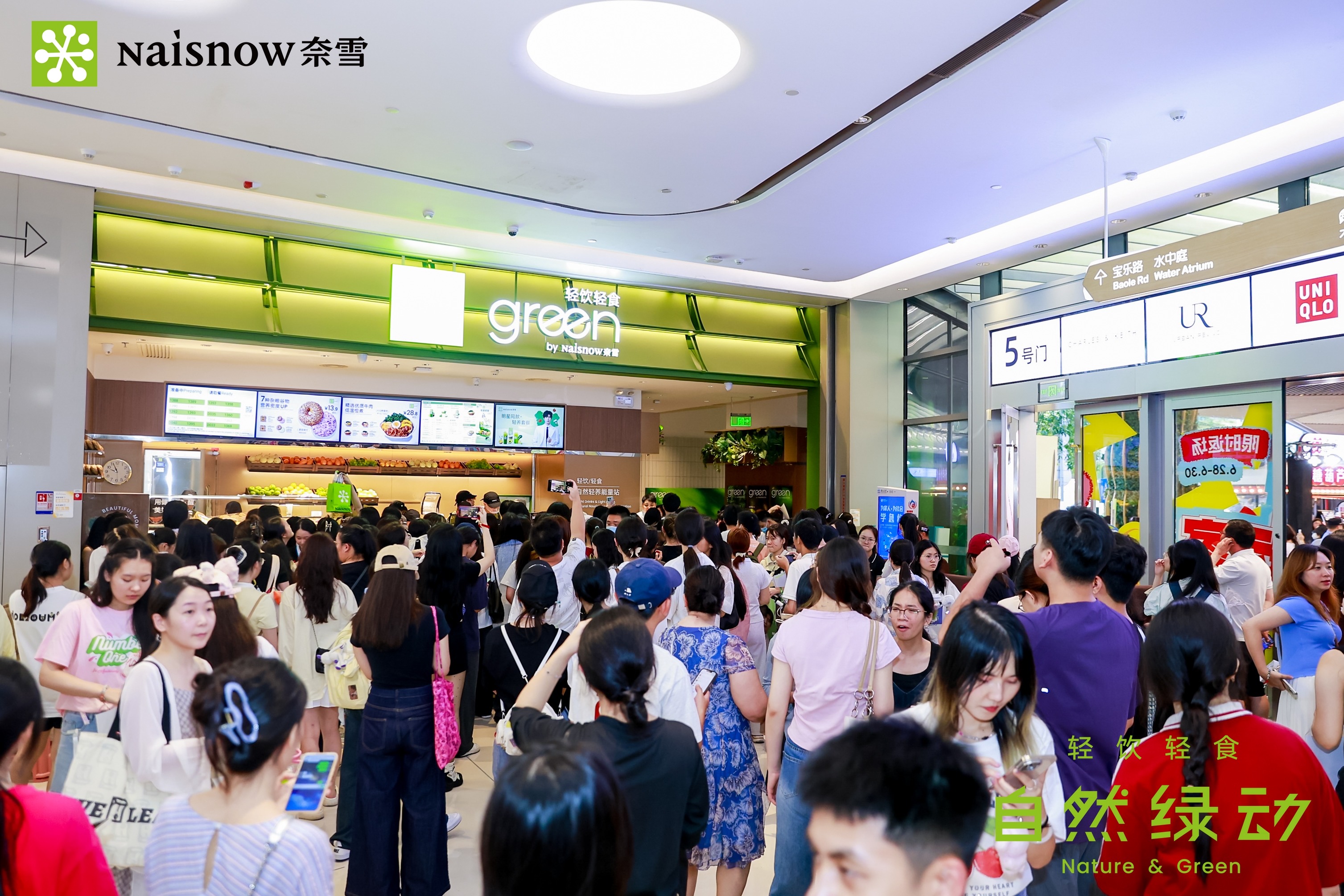
Core Viewpoint - A part-time employee at Nayuki's Tea in Shenzhen reported workplace bullying after being abruptly notified of her dismissal and receiving derogatory comments from staff, sparking widespread discussion on social media [2][4]. Company Response - Nayuki's Tea has taken the matter seriously and has intervened in the situation, with the company acknowledging the issue and attempting to address it [3][10]. Employee Experience - The employee, a student who started working at Nayuki's Tea in May, claimed she was not scheduled for shifts for nearly a month and was told to resign without prior notice. She expressed that if the store did not need her, they should have informed her earlier so she could seek other employment [4][11]. - The employee shared that a staff member made insulting remarks about her age and work speed during a dispute, which she interpreted as workplace bullying [4][11]. Industry Context - The incident is not isolated, as multiple well-known tea brands have faced similar complaints regarding workplace bullying. Experts suggest that such issues are prevalent in the industry, often due to poor management practices and a lack of effective personnel management [10][11]. - The management consultant highlighted that many chain restaurants prioritize sales and customer experience over employee management, leading to a culture where bullying can occur [11]. Financial Performance - Nayuki's Tea reported a revenue decline of 4.71% to 4.921 billion yuan for 2024, with an adjusted loss of 919 million yuan. The company transitioned from a profit of 20.912 million yuan in 2023 to a significant loss, reflecting a year-on-year decline of 4476.2% [11]. - As of December 31, 2024, Nayuki's Tea had 1,798 stores, an increase of 143 stores year-on-year, comprising 1,453 direct-operated stores and 345 franchised stores [11].

柠檬价暴涨,压力给到蜜雪冰城
盐财经· 2025-07-06 09:48
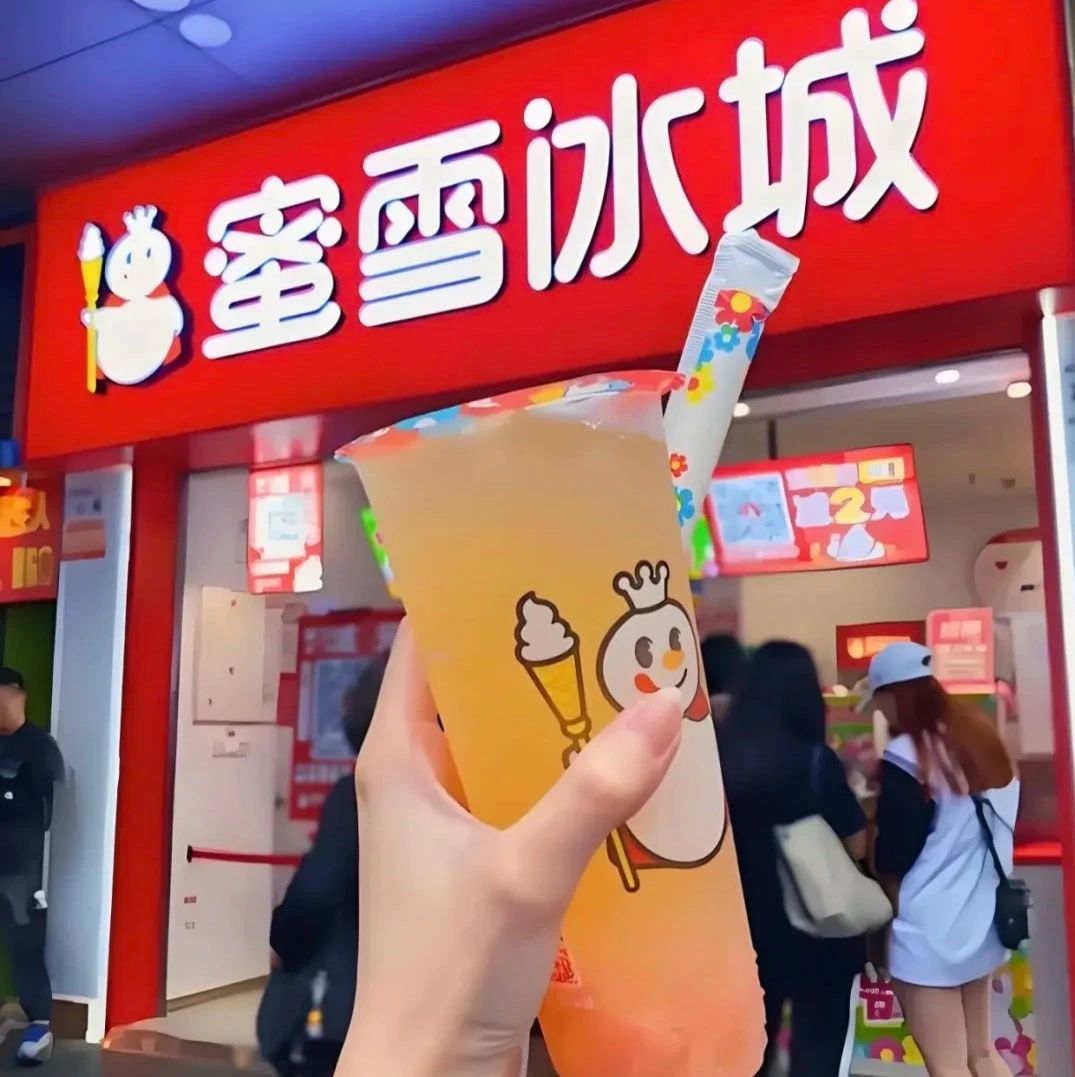
Core Viewpoint - The surge in lemon prices reflects the challenges faced by the tea beverage industry, particularly for small and medium-sized brands that struggle with supply chain management and cost transfer capabilities [3][10][11]. Price Surge of Lemons - Lemon prices have skyrocketed, with wholesale prices increasing from 7.5 yuan per kilogram in mid-April to 26.88 yuan per kilogram by late June, marking a rise of over 250% [7]. - The price of yellow lemons has increased from 2.99 yuan for a two-piece pack last year to 7.99 yuan this year, with some consumers reporting prices as high as 12 yuan per kilogram [5][7]. Factors Contributing to Price Increase - Extreme weather conditions, such as frost in Turkey and drought in Spain, have led to reduced lemon supply globally [7]. - In China, the core production area of Sichuan Anyue has faced severe weather, resulting in an expected production decline of over 30% this year [7][8]. Impact on Tea Beverage Industry - The demand for lemons has surged by 200% among tea beverage shops as summer approaches, with brands like Mixue Ice City consuming over 50 kilograms of lemons daily per store [8]. - The increase in lemon prices has forced some small tea brands to raise prices, leading to a significant drop in sales [10]. Challenges for Franchisees - Franchisees of major brands like Mixue Ice City face pressure as lemon costs have risen to 20 yuan per kilogram, while the retail price of lemon water remains capped at 4 yuan per cup [11][13]. - Franchisees are unable to raise prices or remove lemon-based products due to strict regulations from the headquarters, leading to financial strain [24]. Market Dynamics - The market for lemon water is highly competitive, with other brands offering lower-priced alternatives, which could threaten the market share of Mixue Ice City if they raise prices [15]. - The psychological price point for consumers is around 4 yuan for lemon water, and any increase could lead to a loss of customer trust [15][19]. Future Outlook - The price of lemons is expected to stabilize around September to October 2025 when new crops from Sichuan and other regions become available [25].
中国公司全球化周报|比亚迪搁置墨西哥建厂计划/瑞幸在美国首开两店,单杯最高57元
3 6 Ke· 2025-07-06 04:14
Group 1: Company Developments - Luckin Coffee has opened its first two stores in the United States, with drink prices ranging from $3.45 (approximately ¥24.71) to $7.95 (approximately ¥56.94) [3] - BYD has suspended its plan to build a large factory in Mexico due to geopolitical tensions and uncertainties from U.S. trade policies, although it still aims to expand in the Americas [3] - Jin Jiang International Hotel has submitted its IPO application to the Hong Kong Stock Exchange, with plans to use the funds for capital expenditures to enhance its overseas hotel business [4] - TikTok has launched an in-app shopping feature in Japan, allowing users to buy products directly through shopping videos and live streams [4] - Genki Forest has entered the Indonesian market with its iced tea series, expanding its global footprint [7] Group 2: Industry Trends - The Ministry of Commerce of China will strengthen guidance on the export of used cars to promote healthy and orderly development in this sector [8] - Former U.S. President Trump announced that new tariffs will begin on August 1, with rates potentially ranging from 10% to 70% [9] - Hong Kong's IPO fundraising has ranked first globally this year, reflecting strong market dynamics [9] - Saudi Arabia's foreign direct investment inflow reached $6.4 billion in the first quarter, marking a 24% year-on-year increase [9] Group 3: Investment and Financing - Zhihui Technology has secured a strategic investment of 1 billion yuan from Pudong Venture Capital and Zhangjiang Group [10] - Shinke Industrial has completed a financing round exceeding 100 million yuan, aimed at technology upgrades and international expansion [10] - Lingchuan Technology has raised several hundred million yuan in its Series A financing round, focusing on next-generation chip development [10]





头部品牌海外门店合计超5000家,解读茶饮品牌出海的“中国密码”
Mei Ri Jing Ji Xin Wen· 2025-07-05 10:37
Core Insights - Chinese tea brands like Mixue Ice City and Bawang Chaji are gaining popularity overseas, marking a shift from merely replicating Western brands to establishing their own identity [1][4] - The rise of these brands reflects China's consumption and industrial upgrades, with tea drinks serving as a significant vehicle for brand export [4][5] Industry Overview - The Chinese tea beverage industry has achieved global leadership in supply chain integration, product innovation, and digital operations [4][5] - As of the end of 2024, Mixue Ice City plans to have 4,895 overseas stores, accounting for over 10% of its total global outlets [4] - Bawang Chaji aims to list on NASDAQ or the New York Stock Exchange, with nearly 170 stores opened in Malaysia, Thailand, and Singapore, totaling 6,681 global outlets [4][5] Market Strategy - Chinese tea brands are focusing on Southeast Asia, with Mixue Ice City having over 1,300 stores in Vietnam and over 2,600 in Indonesia [6] - In contrast, brands entering the European and American markets adopt a mid-to-high-end strategy, with prices reflecting local market conditions [6] - The market landscape is diversifying, with Mixue Ice City leveraging cost-effectiveness and rapid replication, while Heytea focuses on premium positioning and local innovation [6] Cultural Integration - Chinese tea brands are incorporating Eastern cultural elements into Western contexts, enhancing brand identity and consumer engagement [9][10] - Bawang Chaji's collaboration with the British Library for a themed tea series exemplifies the blending of cultural narratives [9][10] - The emphasis on cultural storytelling and local adaptation is crucial for successful market penetration [10]
茶咖日报|瑞幸纽约开店是在“抢钱”?专家:再难的路也得走下去
Guan Cha Zhe Wang· 2025-07-04 13:23
7月4日,茶咖日报的主要内容有: 专家:郭瑾一自称出海是抢钱,瑞幸在纽约开店要很大勇气 睿见Economy7月4日消息,2025 DEMO WORLD开放式创新大会于7月3日-4日在上海举办。中欧国际工 商学院会计学荣誉退休教授苏锡嘉谈及企业出海东南亚的教训时表示,瑞幸在纽约开店要很大勇气。 苏锡嘉透露,瑞幸咖啡首席执行官郭瑾一曾表示,公司在国内开店是"捡钱",在海外开店则是"抢钱"。 他解释说,因为西方国家已经有很长期的咖啡文化,对当地品牌已经形成认知。瑞幸咖啡想要改变人家 的品牌习惯太难了。对比而言,中国的茶饮走出去,就相对容易。 同时,JDE Peet's还明确了一系列规划,包括:简化投资组合与组织模型;提高运营效率和生产力;实 现5亿欧元净成本的节约,且超过一半的节约额在2027年底前完成;计划将节约成本的50%投入到具有 高潜力的增长项目及关键能力提升上,其余50%用于增强盈利能力;同时,通过新的增长途径扩大公司 的全球影响力。 "当然,再难,你该走的路还是得走。"苏锡嘉感慨,最近瑞幸在纽约开了两家门店,"在这种寸土寸金 地方,你开出咖啡馆,这是要多大的勇气?" 不过他也强调,企业做到一定规模,就必 ...

何愚×曹曦×胡博予:新造的人
36氪· 2025-07-04 10:34
Core Insights - The article discusses the importance of understanding the human element in investment, particularly in identifying and evaluating new entrepreneurs in the emerging AI and technology sectors [3][4][5] - It highlights the unique characteristics of three successful founders: Wang Ning of Pop Mart, Wang Xingxing of Yushu Technology, and Zhang Junjie of Bawang Tea, showcasing their distinct traits and the investors' perspectives on them [7][11][12] Group 1: Investment Insights - The article emphasizes the significance of recognizing the underlying qualities of entrepreneurs, such as strategic thinking and self-awareness, rather than superficial traits [15][16] - It illustrates the challenges investors face in understanding new business models and the necessity of investing time to learn about unfamiliar concepts [15][16] - The investors share their experiences of identifying "outlier" entrepreneurs who possess unique qualities that set them apart from the crowd [18][19] Group 2: Founder Characteristics - Wang Ning is described as a blend of artistic sensibility and strong business acumen, demonstrating creativity in commercial strategies [7][8][9] - Wang Xingxing is characterized as pure and focused, with a practical approach to business, driven by real market demand [11][12] - Zhang Junjie is noted for his rapid growth and transformation as a leader, showcasing a blend of personal storytelling and business insight [12][13][14] Group 3: Investor Perspectives - The investors reflect on their evaluation processes, emphasizing the importance of genuine curiosity and empathy when assessing entrepreneurs [30][31][32] - They discuss the need for simplicity in decision-making and the focus on key traits that indicate a founder's potential for success [33][34] - The article concludes with insights into how the investors' understanding of human nature has evolved through their experiences in the industry [40][41][42]

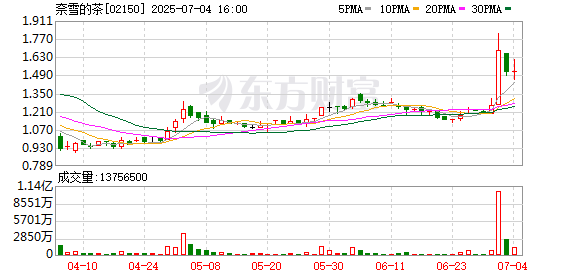
奈雪的茶5月6月业绩双位数提升!股价暴涨34.92%!
Sou Hu Wang· 2025-07-04 04:17
Core Insights - Nayuki's Tea has achieved steady growth in performance through a series of innovative measures and health strategies, with significant market performance noted [1] - The launch of the new grapefruit matcha series has contributed to a substantial increase in stock price, reflecting positive market reception [1][3] Performance Metrics - In May, Nayuki's Tea saw a 35% year-on-year increase in average order volume per store, followed by a 26% increase in June, marking two consecutive months of double-digit growth [1] - The stock price surged by 34.92% following the launch of the new product line on July 2 [1] Product Innovation - The new grapefruit matcha series includes two beverages and one baked good, utilizing healthy ingredients such as South African white grapefruit and matcha [3] - Nayuki's Tea has introduced a "no added sugar natural nutrition+" initiative, emphasizing fresh ingredients and low-calorie options, marking a shift in the tea beverage industry towards a focus on natural nutrition [5] Marketing and Community Engagement - The "Little Snowflake Charity" initiative aims to support animals in need, showcasing Nayuki's commitment to social responsibility [7] - The "One Day Store Manager" events, featuring popular idols, have successfully engaged consumers and enhanced brand interaction [9] Strategic Positioning - Nayuki's Tea has effectively combined health concepts with youthful marketing strategies, aligning with the preferences of Generation Z consumers who seek both taste and health [11] - The company's focus on "light nutrition and low burden" product philosophy signifies a transition in the tea beverage industry from competition based on traffic to competition based on value [11]
搜狐酒馆第27期|周重林:在茶香里溯源千年,让年轻人爱上中国茶
Sou Hu Cai Jing· 2025-07-04 03:45
Group 1 - The core idea of the article revolves around the revival and modernization of traditional Chinese tea culture, particularly its appeal to Generation Z through new tea brands and practices [2][9]. - The discussion highlights the significance of historical texts, such as Song Huizong's "Da Guan Cha Lun," in establishing tea tasting standards and the "Seven Steps of Tea Pointing" [4][5]. - The role of contemporary tea brands like Bawang Chaji in promoting authentic tea experiences and their alignment with the preferences of younger consumers is emphasized [9][10]. Group 2 - The historical evolution of Chinese tea culture is outlined, from the Tang and Song dynasties' powdered tea to the modern leaf tea practices, showcasing a rich tradition that has adapted over centuries [7]. - The differences between raw and ripe Pu-erh tea are explained, noting that raw tea is more stimulating while ripe tea is smoother due to fermentation processes [8]. - The importance of guiding younger generations in understanding tea culture through educational initiatives and relatable content is stressed, indicating a need for cultural ambassadors [10].

养猪不如卖奶茶?河南首富易主,食品造富赛道下一个王炸品类在哪?
Sou Hu Cai Jing· 2025-07-04 00:32
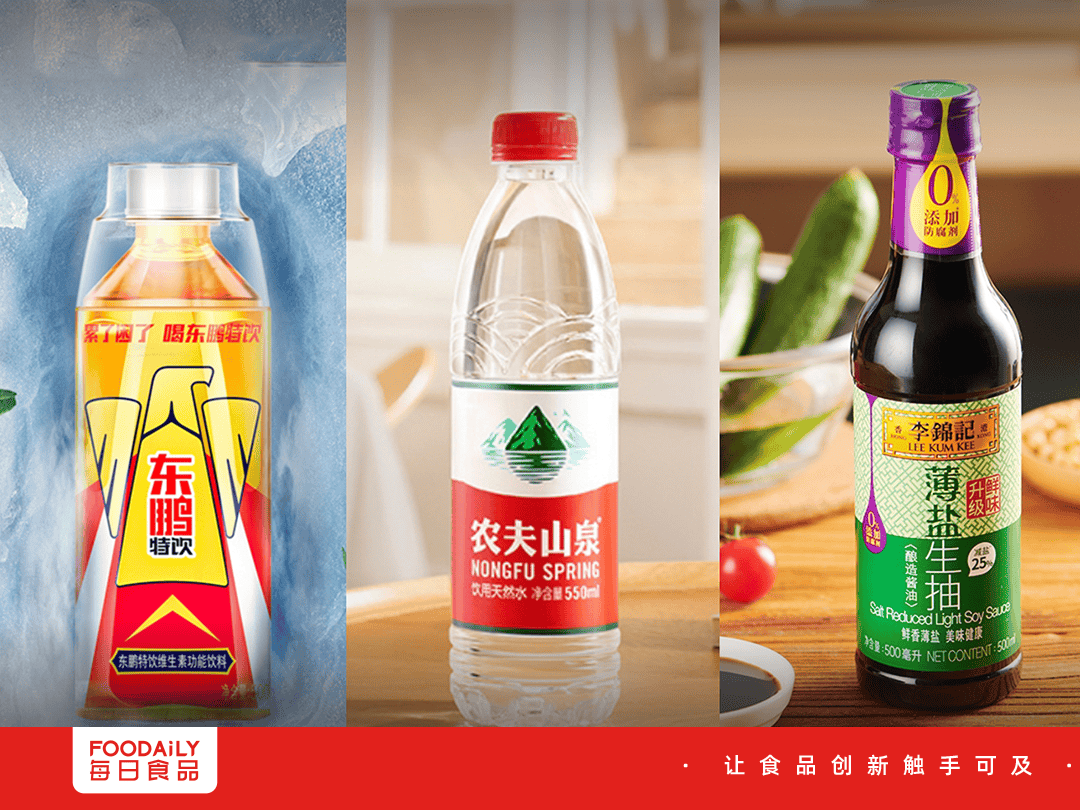
Core Insights - The rise of AI has initiated a new wealth creation wave, with Zhang Yiming topping the 2025 New Wealth 500 list with a stock valuation of 481.57 billion yuan, surpassing Zhong Shanshan, who held the title for four consecutive years [2][3] - The food and beverage industry has produced numerous billionaires, demonstrating that traditional sectors can still generate significant wealth [2][3] Group 1: Wealth Rankings - The 2025 New Wealth 500 list features 39 companies in the food and beverage sector, with a total wealth of 1.51868 trillion yuan [4] - Notable figures in the tea beverage sector include Zhang Hongchao and Zhang Hongbo from Mixue Ice City, and Nie Yuncheng from Heytea, all of whom have made it onto the list [4][10] - The food sector has seen local billionaires emerge, with Zhang Hongchao and Zhang Hongbo becoming the new billionaires of Henan province, surpassing the previous "pig king" [4][14] Group 2: Key Players in Food and Beverage - The top players in the food and beverage sector include Zhong Tengteng from Nongfu Spring with a wealth of 362.41 billion yuan, and Zong Fuli from Wahaha with 125 billion yuan [5] - The tea beverage segment has seen significant growth, with companies like Mixue Ice City and Heytea leading the charge [11][40] - The condiment industry is represented by companies like Haitian Flavoring, Lao Gan Ma, and Lee Kum Kee, showcasing the sector's wealth-generating potential [7][15] Group 3: Global Wealth Rankings - The 2025 Hurun Global Rich List includes 37 billionaires from the food sector, with 11 from China, highlighting the global significance of Chinese food enterprises [7][8] - Notable entries include the Li Cai Meiling family with 140 billion yuan from Lee Kum Kee, and the Mars family with 390 billion yuan from Mars Inc. [8][9] Group 4: Industry Trends - The tea beverage market is experiencing rapid growth, with multiple brands going public in quick succession, indicating a shift in consumer preferences and market dynamics [11][40] - The condiment sector is evolving, with companies like Haitian Flavoring and Lee Kum Kee expanding globally, while traditional brands face challenges in adapting to changing consumer demands [19][21][43] - The beverage market is becoming increasingly competitive, with brands innovating to capture consumer attention and redefine their market positions [44]
鹿角巷重回北京市场 昔日网红茶饮如何破局重生
Bei Jing Shang Bao· 2025-07-03 14:20
Core Viewpoint - The company, 鹿角巷, is making a comeback in the Beijing market after facing challenges from counterfeit brands, with a focus on differentiating itself in a competitive tea beverage industry that has shifted from growth to "stock competition" [1][6]. Company Overview - 鹿角巷 has reopened its first store in Beijing at 朝阳大悦城, featuring a new yellow and white design, with an average price of 17 yuan per customer, positioning itself in the mid-range of the tea beverage market [2][4]. - The brand's product lineup continues to emphasize its signature brown sugar pearl tea while introducing new items like rainbow crushed ice and special flavored teas, highlighting the use of fresh milk [2][3]. Market Context - The tea beverage market is experiencing a slowdown in growth, transitioning to a phase where competition is more about existing market share rather than expansion, making it crucial for 鹿角巷 to identify its unique advantages [1][6][8]. - The company has faced significant challenges due to counterfeit brands, with reported legal costs reaching 1 billion yuan for brand protection efforts [4][6]. Expansion Strategy - 鹿角巷 is not only targeting the Beijing market but is also planning to expand into other cities, actively seeking exclusive partners for new store openings [5][6]. - The brand aims to optimize its business model and is considering a shift towards smaller store formats to adapt to the changing market dynamics [7][9]. Competitive Landscape - The tea beverage market is becoming increasingly competitive, with many local brands emerging and established brands solidifying their positions, making it essential for 鹿角巷 to establish a distinct brand identity and operational efficiency [7][9]. - Industry experts suggest that 鹿角巷 should focus on creating unique product offerings and optimizing its profitability model while being cautious about the pace of its expansion [9].