
债券

Search documents
法国10年期国债收益率本周累涨2.2个基点
Mei Ri Jing Ji Xin Wen· 2026-02-06 23:15
每经AI快讯,周五(2月6日)欧市尾盘,法国10年期国债收益率本周累涨2.2个基点,意大利10年期国债收 益率累涨1.0个基点,西班牙10年期国债收益率累涨1.0个基点,希腊10年期国债收益率累涨0.6个基点。 ...
美国债市:国债在股市反弹之际维持跌势 收益率曲线趋平
Xin Lang Cai Jing· 2026-02-06 21:27
纽约时间下午3点刚过,美国短端收益率日内上行约4个基点,2s10s和5s30s利差日内趋平约2个基点。 曲线趋平受到两笔风险权重匹配的大额期货大宗交易推动,涉及2年期和超级10年期美债期货合约。 随着股市反弹、互换利差企稳,美国早盘时段美债跌幅逐步扩大,部分回吐周四大幅收窄行情;在密歇 根大学调查结果高于预期后,跌势加深,午后在清淡交投中维持跌势。 截至下午3点,美国国债期货成交量约为20日均值的90%,其中2年期国债期货合约最活跃,成交量较均 值高出25%。 美国密歇根大学2月消费者信心指数初值表现强劲,推动美国国债下跌,部分回吐周四的牛陡之势。美 国股市逢低买盘强劲背景下,美债收益率尾盘仅略低于日内高点。 美国密歇根大学2月消费者信心指数初值表现强劲,推动美国国债下跌,部分回吐周四的牛陡之势。美 国股市逢低买盘强劲背景下,美债收益率尾盘仅略低于日内高点。 纽约时间下午3点刚过,美国短端收益率日内上行约4个基点,2s10s和5s30s利差日内趋平约2个基点。 曲线趋平受到两笔风险权重匹配的大额期货大宗交易推动,涉及2年期和超级10年期美债期货合约。 随着股市反弹、互换利差企稳,美国早盘时段美债跌幅逐步扩大, ...
中欧《共同分类目录》贴标绿色债券存量规模近3500亿元 风力发电成为主要资金投向
Xin Hua Cai Jing· 2026-02-06 16:51
根据具体清单,新增债券包括"25华能水电GN012(乡村振兴)"、"25三峡GN010(碳中和债)"等多只债 券,单只发行规模在1亿至20亿元不等。同时,2025年12月有1只已贴标债券到期,为"23鲁宏桥 GN003",发行规模3亿元。 数据显示,目前存续的305只符合《共同分类目录》的绿色债券,只数占银行间市场全部存量绿债的 25.3%,规模占比为17.0%。从信用评级分布看,主体评级为AAA的债券发行规模占比最高,达93.2%, AA+、AA及无评级占比分别为4.5%、0.1%和2.2%。 新华财经北京2月6日电(王菁)新华财经6日从中国金融学会绿色金融专业委员会专家组获悉,截至 2025年12月31日,经其评估的银行间市场发行的符合中欧《可持续金融共同分类目录》(以下简称《共 同分类目录》)的中国绿色债券共计517只,其中305只处于存续期,存量规模达3492.49亿元。 从月度情况来看,2025年12月专家组继续为银行间市场新发行的绿色债券开展贴标评估工作。据悉,当 月共筛选出14只符合标准的绿色债券,总发行规模为153.5亿元人民币。其中,12只在发行时已获认证 符合《共同分类目录》,相关技术标准 ...
报价参考价 VS 交易参考价,哪个更适合交易决策?
彭博Bloomberg· 2026-02-06 06:06
Core Insights - The article emphasizes the importance of understanding the differences between quote reference prices and trade reference prices in the global credit bond market, particularly as the market becomes increasingly electronic and data-driven [1][4]. Group 1: Analysis of Pricing Reference Differences - The analysis focuses on four high-liquidity credit markets: U.S. investment-grade bonds, U.S. high-yield bonds, euro investment-grade bonds, and pound investment-grade bonds, using transaction data from TRACE and Bloomberg [4]. - The study identifies significant differences between three observable benchmarks (IBVAL, CBBT, and median quotes) and actual transaction prices, highlighting the need for traders to select appropriate reference prices in their pre-trade processes [5][6]. Group 2: Benchmark Performance - In the U.S. investment-grade bond market, IBVAL's median difference is nearly at the zero line, indicating a strong alignment with transaction prices, which is its intended purpose [17]. - CBBT and median quotes show a tendency to deviate from transaction levels, with 92% of trades occurring within the CBBT spread and 82% within the median quote spread, suggesting that these benchmarks are generally wider than actual transaction prices [19][20]. Group 3: Tools for Price Discovery - For traders, quote data and reference prices are essential tools for obtaining real-time information, with IBVAL providing transaction reference prices that enhance pre-trade processes [21]. - The IBVAL front-end solution meets the demand for high-frequency pricing data, offering visibility and transparency in various trading scenarios, with coverage expanding to approximately 45,000 securities in the USD, GBP, and EUR credit markets [21].


每日债市速递 | 现券收益率纷纷下行,央行重启14天逆回购提振情绪
Sou Hu Cai Jing· 2026-02-06 01:16
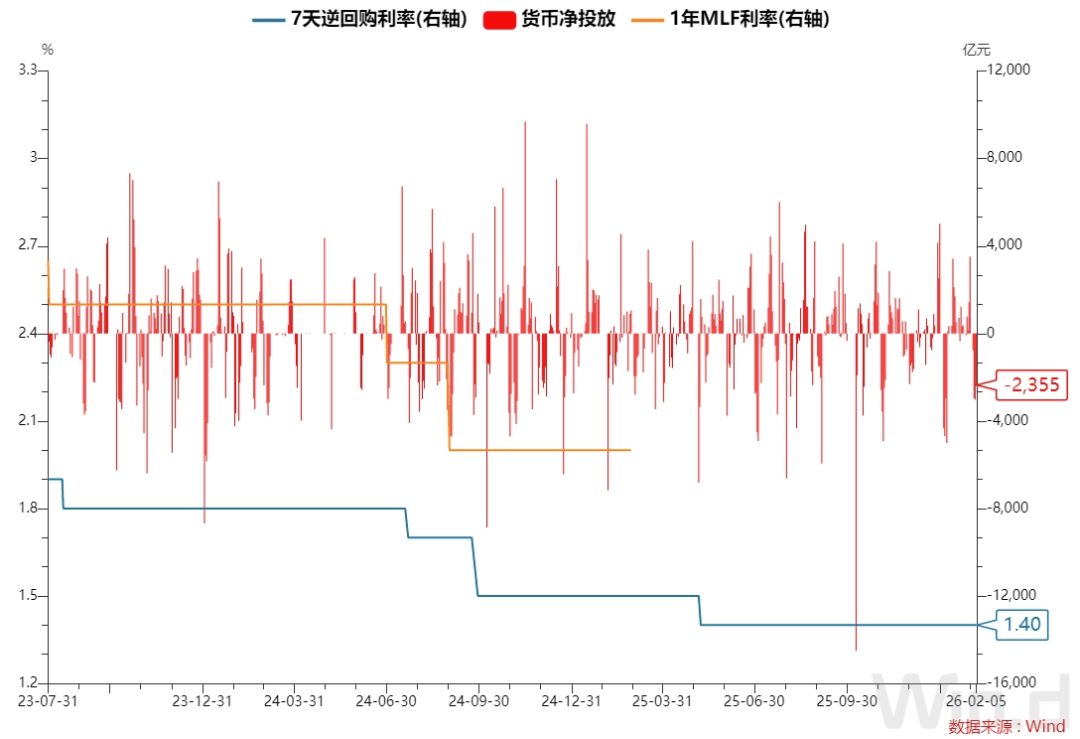
// 债市综述 // 1. 公开市场操作 央行公告称,2月5日以固定利率、数量招标方式开展了1185亿元7天期逆回购操作,操作利率1.40%,投标量1185亿元,中标量1185亿元。同时,以固定数 量、利率招标、多重价位中标方式开展了3000亿元14天期逆回购操作。Wind数据显示,当日3540亿元逆回购到期,据此计算,单日净投放645亿元。 (注:若不计算14天期逆回购操作,则单日净回笼2355亿元) (*数据来源:Wind-央行动态PBOC) 2. 资金面 银行间市场资金面仍稳中偏松,DR001加权平均利率继续停留于1.32%附近。匿名点击(X-repo)系统上,隔夜报价在1.3%供给充足;非银机构以信用债 为抵押融入隔夜,报价在1.5%或略低。 海外方面,最新美国隔夜融资担保利率为3.69%。 (IMM) (*数据来源:Wind-国际货币资金情绪指数、资金综合屏) 3. 同业存单 全国和主要股份制银行一年期同业存单最新成交在1.60%附近,较上日小幅下行。 (*数据来源:Wind-同业存单-发行结果) 4. 银行间主要利率债收益率普遍下行 (*数据来源:Wind-成交统计BMW) 1、美国总统特朗普再对 ...
美国债市:就业数据和股市抛售提振国债上涨 收益率曲线陡化
Xin Lang Cai Jing· 2026-02-05 20:58
美国上午时段公布三项就业市场数据之后,国债收益率在每个数据之后都下跌,互换合约体现的美联储 年底前降息幅度扩大;收盘时隐含的年底前降息幅度为55个基点左右,周三收盘时为49个基点。 长端互换利差延续近期的收窄走势,有迹象显示利差扩大仓位仍在持续去杠杆。30年期利差降至12月中 旬以来的最低水平。 美东时间下午3:11 美国国债收盘走高,曲线短端和中部债券领涨。上午时段公布的三项劳动力市场指标弱于预期,包括 Challenger裁员数据、每周初请失业金人数和JOLTS职位空缺数,推动国债在上午时段上涨。受英国央 行鸽派政策声明的提振,短期英国国债走强,此外美国股市遭遇全面抛售,也都给美债带来支持。远端 互换利差进一步收窄。 纽约时间下午3点刚过不久,2至5年期国债收益率当日至少下降8个基点,2s5s30s利差下跌约3个基点。 10年期国债收益率接近4.21%,当日下跌超过7个基点。 英国央行维持利率不变,但投票结果为5比4,且央行表示利率"可能进一步下调",受此影响英国国债收 益率曲线陡化,利率互换出现鸽派重新定价。 美国国债收盘走高,曲线短端和中部债券领涨。上午时段公布的三项劳动力市场指标弱于预期,包括 Ch ...
【财经分析】利差筑底但仍可寻机——2月信用债投资展望
Xin Hua Cai Jing· 2026-02-05 12:38
Core Viewpoint - The credit bond market has shown a strong trend since January 2026, characterized by declining yields, significant compression of spreads, and a preference for medium to long-term bonds. However, as February approaches, the market is expected to transition from a strong upward trend to a more complex environment influenced by both bullish and bearish factors [1][4]. Group 1: Market Performance - Since January 2026, the credit bond market has experienced a robust performance with a total issuance of 445 credit bonds amounting to 470.37 billion yuan, reflecting a 21.90% increase compared to the previous period [2]. - The average issuance coupon rate for credit bonds has decreased to 2.09%, with specific rates for industrial bonds at 2.01%, urban investment bonds at 2.23%, and financial bonds at 1.83%, indicating a continued easing in the primary market financing environment [2]. - In the secondary market, yields have generally declined, and spreads have significantly compressed, with the 5-year credit spreads narrowing to their lowest levels since 2025 [2]. Group 2: Influencing Factors - The strong performance of the credit bond market is attributed to multiple factors, including a supportive liquidity environment, institutional behavior, and favorable policies. The overall liquidity remains ample, bolstered by the central bank's clear stance on maintaining liquidity [2][3]. - The demand for credit bonds is expected to remain strong in the first quarter of 2026, driven by the large scale of open-ended bond funds and the "opening red" of wealth management products, which will likely support credit bond configurations [3]. Group 3: Future Outlook - As February 2026 approaches, the credit bond market is anticipated to face a more complex environment with both bullish and bearish factors at play. The liquidity support, ongoing demand, and seasonal factors are expected to provide a favorable backdrop for the market [4][5]. - However, potential bearish factors include supply pressures, equity market disturbances, and limited room for further compression of credit spreads, which could lead to valuation adjustments, particularly for lower-rated credit bonds [5][6]. Group 4: Investment Strategy - The investment strategy for February 2026 should focus on maintaining a neutral and prudent stance, controlling risks associated with market fluctuations, and avoiding excessive chasing of high prices [6][7]. - It is recommended to extend the duration slightly, focusing on 3 to 5-year bonds, while being cautious of overly long-duration bonds to mitigate valuation risks from interest rate fluctuations [6][7]. - Investors should seek structural opportunities by identifying high-value segments such as perpetual bonds, broker bonds, and innovation bonds, while also considering the demand for high-rated bonds supported by open-ended bond funds [7].
真正的避险资产?债市修复持续,波动率明显下降
Di Yi Cai Jing· 2026-02-05 12:09
Core Viewpoint - The 10-year government bond yield has fallen below 1.81%, indicating a recovery in the bond market, while discussions about the "safe haven" attributes of Chinese government bonds are increasing amid global asset volatility [1][2][3]. Group 1: Bond Market Performance - As of February 5, the 10-year government bond yield decreased to 1.808%, down from nearly 1.9% a month ago, reflecting a decline of over 9 basis points [1][2]. - The 30-year government bond yield also showed a gradual decline, with the active bond "25超长特别国债06" yielding 2.239%, down 1.2 basis points [2][3]. - The bond market has experienced a recovery since January 7, with the 10-year bond yield dropping a cumulative 9.05 basis points and the 30-year bond yield down 9.6 basis points [2]. Group 2: Central Bank Actions - On February 5, the central bank resumed 14-day reverse repos, injecting 300 billion yuan into the market, which positively impacted the bond market [3]. - The central bank's net injection for the day was 645 billion yuan, following the maturity of 354 billion yuan in reverse repos [3]. - The central bank's actions, including a significant increase in net bond purchases in January, have improved market sentiment and contributed to a downward shift in the yield curve [6]. Group 3: Market Outlook - Most institutions predict that the bond market will maintain a strong but volatile performance leading up to the Spring Festival, with increased information flow post-holiday [1][6]. - Analysts expect the 10-year government bond yield may further decline to around 1.75%, while the 30-year yield could stabilize around 2.15% [7]. - The bond market is anticipated to remain stable within the range of 1.8% to 1.9% for the 10-year yield in February, influenced by stable economic expectations and reduced volatility [7][8].
瑞士百达:亚洲固定收益资产韧性凸显 成为全球配置重要选择
Xin Lang Cai Jing· 2026-02-05 11:01
Core Viewpoint - The Asian fixed income market is supported by robust economic growth, controlled inflation, and an upgraded export structure, making it an attractive area for global investors seeking to optimize their asset allocation and diversify risks [1][2]. Economic Fundamentals - The overall economic growth outlook for Asia is positive, with inflation effectively controlled, creating a favorable environment for the bond market [2] - Emerging market growth is expected to outpace developed markets, with Asia being a key driver of this growth [2] - Export is a critical factor for Asia's economic growth, with a successful shift from primary to high-tech product exports [2] - Asian countries have accumulated significant dollar reserves due to strong export performance, which is likely to flow back into Asian dollar bonds or stock markets [2] Demographic Potential - Asia accounts for approximately 55% of the global population but only contributes about 31% to global GDP, indicating potential for future growth [3] - Countries like India and Indonesia, with relatively young populations, will support long-term economic growth in Asia [3] Investment Value of Asian Fixed Income - The credit quality of Asian enterprises is stabilizing, with a significant reduction in high-yield bond default rates, particularly in real estate sectors [4] - Despite global credit spreads being narrow, Asian corporate bonds remain attractive due to relatively high yields [4] - The supply of Asian dollar bonds is contracting, while demand is increasing due to trade surpluses and mechanisms facilitating investment in overseas assets [4] Unique Value of Local Currency Bonds - Asian local currency bonds, especially onshore RMB bonds, have low correlation with other major asset classes and lower volatility compared to US Treasuries, making them effective for risk diversification [5] - Asian fixed income assets can act as a stabilizer in the current environment of frequent global financial risks, contributing positively to risk hedging and smoothing portfolio volatility [5] Overall Market Outlook - The Asian fixed income market offers sustainable returns and significant risk diversification value, supported by strong macro fundamentals, improving corporate conditions, attractive valuations, and favorable supply-demand dynamics [6]
欧元区国债收益率开盘走高 德国制造业订单意外激增叠加债券供应在即
Xin Lang Cai Jing· 2026-02-05 08:06
Core Viewpoint - Eurozone government bond yields have slightly increased in early trading, influenced by an unexpected rise in German manufacturing orders and upcoming large bond issuances in Spain and France [1] Group 1: Economic Indicators - German manufacturing orders unexpectedly surged in December, contributing to the rise in bond yields [1] - The European Central Bank's policy announcement is a key focus, with the market widely expecting interest rates to remain unchanged [1] - Economic data indicates relative resilience in the Eurozone economy, which supports the maintenance of the deposit rate at 2.0% [1] Group 2: Bond Yield Changes - The 10-year German government bond yield rose by 0.5 basis points to 2.867% [1] - The 10-year Spanish government bond yield increased by 1.1 basis points to 3.242% [1] - The 10-year French government bond yield went up by 1 basis point to 3.458% [1]