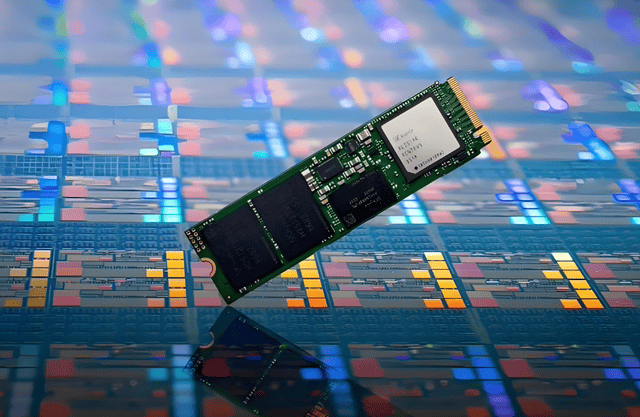
芯片

Search documents
新浪财经隔夜要闻大事汇总:2026年1月15日
Xin Lang Cai Jing· 2026-01-14 23:21
Market - US stock market experienced a decline for the second consecutive day, with the Dow, Nasdaq, and S&P 500 all falling, primarily driven by poor performance in technology stocks, particularly chip stocks like Nvidia, which dropped due to export restrictions [2] - Bank stocks also struggled, with Wells Fargo's revenue falling short of expectations, while Bank of America and Citigroup exceeded expectations but could not support the high market levels. The banking sector faced additional pressure from Trump's call for credit card interest rate reforms [2] - Despite strong PPI and retail sales data, the market remained low due to concerns over the independence of the Federal Reserve and rising geopolitical risks, particularly related to Iran [2] Company - Tesla announced it will stop selling its Full Self-Driving (FSD) software at a fixed price and will instead offer it as a monthly subscription service starting at $99, leading to a 1.79% drop in its stock price [3][33] - Cerebras secured a significant contract with OpenAI worth over $10 billion, committing to provide 750 MW of computing power by 2028, which will help reduce its reliance on a single customer [32] - Wells Fargo reported profits below expectations, with a significant $612 million spent on severance costs, leading to its stock experiencing the largest intraday drop in six months [40] - Bank of America reported a 23% increase in stock trading revenue to $2.02 billion, exceeding analyst expectations, but concerns over costs led to a 5% drop in its stock price [41] - Boeing announced it received 1,173 net orders in 2025, surpassing Airbus, although its stock fell 1.7% in early trading [42]



韩国芯片赢麻了,利润增长两倍多,净利过万亿,被质疑联手涨价
Sou Hu Cai Jing· 2026-01-14 16:56
Core Viewpoint - The profits of South Korea's two major memory chip companies are expected to surge significantly by 2025, reversing the profit decline trend of the country's largest smartphone manufacturer, indicating a strong performance in the memory chip sector [1][3]. Group 1: Profit Forecast - The two major South Korean memory chip companies are projected to earn over 300 trillion Korean won (approximately 1.4 trillion RMB) in profits by 2025, which is 75% higher than the annual revenue of China's largest tech company and over 20 times its net profit [3]. - One company is expected to see a profit increase of 2.5 times, while the other is projected to grow by 2.2 times [1]. Group 2: Price Surge and Market Dynamics - The significant profit increase in 2025 is attributed to a sharp rise in memory chip prices, particularly DRAM, with the price of a 16GB memory module increasing from 400 RMB to 1000 RMB, a rise of 1.5 times [3]. - The price surge is driven by the demand for HBM chips used in AI applications, which has diverted production capacity away from DRAM chips, leading to a tightening supply and skyrocketing prices [3]. Group 3: Competitive Landscape - There are speculations that the price increase may be influenced by a coordinated effort among U.S., South Korean, and Japanese memory chip companies, reminiscent of past price-fixing allegations against South Korean firms [5]. - As global memory chip prices rise, Chinese memory chip companies are also benefiting, reversing their previous losses and potentially allowing for increased investment in R&D to catch up technologically with U.S. and South Korean firms [5]. Group 4: Impact on Consumer Electronics - The surge in memory chip prices is expected to negatively impact the smartphone and PC industries, with estimates suggesting a significant reduction in memory capacity for Chinese smartphones, particularly in the mid-range segment, which may revert to 4GB from the previously common 12GB [5]. - This reduction in memory capacity, combined with the use of outdated processors in low-end smartphones, may lead to decreased sales, pushing consumers towards flagship or second-hand models instead [7].
美股集体下跌,携程重挫18%,“妖镍”直线急升,加密货币反弹,超13万人爆仓
2 1 Shi Ji Jing Ji Bao Dao· 2026-01-14 15:45
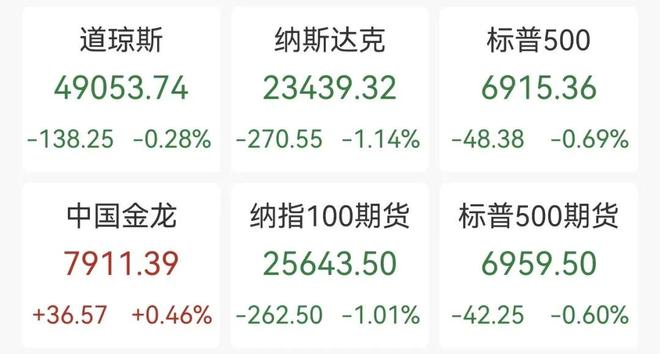
Market Overview - The US stock market experienced a collective decline, with the Nasdaq index dropping over 1% as of 23:00 [1] - The Dow Jones, Nasdaq, and S&P 500 indices closed at 49,053.74, 23,439.32, and 6,915.36 respectively, with declines of 0.28%, 1.14%, and 0.69% [2] Technology Sector - The technology sector saw significant losses, particularly in chip stocks, with ARM falling nearly 5% and other major companies like Nvidia and Marvell Technology declining around 2% [2][3] - The "big seven" tech companies in the US all experienced declines [2] Chinese Stocks - Several popular Chinese stocks faced downturns, with Ctrip initially plunging 18% due to an investigation by the market regulator for alleged monopolistic behavior [4] - Other Chinese companies like Dada Group and New Oriental also saw declines of over 3% [4] Precious Metals - Silver prices surged, breaking through $92 per ounce, marking a 28.6% increase year-to-date [5][6] - Gold prices also rose, reaching over $4,640 per ounce, with a 7.32% increase since the beginning of the year [6] Cryptocurrency Market - The cryptocurrency market rebounded significantly, with Bitcoin rising over 4% and Ethereum nearly 6% [8] - Over 130,000 traders faced liquidation in the past 24 hours, indicating high volatility [8][10] Economic Indicators - Despite lower-than-expected CPI data, the US stock market declined, reflecting concerns over political uncertainty, potential inflation rebound, and high valuation levels in the market [12][13] - The current valuation levels of US stocks, particularly in the tech sector, are perceived as high, leading investors to lock in profits and shift towards defensive strategies [13]
社评:美国“放行”H200,映照中国科技自立自强
Xin Lang Cai Jing· 2026-01-14 15:33
Core Viewpoint - The U.S. government's conditional approval for the export of NVIDIA's H200 AI chips to China is seen as a nuanced signal in the context of U.S.-China tech interactions, balancing between restricting China's AI capabilities and avoiding forcing a technological leap in China [1][2]. Group 1: U.S. Policy and Strategy - The approval for H200 chips comes with strict limitations on performance and sales volume, ensuring a technological gap of at least one generation compared to NVIDIA's most advanced products [1]. - The U.S. aims to maintain its long-term advantage in the industry by allowing sales to China while simultaneously restricting access to superior technology [1][2]. - The export approval process is discriminatory, with the U.S. retaining control over the quantity and supply chain, and plans to impose a 25% fee on sales to China [2]. Group 2: Implications for China - The conditional lifting of the ban on H200 chips represents a significant policy shift, reflecting the complexities of U.S.-China competition and the necessity of maintaining economic ties [2]. - China's response to previous U.S. chip supply restrictions has led to significant advancements in its high-tech sector, demonstrating resilience and innovation despite external pressures [3]. - The development of new technologies, such as a novel model training method by DeepSeek and Chinese academic teams, indicates China's commitment to autonomous innovation and breaking free from reliance on foreign technology [3]. Group 3: Future Outlook - China's technological development is increasingly focused on self-reliance and innovation, aiming to create new paths and ecosystems rather than merely following existing ones [3][4]. - The ongoing competition and cooperation dynamics suggest that external restrictions will not hinder China's technological progress, which is poised to contribute to global technological advancements [4].
每日投行/机构观点梳理(2026-01-14)
Jin Shi Shu Ju· 2026-01-14 14:22
Group 1: Inflation and Economic Outlook - Morgan Stanley's chief economic strategist noted that inflation has not re-accelerated but remains above target, indicating insufficient grounds for the Federal Reserve to lower interest rates in January [1] - JPMorgan's CEO highlighted the resilience of the U.S. economy despite a slowdown in the labor market, with consumer spending remaining strong and businesses generally healthy [1] - Credit Agricole's forex strategist suggested that the market has already priced in negative factors related to interest rate cuts, indicating that the dollar may be undervalued [1] Group 2: Currency and Monetary Policy - Barclays reported that the Japanese yen may face downward pressure due to rising concerns over Japan's fiscal situation, potentially leading to further monetary easing [2] - Mitsubishi UFJ noted that a significant depreciation of the yen could raise concerns among policymakers, with speculation about government intervention to support the currency [3] - Julius Baer indicated that despite narrowing interest rate differentials, the yen is expected to remain weak due to concerns over Japan's fiscal policies and high public debt levels [4] Group 3: UK Economic Outlook - ING analysts warned that the British pound's recent gains against the euro may not be sustainable, as the Bank of England could lower interest rates sooner than expected [5][6] Group 4: U.S. Inflation and Federal Reserve Predictions - CICC reported that the U.S. December CPI rose by 2.7% year-on-year, aligning with market expectations, while core CPI was slightly below expectations [7] - CITIC Securities projected that the Federal Reserve would pause interest rate cuts in January and implement two cuts of 25 basis points each later in the year [8] Group 5: Strategic Metals and Investment Opportunities - CITIC Jiantou emphasized the bullish outlook for strategic metals due to rising resource nationalism and significant changes in demand dynamics [9] - Galaxy Securities highlighted the potential for a super copper cycle driven by the intersection of AI advancements and global order restructuring, suggesting significant upside for copper prices [11][12] Group 6: Brain-Computer Interface Industry - Galaxy Securities reported that brain-computer interface technology is moving towards industrial production, with significant policy support in China facilitating its commercialization [13]

亚光科技(300123.SZ):T/R芯片产品可应用于相控阵天线等领域
Ge Long Hui· 2026-01-14 13:19
Group 1 - The core viewpoint of the article is that domestic mainstream microwave chip companies are currently capable of supplying T/R chips, indicating a competitive landscape in the industry [1] - The T/R chip products from the company can be applied in fields such as phased array antennas, showcasing their versatility and potential market applications [1]

电科芯片:卫星通信领域是公司重点业务方向之一
Zheng Quan Ri Bao Wang· 2026-01-14 13:12
Core Viewpoint - The company, Electric Science and Technology Chip (600877), emphasizes its focus on the satellite communication sector, highlighting a significant technological breakthrough in satellite internet RF chips, which has been recognized as one of the top ten technological advancements in Chongqing for 2024 [1] Group 1: Business Focus - Satellite communication is identified as a key business direction for the company [1] - The company has developed multiple phased array T/R supporting chips and module series products [1] Group 2: Revenue Structure - The revenue from satellite communication-related products, such as RF switches and low-noise amplifiers, constitutes less than 1% of the company's total revenue, contributing minimally to overall profits [1] - The company plans to increase market promotion efforts for existing products and accelerate the development of new products [1]

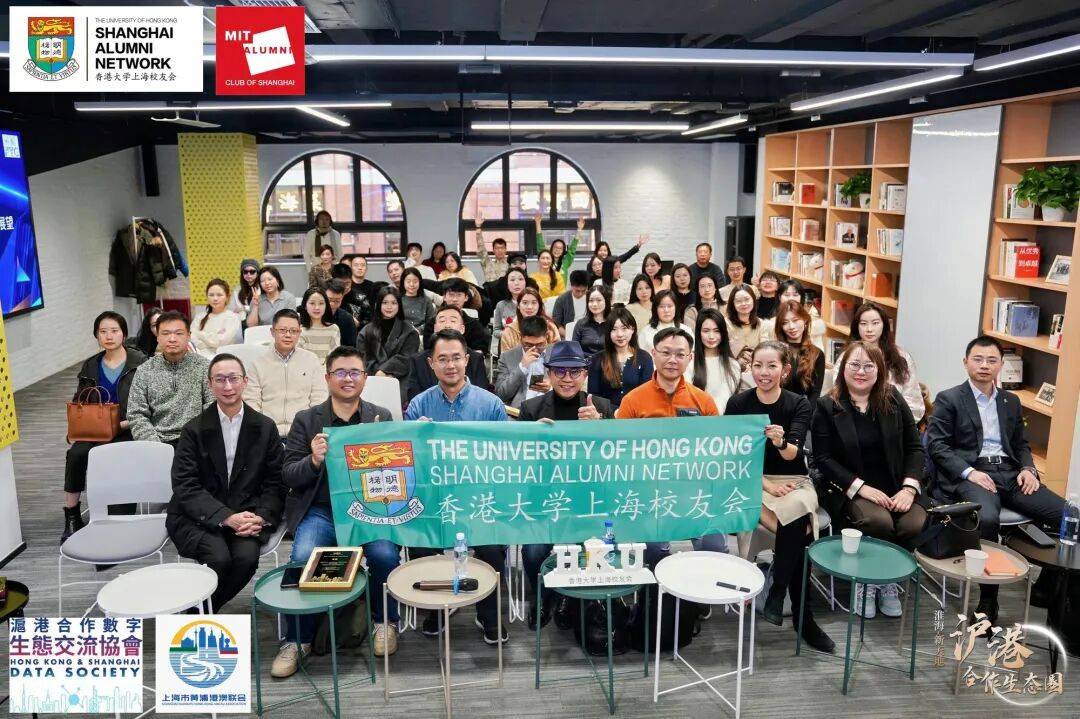
新侨双创在上海 | 赴港上市,科技企业如何做?黄浦这场沙龙为企业打通出海“最后一公里”
Sou Hu Cai Jing· 2026-01-14 12:51
Core Insights - The article emphasizes the importance of Hong Kong as a key hub for technology companies seeking to go public and expand into international markets [1][2] Group 1: Event Overview - The "Technology and Capital Salon" was organized by the MIT Shanghai Alumni Association and the HKU Shanghai Alumni Association, focusing on connecting technology enterprises with global capital [1][2] - The event featured discussions on the latest changes and key opportunities in the Hong Kong market for companies planning to list [2] Group 2: Hong Kong's Advantages - Hong Kong is highlighted as a global hub for innovation and capital, with three core advantages: being the freest economy, attracting talent, and having a favorable legal and tax environment [10] - The Hong Kong government has established teams to assist mainland companies in their overseas ventures, offering services like financing and talent expansion [10] Group 3: Regulatory Considerations - Companies must meet both mainland and Hong Kong regulatory requirements for overseas listings, with a recommendation to prepare compliance in advance to enhance review efficiency [12] - The importance of understanding the regulatory landscape is underscored, especially with the anticipated surge in listings in 2025 [12] Group 4: Market Trends and Opportunities - The Hong Kong stock market is expected to see a surge in listings, with a significant number of companies already queued for IPOs, indicating strong market interest [15] - Technology-driven companies are particularly favored in the Hong Kong market, providing opportunities to bypass domestic competition and connect with international markets [15] Group 5: Industry Focus - Hard technology sectors such as artificial intelligence, biomedicine, and semiconductors are identified as key areas for companies looking to list in Hong Kong, with government support enhancing their prospects [15] - The shift in Hong Kong's economy from real estate to technology and education is noted, suggesting a strategic advantage for companies establishing a presence there [15][17]
今日财经要闻TOP10|2026年1月14日
Xin Lang Cai Jing· 2026-01-14 12:07
5、中信证券:2025年净利润300.51亿元,同比增长38.46% 中信证券公告,2025年营业收入748.3亿元,同比增长28.75%;净利润300.51亿元,同比增长 38.46%。2025年,国内资本市场整体呈上行态势,市场交投活跃度显著提升,投资者信心增强,A股主 要指数均实现上涨。公司积极把握市场机遇,稳步做大客户市场规模,经纪、投资银行、自营业务等收 入均实现较快增长;同时,公司坚定推进国际化布局,深化跨境服务能力,叠加香港市场的良好表现, 公司境外收入实现较快增长。 1、沪深北交易所提高融资保证金比例 2026年1月14日,经中国证监会批准,沪深北交易所发布通知调整融资保证金比例,将投资者融资 买入证券时的融资保证金最低比例从80%提高至100%。2023年8月,沪深北交易所将融资保证金比例从 100%降低至80%,融资规模和交易额稳步上升。近期,融资交易明显活跃,市场流动性相对充裕,根 据法定的逆周期调节安排,适度提高融资保证金比例回归100%,有助于适当降低杠杆水平,切实保护 投资者合法权益,促进市场长期稳定健康发展。需要说明的是,此次调整仅限于新开融资合约,调整实 施前已存续的融资合约及 ...

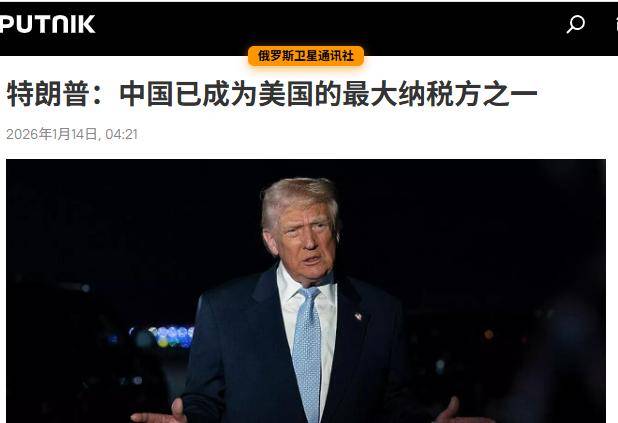
特朗普通报全球,他带领美国赢了中国!话音刚落,中方对美征税
Sou Hu Cai Jing· 2026-01-14 11:19
Group 1 - The article highlights the contradiction in the U.S. narrative regarding trade with China, emphasizing that American consumers and businesses bear the tax burden from tariffs, not Chinese exporters [3][5][21] - It points out that major U.S. tech companies like Nvidia and Intel are lobbying against tariffs while still seeking to sell to China, indicating a dependency on the Chinese market [5][19] - The U.S. government's recent decision to allow the sale of advanced chips to China comes with stringent conditions, reflecting a transactional approach rather than genuine cooperation [7][24] Group 2 - China's response to U.S. tariffs includes imposing anti-dumping duties on U.S. and South Korean solar-grade polysilicon, which is critical for the solar industry, potentially harming U.S. production [11][13] - The article notes that China's solar industry holds over 85% of the global market share, giving it significant leverage over the U.S. solar sector [14][25] - The diversification of agricultural supply sources for China, with countries like Argentina and Brazil strengthening ties, reduces reliance on U.S. agricultural exports [15][17] Group 3 - The narrative suggests that U.S. companies are increasingly reliant on the Chinese market for growth, with significant sales contributions from firms like Nvidia, Apple, and Tesla [21][23] - China's advancements in technology and supply chain capabilities have diminished the effectiveness of U.S. attempts to restrict access to critical components like chips [19][27] - The article concludes that China's market position has evolved to one of strength and choice, challenging the notion that it will passively accept unfavorable trade terms [27][28]