
家电

Search documents
不愿接班:从新加坡到香港,亚洲二代们的“集体逃离”
虎嗅APP· 2026-03-06 09:59
Core Insights - The article discusses the significant wealth transfer occurring in the Asia-Pacific region, estimated at approximately $5-6 trillion, and the challenges faced by family businesses during this transition [4][9]. - It highlights the shift from the "founder era" to the "organizational era," emphasizing the need for structured succession planning and governance [5][25]. Group 1: Wealth Transfer and Succession Planning - Family businesses constitute about 70%-85% of enterprises in most Asia-Pacific economies, playing a crucial role in the regional economy [7]. - A significant risk termed "latent deceleration" is emerging as many founders delay succession planning, with less than one-third having a mature succession plan [8][9]. - The lack of planning could lead to family disputes, liquidity pressures due to inadequate tax planning, and tightened financing conditions due to unclear control arrangements [9]. Group 2: Generational Conflict - The succession process is complicated by differing values between founders and successors, often leading to tensions within family discussions [11]. - Older generations tend to focus on profit reinvestment and market share expansion, while younger successors may prioritize asset optimization and strategic investments [12]. - Globally, only about 15%-20% of family businesses successfully transition to the third generation, highlighting the challenges of intergenerational governance [13]. Group 3: Willingness to Succeed - Approximately 35%-45% of the younger generation express a willingness to take over family businesses, but less than half are fully committed to succession [16]. - In Southeast Asia, the younger generation faces "responsibility pressure," while in Hong Kong, the focus is on career independence and opportunity costs [17][19]. - The decision to succeed is influenced by the perception of identity and reputation, with many young successors preferring to establish independent careers before joining the family business [20]. Group 4: Governance Solutions - To address the misalignment of willingness and capability, family businesses should shift from seeking the "perfect successor" to designing effective governance structures [22]. - The case of Midea Group illustrates the successful separation of ownership and management through the appointment of professional managers, enhancing organizational efficiency [22][23]. - The article emphasizes the importance of family offices and family constitutions in managing wealth and ensuring stability during the generational transition [25].


国内政策VS消费-26年最新政策导向和消费机会解读
2026-03-06 02:02
Summary of Key Points from Conference Call Records Industry and Company Overview - The conference call discusses the macroeconomic policies and consumption opportunities in China for 2026, focusing on the government's growth targets and policy directions. Core Insights and Arguments 1. **Growth Target and Policy Shift**: The growth target for 2026 is set at 4.5% to 5%, with a shift from speed to quality, emphasizing sustainable growth. The expected growth rate over the next five years is projected to remain above 4% [1][3]. 2. **Unified Market Construction**: The construction of a unified market is accelerating, with policies against "involution" and monopolies. Price governance has been initiated, particularly in the automotive sector, aiming to stabilize and gradually increase the Consumer Price Index (CPI) [1][4]. 3. **Consumption Promotion Tools**: The government plans to establish a special fund of 100 billion yuan to stimulate consumption, alongside new school holiday systems to boost cultural and tourism consumption [1][6]. 4. **Service Consumption Focus**: Service-oriented consumption is identified as a key investment theme, with the restaurant industry expected to benefit from the easing of overcapacity and price recovery in 2026 [1][8]. 5. **Tax Reform and Consumption Tax**: Fiscal reforms will focus on shifting the consumption tax collection process, which may impact high-end consumer goods like liquor. This is expected to strengthen the competitive advantage of leading companies with pricing power [1][5][15]. 6. **Export Opportunities**: The logic of going abroad is evolving from manufacturing to branding, with expectations of a beta market starting in May 2026 as currency pressures ease [1][14]. Additional Important Insights 1. **Policy Integration**: The 2026 government work report and the 15th Five-Year Plan outline a more integrated approach to policy, with a clearer framework compared to 2021 [2]. 2. **Investment and Employment Goals**: The investment sector is expected to support a positive cycle of investment, employment, income, and consumption, with a target of creating over 12 million new jobs in 2026 [6]. 3. **Traditional and New Industries**: The 2026 policy emphasizes the importance of traditional industries while also highlighting new sectors like AI and smart economy, indicating a balanced approach to economic development [7]. 4. **Downstream Market Dynamics**: The report notes that the consumption capacity in lower-tier cities is relatively healthy, with lower debt burdens and a strong acceptance of new consumption models [12][13]. 5. **Consumer Behavior Trends**: There is a structural shift in consumption from goods to services, with significant potential in sectors like tourism, dining, and education [8][11]. This summary encapsulates the key points from the conference call, providing insights into the macroeconomic landscape and consumption trends in China for 2026.
投资于人-2026年政府工作报告精神学习
2026-03-06 02:02
Summary of Key Points from Conference Call Records Industry or Company Involved - The conference call primarily discusses the **Chinese economy** and various **industries** including **healthcare**, **retail**, **telecommunications**, **defense**, and **technology** sectors. Core Points and Arguments Economic Growth and Policy Adjustments - The GDP growth target for 2026 is adjusted to **4.5%-5%**, emphasizing high-quality development and risk prevention [2] - The CPI target is set at **2%**, indicating a shift from preventing overheating to guiding price recovery [4] - Fiscal policy remains strong with a broad deficit ratio of **8.1%** and government debt at **11.89 trillion yuan** [5] - The introduction of **8,000 billion yuan** in policy financial tools is expected to stimulate approximately **10 trillion yuan** in investments [6] Sector-Specific Insights - The **healthcare sector** is elevated to a new pillar industry, with a focus on improving payment mechanisms and shifting procurement strategies [3] - The **retail sector** is expected to benefit from policies promoting consumption, particularly through **2,500 billion yuan** in special bonds for upgrading old appliances [10][15] - The **telecommunications sector** is focused on carbon neutrality and the development of clean energy systems [19] Investment Strategies and Market Outlook - The A-share market is anticipated to maintain a **slow bull** trend with profit growth of **5%-10%** and valuation expansion of **10%-20%** [8] - Investment strategies are shifting towards technology and consumption sectors post the two sessions, with a focus on **digital economy** and **green energy** [9] - The **defense sector** is projected to see a **7%** increase in the national defense budget, indicating sustained investment in military capabilities [21] Consumer and Retail Dynamics - The retail sector is expected to see significant upgrades in offline shopping experiences, with a focus on enhancing consumer engagement through various subsidies [10] - The **social services sector** is supported by new policies such as the implementation of spring and autumn holidays, which are likely to boost travel and tourism [12] Healthcare and Pharmaceutical Developments - The government report highlights the healthcare sector's importance, with policies aimed at improving payment systems for innovative drugs and medical devices [16][17] - The shift in procurement strategies from a focus on low prices to quality and clinical value is expected to stabilize pricing in the pharmaceutical sector [17] Technology and Innovation - The **integrated circuit** industry is recognized as a new pillar, with a focus on achieving self-sufficiency and overcoming critical technology bottlenecks [22][23] - **Embodied intelligence** is identified as a future industry, with policies encouraging long-term investments in high-risk technologies [22] Environmental and Regulatory Considerations - The government emphasizes supply-side reforms in industries like steel, focusing on carbon emissions and energy consumption controls [18] - The **solar energy** and **lithium battery** sectors are expected to face stricter regulations aimed at phasing out outdated capacities [20] Other Important but Possibly Overlooked Content - The **retail sector** is highlighted for its potential to drive economic recovery through enhanced consumer spending and government support [11] - The **military intelligence** sector is poised for significant advancements, particularly in developing "smart brains" for military applications [26] - The **6G telecommunications** framework is still in the early stages, with significant developments expected around **2027** [31] This summary encapsulates the key insights and strategic directions discussed in the conference call, providing a comprehensive overview of the economic landscape and sector-specific developments.
联合解读-政府工作报告
2026-03-06 02:02
Summary of Key Points from the Conference Call Industry or Company Involved - The conference call discusses the 2026 Government Work Report, focusing on macroeconomic policies, fiscal and monetary strategies, and their implications for various industries, including technology, real estate, and energy. Core Points and Arguments Economic Growth and Policy Direction - The GDP growth target for 2026 is set at 4.5% to 5.0%, reflecting a shift towards high-quality development and sustainable growth rather than short-term acceleration [2][3] - The emphasis is on maintaining flexibility in achieving better results while avoiding strong cyclical policies to meet growth targets [2][3] Fiscal and Monetary Policy - The scale of policy financial tools is increased from 500 billion to 800 billion, expected to leverage 10-11 trillion in investments [1][3] - The overall fiscal deficit target is approximately 4%, with a slight increase in government debt by 200-300 billion [3][7] - Structural policies are prioritized to support sustainable growth, focusing on efficiency and targeted investments [3][4] Consumer and Investment Policies - Policies aim to enhance residents' income and improve public services to boost domestic demand sustainably [4][5] - The report emphasizes the importance of new technologies, particularly AI and digital economy sectors, in driving future growth [4][5] Capital Market Implications - The report highlights the need for reforms in the capital market, including enhancing direct financing and investor protection mechanisms [5][6] - A shift in A-share market strategy is noted, moving from a single focus on growth to a dual focus on growth and resource stocks, particularly in light of AI and cyclical recovery [6][7] Real Estate Sector Focus - The real estate policy emphasizes controlling new supply and reducing inventory, with a focus on second-hand housing [15][16] - Long-term strategies include reforming housing provident fund systems and optimizing affordable housing supply [15][16] Energy and Environmental Policies - The report outlines a commitment to carbon neutrality, with a target to reduce carbon emissions per unit of GDP by 17% during the "15th Five-Year Plan" [10][35] - New energy storage technologies and green energy initiatives are highlighted as critical areas for development [9][10] Technology and Innovation - The report emphasizes the importance of AI and digital infrastructure, with a focus on promoting AI applications across various sectors [17][30] - There is a strong push for domestic innovation in semiconductor and AI technology, with significant investment expected in these areas [31][32] Other Important but Possibly Overlooked Content - The report indicates a potential increase in the role of monetary policy in supporting macroeconomic stability, especially as fiscal policy becomes less expansive [8][9] - The focus on green energy and sustainable practices is expected to drive investment in related sectors, including renewable energy and energy efficiency technologies [10][35] - The report suggests that the integration of AI and energy systems could lead to significant changes in energy consumption patterns, with AI data centers projected to account for 5% of total electricity demand [9][10] This summary encapsulates the key points from the conference call, highlighting the strategic directions and implications for various sectors as outlined in the 2026 Government Work Report.
中金2026年展望 | ESG:绿色赋能,四位一体
中金点睛· 2026-03-06 00:00
Group 1 - The year 2026 is identified as a critical year for systematic green development in China, focusing on the integration of green principles into energy, manufacturing, consumption, and finance sectors [2][8] - The transition from energy consumption control to carbon emission control will be fully implemented, establishing carbon emission intensity as a core evaluation metric [3][11] - The construction of a new power system and the promotion of green hydrogen as a key decarbonization pathway are highlighted as major trends in energy innovation [3][20] Group 2 - The manufacturing sector is moving from conceptual guidance to practical implementation of green transformation, with zero-carbon parks and factories becoming pilot units for achieving carbon peak [4][23] - The expansion of the carbon market is expected to stabilize, with a focus on covering key industrial emission sectors during the 14th Five-Year Plan [4][32] - The manufacturing industry is encouraged to adopt carbon intensity indicators as core management requirements to accelerate the elimination of high-energy and outdated capacities [4][35] Group 3 - Green consumption is seen as a necessary focus area, with potential for significant growth in sectors such as agricultural products, home appliances, and automobiles [5][39] - The government is expected to implement policies to stimulate green consumption, aligning with the broader goal of expanding domestic demand while achieving sustainability [5][41] - The automotive sector, particularly electric vehicles, is projected to maintain stable growth supported by "trade-in" subsidies [5][43] Group 4 - The development of green finance in China has progressed significantly over the past decade, with green credit leading the way in terms of scale [6][51] - The green finance structure is expected to shift towards direct financing, with an increase in the share of direct financing-related green financial products [6][60] - The current green finance development reflects a potential imbalance with the green industry economy, indicating that green finance may not fully leverage its potential [6][58]

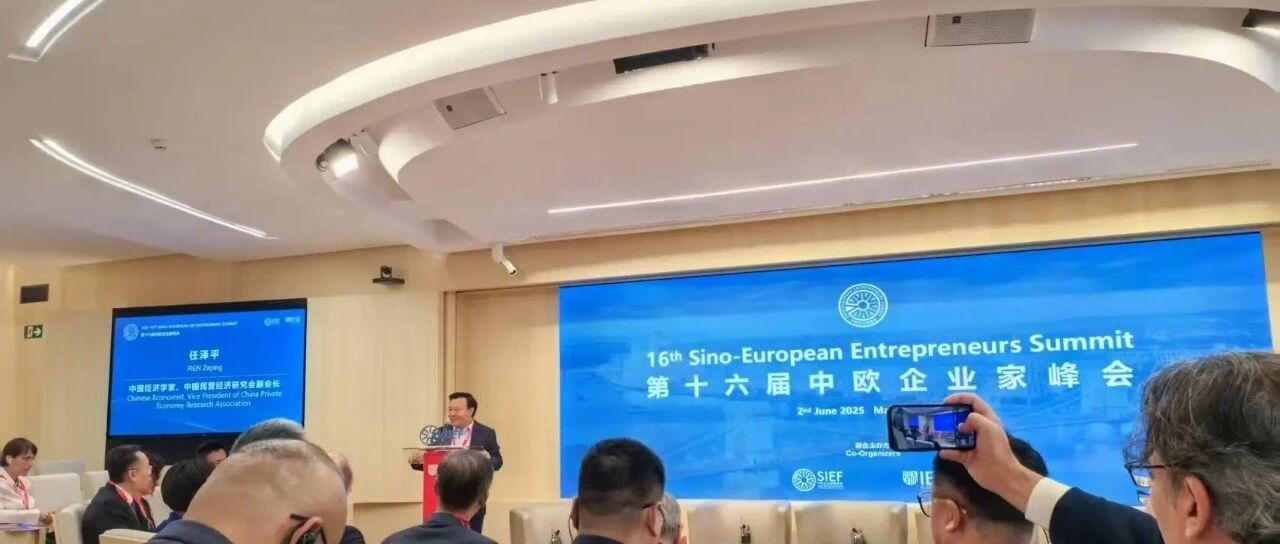
任泽平:游学欧洲的七大印象
泽平宏观· 2026-03-05 16:06
Key Insights - The article highlights significant changes in Europe, particularly in terms of security, economic competitiveness, and social dynamics, as observed during a recent trip to Spain and France [1][2]. Group 1: Security Concerns - Security in Europe is a major concern, with increased warnings about petty crime and a noticeable rise in homelessness and vagrancy in cities like Paris and Madrid [3]. - Comparatively, domestic security in China is perceived to be much better, even in smaller cities [3]. Group 2: Manufacturing and Economic Competitiveness - Chinese manufacturing is thriving globally, with brands like Haier, Hisense, Xiaomi, and BYD gaining visibility in Europe [4]. - European companies express both admiration and fear towards Chinese products, which are seen as high-quality and low-cost, posing a potential threat to local industries if tariffs are eliminated [4]. - The high costs of labor and energy in Europe, exacerbated by the Russia-Ukraine conflict, further diminish its manufacturing competitiveness [4]. Group 3: Innovation and Economic Stagnation - European countries are actively pursuing technological innovation, yet they lag behind the US and China in terms of new technologies and unicorn startups [5][7]. - The article attributes this stagnation to rigid innovation mechanisms and strong union influences that hinder cross-industry innovation [7]. - The European economy has not fully recovered to pre-pandemic levels, relying heavily on luxury goods, tourism, and automotive sectors, with limited entrepreneurial activity among the youth [8]. Group 4: Quality of Life and Social Dynamics - European citizens enjoy a high quality of life, with free education and healthcare, leading to a lifestyle that prioritizes enjoyment over work [10][11]. - The average monthly salary in Spain is around €2,000, with Madrid averaging €3,000, while the cost of living is comparable to major Chinese cities [11][12]. Group 5: Cultural and Legal Aspects - There is a strong emphasis on personal freedom and privacy in Europe, with legal protections favoring women in cases of domestic disputes [13]. - The cultural heritage and civilization level in Europe are highlighted, showcasing a rich history in law, market practices, and respect for individuals [15]. Group 6: Global Trade and Relations - The article critiques the global trade policies initiated by former US President Trump, which are viewed unfavorably in Europe [18]. - European leaders express a desire for collaboration with China to promote free trade, while hoping for a correction in US policies through future elections [18][19]. Group 7: Future Outlook - The article concludes with a positive outlook for China's manufacturing competitiveness, innovation, and overall national strength, emphasizing ongoing support for private enterprises and new infrastructure development [20][21].
中企出海2.0:步入体系化深耕,打造品牌矩阵
第一财经· 2026-03-05 15:36
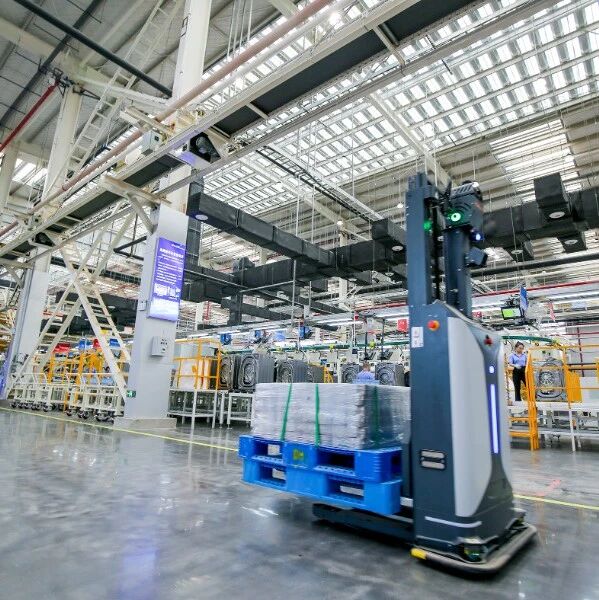
Core Viewpoint - Chinese enterprises are upgrading their global expansion strategies, shifting from "China supplies the world" to "regional supply plus China supplies the world," enhancing their global production layout and supply chain resilience [3][4]. Group 1: Global Supply Chain Layout - Haier's Thailand plant achieved a production milestone of 1 million air conditioners in just six months, utilizing AI and digital technologies to enhance efficiency and responsiveness [6]. - Midea's Thailand factory was recognized as a "lighthouse factory" by the World Economic Forum, with production capacity increasing from 5 million to 6 million units, implementing 72 digital and AI solutions to improve supply chain flexibility [6]. - Hisense is investing 2.1 billion Thai Baht in a new smart air conditioning factory in Thailand, aiming for an annual capacity of 3 million units, as part of its "globalization" and "Local for Local" strategy [6][7]. Group 2: Expansion of Overseas Self-Owned Brand Matrix - TCL and Skyworth are acquiring Japanese brands' TV businesses, indicating a significant increase in Chinese enterprises' global R&D, manufacturing, and marketing capabilities [8][9]. - TCL's market share in global TV shipments is projected to reach 13.8% by 2025, with plans to challenge for the top position following its acquisition of Sony's TV business [10]. - Haier continues to lead in global large home appliance shipments, targeting a 30% market share in Southeast Asia through a robust brand-building strategy [10]. Group 3: Value Chain System Collaboration - Leading companies like Midea, TCL, Haier, and Hisense are increasingly focusing on overseas markets, particularly Southeast Asia, with a growing trend of higher overseas revenue contributions [11]. - These companies are upgrading their competition strategies, aligning product development and market launch timelines with global markets, allowing for faster product releases compared to Japanese competitors [11][12]. - Midea is collaborating with suppliers to enhance logistics and service systems, aiming for a more integrated supply chain approach [12]. Group 4: Transition to Mid-High-End Manufacturing - Chinese manufacturing is transitioning from low-end to mid-high-end capabilities, with significant improvements in R&D, efficiency, and product quality, allowing competition with multinational brands [13]. - In Malaysia, Chinese brands are expected to increase their market share in major appliance categories from 34% in 2024 to 55% by 2026, indicating a strong growth trajectory [13].




消费行业点评报告:政府工作报告,延续对提振消费系统性安排
Zhong Guo Yin He Zheng Quan· 2026-03-05 12:24
Investment Rating - The report indicates a systematic arrangement to boost consumption, aligning with market expectations, and emphasizes the importance of comprehensive plans to enhance consumer purchasing power and optimize the consumption environment [5]. Core Insights - The central government has allocated 150 billion yuan, 300 billion yuan, and 250 billion yuan in special long-term bonds for equipment upgrades and consumer goods replacement from 2024 to 2026, achieving positive results [2]. - Service consumption is expected to grow, with measures to eliminate unreasonable restrictions in the consumption sector, thereby releasing potential in tourism, events, and wellness [2]. - The report anticipates a moderate increase in consumer prices, with a target inflation rate of around 2% for 2026, aiming to improve the overall supply-demand relationship [3]. Summary by Sections Consumption Policy - The government has implemented a series of consumption-boosting measures, including the "New Spring Shopping" campaign, which features various cultural and tourism activities, and the distribution of over 360 million yuan in consumption vouchers [7]. - The first batch of 625 billion yuan in subsidies for replacing consumer goods has been distributed nationwide [7]. Economic Indicators - During the 2026 Spring Festival, domestic travel reached 596 million trips, with total spending of 803.48 billion yuan, marking a year-on-year increase of 19% and 18.7% respectively [3]. - Average daily tourism spending per person decreased by 11.3% year-on-year, indicating a weak recovery in consumer spending [6]. Sector Recommendations - Investment suggestions include hospitality companies such as ShouLai Hotel and JinJiang Hotel, food and beverage firms like DongPeng Beverage and GuoQuan, and agricultural companies such as MuYuan and HaiDa Group [7].
政府工作报告点题先进制造
21世纪经济报道· 2026-03-05 12:14
Core Viewpoint - The article emphasizes the importance of Guangdong's advanced manufacturing industry in response to the government's call for high-quality development, highlighting the integration of advanced manufacturing with service industries to foster innovation and growth [1][6]. Group 1: Government Initiatives and Industry Development - The 2026 government work report outlines a new round of actions for high-quality development in key manufacturing industries, aiming to strengthen industrial foundations and technological advancements [1]. - Guangdong has established 8 national-level advanced manufacturing clusters with a total output value nearing 10 trillion yuan, achieving world-class standards in various products and processes [1][5]. - The province's advanced manufacturing clusters are leveraging AI and data to transform production methods and service models, marking a shift towards intelligent manufacturing [1][13]. Group 2: Technological Innovation and Market Performance - The "AI Eight Steeds" initiative in Shenzhen has led to a 35% revenue increase across the region during the Spring Festival, with specific AI product categories seeing a 55% revenue growth [3][5]. - Guangdong's consumer drone market holds a 95% share of the national market, and 80% of China's exported 3D printers come from the province, showcasing its leadership in emerging industries [5][6]. - The integration of AI and advanced manufacturing is seen as a key driver for innovation, with companies like TCL and ZTE utilizing AI to enhance production efficiency and market predictions [13]. Group 3: Industry Collaboration and Ecosystem Development - The article discusses the need for deeper integration between advanced manufacturing and service sectors, with a focus on collaborative ecosystems that enhance innovation and service delivery [10][11]. - Guangdong's strategy includes using leading enterprises to drive service integration, addressing gaps in high-end services such as R&D and industrial software [10][11]. - The province aims to create a modern industrial system characterized by strong international competitiveness, supported by technological innovation and collaborative efforts [7][10].
政府工作报告,延续对提振消费系统性安排
Yin He Zheng Quan· 2026-03-05 10:52
Investment Rating - The report indicates a systematic arrangement to boost consumption, aligning with market expectations, and emphasizes the importance of comprehensive plans to enhance consumer purchasing power and optimize the consumption environment [5]. Core Insights - The central government has allocated 150 billion yuan, 300 billion yuan, and 250 billion yuan in special long-term bonds for equipment upgrades and consumer goods replacement from 2024 to 2026, achieving positive results [2]. - Service consumption is expected to grow, with measures to eliminate unreasonable restrictions in the consumption sector, thereby releasing potential in cultural tourism, events, and health sectors [2]. - The report anticipates a moderate increase in consumer prices, with a target inflation rate of around 2% for 2026, aiming to improve the overall supply-demand relationship [3]. Summary by Sections Consumption Policy - The government has implemented a series of systematic measures to stimulate consumption, including the "New Spring Shopping" campaign, which involved 9 departments and introduced various promotional activities [7]. - The first batch of 625 billion yuan in subsidies for replacing consumer goods has been distributed nationwide [7]. Consumer Behavior - During the 2026 Spring Festival, domestic travel reached 596 million trips, with total spending of 803.48 billion yuan, marking a year-on-year increase of 19% and 18.7% respectively [3]. - Per capita tourism spending during the Spring Festival was 1,348 yuan, showing a slight decline of 0.2% year-on-year, indicating a weak recovery in consumer spending [6]. Market Dynamics - The report highlights a dual trend of total consumption growth alongside weak per capita consumption, with some service prices showing positive reversals [3][6]. - The average price of domestic economy class flights during the Spring Festival was 1,026 yuan, reflecting increases of 7.1% and 10.1% compared to 2025 and 2019 respectively [6]. Investment Recommendations - The report recommends investments in various sectors, including hospitality (e.g., Shouqi Hotel, Jinjiang Hotel), food and beverage (e.g., Dongpeng Beverage, Guoquan), agriculture (e.g., Muyuan Food), and home appliances (e.g., Midea Group, Haier) [7].