航空发动机

Search documents
华秦科技(688281):GE、普惠提升陶瓷基复材使用比例,公司前瞻性卡位有望打造第二增长极
Orient Securities· 2025-07-16 08:12
Investment Rating - The report maintains a "Buy" rating for the company, with a target price of 66.36 CNY, corresponding to a 42x PE for 2025 [2][4]. Core Views - The company is positioned to benefit from the increasing use of ceramic matrix composites (CMCs) in the aerospace industry, particularly in next-generation engines developed by GE and Pratt & Whitney, which are expected to enhance performance significantly [8]. - The establishment of a subsidiary, Shanghai Ruihua Sheng, aims to capitalize on key aerospace technologies, with the CMC business projected to become a second growth driver for the company [8]. - The stealth materials market presents substantial growth opportunities, with the company expected to benefit from increasing demand driven by new military aircraft production and upgrades in stealth technology [8]. Financial Forecast and Investment Recommendations - Revenue and gross margin adjustments have been made, with projected net profits for 2025 and 2026 revised to 432 million CNY and 589 million CNY, respectively, and a new estimate for 2027 at 758 million CNY [2]. - The company’s revenue is forecasted to grow from 917 million CNY in 2023 to 2,189 million CNY by 2027, reflecting a compound annual growth rate (CAGR) of approximately 24.8% [3]. - The gross margin is expected to stabilize around 50% in the coming years, with net profit margins projected to remain above 30% [3]. Key Financial Information - The company’s earnings per share (EPS) is projected to increase from 1.23 CNY in 2023 to 2.78 CNY in 2027 [3]. - The net asset return (ROE) is expected to improve from 8.4% in 2023 to 13.5% in 2027, indicating enhanced profitability [3]. - The price-to-earnings (PE) ratio is projected to decrease from 48.8 in 2023 to 21.6 in 2027, suggesting a more attractive valuation over time [3].

国海证券晨会纪要-20250716
Guohai Securities· 2025-07-16 01:03
Group 1: Tencent Holdings - The core business continues to show growth resilience, with a focus on the release of AI ecosystem value. The expected revenue for Q2 2025 is 179.6 billion yuan, representing a year-on-year increase of 11% [3] - The gaming segment is projected to grow by 16% year-on-year in Q2 2025, with domestic and overseas growth rates of 16% and 17% respectively [4] - The online advertising business is expected to grow by 20% year-on-year, driven by strong performance in various sectors including video accounts and mini-programs [4] - The financial technology and enterprise services segment is anticipated to grow by 6% year-on-year, with cloud business growth expected to exceed 20% [4] - The adjusted profit forecast for Tencent Holdings for 2025-2027 is 252.3 billion, 282.6 billion, and 314.4 billion yuan respectively, with a target price of 610 HKD [5] Group 2: Aerospace and Energy Industry - The demand for gas turbines and aircraft engines is surging due to increased orders driven by AI data centers, energy transition needs, and military demand [6] - Major players in the gas turbine market, such as Siemens Energy and GE Vernova, report record order backlogs and are expanding production capacity to meet demand [8][9] - The Chinese supply chain is expected to benefit from the demand surge in high-temperature alloys and components, with companies like Zhenhua Co., Longda Co., and others positioned to capitalize on this trend [7][15] - The aerospace engine market is experiencing significant order backlogs, with companies like Rolls-Royce and GE Aerospace reporting substantial increases in their order books [11][12] - The high-temperature alloy industry is rated positively, with expectations of increased demand for key metals like nickel and chromium due to the ongoing aerospace and gas turbine demand [16] Group 3: Alibaba Group - Alibaba is expected to achieve total revenue of 249 billion yuan for FY2026Q1, with a year-on-year increase of 2% [18] - The Taotian Group is projected to see a GMV growth of 5.6% year-on-year, benefiting from national policies aimed at boosting consumption [19] - The international digital commerce segment is expected to grow by 19% year-on-year, driven by strong performance across various platforms [20] - The cloud intelligence group is anticipated to grow by 22% year-on-year, with a focus on public cloud services and improving profitability [21] - The adjusted profit forecast for Alibaba for FY2026-2028 is 1,425 billion, 1,678 billion, and 1,940 billion yuan respectively, with a target price of 119 RMB [22] Group 4: Agricultural Chemicals Industry - The company is expected to achieve a net profit of 260-280 million yuan for H1 2025, representing a year-on-year increase of 719%-782% [24] - The significant improvement in performance is attributed to rising product prices and strong demand for key agricultural chemicals [25] - The company is actively investing in synthetic biology and AI-driven pesticide development, enhancing innovation and product efficiency [26] - The revenue forecast for the company for 2025-2027 is 4.875 billion, 5.250 billion, and 5.607 billion yuan respectively, with a "buy" rating maintained [26]



航发动力:通航动力产业跃升 擎动低空经济新未来
Zheng Quan Shi Bao Wang· 2025-07-14 01:53
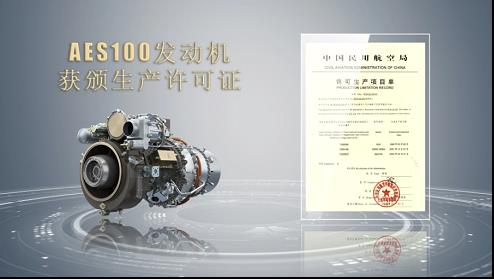
Group 1 - The core strategy of the company is to implement a collaborative development approach for military and civilian aircraft, as well as domestic and international markets, focusing on the low-altitude economy and general aviation engine market [1] - The company has achieved significant results in the first half of 2025, particularly in the development of the AES100 engine, which meets international airworthiness standards and has overcome over 200 core technologies [3] - The AES100 engine has received a production license from the Civil Aviation Administration of China in April 2025, marking its transition to industrial mass production [3] Group 2 - Following the success of the AES100, the company has developed the AEP100 turboprop engine, which has a power output of 900 kW and is designed for various aircraft types, showcasing strong performance and market potential [4] - The AEP100 engine has been recognized in the market, with its initial delivery for the W5000 unmanned cargo aircraft in June 2025, indicating a significant step towards commercialization [4] - The company is actively engaging with domestic general aviation platforms to analyze application scenarios and customer needs for the AEP100 engine, aiming to promote the localization of aviation power systems [4] Group 3 - The company plans to strategically allocate resources to proactively explore both domestic and international markets, aiming for continued success in the general aviation power brand [5]


美国怎么就被中国稀土卡了脖子?原因你肯定想不到
Guan Cha Zhe Wang· 2025-07-12 01:33
Group 1 - The U.S. Department of Commerce restored export licenses for EDA software, aviation equipment, and engines to China, marking the end of a recent ban that began in late May [1][2] - The trade dispute escalated with tariffs increasing by 125% between the U.S. and China, leading to significant trade disruptions [2][4] - The U.S. government's ban on exports was a response to China's tightening of rare earth controls, which the U.S. viewed as a retaliatory measure [2][4] Group 2 - China's strict management of rare earth exports is aimed at preventing strategic resources from being used against its interests, creating a counterbalance in negotiations [4][5] - U.S. companies, particularly in the automotive sector, face supply chain disruptions due to China's rare earth export controls, which could lead to production halts [4][6] - The U.S. has relied on smuggling to obtain rare earth materials, but recent crackdowns by China threaten this supply route [6][10] Group 3 - The U.S. export ban on ethane, EDA software, and aviation equipment may backfire, as it could also harm U.S. exports and industries reliant on these markets [12][13] - EDA software is critical for semiconductor design, but China has made significant strides in developing its own alternatives since facing U.S. sanctions [13][18] - The C919 aircraft's engine options include domestically developed alternatives, such as the AEF1200, which is positioned to meet the aircraft's power requirements [15][16][18] Group 4 - The AEF1200 engine, derived from the WS20 military engine, is designed to compete with established Western models like the CFM56, showcasing China's advancements in aviation technology [15][16] - China's approach to building a self-sufficient supply chain in response to U.S. sanctions reflects a long-term strategy to mitigate risks associated with foreign dependencies [18][19] - The recent approval of rare earth exports to major U.S. automakers under strict conditions indicates a strategic compromise to ensure the continued development of China's aviation industry [18]

第五届智荟中欧·北京论坛|全球经贸格局重构下的企业策略解读
Cai Jing Wang· 2025-07-11 08:25
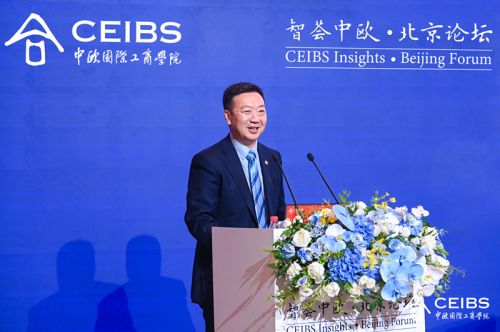
Core Insights - The global economic and trade landscape is undergoing significant structural adjustments, with challenges arising from geopolitical tensions, trade barriers, financial volatility, and technological changes [1][3] - Companies need to develop resilience, innovate, and create safer global supply chains while leveraging regional cooperation and exploring emerging markets to secure value and influence in uncertain international markets [3][4] Group 1: Globalization Challenges and Strategies - The future of globalization is characterized by resilience, integration, innovation, and rules, necessitating companies to move beyond traditional thinking [3] - The systemic decline in investment returns globally, particularly in the U.S., raises questions about the sustainability of growth policies and their impact on efficiency [4][6] - The U.S. trade deficit is exacerbated by debt reliance, and tariffs may not effectively address trade imbalances, highlighting the importance of adapting supply chains [6] Group 2: Digital Currency and Regulatory Insights - The rise of stablecoins is reshaping the monetary landscape, with regulatory frameworks emerging to ensure their stability and utility as payment tools [7][8] - China is encouraged to accelerate the development of its digital currency to compete with stablecoins, emphasizing the need for effective legislation and international coordination [8] Group 3: Localization and Global Operations - Companies like GE Aviation emphasize the importance of localization in their success in China, with significant investments in local talent and infrastructure [11] - Ganfeng Lithium's global expansion reflects the necessity for Chinese firms to respect local cultures and regulations while leveraging their competitive advantages [11] - Lenovo's strategy combines Chinese manufacturing strengths with digital management to navigate global market uncertainties [12] Group 4: Internationalization and Corporate Strategies - China National Petroleum Corporation's internationalization strategy involves a three-phase approach, focusing on global standardization while maintaining local responsiveness [13] - The need for Chinese enterprises to innovate beyond mere product exports to achieve sustainable growth is highlighted, with examples of successful international strategies [17] Group 5: Economic Outlook and Future Growth - Despite challenges, global trade has maintained a stable share of GDP, with China showing strong performance in exports, although structural issues remain [16] - The future of China's economy relies on both macroeconomic policy adjustments and the ability of enterprises to find differentiated paths in the new phase of globalization [17]
“新”潮奔涌驱动产业无界生长
Xin Hua Ri Bao· 2025-07-09 21:58
Core Viewpoint - The article highlights the significant progress in the Jiangdu High-tech Zone, emphasizing the transformation of traditional industries, the emergence of new industries, and the strategic layout for future industries, all supported by a favorable business environment. Group 1: Traditional Industries "Revitalization" - Jiangdu High-tech Zone is witnessing a transformation in traditional industries, with companies like Jiangsu Rongtai Industrial Co., Ltd. securing exclusive supply agreements with major automotive firms like BYD, generating annual orders of 300 million yuan [1] - The zone's first listed company, Rongtai Industrial, exemplifies the successful transition of traditional industries, with other companies like Yawey Co., Ltd. investing 2 billion yuan in advanced manufacturing projects [1][2] - A significant portion of the 227 industrial enterprises in the park are traditional industries, with 140 classified as high-tech enterprises, indicating a shift towards innovation within traditional sectors [2] Group 2: Emerging Industries "Cluster Development" - The launch of the world's first ultra-thin enhanced film production line by Yangzhou Boheng New Energy Materials Technology Co., Ltd. marks a breakthrough in the new materials sector, enhancing lithium battery safety and reducing weight [3] - The Jiangdu High-tech Zone has established a "project service team" to streamline processes for new projects, resulting in an average annual revenue growth of 35% for emerging industries, increasing their contribution from 5.3% to 18% of total revenue [3] Group 3: Future Industries "Strategic Layout" - The establishment of a low-altitude economy talent training base and the development of a high-altitude tethered lighting drone by Yuhang Jichuang Aviation Technology Co., Ltd. exemplify the region's focus on future industries, with expected annual output value of 300 million yuan [4][5] - The zone is also advancing in aviation technology and artificial intelligence, with projects aimed at enhancing capabilities in power inspection and emergency rescue [5] - The Jiangdu High-tech Zone aims to optimize its business environment and infrastructure to support high-quality project development and regional economic growth [5]



国际低空经济博览会本月举行
Zheng Quan Shi Bao· 2025-07-09 18:26
Group 1 - The 2025 International Low Altitude Economy Expo will be held from July 23 to 26, covering an area of 60,000 square meters and expecting over 50,000 visitors [1] - Nearly 300 exhibitors, including well-known companies such as DJI, Puzhou, and China Post Express Logistics, will participate in the expo [1] - The number of low-altitude economy enterprises has rapidly increased, with 4,885 companies established in 2024 and 4,356 in the current year, nearing last year's total [1] Group 2 - The low-altitude economy in China reached a scale of 505.95 billion yuan in 2023, with a growth rate of 33.8%, and is expected to exceed 1 trillion yuan by 2026 and reach 2 trillion yuan by 2030 [2] - The civil drone industry in China reached a scale of 117.43 billion yuan in 2023, with consumer drones holding 74% of the global market share and industrial drones over 55% [2] - Low-altitude economy concept stocks have shown an average increase of 10.15% this year, with notable performers including Aerospace Nanhu and Tianshan Electronics, with increases of 123.65% and 87.15% respectively [2] Group 3 - Zongshen Power has forecasted a net profit of 479 million to 564 million yuan for the first half of the year, representing a year-on-year growth of 70% to 100% [3] - The median rolling price-to-earnings ratio for low-altitude economy concept stocks is 56.96 times, with only a few stocks, such as Design Institute and China Communications Design, having a rolling P/E ratio below 20 times [3] - 34 low-altitude economy concept stocks have been investigated by institutions this year, accounting for nearly 50% of the total, with nine stocks receiving over 100 institutional inquiries [3] Group 4 - Zhongke Chuangda has accumulated relevant technology in the low-altitude economy field, including IoT sensors, communication technology, and advanced navigation algorithms [4]


魔法原子推出高动态双足人形机器人MagicBot Z1;湖北人形机器人加速“添丁”丨智能制造日报
创业邦· 2025-07-09 03:05
Group 1 - MagicLab launched a new bipedal humanoid robot, MagicBot Z1, equipped with 3D Lidar, depth cameras, and dual cameras, enabling autonomous movement in complex environments [1] - PwC reported that by 2035, approximately 32% of global semiconductor capacity may face copper supply disruption risks due to climate change, a fourfold increase from current levels [3] - Wuhan Gelanruo Intelligent Robot Co., Ltd. is finalizing the development of new models of its "Laborer" series humanoid robots, which are designed for power inspection and operation [3] Group 2 - Zhuzhou Lushong China Aviation Engine Research Institute successfully completed the first flight verification of a 3D-printed lightweight micro turbojet engine, marking significant progress in the integration of design and manufacturing technologies in aviation [4]

中方连续3个月拒买美石油,特朗普等不及访华,8艘船只开往中国
Sou Hu Cai Jing· 2025-07-07 04:02
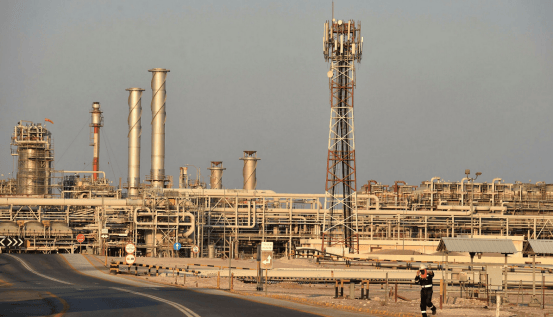
Group 1 - The core issue is the significant decline in U.S. crude oil exports to China, marking the longest period of zero purchases since 2018, which poses a survival threat to U.S. shale oil producers [1] - The price of West Texas Intermediate (WTI) crude oil has fallen below $70 per barrel due to dual pressures, with OPEC considering increasing production, further squeezing market space [1] - The crisis is extending from oil fields to the job market, as refineries are forced to cut production and the throughput at Gulf Coast ports is shrinking [1] Group 2 - China is diversifying its energy sources, securing oil from Russia, Canada, and the Middle East, while exploring de-dollarization in oil transactions with Iran, thereby reducing U.S. influence over the global energy market [3] - The U.S. government has responded to the situation by easing restrictions in key sectors, including allowing General Electric to resume supplying engines to Chinese companies, indicating a potential thaw in trade tensions [3][5] - The trade standoff reflects a clash of international order perspectives, with China's actions demonstrating a break from zero-sum thinking in resource management [6] Group 3 - The 90-day tariff suspension period poses a critical challenge for the U.S. shale oil industry, as failure to negotiate energy and technology exchanges could trigger systemic crises due to accumulated debts [8] - The movement of eight ethane ships to China symbolizes a potential breakthrough in trade relations, but a genuine resolution requires moving beyond resource competition to mutual benefit [8]
对中国连退3步后,特朗普将通电全球正式开打,越南率先“投降”
Sou Hu Cai Jing· 2025-07-06 08:04
Group 1 - The Trump administration has recently made significant concessions to China by lifting export restrictions on high-tech products such as chip design software, ethane, and jet engines, indicating a shift in trade policy [1][3][8] - The U.S. Treasury Secretary has called for China to address issues related to rare earth materials, further emphasizing the administration's need to negotiate rather than maintain a hardline stance [1][3] - Vietnam has signed a "tiered tariff agreement" with the U.S., which imposes a 20% tariff on goods exported to the U.S. and a 40% tariff on goods transshipped from China through Vietnam, reflecting the pressure from the Trump administration [5][11][15] Group 2 - The reduction of tariffs from 46% to 20% for Vietnam appears to be a victory, but it may lead to increased competition from U.S. goods, potentially harming local Vietnamese businesses [7][11] - The U.S. plans to send letters to over 170 countries detailing the tariffs they will face, with expected rates between 20% and 30%, indicating a more structured approach to trade negotiations [7][8] - Vietnam's strategy to quickly sign an agreement with the U.S. may backfire, as it could serve as a template for the U.S. to impose similar terms on other countries, undermining Vietnam's position in the region [13][15][17]