
智能手机

Search documents
小米集团-W(01810):等待基本面拐点,AI战略图景显化
Shenwan Hongyuan Securities· 2026-03-26 09:03
Investment Rating - The report maintains a "Buy" rating for Xiaomi Group [1] Core Insights - The report highlights the need to wait for a fundamental turning point, with a clearer picture of the AI strategy emerging [6] - Xiaomi's performance in Q4 2025 shows revenue of 116.9 billion RMB, a year-on-year increase of 7%, while adjusted net profit decreased by 24% [8] - The report anticipates a decline in smartphone shipments to 150 million units in 2026, a 9% year-on-year decrease, with an average selling price (ASP) increase of 5% [8] - The IoT segment is expected to see revenue growth of 10% in 2026, despite short-term challenges [8] - The report projects a total revenue of 504.8 billion RMB for 2026, with a net profit of 33.4 billion RMB, reflecting a 15% decrease from previous estimates [8] Financial Data and Profit Forecast - Revenue projections for Xiaomi Group are as follows: - 2024: 365.9 billion RMB - 2025: 457.3 billion RMB - 2026E: 504.8 billion RMB - 2027E: 593.0 billion RMB - 2028E: 698.0 billion RMB - The expected year-on-year growth rates are 35% for 2024, 25% for 2025, 10% for 2026, 17% for 2027, and 18% for 2028 [7] - Adjusted net profit forecasts are: - 2024: 27.3 billion RMB - 2025: 39.2 billion RMB - 2026E: 33.4 billion RMB - 2027E: 41.4 billion RMB - 2028E: 51.4 billion RMB [7] Business Segments - The smartphone segment is projected to generate revenue of 178 billion RMB in 2026, with a decline in shipments and a decrease in gross margin to 8% [8] - The IoT segment is expected to achieve revenue of 135.5 billion RMB in 2026, with a focus on high-end products and international expansion [8] - Internet services are forecasted to reach 41.2 billion RMB in revenue for 2026, maintaining a gross margin of 77% [8] - The electric vehicle segment aims for deliveries of 550,000 units in 2026, with a gross margin of 24.3% [8] Valuation and Target Price - Based on a sum-of-the-parts (SOTP) valuation, the target valuation for Xiaomi Group is set at 986.7 billion RMB, indicating a potential upside of 33% from the current market value [15]

华泰证券今日早参-20260326
HTSC· 2026-03-26 02:02
Group 1 - The report highlights concerns over global "stagflation," with market expectations shifting towards potential interest rate hikes within the year, leading to adjustments across various asset classes [2] - The analysis of 62 multinational companies operating in China indicates that 51% of them expect improved performance in Q4 2025, while 40% foresee potential declines [3] - Sectors such as finance, consumer goods, and healthcare show higher optimism regarding future performance, with notable growth in paint, food and beverage, and high-end beauty segments [3] Group 2 - The automotive sector report indicates that the economic viability of electric vehicles (EVs) compared to fuel vehicles is improving, particularly in Europe and Southeast Asia, which are expected to drive EV penetration [4] - The report on China Pacific Insurance shows a significant profit increase, with a net profit of HKD 27.1 billion in 2025, reflecting a 221% year-on-year growth, driven by improved investment performance [5] - China Telecom's revenue reached CNY 523.9 billion in 2025, with a net profit of CNY 33.2 billion, indicating a modest growth trajectory despite challenges in revenue acceleration [5] Group 3 - Yancoal Australia is positioned to benefit from a new cycle of coal prices, with production expected to reach historical highs in 2025, capitalizing on geopolitical tensions [6] - Kingsoft Office reported a revenue of CNY 5.929 billion in 2025, driven by successful AI strategy implementation, with a notable increase in active users [7] - Beijing Enterprises Water Group's revenue decreased to CNY 22.06 billion in 2025, but free cash flow significantly improved, indicating potential for future dividend increases [8] Group 4 - Yuyuan Group's revenue fell to CNY 36.37 billion in 2025, with a net loss of CNY 4.9 billion, attributed to asset impairment during its restructuring phase [9] - Kunlun Energy's revenue reached CNY 193.98 billion in 2025, with a proposed dividend of CNY 0.3198 per share, reflecting a commitment to shareholder returns despite a decline in net profit [9] - The report on 361 Degrees shows a revenue increase to CNY 11.15 billion in 2025, with a net profit of CNY 1.31 billion, supported by strong brand positioning and e-commerce growth [17] Group 5 - The report on China Chemical indicates a revenue of CNY 190.1 billion in 2025, with a net profit of CNY 6.44 billion, benefiting from successful execution of overseas projects and improved gross margins [32] - The analysis of Nongfu Spring reveals a revenue of CNY 52.55 billion in 2025, with a net profit of CNY 15.87 billion, driven by strong performance in packaged water and ready-to-drink tea segments [30] - The report on Ruifeng Power highlights a revenue of CNY 3.1 billion in 2025, with a net profit of CNY 410 million, reflecting growth in the clean energy sector [31]
2026年第47期:晨会纪要-20260326
Guohai Securities· 2026-03-26 01:54
Group 1: Xiaomi Group Analysis - Xiaomi Group reported a revenue of approximately 457.29 billion yuan for 2025, representing a year-on-year growth of 24.97% and an adjusted net profit of approximately 39.17 billion yuan, up 43.8% year-on-year [3][4] - The smartphone segment experienced a revenue decline of 2.8% year-on-year, with a total revenue of approximately 186.4 billion yuan in 2025, primarily due to reduced shipments in the Indian market and lower average selling prices (ASP) in emerging markets [4] - The IoT and lifestyle products segment saw a revenue of approximately 1,232 billion yuan in 2025, growing 18.3% year-on-year, but faced a decline in Q4 2025 due to reduced national subsidies and increased competition [5] - The smart electric vehicle segment delivered approximately 410,000 new vehicles in 2025, with a revenue of approximately 103.3 billion yuan, marking a significant year-on-year growth of 221.8% [5][6] - Xiaomi continues to invest heavily in AI, with plans to exceed 200 billion yuan in R&D spending over the next five years, aiming to become a global leader in core technology [6][7] Group 2: Yuntianhua Analysis - Yuntianhua reported a revenue of 48.415 billion yuan for 2025, a decrease of 21.47% year-on-year, with a net profit of 5.156 billion yuan, down 3.40% year-on-year [10][12] - The company faced pressure from rising sulfur prices, which impacted domestic phosphate fertilizer sales, while overseas phosphate prices increased significantly, leading to improved margins in international sales [12][14] - In Q4 2025, Yuntianhua's revenue was 10.816 billion yuan, down 27.56% year-on-year, with a net profit of 427 million yuan, reflecting a significant decline due to increased costs and reduced sales [11][14] - The company has a phosphate resource reserve of nearly 800 million tons and has recently acquired mining rights for a new phosphate mine, which is expected to enhance its production capabilities [17][19] - Yuntianhua plans to distribute a cash dividend of 12 yuan per 10 shares, totaling approximately 2.188 billion yuan, which represents 49.50% of its net profit for 2025 [18][19] Group 3: HeYu-B Analysis - HeYu-B's report highlights its efficient small molecule R&D platform, which is expected to continue producing FIC/BIC molecules, driving long-term growth [22][23] - The company’s lead product, Pimitinib, has shown a 76.2% overall response rate in clinical trials and is set to launch commercially in 2026, marking a significant milestone for the company [22][23] - The platform's unique capabilities in targeting and molecular structure optimization are expected to provide a competitive edge in the biotech market, particularly in the liver cancer segment [22][23]

无惧短期阵痛,高盛坚定看好小米:AI有望打开价值空间,AIoT提供安全垫
硬AI· 2026-03-25 15:18
Core Viewpoint - Goldman Sachs believes that despite facing rising memory costs and pressure from R&D investments in electric vehicles, Xiaomi demonstrates strong resilience through its "backbone profit" from internet services and AIoT, projected to reach RMB 33.6 billion by 2026 [2][5]. Financial Performance - Xiaomi's Q4 revenue grew by 7% year-on-year, slightly above Goldman Sachs' estimate of 1%, while adjusted net profit fell by 24%, aligning with market expectations [3]. - Following the earnings report, Goldman Sachs slightly adjusted its revenue and adjusted net profit forecasts for 2026-2028 down by 1% to 2%, maintaining a target price of HKD 41 [3][11]. AI Strategy - Xiaomi plans to invest a total of RMB 60 billion in AI over the next three years, with approximately RMB 16 billion allocated for 2026 [5][9]. - The company has seen a significant increase in market share for its large language models, rising from 7.7% to 19% in a week, surpassing competitors like Google and OpenAI [5][9]. Backbone Profit - Goldman Sachs introduced the "backbone profit" framework to assess Xiaomi's profit resilience, estimating it at RMB 33.6 billion for 2026, which is 110% of the projected adjusted net profit of RMB 30.2 billion [11]. - The backbone profit includes net profits from internet services, AIoT, and other revenues, providing a solid foundation for the company's valuation [11]. Mobile Business - Xiaomi's mobile business faces ongoing pressure from rising memory prices, with a notable decline in gross margin by 3.8 percentage points year-on-year to 8.3% [7][13]. - The company is proactively managing costs by locking in supply and increasing inventory levels, with raw material inventory up by 67% year-on-year [13]. Electric Vehicle Business - The electric vehicle segment shows strong momentum, with the SU7 model receiving 30,000 orders within three days of its launch [15]. - Goldman Sachs projects 600,000 electric vehicle deliveries for 2026, slightly above the company's guidance of 550,000 [15]. AIoT Business - The AIoT segment is expected to see a slight revenue decline of 2% in 2026, with domestic revenue down by 14%, but overseas revenue is projected to grow by 27% [17]. - Management remains optimistic about long-term growth in AIoT, with plans to expand its retail network significantly by the end of 2026 [17].


小米集团-W(01810):2025年度业绩点评:2025年汽车经营利润扭亏为盈,关注手机毛利率压力及AI战略落地
EBSCN· 2026-03-25 12:25
Investment Rating - The report maintains a "Buy" rating for Xiaomi Group (1810.HK) [6] Core Insights - In 2025, Xiaomi Group achieved a revenue of 457.3 billion CNY, representing a year-on-year growth of 25.0%, and a Non-IFRS net profit of 39.2 billion CNY, up 43.8% year-on-year [1] - The company’s smart electric vehicle and AI segments generated over 100 billion CNY in revenue for the first time, achieving an annual operating profit of 900 million CNY [1] - The smartphone business faced challenges with a revenue decline of 2.8% year-on-year, attributed to a slight drop in shipment volume and increased core component costs impacting gross margins [2] - The IoT and lifestyle products segment saw robust growth, with a revenue increase of 18.3% year-on-year, although Q4 experienced a slowdown due to subsidy reductions [3] - The automotive business delivered 411,082 vehicles in 2025, marking a 200.4% increase year-on-year, and the launch of the new Xiaomi SU7 series is expected to drive further growth [4] - The report highlights the integration of AI strategies across the company's ecosystem as a key growth driver in the AI era [4] Summary by Sections Financial Performance - In 2025, Xiaomi Group's total revenue reached 457.3 billion CNY, with a Non-IFRS net profit of 39.2 billion CNY, reflecting significant growth compared to the previous year [1] - The smartphone segment generated 186.4 billion CNY in revenue, down 2.8% year-on-year, with a gross margin of 10.9%, a decrease of 1.7 percentage points [2] - IoT and lifestyle products revenue reached 123.2 billion CNY, up 18.3% year-on-year, with a gross margin of 23.1% [3] - The automotive segment reported revenue of 106.1 billion CNY, a remarkable increase of 223.8% year-on-year, achieving a gross margin of 24.3% [4] Future Outlook - The report projects a decline in Non-IFRS net profit for 2026 and 2027 to 32.0 billion CNY and 41.6 billion CNY, respectively, due to rising upstream costs and market competition [5] - Despite short-term challenges in the smartphone segment, the strong performance of the automotive business and the integration of AI strategies are expected to open new growth avenues [5]
资金动向|北水净买入港股223亿港元,大手笔加仓泡泡玛特、美团和阿里
Ge Long Hui· 2026-03-25 11:59
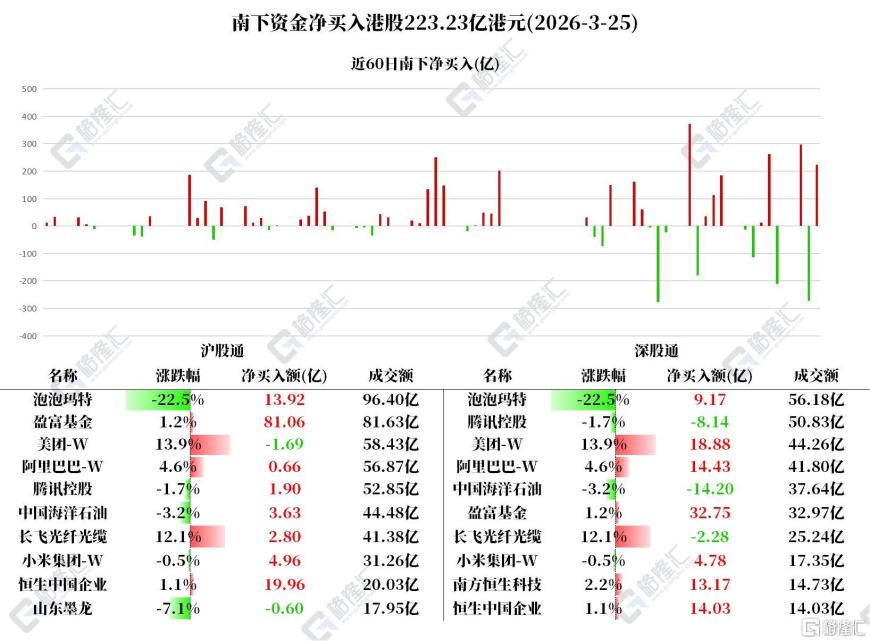
Group 1 - The net buying amounts for various companies include: 11.38 billion for Yingfu Fund, 3.399 billion for Hang Seng China Enterprises, 2.309 billion for Pop Mart, 1.719 billion for Meituan-W, 1.508 billion for Alibaba-W, 1.317 billion for Southern Hang Seng Technology, and 0.973 billion for Xiaomi Group-W [1] - The net selling amounts include: 1.057 billion for China National Offshore Oil Corporation and 0.624 billion for Tencent Holdings [1] - Southbound funds have continuously net bought Pop Mart for three days, totaling 3.44988 billion Hong Kong dollars [3] Group 2 - Pop Mart International Group reported a revenue of 37.12 billion in 2025, a year-on-year increase of 184.7%, with adjusted net profit of 13.08 billion, up 284.5% [4] - The LABUBU family generated revenue of 14.16 billion, while the Chinese market revenue reached 20.85 billion, growing by 134.6% [4] - Meituan and Alibaba's stock prices surged following a commentary article discussing the negative impact of price wars in the food delivery industry on both restaurant owners and consumers [4] Group 3 - Xiaomi Group's new generation SU7 sold 15,000 units in 34 minutes, with over 30,000 units sold in three days, indicating strong demand [5] - Xiaomi aims to deliver 411,000 vehicles in 2025 and 550,000 in 2026, with plans to invest 60 billion in AI over the next three years [5] - Tencent announced the launch of its AI-native application Yuanbao, which now has a desktop version that supports multi-device message synchronization and file sharing [5]

为什么是中国?iPhone增长逻辑的最后拼图
美股研究社· 2026-03-25 11:50
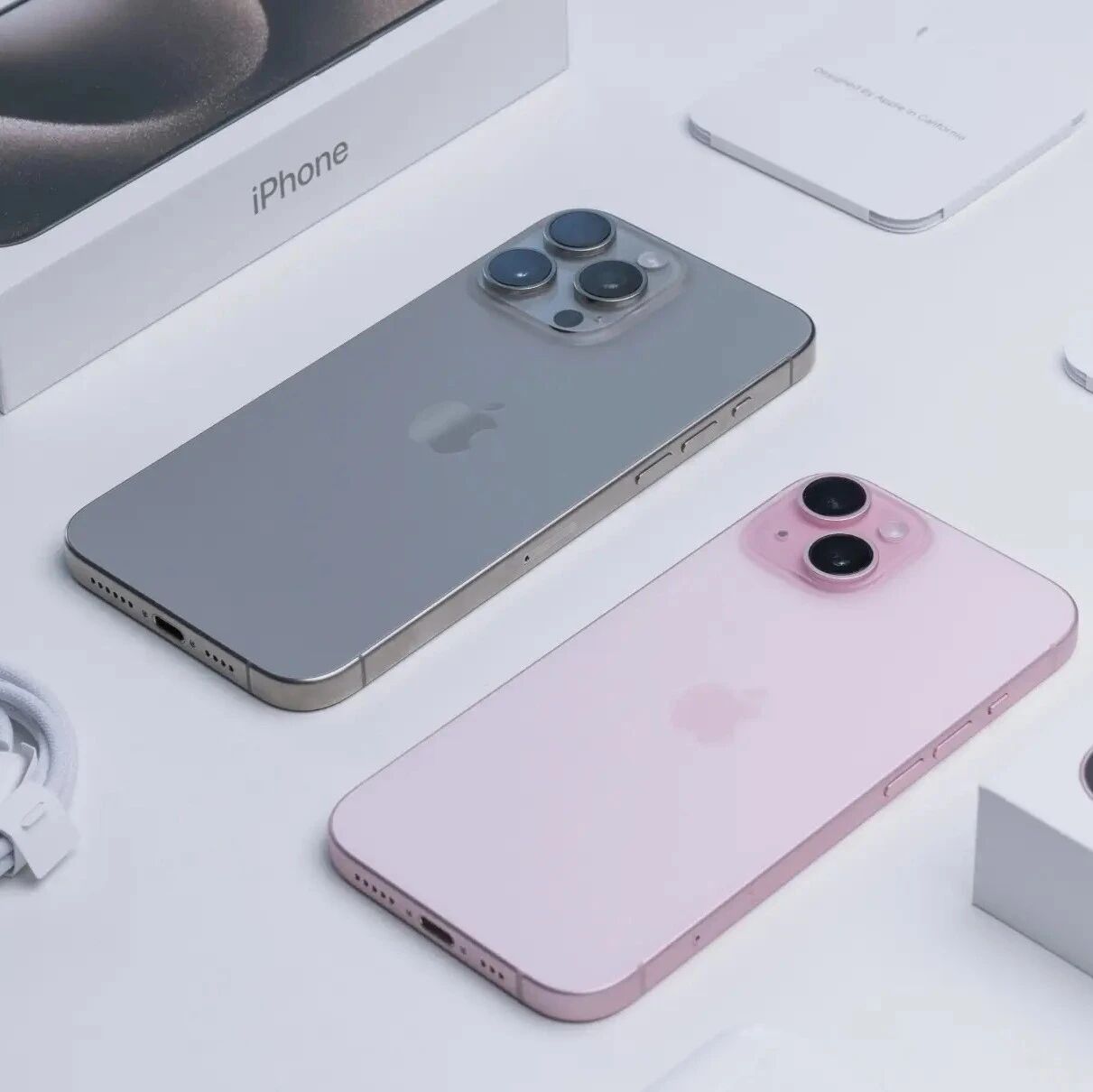
Core Viewpoint - The smartphone market is transitioning from a growth phase driven by technology to a focus on user upgrade cycles, particularly in China, which is experiencing a unique demand recovery despite global stagnation [1][2][3]. Group 1: Market Dynamics - Global smartphone shipments have been declining for several quarters, indicating the end of the golden era for smartphones [2]. - In contrast, a Morgan Stanley survey shows that iPhone purchase intentions have reached an all-time high, primarily driven by the Chinese market [3][5]. - The average upgrade cycle in North America and Western Europe has extended to over 40 months, while the Chinese market is experiencing a "spring effect" where pent-up demand is set to be released as economic conditions improve [5][11]. Group 2: Consumer Behavior - Chinese consumers are increasingly accepting high-end models, focusing on brand, imaging, and ecosystem experiences, which positions Apple as a key growth driver [5][6]. - The shift in consumer psychology towards rewarding themselves with new devices has made Apple the preferred choice for many [6][9]. Group 3: Competitive Landscape - Apple's potential entry into the foldable smartphone market could redefine industry standards, leveraging its product definition capabilities [8]. - The brand's ecosystem, including iOS and app integration, creates a strong competitive moat in the high-end market [8][9]. - The demand for AI features has not significantly influenced upgrade decisions, indicating that hardware and user experience remain the primary drivers for consumers [9]. Group 4: Supply Chain and Pricing - Rising storage chip prices due to increased AI demand are reshaping the cost structure of smartphones, benefiting high-end manufacturers like Apple who can pass on costs to consumers [10][11]. - The competitive pressure on Android manufacturers, who struggle with profit margins, may further enhance Apple's market share in the high-end segment [11][12]. - Apple's significant order volume gives it leverage in the supply chain, ensuring it can maintain output levels amidst rising costs [12]. Group 5: Investment Implications - The Chinese market is becoming a critical variable for Apple, not just due to demand recovery but also as a testing ground for high-end branding and supply constraints [14]. - Investors should focus on structural differentiation rather than total shipment volumes, as opportunities lie in companies that can capture the largest share of the existing market [14].

手机全面涨价,这回有得等了
创业邦· 2026-03-25 10:44
Core Viewpoint - The recent price increases in smartphones are primarily driven by the soaring costs of storage chips, which have seen a dramatic rise due to increased demand from AI infrastructure and limited supply from major manufacturers [6][9]. Group 1: Price Adjustments - OPPO initiated the first wave of price adjustments for its A series, K series, and some OnePlus models, followed by vivo and other brands like Redmi and Honor [5][6]. - The price hikes are particularly pronounced in the mid-range segment, with many models seeing increases of 100 to 1000 yuan [8][16]. Group 2: Impact of Storage Chip Prices - The price surge in storage chips has disproportionately affected mid-range smartphones, which have less cost elasticity compared to high-end models [9][13]. - For instance, the storage cost for the iPhone 17 Pro Max is approximately 300 yuan, which is negligible for its overall price, while for mid-range devices, storage costs can account for up to 43% of the BOM [13][14]. Group 3: Market Dynamics - The current market dynamics show that brands with a higher proportion of low-end models face greater pressure from rising costs, leading to a necessity for price increases [14][27]. - In contrast, brands like Huawei and Apple have managed to lower prices on some models, indicating a different strategy in response to market conditions [15][18]. Group 4: Historical Context - The current storage chip price cycle is reminiscent of the 2016-2018 period, which also saw significant price increases due to supply constraints and rising demand from both smartphone manufacturers and data centers [20][21]. - The absence of a "buffer layer" of mid-tier brands, which previously absorbed some of the cost pressures, has made the current situation more challenging for leading brands [28][29]. Group 5: Supply Chain Challenges - The concentration of power among a few storage chip manufacturers (Samsung, SK Hynix, Micron) has diminished the bargaining power of smartphone brands compared to previous years [30][33]. - As demand from cloud computing companies increases, smartphone manufacturers are left with less leverage in negotiations for storage components, leading to higher costs being passed on to consumers [34][37].


小米集团-W(01810):汽车业务驱动增长,季度盈利短期承压
国投证券(香港)· 2026-03-25 08:10
Investment Rating - The report maintains a "Buy" rating for the company with a target price of HKD 40.8, indicating a potential upside of 24.8% from the recent closing price [7]. Core Insights - The automotive business has become a key growth driver, achieving a revenue of RMB 372 billion, a year-on-year increase of 123.4%, and marking the first quarter of operational profitability at RMB 11 billion [1][2]. - Traditional businesses, such as smartphones and IoT, are facing short-term pressures due to rising costs and market competition, impacting overall profitability [3][4]. - The company plans to focus on delivering 550,000 vehicles in 2026 and has committed to significant R&D investments, exceeding RMB 200 billion over the next five years, with RMB 60 billion specifically for AI [4][5]. Summary by Sections Automotive Business - The automotive segment's revenue reached RMB 372 billion, accounting for 31.8% of total revenue, with a gross margin of 22.7% [2]. - The company delivered 145,115 new vehicles in the quarter, a 108.2% increase year-on-year, driven by strong demand and an increase in average selling price (ASP) to RMB 249,846 per vehicle [2]. Smartphone Business - The smartphone segment's global shipments reached 37.7 million units, but faced an 11.6% year-on-year decline due to reduced promotional activities in overseas markets [3]. - The ASP for smartphones increased by 10.7% quarter-on-quarter to RMB 1,176, supported by higher sales of premium models [3]. Internet Services - Internet services revenue for the quarter was RMB 99 billion, a 5.9% year-on-year increase, with a gross margin of 76.8% [3]. - Advertising revenue reached a record high of RMB 78 billion, growing 10.4% year-on-year, providing solid support for overall profitability [3]. IoT and Lifestyle Products - Revenue from the IoT and lifestyle segment declined by 20.3% year-on-year to RMB 246 billion, primarily due to a weak domestic appliance market [4]. Business Outlook - The automotive sector is positioned as the core growth engine for the company, with ambitious delivery targets and substantial R&D investments planned for the coming years [4][5].
小米集团-W:存储影响长于预期,关注AI商业化进展-20260325
HTSC· 2026-03-25 07:45
Investment Rating - The report maintains a "Buy" rating for the company with a target price of 43 HKD [7][19]. Core Insights - The company reported FY2025 revenue of 457.3 billion RMB, a year-on-year increase of 25.0%, and a Non-GAAP net profit of 39.2 billion RMB, up 43.8% year-on-year. The 4Q25 revenue was 116.9 billion RMB, with a year-on-year growth of 7.3%, while Non-GAAP net profit for the quarter was 6.3 billion RMB, down 23.7% year-on-year [1][5]. - Management indicated that the storage price increase cycle may last longer and be more significant than previously expected, potentially extending into 2027, which is a more pessimistic outlook compared to earlier reports [1]. - The company has made significant advancements in AI, with the MiMo-V2-Pro model ranking among the top globally and the AI Agent "MiKe" entering beta testing, although commercialization is still in its early stages [3]. - The automotive segment achieved its first annual operating profit, delivering 411,082 vehicles, a 200.4% increase year-on-year, with the new SU7 model performing exceptionally well [4]. Summary by Sections Financial Performance - FY2025 revenue reached 457.3 billion RMB, with a 25.0% year-on-year increase. Non-GAAP net profit was 39.2 billion RMB, reflecting a 43.8% increase year-on-year. The 4Q25 revenue was 116.9 billion RMB, up 7.3% year-on-year, while Non-GAAP net profit for the quarter was 6.3 billion RMB, down 23.7% year-on-year [1][5]. Smartphone/IoT/Internet Business - In 4Q25, the smartphone and AIoT segment generated revenue of 79.7 billion RMB, a decrease of 13.7% year-on-year, with a gross margin of 20.0%. Smartphone revenue was 44.3 billion RMB, with a shipment of 37.7 million units, down 11.6% year-on-year. IoT revenue was 24.6 billion RMB, down 20.3% year-on-year, but the annual IoT revenue reached a record high of 123.2 billion RMB [2]. AI Development - The company launched several AI models, including MiMo-V2-Pro, MiMo-V2-Omni, and MiMo-V2-TTS, establishing a comprehensive AI technology foundation. The MiMo-V2-Pro model has the highest usage on the OpenRouter platform, priced significantly lower than competitors [3]. Automotive Business - The automotive segment achieved its first annual operating profit with a delivery of 411,082 vehicles, exceeding the initial target of 300,000 units. The new SU7 model saw strong demand, with over 15,000 orders within 34 minutes of launch [4]. Profit Forecast and Valuation - The report maintains Non-GAAP net profit forecasts of 34.5 billion RMB for 2026 and 45.4 billion RMB for 2027, introducing a forecast of 57.1 billion RMB for 2028. The target price of 43 HKD corresponds to a 32x PE ratio for 2026 [5][19].