
新茶饮

Search documents
品牌主动营造场景、区域限定创造稀缺、IP内容强化情感:新茶饮成……
Xin Lang Cai Jing· 2025-10-04 05:34
Core Insights - The new tea beverage sector, including milk tea and fruit tea, has significantly contributed to the consumption boom during the dual holidays of National Day and Mid-Autumn Festival, enhancing the "brand + cultural tourism" synergy [2][6][7] Group 1: Consumer Behavior - New tea drinks have become a staple in consumers' leisure lives, with brands launching new products and limited editions to attract customers during the holiday season [2][5] - Emotional connections and brand loyalty play a crucial role in consumer choices, with many customers returning for specific flavors and brand collaborations [3][5] - The habit of consuming tea drinks has become ingrained in daily life, with consumers often ordering beverages during social outings or work breaks [5][6] Group 2: Brand Strategies - Local tea brands are leveraging "brand founder stores + limited economy + IP collaboration" to reshape consumer attraction and engagement [2][3] - The introduction of region-specific products, such as the "Guangdong limited" series by Ba Wang Cha Ji, exemplifies how brands are creating unique experiences to draw in tourists [6][7] - The combination of creating engaging environments, offering exclusive products, and enhancing emotional connections through IP content has effectively transformed tea drinking into a cultural experience [6][7] Group 3: Market Trends - The dual holiday effect has amplified consumer habits, leading to increased frequency of purchases, with some consumers shifting from occasional to daily consumption during holidays [5][7] - New tea drinks are evolving into cultural mediators, connecting local lifestyles with tourist experiences, thus becoming essential stops in travel itineraries [6][7] - The trend of "self-indulgence economy" and habitual consumption is reshaping holiday lifestyles, with tea drinks serving as both a beverage and a cultural symbol of the city [7]


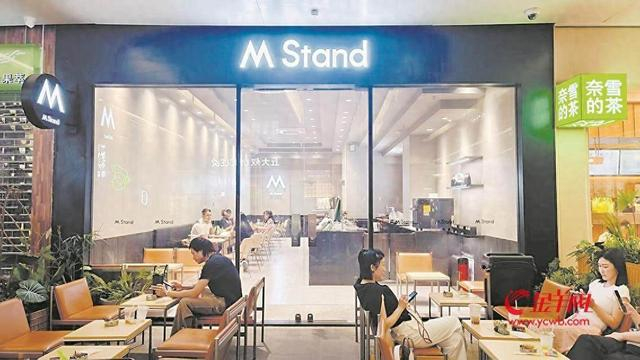
品牌主动营造场景、区域限定创造稀缺、IP内容强化情感:新茶饮成为城市消费新入口
Sou Hu Cai Jing· 2025-10-04 01:14
Core Insights - The dual holiday period of National Day and Mid-Autumn Festival has significantly boosted various consumption sectors, particularly in the new tea beverage category, which has seen brands actively engage consumers through product launches and collaborations [2][5] Group 1: Consumer Behavior - New tea beverages have become essential in holiday consumption, evolving into a staple in many consumers' leisure activities [2][5] - Emotional connections and brand loyalty play a crucial role in attracting consumers, with many customers willing to purchase products not just for taste but for the emotional experience associated with the brand [3][6] - The habit of consuming tea beverages has become ingrained in daily life, with consumers often seeking these drinks during social interactions or breaks, indicating a shift towards habitual consumption [4][6] Group 2: Brand Strategies - Local tea brands are leveraging "brand founder stores + limited economy + IP collaboration" to deepen their integration with urban tourism, effectively reshaping consumer attraction strategies [2][5] - The introduction of region-specific products, such as the "Guangdong limited" series by brands like Ba Wang Cha Ji, exemplifies how tea brands are creating unique experiences that draw tourists and locals alike [5][6] - The combination of creating engaging experiences, regional exclusivity, and emotional branding has allowed new tea beverages to serve as effective conduits for cultural and tourism engagement [6]
港股四季度怎么投?基金经理这样说
Zhong Guo Zheng Quan Bao· 2025-10-03 00:18
Group 1 - The core viewpoint of the articles is that the Hong Kong stock market is expected to benefit from the new round of interest rate cuts initiated by the Federal Reserve, leading to increased foreign investment in Chinese assets, particularly in Hong Kong stocks [1][2]. - Several public funds have reached a consensus to increase their allocation to Hong Kong stocks, indicating a significant enhancement in the willingness of external funds to flow into the Hong Kong market [1][2]. - The Hong Kong stock market has seen a strong performance this year, driven by valuation recovery, confidence restoration, and a shift in global monetary policy [2][4]. Group 2 - The recovery in valuations is attributed to improved earnings from major internet companies, which have exceeded expectations since last year's third-quarter reports [2]. - Global monetary policy changes, particularly the Federal Reserve's new interest rate cut cycle, are expected to favor emerging markets, including Hong Kong stocks [2]. - The influx of capital into the Hong Kong market is supported by increasing demand from mainland investors for undervalued assets [2][4]. Group 3 - The Hang Seng Technology Index has been highlighted as a key area of interest, with fund managers noting its long-term potential despite recent volatility due to increased competition and external uncertainties [4][5]. - The distinction between Hong Kong and A-share technology sectors is emphasized, with Hong Kong focusing more on AI applications and software, which may attract investor interest as the market shifts [4][5]. - The valuation of the Hang Seng Technology Index is currently at a relatively low level, providing a favorable investment opportunity [5]. Group 4 - New consumption sectors, such as trendy toys, new tea drinks, and beauty products, are expected to maintain high growth rates and remain attractive to investors [6]. - The innovative pharmaceutical sector is also a focus, with expectations of improved financing activities due to interest rate cuts, potentially leading to a turning point for the CXO sector [6][7]. - Despite recent volatility in the innovative drug market, confidence remains high among fund managers regarding the long-term prospects of quality pharmaceutical companies [7].

得力官方就辞退跛脚员工致歉;罗永浩称我不是替小米说公道话;阿里拟以70亿港元洽购香港办公大楼;宇树回应机器人安全漏洞丨邦早报
创业邦· 2025-10-01 01:09
Group 1 - Deli Group issued an apology for the dismissal of an employee with a disability, confirming the situation was largely accurate and outlining corrective measures to prevent discrimination [3] - Huawei announced that Meng Wanzhou will serve as the rotating chairman from October 1, 2025, to March 31, 2026 [5] - Alibaba is reportedly in negotiations to acquire the top 13 floors of a building in Hong Kong for approximately HKD 7 billion (USD 899 million) [8][9] Group 2 - Xiaomi clarified that the "2200MPa Xiaomi super steel" label was misinterpreted, stating it is a project name for a material development initiative [5] - Kuaishou announced a restructuring of its local life services division, appointing Liu Xiao as the new head [12] - Yushun Technology reported that it has addressed most security vulnerabilities in its robots and will continue to improve permission management [12] Group 3 - New tea beverage brands are rapidly expanding overseas, with Bawang Tea Ji set to open its 200th store in Malaysia and Heytea surpassing 100 international locations [15] - OpenAI reported a revenue of USD 4.3 billion for the first half of the year, a 16% increase compared to the previous year [22] - Nvidia's CEO Huang Renxun sold 225,000 shares, cashing out over USD 40 million [19] Group 4 - The Chinese passenger car new energy market saw retail sales of 1.039 million units from September 1 to 27, a 9% year-on-year increase [27][28] - Faraday Future reported a fire at its U.S. headquarters, ruling out the possibility of battery-related ignition [19] - Tesla plans to mass-produce its third-generation humanoid robot by 2026, aiming for an annual output of 1 million units by 2030 [19]







甜啦啦联手《茶啊二中》开启校园回忆杀
Jing Ji Wang· 2025-09-28 09:19
Core Insights - The collaboration between the new tea brand Tianlala and the domestic campus comedy animation IP "Tea Ah Erzhong" aims to resonate with Generation Z consumers through emotional connection and product innovation [1][2] - The partnership leverages the strong overlap between the audience of "Tea Ah Erzhong," which has over 50 million fans, and Tianlala's primary consumer base [1] - The new product line includes "Old Brown Sugar Flavor Pearl Milk Tea" and "Old Brown Sugar Flavor Pearl Milk," priced at 8 yuan, designed to cater to both hot and cold beverage preferences [1] Product and Marketing Strategy - The collaboration focuses on the themes of "youth nostalgia + health upgrade," targeting the back-to-school and National Day periods with immersive marketing actions [1] - The marketing campaign features visual elements themed around "campus playground + youthful passion," with characters from the animation promoting the brand [2] - Limited edition merchandise, such as transparent cards and badges, is designed to encourage collection and social sharing, enhancing consumer engagement [1][2] Brand Positioning - Tianlala's CMO emphasizes that the collaboration transforms the brand from a mere product provider to a growth partner that resonates deeply with Generation Z [2] - The partnership not only represents a breakthrough in market strategy but also addresses the emotional needs of young consumers, positioning the old brown sugar milk tea as a nostalgic product [2] - This initiative is seen as a step towards high-quality development in the new tea beverage industry, reflecting a deeper understanding of young consumer trends [2]
柠檬缺货背后:蜜雪冰城和新茶饮们的供应链大考
Zhong Guo Jing Ying Bao· 2025-09-26 19:49
Core Insights - The recent shortage of lemon water at Mixue Ice City has raised concerns among consumers, as the company sells over 1 billion cups annually, highlighting the vulnerability of the supply chain in the beverage industry [1][2][5] Supply Chain Issues - The shortage is attributed to delays in imported lemons due to weather conditions and the local lemon harvesting season not aligning with demand, leading to supply constraints in various cities including Sichuan, Guangdong, and Jiangsu [1][2] - Mixue Ice City relies heavily on a single source for lemons, with approximately 70% of its annual lemon procurement of about 115,000 tons coming from Anju, Sichuan, which accounts for nearly 10% of the national lemon production [2][3] Market Dynamics - The price of lemons has surged, with the average wholesale price reaching 15 yuan per kilogram, double the price from the previous year, driven by increased demand from both beverage and food processing industries [3][4] - The rapid expansion of the tea beverage market, growing at 20% annually, is outpacing the growth of lemon planting areas, which are expected to increase by only 8% by 2025, leading to a mismatch in supply and demand [4][5] Competitive Landscape - Other tea beverage companies, such as Cha Bai Dao and Gu Ming, have established robust supply chains and diversified sourcing strategies to mitigate risks associated with raw material shortages [6][7] - The need for new tea beverage companies to develop resilient supply chains and reduce dependency on single sources is emphasized, as consumer trust may decline with frequent product shortages [5][6] Strategic Recommendations - Companies are encouraged to engage in large-scale procurement to lower costs and explore multiple sourcing channels to avoid reliance on a few suppliers [7] - The establishment of "order-based agriculture" and investment in upstream cultivation, as seen with Mixue Ice City's initiatives in Sichuan, can enhance supply chain stability [6][7]
红筹还是VIE?一文读懂中国企业海外上市的两种核心路径
Sou Hu Cai Jing· 2025-09-24 11:16
Core Insights - The article discusses the different corporate structures (Red Chip vs. VIE) that companies are adopting for their listings, highlighting the strategic choices made by various firms in response to regulatory environments and industry characteristics [1][3][10]. Group 1: Corporate Structure Choices - Bawang Tea Ji opted for a traditional Red Chip structure instead of the VIE structure, reflecting the non-restricted nature of the new tea beverage industry, which allows for direct equity control [1][8]. - Yuanrong Qihang is building a Red Chip structure following Alibaba's exit, indicating a potential preparation for future overseas listings [1][8]. - Megvii Technology dismantled its VIE structure to facilitate a strategic shift towards domestic listing on the Sci-Tech Innovation Board, despite its subsidiary facing foreign investment restrictions [1][8]. Group 2: Factors Influencing Structure Selection - The choice between Red Chip and VIE structures is primarily influenced by industry attributes and the intended listing destination, with fully open industries favoring Red Chip structures and restricted industries leaning towards VIE [3][12]. - Regulatory scrutiny is more stringent for VIE structures, as evidenced by the longer approval times for VIE companies compared to non-VIE counterparts [5][9]. Group 3: Listing Pathways and Regulatory Considerations - Different listing pathways exist, including H-share direct listings for compliant companies, Red Chip structures for restricted industries, and A-share spin-offs for existing listed companies [11]. - Red Chip structures are generally easier to navigate for listings, while VIE structures face higher regulatory risks and complexities, impacting their acceptance in international markets [15][16]. Group 4: Control and Stability - Red Chip structures provide more stable control through direct equity ownership, while VIE structures rely on contractual agreements, which can introduce uncertainties regarding control stability [16][22]. - The regulatory environment and market conditions are dynamic, necessitating ongoing adjustments to corporate structures to align with strategic goals and compliance requirements [10].
奶茶加白酒,第一天就卖了近12万杯!要让年轻人喝酒,还是跨界最好用?
Mei Ri Jing Ji Xin Wen· 2025-09-23 12:49
Core Viewpoint - The return of the classic white liquor milk tea "Drunk Step on the Road" by the new tea drink brand Cha Baidao highlights the growing trend of cross-industry collaboration between liquor and tea drink brands, aiming to capture the expanding market of young consumers in the "micro-drunk economy" [1][9][10]. Group 1: Product Launch and Market Response - "Drunk Step on the Road" was first launched in 2020 as a collaboration between Cha Baidao and Luzhou Laojiao, and it has made a comeback after five years, achieving nearly 120,000 cups sold on its first day [1][2]. - The product has generated significant buzz on social media, with consumers expressing surprise at its taste, which combines milk and a subtle hint of white liquor [2][4]. - Sales of "Drunk Step on the Road" have been strong in various locations, particularly in settings like cinemas where consumers seek a light alcoholic beverage [4][5]. Group 2: Industry Trends and Consumer Behavior - The beverage market is increasingly leaning towards younger, lower-alcohol, and healthier options, with young consumers driving the "micro-drunk economy" [1][9]. - Reports indicate that over 60% of white liquor consumption is now attributed to young consumers aged 18-35, with the potential market size for young drinkers reaching 400 billion yuan [10][11]. - The trend of cross-industry collaborations is seen as a way for liquor brands to attract younger consumers, with various brands experimenting with new flavors and marketing strategies [11][12]. Group 3: Future Outlook and Challenges - Industry experts suggest that while the initial sales of "Drunk Step on the Road" are promising, long-term success will depend on the product's ability to encourage repeat purchases [8][15]. - The market for low-alcohol beverages is growing, with a reported market size of approximately 634.1 billion yuan in 2023, indicating a shift in consumer preferences towards lighter options [15]. - Experts caution that the novelty of liquor and tea drink collaborations may wear off, and brands need to focus on product quality and consumer engagement to sustain interest and sales [16].


港交所稳守全球IPO集资榜首,“A+H”模式正重塑中国资产
Sou Hu Cai Jing· 2025-09-23 08:19
Group 1 - Hong Kong's capital market has emerged as a "dark horse" in the global IPO landscape since 2025, with a fundraising amount of HKD 107.1 billion in the first half of the year, expected to exceed HKD 220 billion for the entire year, reclaiming the top position globally [2][3] - The "A+H" dual listing model has become normalized, with major A-share companies like CATL and Hengrui Medicine listing in Hong Kong, creating an IPO matrix of "large enterprises + hard technology + new consumption" [3] - The introduction of the Chapter 18C and "Special Line for Tech Companies" policies has lowered the entry barriers for unprofitable tech firms to list in Hong Kong, allowing AI companies to successfully go public [3][5] Group 2 - The active IPO market in Hong Kong reflects a global capital reallocation towards Chinese core assets, driven by a reduction in stock stamp duty and an increase in family office assets [4] - Companies in advanced manufacturing, such as Sanhua Intelligent Controls and Lens Technology, have achieved valuation recovery through the Hong Kong market, showcasing its efficiency for "tech + production" firms [5] - The consumer and pharmaceutical sectors have seen significant activity, with brands like Mixue Ice City and Hengrui Medicine attracting substantial institutional support, indicating a rebuilding of market trust in the biotech sector [5] Group 3 - Hong Kong is transitioning from a "follower" to a "rule-maker" in the IPO space, implementing differentiated strategies to build a competitive edge against Nasdaq and NYSE [6] - The deepening of mutual connectivity, such as the Bond Connect, has solidified Hong Kong's position as a key investment channel, with a notable increase in foreign holdings of Chinese bonds [6] - The IPO market in Hong Kong is forming a positive cycle of "institutional innovation - capital inflow - industrial upgrading," with expectations of significant new listings and capital influx [6]


7000家门店狂奔后,霸王茶姬涨不动了?
3 6 Ke· 2025-09-23 01:22
Core Viewpoint - Bawang Chaji's stock price has experienced significant volatility, with its market value dropping from $59.54 billion at IPO to $31.88 billion, nearly halving since its listing [1] Group 1: Store Expansion and Market Saturation - Bawang Chaji plans to open 10,087 stores from 2022 to 2024, with 7,038 stores already established by mid-2023, surpassing competitors like Heytea and Nayuki [1] - The rapid increase in store density is leading to declining single-store revenue, particularly affecting Bawang Chaji, which focuses on larger store formats [1][2] - Franchisees report significant drops in sales, with some experiencing a 30% decline in online performance due to increased competition in their vicinity [2][3] Group 2: Financial Performance - Bawang Chaji's revenue for the first half of the year was $67.25 billion, a year-on-year increase of 21.61%, but net profit fell by 38.22% to $7.55 billion [1][4] - The company reported a staggering 87.72% decline in net profit for the second quarter, indicating a broader trend of decreasing profitability [1][4] Group 3: Competitive Landscape - Bawang Chaji is facing intense competition in the tea beverage market, with rivals like Mixue Ice City and Gu Ming showing significant revenue growth rates of 39.3% and 41.2% respectively, while Bawang Chaji's growth has slowed [4] - The brand's strategy of not engaging in price wars contrasts with competitors who have adopted aggressive discounting tactics, impacting its market position [4][5] Group 4: Product Strategy and Innovation - Bawang Chaji follows a "big single product" strategy, with its flagship product, "Boya Juexian," accounting for over 50% of its revenue, but it has introduced fewer new products compared to competitors [5][6] - The company has faced challenges with product availability, as franchisees can choose to remove underperforming items, leading to inconsistencies in product offerings [6] Group 5: Marketing and Brand Positioning - Bawang Chaji has significantly increased its marketing expenditures, with sales and marketing costs rising from $7.36 million in 2022 to $385 million in 2025, reflecting a focus on brand enhancement [9] - The brand has attempted to diversify its offerings by venturing into retail and apparel, although these initiatives have faced challenges and some products have been removed from sale [10][11] Group 6: Future Growth and Challenges - Bawang Chaji is exploring new growth avenues, including launching new store formats and expanding into overseas markets, but faces complexities in scaling its international presence [10][12] - The company is at a critical juncture, needing to innovate and adapt to maintain its competitive edge in a saturated market [12]