
交通运输等

Search documents
最高24个跌停板!A股"最惨"板块跌麻了,什么情况?
Zheng Quan Shi Bao· 2025-09-11 13:57
Group 1 - The A-share market has seen an overall upward trend, yet many low-priced stocks have declined, with some falling below the 1 yuan face value, indicating a market "vote with feet" phenomenon [1][2] - As of September 11, the average stock price in the A-share market was 26.15 yuan, and the median was 16.28 yuan, while the number of low-priced stocks has significantly decreased [1] - There are currently 28 stocks priced below 2 yuan, with an average decline of 1.48% since August, contrasting sharply with the Shanghai Composite Index's increase of 8.45% during the same period [2] Group 2 - All 28 stocks priced below 2 yuan are from the main board, with no representation from the ChiNext, Sci-Tech Innovation Board, or Beijing Stock Exchange [3] - The real estate sector is the most represented among these low-priced stocks, with 7 stocks, followed by construction decoration, steel, and basic chemicals, each with 3 stocks [3] - The majority of these low-priced stocks are small to mid-cap, with 16 stocks having a market capitalization below 10 billion yuan, and only 1 stock exceeding 50 billion yuan [3] Group 3 - A significant portion of the low-priced stocks are ST (Special Treatment) stocks, with 13 out of 28 classified as such, indicating serious issues within these companies [4] - For instance, *ST Gao Hong is facing potential major illegal delisting due to fraudulent issuance and false reporting, while *ST Su Wu is dealing with multiple risks including major shareholder fund occupation and potential delisting [4] - Over half of the 28 low-priced stocks have reported a decline in operating revenue, and more than 60% have seen a drop in net profit attributable to shareholders in the first half of the year [3]
最高24个跌停板!A股“最惨”板块跌麻了,什么情况?
Zheng Quan Shi Bao· 2025-09-11 13:16
Group 1 - The overall A-share market has been rising significantly, but many low-priced stocks have been declining, with some falling below the 1 yuan face value, indicating a market "vote with feet" phenomenon [1][2] - As of September 11, the average stock price in the A-share market was 26.15 yuan, and the median was 16.28 yuan, while the number of low-priced stocks has decreased significantly [1] - There are currently 28 stocks priced below 2 yuan, with an average decline of 1.48% since August, while major indices like the Shanghai Composite Index and Shenzhen Component Index have risen by 8.45% and 17.89%, respectively [2] Group 2 - All 28 stocks priced below 2 yuan are from the main board, with no representation from the ChiNext, Sci-Tech Innovation Board, or Beijing Stock Exchange [3] - The real estate sector has the highest representation among these low-priced stocks, with 7 stocks, followed by construction decoration, steel, and basic chemicals, each with 3 stocks [3] - The majority of these low-priced stocks are small to mid-cap, with 16 stocks having a market capitalization below 10 billion yuan, and only 1 stock exceeding 50 billion yuan [3] Group 3 - More than half of the 28 low-priced stocks have reported a decline in operating revenue year-on-year, and over 60% have seen a drop in net profit attributable to shareholders [3] - A significant portion of the low-priced stocks are ST (Special Treatment) stocks, with 13 out of 28 classified as such, indicating serious issues within these companies [4] - Companies like *ST Gao Hong and *ST Su Wu are facing multiple risks, including potential delisting due to financial misconduct and operational challenges [4]
Inflation remained stubbornly high in August as Fed weighs rate cuts
Fox Business· 2025-09-11 13:02
Inflation Overview - Inflation rose 0.4% in August, with a year-over-year increase of 2.9%, remaining above the Federal Reserve's target rate [1] - Core prices, excluding volatile items like gasoline and food, increased by 0.3% month-over-month and 3.1% year-over-year, aligning with economists' expectations [2] Impact on Households - High inflation has imposed significant financial pressures on U.S. households, particularly affecting lower-income Americans who spend a larger portion of their income on necessities [3] Food Prices - Food prices rose 0.5% in August, with the food at home index increasing by 0.6% and food away from home by 0.3%. Year-over-year, the overall food index is up 3.2% [4] - Specific food categories showed varied price changes: egg prices remained flat, meat, poultry, and fish rose by 1.1%, dairy increased by 0.1%, and fruits and vegetables rose by 1.6% [5] Housing and Shelter Costs - Housing prices increased by 0.4% in August and are 3.6% higher than a year ago, driven primarily by the shelter index [8] - Energy costs rose by 0.7% month-over-month, with gasoline prices increasing by 1.9% but down 6.6% year-over-year [8] Transportation and Apparel Costs - Transportation costs increased by 1% in August and are 3.5% higher than last year, with auto maintenance costs up 2.4% month-over-month [9] - Apparel prices jumped by 2.2% in August, with footwear costs rising by 0.8% [9] Other Goods and Services - Tools, hardware, and outdoor equipment prices increased by 0.8% in August, up 3.9% year-over-year, while furniture and bedding costs rose by 0.3% and are up 4.7% from last year [10]


量化观市:上周微盘股的回调该用哪个指标监测?
SINOLINK SECURITIES· 2025-09-01 11:38
- The report discusses the performance of major market indices, including the SSE 50, CSI 300, CSI 500, and CSI 1000, which all saw increases over the past week with respective gains of 1.63%, 2.71%, 3.24%, and 1.03%[2][11] - The report highlights the construction and monitoring of micro-cap stock timing and rotation indicators, noting that no closing signals have been issued by the models, indicating no significant systemic risk accumulation in the mid-term, although hourly-level warning signals were triggered in the past week[2][16][18] - The macro timing strategy constructed by the analysts recommends a 50% equity allocation for August, with a signal strength of 100% for economic growth and 0% for monetary liquidity, yielding a return of 1.34% from the beginning of 2025 to the present, compared to a 1.04% return for the Wind All A Index over the same period[4][40][41] - Eight major stock selection factors are tracked across different stock pools, with growth and quality factors performing well in large and mid-cap stocks, while value factors faced pressure in most stock pools. The report suggests maintaining high-weight allocations to growth and consensus expectation factors for the upcoming week[4][46][47] - The report also includes quantitative bond selection factors for convertible bonds, with positive long-short returns achieved by factors such as consensus expectations, growth, financial quality, and value[4][53][54]
“T+0”+分红+高股息,港股通央企红利ETF天弘(159281)明日上市交易
2 1 Shi Ji Jing Ji Bao Dao· 2025-09-01 05:29
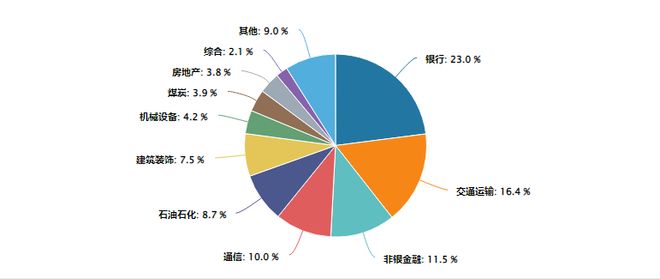
Core Viewpoint - The Hong Kong stock market is showing strength, particularly in cyclical sectors such as consumer discretionary, metals, pharmaceuticals, coal, and steel, with the launch of the Tianhong Central Enterprise Dividend ETF (159281) on September 2, 2023, which aims to track high dividend-yielding central enterprises [1] Group 1: ETF and Index Details - The Tianhong Central Enterprise Dividend ETF has an annual management fee of 0.5% and a custody fee of 0.1% [1] - The ETF closely tracks the Hong Kong Stock Connect Central Enterprise Dividend Index (931233), which selects stable dividend-paying companies controlled by central enterprises within the Stock Connect framework [1] - As of the end of Q2 2025, the index's sector distribution includes banking, transportation, non-bank financials, telecommunications, and oil and petrochemicals, with the top ten constituents accounting for 31% of the index [1] Group 2: Performance Metrics - The index has a dividend yield exceeding 7% as of the end of Q2 2025 [3] - Historical performance shows that the index achieved an annualized return of 14.27% over the past five years, with an annualized volatility of 22.02% as of July 9, 2025 [3] Group 3: Investment Outlook - The investment value of Hong Kong central enterprise dividends is expected to continue benefiting from inflows of southbound capital, structural market conditions, and a focus on investor returns through improved dividend policies [4] - The Hong Kong market is anticipated to rise further in the second half of the year, driven by three positive factors, including the AI cycle benefiting technology stocks and the low-interest-rate environment enhancing dividend attractiveness [4]


20家北交所公司获机构调研
Zheng Quan Shi Bao Wang· 2025-08-12 09:28
Group 1 - In the past month (from July 13 to August 12), 20 companies listed on the Beijing Stock Exchange (BSE) were investigated by institutions, with Minshida being the most notable, receiving attention from 96 institutions [1] - The types of institutions conducting the research included 16 brokerages, 9 funds, 8 private equity firms, 2 insurance companies, and 1 overseas institution [1] - The companies that received the most institutional attention after Minshida were Tonghui Electronics, Taihu Snow, and Huaguang Yuanhai, with 65, 36, and 20 institutions participating in their investigations, respectively [1] Group 2 - The average stock price of the investigated BSE companies increased by 12.10% over the past month, with 13 stocks rising, notably Hengli Drilling, Guangxin Technology, and Sanwei Equipment, which saw increases of 144.04%, 42.69%, and 18.62% respectively [2] - The average daily turnover rate for the investigated companies was 7.26%, with Hengli Drilling, Wanyuantong, and Guangxin Technology leading at 21.64%, 16.25%, and 15.26% respectively [2] - As of August 12, the average market capitalization of all companies on the BSE was 3.159 billion yuan, while the average market capitalization of the investigated companies was 3.927 billion yuan, with the largest market caps belonging to Xingtum Kexun, Guangxin Technology, and Binhang Technology [2] Group 3 - The table of investigated companies includes details such as the number of institutions involved, the number of investigations, latest closing prices, percentage changes, and industry classifications [2][3] - Notable companies in the table include Minshida, Tonghui Electronics, and Hengli Drilling, with respective closing prices of 43.28 yuan, 26.06 yuan, and 48.71 yuan, and percentage changes of -2.30%, 2.96%, and 144.04% [2][3]

玄元投资8月市场观点:关注军工、AI应用、国产算力、消费等调整充分方向
Xin Lang Ji Jin· 2025-08-08 02:08
Market Performance - The overall market rose in July, with the full A-share index increasing by 4.75% and a median increase of 2.58% across A-shares [1] - The ChiNext index, CSI 500, CSI 2000, CSI 1000, STAR 50, CSI 300, and SSE 50 saw increases of 8.14%, 5.26%, 5.11%, 4.8%, 4.43%, 3.54%, and 2.36% respectively [1] - The steel, pharmaceutical, and communication sectors led the gains, while banking, electricity and public utilities, and transportation sectors lagged [1] - The average daily trading volume in July was 1.63 trillion, a 22% increase from June, indicating further market liquidity [1] Macroeconomic Analysis - In the U.S., high-frequency economic data has been significantly revised downwards, with non-farm payrolls and PDFP both falling below expectations [2] - Despite previous comments from Powell focusing on employment and inflation, the expectation for a rate cut in September remains due to data revisions and political pressures [2] - In China, major economic indicators showed good performance in the first half of the year, with a focus on high-quality development and potential policy adjustments in the second half [2] - The commodity sector, previously undervalued, is expected to see a systematic rebound in PPI, presenting investment opportunities [2] Industry Trends - Overseas computing power, innovative pharmaceuticals, and finance have entered a phase of correction and differentiation after previous gains [3] - Strong quarterly reports and capital expenditures in the overseas computing sector have been priced into stock prices, necessitating stronger catalysts for top stocks [3] - The innovative pharmaceutical sector has seen strong momentum due to recent BD catalysts, prompting a selective profit-taking strategy [3] - Future focus areas include military industry, AI applications, domestic computing power, and consumer sectors, with military and AI applications expected to see significant catalysts in the near term [3] Trading Structure - The market turnover rate increased in July, with electronic, pharmaceutical, and non-ferrous metals sectors showing the highest growth [4] - Conversely, the light industry manufacturing, oil and petrochemicals, and food and beverage sectors experienced the largest declines [4] Strategic Outlook - The overall investment strategy is becoming more aggressive, focusing on growth sectors and deeply exploring cyclical industries at the bottom [5]
ATS(ATS) - 2026 Q1 - Earnings Call Transcript
2025-08-07 13:32
Financial Data and Key Metrics Changes - Q1 revenues were $737 million, up 6% from Q1 last year [6] - Order bookings were $693 million, down 15% compared to Q1 last year [16] - Adjusted earnings from operations in Q1 were CAD 78.6 million, representing 10.7% of revenues [18] - Gross margin for Q1 was 29.8%, consistent with Q1 last year [18] - Cash flows from operating activities were CAD 156 million [22] - Net debt to adjusted EBITDA ratio was 3.6 times on a pro forma basis at Q1 [22] Business Line Data and Key Metrics Changes - Life Sciences order backlog at quarter end was $1.2 billion, with strong contributions from auto injectors and radiopharma [7][8] - Food and Beverage backlog was $229 million, an increase of 6% compared to Q1 last year [10] - Energy business saw growth primarily in nuclear refurbishment activities, particularly around CANDU reactors [39] - Consumer Products and Transportation segments remained stable, with transportation experiencing lower EV end market demand [11][33] Market Data and Key Metrics Changes - The order backlog ended the quarter at approximately $2.1 billion, reflecting a healthy funnel across diversified offerings [6][19] - Orders in the energy sector, particularly nuclear, showed strong demand despite project delays reported by other companies [39] - Orders excluding transportation were up over 10% year-over-year in the first half of the calendar year [36] Company Strategy and Development Direction - The company is focused on driving growth through repeatable revenue from services, consumables, and digital offerings [7] - M&A activities are ongoing, with a focus on strategic opportunities that align with long-term growth ambitions [12][60] - The company aims to return leverage to its target range of 2 to 3 times while realizing synergies from recent acquisitions [23][60] Management's Comments on Operating Environment and Future Outlook - Management expressed confidence in the growth outlook for the year, supported by a strong backlog and healthy order intake [35] - The company is closely monitoring the business environment, particularly regarding cross-border tariffs, but has not seen a material impact to date [20] - Management highlighted ongoing efficiency improvements and a commitment to creating long-term value for shareholders [25][60] Other Important Information - ATS was included in Time Magazine's inaugural list of Canada's Best Companies 2025, ranking number one in the engineering, manufacturing, and medical technology category [15] - The company continues to invest in innovation and capability development, including the launch of a new virtual reality training platform [13] Q&A Session Summary Question: Can you discuss the demand environment further? - Management noted that the trailing twelve-month book-to-bill ratio is 1.17, indicating alignment with growth targets and a healthy funnel across key markets [32] Question: What is driving the uptick in the energy business? - The growth in the energy sector is primarily driven by nuclear refurbishment activities, particularly around CANDU reactors [39] Question: Can you provide an update on the integration process and cross-selling opportunities? - Integration across recent acquisitions is progressing well, with strong uptake of ABM deployments and cost synergies being realized [52] Question: How is the company addressing the impact of U.S. government funding changes on lab research? - The impact is minimal, representing a low single-digit percentage of the overall business, and does not materially affect the life sciences segment [53] Question: What is the outlook for margin progression? - Management expects margin expansion throughout the year, although variability is anticipated due to project portfolio dynamics [85] Question: Can you elaborate on the Multiflex system? - The Multiflex system is designed for decommissioning nuclear reactors, enhancing efficiency and space management in the process [97]

多重催化下红利价值日益凸显,国企红利ETF(159515)整固蓄势
Sou Hu Cai Jing· 2025-07-29 05:49
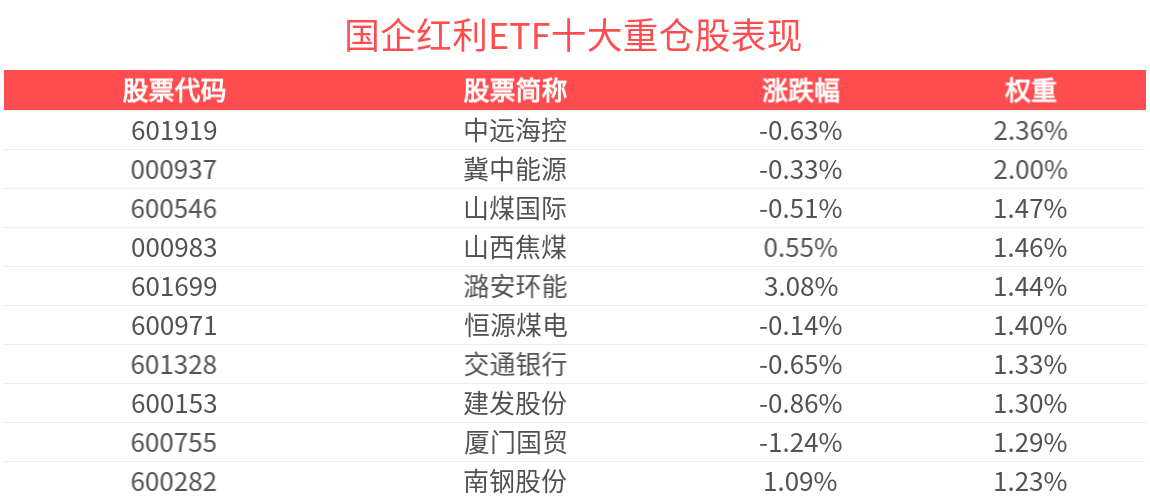
Core Viewpoint - The China Securities State-Owned Enterprises Dividend Index (000824) has experienced a decline of 0.48% as of July 29, 2025, with mixed performance among constituent stocks, indicating a fluctuating market environment for state-owned enterprises [1] Group 1: Market Performance - The leading gainers include Lu'an Environmental Energy (601699) with an increase of 3.08%, Xin Steel Co. (600782) up by 2.28%, and Baosteel Co. (600019) rising by 1.79% [1] - Conversely, Bohai Ferry (603167) led the declines, followed by Wanhua Highway (600012) and Guangdong Highway A (000429) [1] - The National Enterprise Dividend ETF (159515) has been adjusted to a latest price of 1.15 yuan [1] Group 2: Industry Insights - Huatai Securities highlights that the commencement of 1.2 trillion yuan in hydropower projects is driving the valuation recovery of infrastructure stocks, benefiting low-valuation, high-dividend construction leaders [1] - The policy environment is promoting debt resolution and payment clearance, alongside the optimization of dividend policies for central state-owned enterprises, suggesting an expected increase in long-term dividend ratios [1] - The industry supply side is actively responding to "anti-involution," with leading companies enhancing profitability and asset quality through technological innovation [1] Group 3: Investment Trends - According to Guotai Junan Securities, the current market environment shows an increasing risk appetite, with funds shifting from bonds to equity assets, making dividend assets attractive due to their stable cash flow and defensive characteristics [1] - As risk-free interest rates decline and investor demand for stable returns rises, dividend sectors are likely to continue demonstrating relatively robust performance [1]
8月信用债投资策略思考
Minsheng Securities· 2025-07-28 11:56
Group 1 - The credit bond market is expected to experience strong fluctuations in August due to multiple factors, including the upcoming Politburo meeting and the end of the temporary period for "reciprocal tariffs" between China and the US on August 14, which may affect market sentiment [1][11] - The overall trend of credit bonds is likely to remain stable in the short term, with limited downward potential, as the central bank's supportive stance continues to provide backing for the bond market [1][11] - After recent adjustments, credit bond spreads are still compressing, and institutional investors are expected to gradually enter the market, driven by the current "asset shortage" environment [1][11] Group 2 - The supply of credit bonds is not expected to increase significantly, with the growth of sci-tech bonds potentially offsetting the reduction in local government bonds, but overall net supply is likely to remain constrained [2][14] - The weighted coupon rate of sci-tech bonds is below 2%, indicating a scarcity of high-yield assets, which maintains a strong demand for credit bonds in the market [2][14] - The investment value of credit bonds has improved after a significant adjustment, particularly for mid-to-high-grade short- to medium-term credit varieties, which are now yielding above 10% historical levels [19][20] Group 3 - Manufacturing, new infrastructure, and consumption are expected to be key areas of policy focus in the second half of the year, with various measures likely to be introduced to support these sectors [22][23] - The macroeconomic data for the first half of 2025 shows a resilient economy, with GDP growth of 5.3% and industrial output growth of 6.4%, indicating a stable economic environment for credit bonds [22][23] - The government is likely to implement more policies to regulate the competitive order in the new energy vehicle industry, which may improve cash flow for upstream suppliers [24][29]