
石化

Search documents
顶压前行 向新向优——2025年辽宁经济发展回眸
Liao Ning Ri Bao· 2025-12-22 14:12
北国冬日,霜雪压枝。辽山辽水间,仍激荡着破冰突围的新气象、积厚成势的新希望。 黑土地上,辽宁农业生产再显担当。今年辽宁省粮食总产量达515.56亿斤,为历史第一高产年,产量位 居全国第十二位,同比增长3.1%,增幅居粮食主产省第一位。 生产线上,辽宁开启全新探索。不久前,世界级高端工业母机在通用技术沈阳机床下线交付。此次合作 不仅取得重大技术突破,还探索开创了"场景牵引、联合研发、风险共担、利益共享"的国产工业母机协 同创新范式。 碧海潮头,辽宁敢于顶风搏浪。眼下,大连金州湾国际机场的填海工程主体已完工,总计形成陆域面积 约20平方公里。这一工程努力攻克"海上筑岛"的多项建设难题,填补了我国离岸式人工岛机场建设的技 术空白。 在全省各地,无数个拼搏的"我"集合成实干的"我们",披荆斩棘、奋楫争先。这一年,面对纷繁复杂的 形势、交织叠加的挑战,全省上下顶住压力、迎难而上,统筹推进稳增长、促改革、惠民生、防风险, 全省经济运行基本平稳,发展韧性持续提升,改革开放深化拓展,民生福祉不断改善,社会大局保持稳 定,各项工作取得新进展新成效。 辽宁即将步入"十五五",回望间,山水千万程,风雨未停歇。再出发,胸怀凌云志,步 ...

【方正化工】关注反内卷低估值龙头及供需边际改善板块
Xin Lang Cai Jing· 2025-12-22 11:19
Core Viewpoints - The chemical industry is at the bottom of the cycle in 2025, with both investment in cyclical sectors and thematic trends progressing simultaneously. Since Q3 2025, global manufacturing has shown signs of recovery, but demand growth is slowing, leading to a decline in the PPI of chemical products year-on-year [1][65] - On the demand side, the domestic real estate market is at a cyclical low, while sales of new energy vehicles continue to grow significantly. Retail sales are stabilizing, supported by ongoing consumption promotion policies [1][65] - On the supply side, China has become a global leader in the chemical industry, while the manufacturing and chemical production capacity utilization rates in the EU have been declining, particularly in Germany, where the production of basic chemicals has been continuously decreasing [1][65] Group 1: Chemical Industry Overview - The chemical industry is experiencing a prolonged bottoming phase, with a three-year duration already observed. The potential for a turnaround may be approaching [1][65] - The PPI of chemical products has been under pressure, with year-on-year declines noted in major economies, including China, the EU, and Japan [9][74] - The domestic chemical industry is facing a situation of excess supply, which is exerting short-term pressure on prices, while the inventory cycle is still in a passive replenishment phase [1][65] Group 2: Demand Side Analysis - The domestic real estate market is at a cyclical low, with significant declines in new construction and sales figures. The cumulative sales area of new commercial housing in major cities has decreased by 11% year-on-year [18][25] - Sales of new energy vehicles in China have maintained high growth, with a year-on-year increase of 19% in the first eleven months of 2025, indicating strong market demand [25][28] - Retail sales in China have shown a steady improvement, with a growth rate of 4% year-on-year for the first eleven months of 2025, supported by consumption promotion initiatives [28][29] Group 3: Supply Side Analysis - China has replaced Europe and the US as the global leader in chemical production, with a year-on-year increase of 8% in output, while the EU and Germany have seen declines [30][36] - The production capacity in the EU has been declining, particularly in Germany, where the output of various basic chemicals has dropped significantly compared to 2019 levels [36][37] - The investment in basic chemical projects in China has turned negative, indicating a potential shift in the supply landscape as excess capacity begins to face clearing risks [1][65] Group 4: Investment Recommendations - The report suggests focusing on low-valuation leading companies and sectors with improving supply-demand dynamics, including major players in the chemical industry such as Wanhua Chemical, Hualu Hengsheng, and others [3][67] - The fertilizer sector is expected to benefit from slowing capacity growth and increasing overseas demand, which may support price increases [66] - The tire market is showing signs of recovery, with domestic leading companies expanding their global production bases, indicating a positive outlook for the sector [66]

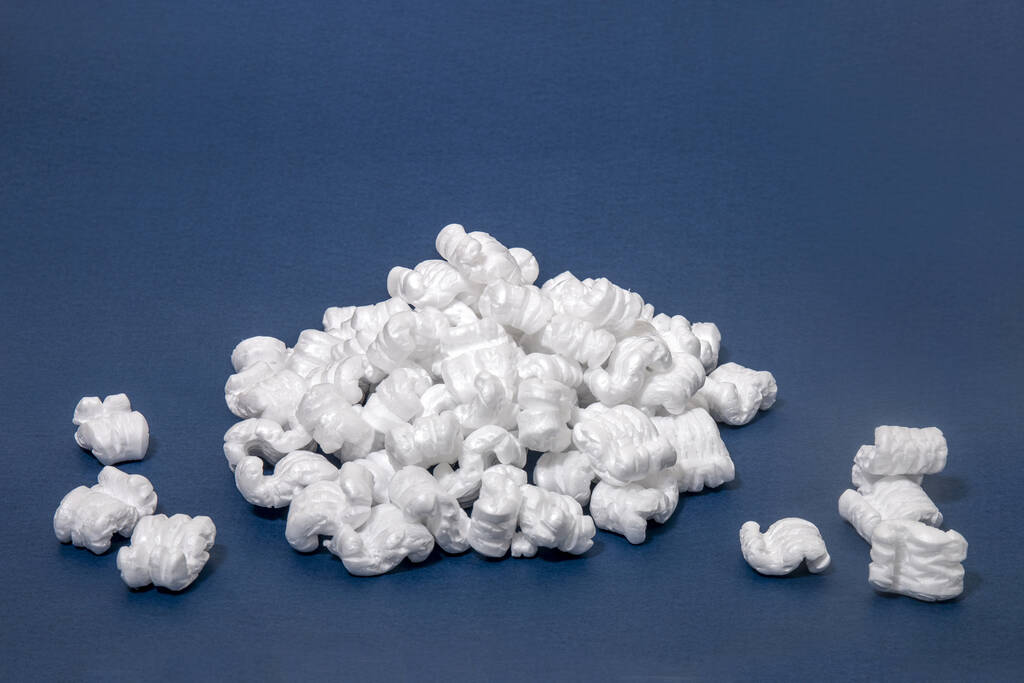
成本端支撑不足 苯乙烯期货上行空间或有限
Jin Tou Wang· 2025-12-22 08:04
苯乙烯方面,连云港石化,国恩苯乙烯装置重启,近端流动性问题有所缓解加上本周下游ABS利润持续亏损下出现负反馈,本周几家大厂裕龙, 漳州奇美,浙石化,英力士均有降负检修计划传出,苯乙烯由强现实向弱预期转变,盘面偏弱运行,近端基差走弱。后续关注"反内卷"进一步动 向,以及纯苯,苯乙烯出口成交消息。 消息面 上周东明20万吨新装置开始产出,连云港石化60万吨、广州石化7万吨装置重启,宝来35万吨检修装置影响扩大,苯乙烯产量、产能利用率环比扩 大。 机构观点 南华期货: 截至2025年12月22日,江苏苯乙烯港口样本库存总量:13.93万吨,较上周期增0.46万吨,幅度+3.41%。商品量库存在8.455万吨,较上周期增 0.225万吨,幅度+2.73%。 12月22日苯乙烯:江苏早间市场,目前闻现货/准现货意向6510/6530;1月下6530/6550;2月下6560/6580;单位:元/吨。 国投安信期货: 成本端支撑不足,苯乙烯港口库存去库节奏有所放缓,加之未来市场供应存在增长预期,导致业者心态趋于谨慎,交投气氛偏淡,市场呈现弱势 下跌态势。 ...
石化行业周报:PX利润明显走强-20251222
China Post Securities· 2025-12-22 07:52
Investment Rating - The industry investment rating is "Strongly Outperforming the Market" and is maintained [1] Core Views - The report highlights that the PX profit has significantly strengthened due to the polyester restocking logic and the marginal improvement expectations for PX and PTA supply and demand next year. The price spread between PX (China main port) and naphtha (Japan) has recovered from $282.92/ton on December 12 to $305.12/ton on December 18 [2] - The oil and petrochemical index performed well this week, increasing by 1.60% compared to last week, with other petrochemical sectors showing the best performance within the oil and petrochemical sector, rising by 5.14% [5] - The report indicates a decline in crude oil prices, with U.S. crude oil inventories rising while gasoline inventories decreased [6][9] Summary by Sections Crude Oil - Crude oil prices have decreased, with Brent crude futures closing at $60.07/barrel, reflecting a -1.8% change from last week [7] - U.S. crude oil and petroleum product inventories (excluding strategic reserves) increased by 2,139 thousand barrels, while gasoline inventories saw a decrease of 1,921 thousand barrels [11] Polyester - The price spread for polyester filament yarn has decreased, with inventory days for Jiangsu and Zhejiang weaving machines increasing, and weaving machine operating rates declining [12][17] - The latest data shows that the prices for polyester filament yarn POY, DTY, and FDY are stable at 6,350, 7,650, and 6,570 CNY/ton respectively, with price spreads decreasing by 28, 78, and 88 CNY/ton compared to last week [14] Olefins - The report notes a decline in sample PE spot prices, with the current price at 7,160 CNY/ton, down by 2.72% from last week [24] - The petrochemical inventory for polyolefins stands at 660,000 tons, a decrease of 20,000 tons from the previous week [24]
韩国经济凸显“芯片依赖症”:12月前20天出口增长放缓,半导体需求飙升掩盖经济结构性疲软
Zhi Tong Cai Jing· 2025-12-22 03:45
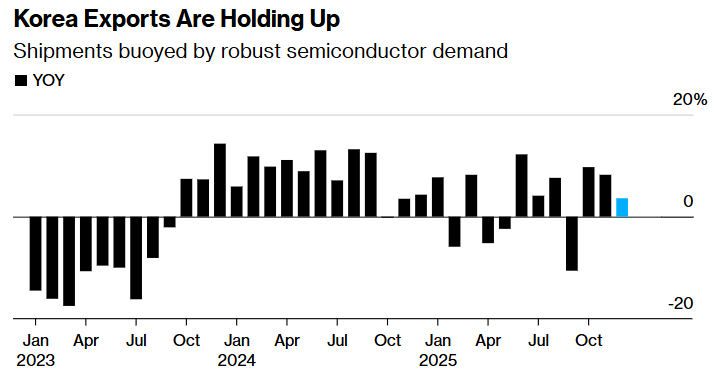
Group 1: Semiconductor Industry Performance - South Korea's semiconductor exports increased by nearly 42%, driven by demand from artificial intelligence and data centers, helping to offset declines in other sectors [1] - The overall export value for the first 20 days of December grew by 3.6% year-on-year, with a previous month's growth rate of 8.2% [1] - Wireless communication equipment shipments also saw a growth of nearly 18% [1] Group 2: Economic Outlook and Monetary Policy - Excluding the semiconductor sector, economic data remains weak, highlighting the strong performance of the semiconductor industry [3] - The Bank of Korea maintained the benchmark interest rate at 2.5% and raised the 2026 economic growth forecast to 1.8%, primarily due to growth in the chip and information technology sectors [3] - Barclays Bank forecasts a 2.1% growth in South Korean exports next year, but only 1.1% when excluding semiconductor-related exports, imports, and investments [3] Group 3: Trade Agreements and Currency Impact - A significant tariff agreement was reached between Seoul and Washington, setting the maximum tariff on South Korean goods at 15%, effective from November 1 [4] - The Korean won has depreciated over 8% against the US dollar since the second half of 2025, raising concerns about inflation [4] - Both the core consumer price index and overall consumer price index in South Korea have exceeded the Bank of Korea's target of 2% [4]
万华化学再度加码磷酸铁锂,化工ETF(516020)盘中涨近1%!机构:我国化工行业景气有望底部回暖
Xin Lang Cai Jing· 2025-12-22 02:14
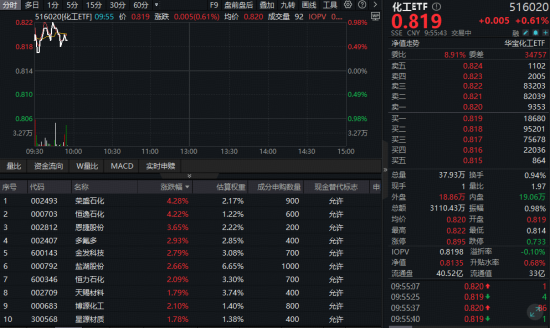
Group 1: Market Performance - The chemical sector continued its upward trend on December 22, with the Chemical ETF (516020) showing a price increase of 0.61% after a peak rise of nearly 1% during the trading session [1][9] - Key stocks in the sector, including Rongsheng Petrochemical and Hengyi Petrochemical, saw significant gains of over 4%, while other companies like Enjie and Jinfatong also experienced increases of over 2% [1][9] Group 2: Company Developments - Wanhua Chemical signed an investment agreement for the "Wanhua Laizhou Green Electricity Industrial Park" project, which includes plans to build a lithium iron phosphate production facility with an annual capacity of 650,000 tons [11] - Wanhua Chemical's planned lithium iron phosphate capacity has exceeded 1 million tons, with ongoing projects including a 50,000-ton integrated project in Sichuan and an expansion plan to increase capacity from 50,000 tons to 120,000 tons per year [3][11] Group 3: Industry Outlook - The chemical industry is expected to see a bottoming out of its economic cycle, with a slight decline in the chemical product price index projected for 2025, while global energy costs are decreasing [4][12] - Analysts are optimistic about the potential for recovery in the chemical sector, particularly in sub-industries such as titanium dioxide, pesticides, and chemical fibers, as supply-demand dynamics improve [4][12] Group 4: Investment Opportunities - The current valuation levels in the chemical sector are at historical lows, suggesting a favorable environment for investment, with potential for increased dividend capabilities among Chinese chemical companies [5][12] - The Chemical ETF (516020) offers a diversified investment approach, with nearly 50% of its holdings in large-cap leading stocks, providing an efficient way to capitalize on the sector's rebound [6][12]

【转|太平洋金工-指数量化深度】基于偏离修复的行业配置策略
远峰电子· 2025-12-21 13:50
文章转自2025年05月21日太平洋 金融工程团队 报告 ,分析师: 刘晓锋 /孙弋轩 报告从标的回撤规律的角度着手,使用迭代方法筛选出可适用的行业,并通过设置合理的入场阈值给定了高质量的左侧买点,以此给出了各个行业在回调阶段的配置 区间建议,奠定了太平洋金工团队后续模型改进的基础,并可作为基准对于后续模型效果作出评估。 正文报告 01 行业指数VS沪深300 沪深300由不同行业的个股组成,考虑自上而下的选股模式,考察时间区间(2010年1月至2025年3月)内的各行业回报率: 31个行业中有17个行业回报率超过了沪深 300。 综合行业指数相对沪深300的净值以及相应的回撤信息,我们可以总结以下三点: 02 偏离修复策略 行业指数相对沪深300的偏离(情景一): 1、在行业层面,选择行业构建组合具有较大概率获取超收益,以简单平均配置为例,可以在区间内获得34%的超额回报; 2、买入并持有单行业相对于沪深300的,可能会产生了较大的回撤,以及较长的回撤时间,存在择时必要性; 3、趋势跟踪已经在前期报告做过阐述,考虑到该策略过程中无法提供空间信息,因此本文考虑空间方面的策略。 业指数相对沪深300的偏离(情景 ...

全球首富榜揭晓:美首富造火箭,俄首富搞天然气,中国首富在干啥
Sou Hu Cai Jing· 2025-12-20 00:15
Group 1: Wealth Rankings and Key Figures - Elon Musk remains the world's richest person in 2025 with a net worth of $342 billion, largely driven by Tesla's stock price and SpaceX's valuation exceeding $200 billion [1][5][9] - Mukesh Ambani, India's richest man, has built a significant fortune through Reliance Industries, focusing on oil, petrochemicals, and telecommunications, capturing half of India's mobile users [13][16][18] - Russian billionaire Vagit Alekperov has amassed wealth through the oil and gas sector, specifically with Lukoil, despite ongoing geopolitical tensions and sanctions [20][22][24] - China's richest man, Zhong Shanshan, has a projected net worth of $77.1 billion in 2025, primarily from his bottled water company Nongfu Spring and vaccine producer Wantai [26][28][34] Group 2: Business Strategies and Innovations - Musk's approach involves high-risk ventures, such as SpaceX's reusable rockets and the Starlink satellite project, which aims to provide internet access to remote areas [9][11] - Ambani's strategy includes aggressive market penetration in telecommunications and diversification into renewable energy and digital services [18][20] - Alekperov's Lukoil continues to navigate sanctions by finding alternative markets for oil exports, demonstrating resilience in a resource-dependent economy [22][24] - Zhong's dual focus on everyday consumer goods and high-demand medical products illustrates a balanced business model that mitigates volatility [36][34] Group 3: Emerging Trends in Wealth Creation - The 2024 global wealth landscape is evolving, with traditional tech billionaires still prominent, while new entrants from entertainment and sports are emerging [38][40] - Female billionaires remain underrepresented, comprising only about 10% of the total, highlighting ongoing disparities in opportunities [40][42] - The next wave of wealth creation is expected to come from individuals who can excel in seemingly ordinary sectors, emphasizing innovation and uniqueness [43]

多项自由贸易港核心政策在洋浦落地见效
Hai Nan Ri Bao· 2025-12-19 23:34
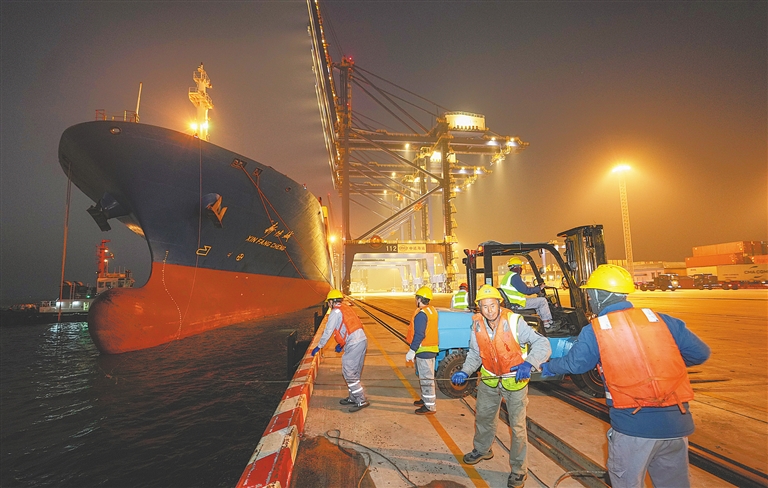
Core Insights - The Hainan Free Trade Port has officially commenced its full island closure, with Yangpu Port serving as a key international shipping hub and the first to implement "zero tariff" policies for imported petrochemical raw materials [2][3] - Yangpu is positioned as a model for the Hainan Free Trade Port, showcasing the potential for high-level international openness and economic development [2][3] Policy Implementation - The first batch of "zero tariff" petrochemical raw materials successfully cleared customs, marking a significant advantage for the petrochemical industry in Hainan [3] - Yangpu is developing a comprehensive industrial chain in petrochemicals, including oil products, aromatics, olefins, and new materials, leveraging the advantages of the Free Trade Port policies [3] Economic Development - The Yangpu Economic Development Zone aims to extend industrial chains and encourage enterprises to utilize "zero tariff" imports for deep processing, promoting high-end materials and food processing industries [5] - The first cumulative processing value-added duty-free business was initiated on the same day, demonstrating the collaborative potential between local companies [5][6] Port Efficiency and Innovation - The efficiency of ship registration has significantly improved, with the registration process for vessels now taking only one day [7] - As of the closure date, Yangpu Port has registered 80 vessels with a total tonnage exceeding 4.3 million, maintaining the leading position among domestic free trade zones [7] International Attraction - Siemens Energy became the first foreign enterprise registered in Yangpu after the closure, marking a significant milestone for foreign investment in Hainan [9][10] - The streamlined registration process and supportive services for foreign businesses have enhanced the attractiveness of Hainan as an investment destination [10][11]

“送才上门”拓展就业岗位1.4万余个
Xin Lang Cai Jing· 2025-12-19 22:31
此次活动上,四川高校与广东用人单位在人才联合培养、共建实习基地、就业招聘合作、科技成 果转化等方面达成多项共识。多位四川高校代表表示,后续将与广东企业联合制定培养方案,推 动校企在产教融合、成果转化等领域的深度合作。 广东省人才服务局相关负责人表示,去年四川高校首次联合走访广东企业,搭建起交流合作桥 梁。这次四川高校再次来访,进一步深化川粤两地就业协作伙伴关系。据统计,近两年来,四川 高校与广东企业以产教融合为纽带深化协作,以招聘联动促进供需对接,助力6万余名四川学子扎 根广东、筑梦成长。 本报讯(四川日报全媒体记者 江芸涵)12月15日至19日,四川29所高校代表先后赴广东省惠州、 深圳、东莞、广州4市,走访产业园区、重点用人单位,举办3场专场推介会,与广东400余家优质 用人单位精准对接,进一步拓宽四川高校毕业生就业市场。活动期间,四川高校累计向广东用人 单位推送毕业生简历4万余份,拓展就业岗位1.4万余个,实现校地企三方的互利共赢。 活动首站走进惠州,考察当地两个千亿级产业园区。西南石油大学与多家企业明确了明年春季专 场招聘事宜;恒力石化(惠州)有限公司计划启动四川高校专项招聘,并探索共建联合实验室。 ...