造船

Search documents
收购破产船厂一度亏损近14亿元 厦门象屿如何念好造船“生意经”
Zhong Guo Jing Ying Bao· 2025-08-22 20:15
Core Viewpoint - Xiamen Xiangyu Co., Ltd. has experienced significant fluctuations in performance due to volatile commodity prices, but has successfully transitioned its shipbuilding business from losses to profitability [3][10]. Financial Performance - In 2024, Xiamen Xiangyu reported an operating revenue of approximately 366.67 billion yuan, a year-on-year decrease of 20.12%, and a net profit attributable to shareholders of about 1.418 billion yuan, down 9.86% year-on-year [3]. - The shipbuilding segment contributed a net profit of 544 million yuan, accounting for nearly 40% of the total profit [3]. Shipbuilding Business Development - Xiamen Xiangyu's shipbuilding business began in 2016 and faced a six-year loss period, accumulating losses of nearly 1.4 billion yuan [3][10]. - The company acquired two bankrupt shipyards, Jiangsu Hongqiang Shipbuilding and Nantong Mingde Shipbuilding, in 2017 and 2024, respectively, to expand its shipbuilding capabilities [3][6]. - As of June 2023, Xiangyu Marine Equipment had signed 214 shipbuilding orders, with 121 delivered and 93 orders still in hand [3]. Strategic Moves - The management indicated that asset restructuring in the supply chain has provided more opportunities for leading supply chain companies to enter manufacturing [4]. - The shipbuilding business serves as a hedge against cyclical fluctuations in the industry, complementing the company's core operations in the commodity supply chain [4][8]. Recent Developments - On August 1, 2024, Qidong Xiangyu Marine Equipment officially commenced operations, with a new 16,000-ton cable-laying ship project starting, setting a domestic record for cable load capacity [5]. - The acquisition of Hongqiang Shipbuilding was completed at a price of 440 million yuan, with the assessed value of the assets at 353 million yuan [6]. Industry Context - The shipbuilding industry has entered a recovery phase since 2021, leading to an increase in orders for Xiangyu Marine Equipment, which received 26, 35, and 37 new orders in the subsequent years [10]. - In 2023, the shipbuilding segment achieved an operating revenue of 4.737 billion yuan, a year-on-year increase of 42.62%, with a gross margin of 22.56%, up 13.56% year-on-year [10].


通讯丨从印尼自贸区到中国自贸港——新航线为中印尼经贸合作再添新通道
Xin Hua Wang· 2025-08-22 11:48
Core Points - The new direct shipping route from Indonesia's Batam Island to China's Yangpu Port enhances maritime connectivity between China and Southeast Asia, facilitating trade and reducing logistics costs [1][2] - Batam Island, strategically located at the intersection of Indonesia, Singapore, and Malaysia, has seen rapid industrial growth and foreign investment, particularly in electronics, shipbuilding, and renewable energy sectors [1][2] - The upgraded Batam Port now features modern container handling equipment, improving its capacity to handle international shipping [1][2] Company and Industry Impact - The new shipping route significantly lowers costs and improves efficiency for local businesses, such as the ecological green oil company, which sees enhanced competitiveness in the Chinese market [2] - The direct shipping line reduces transportation time for coconut products from Indonesia to Hainan, China, from approximately 20 days to 6 days, improving product quality and reducing waste [2] - The route connects Batam, Yangpu, and Kota Kinabalu in Malaysia, facilitating trade with North and South America, thus creating a fast channel for Indonesian products to reach these markets [2] - The ongoing deepening of economic cooperation between China and Indonesia positions China as Indonesia's largest trading partner and a key source of investment, particularly in renewable energy, manufacturing, and digital economy sectors [2]
欢迎访问 韩国首尔国际电力和能源展2026:30000 专业观众共鉴能源行业新走向
Sou Hu Cai Jing· 2025-08-21 14:07
Group 1: Event Overview - The 22nd edition of the exhibition will take place in May 2026 at the COEX convention center in Seoul, South Korea [1] - The previous edition was held from May 14-16, 2025, indicating an annual cycle for the event [1] - The exhibition focuses on power, renewable energy, solar energy, and energy storage [1] Group 2: Venue Information - COEX is located in the Gangnam district of Seoul and is accessible via subway lines 2 and 9 [3] - The venue features a designated smoke-free pedestrian area extending 836 meters along Yongdong Avenue [3] Group 3: Energy Sector Insights - South Korea is heavily reliant on energy imports, with oil and liquefied natural gas being significant imports [8] - Traditional thermal power generation and nuclear energy dominate the country's electricity supply, accounting for over two-thirds of total generation [8] - The government has set ambitious decarbonization goals, aiming to increase the share of renewable energy in power generation from 6% in 2019 to 35% by 2030 [8] Group 4: Economic Context - South Korea has undergone significant economic transformation, with industrial sectors contributing 31.6% to GDP and employing 24% of the workforce [9] - The country is a global leader in various industries, including textiles, steel, automotive, shipbuilding, and electronics, particularly semiconductors [9] - The industrial production index is projected to grow by 1.7% in 2024, driven by increases in manufacturing output, particularly in chips and pharmaceuticals [9] Group 5: Agricultural Sector - The agricultural sector contributes minimally to GDP at 1.6% and employs only 5% of the labor force [10] - South Korea relies heavily on imports for food, with about 70% of agricultural products sourced from abroad [10] - In 2024, rice production is expected to decline by 3.2% to 3.585 million tons, while agricultural exports are projected to reach a record high of $13 billion, up 6.1% from the previous year [10] Group 6: Service Sector - The service sector is the largest and fastest-growing part of the economy, accounting for 58.4% of GDP and employing 71% of the workforce [11] - The tourism industry is a significant contributor, with foreign visitor numbers expected to reach 16.37 million in 2024, a 48.4% increase from 2023 [11] - Financial services are well-developed, with growth in transportation, warehousing, finance, and insurance sectors, although wholesale and retail sectors have seen declines [11]

韩国政府极力安抚,半导体业界依然担忧:美国真开口要,我们没法不给
Guan Cha Zhe Wang· 2025-08-21 13:25
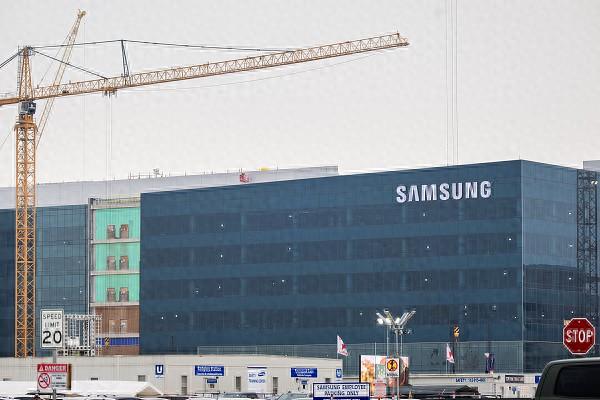
《韩民族日报》8月21日称,尽管韩国政府表示目前尚未接到美方入股的具体要求,并称相关报道"毫无 根据",但业内担心一旦美国真的提出股权要求,企业可能难以拒绝。 该报还援引消息人士的话称,韩国企业拟向特朗普送上1500亿美元的投资"大礼包",将在韩美首脑会谈 上正式公布。这笔投资韩美达成关税协议时决定设立的3500亿美元投资基金相互独立,属于另行筹措。 三星利润暴跌,恐难拒美方补贴 韩联社早前援引半导体行业消息人士的话披露,美国政府正考虑入股三星电子等在美建厂的半导体企 业。这一消息让韩国业界感到不安,分析人士警告,韩国需要对特朗普影响企业的举动保持警惕。 据称,美政府正在探索用补贴换取美国芯片制造商英特尔公司股份,由于美国也将通过《芯片法案》向 三星电子、台积电等企业提供补贴,特朗普政府可能采取同样的方式获得这些公司的股份。 韩国总统办公室发言人姜由祯21日在例行简报会上表示,有关"美国政府将在向半导体企业发放补贴的 同时要求获得股权"的报道是"毫无根据的"。 她解释道:"(美国政府目前正式表态的只是)将英特尔获得的补贴转为股份。韩国企业尚未领取补 贴,企业方面也确认没有接到相关通知。" 考虑到韩国总统李在明 ...
【奋楫前行•十四五话国力】创新能力:自立自强有底气
Zhong Guo Jing Ji Wang· 2025-08-21 10:17
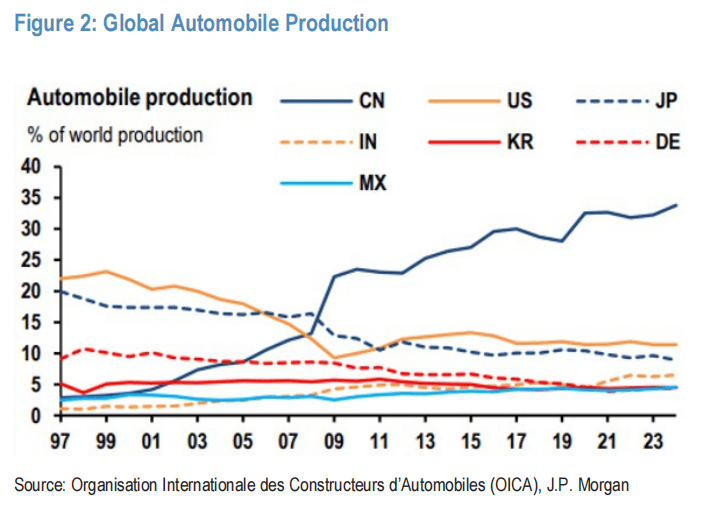
Group 1 - The core viewpoint emphasizes the importance of innovation in China's development strategy during the 14th Five-Year Plan period, focusing on self-reliance and technological advancement [2][4] - By 2024, total R&D expenditure in China is expected to increase by nearly 50% compared to the end of the 13th Five-Year Plan, reaching an increment of 1.2 trillion yuan, with R&D intensity rising to 2.68%, approaching the OECD average [4][6] - The integration of technological and industrial innovation is highlighted, with the establishment of the Chinese space station "Tianhe" marking a significant milestone in China's technological capabilities [4][5] Group 2 - China's basic research investment is projected to reach 249.7 billion yuan in 2024, accounting for 6.91% of total R&D expenditure, indicating a strong commitment to foundational scientific research [6][9] - The number of high-tech enterprises is expected to exceed 116,000 by 2024, with the "new economy" (new industries, new business formats, new business models) contributing over 24 trillion yuan in added value [7][9] - China's global innovation index ranking has improved to 11th place, reflecting its growing influence as a key player in global innovation [9][10] Group 3 - The production of integrated circuits in China is projected to increase by 72.6% compared to the end of the 13th Five-Year Plan, adding approximately 190 billion units, showcasing significant advancements in semiconductor manufacturing [10] - The number of civil unmanned aerial vehicle (UAV) companies has reached 809, with over 3.74 million products registered, indicating robust growth in the UAV sector [12] - In the first half of the year, China's automobile production and sales both surpassed 15 million units, achieving double-digit growth year-on-year, reflecting a strong automotive market [12][13]

当全球最大造船国遇上全球第一船级社:航运业绿色转型如何提速?
第一财经· 2025-08-21 03:48
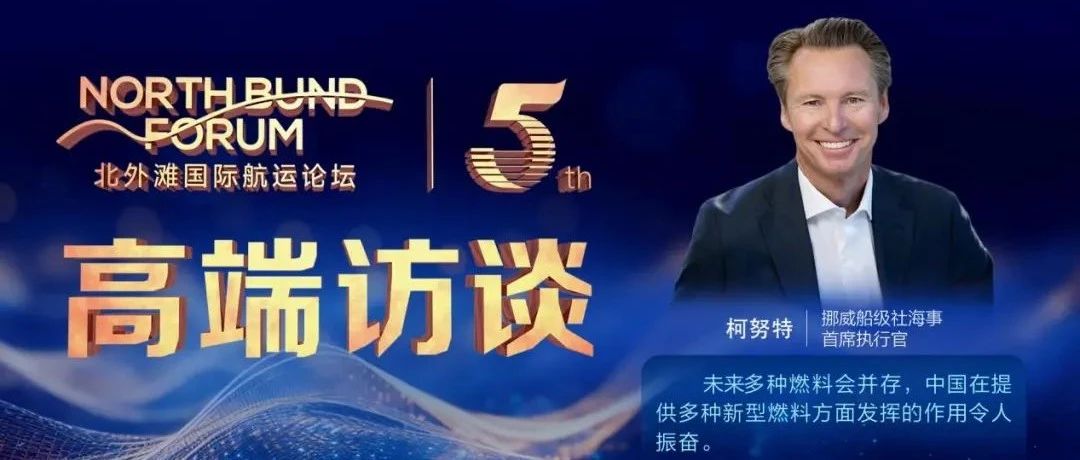
Core Viewpoint - The global shipping industry is facing the strictest carbon emission regulations in history, with the revised Annex VI of the International Convention for the Prevention of Pollution from Ships (MARPOL) coming into effect on August 1, 2023, prompting the need for new practices and technologies to meet stringent emission reduction requirements [1][3]. Group 1: Regulatory Changes and Industry Response - The revised MARPOL Annex VI is a new and very strict regulation that requires shipping companies to adopt new practices and technologies to comply with emission reduction targets [3]. - The Norwegian classification society is assisting clients in developing compliance strategies and understanding new regulations, while also providing technical advice on alternative fuels and energy-saving devices [3]. - The introduction of carbon taxes is expected to drive shipowners to invest in new technologies and improve energy efficiency, with financial institutions increasingly favoring green projects [3]. Group 2: Market Dynamics and Bilateral Trade - China is Norway's largest trading partner in Asia, with bilateral trade expected to reach $10.18 billion in 2024, a year-on-year increase of 31.7% [4]. - The Norwegian classification society has seen rapid growth in China, with its market share in the region accounting for approximately 28% of its global business [4]. - China's shipbuilding industry remains the largest globally, with completion, new orders, and backlog accounting for 51.7%, 68.3%, and 64.9% of the global total, respectively, as of the first half of 2025 [4]. Group 3: Decarbonization Challenges - The transition to decarbonization in shipping is a gradual process, with approximately 92% of the current fleet still using traditional fuels [6]. - The speed of transition depends on various factors, including infrastructure for new fuels, production scale, and the high costs associated with these transitions [6]. - Operational optimization measures, such as speed reduction and route optimization, can be implemented even for existing fleets using traditional fuels [6]. Group 4: Digitalization and Innovation - The Norwegian classification society emphasizes the importance of energy-saving technologies in reducing shipping emissions and achieving international maritime organization goals [11]. - Digital technologies are being utilized to monitor vessel operational data, allowing shipowners to better understand fuel consumption and improve operational efficiency [11][12]. - Collaborative efforts between Norwegian and Chinese teams are focused on advancing digitalization and smart technologies in the shipping industry [12]. Group 5: Future of Fuel and Shipbuilding - The future of shipping fuel will not rely on a single solution, but rather a mix of fuels depending on various factors such as vessel type and trade area [15]. - Norway has issued over 20 Approval in Principle (AiP) certificates to Chinese shipyards for various green fuel adaptation solutions and technologies [15]. - China's shipbuilding industry has evolved into a leader in high-end shipbuilding, with significant advancements in LNG carrier construction and other specialized vessels [16].
并购环境不断优化 上市公司间吸并重组频现
Shang Hai Zheng Quan Bao· 2025-08-20 19:18
Core Viewpoint - The article discusses the increasing trend of mergers and acquisitions (M&A) among listed companies in China, particularly focusing on the motivations behind these consolidations and the evolving regulatory environment that supports them [1][4]. Group 1: Motivations for Mergers and Acquisitions - The wave of mergers and acquisitions is driven by multiple motivations, including vertical integration within supply chains, as seen in the strategic merger between Haiguang Information and Zhongke Shuguang, valued at 1159.67 billion [2]. - The merger between China Shipbuilding and China Heavy Industry, valued at 1151.5 billion, aims to create a complete industrial chain covering military-civilian integration and green shipbuilding [2]. - In the financial technology sector, Xiangcai Co. is merging with Dazhihui to raise up to 8 billion, focusing on integrating product systems and enhancing traditional securities business [2]. Group 2: Optimizing Capital Structure - Optimizing capital structure is a significant driver for mergers, as demonstrated by Hailianxun's merger with Hangqilun B, which addresses the challenges faced by the B-share market and facilitates access to broader A-share financing [3]. Group 3: Regulatory Environment - The increasing number of M&A cases is supported by a continuously improving regulatory environment, with the China Securities Regulatory Commission (CSRC) issuing guidelines to facilitate mergers between companies under the same control and across different sectors [4][5]. - The revised regulations have established simplified review processes for M&A transactions, enhancing the efficiency of approvals and encouraging more companies to pursue mergers [4][5]. - The focus on substantial judgment by regulatory bodies has created a favorable environment for restructuring activities, allowing companies to optimize their governance and management efficiency through M&A [5][6].
日本将扶持半导体
半导体芯闻· 2025-08-19 10:30
Group 1 - The Japanese government plans to support domestic companies in expanding overseas markets for critical materials, focusing on sectors like semiconductors, rare earths, and shipbuilding [1] - A legal amendment will be proposed to include overseas business expansion in the Economic Security Promotion Law, aiming for submission at the regular Diet session in January 2026 [1] - The support will cover procurement of essential minerals, ship repair bases, and the promotion of 5G standards, along with collaboration with like-minded countries and local enterprises [1] Group 2 - The government intends to provide subsidies from the research and testing phase to mass production and commercialization over multiple years [1] - Previously, Japanese companies could only receive government subsidies for initial testing phases in emerging and developing countries, but long-term government involvement is expected to reduce risks for these companies [1] - The Economic Security Promotion Law was enacted under Prime Minister Fumio Kishida in 2022, and the upcoming amendment will broaden support beyond stable procurement of materials to include overseas business activities [1]

2583.62亿,中国神华启动大规模资产重组,央企加速整合产业资源
3 6 Ke· 2025-08-19 10:12
Core Viewpoint - The central theme of the news is the accelerated integration of industrial resources by state-owned enterprises (SOEs), exemplified by China Shenhua's acquisition of assets from its controlling shareholder, the State Energy Group, aimed at enhancing competitiveness and resolving industry competition issues [1][2]. Group 1: Acquisition Details - China Shenhua plans to acquire 13 subsidiaries from the State Energy Group, covering coal mining, coal chemical, and logistics services, with a total asset value of 258.36 billion yuan [1][2]. - The acquisition includes 100% equity of ten companies and partial stakes in two others, with the target assets expected to have a net asset value of 93.89 billion yuan by the end of 2024 [2]. - The projected revenue for the acquired assets in 2024 is 125.996 billion yuan, with a net profit of 8.005 billion yuan [2]. Group 2: Strategic Goals - The restructuring aims to achieve a strategic synergy effect, enhancing resource reserves, optimizing industrial layout, and improving overall competitiveness and risk resilience [1][3]. - The integration of upstream coal mining and downstream coal-to-oil and chemical platforms is expected to enhance the efficiency of energy utilization [3]. Group 3: Industry Context - The restructuring aligns with recent capital market reforms encouraging mergers and acquisitions among SOEs, with policies promoting industry consolidation [3]. - Despite ongoing consolidation efforts, over 40 SOEs still face issues of industry competition, indicating a need for further restructuring [3].

战略研究报告:中国制造2025目标基本实现(26页)
Sou Hu Cai Jing· 2025-08-19 03:07
Group 1 - The core conclusion of the report is that the goals set by the "Made in China 2025" initiative have largely been achieved, with 86% of quantitative indicators met [1][7] - The manufacturing industry's global share has increased from 25% in 2015 to over 30% in 2025 [13] - The report highlights that China is now the largest market and exporter of new energy vehicles, marking a significant achievement in this sector [8] Group 2 - The ten key areas of focus for the "Made in China 2025" initiative include advanced manufacturing sectors such as aerospace, new energy vehicles, and high-performance medical equipment [5] - The report indicates that while some sectors like new energy vehicles have achieved self-sufficiency, others such as semiconductors and high-end machine tools still rely on imports [11] - The manufacturing capacity utilization rate has dropped below pre-pandemic levels in several industries, indicating potential overcapacity issues [12] Group 3 - The report notes a significant decline in exports to the U.S. by approximately 40% in early 2025, followed by a rebound of over 20% after negotiations in June [13] - The AI core industry is projected to reach a scale of 1 trillion yuan, with a year-on-year growth of 30%, marking 2025 as a pivotal year for generative AI [14] - The contribution of real estate to GDP has decreased from 16% to 8%, reflecting ongoing challenges in the housing market [14]