
餐饮

Search documents
传统年俗焕新生 广西新春消费市场供需两旺人气足
Zhong Guo Xin Wen Wang· 2026-02-24 03:02
Core Insights - The Spring Festival consumption market in Guangxi is thriving, driven by innovative policies and activities that rejuvenate traditional customs and stimulate demand [1] Group 1: Policy and Economic Impact - Guangxi has launched a series of promotional activities, "2026 Guangxi Happy Spring Festival Consumption Season," which includes policy incentives and innovative consumption scenarios, leading to a robust market [1] - From January 1 to February 22, 2026, the region provided subsidies for 394,600 digital and smart products, 12,300 new cars, and 454,000 home appliances, totaling over 520 million yuan in subsidies, which boosted sales by 4.656 billion yuan [2] - Key sectors such as telecommunications and automotive saw sales increases of 32.7% and 3.2% respectively during the promotional period [2] Group 2: Consumer Behavior and Trends - The integration of various business formats and new consumption scenarios has sparked a surge in consumer interest, with foot traffic in 30 monitored shopping areas increasing by 37% and sales rising by 19% [2] - The city of Nanning has initiated a prize-winning invoice activity, resulting in over 170,000 invoices uploaded and a total invoice amount exceeding 70 million yuan, with nearly 45,000 consumers winning prizes [2] Group 3: Cultural and Tourism Integration - The collaboration between commerce, culture, tourism, and health has attracted both local and external visitors, leading to a 10.2% increase in sales for 169 retail and catering enterprises and a 20% rise in local service consumption [6] - During the Spring Festival, Guangxi experienced a 41.9% increase in total tourist numbers and a 49.3% rise in tourist spending, with nighttime consumption accounting for approximately 59.4% of total sales and growing by 37.7% [6] Group 4: Digital Consumption and E-commerce - The digital transformation has reshaped consumption habits, with online shopping events and live-streaming sales contributing to rapid growth in e-commerce during the Spring Festival [7] - Instant retail services have seen significant demand, with orders for bike rentals, power banks, and flash purchases increasing by 89.8%, 72.9%, and 88.0% respectively during the holiday period [7]

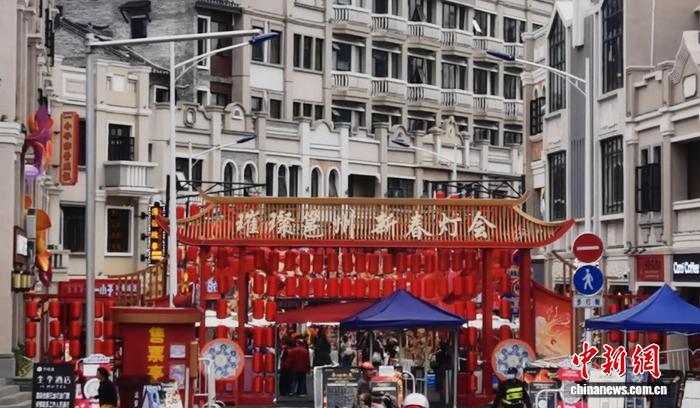
春节期间杭州实现消费总金额177.49亿元
Hang Zhou Ri Bao· 2026-02-24 02:44
Group 1 - The extended Spring Festival holiday has significantly boosted Hangzhou's consumption market, with total spending across five major sectors reaching 17.749 billion yuan, a year-on-year increase of 7.6% [1] - Retail sales amounted to 9.799 billion yuan, growing by 8.7%, while dining consumption reached 3.845 billion yuan, marking a 15.0% increase [1] - The consumption market is characterized by overall growth, structural optimization, and strong supply, with notable sales increases in green, smart, and health-related products [1] Group 2 - E-commerce platforms in Hangzhou saw government subsidies of 1.5538 million yuan during the Spring Festival, leading to over 45.47 million yuan in sales from more than 110,000 orders [2] - The city issued over 600 million yuan in consumption vouchers, with specific districts launching targeted subsidies that had a significant impact on sales [2] - The "trade-in" policy has been upgraded, resulting in over 14,000 transactions worth more than 62 million yuan in the Binjiang District alone during the holiday [2] Group 3 - Cultural and tourism activities in Hangzhou attracted significant visitor numbers, with daily attendance at the Grand Canal Park exceeding 20,000, a growth of over 700% [3] - The "Come to Hangzhou for the New Year" campaign, organized in collaboration with platforms like Alipay and Xiaohongshu, generated 3.167 billion yuan in external consumption, a 27.3% increase [3] - Traditional dining experiences have been enhanced, with notable sales increases in various restaurants, such as a 25% rise in key dining establishments in Chun'an County [3]
长沙春节假期消费成绩单亮眼
Chang Sha Wan Bao· 2026-02-24 02:43
马年春节,"烟火长沙·乐购新春"2026长沙市春节系列促消费活动成为一大亮点。各大商圈推出的活动 各具特色,如北辰荟推出非遗妙会,市民可现场写春联、剪窗花;步步高梅溪新天地万事大集集市,推 出传统文化表演。 有奖发票是今年长沙春节消费市场的一大亮点。春节期间,市民累计提交发票22.7万张,总金额8426.54 万元,中奖率74.8%,发放红包429.05万元。 消费品以旧换新持续发力。市商务局数据显示,2月15日至22日,长沙以旧换新活动参与8.32万人次, 申请补贴6007万元,直接带动销售5.85亿元;"驾享星城"汽车促消费活动市级财政投入200万元,联动 芙蓉区、宁乡市各投入100万元,形成叠加效应;"福满星城"购物消费节核销政府消费券850万元,带动 销售超20亿元。 逛特色商圈、品湘味美食、赏非遗……这个超长春节假期,市民与游客沉浸式解锁"星派"新年。第 三方数据显示,2月15日至23日,长沙累计实现商品和服务销售额222.42亿元,同比增长7.76%。 春节假期,不少外地游客将五一商圈作为来长沙的第一站。黄兴南路步行商业街摩肩接踵的人流,费大 厨、火宫殿、一围肥牛等餐饮店排起长龙,无不彰显着这里的 ...
营造更好环境促成“消费大年”
Di Yi Cai Jing Zi Xun· 2026-02-24 02:40
Group 1 - The core viewpoint of the articles emphasizes the significant boost in consumer spending during the recent Spring Festival holiday, indicating a strong potential for consumption-driven economic growth in China [2][7] - Data from Fliggy shows that domestic travel orders reached a new high during the Spring Festival, with ticket orders increasing by over 80% year-on-year and hotel night bookings rising by 75% [2] - The average booking amount for domestic travel increased by approximately 10% compared to last year, with popular theme park and attraction package orders seeing a 140% year-on-year growth [2] Group 2 - The Ministry of Commerce, the People's Bank of China, and the Financial Regulatory Authority jointly issued a notification aimed at enhancing collaboration between commerce and finance to stimulate consumption through a combination of government subsidies, financial support, and merchant discounts [3] - Local governments allocated 2.05 billion yuan to stimulate consumer spending through vouchers and subsidies, effectively igniting market enthusiasm [3] - New consumption trends emerged during the holiday, including a surge in ice and snow sports and the integration of technology with traditional customs, reflecting a shift in consumer focus towards personalized and high-quality service products [5] Group 3 - The articles suggest that to truly establish a "year of consumption," it is essential to continue increasing policy support, create new consumption scenarios, and provide a solid financial and temporal foundation for consumers [7] - The "14th Five-Year Plan" proposes goals for high-quality employment, synchronized growth of resident income and economic growth, and improved public services, which are crucial for enhancing consumer spending [6] - Recommendations include reducing the burden of housing loans through interest subsidies to promote consumer growth, as well as encouraging more flexible holiday arrangements to enhance consumer experiences [6]

狂飙的县城网红店,让北上广打工人穷哭了
3 6 Ke· 2026-02-24 02:26
Core Insights - The article discusses the rising prices in county-level cities during the Spring Festival, highlighting the stark contrast between the expectations of urban workers returning home and the reality of high local prices [1][9][10] - It emphasizes that the perception of county cities as affordable alternatives has been shattered, with urban workers feeling financially burdened by unexpectedly high costs [1][8] Price Discrepancies - Movie ticket prices in county cities have surged, with average prices reaching 80-100 yuan, while major cities like Beijing and Shanghai maintain lower averages of 49.8 yuan and 45 yuan respectively [4][2] - Coffee prices in county cities can be exorbitant, with a cup costing 58 yuan, significantly higher than the 9.9 yuan offerings in major cities [4][6] - Dining costs have also escalated, with some restaurants offering fixed-price menus starting at 666 yuan, leading to a perception of overpriced meals compared to urban standards [7][8] Consumer Behavior - The article notes that the high prices are not merely a seasonal phenomenon but reflect a broader trend in county-level consumption, where prices have consistently exceeded national averages for three consecutive years [10][11] - The influx of trendy brands and cafes in county cities has created a scarcity effect, allowing businesses to charge higher prices due to limited competition [12][13] Business Dynamics - Many county businesses rely heavily on the Spring Festival for revenue, with some cinemas reporting that holiday earnings can account for over 50% of their annual income [14][15] - The high operational costs and low daily sales force businesses to capitalize on the holiday season, leading to inflated prices [16][17] Social and Emotional Factors - The article highlights that spending in county cities is often driven by social dynamics, where young consumers seek to participate in trends and social gatherings, viewing high-priced items as status symbols [19][20] - The emotional need for social interaction during the holidays drives demand for experiences like dining and cinema, making these expenditures feel necessary despite their high costs [23][24]
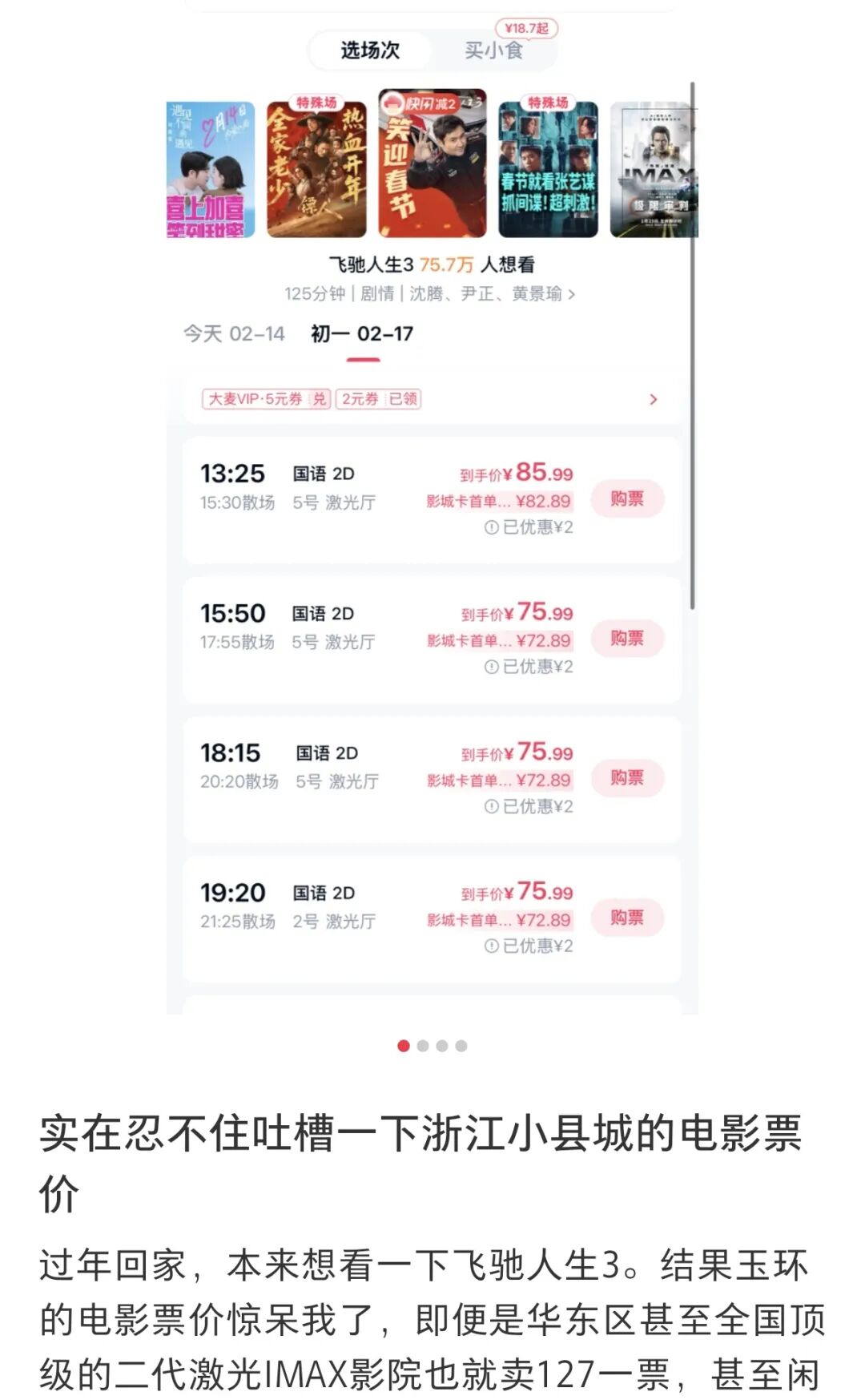
稳岗就业惠民生 暖心举措助力务工人员从“家门口”直达“厂门口”
Yang Shi Wang· 2026-02-24 02:12
Group 1 - The article highlights the efforts made by various regions to facilitate the return of migrant workers to their jobs after the holiday season, including "point-to-point" transportation services [1][4][5] - In Chongqing's Zhongxian County, over 300 dedicated buses have been organized to ensure safe and convenient travel for migrant workers, with local specialties included in their travel bags [4][5] - In Guizhou's Danzhai County, a "point-to-point" service has successfully transported over 100 workers directly to their workplaces, addressing the challenges of ticket purchasing during the busy Spring Festival travel period [7][9] Group 2 - Various regions are also hosting job fairs to promote local employment opportunities, with over 4,000 job positions available in industries such as automotive, new energy, and electronic information in Anhui's Wuhu [12] - In Xinjiang's Wusu, a job fair attracted 122 companies offering 1,360 job positions across diverse sectors, catering to different employment needs [15]
春节消费开门红,出游及体验消费亮眼
HTSC· 2026-02-24 02:09
Investment Rating - The report maintains an "Overweight" rating for the consumer sector, particularly highlighting the potential in experience and emotional consumption, domestic travel, and AI technology products [7]. Core Insights - The report indicates a strong recovery in consumer spending during the Spring Festival, with key retail and catering enterprises showing an average daily sales increase of 8.6% compared to the same period last year [10]. - The report emphasizes the growth in experience consumption driven by travel and leisure activities, with significant increases in hotel occupancy and average daily rates during the holiday period [27]. - The report identifies structural opportunities in the market, particularly in AI technology consumption, emotional value products, and the rise of domestic brands [5]. Summary by Sections Retail Consumption - Retail sales during the Spring Festival showed a notable recovery, with a 8.6% increase in daily sales compared to the previous year, driven by improved consumer sentiment and a more active lower-tier market [10][12]. - Specific regions such as Hubei (+12%), Guangxi (+15%), and Nanjing (+17%) experienced rapid growth in consumption [2]. Domestic Travel - The report highlights a record high in cross-regional travel during the Spring Festival, with an estimated 3.1 billion daily movements, reflecting a 6.6% year-on-year increase [14]. - Key tourist destinations saw significant visitor numbers, with hotels experiencing a rise in both occupancy rates and average daily rates, indicating a robust recovery in the hospitality sector [27][19]. Experience Consumption - Experience consumption, particularly in travel and dining, has rebounded strongly, with restaurants like Haidilao reporting a 10% increase in customer flow during the holiday [33]. - Emotional consumption products, such as toys and scented items, gained popularity, with sales of pet clothing increasing by 116% during the holiday season [11]. AI Technology Consumption - The report notes a surge in sales of smart wearable devices, with a 19.7% increase in sales, and smart glasses seeing a growth of 250% [11]. - The introduction of new products under the "old for new" policy is expected to drive further growth in the AI technology sector [11]. Investment Recommendations - The report recommends several companies for investment, including Pop Mart, Haidilao, and Midea Group, focusing on emotional and experience consumption, domestic brand growth, and AI technology [5].





中国银河证券:假期安排优化推动景气回升 免税板块高增延续
智通财经网· 2026-02-24 02:05
1)省份:湖北:前六天A级景区接待游客1502万人次,同比增长12.41%;四川前六日 A 级景区累计接待 游客4202万人次、门票收入3.38亿元;福建、上海、广西、山东等地景区客流与收入均实现稳步增长。 人均消费企稳,广西游客消费增速(12.1%)快于人次增速(11.5%);山东景区营业收入增速(9.6%)与接待人 次增速(10.6%)基本相近;2)重点景区:九华山、峨眉山、九寨沟等重点知名景区接待量均达饱和,整体 文旅消费呈现高景气态势;3)餐饮零售:假期天数增加叠加多地推出乐购新春活动,前四天全国重点零 售和餐饮企业日均销售额同比+8.6%;海底捞除夕与大年初一两天客流较去年同期增长超过10%。 假期出入境人次预计创新高,澳门旅游市场高景气延续 免税:重回高增长,高端复苏+新品类+政策助力 1)海南:高端消费复苏延续,叠加消费券+日本需求转移,海南前四天免税销售额9.7亿,同比+16%;2) 三亚免税:2月累计销售额同比+19%。其中,初二-初四三亚四家免税店销售额日均2.5亿,农历口径同 比+30%;中免海棠湾店初一至初二日均破2亿;3)珠海免税:新品类(黄金珠宝,苹果手机)+老品类协同发 力,截止 ...

全球媒体聚焦 | 外媒:中国春节假期迎来消费热潮
Sou Hu Cai Jing· 2026-02-24 01:55
Group 1 - Strong consumer activity during the record 9-day Spring Festival holiday in China signals positive momentum for the economy and reflects consumer confidence [1][2] - The holiday provided an extended window for robust consumption in tourism, dining, entertainment, and retail sectors, contributing to an early-year boost in consumer spending [2] - The Chinese government has prioritized consumption as a key economic driver, with Spring Festival spending serving as an important indicator of the effectiveness of consumption promotion policies [3] Group 2 - The consumption upgrade program has significantly impacted holiday spending, benefiting 28.44 million consumers and generating sales of 196.39 billion yuan (approximately 28.4 billion USD) as of February 18 [3] - Gold and jewelry remain popular purchases during the Spring Festival, with themed designs and investment-grade gold bars continuing to sell well despite high gold prices [3] - A nationwide initiative by the Ministry of Culture and Tourism launched in late January includes around 30,000 cultural and tourism events and over 360 million yuan in vouchers and subsidies, enhancing holiday celebration options for the public [4]

2026年中国餐饮行业报告:连锁化进程加速,加盟模式主导行业发展
Qin Ce Xiao Fei Yan Jiu· 2026-02-24 01:45
Investment Rating - The report indicates a positive investment outlook for the Chinese catering industry, highlighting the acceleration of chain operations and the dominance of the franchise model in industry development [6][22][60]. Core Insights - The Chinese catering industry is transitioning from "incremental competition" to "stock competition," with lower entrepreneurial barriers and a significant increase in the number of legal entities and employees in the sector [15][17]. - The market is characterized by a strong recovery post-pandemic, with a notable increase in revenue and a shift towards high-quality development driven by brandization and digitalization [20][33]. - The franchise model is becoming the primary growth driver, with a significant rise in chain penetration rates, particularly in the fast-food segment [60][62]. Summary by Sections Current State of the Chinese Catering Industry - The industry is experiencing a shift towards stock competition, with a notable increase in the number of legal entities from 26,359 in 2016 to 74,664 by 2024, and employees rising from 221.1 million to 360.5 million [17][20]. - The catering revenue reached approximately 57,982 billion yuan in 2025, accounting for 11.6% of the total retail sales, reflecting a 3.2% year-on-year growth [10][20]. Industry Chain Overview - The catering industry value chain includes upstream suppliers, food processing, and downstream service delivery, with a focus on ensuring food freshness and timely delivery [39][40]. - The supply chain is evolving towards quality enhancement and precision delivery, driven by increased competition in retail channels [44]. Fast Food Industry Status - The fast-food segment is witnessing accelerated chain development, with the chain penetration rate increasing from 19% in 2021 to 23% in 2024 [26][60]. - The market for Chinese fast food is projected to grow from 5,296 billion yuan in 2020 to 8,097 billion yuan in 2024, with a compound annual growth rate (CAGR) of 11.2% [57][58]. Consumer Spending Trends - The average consumer spending in the catering sector is dominated by low-price segments, with the 11-20 yuan range accounting for 32.7% of total outlets [30][32]. - The overall catering market is expected to grow from 39,527 billion yuan in 2020 to 83,348 billion yuan by 2030, with a CAGR of approximately 7.7% [33][35]. Challenges in Cost Management - The cost structure of catering businesses is heavily reliant on raw material procurement (42.1%), labor costs (22.2%), and rent (9.7%), which together account for nearly 75% of total revenue [49]. - The industry is facing new challenges in cost management, shifting focus from traditional hard costs to managing rising labor and digital channel expenses [47][49].