健康

Search documents
明年经济工作为何要将“坚持内需主导”置顶?
Xin Lang Cai Jing· 2025-12-24 06:29
Core Viewpoint - The article emphasizes the strategic shift from "expanding domestic demand" to "demand-led growth," highlighting the importance of internal demand as a primary driver of economic growth in China, especially in the context of increasing external uncertainties [3][4][5]. Group 1: Strategic Shift - The transition from "expanding domestic demand" to "demand-led growth" signifies a profound change in China's economic development logic, moving from reliance on external demand to a focus on internal demand as the main engine of growth [3][4]. - This strategic upgrade reflects a recognition of the need for a robust domestic market, emphasizing the importance of a comprehensive system that includes consumption environment, distribution systems, quality standards, and income distribution [4][5]. - The shift is also seen as a proactive choice to create a growth model based on internal demand, rather than merely responding to demand contractions [4][5]. Group 2: Consumption and Investment Dynamics - Consumption and investment are interdependent, forming a complete economic cycle where investment creates supply and future growth capacity, while consumption defines investment directions [10][12]. - The article advocates for a new dynamic balance where "demand drives investment, and investment creates demand," moving away from the previous model that prioritized investment over consumption [10][12]. - Effective investment should focus on enhancing consumption potential, with an emphasis on sectors like healthcare, education, and emerging industries to create new consumer demands [10][12]. Group 3: Consumption Structure Upgrade - The article discusses the need for a shift in consumption from "survival-type" to "development-type," indicating a transition towards higher quality and more diverse consumption patterns [7][8]. - It highlights the importance of enhancing service consumption and targeting key demographics, such as rural residents and young consumers, to unlock potential in the market [7][8]. - The role of technology and innovation in driving consumption upgrades is emphasized, suggesting that digital transformation and green products can align with evolving consumer demands [7][8]. Group 4: Policy and Institutional Support - The article stresses the necessity of building a long-term mechanism that encourages consumption through income growth and reduced financial burdens on consumers [8][9]. - It calls for systemic reforms to eliminate barriers to consumption and enhance consumer protection, thereby increasing consumer confidence [8][9]. - The importance of optimizing supply and innovating consumption scenarios is highlighted as essential for stimulating consumption growth [8][9].

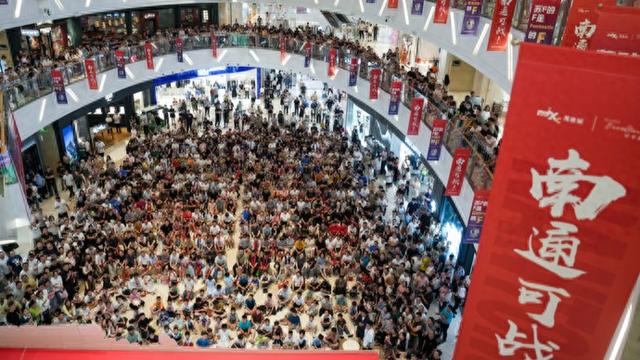
北京初步明确“国际化消费环境”试点支持方向,近期将启动项目申报
Zhong Guo Jing Ying Bao· 2025-12-19 15:02
Core Viewpoint - Beijing is set to implement a pilot program for an "international consumption environment," with a focus on enhancing consumer experiences and supporting new business models and scenarios over the next two years [1][2]. Group 1: Pilot Program Details - The pilot program will support 50 cities in new business models and scenarios, with Beijing approved for both "three new" and "international consumption environment" trials [1]. - The "three new" pilot policy focuses on three main areas: establishing a service system for first-release economies, innovating diverse service consumption scenarios, and fostering collaborations with well-known IPs [1][2]. Group 2: International Consumption Environment Support - Key support areas for the international consumption environment include enriching high-quality consumption supply, optimizing foreign payment services, and enhancing international service levels [2]. - Specific initiatives include developing international consumption clusters, improving tax refund services, and providing multilingual signage and smart translation devices in key commercial areas [2]. Group 3: Consumption Trends and Developments - Since the launch of the international consumption center city initiative in July 2021, Beijing has seen significant upgrades in consumer environments, with over 5,000 first stores established since 2019 [2][3]. - The city has also seen a surge in cultural, sports, and health service consumption, with various initiatives enhancing the overall consumer experience [3]. Group 4: Urban Service Innovations - Beijing has implemented a "no disturbance" regulatory model to streamline processes for businesses in sectors like dining and retail, significantly reducing unnecessary interventions [4]. - The city has developed a comprehensive foreign payment system, ensuring coverage for foreign card acceptance across 18,000 key merchants and facilitating currency exchange through numerous channels [5]. Group 5: Performance Metrics - The index for Beijing's international consumption center city initiative reached 109.9 in 2024, reflecting a 19.6 increase since the end of 2020, with various metrics indicating strong commercial activity and international recognition [5].
刘灿放:创新合作,共驭中国保险与健康养老产业融合发展的蓝海
Xin Lang Cai Jing· 2025-12-17 05:15
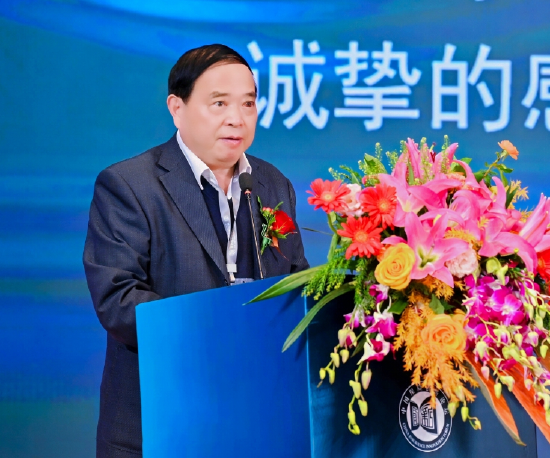
Core Viewpoint - The 20th China Insurance Innovation Forum emphasizes the theme of "Co-creation and Symbiosis," focusing on the future path of high-quality development in the insurance industry, highlighting the need for innovation and collaboration to enhance the integration of insurance and health care sectors [1][10]. Company Overview - Jiangsu Jiuzhou Investment Group has developed into a diversified conglomerate over 36 years, adhering to the principles of creating value, benefiting society, serving the public, and self-development, with a revenue of 22.6 billion yuan in 2024 and a tax contribution of 280 million yuan in the Changzhou region [4][13]. Industry Trends - The company has targeted the silver economy since 2010, investing in high-end elderly care facilities, such as the Jin Dongfang Elderly Care Garden, which is recognized as Jiangsu's first elderly care demonstration project [5][14]. - The company has also established an international health and wellness city in Liyang, with the first phase operational, and invested over 5 billion yuan in the key cultural tourism project "Shunshan Town" [5][14]. Integration Opportunities - Three key areas of synergy between the health care and insurance sectors are identified: 1. **Value Resonance**: The integration of traditional insurance products with health management and elderly care services to create comprehensive health protection solutions [6][14]. 2. **Wisdom Resonance**: Utilizing accumulated health data to enhance risk assessment and pricing in the insurance industry, facilitating a shift from passive claims to proactive health management [7][15]. 3. **Industry Resonance**: Promoting collaboration and resource sharing between the health care and insurance sectors to build a comprehensive health and elderly care ecosystem [7][15]. Future Vision - The company expresses a commitment to breaking down industry barriers and deepening integration to create new growth opportunities, aligning with national strategies and enhancing public welfare [8][16].
国家发改委:大力提升居民消费意愿。深入实施提振消费专项行动
Sou Hu Cai Jing· 2025-12-16 01:49
来源:金融界AI电报 国家发改委在《求是》杂志发表文章《坚定实施扩大内需战略》中指出,着力释放居民消费潜力。一方 面,大力提升居民消费意愿。深入实施提振消费专项行动。加力稳定大宗消费,实施好消费品以旧换新 政策。强化品牌引领、标准升级、新技术应用,打造一批带动面广、显示度高的消费新场景。支持首发 经济、赛事经济、电子商务等发展。顺应消费升级、人口老龄化、促进出生人口增长等需要,在养老、 托育、健康、文旅等消费配套设施领域实施一批重点项目。大力实施城市更新,抓好停车场、老旧电梯 更新等民生微项目。进一步拓展入境消费,提升便利化水平。另一方面,切实增强居民消费能力。强化 就业优先政策,多渠道稳定和扩大就业,优化创业促进就业政策环境,支持重点群体就业。实施城乡居 民增收计划,提高居民收入在国民收入分配中的比重,提高劳动报酬在初次分配中的比重,努力实现居 民收入和经济增长同步、劳动报酬提高和劳动生产率提高同步。加大直达消费者的普惠政策力度,增加 政府资金用于民生保障支出。健全社会保障体系,稳步推进基本公共服务均等化,加大生育养育支持力 度。 ...
中央经济工作会议部署产业政策:培育新动能,深入整治“内卷”
2 1 Shi Ji Jing Ji Bao Dao· 2025-12-11 14:45
Group 1: Economic Policy Focus - The core focus of the Central Economic Work Conference is to adhere to innovation-driven development and accelerate the cultivation of new growth drivers [1][3] - The shift in policy from "leading new quality productivity development through technological innovation" to "accelerating the cultivation of new growth drivers" reflects a deeper emphasis on implementation pathways and practical results [2][4] - The conference highlights the importance of optimizing the service industry structure through a dedicated action plan, which aligns with the strategy to expand domestic demand [5][6] Group 2: Service Industry Development - The service industry is recognized for its strategic importance in the national economy, with a projected contribution of 56.7% to GDP by 2024, although structural imbalances exist [6][7] - The action plan for enhancing the service industry aims to improve service quality, thereby boosting consumer confidence and creating a virtuous cycle of service upgrades, consumption growth, and industrial expansion [7][8] - The government plans to support private capital in the production service sector, focusing on high-value service industries such as industrial design and quality certification [7][8] Group 3: Artificial Intelligence Governance - The policy regarding "Artificial Intelligence+" has evolved from "initiating actions" to "deepening and expanding" while also emphasizing the need for improved governance [8][9] - The focus on AI reflects its critical role in driving productivity across various industries, necessitating a balance between innovation and risk management [9][10] - The governance framework aims to address challenges such as data misuse and algorithmic bias, ensuring that the development of AI aligns with ethical standards and societal needs [9][10] Group 4: Competition Regulation - The conference reiterates the need for deeper regulation of "involutionary competition," transitioning from a broad initial assessment to targeted governance measures [10][11] - The establishment of a national unified market construction regulation is aimed at eliminating local protectionism and market fragmentation, which are key contributors to involutionary competition [11] - The emphasis on precise governance reflects an understanding of the complexities involved in addressing the root causes of involutionary competition, promoting high-quality development through enhanced competition standards [11]
2026年中国消费新图景报告
Sou Hu Cai Jing· 2025-12-11 10:37
Core Insights - The report by NielsenIQ outlines the evolving landscape of China's consumer market, highlighting a shift in consumer attitudes and behaviors against a backdrop of economic stability and increasing consumption contributions [1] Group 1: Consumer Sentiment and Behavior - Consumers are increasingly optimistic about their financial situations, yet approximately 40% remain cautious in their spending habits [1][8] - Economic conditions and family happiness are the two primary concerns for consumers, with product safety and quality being foundational in purchasing decisions [1][10] - Over 60% of consumers are willing to pay a premium for products that enhance their life experiences [1] Group 2: Generational Insights - The Baby Boomer generation (aged 61 and above) represents less than 20% of the population but shows a strong willingness to spend, with 70% eager to consume and nearly 80% willing to pay a premium for products that support a fulfilling retirement [2] - Generation X (aged 44 to 59) is characterized by a pragmatic approach to spending, with over one-third identifying as cautious consumers and nearly half only purchasing items they deem necessary [3] - Millennials (aged 29 to 44) prioritize experiences and are willing to pay more for superior quality and safety, with transparency in supply chains and sustainability being key factors in their purchasing decisions [4] - Generation Z (aged 18 to 27) focuses on community recognition and efficiency, showing a preference for products that resonate with their interests and are less influenced by traditional endorsements [5] Group 3: Market Trends and Recommendations - The report emphasizes the need for brands to clearly define their value propositions and target specific generational cohorts to foster deep connections with consumers [5] - Brands should leverage technology to enhance product experiences and integrate social responsibility and sustainability into their core values to build long-term trust with consumers [4][5]
中国绿发:将加快新能源、新材料、新型电力系统等领域集群发展
Zheng Quan Shi Bao Wang· 2025-12-10 09:28
Core Viewpoint - China Green Development Investment Group Co., Ltd. aims to accelerate the cluster development in fields such as new energy, new materials, new power systems, new energy storage, artificial intelligence applications, and energy conservation and carbon reduction [1] Group 1 - The company plans to enhance its industrial ecosystem and promote the large-scale application of new technologies, products, and scenarios [1] - There is a focus on forward-looking layout for future industries, exploring typical application scenarios and feasible business models [1] - The company intends to strategically invest in new technologies and materials in hydrogen energy and nuclear fusion, as well as in the health sector, including biomanufacturing and embodied intelligence [1]
税收数据显示——消费市场活力不断释放
Sou Hu Cai Jing· 2025-12-10 01:17
Group 1: Consumer Market Dynamics - The tax data from the State Taxation Administration indicates a positive shift in China's consumer market, driven by various consumption-boosting policies and new consumption scenarios [1][2] - The "old-for-new" policy has significantly stimulated consumer demand, with retail sales of communication devices and daily household appliances increasing by 20.3% and 26.5% year-on-year, respectively, from January to November [1] - The sales revenue of new energy passenger vehicles also showed strong growth, with a year-on-year increase of 19.1% during the same period [1] Group 2: Sports and Health Consumption - The sports and health sectors are experiencing heightened activity, with sports event-related economic output increasing significantly, leading to a multiplier effect on consumption [2] - From January to November, the retail sales of sports exhibition services and sports goods grew by 29.7% and 6.6% year-on-year, respectively [2] - Health-related consumption is also on the rise, with sales of health auxiliary treatment equipment and health consulting services increasing by 14.1% and 11.9% year-on-year [2] Group 3: Cultural and Tourism Consumption - The cultural and tourism sectors are witnessing a surge in new business models and scenarios, enhancing consumer vitality [2] - Sales revenue from artistic creation and performance, as well as film screenings, increased by 15.6% and 19.1% year-on-year, respectively, from January to November [2] - The integration of tourism with cultural activities has led to significant growth in related services, with travel agency services, scenic spots, and leisure activities seeing year-on-year increases of 10.8%, 29.4%, and 16.6%, respectively [2] Group 4: Demographic Consumption Trends - The elderly and young consumer groups are showing substantial consumption potential, with the elderly market projected to exceed 100 trillion yuan by 2050 [3] - From January to November, spending on elderly care services, social assistance, and nursing home services grew by 33.6%, 9.6%, and 14.6% year-on-year, respectively [3] - Among younger consumers, spending on digital cultural services, particularly those related to emotional value and social attributes, increased by 16.5% year-on-year [3] Group 5: Future Policy Directions - The State Taxation Administration plans to continue implementing tax and fee policies that support consumption, aiming to optimize tax payment services and stimulate domestic demand [3]
消费市场活力不断释放
Ren Min Ri Bao· 2025-12-09 21:42
Group 1: Consumer Market Dynamics - The tax data from the State Taxation Administration indicates a positive shift in China's consumer market, driven by various consumption-boosting policies and new consumption scenarios [1] - The "old-for-new" policy has significantly stimulated consumer demand, with retail sales of communication devices and daily household appliances increasing by 20.3% and 26.5% year-on-year, respectively, from January to November [1] - The sales revenue of new energy passenger vehicles also showed strong growth, with a year-on-year increase of 19.1% during the same period [1] Group 2: Sports and Health Consumption - The sports and health consumption sectors are experiencing heightened activity, with sports event-related economic output increasing significantly [2] - From January to November, the retail sales of sports exhibition services and sports goods grew by 29.7% and 6.6% year-on-year, respectively [2] - Health-related consumption is also on the rise, with sales of health auxiliary treatment equipment and health consulting services increasing by 14.1% and 11.9% year-on-year [2] Group 3: Cultural and Tourism Consumption - The cultural and tourism sectors are witnessing a surge in new business models and consumption vitality, with significant year-on-year growth in sales revenue for artistic performances and film screenings at 15.6% and 19.1%, respectively [2] - The integration of cultural and tourism industries has led to a boom in immersive and scenario-based tourism consumption, with travel agency services and scenic spots seeing sales revenue growth of 10.8% and 29.4% year-on-year [2] - The rise of homestays, which combine regional characteristics with personalized services, has resulted in a 13.1% year-on-year increase in sales revenue [2] Group 4: Demographic Consumption Trends - The silver economy is gaining traction, with the elderly population's consumption needs driving diverse growth in elder care services, which saw increases of 33.6%, 9.6%, and 14.6% in related service revenues year-on-year [3] - The younger demographic is also showing significant consumption potential, particularly in emotional value-driven purchases, with sales of digital cultural services related to gaming and animation increasing by 16.5% year-on-year [3] - The State Taxation Administration plans to continue implementing supportive tax policies and optimizing tax payment services to further stimulate domestic demand and enhance consumption vitality [3]
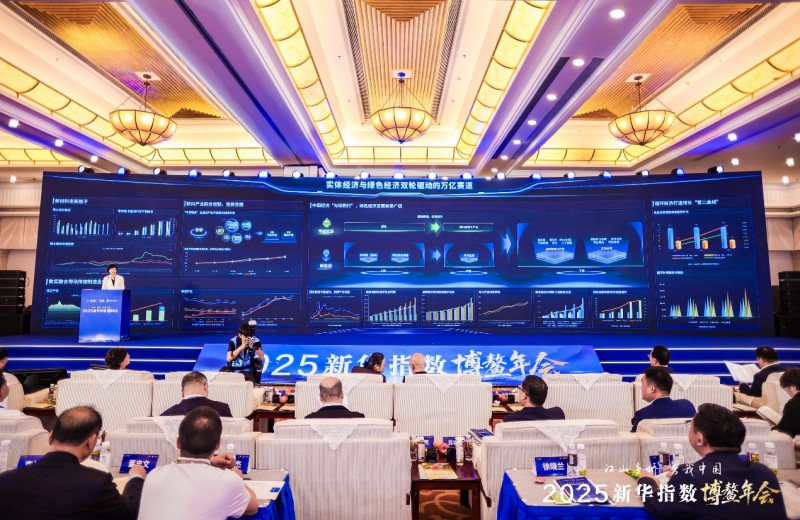
新华指数・博鳌发布|担当时代使命 共创未来新篇——展望“十五五”新机遇
Xin Hua Cai Jing· 2025-12-09 01:17
Core Insights - The article emphasizes the importance of indices as tools for understanding trends and unlocking opportunities in the context of China's economic development and modernization efforts [2][3]. Economic Growth and Development - China's manufacturing investment continues to grow, contributing to the establishment of a modern industrial system, with equipment manufacturing playing a crucial role [2][3]. - The "China Innovation Index" shows consistent improvement, reflecting the country's commitment to high-quality development [2][3]. Emerging Industries and Green Economy - The green economy is increasingly prominent, with one-third of electricity in China now sourced from renewable energy, supporting emerging industries like artificial intelligence [5]. - Inner Mongolia's modern energy economy development index is projected to grow by 24.21% year-on-year in 2024, while the new energy high-quality development index is expected to rise by 11.37% [5]. New Consumption Trends - The report identifies five key opportunity sectors focused on human-centered economic trends: cultural consumption, health consumption, silver economy, beauty economy, and pet economy [6][9]. - The cultural industry, particularly digital culture, is projected to contribute nearly 5% to GDP by 2024, highlighting its role as a significant economic growth engine [8]. Silver Economy and Health Consumption - The silver economy is expanding rapidly, with an annual growth rate of 15.27% since 2022, driven by the aging population and new business models [9]. - Health consumption trends are transforming traditional products into popular items, with innovations in functional foods and traditional remedies gaining traction [9]. Market Dynamics and Data Utilization - The establishment of a unified national market is crucial for high-quality development, with data elements playing a key role in addressing existing market inefficiencies [11]. - Price indices are acting as vital indicators for market operations, helping to stabilize and guide various agricultural sectors [13]. Cultural and Brand Development - Indices serve as digital representations of regional brand value, linking cultural heritage with modern economic opportunities [16]. - Cities are leveraging unique cultural identities to enhance their market competitiveness and global presence, exemplified by initiatives in places like Yan'an and Shaanxi [16][17].