
纺织

Search documents
宏观量化经济指数周报20250907:主要城市商品房成交延续改善-20250907
Soochow Securities· 2025-09-07 10:31
Economic Indicators - The weekly ECI supply index is at 50.03%, down 0.02 percentage points from last week, while the demand index remains stable at 49.90%[6] - The monthly ECI supply index decreased by 0.04 percentage points from August, while the demand index increased by 0.01 percentage points[7] - The ECI investment index is at 49.90%, unchanged from last week, and the consumption index is at 49.71%, down 0.02 percentage points[6] Loan and Financing Trends - The ELI index is at -0.68%, up 0.01 percentage points from last week, indicating a potential decrease in new loans for August[11] - New loans in August are expected to be between 800 billion and 850 billion CNY, a year-on-year decrease of 100 billion to 50 billion CNY[15] - Government bond financing in August is projected at 1.33 trillion CNY, down 510 billion CNY year-on-year[15] Real Estate Market - As of September 6, the transaction area of commercial housing in 30 major cities has turned positive year-on-year, indicating a potential recovery in real estate sales[7] - Recent policy adjustments in major cities like Shenzhen, Beijing, and Shanghai aim to ease purchase restrictions, which may stabilize the real estate market[7] Industrial Production and Consumption - The operating rate for automotive tires has decreased, with full steel tires at 59.78%, down 4.06 percentage points from last week[16] - The average wholesale price of pork is 19.91 CNY/kg, down 0.05 CNY/kg from last week, while the price of key monitored vegetables is 5.08 CNY/kg, up 0.17 CNY/kg[40] Export and Shipping - The Shanghai export container freight index is at 1444.44 points, down 0.62 points from last week, indicating a slight decline in export shipping costs[34] - South Korea's export growth rate for August is 1.30%, down 4.60 percentage points from July, reflecting a slowdown in export performance[34]
不听中方的劝告,印度又被美国痛宰一刀,特朗普坐等莫迪上门求饶
Sou Hu Cai Jing· 2025-09-07 10:14
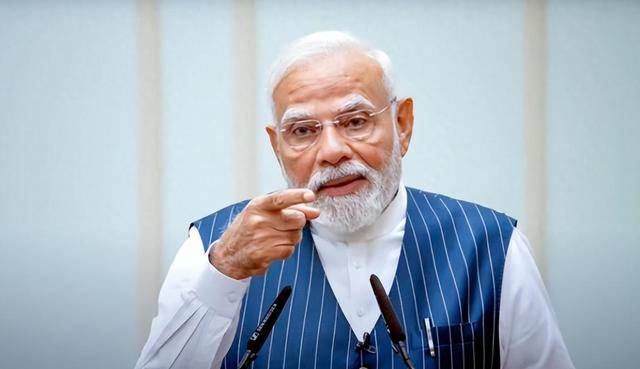
Group 1 - India aims to reach a bilateral trade agreement with the U.S. by November, indicating a significant concession from the Modi government [1][3] - Indian Commerce Minister Goyal expressed the desire to restore trade negotiations, reflecting a shift in India's stance after facing U.S. tariffs [3][18] - The U.S. imposed a 25% tariff on Indian goods, raising the total tariff rate to 50% on over 55% of Indian exports to the U.S., severely impacting labor-intensive sectors like textiles and jewelry [11][12] Group 2 - The trade dispute has led to a slowdown in India's GDP growth, potentially dropping below 6%, marking the lowest level since the pandemic [15][21] - India's military procurement has been affected, with delays in acquiring U.S. weapons systems due to the trade tensions, impacting military modernization efforts [21] - The loss of market share in the U.S. for Indian textiles and jewelry is significant, as the high tariffs effectively block these products from entering the market [23]

4年努力付诸东流?沙利文看得一清二楚:美国正将外交胜利让给中国
Sou Hu Cai Jing· 2025-09-07 07:39
Group 1 - The U.S. has imposed a 50% tariff on Indian goods, significantly impacting various sectors, particularly textiles, gems, and jewelry, which are crucial for employment in India [1][4] - India's response includes increasing oil purchases from Russia and diversifying its export markets to reduce reliance on the U.S. [1][4] - The U.S. administration's actions have led to a perception of instability in U.S. policies, prompting countries to consider "de-risking" from the U.S. [5][12] Group 2 - The Biden administration's approach has been criticized for undermining previous diplomatic efforts, particularly with India, which may push it closer to China [2][12] - India is taking pragmatic steps to stabilize its economy, such as considering tax adjustments and maintaining strong ties with Russia and China [4][8] - The U.S. needs to adopt a more constructive approach to repair relations with India, focusing on tangible benefits rather than punitive measures [9][12] Group 3 - The geopolitical landscape is shifting, with countries like India seeking to maintain a balance rather than aligning strictly with the U.S. or China [4][11] - The ongoing situation highlights the importance of stable and reliable partnerships in international relations, as countries prefer predictable policies [5][11] - The U.S. risks losing its influence if it continues to apply pressure without offering substantial incentives for cooperation [9][12]
“张謇故事宣讲会”走进香港
Xin Hua Wang· 2025-09-07 05:33
Core Viewpoint - The "Zhang Jian Story Multimedia Presentation" held in Hong Kong highlights the contributions of Zhang Jian, a prominent entrepreneur and educator, to China's modern industrial, educational, and social welfare development [1][2] Group 1: Event Overview - The event was organized by the United Front Work Department of Nantong Municipal Committee and the Nantong Overseas Friendship Association, featuring speeches and readings to share Zhang Jian's stories [1] - Hundreds of participants included representatives from Hong Kong community organizations, business leaders, and Nantong natives living in Hong Kong [1] Group 2: Contributions of Zhang Jian - Zhang Jian founded numerous enterprises and hundreds of schools, significantly contributing to the rise of modern national industry and the development of education in China [2] - He established the Dazheng Cotton Mill in Nantong in the late 19th century, marking the beginning of modern national machine textile industry in China [1] Group 3: Cultural and Economic Impact - The presentation serves as a commemoration of Zhang Jian and aims to promote the understanding and recognition of Chinese culture among Hong Kong compatriots [1] - It encourages Hong Kong's business community to inherit and promote excellent traditional Chinese culture, enhancing cooperation between Hong Kong and the mainland [2]
中国“三号民企”的掌舵人
Zhong Guo Xin Wen Wang· 2025-09-07 04:03
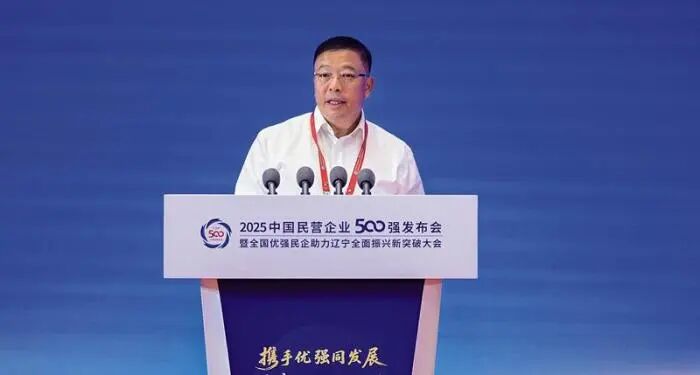
Core Insights - Hengli Group ranks 3rd in the 2025 China Private Enterprises 500 Strong list with a revenue of 871.5 billion yuan, marking its fifth consecutive year in this position [1] - The company has a workforce of 210,000, significantly larger than Tencent's 112,100 employees, highlighting its substantial scale in the industry [1] Group 1: Business Strategy - Hengli Group has established a complete industrial chain from crude oil to consumer products, including petrochemicals and textiles, which is rare in the industry [2] - The company began its journey in 1994 by acquiring a local textile factory for 3.69 million yuan, quickly turning it profitable within a year [2] - In 2002, Hengli expanded into upstream chemical fiber production, investing 2.2 billion yuan to establish Jiangsu Hengli Chemical Fiber Co., becoming a leader in the chemical fiber industry [4] Group 2: Market Adaptation - Hengli's strategic moves during economic downturns, such as acquiring production lines during the 1997 Asian financial crisis and investing in equipment during the 2008 financial crisis, allowed it to capitalize on recovery periods [8] - The company entered the petrochemical sector in 2010 with the establishment of the Dalian Changxing Island Industrial Park, which became a significant project for private enterprises in China's refining industry [4] Group 3: Recent Developments - Hengli is currently expanding into shipbuilding through Hengli Heavy Industry, acquiring the idle STX (Dalian) shipyard and building large oil tankers and bulk carriers [8][9] - The shipbuilding division has already launched over 70 vessels and has orders scheduled until 2029, positioning itself as a major player in the global shipbuilding market [9] - Hengli Heavy Industry is also preparing for a backdoor listing, with leadership transitions indicating a focus on nurturing the next generation of management [12]

邮储银行赣州市分行:以绿色金融绘就“生态美产业兴百姓富”和美画卷
Zheng Quan Ri Bao Zhi Sheng· 2025-09-06 15:12
Core Viewpoint - Postal Savings Bank of China (PSBC) Ganzhou Branch is actively promoting green finance initiatives to support ecological and economic development in Jiangxi province, focusing on sustainable projects that enhance both environmental protection and local income generation [1][2][6]. Financial Support for Ecological Projects - PSBC Ganzhou Branch has established a dedicated financial service team to address the financing challenges faced by national reserve forest projects, providing a total credit of 170 million yuan, with the first loan of 100 million yuan allocated for land transfer and forest cultivation [1][2]. - The funding not only supports ecological projects but also stimulates under-forest planting, contributing to local income growth [2]. Green Industry Development - The bank's financial services align with green development, focusing on low-carbon industries such as photovoltaic power, waste incineration, and sewage treatment, with over 88 million yuan in loans issued for urban water supply projects benefiting 185,000 residents [2][5]. - PSBC has provided 75 million yuan in credit support for county-level photovoltaic energy storage projects, expected to generate over 10 million kilowatt-hours annually [2]. Support for Manufacturing Transformation - PSBC has facilitated the transformation of Jiangxi Weimian Textile Group into an intelligent manufacturing model, providing 15 million yuan in loans to overcome funding barriers and an additional 20 million yuan for new production lines [3]. - The company has achieved a 30% reduction in energy consumption and a 70% decrease in labor costs due to automation and digital upgrades [3]. Promotion of Inclusive Finance - The bank has issued over 21 billion yuan in loans to support more than 1,500 small and medium-sized enterprises, driving the transition towards low-carbon and efficient industries [4][5]. Agricultural Financing Initiatives - PSBC has supported ecological agriculture projects, providing 500,000 yuan in loans to local entrepreneurs for aquaculture, which has led to significant business growth and job creation in the community [5][6]. - The bank's agricultural loans reached 17.2 billion yuan, with nearly 7 billion yuan in inclusive agricultural loans, reinforcing the role of green finance in rural revitalization [6]. Growth in Green Financing - As of the end of July, the green financing balance of PSBC reached 2.63 billion yuan, reflecting a 52% year-on-year increase, demonstrating the bank's commitment to sustainable development [6].

莫迪心碎!川普粉碎印度期待,对印加征关税
Sou Hu Cai Jing· 2025-09-05 18:55
Group 1 - The core argument of the articles revolves around the impact of Trump's "reciprocal tariffs" policy on global trade dynamics, particularly focusing on India and its economic vulnerabilities [1][2][4] - Trump's "reciprocal tariffs" logic highlights the disparity in tariff rates between the U.S. and India, with India's average tariff at 9.5% compared to the U.S. at 3%, which could lead to significant cost increases for Indian exports [2][4] - The potential economic fallout for India includes a projected loss of approximately $70 billion in key sectors such as automotive and agriculture, alongside a structural pressure on India's trade surplus with the U.S. [2][12] Group 2 - The unilateral nature of Trump's tariff policy has led to a breakdown of trust among allies, with countries like Canada and Mexico also facing significant tariff increases, indicating a broader strategy to reshape global trade rules [6][9] - The economic implications of these tariffs could result in increased costs for American households, estimated at $1,200 annually, and potential disruptions in supply chains that may exacerbate inflation [9][12] - India's strategic dilemma is underscored by its reliance on high tariffs to protect local farmers while facing pressure from the U.S. to open its agricultural markets, revealing a conflict between economic interests and strategic autonomy [10][12] Group 3 - The articles suggest that the ongoing trade tensions could lead to a significant economic cost, with the U.S. stock market losing $3.6 trillion in value and a shift in global supply chains towards Southeast Asia and Latin America [13] - Political responses to U.S. unilateralism are emerging, with countries like Canada and India considering collective actions to counterbalance U.S. pressures, indicating a potential revival of multilateralism [13][15] - The conclusion emphasizes that India's path forward may lie in embracing pragmatic multilateralism rather than succumbing to U.S. pressures, which could enhance its bargaining power in global trade negotiations [15]
欧盟推进与南方共同市场贸易协定
Shang Wu Bu Wang Zhan· 2025-09-05 17:28
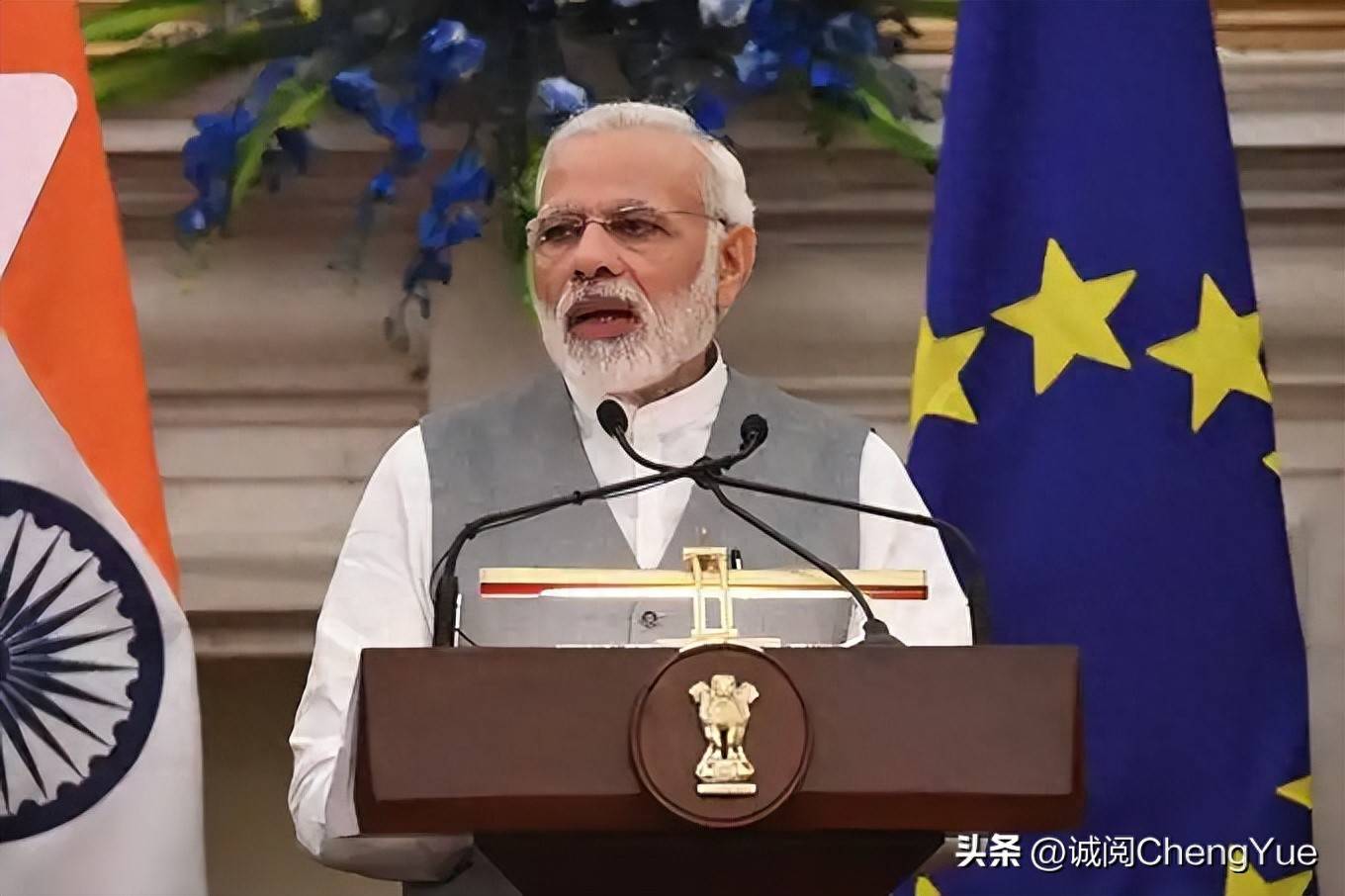
Core Points - The European Union is seeking to sign new trade agreements with countries like India, Indonesia, and Thailand amid escalating tariff tensions with the United States [1] - The EU is accelerating the push for a trade agreement with the Southern Common Market (Mercosur), which will gradually eliminate a 35% tariff on European cars and tariffs on automotive parts, machinery, chemicals, textiles, and other industrial goods [1] - The European Commission estimates that this agreement could save EU exporters over 40 billion euros annually [1] - The agreement aims to strengthen the EU's presence in a region where China has become a significant industrial supplier and raw material buyer for Mercosur [1]
临登机前突然取消行程,莫迪策划大反转,引国际舆论沸腾
Sou Hu Cai Jing· 2025-09-05 17:00
Group 1: Economic Impact of Tariffs - The U.S. has imposed tariffs on Indian steel products ranging from 25% to 50%, significantly impacting India's manufacturing sector [2] - The value of export goods affected by these tariffs exceeds $5.6 billion, particularly in the steel, textile, and seafood industries [2] - The situation has led to a backlog of steel products at Mumbai port, with prices plummeting and manufacturers expressing distress [2] Group 2: Energy Strategy and Geopolitical Dilemmas - India imports 200 million tons of oil annually, with 8 million tons coming from Russia, saving nearly $10 billion in foreign exchange [4] - This energy strategy is seen as a necessary choice for national interest, despite potential scrutiny from the U.S. regarding energy transactions with Russia [4] - The U.S. Treasury has indicated it is closely monitoring India's energy dealings with Russia, suggesting possible future restrictions [4] Group 3: Domestic Political Response - The Indian government has taken a strong stance against U.S. tariffs, filing a complaint with the WTO [5] - India's External Affairs Minister has made direct statements regarding U.S. concerns over India's oil purchases, indicating a shift in diplomatic tone [5] - Prime Minister Modi has emphasized India's resilience and commitment to self-reliance in the face of external pressures [6] Group 4: Diplomatic Balancing Act - India maintains complex relationships with multiple major powers, balancing ties with both Russia and the U.S. [8] - The country is actively participating in the U.S.-led Quad security dialogue while preserving its traditional relationship with Russia [8] - This approach reflects India's strategic autonomy, avoiding complete alignment with any single power [8] Group 5: Global Trade Dynamics - In 2023, India's trade with Russia reached a record $49.8 billion, while trade with the U.S. remained high at $191 billion [10] - India's ability to engage economically with opposing sides illustrates its diplomatic skill in navigating a multipolar world [10] Group 6: Economic Outlook and Challenges - The IMF projects India's economic growth to remain above 6%, positioning it as one of the most dynamic large economies globally [11] - However, potential challenges loom, including the possibility of a return to stricter trade measures from a future U.S. administration [11] - Regional dynamics are also shifting, with developments in the electric vehicle supply chain in Southeast Asia posing competitive threats [11]
美国经济:PMI显示经济回升,但仍有滞涨压力
Zhao Yin Guo Ji· 2025-09-05 10:31
Economic Indicators - The ISM Services PMI increased from 50.1 in July to 52 in August, exceeding market expectations of 51, indicating economic expansion[2] - The Services PMI corresponds to an annualized GDP growth rate of 1.1%[2] - The Manufacturing PMI rose slightly from 48 in July to 48.7 in August, but remained below the market expectation of 49, indicating a continued contraction[2] Employment and Inflation - The employment index in the services sector slightly improved from 46.4 to 46.5, indicating ongoing weakness in the job market[2] - The price index for services decreased marginally from 69.9 to 69.2, but remains significantly high compared to the post-pandemic average[2] - If August's non-farm payrolls are below 50,000 and the unemployment rate rises to 4.3%, the Federal Reserve may consider rate cuts in September or October[1] Market Outlook - The new orders index in manufacturing surged from 47.1 to 51.4, marking the highest expansion rate since the beginning of the year[2] - The Federal Reserve's focus has shifted from inflation risks to a more balanced assessment due to recent labor market data adjustments[2] - Further rate cuts are anticipated in December and potentially two more in the following year as economic growth stabilizes and inflation decreases[1]