玩具

Search documents
泡泡玛特早盘涨超5% 苹果CEO库克现身上海泡泡玛特 大摩称公司受关税影响低
Zhi Tong Cai Jing· 2025-10-14 01:47
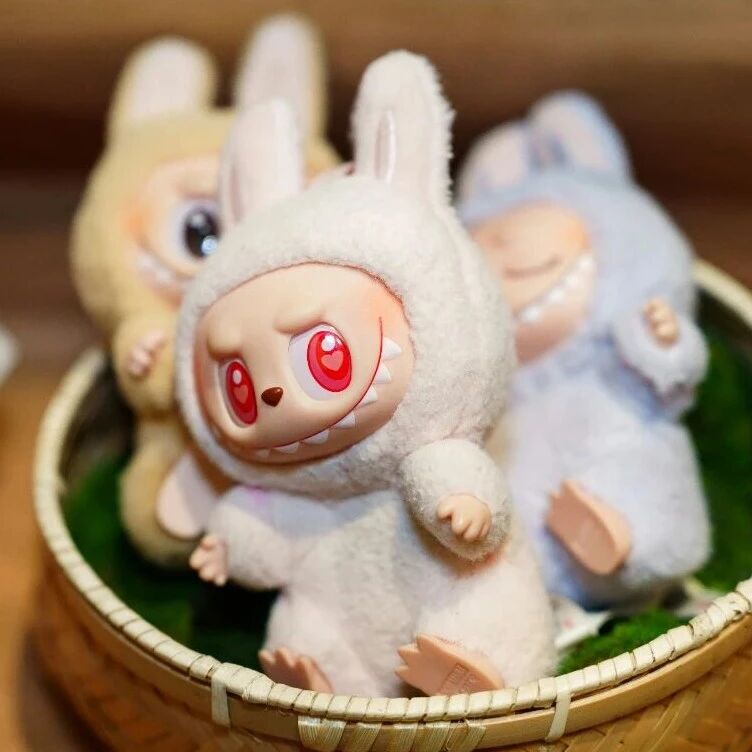
Core Viewpoint - Pop Mart (09992) saw a significant increase in stock price, rising over 5% in early trading, attributed to positive interactions with Apple CEO Tim Cook during his visit to Shanghai and favorable research reports from Morgan Stanley [1] Group 1: Stock Performance - Pop Mart's stock price increased by 4.6%, reaching 273 HKD, with a trading volume of 1.343 billion HKD [1] Group 2: Key Events - Tim Cook visited the THE MONSTERS 10th Anniversary Exhibition in Shanghai, marking his first stop in China [1] - During the exhibition, Pop Mart's founder Wang Ning and artist Long Jiasheng interacted closely with Cook, showcasing original LABUBU sketches and products [1] - Long Jiasheng demonstrated how to create LABUBU on an iPad Pro, while Wang Ning presented Cook with a gift of the LABUBU character ZIMOMO [1] Group 3: Analyst Insights - Morgan Stanley released a research report indicating that Pop Mart is less affected by tariffs, maintaining an "Overweight" rating [1] - The report highlights that approximately 75% to 80% of toy imports to the U.S. come from China, suggesting that higher tariffs will not significantly alter Pop Mart's competitive advantage [1]

美中稀土出口限制交锋致贸易紧张升温,港股通周五净流出4亿港元
Xin Lang Cai Jing· 2025-10-14 01:35
Group 1 - The trade tensions between the US and China are escalating, with the US President threatening "100% tariffs" and "export controls" in response to China's new rare earth export restrictions [3] - China's Ministry of Commerce clarified that the rare earth export is not a complete ban, and export applications that meet regulations will be approved, specifically for non-military and non-terrorism uses [3] - The ongoing federal government shutdown has delayed the release of official data, leading to increased risk premiums in the market, prompting short-term capital to adjust asset allocations towards safer investments [3] Group 2 - The Hong Kong Stock Connect recorded a net outflow of 400 million HKD on Friday, with Xiaomi Group (01810.HK) seeing the highest net inflow of 930 million HKD, followed by Pop Mart (09992.HK) [3] - Conversely, SMIC (00981.HK) experienced the largest net outflow of 2.7 billion HKD, followed by Alibaba (09988.HK) [3]





中国潮玩已成外贸出口新亮点
Zheng Quan Ri Bao· 2025-10-14 01:15
Core Insights - Chinese trendy toys have become a new highlight in foreign trade exports, with over 50 billion yuan in exports of holiday goods, dolls, and animal-shaped toys in the first three quarters of 2025, reaching over 200 countries and regions [1][2] - The transformation from "OEM workshop" to "IP source" has been rapid, with companies leveraging unique product designs and international strategies to break cultural and geographical barriers [2][3] - The global trendy toy market is projected to grow from 8.7 billion yuan in 2015 to 44.8 billion yuan in 2024, with a compound annual growth rate of nearly 23% [4] Industry Trends - The core competitiveness of trendy toys lies in IP, which has evolved beyond mere symbols to create emotional connections and drive consumer demand [3][6] - Companies like Pop Mart have successfully expanded internationally, with 571 stores in 18 countries by mid-2025, and overseas revenue reaching 5.59 billion yuan, accounting for 40.3% of total revenue [4][5] - The trend of "going global" is seen as essential for Chinese trendy toy companies, with many planning to open stores in multiple countries [5] Challenges and Considerations - Intellectual property protection remains a significant concern, with customs intercepting 1.83 million suspected infringing LABUBU products this year [6] - The need for a systematic approach to IP protection is emphasized, advocating for the registration of original narratives as global languages and continuous innovation to raise imitation costs [6]
特朗普威胁加税,LABUBU高兴坏了
36氪· 2025-10-14 00:09
Core Viewpoint - The article discusses the potential impact of renewed trade tensions between the U.S. and China on companies like Pop Mart, particularly in the toy industry, highlighting the company's strategies to mitigate risks and capitalize on market opportunities in the U.S. [4][5][22] Trade Tensions and Market Impact - Trump has threatened to impose significant tariffs on Chinese imports if China enacts new export restrictions on rare earth materials, indicating a resurgence in U.S.-China trade tensions [4][5] - Following this announcement, U.S. stock markets experienced declines, with the Nasdaq dropping over 3.5% and the S&P 500 down more than 2.7% [6][7] - The previous tariff war had a pronounced effect on import-export businesses, particularly labor-intensive industries like toys, which faced challenges due to increased tariffs [8][22] Pop Mart's Response to Tariffs - Pop Mart has been proactive in addressing tariff impacts by relocating some production to Vietnam, where labor costs are significantly lower than in China [14] - The company has also adjusted product pricing in the U.S. market to maintain profit margins, with some products seeing price increases of up to 28% due to anticipated tariff hikes [15][16] - Despite these challenges, Pop Mart's unique product offerings and consumer experience have led to strong demand in the U.S., with foot traffic in its stores often surpassing that of nearby competitors [18][20] Financial Performance and Growth - In the first half of the year, Pop Mart reported revenue of 13.88 billion yuan, a year-on-year increase of 204.4%, with overseas market revenue exceeding 40% of total sales [22] - The Americas market saw a staggering revenue growth of 1142.3%, indicating strong market penetration and consumer interest [22] - By the end of 2025, Pop Mart plans to have over 200 stores internationally, with a focus on expanding its presence in the U.S. [22][23] Market Position and Future Outlook - Pop Mart's U.S. market is still in its early stages, with 50 stores primarily located in residential areas, suggesting room for growth in prime commercial locations [20][23] - The company is confident in its ability to scale operations in North America, citing strong consumer demand for IP-designed products and a mature retail market [23] - The brand's popularity, particularly for products like LABUBU, has led to significant consumer engagement, with reports of high demand and even competitive purchasing behavior [21][22]
产业向新 侨联四海
Sou Hu Cai Jing· 2025-10-13 10:36
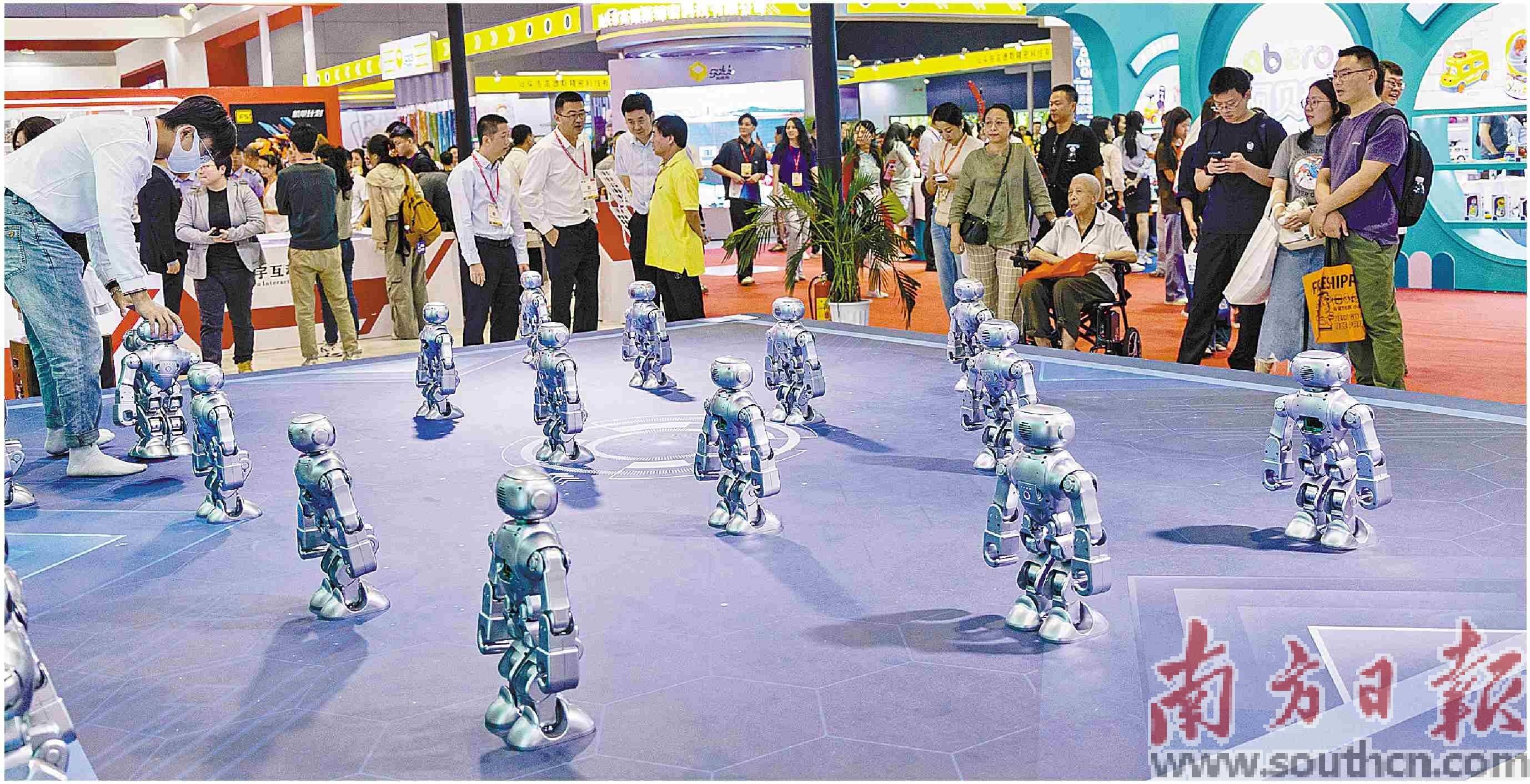
Core Insights - The integration of artificial intelligence (AI) into the toy industry in Chenghai, Shantou, is driving a transformation from traditional manufacturing to innovative smart manufacturing, enhancing competitiveness and expanding market reach [4][5][6]. Industry Development - Chenghai has established itself as the "Toy Gift Capital of China," housing over 60,000 toy companies and approximately 300,000 employees, producing over 300,000 new products annually and accounting for 33% of global plastic toy production [4]. - The local government has partnered with leading tech firms like Baidu and SenseTime to create the first "AI + Toy" industrial base, injecting innovative solutions into the toy sector [4][6]. - The upcoming 24th Chenghai International Toy and Gift Expo is expected to further stimulate innovation within the toy industry [6]. Economic Growth - The "Three New, Two Special, One Big" industrial framework in Shantou is characterized by the convergence of traditional industries and emerging sectors, contributing significantly to the city's economic development [4][6]. - By mid-2025, the industrial added value of the "Three New, Two Special, One Big" sectors is projected to account for 66.3% of the total industrial added value in Shantou [6]. Cultural and Community Engagement - Shantou leverages its overseas Chinese community to enhance local development, with initiatives aimed at promoting cultural ties and economic collaboration [7][8]. - The city is actively engaging with overseas Chinese through various cultural and investment initiatives, fostering a two-way exchange that benefits both local and global communities [8]. Reform and Innovation - Shantou is in a strategic position to capitalize on national and provincial support policies, focusing on innovation in industry, technology, and openness to drive high-quality development [9][10]. - The city is enhancing its business environment through comprehensive reforms aimed at creating a market-oriented, law-based, and internationalized ecosystem [10].

中国9月出口增长超预期
Ge Lin Qi Huo· 2025-10-13 09:36
Group 1: Overall Trade Performance - China's September exports denominated in US dollars increased by 8.3% year-on-year, exceeding the forecast of 5.7% and the previous value of 4.4%; imports increased by 7.4% year-on-year, exceeding the forecast of 1.4% and the previous value of 1.3%; the trade surplus was $90.45 billion, compared with a previous surplus of $102.33 billion [1][4]. - From January to September, China's cumulative export amount increased by 6.1% year-on-year, compared with a 5.82% increase for the whole of last year; the cumulative import amount decreased by 1.1% year-on-year, compared with a 1.03% increase for the whole of last year [4]. Group 2: Export by Region - In September, China's exports to ASEAN increased by 15.6% year-on-year (14.7% from January to September, 12% for the whole of last year); exports to the EU increased by 14.2% year-on-year (8.2% from January to September, 3.0% for the whole of last year); exports to the US decreased by 27.0% year-on-year (-16.9% from January to September, 4.9% for the whole of last year); exports to South Korea increased by 7.0% year-on-year (-0.3% from January to September, -1.8% for the whole of last year); exports to Japan increased by 1.8% year-on-year (4.4% from January to September, -3.5% for the whole of last year) [2][5]. - In September, China's exports to countries and regions other than the top five export destinations increased by 16.5% year-on-year, faster than the overall export growth rate of 8.3% [2][5]. - In the first nine months of this year, China's exports to countries participating in the Belt and Road Initiative increased by 11.4% year-on-year; exports to Africa from January to September increased by 28.3% year-on-year, compared with a 3.5% increase for the whole of 2024; exports to Latin America from January to September increased by 6.9% year-on-year, compared with a 13.0% increase for the whole of 2024 [2][5]. Group 3: Export by Product Category - In the first nine months, China's exports of mechanical and electrical products reached $1.55 trillion, a year-on-year increase of 8.6% (8.1% from January to August, 7.5% for the whole of last year); high-tech product exports increased by 7.1% year-on-year (6.4% from January to August, 4.8% for the whole of last year); integrated circuit exports increased by 23.3% year-on-year (22.1% from January to August, 17.4% for the whole of last year); exports of automobiles (including chassis) increased by 10.8% year-on-year (10.8% from January to August, 15.5% for the whole of last year); exports of ships increased by 21.4% year-on-year (18.3% from January to August, 57.3% for the whole of last year) [2][8]. - In the first nine months, exports of household appliances decreased by 2.2% year-on-year (-1.2% from January to August, 14.1% for the whole of last year); exports of mobile phones decreased by 9.8% year-on-year (-11.5% from January to August, -3.1% for the whole of last year); exports of clothing and clothing accessories decreased by 2.5% year-on-year (-1.7% from January to August, 0.3% for the whole of last year); exports of toys decreased by 8.3% year-on-year (-5.2% from January to August, -1.7% for the whole of last year); exports of furniture and parts decreased by 4.8% year-on-year (-5.3% from January to August, 5.8% for the whole of last year); exports of luggage and similar containers decreased by 11.5% year-on-year (-11.5% from January to August, -3.2% for the whole of last year) [2][8]. Group 4: Import Performance - In September, China's imports exceeded expectations. The import of integrated circuits was 55.5 billion units, a year-on-year increase of 12%, with an amount of $41 billion, a year-on-year increase of 14%; the import of copper ore concentrates was 2.59 million tons, a year-on-year increase of 6%, and the amount spent was $7.3 billion, a year-on-year increase of 24% due to the year-on-year increase in copper prices; the import of iron ore concentrates was 116 million tons, a year-on-year increase of 12%, and the amount spent was $11.3 billion, a year-on-year increase of 13% as the price was slightly higher than the same period last year; the import of crude oil was 47.25 million tons, a year-on-year increase of 4%, and the amount spent was $23.8 billion, a year-on-year decrease of 7% as the crude oil price fell compared with the same period last year; the import of automobiles (including chassis) was 41,000 units, a year-on-year decrease of 26%, and the amount spent was $2 billion, a year-on-year decrease of 36% [3][9][10]. - In September, the largest year-on-year increase in imports was for aircraft with an empty weight of more than 2 tons. 27 were imported, a year-on-year increase of 93%, and the amount spent was $2 billion, a year-on-year increase of 201% [10]. Group 5: International Trade Environment and Outlook - In September, South Korea's exports increased by 12.7% year-on-year (1.3% in August), and Vietnam's exports increased by 24.7% year-on-year (14.5% in August), indicating that the overall international trade environment in September was good [3][11]. - In September, the eurozone's manufacturing Purchasing Managers' Index (PMI) was 49.5, falling below the boom - bust line again, indicating that the eurozone's manufacturing industry was in recession; the US ISM manufacturing PMI new orders index in September was 48.9, falling back below the boom - bust line, and the US ISM services PMI index in September was 50.0 [3][11]. - In the fourth quarter, China's year-on-year export growth rate is expected to slow down due to the high base last year, and the results of a new round of Sino - US trade negotiations will also have a certain impact on China's exports [3][11]. - The World Trade Organization raised its forecast for global goods trade growth in 2025 from 0.9% to 2.4% on October 7, and significantly lowered its forecast for global goods trade growth in 2026 to 0.5%, compared with 1.8% in August [11].
因这项误差,布鲁可控股收海事罚单
Qi Lu Wan Bao· 2025-10-13 08:09
齐鲁晚报·齐鲁壹点记者于中国海事局监管信息公开栏获悉,10月13日,中国布鲁可控股有限公司(下称"布鲁可控股")收到罚单,处罚决定书文号为海事 罚字[2025]01102000348-1-1。 | Ein - | 共和国海事局 2000 通 办 | 首页 | 政务服务 | 执法监管 信息公开 | 咨询投诉 | 一中华人民共和国海事局 | | --- | --- | --- | --- | --- | --- | --- | | | | | 1111 | | | | | | 查询服务 | 处罚信息公示详情 | | | | | | | 外罚结 | | | | | | | | 处罚机关 | | 被处罚人名称 | 中国布鲁可控股有限公司 | | | | | 统一社会 | | 案由 | | 在船舶国际集装箱货物运输经营活动中托运人提供的验证重量与实际重量存在误 | | | | | | 处罚决定书文号 | 海事罚字[2025]01102000348-1-1 | | | | | 序号 | | 处罚内容 | 罚款人民币陆仟捌佰元整 | | | | | 1 | | 行政相对人(当事人)代 ਜ਼ | 7332 | | | | | ...
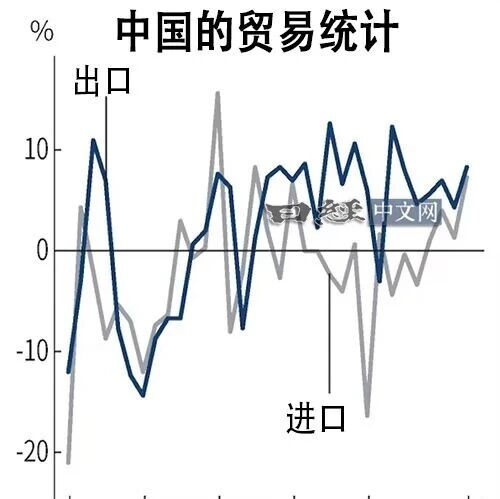
中国对美出口9月减少27%,连续6个月负增长
日经中文网· 2025-10-13 08:00
Group 1 - China's overall export value has increased for seven consecutive months, with a year-on-year growth of 8.3% in September, reaching 328.5 billion USD [2][4] - The growth rate of exports has expanded compared to August's 4.4%, while imports grew by 7.4%, totaling 238.1 billion USD, marking four months of consecutive growth [4] - The trade surplus, calculated as exports minus imports, stands at 90.4 billion USD, with the surplus expanding year-on-year due to faster export growth compared to imports [4] Group 2 - By export categories, the export of electric vehicles (EVs) grew by 11%, and rare earth exports also exceeded the same month last year, while exports of smartphones, toys, and clothing declined [5] - Regionally, exports to the United States decreased by 27%, marking six consecutive months of negative growth, while exports to ASEAN increased by 16% and to the EU by 14%, with exports to Japan also surpassing the previous year [5]
大行评级丨花旗:对布鲁可启动30日正面催化观察 目标价128港元
Ge Long Hui· 2025-10-13 07:01
花旗发表研究报告指,布鲁可正加快推出新产品,对其启动30日正面催化观察,目标价128港元,评 级"买入"。布鲁可在Wonder Festival推出多个新产品类别和系列,相信其目标客群正日益扩大。该行预 期,公司将于接下来的2025年中国玩具展中推出更多新产品。 ...
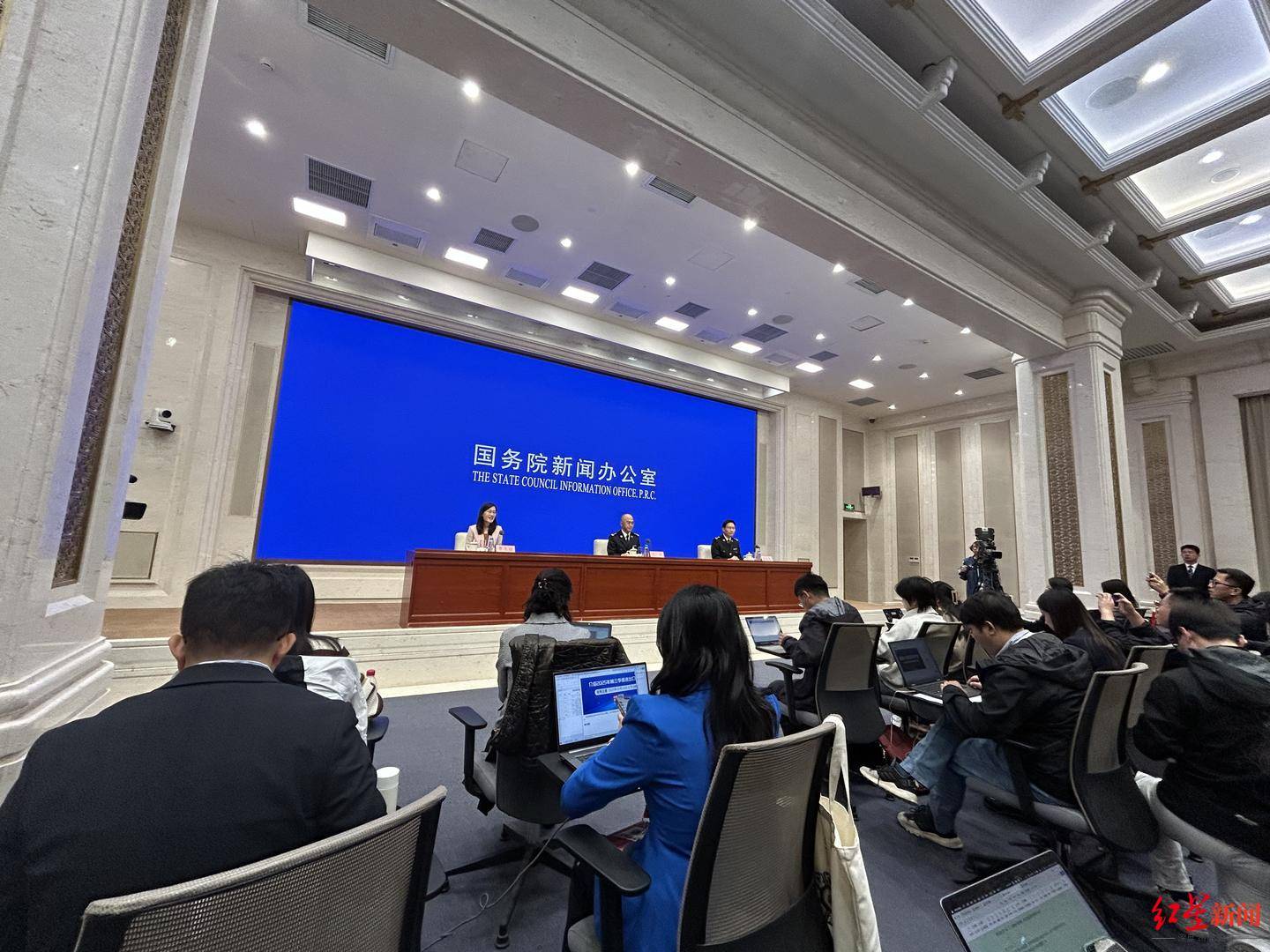
海关总署介绍“国潮”出海:前三季度我国出口节日用品、玩偶、动物造型玩具超500亿元
Sou Hu Cai Jing· 2025-10-13 05:11
Core Insights - The press conference highlighted the significant growth of Chinese "national trend" products in global markets, showcasing their appeal to overseas consumers [1][3] - In the first three quarters, China's exports of holiday goods, dolls, and animal-shaped toys exceeded 50 billion yuan, reaching over 200 countries and regions [3] Group 1: Export Performance - Exports of holiday goods, dolls, and animal-shaped toys surpassed 50 billion yuan in the first three quarters [3] - These products are recognized as "national trend" items, reflecting the influence of Chinese traditional culture and the creativity of foreign trade enterprises [3] Group 2: Innovation and Technology - Chinese toy companies have leveraged 3D printing technology to reduce the new product development cycle from 15 days to 3 days, enhancing their competitive edge [3] - The integration of cultural connotations and brand value in products like blind box figurines and model toys represents the strength of Chinese original IP [3] Group 3: Future Initiatives - The government plans to enhance intellectual property customs protection, support enterprise innovation, and optimize the cross-border trade business environment [3] - Measures will be implemented to ensure efficient and smooth delivery of popular products to global consumers [3]