券商

Search documents
累计捐款超4亿港元!50余家金融机构支援香港大埔
Bei Jing Shang Bao· 2025-11-30 15:04
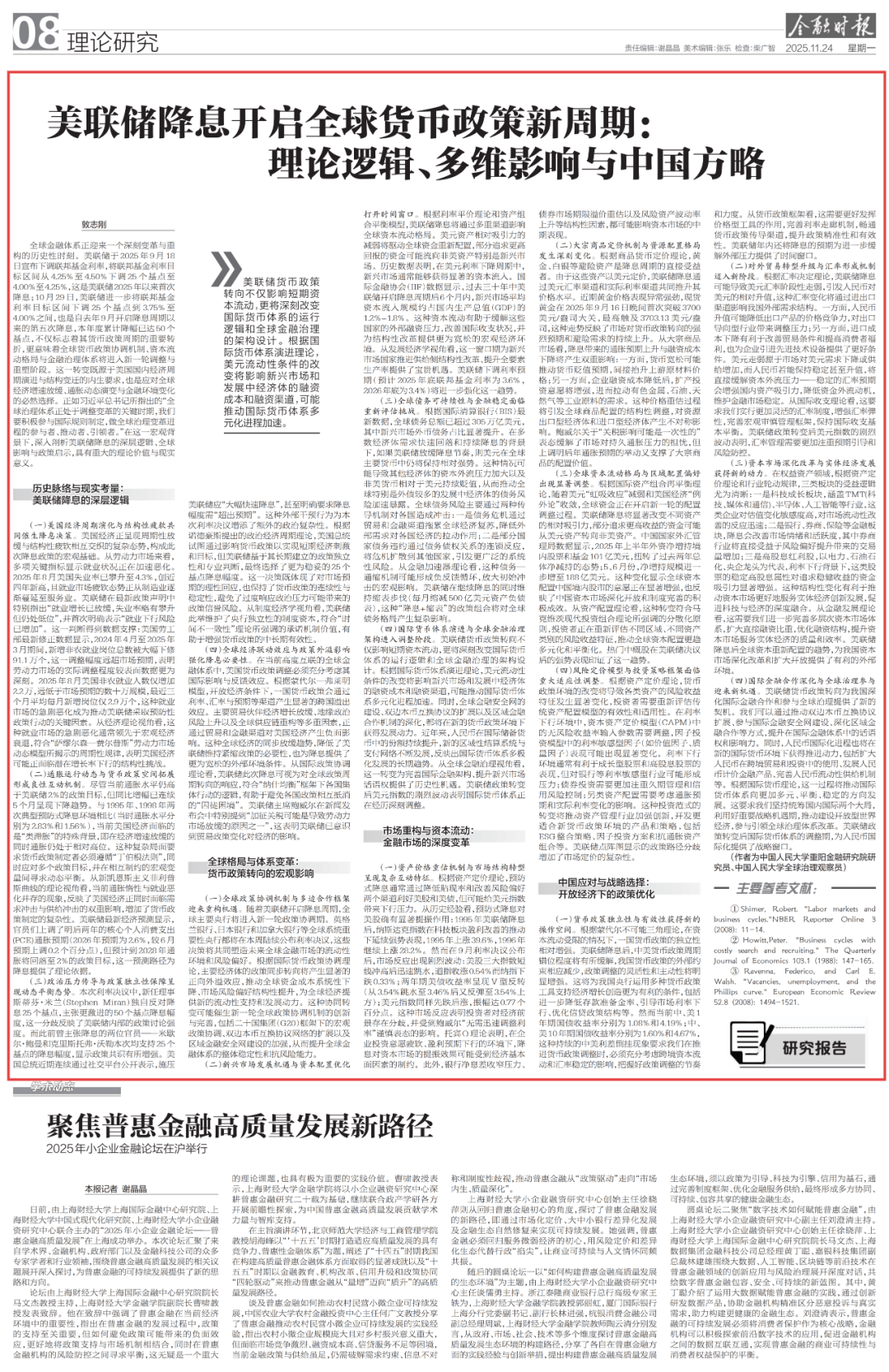
Core Points - A significant fire occurred in Hong Kong's Tai Po district, resulting in 146 fatalities and 100 missing individuals as of November 30, with rescue operations ongoing [1] - Financial institutions have collectively donated over 4.29 billion HKD to support disaster relief and reconstruction efforts [1][11] Financial Institutions - More than 50 financial institutions, including banks, insurance companies, and securities firms, have contributed to the relief efforts [1][11] - Major banks such as HSBC and Hang Seng Bank donated 30 million HKD, while other banks like Bank of China (Hong Kong) and Industrial and Commercial Bank of China each donated 10 million HKD [2][3] - The total donations from banks alone reached approximately 1.67 billion HKD [3] Insurance Sector - The insurance industry has initiated emergency claims procedures and simplified processes to support affected families, with total donations exceeding 760 million HKD [5] - AIA Hong Kong pledged 20 million HKD for emergency assistance, while China Ping An and China Pacific Insurance each donated 10 million HKD [5][6] Securities Firms - Securities firms have also joined the relief efforts, with contributions exceeding 770 million HKD from firms like CITIC Securities and CICC [7][8] - CITIC Group donated 15 million HKD, while CICC and Huatai Securities each contributed 10 million HKD [7] Public and Private Funds - Public and private equity firms, along with fintech companies, have also made significant donations, totaling over 2.3 billion HKD [9] - Notable contributions include 10 million HKD from Ant Group and 10 million HKD from Hillhouse Capital [9] Regulatory Support - The regulatory bodies have facilitated the donation process by establishing green channels for cross-border donations, ensuring timely support for disaster relief [11][12] - The People's Bank of China has implemented measures to expedite the transfer of donation funds to the relief fund [11] Community Engagement - Many financial institutions have mobilized employees to participate in volunteer activities and support local communities [10][12] - Initiatives include forming volunteer teams and providing essential supplies to affected residents [10]

A股分析师前瞻:岁末年初,春季躁动布局的好时机?
Xuan Gu Bao· 2025-11-30 13:14
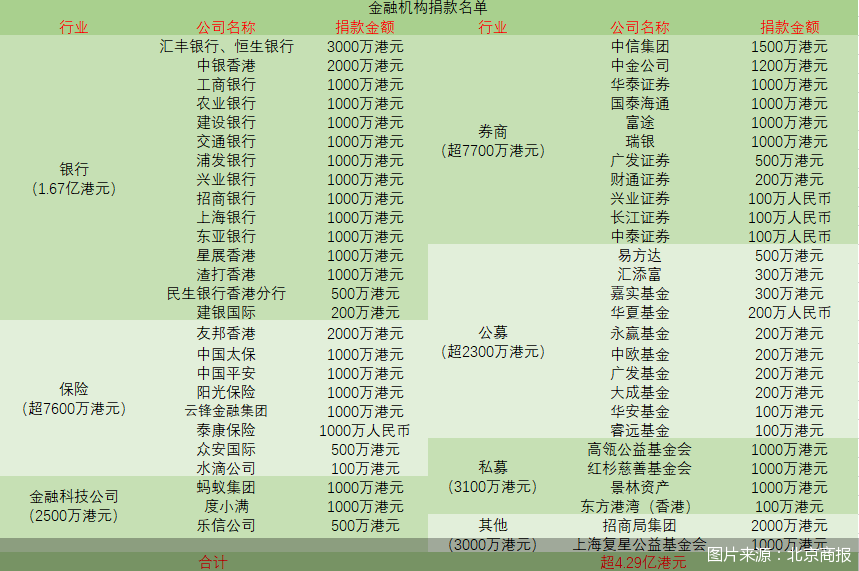
Group 1 - The upcoming central economic work conference in mid-December is expected to set the tone for next year's economic policies, which may lead to a cautious optimism in the market [1][2][3] - December to January is identified as a favorable period for "spring market" positioning, particularly for sectors with positive earnings forecasts and less likelihood of negative surprises [1][3] - The adjustment in various sectors has reached an average of approximately 20% since September and October, making them candidates for observation in December [1][3] Group 2 - The Federal Reserve's anticipated interest rate cut in December is likely to support sectors such as technology growth, consumer leaders, and non-ferrous metals [1][2][3] - The appreciation of the Renminbi is expected to enhance the relative attractiveness of Chinese assets, potentially accelerating foreign capital allocation to the A-share market [2][5] - The market is currently experiencing a phase of frequent style switching, with a focus on structural trends rather than a broad market rally [4][5] Group 3 - Analysts suggest that the market may see a significant recovery in risk appetite if unexpected positive policy announcements emerge from the upcoming meetings [1][2][3] - The focus on sectors such as AI, advanced manufacturing, and consumer-driven industries is emphasized as potential beneficiaries of policy catalysts [4][5] - Historical data indicates that the A-share market has typically experienced a rally during the year-end and early January period, driven by seasonal effects and policy expectations [3][4]
金融行业周报(2025、11、30):保险开门红展望积极,坚持银行板块配置策略-20251130
Western Securities· 2025-11-30 12:49
Core Conclusions - The financial industry experienced a weekly increase of +0.68% in the non-bank financial index, underperforming the CSI 300 index by 0.96 percentage points [1] - The banking sector saw a decline of -0.59%, lagging behind the CSI 300 index by 2.23 percentage points, with state-owned banks, joint-stock banks, city commercial banks, and rural commercial banks showing varied performance [1][9] Insurance Sector Insights - The insurance sector's index rose by +0.20%, underperforming the CSI 300 index by 1.44 percentage points, driven by strong demand for dividend insurance products that align with residents' needs for stable returns and value appreciation [2][12] - Major insurance companies are focusing on dividend insurance as a strategic core, with product offerings expanding significantly ahead of the 2026 "opening red" period [2][12] - The growth of new single premiums is expected to be strong in 2026, supported by improved net present value margins (NBVM) and a favorable regulatory environment for dividend insurance [2][17] Brokerage Sector Insights - The brokerage sector index increased by +0.74%, underperforming the CSI 300 index by 0.90 percentage points, with recent developments in refinancing for two brokerages indicating a cautious approach to capital raising [2][18] - The current environment presents a mismatch between profitability and valuation in the brokerage sector, suggesting potential for valuation recovery [2][19] - Recommendations include strong mid-to-large brokerages with low valuations and those involved in mergers or restructuring [2][19] Banking Sector Insights - The banking sector's index decreased by -0.59%, underperforming the CSI 300 index by 2.23 percentage points, with a focus on high dividend strategies remaining viable [3][20] - The average dividend yield for banks is approximately 4.1%, which is attractive compared to other sectors, particularly in the context of a stable earnings outlook [3][21] - Recommendations include state-owned banks and resilient city commercial banks, with specific attention to banks with strong fundamentals and low volatility [3][22]



——非银金融行业周报(2025/11/24-2025/11/28):多只券商股被调入重要指数,关注被动资金流入、调整公告日-实施日正反馈-20251130
Shenwan Hongyuan Securities· 2025-11-30 12:20
Investment Rating - The report maintains a positive outlook on the brokerage sector, recommending stocks such as Dongfang Securities, GF Securities, Huatai Securities, and China Galaxy [4][3][18]. Core Insights - The report highlights that the brokerage sector is expected to benefit directly from the increased attractiveness of the equity market, particularly in wealth management and asset management businesses [4][3]. - The insurance sector is anticipated to undergo a systematic value reassessment in 2026, driven by rising long-term interest rates and continued investment from insurance funds [4][3]. Market Performance - The Shanghai and Shenzhen 300 Index closed at 4,526.66 with a weekly increase of 1.64%, while the non-bank index rose to 1,932.15, up 0.68% [7][4]. - The brokerage sector index increased by 0.74%, while the insurance sector index saw a rise of 0.20% [7][4]. Key Data Points - As of November 28, 2025, the average daily trading volume in the Shanghai and Shenzhen markets was 19,147.38 billion [18][46]. - The financing balance in margin trading reached 24,720.45 billion, reflecting a year-on-year increase of 32.6% [18][49]. - The insurance industry reported a total premium income growth, with significant contributions from new business value (NBV) [4][3]. Individual Stock Highlights - In the insurance sector, notable A-share performances included China Life (0.09%) and New China Life (0.41%), while AIA Group in H-shares saw a significant increase of 4.95% [9][4]. - Among brokerages, Guosheng Securities led with a weekly increase of 3.68%, followed by Industrial Securities (3.36%) and Northeast Securities (2.45%) [9][4]. Regulatory and Market Developments - The report notes the expansion of the pilot program for optimizing brokerage account management, which now includes 20 qualified brokerages [21][4]. - The private equity fund sector reached a record high of 22.05 trillion, with a notable increase in new registrations [19][4].




非银金融行业周报:多只券商股被调入重要指数,关注被动资金流入、调整公告日-20251130
Shenwan Hongyuan Securities· 2025-11-30 10:45
Investment Rating - The report maintains a positive outlook on the non-bank financial sector, particularly highlighting the potential benefits for brokerage firms and insurance companies in the upcoming year [3][4]. Core Insights - The report emphasizes the expected inflow of passive funds into newly included stocks in major indices, which could enhance liquidity and market performance for these stocks [4]. - It identifies key trends for 2026, including a shift in insurance companies' focus towards asset-liability matching and the stabilization of core business indicators due to new regulatory standards [4]. - The report recommends specific brokerage firms such as Dongfang Securities, GF Securities, Huatai Securities, and China Galaxy, as well as insurance companies like China Life and Ping An, based on their competitive positioning and growth potential [4]. Summary by Sections Market Performance - The Shanghai Composite Index closed at 4,526.66 with a weekly increase of 1.64%, while the non-bank index rose to 1,932.15, reflecting a 0.68% increase [7]. - The brokerage sector index reported a 0.74% increase, and the insurance sector index saw a 0.20% rise [7]. Brokerage Sector Insights - Notable stocks in the brokerage sector included Guosheng Securities and Xinyi Securities, which saw increases of 3.68% and 3.36%, respectively [9]. - The average daily trading volume for the Shanghai and Shenzhen markets was 17,370.85 billion, a decrease of 6.87% week-on-week, but a year-to-date increase of 61.11% [20]. Insurance Sector Insights - The insurance sector is expected to experience a systematic revaluation in 2026, driven by long-term interest rate increases and continued investment from insurance funds into the stock market [4]. - The report highlights the performance of major insurance companies, with A-shares like China Life and Ping An showing modest increases [9]. Key Data Points - As of November 28, 2025, the average daily trading volume was 19,147.38 billion, and the margin trading balance was 24,720.45 billion, reflecting a year-on-year increase of 32.6% [51][20]. - The report notes that the total market value of private equity funds reached 22.05 trillion, marking a historical high [21].


12家公司发布重大资产重组最新动态,市场关注其涨停预期
Sou Hu Cai Jing· 2025-11-30 10:20
Core Insights - The A-share market in 2025 has seen a surge in mergers and acquisitions (M&A), driven by supportive policies and significant market activity, with 12 companies recently disclosing major asset restructuring developments [1][2] Group 1: Policy Support and Market Dynamics - The regulatory environment has been enhanced with the release of policies that simplify processes and encourage quality restructurings, leading to a revitalized M&A market [2] - Official data indicates a substantial increase in restructuring activities, with over 1,400 asset restructurings disclosed since the implementation of the "M&A Six Guidelines," and a 120% year-on-year increase in total transaction value to 5160.3 billion yuan in the first three quarters of 2025 [2] Group 2: Company Developments and Restructuring Types - Twelve companies from various sectors, including finance, infrastructure, technology, and chemicals, have announced restructuring plans, each with distinct strategic focuses [4] - Major integration efforts include the merger of three securities firms aiming to create a trillion-yuan brokerage giant, and Zhejiang Construction's acquisition of construction firms to strengthen its regional leadership [4][5] - Companies like Guosheng Technology and Yaxing Chemical are pursuing acquisitions to enhance their positions in high-demand sectors, such as photovoltaic technology and specialty chemicals [5][6] Group 3: Market Behavior and Investment Logic - Restructuring stocks are gaining popularity due to their potential for value re-evaluation, with many companies injecting high-quality assets to improve fundamentals [8] - The majority of restructuring targets are concentrated in high-growth sectors like semiconductors and advanced equipment, which are favored by policy support, leading to higher valuation premiums [8] - The acceleration of restructuring approvals and the extension of registration periods have reduced risks and increased the speed of deal closures, with over 200 billion yuan in completed transactions this year, marking an 11.6-fold increase from the previous year [8]

行业周报:公募REITs试点纳入商业不动产,险企开门红向好-20251130
KAIYUAN SECURITIES· 2025-11-30 07:11
Investment Rating - The industry investment rating is optimistic (maintained) [1] Core Views - The insurance sector is preparing actively for the 2026 "opening red" period, with a focus on dividend insurance products, which are expected to outperform traditional insurance due to higher yield rates [6] - The brokerage sector continues to show high profitability, with wealth management, investment banking, and overseas business expected to drive earnings improvement [5][7] - The long-term interest rates are stabilizing at the bottom, which is expected to support the asset side logic and improve the liability cost for insurance companies [6] Summary by Sections Insurance Sector - The insurance companies are gearing up for the 2026 "opening red" with dividend insurance becoming the main product, offering a yield rate significantly higher than traditional insurance [6] - The market share of listed insurance companies is expected to increase due to the expansion of bank insurance channels and the release of "storage demand" [6] - The overall outlook for the liability side is optimistic, with potential improvements in the value rate of dividend insurance supported by rate adjustments and structural optimization [6] Brokerage Sector - The average daily trading volume of stock funds from January to November increased by 77.1% year-on-year, indicating strong market activity [7] - The China Securities Regulatory Commission has proposed to include commercial real estate in the public REITs pilot program, which is expected to enhance the market for REITs [7] - Major brokerage firms are expected to see significant ROE expansion under the current growth-oriented strategy, with low valuations presenting strategic allocation opportunities [7] Recommended Stocks - Recommended stocks include China Pacific Insurance, Ping An Insurance, China Life Insurance H, Huatai Securities, Guotai Junan, and others [8]

逾3.7亿港元!近50家金融机构捐款捐物驰援香港大埔火灾
Guo Ji Jin Rong Bao· 2025-11-29 10:06
Core Viewpoint - The fire at Hong Kong's Tai Po Wang Fuk Court resulted in significant casualties, with 128 confirmed dead and around 200 individuals unaccounted for, prompting a swift response from the financial sector to support relief efforts [1][2]. Financial Institutions' Donations - Nearly 50 financial institutions have contributed over 370 million HKD to aid in disaster relief, including major banks, insurance companies, and fintech firms [1][2]. - Notable contributions include: - Bank of China Hong Kong: 20 million HKD - HSBC: 30 million HKD - Agricultural Bank of China: 10 million HKD [2][3][6]. Emergency Support Measures - The Hong Kong Monetary Authority and the Hong Kong Association of Banks urged banks to provide flexible support to affected individuals, including expedited cash withdrawals and waiving fees [6][7]. - Major state-owned banks, including ICBC and Agricultural Bank of China, quickly mobilized to assist in relief and reconstruction efforts [6][7]. Insurance Companies' Response - Insurance firms activated emergency plans, offering streamlined claims processes and immediate financial support to affected clients [9][10]. - AIA Hong Kong pledged 20 million HKD for community support and initiated contact with potentially affected clients [9][10]. Securities Firms' Contributions - Several securities firms, including Guotai Junan and Huatai Securities, donated funds to support emergency relief and reconstruction efforts [12][13]. - UBS announced a donation of 10 million HKD through its charitable foundation for community support [13][14]. Fintech Sector Involvement - Fintech companies, such as Ant Group and Du Xiaoman, contributed 10 million HKD each to assist with emergency relief and recovery efforts [17][18]. - Various digital asset platforms also pledged significant donations to support affected communities [19]. Public Fund Contributions - Public fund companies collectively donated over 20 million HKD to support disaster relief and recovery initiatives [20][21]. - Notable contributions include: - E Fund: 5 million HKD - Huatai Fund: 3 million HKD [21][22][23]. Overall Impact - The financial sector's rapid response and substantial contributions highlight its role as a stabilizing force in times of crisis, providing essential support to affected communities [27][28].




A股市场运行周报第69期:冗余时刻区间震荡,设定目标、择时待机-20251129
ZHESHANG SECURITIES· 2025-11-29 10:00
Core Insights - The overall market rebounded this week, with all major indices closing higher, but none managed to recover the 5-week moving average, indicating that the current range-bound oscillation is not yet fully resolved [1][3][50] - The Shanghai Composite Index and the ChiNext Index are in their 3rd and 5th weeks of decline from their yearly highs, suggesting that the recent adjustments may not be sufficient [1][3][53] - The Hang Seng Tech Index and the Sci-Tech 50 Index have been adjusting for 8 weeks, with a clearer downward space visible [1][3][53] Market Overview - Major indices saw an overall rebound, with the Shanghai Composite Index, Shanghai 50, and CSI 300 rising by 1.40%, 0.47%, and 1.64% respectively, while growth indices like CSI 500, CSI 1000, and National CSI 2000 increased by 3.14%, 3.77%, and 4.50% respectively [11][50] - The ChiNext Index and Sci-Tech 50 showed significant activity, rising by 4.54% and 3.21% respectively, while the North Star 50 saw a slight increase of 0.75% [11][50] Sector Analysis - The market exhibited a trend of "technology strength and defensive weakness," with 25 sectors rising and 5 falling. Notably, the "TMT Four Giants" (Telecommunications, Electronics, Media) saw increases of 8.74%, 6.17%, and 4.16% respectively, while the Computer sector rose by 2.97% [14][51] - Defensive sectors such as Oil & Petrochemicals, Coal, Transportation, and Banking experienced declines of 0.62%, 0.54%, 0.53%, and 0.5% respectively [14][51] Market Sentiment - The average daily trading volume in the Shanghai and Shenzhen markets was 1.85 trillion yuan, slightly lower than the previous week's 2.02 trillion yuan [17] - The main futures contracts (IF, IH, IC) were mostly in backwardation, indicating a bearish sentiment in the market [17] Fund Flow - The margin trading balance slightly increased to 2.46 trillion yuan, with a financing buy ratio of 10.4%, up from 9.4% the previous week [26] - The consumer ETF saw a net inflow of 1.7 million yuan, while the electronic ETF experienced a net outflow of 10.3 million yuan [26] Quantitative Analysis - The valuation levels of major market indices are generally in the medium to high range, with the ChiNext Index showing a slightly lower valuation percentile [45] - The current downward energy model indicates that the market's downward energy is at a normal level, without triggering any sell signals [45][48] Future Outlook - Despite the recent rebound, the market remains below the 5-week moving average, and some indices have not yet repaired last week's downward gaps, suggesting that the current range-bound oscillation is not fully resolved [3][53] - The broker index is currently at a critical point, having increased from approximately 70 billion yuan to over 150 billion yuan in the past three months, indicating a potential focus for future directional choices [53][54] Investment Strategy - It is recommended to hold positions during the range-bound oscillation and avoid chasing prices or increasing costs [54] - Specific targets should be set based on the "left foot" of different major indices, with a focus on sectors that are lagging but expanding in market share, such as brokerage firms, pharmaceuticals, consumer goods, and AI applications [54]
敦志刚:全球金融体系重构前夜,中国的机会来了
Sou Hu Cai Jing· 2025-11-29 07:54
Core Viewpoint - The global financial system is undergoing profound changes, marked by the Federal Reserve's recent interest rate cuts, which signal a significant shift in monetary policy and its implications for global economic coordination and financial governance [1][13]. Group 1: Federal Reserve's Rate Cuts - The Federal Reserve announced a reduction in the federal funds rate target range from 4.25%-4.50% to 4.00%-4.25% on September 18, 2025, marking its first rate cut since 2025 [1][13]. - On October 29, 2025, the Fed further lowered the target range to 3.75%-4.00%, totaling a 50 basis point reduction for the year, indicating a critical turning point in its monetary policy cycle [1][13]. - This shift is driven by both domestic economic conditions and the need to address global economic slowdown and inflation dynamics [1][13]. Group 2: Economic Indicators and Labor Market - The U.S. labor market is showing signs of deterioration, with the unemployment rate rising to 4.3% in August 2025, the highest in nearly four years, indicating a complex interplay of cyclical and structural economic challenges [2][14]. - The number of non-farm payroll jobs added has been significantly revised down, with a reduction of 911,000 jobs from April 2024 to March 2025, highlighting deeper adjustments in the labor market than previously reported [2][14]. - The Fed's acknowledgment of increased risks in the labor market reflects a broader concern about potential economic recession [2][14]. Group 3: Inflation Dynamics - Despite inflation levels remaining above the Fed's 2% target, the year-on-year increase has shown a declining trend for five consecutive months, indicating a complex inflationary environment [3][15]. - The current economic backdrop resembles a "stagflation" scenario, where economic growth slows while inflation remains relatively high, complicating monetary policy decisions [3][15]. - The Fed's updated forecasts suggest a gradual return to the 2% inflation target by 2028, providing a theoretical basis for the recent rate cuts [3][15]. Group 4: Global Economic Impact - The Fed's monetary policy adjustments are expected to have significant international repercussions, influencing capital flows and financing conditions in emerging markets and developing economies [4][22]. - The interconnectedness of the global financial system necessitates that U.S. monetary policy considers its international effects, particularly in light of slowing growth among major trading partners [5][18]. - The Fed's actions may catalyze a shift towards a more diversified international monetary system, as changes in dollar liquidity conditions affect financing costs in emerging markets [4][22]. Group 5: Market Reactions and Asset Pricing - The initial market reactions to the Fed's rate cuts have been volatile, with significant fluctuations in stock indices and bond yields, reflecting investor uncertainty about the economic outlook [7][23]. - Historical patterns suggest that preventive rate cuts can boost stock market performance, yet current economic fundamentals may limit the effectiveness of such measures [7][23]. - The pricing mechanisms for commodities and other assets are undergoing adjustments, with gold prices surging in response to the anticipated monetary policy changes [7][24]. Group 6: Capital Flow and Investment Strategies - The Fed's rate cuts are likely to alter global capital flow patterns, with a potential shift of investments from dollar-denominated assets to emerging markets seeking higher returns [6][20]. - Recent data indicates a reversal in foreign investment trends in China, with significant net inflows into domestic stocks and funds, reflecting increased global capital interest [6][25]. - Investment strategies will need to adapt to the changing risk-return profiles of various asset classes, necessitating a reevaluation of traditional asset allocation models [6][25].