贵金属

Search documents
高盛目标价7天被突破,摩根大通称黄金正替代国债!金银狂飙后,变盘拐点已现?
Sou Hu Cai Jing· 2026-02-01 11:55
Market Dynamics - The gold market experienced a dramatic drop, with prices plunging nearly $500 from a peak of $5,596 to around $5,100 before rebounding above $5,300, indicating extreme volatility and investor anxiety [1] - The Federal Reserve's decision to maintain interest rates was expected, but Chairman Powell's comments sparked a significant market reaction, with gold prices surpassing $5,500 and silver reaching $119, reflecting a disconnect between market sentiment and Fed communication [3][4] - Geopolitical risks have amplified gold's safe-haven appeal, contributing to a 25% increase in gold prices and over 55% for silver in the past year, indicating a shift beyond typical commodity bull markets [6] Investment Sentiment - Investors are increasingly focused on potential changes in the Federal Reserve's leadership by May 2026, with expectations that a more dovish successor could drive further investment in precious metals [4] - Current market conditions suggest that gold is becoming a key asset in portfolios, potentially replacing traditional bonds as a hedge against inflation and currency devaluation, with projections indicating that a rise in gold allocation could push prices to $8,000-$8,500 [7] Price Predictions - Major financial institutions like UBS have raised their gold price targets for 2026 to $6,200, with bullish scenarios suggesting prices could reach $7,200, further fueling market optimism [9] - However, analysts warn of market instability, citing extreme price fluctuations and the potential for a significant correction due to overcrowded positions among momentum traders [9][11] Technical Observations - The recent flash crash highlighted the market's fragility, as trading platforms experienced outages due to overwhelming order volumes during price swings, underscoring the concentrated nature of market participation [11] - The copper market shows contrasting dynamics, with strong demand driven by energy transition and electric vehicle adoption, yet high inventories challenge the bullish narrative [12] - In the aluminum market, supply constraints from China's production limits and shifting demand towards green technologies suggest a positive medium-term outlook, although short-term price sustainability remains debated [13] Overall Market Sentiment - The current market environment is characterized by significant divergence, with bullish forecasts from major banks juxtaposed against warnings of excessive positioning and volatility risks [13] - The Federal Reserve's efforts to maintain policy credibility have not fully reassured the market, and any new geopolitical developments could trigger rapid price movements [13]


史诗级暴跌引发流动性踩踏,金银后市怎么走?
Di Yi Cai Jing· 2026-02-01 11:38
Core Viewpoint - The article discusses a significant market crash in gold and silver prices driven by a sudden shift in policy expectations following the nomination of Kevin Warsh as the new Federal Reserve Chairman, leading to a liquidity crunch and forced liquidations across various asset classes [1][2][3]. Group 1: Market Reaction - On the last trading day of January, gold prices experienced a historic drop, with spot gold falling over 12% and silver plunging more than 35%, marking the largest single-day declines in nearly 40 years [1][2]. - Gold prices fell from a peak of 5598.75 USD/oz to a low of 4682 USD/oz, closing at 4880.03 USD/oz, while COMEX gold futures dropped 8.35% [2]. - Silver saw an even steeper decline, with prices hitting a high of 121.65 USD/oz before plummeting to 74.28 USD/oz, closing down 26.42% [2]. Group 2: Policy Implications - Warsh's nomination is perceived as a shift towards a more hawkish stance for the Federal Reserve, which could undermine the previously supportive narrative for gold prices, leading to a significant sell-off [3][4]. - Analysts suggest that Warsh's approach may disrupt the narrative of central bank independence that had previously supported rising gold prices, resulting in a sharp increase in the dollar index [3]. Group 3: Margin Calls and Liquidation - The article highlights a vicious cycle of forced liquidations triggered by increased margin requirements from exchanges, leading to a downward spiral of selling pressure [4][5]. - The Chicago Mercantile Exchange and domestic exchanges raised margin requirements, exacerbating the liquidity crunch and forcing leveraged positions to liquidate [4][5]. Group 4: Technical Indicators - Prior to the crash, the gold and silver markets showed extreme overbought signals, with gold's RSI reaching 90 and silver's RSI exceeding 93, indicating a high likelihood of a correction [6]. - The implied volatility for gold ETFs surged to 39.67, reflecting a market with low tolerance for error and a need for significant price adjustments to absorb profit-taking and emotional premiums [6]. Group 5: Consumer Behavior - The article notes that retail investors faced challenges in responding to the price drop, with many unable to intercept orders for gold jewelry purchased at much higher prices [7]. - Retail policies regarding returns on gold products vary, with many retailers not accepting returns once the items are out of their possession, complicating consumer reactions to the price crash [7]. Group 6: Future Outlook - Despite the sharp decline, gold and silver recorded substantial gains for January, with COMEX gold and silver futures up 13% and 20% respectively [8]. - Analysts express divided views on the future of gold and silver, with short-term volatility expected due to ongoing forced liquidations, while long-term trends may favor a shift away from the dollar and increased central bank gold purchases [8][9].
申万宏源:联储换帅金银巨震,静待波动率回到低位
Xin Lang Cai Jing· 2026-02-01 11:31
Global Capital Market Overview - The recent nomination of Kevin Warsh as the Federal Reserve Chairman has created volatility in the markets, with concerns about his hawkish stance affecting monetary policy expectations [1][2][9] - Economic resilience and persistent inflation have led to a challenging monetary policy environment, with the market pricing in two rate cuts by the Fed in 2026 [1][7] - The 10-year U.S. Treasury yield reached 4.26%, and the dollar index is currently at 97.1, indicating a marginal increase in yields and tightening liquidity expectations [1][9] Equity Market Performance - In the equity markets, South Korea and Argentina saw significant gains, while the A-share indices, including the Hang Seng Index and the Shanghai Stock Exchange 50, also experienced increases [1][9] - Conversely, the ChiNext Index, STAR Market 50, and the Northern Stock Exchange 50 saw declines, with Vietnam and Japan's markets experiencing larger drops [1][9] Commodity Market Insights - Gold prices fell by 2.01% this week, while geopolitical risks led to a 7.32% increase in oil prices [1][9] - The current market for precious metals is in a phase of volatility reduction, with indicators suggesting that gold and silver prices may stabilize after recent declines [3][11] Global Fund Flows - Recent data indicates a trend of foreign capital inflows and domestic capital outflows from the Chinese stock market, with foreign active funds seeing an inflow of $8.83 billion and passive funds $17.41 billion [4][9] - In total, foreign capital inflows amounted to $26.23 billion, while domestic capital outflows reached $600.12 billion [4][9] Valuation Metrics - As of January 30, 2026, the valuation of the Shanghai Composite Index is below that of the KOSPI 200 and the S&P 500, with a PE ratio percentile of 92.9% over the past decade [5][10] - The risk-adjusted return metrics for the Shanghai Composite and CSI 300 have improved, indicating better relative value in the Chinese stock market compared to global peers [6][10] Economic Data and Inflation Outlook - Recent U.S. economic data shows a marginal increase in the Producer Price Index (PPI) for December, while inflationary pressures remain stable in China [7][10] - The market anticipates two rate cuts by the Federal Reserve in 2026, with oil prices potentially impacting inflation significantly if they rise to $80 per barrel in the second half of 2026 [17][10]


宏观情绪降温,金属价格普调
GOLDEN SUN SECURITIES· 2026-02-01 11:16
Investment Rating - The report provides a "Buy" rating for several companies in the non-ferrous metals sector, including Shandong Gold, Zijin Mining, and China Hongqiao [9]. Core Views - The macroeconomic sentiment has cooled, leading to a general decline in metal prices, particularly in precious metals where silver and gold experienced significant drops [1]. - The report highlights the ongoing supply constraints in the copper market, with major mining companies reducing their production forecasts due to capacity limitations [2]. - The aluminum market is expected to experience short-term fluctuations due to geopolitical tensions and macroeconomic policies, with demand anticipated to recover as the peak season approaches [3]. - Nickel prices have shown volatility, influenced by macroeconomic sentiment and supply-side cost pressures, with expectations of limited downside due to rising production costs [4]. - Tin prices are supported by macroeconomic factors and supply chain bottlenecks, although demand remains weak ahead of the Chinese New Year [5]. - Lithium prices have retreated from highs due to regulatory impacts and market liquidity tightening, but there is expected support from supply-side maintenance and pre-holiday stocking [6]. Summary by Sections Precious Metals - Significant declines in silver and gold prices were noted, with silver dropping 36% and gold falling over 12% in a single day [1]. - Companies to watch include Xinyi Silver, Shengda Resources, and Zijin Mining [1]. Industrial Metals - Copper inventories increased globally, with a notable rise in U.S. stocks, while Chinese inventories decreased [2]. - The report suggests monitoring companies like Zijin Mining and Luoyang Molybdenum [2]. - Aluminum production is stable, but demand is fluctuating due to seasonal factors and geopolitical issues [3]. - Nickel prices fell by 5.4% due to macroeconomic sentiment, with supply-side cost pressures expected to limit further declines [4]. Energy Metals - Lithium prices have decreased, with battery-grade lithium carbonate dropping 5.6% to 160,000 CNY/ton [5]. - The report indicates that companies like Ganfeng Lithium and Tianqi Lithium should be monitored [5]. Cobalt - Cobalt prices have stabilized, with a slight increase in electrolytic cobalt prices [8]. - Companies to focus on include Huayou Cobalt and Liyuan Resources [8]. Company Announcements - Zijin Mining announced a significant acquisition of a gold mining company, which could enhance its resource base [36]. - Huayou Cobalt signed a cooperation agreement for an integrated battery supply chain project in Indonesia [36]. - Tianqi Lithium reported progress on its lithium production expansion project [36].





高盛交易员:大逻辑没有变化,不要“过度解读”过去两天的暴跌,尤其要考虑1月大涨
Sou Hu Cai Jing· 2026-02-01 11:15
Core Insights - The market experienced extreme volatility this week, with Microsoft facing its second-largest single-day market value loss and SAP dropping 16% [1][2] - Silver saw a dramatic 30% drop in a single day, reflecting extreme volatility in the precious metals market [4][5] - Despite these fluctuations, key market drivers such as the dollar's performance, AI investment enthusiasm, strong U.S. economic growth, and geopolitical shifts remain unchanged [1][7][9] Market Performance - Microsoft’s stock fell by 10%, resulting in a record nominal trading volume, while SAP's stock plummeted by 16% with similarly high trading activity [2] - In contrast, Meta and Verizon saw significant gains, with increases of 10% and 11% respectively [2] Precious Metals Volatility - Silver's volatility surged to levels not seen since the darkest days of the global financial crisis and the COVID-19 lockdowns, driven by leverage, retail enthusiasm, and momentum chasing [4][5] - The SLV ETF trading volume exceeded $32 billion, and the GLD ETF recorded over $30 billion in trading volume for two consecutive days [4] Investor Positioning - Investor positioning has reached extreme levels, with total exposure at the 99th percentile, indicating overcrowding in holdings [1][10] - The semiconductor sector now represents 12% of hedge fund net risk exposure, up from just 1% two years ago, while the software sector has decreased from 18% to 3% [10] Economic and Geopolitical Context - The ongoing trends in the market reflect a strong U.S. economic growth momentum and a reordering of geopolitical priorities, particularly in defense and supply chains [9] - The dollar's performance continues to be a critical variable, with implications for monetary policy under the new Federal Reserve chair [7][11] Key Themes and Predictions - The narrative around AI may be shifting, with a more stringent identification of beneficiaries expected as the initial excitement wanes [11] - Hard assets, particularly copper, are gaining importance in investment portfolios due to infrastructure demand trends [12] - European equities face challenges, with current pricing reflecting a bleak outlook for the macroeconomic environment [13] - The potential for a stock market bubble remains a critical question for investors [14]





美媒:多重因素致金银价“高台跳水”
Sou Hu Cai Jing· 2026-02-01 11:09
Group 1 - The nomination of Kevin Warsh as the next Federal Reserve Chair by President Trump has led to significant market volatility, with major U.S. stock indices declining, particularly the Nasdaq Composite, which fell by 0.9% [1] - Gold and silver prices experienced historic drops, with gold futures falling over 10% to $4,745 per ounce, marking the largest single-day decline in nearly 46 years, and silver futures dropping 31% to $78 per ounce [2] - Warsh's hawkish stance on monetary policy is perceived as a stabilizing factor against calls for aggressive rate cuts, which has contributed to the strengthening of the dollar and the decline in precious metal prices [1][2] Group 2 - The market's reaction to Warsh's nomination indicates a reversal in the previous trend of speculative buying of gold and silver, which had surged due to uncertainty surrounding Trump's aggressive rate-cutting policies [2] - Analysts suggest that if Warsh's proposed asset reduction policy is implemented, it could lead to a decrease in money supply, reversing the current trend of currency depreciation trades and reducing long positions in gold and silver [2] - Despite the recent price drop, some analysts believe that the current gold price decline may represent a correction rather than a reversal of the overall trend, given ongoing geopolitical and economic uncertainties [3]
有色金属周报:海外宏观预期边际变化,有色金属波动加剧-20260201
Ping An Securities· 2026-02-01 10:31
有色金属 2026 年 2 月 1 日 有色金属周报 海外宏观预期边际变化,有色金属波动加剧 核心观点: 贵金属-黄金:贵金属价格周内宽幅震荡。截至 1.30,COMEX 金主 力合约达 4907.5 美元/盎司,环比下跌 1.5%。黄金周内冲高回落。 SPDR 黄金 ETF 环比增加 0.1%为 1087 吨。特朗普提名前美联储理 事凯文·沃什担任美联储主席. 市场预期沃什会支持降息,但不会像其 他潜在提名者那样采取激进的宽松货币政策。受宽币政策预期边际收 紧影响,叠加上半周金价加速走高,1.30 黄金价格出现加速回落。波 动率加速抬升背景下,金价短期或仍将呈现宽幅震荡走势。但长期来 看美国债务问题未解,美元信用走弱的主线未现拐点,我们认为黄金 长期走势难言见顶,短期企稳后,金价中枢或仍将抬升。 工业金属:工业金属周内冲高回落。 行 业 报 告 行 业 报 告 行 业 深 度 报 行 业 深 度 报 行 业 周 报 强于大市(维持) 行情走势图 -50% 0% 50% 100% 150% 200% 25/01 25/04 25/07 25/10 26/01 沪深300 有色金属 证券分析师 风险提示: 证 ...
金价蹦极,行情结束还是“倒车接人”?机构紧急研判!
第一财经· 2026-02-01 10:18
Core Viewpoint - The recent sharp decline in gold and silver prices is attributed to the nomination of Kevin Walsh as the new Federal Reserve Chairman, which has raised concerns about the independence of the Fed and led to a rebound in the US dollar [3][6]. Group 1: Market Reaction - On January 30, gold prices experienced a historic drop, with London gold falling from nearly $5,600 to a low of $4,700, marking a maximum decline of 16%. Silver prices also saw a significant drop, falling over 35% from around $121 to approximately $78 [5]. - The rapid increase in gold prices prior to the drop, with a rise of about $1,000 in just nine trading days, created a situation where short-term profit-taking was likely, leading to a sell-off when market sentiment shifted [6][10]. Group 2: Historical Context - The article discusses the "golden decade curse," noting that historically, gold markets have experienced three major bull markets, each lasting around ten years. The current bull market, which began around 2016, is now approaching this ten-year mark [7]. Group 3: Future Outlook - Analysts suggest that the market is likely to undergo a period of significant adjustment, with a consensus leaning towards a "short-term severe adjustment, but the long-term bull market remains intact." The macroeconomic fundamentals supporting gold prices have not shown significant signs of weakening [9][10]. - There is an expectation that gold may enter a phase of wide fluctuations in the short term, but the long-term outlook remains positive, with potential challenges to reach $6,500 per ounce within the year [10][11].
【真灼港股名家】中国监管机构出手 黄金白银创历史单日跌幅
Sou Hu Cai Jing· 2026-02-01 09:41
Core Viewpoint - The recent surge in commodity prices, particularly gold and silver, has led to significant market volatility, prompting regulatory actions in China to mitigate investment frenzy and market risks [2][3]. Group 1: Price Movements - Gold prices increased from $2,620 in January last year to a historical high of $5,602 in January this year, marking a substantial rise [2]. - Silver prices surged from $28.70 in January last year to a record high of $121 last week, reflecting an extraordinary upward trend [2]. - Copper prices reached a historical high of $13,965 per ton, with a cumulative increase of approximately 12% in January alone [2]. Group 2: Regulatory Actions - On January 30, Chinese regulators suspended trading of five commodity funds to curb the investment frenzy in gold and silver markets [2]. - The only publicly traded silver futures investment tool in mainland China, the Guotou Ruijin Silver Futures Fund, was suspended due to a premium rate exceeding 60% compared to its net asset value [2]. - Regulators warned of stricter measures if the premium did not decrease by February 2 [2]. Group 3: Market Reactions - Following regulatory intervention, the global gold market experienced unprecedented volatility, with over $3 trillion in market value evaporating in a single day [3]. - Gold and silver prices saw significant declines, with gold dropping over 10% and silver falling more than 30% shortly after reaching their historical highs [3]. - Despite the strong selling pressure, many investors believe this pullback does not undermine the larger upward trend and expect a buying opportunity during the adjustment [3]. Group 4: Long-term Outlook - The macroeconomic factors driving the strength of gold, silver, and copper remain intact, suggesting that the recent price drop is merely a position adjustment rather than a market trend reversal [4]. - There are currently no identifiable factors that could trigger a bear market, while uncertainties related to geopolitics, rising G7 debt, diminishing interest in the dollar, central bank demand, and potential inflationary pressures continue to support a bullish outlook [4].

贵金属巨震之下,会造成哪些金融市场品种的连锁反应,有哪些历史经验教训,有何关键企稳信号指标?
Sou Hu Cai Jing· 2026-02-01 09:31
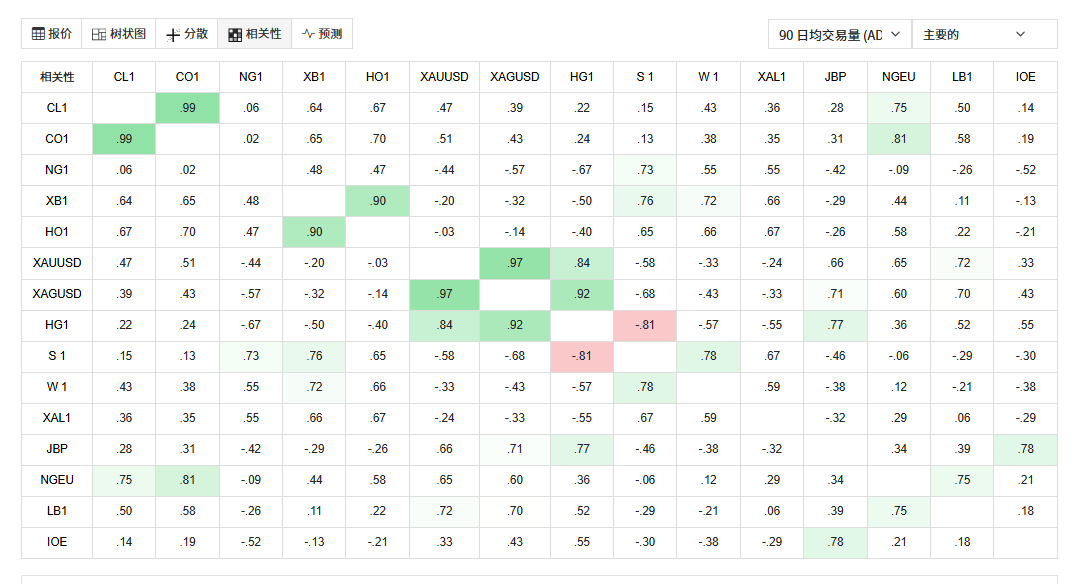
Group 1 - The core trigger for the recent significant drop in precious metals is the nomination of Kevin Warsh as the next Federal Reserve Chairman, which shattered market expectations for monetary easing and led to a surge in real interest rates and a rebound in the dollar [1][17] - Historical experiences indicate that after significant declines in precious metals, markets typically exhibit a pattern of reaction within one month, with the current decline expected to exceed past events in intensity [8][10][14] - The correlation between precious metals and industrial metals is notably high, with gold (XAUUSD) and silver (XAGUSD) showing a correlation of 0.97, indicating that they tend to move together in price [3][6] Group 2 - The relationship between precious metals and the dollar is characterized by a long-term negative correlation, which was particularly evident during the recent drop when the dollar index rose by 1.8%, diminishing the attractiveness of precious metals [6][17] - The market's expectation of continued high interest rates under Warsh's leadership is likely to support the dollar and further pressure precious metals, reinforcing the cycle of "dollar up - precious metals down" [6][17] - The recent decline in precious metals has also affected related sectors, with precious metal stocks experiencing significant drops, while financial sectors benefiting from a stronger dollar saw slight increases [6][17]