
木材加工及家具

Search documents
1月份制造业PMI为49.3%
Ren Min Ri Bao Hai Wai Ban· 2026-02-02 01:48
Group 1 - The manufacturing Purchasing Managers' Index (PMI) for January is 49.3%, a decrease of 0.8 percentage points from the previous month, indicating a decline in manufacturing activity due to seasonal factors and insufficient market demand [2] - The production index stands at 50.6%, indicating continued expansion in manufacturing production, while the new orders index is at 49.2%, reflecting a drop in market demand [2] - Certain industries such as agricultural processing and aerospace have production and new orders indices above 56.0%, indicating strong demand, while sectors like petroleum and automotive show indices below the critical point, suggesting a slowdown in market demand [2] Group 2 - The main raw materials purchasing price index and the factory price index are at 56.1% and 50.6%, respectively, both showing increases from the previous month, with the factory price index rising above the critical point for the first time in nearly 20 months [3] - Large enterprises maintain a PMI of 50.3%, indicating continued expansion, while medium and small enterprises show PMIs of 48.7% and 47.4%, reflecting a decline in their economic performance [3] - High-tech manufacturing leads with a PMI of 52.0%, remaining above 52.0% for two consecutive months, while consumer goods and high-energy industries show lower PMIs of 48.3% and 47.9%, indicating a decrease in their economic conditions [3] Group 3 - The production and business activity expectation index is at 52.6%, indicating optimism among enterprises, particularly in agricultural processing and food industries, which have indices above 56.0% [4] - The non-manufacturing business activity index for January is 49.4%, a decrease of 0.8 percentage points from the previous month, indicating a decline in overall non-manufacturing activity [4] - The service industry business activity index is at 49.5%, down 0.2 percentage points, with sectors like financial services showing high activity indices above 65.0%, while the real estate sector drops below 40.0%, indicating weak performance [4]

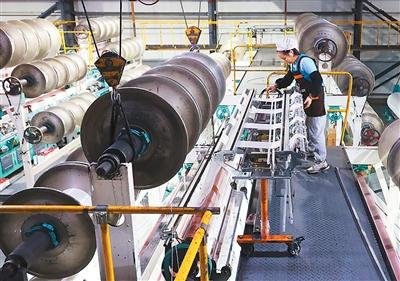
1月份中国采购经理指数有所回落
Guo Jia Tong Ji Ju· 2026-02-02 01:05
Group 1: Manufacturing Sector - The manufacturing Purchasing Managers' Index (PMI) decreased to 49.3% in January, indicating a decline in economic sentiment compared to the previous month [1][2] - The production index remained above the critical point at 50.6%, suggesting continued expansion in manufacturing production, while the new orders index fell to 49.2%, indicating a drop in market demand [2] - Large enterprises maintained a PMI of 50.3%, indicating ongoing expansion, while small and medium-sized enterprises saw declines in their PMIs to 48.7% and 47.4%, respectively [3] - High-tech manufacturing continued to lead with a PMI of 52.0%, reflecting a positive development trend in this sector [3] - The price indices for major raw materials and factory prices rose to 56.1% and 50.6%, respectively, indicating an overall improvement in market price levels [2] Group 2: Non-Manufacturing Sector - The non-manufacturing business activity index fell to 49.4%, reflecting a decrease in overall economic sentiment in this sector [1][4] - The service industry business activity index was at 49.5%, with significant activity in financial services, while the real estate sector's index dropped below 40.0%, indicating weak sentiment [4] - The construction industry experienced a notable decline, with its business activity index at 48.8%, influenced by adverse weather and the upcoming holiday [4] - Despite the decline in current activity, the service industry business activity expectation index rose to 57.1%, indicating increased confidence among service sector enterprises [4] Group 3: Composite PMI - The composite PMI output index was recorded at 49.8%, showing a slight decrease from the previous month, indicating a general slowdown in production and business activities [1][5] - The manufacturing production index and non-manufacturing business activity index were 50.6% and 49.4%, respectively, contributing to the overall composite PMI output index [5]
2026年1月PMI点评:节前景气回落,结构分化加剧
Orient Securities· 2026-01-31 23:30
Economic Indicators - The Manufacturing PMI for January 2026 is at 49.3%, falling below the expansion threshold of 50.1%[7] - The Production and New Orders PMI are recorded at 50.6% and 49.2% respectively, both showing significant declines from previous levels[7] Sector Performance - High-tech manufacturing PMI stands at 52%, slightly down from 52.5%, but remains near the second-highest level since the implementation of equal tariff policies in April 2025[7] - The construction sector's activity has slowed significantly, with the PMI dropping below 40% due to adverse weather and the upcoming holiday[7] Demand Dynamics - New Orders PMI has seen a year-on-year decline, marking the second-lowest drop for this period, indicating insufficient domestic demand[7] - New Export Orders PMI decreased by 1.2 percentage points to 47.8%, influenced by prior export surges and trade policy adjustments from key partners[7] Price Trends - Major raw material purchase price index and factory price index have risen to 56.1% and 50.6% respectively, indicating a return to expansion after 20 months[7] - Prices in the non-ferrous metal sector are driving overall price increases, while sectors with weak internal demand, like wood processing, show price contraction[7] Future Outlook - The report suggests that geopolitical changes and investment demand in technology will continue to drive global capital expenditure and commodity prices, particularly in non-energy commodities[7] - The ongoing contradiction of strong supply versus weak demand in the domestic market remains a critical issue, with the ability of upstream prices to transmit to downstream still uncertain[7]
2026 年 1 月 PMI 数据点评:PMI 淡季回落,价格回升
GUOTAI HAITONG SECURITIES· 2026-01-31 13:34
Group 1: Manufacturing PMI Insights - In January 2026, the manufacturing PMI was 49.3%, a decrease of 0.8 percentage points from the previous month[9] - The production index was 50.6%, down 1.1 percentage points, indicating cautious expansion due to demand decline[16] - New orders and new export orders indices were 49.2% and 47.8%, respectively, both declining by 1.6 and 1.2 percentage points[16] Group 2: Price and Inventory Trends - The main raw materials purchase price index rose to 56.1%, an increase of 3.0 percentage points, while the factory price index reached 50.6%, marking the first time in 20 months above the critical point[19] - Raw material inventory and finished goods inventory indices were 47.4% and 48.6%, respectively, indicating a decrease in raw material stock[21] Group 3: Non-Manufacturing Sector Performance - The service sector's business activity index was stable at 49.5%, with significant divergence among industries[22] - The construction sector's business activity index fell to 48.8%, down 4.0 percentage points, reflecting seasonal slowdowns[24] Group 4: Economic Outlook and Risks - The macroeconomic policy is expected to be more proactive, with a focus on boosting overall demand and ensuring spending increases[27] - A risk remains in the real estate sector, where demand needs to be stimulated[28]
1月制造业PMI回落至49.3%,超3成企业反映利润下降
第一财经· 2026-01-31 10:46
Core Viewpoint - The manufacturing PMI in January fell below the growth line, indicating a decline in economic activity and a need for stronger foundational support for economic recovery [3][5]. Manufacturing Sector - The manufacturing PMI for January is reported at 49.3%, a decrease of 0.8 percentage points from the previous month, indicating fluctuations in manufacturing operations [5]. - The new orders index dropped to 49.2%, down 1.6 percentage points, reflecting a tightening of market demand [5]. - Seasonal factors and changes in the export environment are contributing to the slowdown in market demand, with the new export orders index at 47.8%, a decline of 1.2 percentage points [5][7]. - The production index remains in the expansion zone at 50.6%, despite a decrease of 1.1 percentage points, suggesting continued overall expansion in manufacturing [7]. - The prices of major raw materials and factory output have increased, with the purchasing price index at 56.1% and the factory price index at 50.6%, indicating an improvement in overall price levels in the manufacturing market [7]. Non-Manufacturing Sector - The non-manufacturing business activity index is at 49.4%, down 0.8 percentage points, primarily due to a decline in the construction sector [10]. - The service sector remains relatively stable, with the business activity index slightly decreasing by 0.2 percentage points, maintaining around 49.5% [10][11]. - The service industry anticipates a boost from the upcoming Spring Festival, with a business activity expectation index of 57.1%, indicating optimism for consumer-related services [10][11]. Economic Outlook - The overall economic climate is expected to be influenced by changes in export growth, the domestic real estate market, and the timing and intensity of growth-stimulating policies [8]. - There is potential for monetary policy easing in the second quarter, with fiscal policies aimed at boosting consumption and investment expected to gain momentum [8].
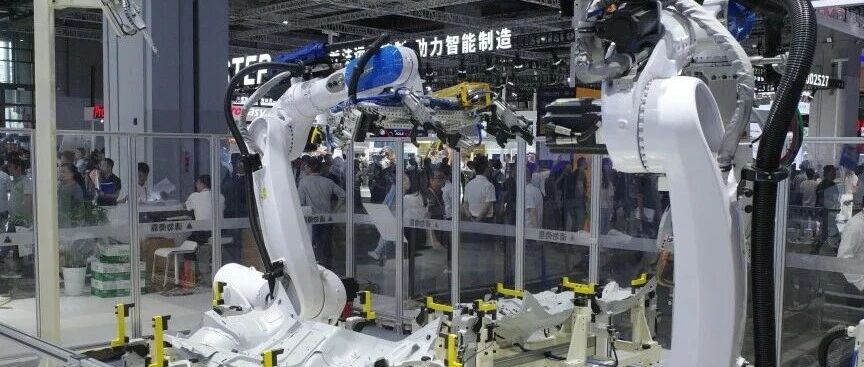
1月份制造业采购经理指数有所回落
Xin Hua Cai Jing· 2026-01-31 06:59
Group 1: Manufacturing Sector - The manufacturing Purchasing Managers' Index (PMI) for January is 49.3%, indicating a decline from the previous month [1][2] - The production index remains above the critical point at 50.6%, showing continued expansion in manufacturing production [2] - New orders index is at 49.2%, reflecting a decrease in market demand [2] - Certain industries, such as agricultural processing and aerospace, show strong production and new orders indices above 56.0%, while sectors like automotive and fuel processing are below the critical point [2] - Price indices for raw materials and factory output have risen, with the raw material purchase price index at 56.1% and the factory price index at 50.6%, marking an improvement in overall market prices [2] Group 2: Large vs. Small Enterprises - Large enterprises have a PMI of 50.3%, indicating continued expansion, while medium and small enterprises have PMIs of 48.7% and 47.4%, respectively, showing a decline [3] - High-tech manufacturing leads with a PMI of 52.0%, indicating a positive development trend [3] - Consumer goods and high-energy industries show lower PMIs of 48.3% and 47.9%, respectively, indicating a downturn in these sectors [3] Group 3: Non-Manufacturing Sector - The non-manufacturing business activity index is at 49.4%, reflecting a decrease from the previous month [4] - The service sector's business activity index is at 49.5%, with financial services showing high activity levels above 65.0%, while the real estate sector is below 40.0% [4] - The construction sector's business activity index has dropped to 48.8%, indicating a significant decline in activity due to seasonal factors [4] Group 4: Composite PMI - The composite PMI output index is at 49.8%, indicating a slowdown in overall business activities compared to the previous month [5] - The manufacturing production index is at 50.6%, while the non-manufacturing business activity index is at 49.4%, contributing to the composite index's decline [5]
1月制造业PMI回落至49.3% 超3成企业反映利润下降
Di Yi Cai Jing· 2026-01-31 03:43
Group 1: Manufacturing Sector Overview - In January, the manufacturing PMI fell to 49.3%, a decrease of 0.8 percentage points from the previous month, indicating fluctuations in manufacturing operations [4][5] - The new orders index for January was 49.2%, down 1.6 percentage points, reflecting a tightening of market demand due to seasonal factors and changes in export environments [4][5] - The production index remained in the expansion zone at 50.6%, despite a decline of 1.1 percentage points, suggesting continued overall expansion in manufacturing production [5] Group 2: Price Levels and Economic Conditions - The purchasing price index for raw materials rose to 56.1%, and the factory price index increased to 50.6%, marking the first time in nearly 20 months that the factory price index exceeded the critical point [5] - The proportion of manufacturing enterprises reporting insufficient market demand decreased to 54.9%, down 9.4 percentage points, indicating a stabilization in market demand [5] - Analysts suggest that the overall economic climate is affected by seasonal fluctuations, high previous month bases, and ongoing adjustments in the real estate market [6] Group 3: Non-Manufacturing Sector Insights - The non-manufacturing business activity index for January was 49.4%, a decline of 0.8 percentage points, primarily due to a decrease in the construction sector [9] - The service sector showed relative stability, with the service business activity index slightly declining by 0.2 percentage points, remaining around 49.5% [10] - The business activity expectation index for the service sector rose to 57.1%, indicating an optimistic outlook, particularly for consumption-related services during the upcoming Spring Festival [10]
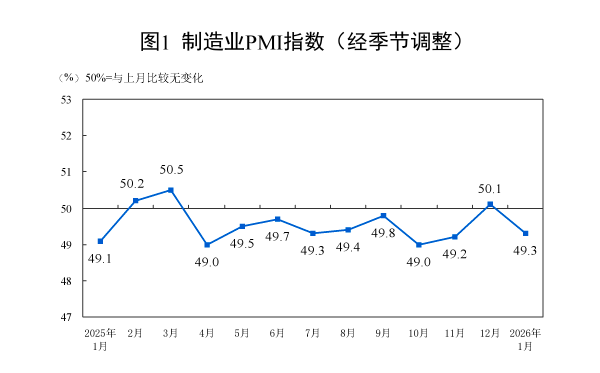
1月制造业PMI回落至49.3%,超3成企业反映利润下降
Di Yi Cai Jing· 2026-01-31 03:39
Core Viewpoint - The manufacturing sector in China is experiencing a decline in economic activity, as indicated by the drop in the Purchasing Managers' Index (PMI) below the growth threshold, reflecting insufficient market demand and the need for stronger economic recovery measures [1][4][6]. Manufacturing Sector - The manufacturing PMI for January is reported at 49.3%, a decrease of 0.8 percentage points from the previous month, indicating fluctuations in manufacturing operations [4]. - New orders index fell to 49.2%, down 1.6 percentage points, suggesting a tightening of market demand [4]. - The production index remains in the expansion zone at 50.6%, but has decreased by 1.1 percentage points, indicating a slowdown in manufacturing production growth [5]. - The prices of raw materials and finished products are rising, with the raw material purchase price index at 56.1% and the factory price index at 50.6%, marking the first time in nearly 20 months that the factory price index has risen above the critical point [5][6]. - Over 34% of manufacturing companies reported a decline in profits, highlighting concerns regarding profitability amid rising raw material costs [6]. Non-Manufacturing Sector - The non-manufacturing business activity index is at 49.4%, down 0.8 percentage points, with the construction sector experiencing a significant decline [9]. - The service sector remains relatively stable, with a slight decrease in the service business activity index to around 49.5% [10]. - The service industry shows optimistic expectations, with a business activity expectation index of 57.1%, indicating a positive outlook for the upcoming Spring Festival consumption [10].
统计局:1月官方制造业PMI为49.3% 比上月下降0.8个百分点
Guo Jia Tong Ji Ju· 2026-01-31 02:39
Group 1: Manufacturing PMI Overview - In January, the Manufacturing Purchasing Managers' Index (PMI) was 49.3%, a decrease of 0.8 percentage points from the previous month, indicating a decline in manufacturing activity [1][12] - Large enterprises had a PMI of 50.3%, down 0.5 percentage points, remaining above the critical point; small and medium-sized enterprises had PMIs of 48.7% and 47.4%, down 1.1 and 1.2 percentage points respectively, both below the critical point [1][15] - The production index was 50.6%, down 1.1 percentage points but still indicating expansion; the new orders index was 49.2%, down 1.6 percentage points, showing a slowdown in market demand [1][14] - The raw materials inventory index was 47.4%, down 0.4 percentage points, indicating a continued decrease in inventory levels; the employment index was 48.1%, down 0.1 percentage points, suggesting a slight decline in employment levels [1][14] Group 2: Non-Manufacturing PMI Overview - In January, the Non-Manufacturing Business Activity Index was 49.4%, a decrease of 0.8 percentage points from the previous month [2][12] - The construction industry Business Activity Index was 48.8%, down 4.0 percentage points, while the services industry Business Activity Index was 49.5%, down 0.2 percentage points [2][16] - The new orders index was 46.1%, down 1.2 percentage points, indicating a decline in market demand; the construction new orders index was 40.1%, down 7.3 percentage points [2][16] - The input prices index was 50.0%, indicating stability in input prices; the construction input prices index was 52.0%, up 1.2 percentage points, while the services input prices index was 49.7%, down 0.4 percentage points [2][3] Group 3: Price and Employment Trends - The sales price index was 48.8%, up 0.8 percentage points, indicating a narrowing decline in sales prices; the construction sales price index was 48.2%, up 0.8 percentage points, and the services sales price index was 48.9%, also up 0.8 percentage points [3] - The employment index for non-manufacturing was 46.1%, stable from the previous month, indicating stable employment conditions; the construction employment index was 41.1%, up 0.1 percentage points, while the services employment index was 47.0%, unchanged [3][16] - The business activity expectation index was 56.0%, down 0.5 percentage points but still indicating optimism among non-manufacturing enterprises; the construction expectation index was 49.8%, below the critical point, while the services expectation index was 57.1%, up 0.7 percentage points [3][16] Group 4: Comprehensive PMI Overview - The Comprehensive PMI Output Index was 49.8%, down 0.9 percentage points, indicating a slowdown in overall production and business activities compared to the previous month [4][12] - The manufacturing production index was 50.6%, while the non-manufacturing business activity index was 49.4%, contributing to the overall decline in the Comprehensive PMI [17]
国家统计局解读2026年1月中国采购经理指数
Guo Jia Tong Ji Ju· 2026-01-31 02:26
Group 1: Manufacturing Sector - The manufacturing Purchasing Managers' Index (PMI) decreased to 49.3% in January, indicating a decline in economic sentiment compared to the previous month [2][3] - The production index remains above the critical point at 50.6%, suggesting continued expansion in manufacturing production, while the new orders index fell to 49.2%, indicating a drop in market demand [3] - Large enterprises maintain a PMI of 50.3%, indicating ongoing expansion, while small and medium enterprises show lower PMIs of 48.7% and 47.4%, respectively, reflecting a decline in economic activity [4] - High-tech manufacturing continues to lead with a PMI of 52.0%, indicating a positive development trend, while consumer goods and high-energy industries show lower PMIs of 48.3% and 47.9% [4] Group 2: Non-Manufacturing Sector - The non-manufacturing business activity index fell to 49.4%, reflecting a decrease in overall economic sentiment in the non-manufacturing sector [7] - The service sector's business activity index is at 49.5%, with financial services and capital market services showing high activity levels above 65.0%, while the real estate sector's index dropped below 40.0% [7] - The construction sector's business activity index decreased to 48.8%, indicating a significant decline in activity due to adverse weather and upcoming holidays [7] Group 3: Overall Economic Indicators - The comprehensive PMI output index is at 49.8%, indicating a slowdown in overall production and business activities compared to the previous month [8] - The manufacturing production index and non-manufacturing business activity index are at 50.6% and 49.4%, respectively, contributing to the overall PMI output index [8]