
Guan Cha Zhe Wang

Search documents
出于经营效率考量,理想汽车将关闭部分门店
Guan Cha Zhe Wang· 2026-01-23 12:21
导读:2025年,理想汽车的交付量为40.6万辆,同比下滑约19%,未达成调整后销量目标。 (文 / 观察者网 周盛明 编辑 / 高莘) 1月23日,理想汽车内部人士向观察者网证实,理想汽车后续将关闭一些能效低、扩张期铺开的门店, 目前还处于评估阶段,门店关闭数量不详。 "(关店原因)确实(是出于)经营效率考量。"该内部人士表示。 从数据中可以看出,理想汽车的零售中心数量在2023年增长最快。 从总体来看,由于MEGA召回、L系列处于换代前的销量低点、纯电产品处于起步阶段等多方面的影 响,理想汽车2025年的业绩并不出色。2025年,理想汽车的交付量为40.6万辆,同比下滑约19%,未达 成调整后销量目标。 在2025年第三季度财报电话会议上,理想汽车创始人兼CEO李想表示,从2025年四季度开始,理想汽车 回归"创业公司的管理模式",以此来面对"新时代、新技术的挑战"。 理想汽车执行董事兼总裁马东辉则表示,随着增程产品L系列大改款的临近,理想汽车将"重新夺回中 大型SUV的领导地位",简化SKU、消除入门版体验"打折"的问题,用"确定性的技术升级+确定性的交 付节奏+确定性的用户价值"应对市场不确定性。 此 ...

搞银企“旋转门”式腐败,建行浙江省分行原行长高强被开除党籍
Guan Cha Zhe Wang· 2026-01-23 12:16
据中央纪委国家监委驻中国建设银行纪检监察组、北京市纪委监委1月23日消息:日前,中央纪委国家 监委驻中国建设银行纪检监察组、北京市通州区监委对中国建设银行浙江省分行原党委书记、行长高强 严重违纪违法问题进行了立案审查调查。 经查,高强丧失理想信念,背弃初心使命,对抗组织审查,转移、隐匿证据;无视中央八项规定精神, 收受可能影响公正执行公务的礼品、礼金、消费卡;违反组织原则,违规为他人谋取人事方面利益并收 受财物;廉洁底线失守,违规向从事公务的人员赠送礼品,违规从事营利活动,离职后违规任职取酬; 违反生活纪律,长期打牌赌博;贪欲膨胀,利用职务便利为他人在贷款融资等方面谋取利益,并非法收 受巨额财物。 本文系观察者网独家稿件,未经授权,不得转载。 高强身为国有金融机构党员领导干部,纪法意识淡漠,甘于被"围猎",在职期间以贷谋私、以股谋利, 离职后以"工资""顾问费"等名义敛财,搞银企"旋转门"式腐败,严重违反党的政治纪律、组织纪律、廉 洁纪律、生活纪律,构成严重职务违法并涉嫌受贿犯罪,且在党的十八大、十九大后不收敛、不收手, 甚至在党的二十大后仍不知止,性质严重、影响恶劣,应予严肃处理。依据《中国共产党纪律处分条 ...
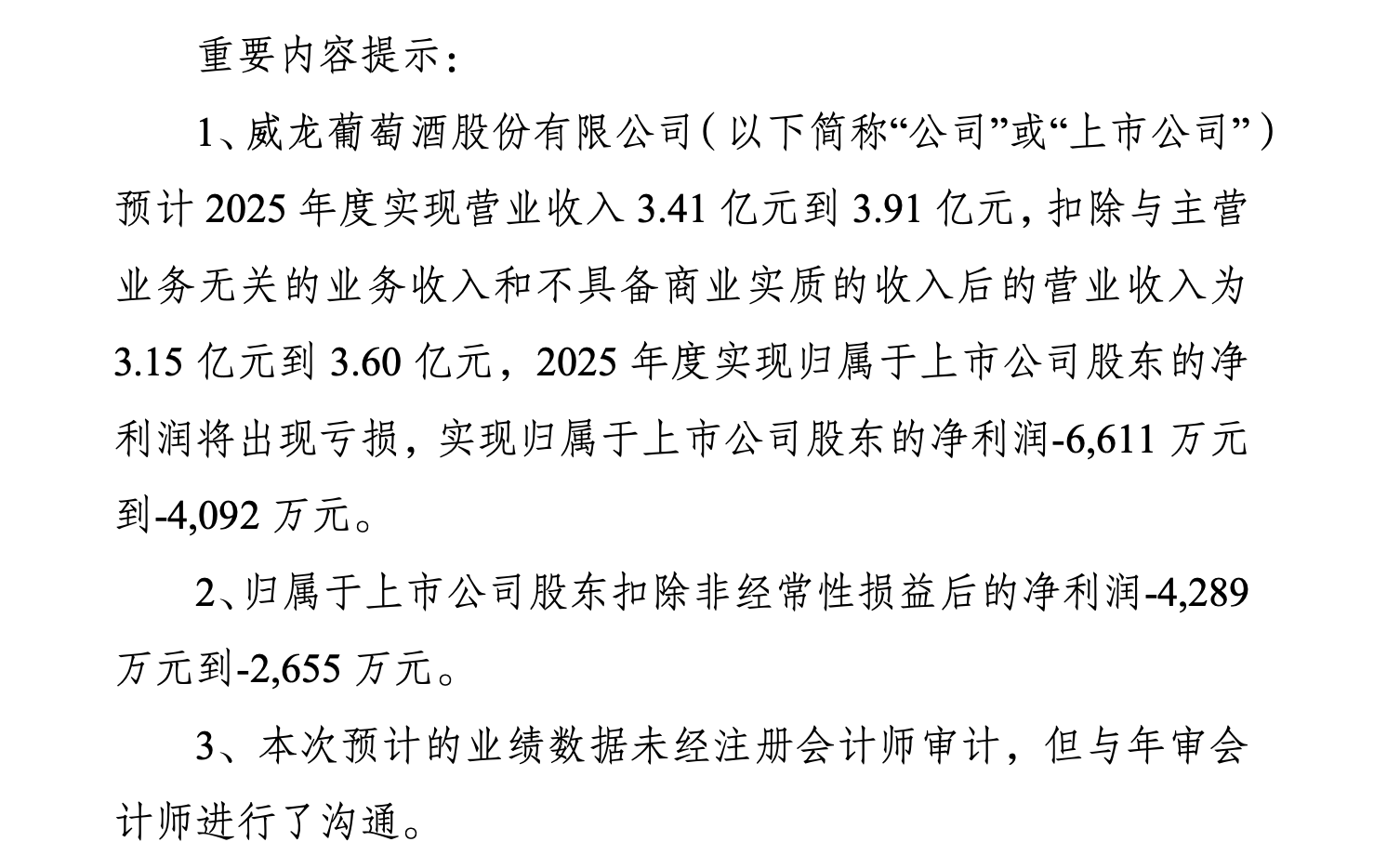
600亩葡萄藤判“死刑”:国产葡萄酒大厂威龙股份断臂求生
Guan Cha Zhe Wang· 2026-01-23 10:19
新浪财经"酒价内参"重磅上线 知名白酒真实市场价尽在掌握 公司公告 公司内部正对1000亩龙口龙湖葡萄地中的600亩下达"死亡判决书",这家拥有40多年历史的企业,正面临一场前所未有的生存危机。 "低迷是场景消失、信任赤字、教育过度共同造成的。"酒类分析师肖竹青告诉观察者网。 600亩葡萄地的报废处理,仅是冰山一角,累计超8亿元的亏损、实控人涉嫌挪用资金被监视居住、控股股东增持承诺失信。 2019年,当威龙股份营收还高达6.67亿元时,谁也不会想到短短几年后,这家葡萄酒行业巨头会陷入如此困境。 截至1月23日收盘,威龙股份报7.06元/股,股价较2023年高点已接近"腰斩",二级市场的投资者用脚投票表达了对公司未来前景的担忧。 业务之困 威龙股份从成立伊始就确立了全产业链发展模式,涵盖葡萄种植、葡萄酒酿造、品牌营销和产品销售全链条。 公司在山东龙口、甘肃武威、新疆霍尔果斯及澳大利亚均有葡萄种植基地。 产品线覆盖了从高端有机葡萄酒到大众化葡萄酒的多个层次,拥有包括沙漠系列、绿色系列以及精品系列等产品。 观察者网在一家经销商网店看到,其最贵的产品为"威龙龍闕·殿干红葡萄酒",折后价为8551元/750ml*4支装 ...


加拿大总理因何盯上中国能源“三巨头”
Guan Cha Zhe Wang· 2026-01-23 10:16
Core Viewpoint - The article discusses the rising global recognition of China's renewable energy sector as a vital contributor to energy transition, countering criticisms from the U.S. regarding unfair competition and overcapacity [1][2]. Group 1: China's Renewable Energy Position - Zhang Lei, Chairman of Envision Group, asserts that Chinese renewable energy represents a "civilizational output," akin to the steam engine during the Industrial Revolution, establishing a new energy infrastructure globally [1]. - Al Gore supports this view, highlighting that by 2025, the total value of green technology exported by China will exceed that of all fossil fuels exported by the U.S. by 50% [1]. - Countries like Nigeria, Kenya, and Zambia are experiencing a surge in solar installations, indicating a global shift towards renewable energy solutions [1]. Group 2: Canada-China Energy Cooperation - Canadian Prime Minister's recent visit to China marks a significant thaw in relations, focusing on cooperation in key areas such as energy and agriculture, which is crucial for both nations [2]. - Meetings between Canadian officials and major Chinese energy companies, including China National Petroleum Corporation, Envision Group, and CATL, are pivotal for reshaping the global energy landscape [2][5]. - The collaboration is seen as a strategic response to Canada's energy transition challenges, showcasing China's renewable energy capabilities [2][11]. Group 3: Challenges in Canada's Energy Sector - Canada faces a dilemma with over 95% of its oil and most natural gas reliant on the U.S. market, posing strategic security risks amid politicized U.S. energy policies [9]. - The aging electrical grid in Canada struggles to integrate renewable energy, falling short of the 2030 and 2035 renewable energy targets [10]. - A weak green industrial base and incomplete supply chains hinder Canada's ability to leverage its resource advantages, necessitating external technological support [11]. Group 4: Technological and Systemic Advantages of China - China's renewable energy industry has developed a comprehensive "scale-technology-system" model, providing a robust foundation for international cooperation [12]. - Envision Group's AI-powered energy systems exemplify this systemic advantage, addressing the complexities of renewable energy management and enhancing operational efficiency [13][15]. - The AI energy system's capabilities align with Canada's long-term energy system upgrade plans, indicating a deepening of technological collaboration [14][19]. Group 5: Future Implications of Cooperation - The partnership between Canada and China transcends mere product trade, evolving into a collaborative model for technology standards and industrial practices [14][20]. - This cooperation is expected to reshape global energy collaboration, allowing Chinese renewable technology standards to influence international markets and contribute to global carbon neutrality efforts [20].


京东请喝腊八粥,七鲜小厨五城新店齐开
Guan Cha Zhe Wang· 2026-01-23 10:08
Core Insights - JD's quality dining brand, Qixian Xiaochu, is accelerating its national expansion, having opened 30 stores in Beijing within four months and launching its first store in Harbin, with additional openings in Shenzhen, Shanghai, and Guangzhou, marking its entry into a nationwide development phase [1] Group 1: National Expansion - Qixian Xiaochu has successfully launched its first stores in multiple cities, completing a "five-city launch" strategy [1] - The brand aims to complete its layout in all first- and second-tier cities in China by the end of 2026 [6] Group 2: Marketing Activities - During the Laba Festival from January 25 to 27, Qixian Xiaochu introduced a promotional event offering free "福粥" and "福米" with any purchase, distributing a total of 60,000 portions across all stores in five cities [3] Group 3: Supply Chain Innovation - Qixian Xiaochu, launched in July 2025, focuses on addressing industry pain points such as "ghost kitchens" and lack of transparency in food preparation, emphasizing fresh cooking and ingredient transparency [5] - The brand utilizes JD's super supply chain system to ensure quality control throughout the entire process from ingredient sourcing to delivery [5] Group 4: Food Safety Management - To ensure food safety, Qixian Xiaochu has implemented a "5×2 food safety management rule," which includes ten visible and tangible safety measures covering the entire supply chain [5] - Key measures include public disclosure of ingredient suppliers, real-time monitoring of kitchen environments, and strict adherence to fresh cooking practices without additives [5] Group 5: Partner Recruitment - Qixian Xiaochu has initiated a national partner recruitment plan to expand its market presence, focusing on key urban clusters such as Beijing-Tianjin-Hebei, Yangtze River Delta, and Pearl River Delta [6] - The brand aims to support partners through a combination of supply chain, smart equipment, and standardized systems [6]


买房反被开发商索赔1200万,滨江凯旋门陷交易风波
Guan Cha Zhe Wang· 2026-01-23 09:57
事件曝光后不到4小时,新鸿基地产方面发布严正声明予以驳斥,严正声明公司从未向任何购房者指定贷款银行。"上述购房人未能在合同约定期限内获批贷 款,经多家审批银行确认,系因其个人原因所致。" 双方各执一词的激烈交锋,让这场豪宅交易风波更添悬念。 (文/解红娟 编辑/张广凯) 买房不成反遭开发商追讨1200万。 1月22日午间,一篇《致新鸿基地产主席郭炳联先生的公开信》在社交平台迅速发酵,将上海浦东滨江凯旋门三期的一桩购房纠纷推向公众视野。 信中,购房者自称,因未能在合同约定的时间内从指定的银行获得足额的按揭支付剩余70%房款,被开发商新鸿基地产诉至法院,索赔1200余万元。若叠加 打官司的数百万元资金成本,其总损失或将超2000万元。 滨江凯旋门三期最贵一套房源总价过亿 作为本次舆论风波中的发生地,滨江凯旋门自诞生之日起便自带"顶流豪宅"光环。 公开信息显示,滨江凯旋门位于上海浦东新区陆家嘴滨江板块,是新鸿基地产开发的高端江景豪宅项目。新鸿基地产于2005年6月拿下住宅项目滨江凯旋 门,开启了长达近20年的开发周期。 从拿地到首次入市,新鸿基地产用了6年时间,2012年3月,滨江凯旋门首次开盘,以9.8万元/平方 ...

本月央行已净投放1万亿流动性
Guan Cha Zhe Wang· 2026-01-23 09:44
Group 1 - The People's Bank of China (PBOC) announced a 900 billion yuan medium-term lending facility (MLF) operation to maintain liquidity in the banking system, with a net injection of 700 billion yuan after considering 200 billion yuan of MLF maturing this month [1] - The total net liquidity injection in January reached 1 trillion yuan, significantly larger than previous scales, indicating a proactive approach to ensure sufficient liquidity [1] - The PBOC's actions align with the recent statements from its governor, Pan Gongsheng, emphasizing continued support for economic stability and the domestic bond market [2] Group 2 - Pan Gongsheng highlighted the importance of maintaining a moderately loose monetary policy to support stable economic growth and reasonable price recovery, with room for further interest rate cuts and reserve requirement ratio reductions [2] - Structural monetary policy tools will be optimized to enhance support for key strategic areas and weak links, ensuring financial institutions focus on critical projects [3] - The PBOC has lowered the interest rates on various structural monetary policy tools by 0.25 percentage points, indicating a commitment to maintaining liquidity and guiding overnight rates near policy levels [3]
罚没2800余万、实控人终身禁入!证监会严肃查处瑞丰达违法违规案件
Guan Cha Zhe Wang· 2026-01-23 09:37
Core Viewpoint - The China Securities Regulatory Commission (CSRC) has imposed administrative penalties on Zhejiang Ruifengda Asset Management Co., Ltd. and its related private equity institutions for serious violations of private fund laws and regulations, including fines totaling over 28 million yuan and lifetime bans for key personnel [1] Group 1: Regulatory Actions - The CSRC has fined Ruifengda and its related private equity institutions over 28 million yuan and imposed fines of over 13 million yuan on five responsible individuals [1] - The actual controller of Ruifengda, Sun Wei, has been banned from the securities market for life, and the China Securities Investment Fund Industry Association has canceled the registration of the related private equity institution [1] - The CSRC will transfer any criminal clues related to the violations to law enforcement agencies, adhering to the principle of transferring all cases that should be moved [1] Group 2: Company Background - Ruifengda was established on October 20, 2016, and registered on May 31, 2017, with a registered capital of 30 million yuan and a paid-in capital of 7.5 million yuan [2] - The actual controller of Ruifengda is Qiu Wenlong, who holds an 80% stake, while the legal representative and general manager, Liu Licheng, holds a 20% stake [2] - The company is located in Huzhou, Zhejiang Province, with its office in the Pudong New Area of Shanghai [2]
印度或罚苹果380亿美元
Guan Cha Zhe Wang· 2026-01-23 09:37
Core Viewpoint - India's antitrust agency has issued an ultimatum to Apple, threatening to proceed with an investigation that could result in fines up to $38 billion if the company continues to delay its response [1][2]. Group 1: Antitrust Investigation - The case against Apple dates back to 2022 when Match Group and several Indian startups accused the company of abusing its dominant market position by imposing unfair commissions on app developers, known as the "Apple tax" [1]. - The Indian Competition Commission (CCI) has preliminarily found that Apple has abused its market dominance, affecting developers' returns and growth [1]. - In 2024, India revised its antitrust laws to increase penalties for violations, allowing fines to be based on a company's global revenue, with a cap of 10% of the average global turnover over the past three years [1]. Group 2: Legal Proceedings - Following the CCI's findings, Apple filed a lawsuit in the Delhi High Court, claiming that the penalty regulations are unconstitutional and disproportionate [2]. - The CCI has pressured Apple to submit objections to the investigation results and provide global financial data for penalty assessment, but Apple has repeatedly requested extensions [2]. - The CCI issued a final ultimatum to Apple, stating that if no response is received within a week, it will unilaterally advance the case [2]. Group 3: Global Context - The legal challenges Apple faces in India are part of a broader trend, as regulatory bodies in regions like the EU and the US have also taken action against the "Apple tax" [3]. - In 2020, the EU initiated an antitrust investigation against Apple, resulting in a €1.84 billion fine in 2024 and new regulations requiring Apple to allow software downloads from outside its app store [3]. - In the US, Epic Games has successfully pushed for a court ruling requiring Apple to allow external payment links, leading to changes in Apple's App Store guidelines [4]. Group 4: Compliance Measures - In response to regulatory pressures, Apple has relaxed its App Store policies in Japan, reducing the commission rates for the "Apple tax" to between 10% and 21% [5].


5年内3次冲击上市,云峰莫干山成长性已显疲态
Guan Cha Zhe Wang· 2026-01-23 09:17
Core Viewpoint - Yunfeng Moganshan Home Furnishing has submitted an IPO application to the Hong Kong Stock Exchange after failing to enter the A-share market, reflecting its determination to access capital markets despite industry challenges [1] Group 1: Company Background - Yunfeng Moganshan was established in 1995 and is headquartered in Huzhou, Zhejiang Province, initially focusing on panel furniture sales before expanding into the custom home furnishing market [1] - The company has been attempting to go public for nearly five years, with previous attempts to list on the Shanghai Stock Exchange failing due to regulatory issues [1] Group 2: Financial Performance - For the fiscal year 2023-2024, the company reported revenues of 3.394 billion yuan and 3.456 billion yuan, with a year-on-year growth of only 1.8% [2] - The profit for 2023 was 320 million yuan, remaining stable at 321 million yuan in 2024, while the profit for the first three quarters of 2025 reached approximately 279 million yuan, showing a year-on-year increase of 14.34% [2] Group 3: Product Segmentation - The main products of Yunfeng Moganshan include artificial boards and custom home furnishings, with the artificial board segment generating 2.34 billion yuan in revenue in 2023, accounting for 69% of total revenue [3] - The revenue from the artificial board segment decreased slightly to 2.326 billion yuan in 2024, and further declined to 1.501 billion yuan in the first three quarters of 2025, representing a 15% drop [3] Group 4: Custom Home Furnishing Growth - The custom home furnishing segment generated 643 million yuan in 2023, increasing to 703 million yuan in 2024, with a growth rate of 9.33% [5] - By the first three quarters of 2025, revenue from custom home furnishings reached 644 million yuan, marking a significant year-on-year growth of 35.65% and increasing its share of total revenue to 25.6% [5] Group 5: Industry Challenges - The demand for custom home furnishings is showing signs of saturation, with a noted decline in new housing deliveries impacting market capacity [6] - The company has faced scrutiny regarding its reliance on intellectual property licensing, which has been a significant revenue source but also led to regulatory challenges in its previous A-share listing attempt [7][9]