Jing Ji Wang

Search documents
LPR连续7个月不变,明年怎么安排?
Jing Ji Wang· 2025-12-26 02:04
Core Viewpoint - The Loan Prime Rate (LPR) has remained unchanged for seven consecutive months, reflecting a stable macroeconomic environment and reduced reliance on short-term stimulus policies [3][4]. Group 1: Economic Environment - The current macroeconomic environment shows strong growth resilience, with exports performing better than expected and new productivity sectors developing rapidly, indicating that the need for aggressive counter-cyclical adjustments has diminished [3]. - The central economic work conference has emphasized the flexible and efficient use of various policy tools, suggesting that monetary policy will actively support growth targets [4][8]. Group 2: Future LPR Adjustments - Although the LPR has been stable, there is still potential for future adjustments, particularly in the first quarter of 2026, as the central bank may implement new rounds of reserve requirement ratio (RRR) cuts or interest rate reductions [4][6]. - The timing for potential LPR cuts is likely around the Chinese New Year, a critical period for policy measures aimed at stabilizing expectations and promoting consumption [6]. Group 3: Rationale for Potential LPR Cuts - Four key reasons support the possibility of LPR cuts: 1. Clear national policy direction provides operational space for interest rate reductions [8]. 2. The need to maintain a healthy yield curve due to significant government bond issuance this year [8]. 3. The LPR pricing mechanism has room for transmission, as liquidity has been injected into the banking system, lowering funding costs [8]. 4. Balancing market supply and demand with risk pricing is essential, as adjustments must consider both promoting lower financing costs and maintaining financial system stability [8]. Group 4: Benefits of LPR Cuts - A reduction in LPR would lower costs for homebuyers, boosting confidence in the housing market and stabilizing expectations [9][12]. - It would also decrease financing costs for the real economy, particularly benefiting small and medium-sized enterprises and sectors related to new productivity [12]. - Overall, LPR cuts could help stabilize and boost the macroeconomy by increasing disposable income and enhancing consumption willingness, thereby driving total demand [12].


激发消费潜力 多地消费贷贴息新政落地
Jing Ji Wang· 2025-12-26 02:04
Core Viewpoint - The implementation of the personal consumption loan interest subsidy policy is a significant measure to stabilize growth and promote consumption, with local governments actively participating to enhance consumer credit accessibility and stimulate economic activity [1][3]. Group 1: Policy Implementation - Various regions have detailed the consumption loan interest subsidy policy following the national framework, with specific guidelines tailored to local conditions [2]. - The Chongqing Municipal Finance Bureau and other authorities have announced a subsidy for personal consumption loans issued from September 1, 2025, to August 31, 2026, aimed at loans used for consumption [2]. - The Sichuan Provincial Finance Department has also introduced a similar subsidy for loans obtained from banks outside the major state-owned banks, effective from October 1, 2025, to March 31, 2026 [2]. Group 2: Economic Impact - The local implementation of the subsidy policy signifies a collaborative effort between central and local governments, creating a "national subsidy + local subsidy" model to effectively stimulate economic demand [3]. - Tailored subsidy policies can better align with regional economic characteristics and consumer needs, thereby enhancing consumer willingness to spend [3]. - The anticipated outcome of a coordinated national and local approach is to stabilize consumer expectations and boost domestic demand [3]. Group 3: Participation of Financial Institutions - Several local banks have joined the consumption loan subsidy initiative, expanding the coverage to regional commercial banks and rural commercial banks, which enhances the diversity of financial services available to consumers [4]. - Chengdu Bank has announced a subsidy rate of 1% on eligible personal consumption loans, with a cap of 1,500 yuan for each borrower [4]. - Chengdu Rural Commercial Bank has specified that the subsidy applies to various consumer categories, including home appliances and education, while Guizhou Bank has set a timeframe for eligible loans from September 1 to December 31, 2025 [5]. Group 4: Market Dynamics - The involvement of regional banks is expected to create new business growth opportunities, as these institutions have a deeper understanding of local markets and consumer demands [5]. - The subsidy policy is likely to lower borrowing costs, encouraging more consumers to choose loans from these regional banks, thus expanding their customer base and market share [5]. - Financial institutions are prompted to enhance their service quality and optimize business processes to better meet consumer needs and improve competitiveness [5].

5G遇冷了吗?
Jing Ji Wang· 2025-12-26 02:04
Core Insights - The core viewpoint of the articles emphasizes the ongoing expansion of 5G user base in China, reaching 1.193 billion users by the end of November, which constitutes 65.3% of mobile phone users, despite ongoing skepticism regarding its utility and value [1][2]. Group 1: User Growth and Skepticism - As of November, the number of 5G mobile phone users reached 1.193 billion, with a net increase of 179 million users compared to the end of the previous year [1]. - Skepticism surrounding 5G arises from two main factors: pricing and user perception. The higher costs of 5G devices and plans compared to 4G, along with the perception that 5G offers no significant advantage for everyday applications, contribute to reluctance among existing 4G users to upgrade [1][2]. Group 2: Industrial and Societal Impact - In the industrial sector, 5G is transforming production models, enhancing efficiency and resource utilization, with data showing that 5G-enabled factories have seen a 25% increase in average capacity, a 21% improvement in product quality, and a 19% reduction in operational costs [3]. - 5G is also creating new possibilities in various sectors such as healthcare, education, transportation, and agriculture, facilitating remote surgeries, equitable education access, and precise agricultural monitoring [3]. Group 3: 5G as a Foundation for Future Technologies - 5G serves as a foundational technology for other advanced technologies, such as AI and AR/VR, requiring its high-speed, low-latency capabilities [4]. - The evolution of communication technologies has historically faced skepticism, similar to the initial doubts about 4G, which only gained recognition after the emergence of transformative applications [4]. - The transition from a construction boom to a focus on application development in 5G signifies a rational shift, with ongoing efforts to optimize network coverage and enhance user experience [4].
加快西部陆海新通道建设
Jing Ji Wang· 2025-12-26 02:04
Core Viewpoint - The People's Bank of China and other departments have jointly issued guidelines to enhance financial support for the construction of the Western Land-Sea New Corridor, proposing 21 key financial measures to promote high-quality development of the corridor [1][4]. Financial Support Measures - The guidelines emphasize the importance of financing and settlement functions to support the corridor's development [1]. - The corridor currently connects to 583 ports in 127 countries and regions, handling over 1,300 types of goods, indicating its expanding influence [2]. Highlights of the Guidelines - **Regional Collaborative Development**: The guidelines focus on the needs of 13 provinces and regions, addressing common financing and settlement needs while allowing for tailored financial services [3]. - **Institutional Innovation**: The guidelines promote innovative reforms to provide efficient financing and settlement services for enterprises venturing abroad, including pilot programs for integrated currency pools for multinational companies [3]. - **Digital Empowerment**: The guidelines propose integrating logistics and financial data to enhance financial service efficiency, including the establishment of a digital financial service platform [3]. - **Open Leadership**: The guidelines aim to enhance international cooperation in digital and green finance, supporting the use of central bank digital currencies in cross-border payments [3]. Positive Impacts on Corridor Development - The issuance of the guidelines reflects China's commitment to expanding openness and facilitating a smooth domestic and international circulation [4]. - The guidelines aim to enhance the precision and effectiveness of financial services for the corridor, focusing on infrastructure, logistics, and trade [4]. - They also promote high-level financial openness to support economic and trade development along the corridor, optimizing cross-border settlement systems [4]. Cross-Regional Financial Collaboration - The guidelines emphasize breaking down regional barriers by establishing integrated credit mechanisms and joint service networks among financial institutions [5]. Enhancing Financial Service Synergy - The guidelines encourage local initiatives to deepen financial services related to railway transport documentation, which is crucial for supporting trade development [7]. - The China Securities Regulatory Commission plans to enhance capital market reforms to better support the corridor's development through various financing tools [7]. Foreign Exchange Policy Environment - The guidelines integrate policies for cross-border settlement and financing reforms, aiming to create a more convenient, open, secure, and intelligent foreign exchange policy environment [8].
智驾险仍徘徊“兜底服务”阶段
Jing Ji Wang· 2025-12-26 02:02
Core Viewpoint - The evolution of intelligent driving technology is leading to a revolution in transportation, with the recent approval of China's first L3-level vehicle licenses marking a significant step towards the commercialization of L3-level autonomous driving [1] Group 1: Intelligent Driving Technology and Market Developments - The L3-level "conditional automation" mode introduces "human-machine transfer" of driving responsibility, shifting focus to system reliability, algorithm decision-making, and sensor performance [1] - The emergence of "intelligent driving insurance" products in the market is primarily a safety net provided by automakers or intelligent driving solution suppliers, rather than genuine insurance products [2][3] - Companies like Xiaopeng Motors have launched intelligent driving insurance plans, with costs around 239 yuan per year, which require customers to purchase additional insurance from partnered companies [2] Group 2: Insurance Industry's Role and Challenges - Insurance companies play a crucial role in the design and risk control of these insurance products, but most current "intelligent driving insurance" offerings are essentially value-added services rather than independent insurance products [3] - The lack of access to critical driving data held by automakers complicates the ability of insurance companies to develop genuine intelligent driving insurance products [5] - The complexity of liability in "human-machine co-driving" scenarios presents challenges for insurance companies, as existing traffic safety regulations are based on human drivers [5] Group 3: Future Directions and Regulatory Environment - To realize intelligent driving insurance, collaboration across various sectors is necessary, including regulatory frameworks, data governance, and industry cooperation [6] - Policies encouraging the insurance industry to adapt to the impacts of intelligent driving are being developed, with a focus on evolving risk assessment and pricing models [6][7] - Experts emphasize the need for clear definitions and regulations regarding intelligent driving insurance to avoid overlaps with existing insurance products and ensure data transparency [7]

又一国有大行,调整这一服务
Jing Ji Wang· 2025-12-26 02:02
Core Viewpoint - The recent announcements from Postal Savings Bank and other banks indicate a trend towards integrating credit card services into main banking apps, reflecting a broader digital transformation strategy in the banking industry [1][2]. Group 1: Company Actions - Postal Savings Bank announced adjustments to its credit card online services, integrating these functions into the "Postal Savings Bank App," leading to the discontinuation of the "Postal Credit Card App" [1]. - China Bank has also initiated the migration of credit card functions to the "China Bank App," with plans to cease the original app's services [1]. - Other banks, including Jiangxi Bank and Beijing Rural Commercial Bank, have similarly shut down or integrated their credit card apps into their main mobile banking platforms this year [1]. Group 2: Industry Trends - The National Financial Regulatory Administration issued a notice in September 2024, mandating financial institutions to optimize or terminate mobile applications with low user engagement, poor experience, redundant functions, or compliance risks [1]. - Professor Tian Lihui from Nankai University highlighted that the "slimming down" of bank apps is a necessary choice for the digital transformation of the banking industry, predicting that more banks will integrate credit card services into their main apps, creating a "main app + diversified lightweight touchpoints" matrix model [2]. - Consumers may need to adapt to new channels in the short term, but the long-term experience is expected to improve, providing a more integrated and seamless one-stop service [2].
激活内需焕新动力,红顶奖携手业界共绘家电行业新蓝图
Jing Ji Wang· 2025-12-25 09:57
Core Insights - The 17th China High-end Home Appliance Trend Release and Red Top Award Ceremony was held in Beijing, focusing on the theme "Brilliant and Extraordinary" [1] - The event highlighted the resilience of China's home appliance and manufacturing industries in global competition, supported by external demand and market vitality [2] - A report on the 2025 China high-end home appliance market indicates a significant shift towards premiumization and emotional value among consumers, with notable growth in online retail sales of high-end appliances [2] Group 1 - The Red Top Award aims to promote quality living and guide consumer trends in the high-end home appliance sector [1] - Numerous well-known home appliance brands participated in the event, showcasing the industry's collective strength [1] - The event featured a special appearance by a robot, engaging in discussions on AI topics with representatives from various brands [3] Group 2 - The report released during the event shows that from January to September, online retail sales of coffee machines, robotic vacuums, pet air purifiers, and large TVs experienced double-digit growth [2] - The event included an AI art and high-end home appliance exhibition, merging technology and art to highlight the industry's innovative spirit [3] - The Red Top Award's founder emphasized the importance of social responsibility and the commitment to enhancing the high-end appliance industry's contributions to society [3]



鸿蒙公开课走进校园,探索产学研融合创新实践
Jing Ji Wang· 2025-12-25 08:59
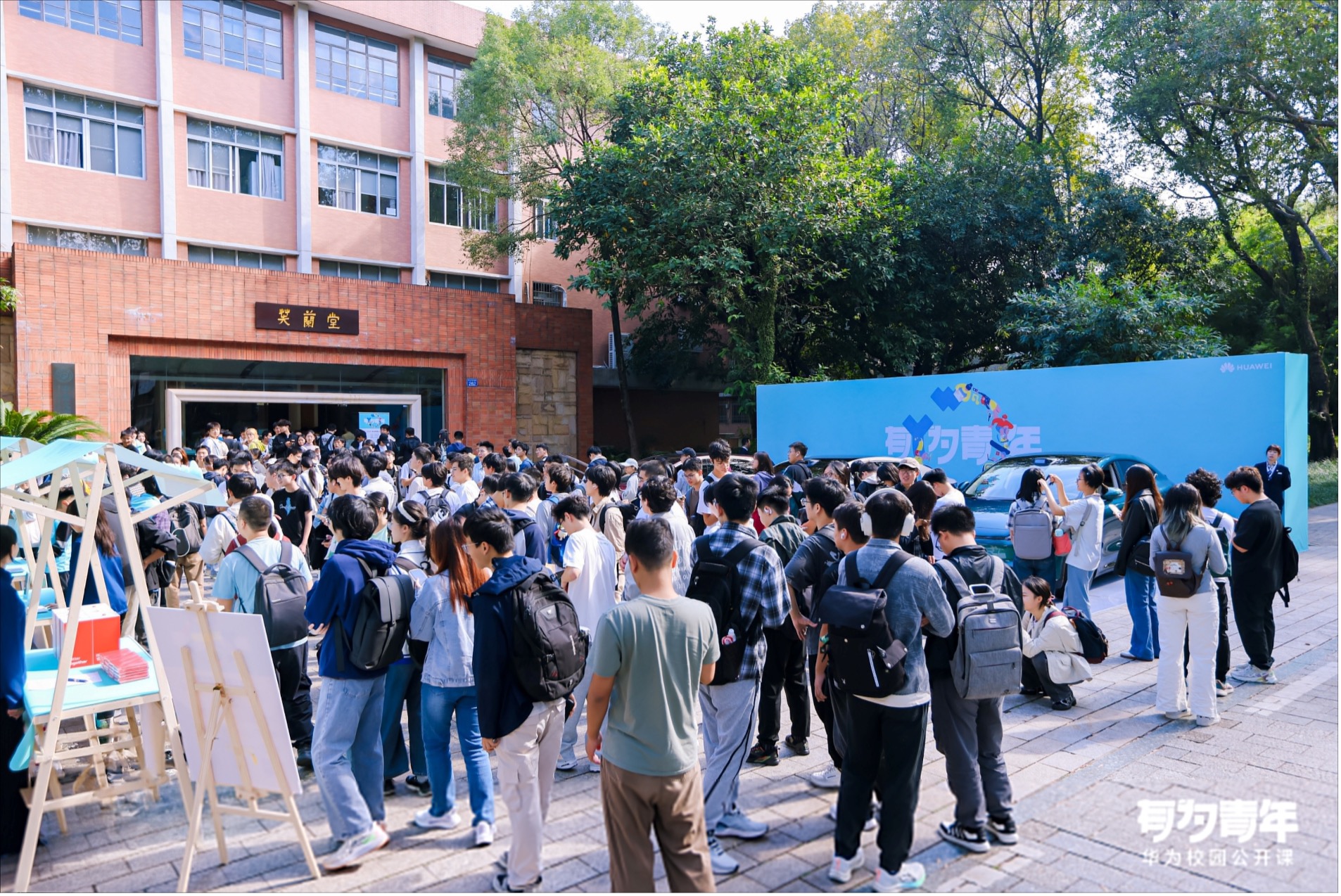
Core Insights - Huawei's HarmonyOS is positioned as a next-generation operating system aimed at creating a fully interconnected smart ecosystem, distinguishing itself from competitors like Android and iOS by focusing on technological advancement and user experience [3][4][5] - The HarmonyOS initiative has gained significant traction among university students, with Huawei executives actively engaging in educational outreach to share the system's development and future vision [3][4][9] Group 1: HarmonyOS Development and Vision - HarmonyOS was developed to transcend traditional operating systems, aiming for a future of interconnected devices and environments, rather than merely competing with existing platforms [4][5] - The system's design emphasizes five key attributes: intelligence, security, connectivity, refinement, and fluidity, which have contributed to its rapid rise as the third-largest operating system globally [5][7] Group 2: Ecosystem Growth and Community Engagement - As of now, the HarmonyOS ecosystem boasts over 10 million registered developers, with 7.32 million individuals engaging in learning through Harmony Academy, and an average of 8.4 million monthly document views on the official website [7] - The OpenHarmony project has become the fastest-growing open-source operating system initiative, with over 130 million lines of code and more than 9,700 community contributors, leading to the development of 1,300 software and hardware products [7] Group 3: Educational Outreach and Future Plans - Huawei's campus outreach has been extensive, with over 1,200 sessions conducted across more than 450 universities since 2023, including over 380 sessions specifically focused on HarmonyOS [9] - The company aims to deepen collaboration with universities to cultivate a talent ecosystem that supports industry innovation and development [9]
ETC助手携手腾讯推出行业首款AI智能体
Jing Ji Wang· 2025-12-25 08:59
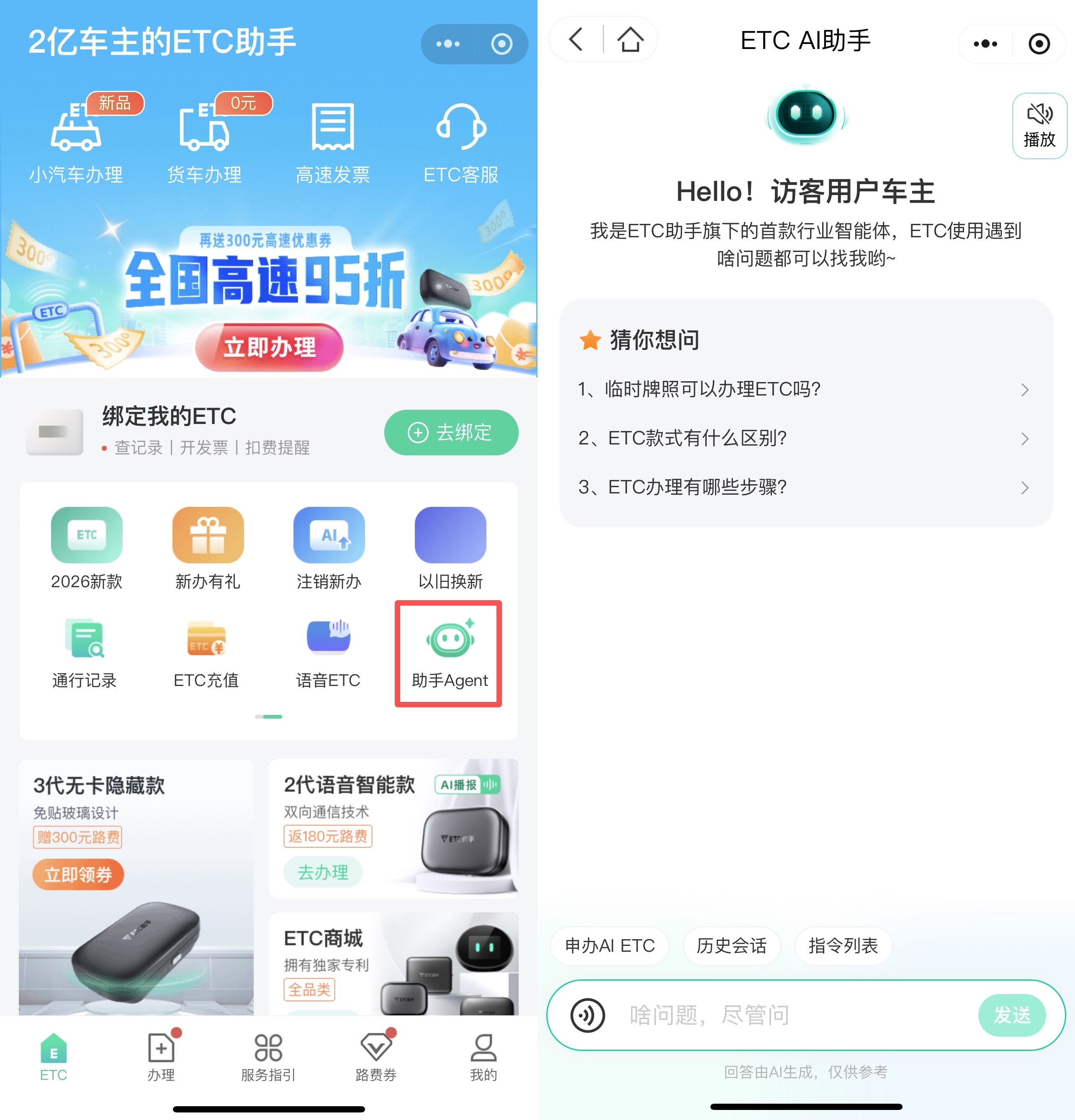
Core Insights - Tencent Cloud and Highlamp Technology's subsidiary, Anhui Yilu Weixing Technology Co., Ltd., launched the first AI assistant "Agent" in the ETC field, utilizing the Hongyuan large model for efficient user interaction through text and voice commands [1] - The AI assistant has served over 1 million users since its internal testing began, achieving a 95% accuracy rate in responses and a 90% problem resolution rate [6] Group 1 - The ETC assistant has implemented a full-service process including online application, WeChat payment, password-free payment after passage, and automatic issuance of travel orders and electronic invoices [1] - The ETC assistant mini-program has served over 154 million users, with monthly active users reaching the million level [1] - User pain points identified include unclear guidance and cumbersome operations in scenarios like new car ETC activation and invoice issuance, which negatively impact user experience [1] Group 2 - The "Agent" provides a comprehensive capability system from hardware perception to intelligent services, utilizing 105 state monitoring algorithms for real-time data collection and voice interaction [6] - The intelligent core of the "Agent" includes a general knowledge base covering industry rules and service processes, built on Tencent's foundational large models [6] - The "Agent" can function as an "industry encyclopedia" for inquiries and as a "service expert" for one-stop support, enabling natural interaction through voice commands [6] Group 3 - The ETC assistant mini-program and various core business platforms are fully deployed on Tencent Cloud, leveraging advanced "cloud + AI" technology for stable operation and user data protection [7] - The system ensures efficient, reliable, and secure digital travel services for nationwide ETC users, supporting orderly operations during peak traffic [7] - Future collaboration will focus on enhancing the technology foundation and refining application scenarios to improve user experience [7]
58同城发布2025生活服务业趋势洞察:AI催生近50类人机协作新岗位
Jing Ji Wang· 2025-12-25 08:29
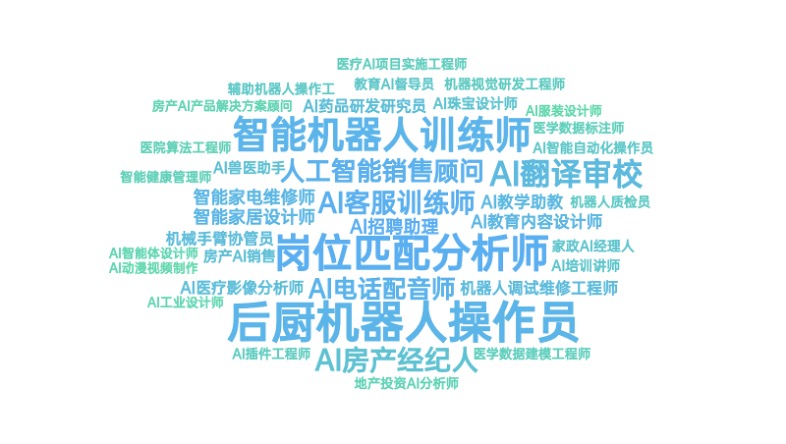
Core Insights - The report from 58.com highlights that artificial intelligence (AI) is evolving from an efficiency tool to the "digital backbone" of the life services industry, driving a transition from labor-intensive to "intelligent collaborative" models [1] Group 1: New Job Roles - Nearly 50 new job roles that integrate AI capabilities have emerged across various sectors, including real estate, manufacturing, healthcare, education, home services, and design [3] - These new roles require a combination of traditional expertise and the ability to collaborate effectively with algorithms and smart devices, such as AI recruitment assistants and intelligent health management specialists [3] Group 2: AI in Real Estate - AI real estate agents exemplify high efficiency and professionalism, significantly reducing the time needed for tasks like client and property screening [4] - Approximately 50% of real estate agents are now using AI tools, with usage rates in major cities like Guangzhou at 55.9% and Hangzhou reaching 80.4% [4] Group 3: AI as a Digital Backbone - AI has transitioned from a supportive tool to a "second dispatcher," enhancing operational efficiency across various processes, including recruitment and service delivery [6] - For instance, the AI-driven smart home service system has improved merchant efficiency by 57% and increased worker order acceptance by 45% [6] Group 4: Intelligent Hardware - Smart hardware is becoming a "second labor force," with tools like exoskeletons and window-cleaning robots enhancing productivity and safety in various industries [7] Group 5: New Service Models - AI is fostering new service models, with nearly 40 types of intelligent services emerging, contributing to a new growth curve in the life services sector [8] - The rise of AI training systems and the rental of smart devices, such as window-cleaning robots and security patrol robots, are notable trends in urban areas [8][9]