3 6 Ke

Search documents
AI是泡沫幻灭还是真正的变革序章?
3 6 Ke· 2026-02-06 08:02
Core Insights - The debate centers around whether the current wave of artificial intelligence (AI) investment is a bubble or a genuine transformative moment for industries [2] - A significant concern is whether the $400 billion invested in AI over the past two years can generate $2 trillion in revenue by 2030 to justify the investment [3] - The discussion highlights the difference between AI and past tech bubbles, noting that companies like Nvidia are generating substantial revenue rather than just visions [3] Investment and Revenue Generation - The historical context of technology investment is provided, comparing AI to the electricity revolution, which took over thirty years to transform manufacturing [3] - The key issue is not whether AI represents real change, but whether it can deliver timely returns to avoid market corrections [3] - Concerns are raised about companies like Oracle, which are heavily investing in AI infrastructure while carrying significant debt [3] AI's Competitive Advantage - AI is defined as a system based on algorithms that learns from data to make predictions, with its value lying in processing vast amounts of unstructured data [4] - However, precise predictions do not guarantee commercial returns, as illustrated by Amazon's "one-click ordering" patent, which faced profitability challenges [4] - Sustainable competitive advantage often comes from efficient collaboration across the value chain rather than isolated excellence in one area [4] Data Quality and Accessibility - The accessibility of AI technology raises questions about long-term competitive advantages, with proprietary data being crucial for differentiation [5] - The importance of data quality is emphasized, with many executives underestimating the actual state of their data [5] - Companies that initiated data governance six to eight years ago are now better positioned to deploy AI effectively [5] Human Role in AI Integration - AI is not expected to lead to mass job losses but will reshape daily work, focusing on quality control and providing direction for AI [6] - Cultural challenges arise when companies view AI merely as a replacement for human labor, leading to potential resistance from employees [6] - The case of Klarna illustrates the risks of mismanaging employee trust in the context of AI implementation [6] Challenges in Scaling AI - Many AI pilot projects fail during the scaling phase due to cost increases, data discrepancies, and security risks [8] - The recommendation is to conduct business trials that utilize AI as a tool rather than merely testing AI in isolation [8] Strategic Recommendations for Leaders - Experts express differing views on whether AI is in a bubble, with some predicting a market correction while others see continued growth [10] - The key takeaway is that organizations must prepare for the future of AI by building foundational capabilities today rather than merely predicting outcomes [10] - Companies are advised to focus on data infrastructure, embrace a growth mindset, streamline processes, measure business value, and prepare for a long-term transformation [12]


“比特币大户”录入百亿亏损
3 6 Ke· 2026-02-06 07:36
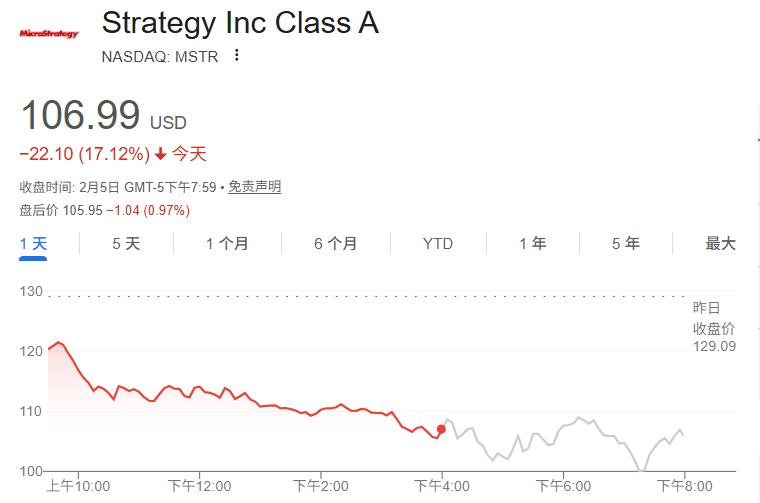
周四(2月5日),Strategy顶着数字资产市场的压力,公布了其2025年第四季度的财报。 Strategy的季度净亏损达到124亿美元,每股收益为-42.93美元,远低于预期的2.97美元。亏损主要源于会计 准则要求的按市值计价(mark-to-market)带来的174亿美元未实现公允价值损失。这一巨大差距引发了对公 司财务健康状况和战略方向的质疑。 截至2025年12月31日,该公司持有713,502个比特币,总成本为542.6亿美元,平均每枚成本为76,052美元, 仍保持这其作为全球最大比特币企业持有者的地位。但是,这也是该公司自2023年以来,其比特币持仓市值 首次跌破其累计成本价。 在投资者对业绩的失望情绪中,Strategy股价周四重挫17.1%。不仅抹去了美国大选后的所有涨幅,也导致该 股较2024年11月的历史高点下跌了近80%。 周五(2月6日),比特币一度向下触及60000美元,日内跌超11%。与去年10月初创出历史新高的12.6万美 元相比,比特币已下跌超52%。 此次大幅度回调对主要的加密货币股票造成了沉重打击,其中迈克尔·塞勒(Michael Saylor)领导的比特币 储备公 ...
一家“上天下海”的科技公司,将机器人请上台办了个演唱会|最前线
3 6 Ke· 2026-02-06 06:46
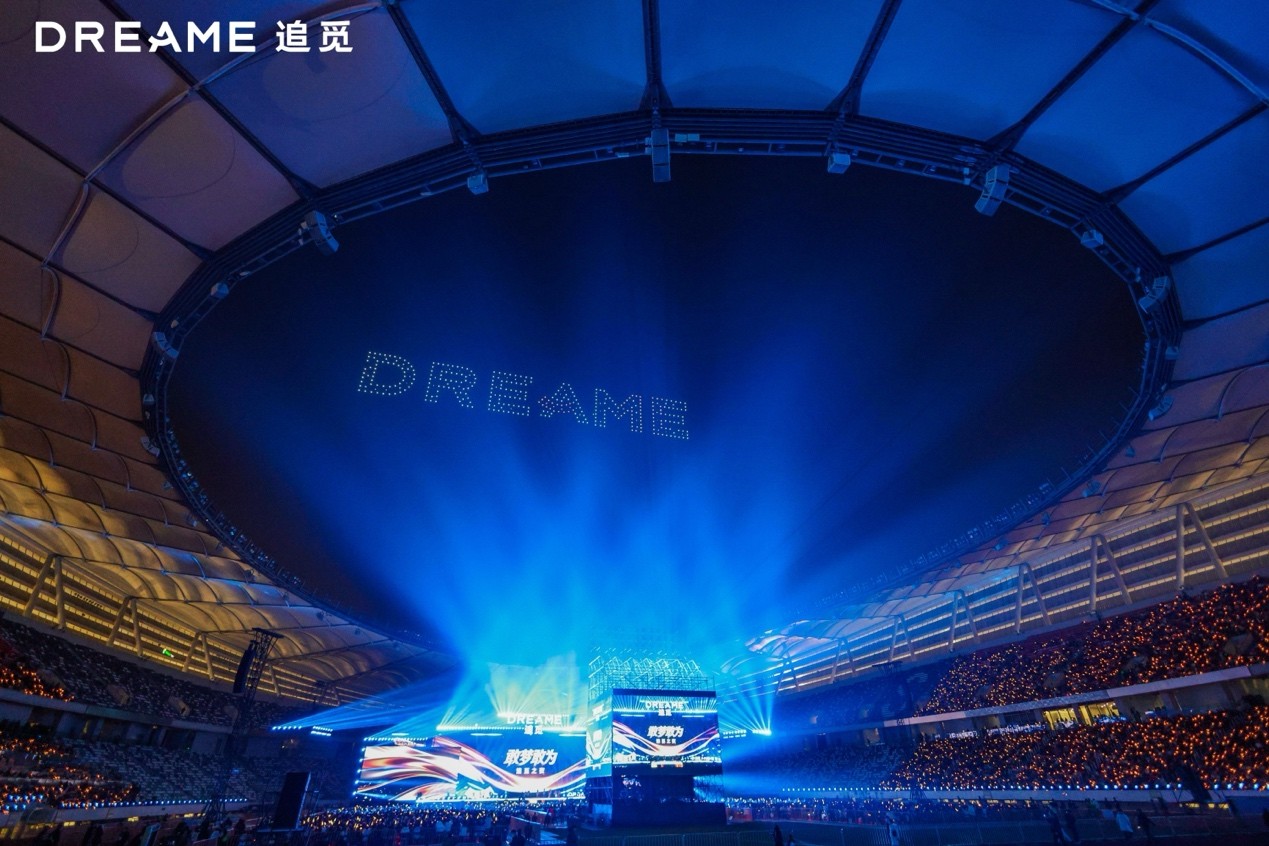
编辑 | 邓咏仪 作者 | 王欣逸 2月4日,在苏州奥体中心体育场,"敢梦敢为·追觅之夜"演唱会开幕,追觅科技以演唱会的形式举办了公司年会。会上,追觅展示了其在市场上的优异成绩 和全生态产品阵容,抽出近千件追觅旗下产品,包括扫地机器人、洗地机、大家电等多个品类。魔法原子机器人也亮相演唱会现场,表演了一段舞蹈和单手 倒立炫技动作。 自成立以来,追觅科技持续加大技术研发投入,已经在全球范围内申请了超万项专利。目前,追觅科技的业务已覆盖全球120多个国家和地区,全球实体门 店超过6500家,累计服务家庭超4200万户。 追觅旗下多项核心业务稳居全球行业前三,其扫地机器人在30个国家市场占有率位居第一,洗地机业务在17个国家和地区排名第一,部分市场市占率突破 70%。 成立于2017年的这家公司,如今也远远不只是定位为高端电子消费及智能制造公司。 2026年,追觅始终保持着极高的话题度。 开年,追觅就在海外刷了波存在感,在CES大会上率先出圈,发布了X60系列扫地机器人新品,能带着扫地机上下楼的仿生爬楼机Cyber X以及带机械臂的扫 地机器人Cyber10 Ultra首次展出。 值得一提的是,和追觅同出于清华"天空 ...

瞄准光谱定量遥感蓝海,布局全球首个天覆盖高光谱定量遥感星座,「谱星航天」完成三千万元天使轮融资|36氪首发
3 6 Ke· 2026-02-06 06:38
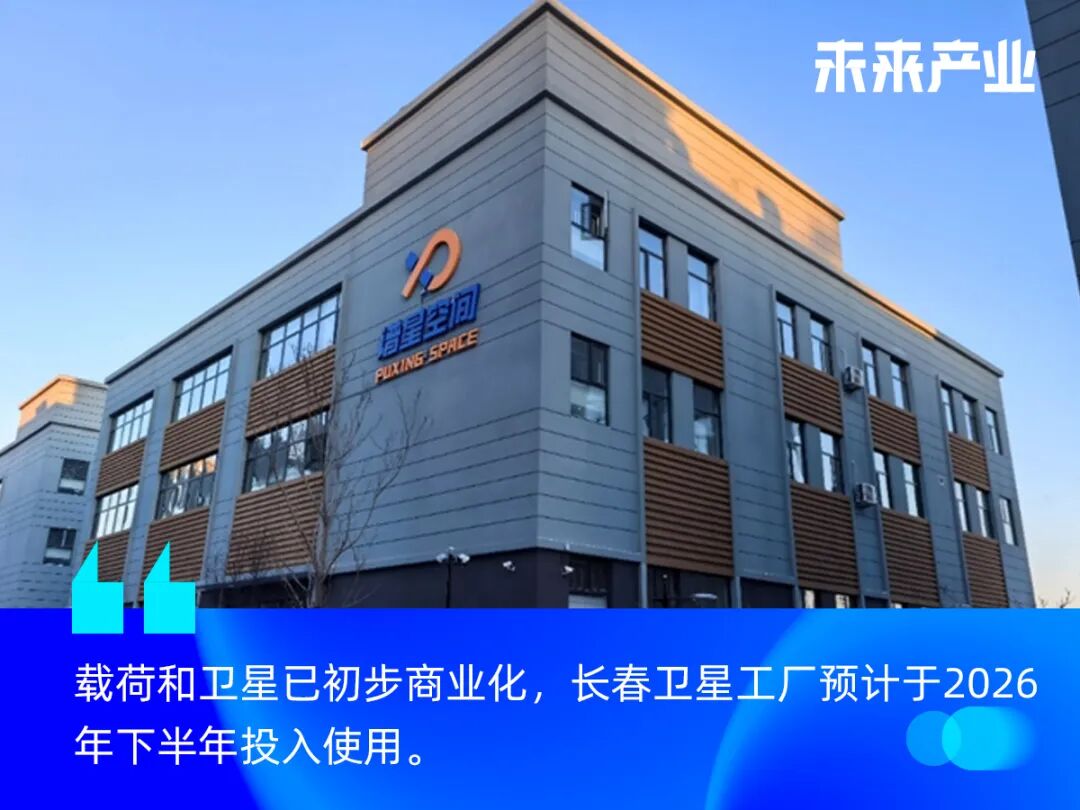
谱星航天成立于2025年9月,专注于多品类光学遥感载荷及20至30公斤级业务型微纳卫星的研发和批量制造,是国内率先掌握即时光谱定量遥感技术并推 进光谱定量遥感卫星批产的团队。 文 | 刘婧琼 编辑 | 阿至 封面来源 | 企业提供 36氪获悉,光学载荷与微纳卫星平台解决方案提供商上海谱星航天科技有限公司(以下简称"谱星航天")宣布完成三千万元天使轮融资,本轮融资由启 迪之星创投领投,所筹资金将用于光学载荷及遥感卫星批产技术研发、长春卫星工厂建设及团队运营。 创始人贺小军拥有十八年光学载荷及卫星研发经验,曾担任国内商业航天头部企业多型号卫星总师,累计主持完成55颗卫星的研制及发射任务,牵头论证 并孵化了多型号共计百余个卫星,曾参与创造我国一箭26星、一箭41星等一箭多星发射记录。公司核心团队成建制来自于商业航天头部公司,研发人员平 均具备八到十年的光学载荷及卫星研发经验,在光谱定量遥感、微纳卫星批产设计、星上AI计算等领域技术积淀深厚,拥有从载荷定义、整星批产到数 据应用理解的全链路技术与工程经验。 贺小军介绍,谱星航天当前产品矩阵涵盖载荷产品、卫星产品与技术服务三大板块,其中载荷与卫星业务为公司现阶段的主营业 ...
“英伟达 AI 项目数量已失控”,黄仁勋五杯酒下肚,把压箱底的都掏出来了
3 6 Ke· 2026-02-06 05:41
Core Insights - Jensen Huang, CEO of Nvidia, emphasized the transformative potential of AI in redefining industries and enhancing workforce capabilities rather than merely creating smarter software [2][39] - Huang noted that the number of AI projects within Nvidia has become "almost out of control," reflecting a culture of innovation where exploration is encouraged [2][16] - The conversation highlighted the importance of integrating AI into core business functions rather than peripheral tasks, urging companies to adopt AI quickly to avoid being left behind [2][15] Group 1 - Huang stated that programming is akin to typing, which has become a commoditized skill, and emphasized the need for companies to leverage AI to enhance their workforce [2][53] - He described the shift from explicit programming to implicit programming, where users express their intentions and the AI determines how to solve problems [8][24] - Huang warned that companies should not focus solely on ROI in the early stages of AI adoption, but rather on identifying their core impactful work [16][17] Group 2 - The dialogue underscored the necessity for companies to embrace AI as a means to revolutionize their operations, with Huang suggesting that every employee will eventually work alongside multiple AIs [2][58] - Huang highlighted the rapid advancements in AI capabilities, suggesting that the industry is on the brink of a significant transformation, with the potential for AI to create economic value far exceeding that of hardware [19][47] - The conversation also touched on the importance of understanding the underlying technology and the need for companies to build their own AI systems rather than relying solely on cloud solutions [56][57]

入境游,如何做好文旅行业的下一个增长极
3 6 Ke· 2026-02-06 05:27
Core Insights - The "China Travel" trend is expected to continue growing, with inbound tourist numbers projected to exceed 35 million in 2025, potentially setting a historical record [1] - The inbound tourism market in China is anticipated to reach $180 billion by 2030, indicating significant growth potential [1] Group 1: Inbound Tourism Growth - China has implemented unilateral visa exemptions or comprehensive mutual visa waivers for 76 countries, facilitating increased tourist inflow [1] - Ctrip's report indicates a 100% year-on-year growth in inbound travel bookings for the first three quarters of 2025, with orders from visa-exempt countries increasing by an average of 153% [3][11] - Asian countries, particularly South Korea, Singapore, and Malaysia, remain the primary sources of inbound tourists, while Russia shows the fastest growth rate at 205% [3] Group 2: Challenges for Travel Agencies - Many travel agencies rely on traditional B2B models, which limit their profit margins and bargaining power, as they depend on overseas agents for customer acquisition [6][7] - The travel industry faces challenges in recruiting multilingual talent due to low profit margins, which hampers effective communication and service delivery to international tourists [8] - Understanding the diverse preferences of overseas tourists is crucial, as different regions have distinct cultural sensitivities and expectations [10] Group 3: Industry Adaptation and Innovation - Domestic OTA platforms are enhancing their international marketing capabilities, allowing travel agencies to transition from B2B to a dual B2B and B2C model [12][14] - AI technology is being utilized to improve efficiency in translation, customer service, and product design, significantly reducing operational costs for travel agencies [14] - Platforms are providing credit backing to smaller travel agencies, enhancing their ability to attract international customers [15] Group 4: Collaborative Ecosystem Development - The inbound tourism sector has evolved through various stages, and it is now recognized as a key driver for service trade growth and national image enhancement [16] - There is a need for a collaborative effort among platforms, travel agencies, and tourism authorities to address challenges faced by international tourists, such as ticketing and transportation [18][19] - Innovations in service offerings, such as multilingual menus and immersive dining experiences, are being developed to enhance the tourist experience [20][22] Group 5: Future Outlook - The inbound tourism market in China is projected to have a growth potential of hundreds of billions of dollars, contingent on policy facilitation and technological advancements [24]


中国厂商掌握6成日本电视市场
3 6 Ke· 2026-02-06 05:16
Group 1 - The core viewpoint of the articles highlights the increasing dominance of Chinese companies in the Japanese television market, with projections indicating that they will control 60% of the market share by 2025 due to the withdrawal of Japanese brands like Sony and Toshiba [2][3]. - Sony Group plans to divest its television business by 2027, transitioning it to a joint venture with TCL, which will hold a 51% stake, while Sony retains 49% [2]. - REGZA, a brand associated with Toshiba, is primarily manufactured and sold by TVS REGZA, which is 95% owned by China's Hisense Group, indicating a significant shift in ownership and market dynamics [2]. Group 2 - Chinese companies are outperforming Japanese firms in pricing, with TCL's 43-inch 4K LCD TV priced around 50,000 yen (approximately 2,257.55 RMB), compared to Sony's price of around 100,000 yen (approximately 4,515.1 RMB) [3]. - By 2025, REGZA is projected to lead the Japanese television market, with Chinese brands like Hisense and TCL collectively holding 50% of the market share, which could rise to 60% if Sony's brand is transferred to the TCL-led joint venture [3]. - The global television market is increasingly dominated by companies like Samsung, LG, Hisense, and TCL, which together hold over 50% of the market share, indicating a decline in the presence of Japanese companies [5]. Group 3 - Panasonic is the only major Japanese company pursuing an independent path in the television sector after Sony's divestment, but it is also considering selling or exiting the television business [5]. - Japanese companies are struggling with scale and supply chain issues, making it difficult to compete in the hardware-centric home appliance market [6]. - Companies like Sony and Hitachi are shifting their business models towards digital infrastructure and subscription-based products, indicating a strategic pivot away from traditional home appliances [6].




OpenAI放大招:企业级AI平台Frontier上线,专治各种智能体
3 6 Ke· 2026-02-06 05:10
Core Insights - OpenAI is developing Frontier, an AI management platform designed to integrate AI agents into workplace environments, enabling them to function as "AI colleagues" with human-like skills [2][3][5] - The platform aims to address the issue of "AI silos" within organizations, where AI agents operate independently without a unified understanding of business operations [3][5] - Frontier is positioned as an open platform that supports both OpenAI's AI agents and those developed by enterprises or third parties, promoting collaboration and integration [11][12] Group 1: Addressing Business Pain Points - The fragmentation of AI applications across different departments leads to "data silos," complicating workflows and reducing efficiency [3] - Frontier aims to create a "shared business context" that connects isolated data repositories and tools, providing AI agents with a unified understanding of business operations [5] Group 2: Functionality of Frontier - Frontier operates through several core processes, starting with providing AI agents a clear understanding of business operations by integrating multi-source data [8] - It enables AI agents to plan, act, and solve problems within a reliable execution environment, allowing them to handle complex tasks [9] - The platform includes mechanisms for continuous improvement, where AI agents build memory from past interactions and receive feedback for performance enhancement [10] Group 3: Security and Control - Frontier incorporates strict identity, permission, and boundary management to ensure safe usage of AI in sensitive environments [11] - The platform is designed to be open, allowing integration with various AI agents, thus not limiting enterprises to OpenAI's offerings [11][12] Group 4: Market Context and Competition - The launch of Frontier comes at a time of intense competition in the AI enterprise market, with OpenAI focusing on increasing its share of enterprise clients, which currently account for about 40% of its business [13] - The release coincides with significant market reactions to AI's impact on traditional software businesses, with concerns about potential disruptions [13] Group 5: Initial Adoption and Future Outlook - Frontier is currently available to a limited group of clients, including major companies like HP, Intuit, and Oracle, who are piloting the platform for complex AI tasks [14] - OpenAI emphasizes the importance of bridging the "opportunity gap" in AI deployment, indicating a shift from isolated tools to systematic management of AI in enterprises [15]

1.54亿溢价收购亏损企业,小熊电器“贪婪”吗
3 6 Ke· 2026-02-06 05:05
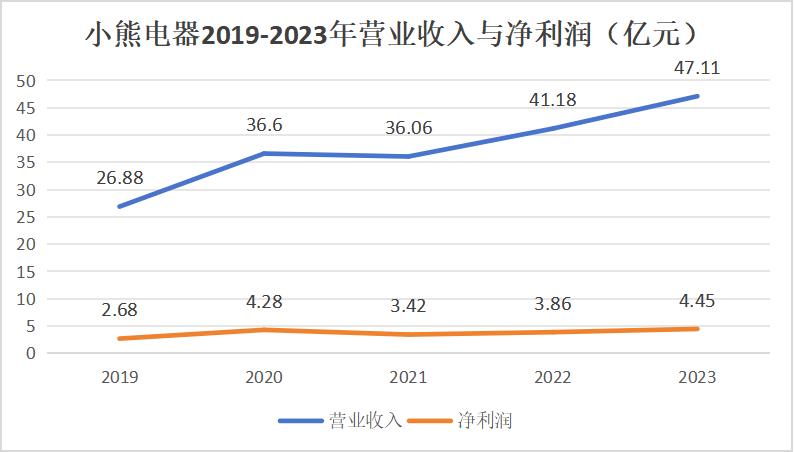
Group 1 - The core point of the news is that Xiaoxiong Electric plans to acquire a 61.78% stake in Guangdong Roman Intelligent Technology Co., Ltd. for 154 million yuan, aiming to gain control and diversify its product offerings amid a declining small home appliance market [1][5][12] - Xiaoxiong Electric has faced challenges in the small home appliance sector, with a reported revenue decline of 4.58% year-on-year in Q1 2024, and its kitchen appliance revenue share dropping below 80% for the first time in five years [5][6] - The acquisition of Roman Intelligent is seen as a strategic move to expand into the personal care appliance market, which has shown growth potential, contrasting with the stagnation in kitchen appliances [10][12] Group 2 - Roman Intelligent reported total assets of 447.86 million yuan and a net loss of 372.46 thousand yuan in 2023, primarily due to its underperforming self-branded products [8][9] - The company has a strong R&D team with over 120 members and holds more than 900 patents, which could enhance Xiaoxiong Electric's innovation capabilities post-acquisition [10][11] - Roman Intelligent's business model includes a significant focus on ODM/OEM operations, which accounted for 80% of its revenue in 2023, providing Xiaoxiong Electric with established competitive advantages and potential for overseas market expansion [11][12]

这块迪拜巧克力软曲奇,“硬控”韩国年轻人,让星巴克都忍不住跟风
3 6 Ke· 2026-02-06 05:04
Core Insights - The "Dubai Chewy Cookie" has become a phenomenon in South Korea, with consumers queuing for hours to purchase it, reflecting its immense popularity and demand [1][3][19] - The product is a transformation of the globally popular "Dubai Chocolate," which gained fame through social media and has now inspired various adaptations in the dessert market [15][16][26] Group 1: Product Popularity - The Dubai Chewy Cookie is so popular that a dedicated "map" was created to track its availability across stores in South Korea, indicating high consumer interest [5][8] - The product's appeal is attributed to its unique combination of flavors and textures, featuring a soft outer layer and a crunchy inner filling, which has captivated the younger demographic [11][16] - The cookie's success has led to a surge in related products, with numerous brands launching their own versions, including Starbucks and various convenience stores [21][22][25] Group 2: Market Impact - The popularity of the Dubai Chewy Cookie has resulted in increased demand for key ingredients like pistachios, leading to a reported shortage and price hikes in the market [16][34] - Sales data indicates that the CU convenience store sold nearly 1.8 million units of its version of the cookie within three months of its launch, showcasing the product's commercial viability [31] - The trend has extended beyond South Korea, with similar products being introduced in international markets, including the United States, indicating a broader appeal of the "Dubai" brand [41][43] Group 3: Brand Engagement - Major brands, including GS25 and Emart24, have rapidly expanded their product lines to include various "Dubai" themed items, reflecting a strategic response to consumer demand [35][39] - The phenomenon has also influenced pricing strategies, with many retailers adjusting prices due to rising ingredient costs, which has sparked discussions among consumers about affordability [34][39] - The "Dubai" branding has evolved into a symbol of exotic and luxurious flavors, leading to a diverse range of products across different food categories, from desserts to beverages [41][43]