Tai Mei Ti A P P

Search documents
智慧交通AI决策运营解决方案:年运营成本降低超3000万元 | 创新场景
Tai Mei Ti A P P· 2025-09-06 01:43
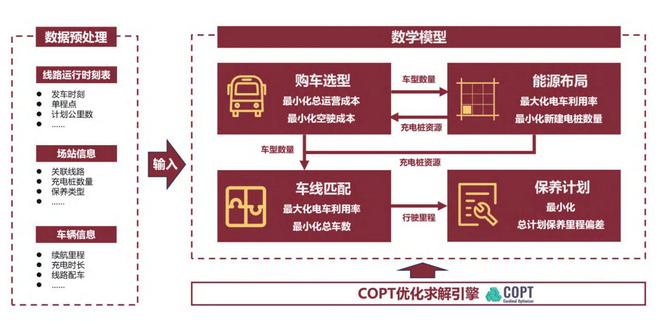
场景描述 轨道交通运营场景复杂,运营标准要求高,客流需求变化大,管理复杂度极高。要保障轨交系统稳定运 行,需要在计划和调度层面全面考虑各项因素进行决策,并且能快速响应突发事件,对轨交公司的综合 运营能力提出了更高的要求。 智能模型驱动的新能源车辆运营决策系统 成效 数千辆公交车(纯电/混合/氢能)、上百条线路、数十个充电站、上千版时刻表; 充电资源配置不合理:空驶距离长(每天3万公里),充电排队多; 电车利用率低,车辆保养过保率高。 计划制定效率提升90%,充电桩利用率提升5%+,累积碳排放量减少上千吨/年,节省运营成本 3000+万元/年; 线路配车数下降15%; 车辆过保率下降65%; 运营成本下降18%; 空驶成本下降50%。 传统模式下,运营线路和车辆规模庞大,新能源汽车的种类繁多,充电需求的差异性大,充电站资源的 短缺成为突出问题。此外,运营决策主要依靠人工经验,导致车辆利用率低、充电排队现象严重、运营 成本高以及复杂场景适应性差等问题。 为解决这些问题,企业亟需引入智能决策技术,研发核心业务的智能决策模型。模型的重点在于车辆选 型与线路匹配、能源布局优化以及保养计划的智能制定,以确保线路运行的顺畅 ...

欧洲家电江湖,中国市场的“老套路”不灵了?
Tai Mei Ti A P P· 2025-09-06 01:33
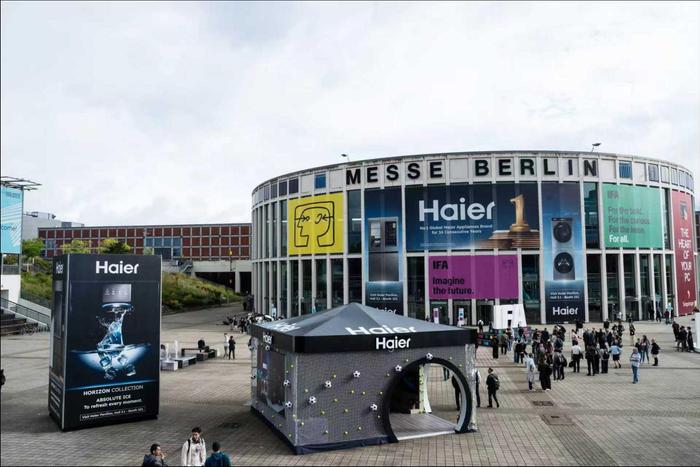
Core Insights - The article highlights the growing ambition of Chinese home appliance companies to conquer overseas markets, particularly in Europe, as showcased at the IFA 2025 event [1][3] - It emphasizes the challenges faced by Chinese brands in penetrating the European market, which has a long history and established competitors [4][6] Market Overview - Europe is a significant market for home appliances, with a retail share of approximately 20% in Western Europe and a projected CAGR of 5.52% for Eastern Europe from 2018 to 2024 [4] - The complexity of the European market, with over 40 countries and diverse consumer habits, poses a challenge for Chinese companies seeking to expand [4][8] Consumer Preferences - European consumers prioritize high-quality and innovative products over low prices, making it essential for Chinese brands to focus on product differentiation rather than competing solely on price [6][8] - Localized product adaptations are crucial, as direct transfers of products from China may not meet European consumer needs [8] Successful Strategies - High-end branding and technological innovation are key strategies for Chinese companies to succeed in Europe, as demonstrated by Haier's approach [9][11] - Haier has effectively combined product innovation with local market understanding, achieving significant market share and consumer acceptance [9][12] Performance Metrics - Haier's overseas revenue grew by 11.7% in the first half of the year, with a remarkable 24.07% growth in Europe [11] - The company has maintained its position as the world's largest home appliance brand for 16 consecutive years, indicating the effectiveness of its global strategy [12]

理想、比亚迪降速,8月国产新能源全面乱战
Tai Mei Ti A P P· 2025-09-06 00:27
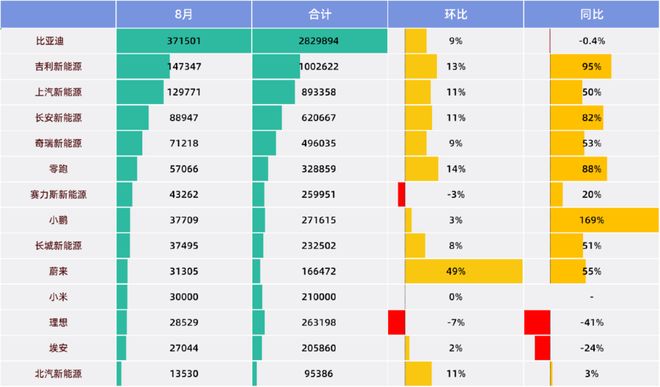
Core Viewpoint - The electric vehicle market is experiencing significant changes, with traditional and new players facing varying degrees of success and challenges, leading to a reshaping of market dynamics and competition. Group 1: Sales Performance - In December last year, Li Auto achieved a remarkable sales figure of 58,000 units, but by August 2025, its sales plummeted to 28,529 units, placing it at the bottom of the "Wei Xiaoli" rankings [1] - In August, 14 major automakers reported sales, with a median sales figure of 40,486 units, reflecting a year-on-year increase of 4,717 units, although there was a month-on-month decline [2] - BYD maintained its dominance with sales of 371,500 units in August, significantly outpacing competitors [2][23] Group 2: Market Segmentation - The market is divided into three tiers: BYD leads as a standalone leader, followed by traditional automakers like Geely, SAIC, Changan, and Chery in the second tier, while new forces and weaker performers fall into the third tier [2][4] - The number of brands achieving monthly sales over 10,000 has increased, with notable performances from Geely's Galaxy, Leap Motor, and NIO [6] Group 3: Brand Dynamics - Geely's Galaxy brand has become a strong contender, achieving over 100,000 units in monthly sales for three consecutive months [6] - NIO's sales surged to 16,434 units in August, marking a significant recovery [21] - Li Auto's new model, the i8, faced challenges due to safety concerns, leading to a price adjustment shortly after its launch [13][22] Group 4: Competitive Landscape - The competitive landscape is shifting, with previously strong players like Li Auto and Aion facing declines, while brands like NIO, Xpeng, and Leap Motor are gaining traction [11][32] - BYD's sales growth is slowing, and it faces increasing pressure from competitors in the second tier [4][25] Group 5: International Expansion - Companies are increasingly focusing on international markets, with BYD exporting vehicles to Europe and establishing assembly plants in Malaysia [16][17] - Chery has emerged as a leader in overseas sales, delivering 129,400 units in August [17] Group 6: Future Outlook - The market is expected to continue evolving, with companies like Li Auto aiming to regain momentum through new model launches and strategic adjustments [22][32] - The overall market dynamics indicate that no company can claim stability, as competition remains fierce and unpredictable [32]



从信息孤岛到智能协同,企业级知识库提升组织能效 | 创新场景
Tai Mei Ti A P P· 2025-09-06 00:27
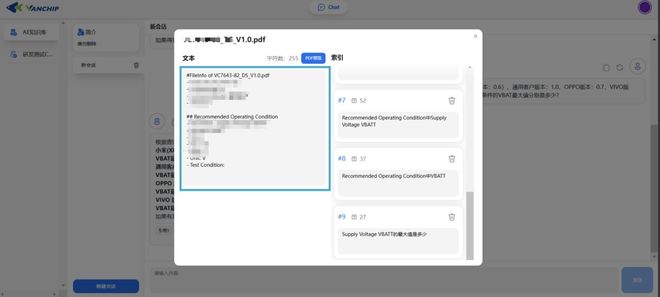
Core Insights - The company faces significant challenges in internal communication efficiency and cross-departmental collaboration, particularly in the pre-sales process where FAE struggles to extract and interpret technical details from complex specifications [1][2][3] - The iteration of specification documents is cumbersome, leading to potential errors and delays in progress due to the frequent updates and historical versions [2] - The structural parsing of complex product specifications encounters technical bottlenecks, as traditional OCR technology fails to accurately extract and interpret intricate tabular data [3] Solutions - The company leverages its self-developed Langtum platform to standardize the processing of complex internal documents, build a knowledge base, and optimize workflows, addressing the need for rapid technical support and efficient document updates [4] - Langtum's document parsing module achieves over 90% accuracy in processing product specifications, significantly surpassing traditional methods, with a document parsing precision of 95.7% [5][10] - The platform enables personalized knowledge base construction, allowing employees to quickly extract and integrate knowledge, thereby enhancing decision-making reliability and promoting efficient team collaboration [7] Outcomes - By implementing the Agent application service from Yuhua Technology, the company has transformed its document management and knowledge retrieval processes, shifting from information dispersion to centralized knowledge [9] - The introduction of high-precision document parsing has significantly improved the efficiency of specification management and updates, addressing the challenges of multiple versions and difficult updates [10] - The AI-driven question-and-answer system has redefined pre-sales customer support, achieving a 3x increase in update efficiency and reducing technical support response times by approximately 80%, greatly enhancing customer satisfaction [10]

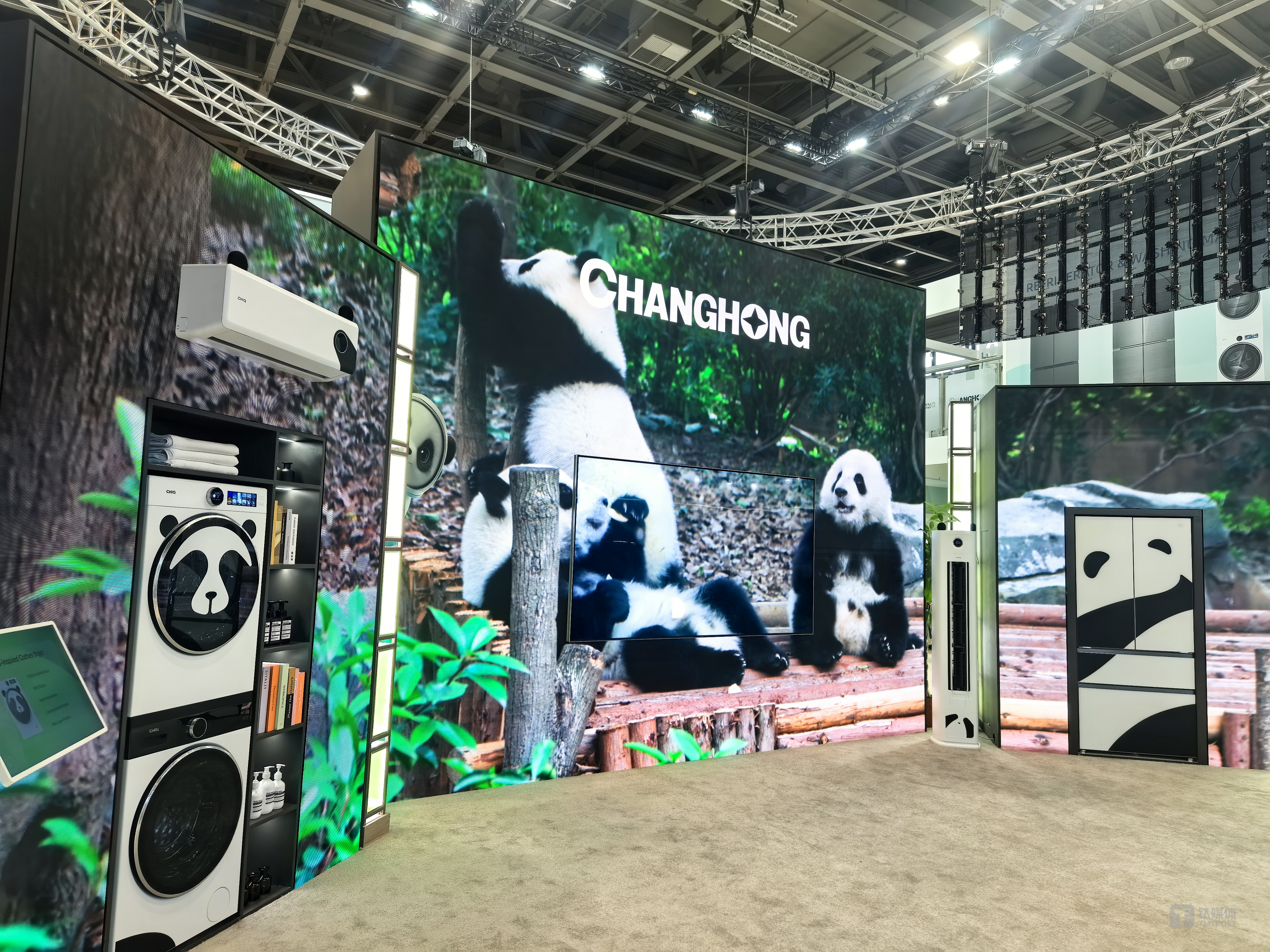
熊猫文化、顶级赛事与ESG实践,IFA展上看见长虹“出海”新叙事
Tai Mei Ti A P P· 2025-09-05 15:14
Core Viewpoint - The article highlights Sichuan Changhong Electric Co., Ltd.'s innovative approach at IFA 2025, showcasing a unique panda-themed home appliance line that combines advanced AI technology with Chinese cultural elements, signaling a shift towards a more emotional and cultural branding strategy in the global consumer electronics market [3][4][9]. Company Performance - In the first half of the year, Sichuan Changhong achieved a revenue of 56.705 billion yuan, representing a year-on-year growth of approximately 10.28%. The net profit attributable to shareholders was about 501 million yuan, an increase of approximately 78.60% [8][9]. - The smart home business segment generated approximately 25.124 billion yuan in revenue, reflecting a year-on-year growth of about 12.28% [8]. Product Innovation - The panda-themed home appliance matrix includes an AI TV featuring a personified intelligent agent "Panda Xiaobai," which offers a 24-hour interactive experience [5]. - The AI air conditioner utilizes data from the Wolong Nature Reserve to automatically adjust indoor conditions, while the design incorporates traditional ink wash aesthetics [8]. - The AI refrigerator employs cloud moisture preservation technology to simulate the panda's natural habitat, ensuring freshness for fruits and vegetables [8]. Marketing Strategy - Changhong's strategy includes leveraging the panda IP to enhance brand recognition globally, particularly in overseas markets where the panda is a well-known cultural symbol [9]. - The company is also focusing on sports marketing, having become an official partner of the FIS Ski Jumping World Cup for the next three seasons, aligning its brand with the spirit of excellence and innovation in sports [10][12]. ESG Commitment - Changhong emphasizes its commitment to ESG (Environmental, Social, and Governance) practices, which are integral to its corporate strategy, and has been rated "AA" by Wind for its efforts in sustainable development [14]. - The company aims to integrate its ESG initiatives with its product offerings, showcasing a commitment to social responsibility and environmental sustainability [15][17]. Cultural Integration - The panda IP not only enhances the cultural appeal of Changhong's products but also serves as a bridge to connect with global consumers on an emotional level [9][17]. - The integration of technology and culture in Changhong's offerings represents a paradigm shift in how Chinese brands are perceived internationally, moving from a focus on cost-effectiveness to emphasizing technological innovation and emotional connections [17].

2.6亿补偿悬空、陕西友帮停产止血,康惠制药“无缝切入”AI新叙事
Tai Mei Ti A P P· 2025-09-05 15:13
Core Viewpoint - The company, Kanghui Pharmaceutical, has undergone a change in control and has decided to halt the production of its subsidiary, Shaanxi Youbang, which has been characterized by heavy assets, low output, and significant losses [2][3]. Group 1: Control Change and Immediate Actions - Kanghui Pharmaceutical announced the formal takeover by Li Hongming and Wang Xuefang, with Yuehe Zhichuang becoming the new controlling shareholder [2]. - The previous controlling shareholder, Kanghui Holdings, voluntarily relinquished its voting rights on 10% of its shares [2]. - The decision to stop production at Shaanxi Youbang was made after failed attempts to improve profitability through product restructuring [2][3]. Group 2: Acquisition Background and Financial Performance - The acquisition of Shaanxi Youbang in 2020 was controversial due to the target company's prior production halts and ongoing losses, totaling nearly 15 million yuan from 2018 to 2020 [3]. - The acquisition was made at a 161% premium, with expectations of future profitability that were not met, leading to significant losses in subsequent years [3][4]. - From 2021 to 2023, Shaanxi Youbang accumulated losses of 73.64 million yuan, triggering a performance compensation clause of 269 million yuan [5][6]. Group 3: Operational Challenges and Future Outlook - Shaanxi Youbang faced operational difficulties, including management inefficiencies and production delays, which contributed to its inability to meet performance targets [4][6]. - The company attempted to adjust its product structure and improve operations but failed to achieve effective production, leading to continued financial losses [6][7]. - As of mid-2025, Shaanxi Youbang reported total assets of 324 million yuan and liabilities of 440 million yuan, indicating a severe financial distress situation [7]. Group 4: Strategic Shift and New Directions - Following the control change, Kanghui Pharmaceutical is focusing on reducing financial burdens by divesting from loss-making assets like Shaanxi Youbang [10]. - The new management is exploring opportunities in artificial intelligence, indicating a strategic pivot away from traditional pharmaceutical operations [10]. - The company has registered a new subsidiary in Beijing to develop AI-related software, reflecting its intent to integrate AI with its pharmaceutical business [10].


宝馨科技半年内两度跨界:机器人、半导体能否拯救光伏“失意者”?|并购一线
Tai Mei Ti A P P· 2025-09-05 14:09
Core Viewpoint - Baoxin Technology is diversifying into the robotics and semiconductor sectors, aiming to mitigate losses from its previous investments in the photovoltaic industry, which have resulted in significant financial setbacks [2][7][10]. Investment in Robotics - Baoxin Technology plans to invest 18 million yuan in Suzhou Jicui Intelligent Manufacturing Co., acquiring an 81.82% stake, marking its entry into the robotics sector [2][3]. - This investment is part of a broader strategy to pivot towards high-growth industries, following a previous investment in a semiconductor company that remains unresolved [6] . Financial Performance and Challenges - Baoxin Technology reported a projected loss of 700 million yuan for 2024 due to asset impairment in its photovoltaic projects, with ongoing losses expected in the first half of 2025 [2][8]. - The company’s revenue for the first half of 2025 is expected to decline by 42% year-on-year, amounting to 100 million yuan, with a loss of 44.82 million yuan [8]. Legal and Operational Issues - The company faces legal disputes with local governments, totaling 470 million yuan, related to its photovoltaic investments, with one case already resulting in a court ruling against Baoxin Technology [10]. - Internal control and personnel issues have also emerged, with multiple high-level resignations and regulatory warnings impacting the company's operational stability [11]. Background of Suzhou Jicui - Suzhou Jicui, the target of Baoxin's investment, is a subsidiary of Jiangsu Jicui Intelligent Manufacturing Technology Research Co., which has a strong technological foundation but relies heavily on its parent company for expertise [5]. - The effectiveness of Baoxin's investment in Suzhou Jicui will depend on the latter's ability to develop independent research capabilities post-acquisition [5]. Previous Investments in Photovoltaics - Baoxin Technology initially entered the photovoltaic sector in 2022, planning significant projects in Anhui and Inner Mongolia, but faced industry headwinds leading to substantial financial losses [7][8]. - The company’s previous investments have resulted in a total impairment of 36.9 million yuan, contributing to its largest loss since going public [8].

方便食品突围:深挖需求提价值,技术创新破“内卷”丨行业风向标
Tai Mei Ti A P P· 2025-09-05 14:05
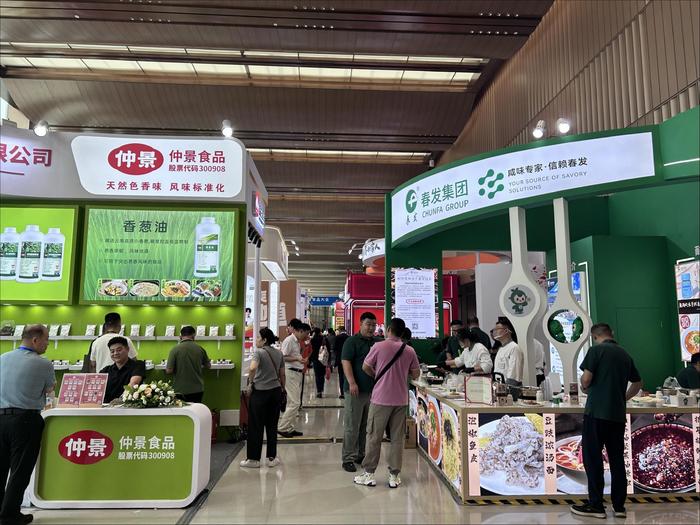
Core Viewpoint - The convenience food industry in China is transitioning from rapid growth to intense competition, facing challenges due to changing consumer preferences and market saturation, with a significant decline in instant noodle consumption observed from 2020 to 2023 [2][3]. Industry Trends - The convenience food sector is experiencing a shift from "incremental competition" to "value competition," with a focus on health and innovation as key drivers for growth [3][4]. - The overall consumption of instant noodles in China remains substantial, with 447.2 billion servings consumed in 2024, accounting for 37% of global consumption [4]. - The market is witnessing a K-shaped differentiation, where high-end products are upgrading while budget-friendly options maintain their market share [4][6]. Company Performance - Major companies like Anjuke and Kemin Foods are reporting declining revenues, with Anjuke's revenue increasing only slightly by 0.8% to 76.04 billion yuan, while net profit fell by 15.79% [5]. - Kemin Foods also experienced a revenue drop of 10.85% and a net profit decline of 2.34% [5]. Consumer Demographics - The new generation (born between 1995-2009) is becoming the main consumer force, contributing 40% to national consumption despite being only 20% of the population [6]. - The aging population is also creating diverse demands, with the silver economy expected to reach 12 trillion yuan by 2030 [6]. Strategic Directions - Companies are encouraged to adopt differentiation strategies to meet evolving consumer needs, focusing on health-oriented and unique products [7][8]. - The importance of innovation in product development is emphasized, with companies exploring new categories and consumer scenarios [10][11]. Technological Innovation - The industry is urged to embrace technological advancements to enhance product quality and meet consumer expectations [10][11]. - There is a call for collaboration between companies and research institutions to address technical challenges and drive industry growth [12].
端侧AI如何破解智能座舱的三大难题?| 创新场景
Tai Mei Ti A P P· 2025-09-05 13:27
Core Insights - The article discusses the challenges and advancements in the development of AI-powered in-car systems, particularly focusing on the cpmGO intelligent assistant by Mianbi Intelligent, which operates entirely on the vehicle's edge computing platform [5][6]. Group 1: Accuracy and Professionalism - AI outputs may exhibit biases, inaccuracies, or non-compliance with industry regulations, especially in high-risk areas like health monitoring within vehicles, where the margin for error is minimal [1]. - cpmGO demonstrates high accuracy and professional service capabilities in smart cockpit scenarios, addressing the need for precise health and safety monitoring [4]. Group 2: Response Speed and Computing Power - Intelligent cockpits require low latency for interactions and responses, but vehicle computing power, energy consumption, and heat dissipation are constrained [2]. - cpmGO resolves traditional cloud model latency and computing dependency issues through local processing, ensuring efficient user experiences [4]. Group 3: Rapid Development and Maintainability - The complexity of testing, validation, and deployment in the automotive sector necessitates mature processes and tools, especially when integrating AI models into vehicle-grade products [3]. - cpmGO enhances development efficiency by shortening the commercialization cycle, allowing for rapid deployment of AI features in vehicles [4][6]. Group 4: Additional Common Challenges - Data collection is challenging due to the diverse driving scenarios and the need for compliance in handling sensitive data [4]. - cpmGO supports multi-modal interactions with high accuracy, achieving a 91% action execution rate and a 97% parameter recognition accuracy, ensuring precise user command execution [4]. - The system operates effectively in low or no network conditions, maintaining full functionality even in challenging environments [4]. Group 5: Achievements - Mianbi Intelligent's cpmGO is the world's first fully edge-based intelligent assistant for vehicles, marking a significant technological advancement in the automotive industry [5]. - The first mass-produced model featuring the edge-based system, the Changan Mazda MAZDA EZ-60, is set to debut in April 2025, indicating a new phase in the commercialization of edge AI in automotive applications [5][6]. - The company has established partnerships with leading automotive manufacturers and tech firms to promote the widespread adoption of edge-native intelligent cockpits [5].
蔚来还没盈利,但更多人开始相信李斌了
Tai Mei Ti A P P· 2025-09-05 12:49
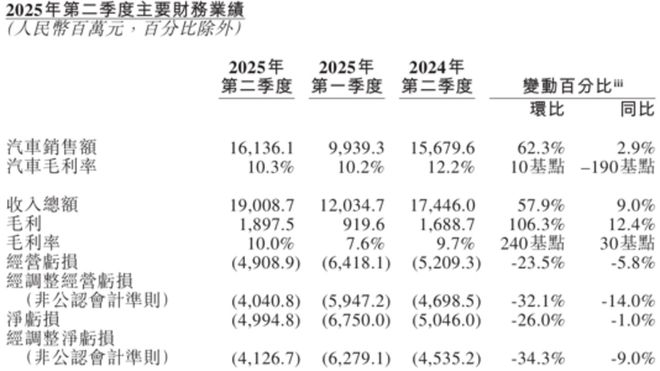
Core Viewpoint - NIO reported a significant improvement in its Q2 2025 financial results, showing a revenue increase and narrowing losses, indicating a potential turning point for the company in a highly competitive automotive market [1][2][3] Financial Performance - Q2 2025 revenue reached 190.1 billion yuan, a year-on-year increase of 9% and a quarter-on-quarter increase of 57.9% [1][2] - Vehicle deliveries for Q2 totaled 72,056 units, reflecting a year-on-year growth of 25.6% and a quarter-on-quarter growth of 71.2% [1][2] - The net loss for Q2 was 4.9948 billion yuan, a decrease of 1% year-on-year and a decrease of 26% quarter-on-quarter [2][6] Cost Control and Efficiency - NIO's sales, general, and administrative expenses were 39.6 billion yuan in Q2, a year-on-year increase of 5.5% but a quarter-on-quarter decrease of 9.9% [6][9] - R&D expenses for Q2 were 30.07 billion yuan, a decrease of 6.6% year-on-year, with plans to control future R&D costs between 20-25 billion yuan per quarter [9][12] Market Trends and Product Launches - NIO's management believes the golden age for pure electric large SUVs is approaching, supported by strong pre-order numbers for the new ES8 and the successful launch of the L90 model [3][5] - The overall market for pure electric vehicles saw a significant increase, with sales reaching 441.5 million units in the first half of the year, a year-on-year growth of 46.2% [13][16] Future Outlook - NIO aims to achieve a monthly delivery target of 50,000 vehicles in Q4, with a total quarterly delivery goal of 150,000 vehicles [12][20] - The company plans to maintain sales management expenses at 10% of sales and is optimistic about achieving profitability in Q4 [12][20]