Tai Mei Ti A P P

Search documents
破解「AI落地十问」:2025 ITValue Summit数字价值年会议程发布
Tai Mei Ti A P P· 2025-09-04 03:00
Core Insights - The 2025 ITValue Summit is positioned as a pivotal event for the practical implementation of enterprise-level AI applications, marking a transition from experimental tools to essential components of business operations [1] - The summit will address ten core challenges faced by enterprises in the AI implementation process, including strategic consensus, data quality, scenario selection, model selection, industry application, reliability and compliance, human-machine collaboration, and talent bottlenecks [1][11] Group 1: Annual Speech and Key Issues - A six-hour annual speech will systematically explore the ten most challenging issues in AI implementation, featuring insights from both problem proposers and solution providers [2] - Each topic discussed will be rooted in real enterprise dilemmas, aiming to provide concrete answers and facilitate deep exchanges among participants [2] Group 2: Industry-Focused Workshops - The summit will include multiple closed-door workshops focusing on industry pain points across sectors such as aviation, hospitality, healthcare, manufacturing, retail, finance, and international business [3] - A special session for CIOs and CFOs will emphasize the valuation of AI investments and collaborative decision-making between technology and financial management [3] Group 3: Innovation and Best Practices - The "Innovation Scenarios 50" list will be released, showcasing the most representative AI application cases from the past year, highlighting how businesses have realized value through AI [4] - This initiative aims to promote cross-industry experience sharing and collaboration, helping more companies learn from successful examples [4] Group 4: Networking Opportunities - In addition to the formal agenda, the summit will facilitate high-value networking opportunities through events like the "Billion Club," CXO breakfast meetings, and evening dinners, fostering trust and cognitive exchange among business leaders [5] - The summit has a 16-year history of supporting enterprises through their evolution from informatization to digitalization and now to intelligentization [5]


二季度净利润大增139%,舍得酒业,熬过“至暗时刻”
Tai Mei Ti A P P· 2025-09-04 02:27
Core Viewpoint - Shede Liquor's financial report for the first half of the year shows a decline in both revenue and net profit, but there are signs of recovery in the second quarter, leading to a positive market response [1][2][4]. Financial Performance - In the first half of the year, Shede Liquor achieved revenue of 2.701 billion yuan, a year-on-year decrease of 17.01%, and a net profit of 443.3 million yuan, down 24.98% [1]. - In the second quarter, revenue was 1.125 billion yuan, a decline of only 3.44%, and net profit increased significantly by 139.48% to 97.17 million yuan [1]. - The stock price of Shede Liquor rose significantly, with a 30.1% increase over the past 11 trading days, outperforming the liquor sector and the broader market [1]. Strategic Adjustments - Shede Liquor has been in a downward adjustment cycle for several years, with four consecutive quarters of declining performance until signs of stabilization appeared in the second quarter of this year [2][4]. - The company has shifted its focus from high-end products to ordinary liquor, which has positively impacted its performance [6][8]. - Revenue from ordinary liquor increased by 15.86% year-on-year to 444.9 million yuan, with its share of total revenue rising by 4.73% [5][6]. Market Position and Competition - The liquor industry is characterized by a "pyramid" competition structure, with top brands like Moutai and Wuliangye dominating the high-end market, while Shede operates in a more competitive mid-range market [7]. - The company's sales expenses have decreased, contributing to improved net profit, as the focus on ordinary liquor has reduced marketing costs [8][9]. Challenges Ahead - Despite the recovery in the second quarter, Shede Liquor faces significant challenges, including pressure from distributors and high inventory levels [8][10]. - The number of distributors has decreased, and the company has shifted to direct sales channels, which may not be sustainable in the long term [8][9]. - Inventory levels have risen, with a significant portion of stock not translating into market competitiveness, indicating potential future challenges [10].

2.87亿接盘“中植系”资产,厦门舍德入主*ST天山的“保壳”与资本腾挪猜想
Tai Mei Ti A P P· 2025-09-03 11:18
Core Viewpoint - The acquisition of *ST Tianshan by Xiamen Shed is a significant event marking the end of the "Zhongzhi System" control, with the new owner facing severe operational challenges and potential delisting risks [2][3][7]. Group 1: Acquisition Details - Xiamen Shed acquired 22.11% of *ST Tianshan's shares and a debt claim of 76.49 million yuan for a total of 287 million yuan [2][3]. - The acquisition signifies the end of the Zhongzhi System's control over *ST Tianshan, which had been struggling with debt issues since 2021 [3][4]. - Xiamen Shed was established in May 2021 with a registered capital of 30 million yuan and is part of the Xiamen Gude Industrial Group [4]. Group 2: Financial and Operational Challenges - *ST Tianshan has faced three consecutive years of negative net profit, with a significant decline in revenue and ongoing losses in the first half of 2025 [7][10]. - The company reported a net profit of -65.94 million yuan and revenue of 92.28 million yuan for 2025, leading to a risk warning and potential delisting [7][10]. - In the first half of 2025, *ST Tianshan's livestock sales were dismal, with only 126 heads sold, indicating severe operational difficulties [10]. Group 3: Capital Operations and Future Prospects - The acquisition of *ST Tianshan coincided with Xiamen Shed's indirect acquisition of Shenzhen Chisu Automation Equipment Co., suggesting potential future asset injections [6][7]. - The rapid succession of capital operations raises questions about Xiamen Shed's intentions and the strategic direction for *ST Tianshan [6][7]. - The new ownership faces the urgent task of stabilizing *ST Tianshan's financial situation while navigating the complexities of potential asset integration [7][10].


【独家】香港议员吴杰庄:明年初或核发一张稳定币牌照,数字资产必是趋势
Tai Mei Ti A P P· 2025-09-03 10:10
Core Insights - DePIN is recognized as a significant application in the Web3 sector, lowering entry barriers for new users and accelerating the adoption of new products, particularly in Hong Kong [2][3] - The regulatory environment in Hong Kong is strict regarding stablecoin licenses, with expectations for a license to be issued early next year, alongside ongoing legislative efforts for offline OTC [2][5] - Data assets, including Bitcoin, are becoming essential for many countries and enterprises, with a growing trend towards their inclusion in national reserves [6] Group 1: DePIN Development and Potential - DePIN is seen as a promising application that can quickly bring new business models to market, especially in a commercial hub like Hong Kong, where acceptance of new technologies is high [3][4] - The integration of DePIN with AI and new retail products is expected to enhance consumer experiences by reducing costs and increasing choices [4][5] Group 2: Regulatory Framework and Challenges - The current legal framework for DePIN involves several laws aimed at ensuring compliance and safety, particularly concerning token sales and circulation [5][7] - The stablecoin regulation in Hong Kong emphasizes security and customer asset protection, allowing for flexibility in currency anchoring while adhering to international legal standards [7][8] Group 3: Strategic Considerations for Hong Kong - The potential for Hong Kong to include Bitcoin in its strategic reserves is driven by global trends, with the need for timely action to avoid competitive disadvantages [6] - Hong Kong's unique position as a financial center, with no foreign exchange controls and low taxes, provides a competitive edge for developing the Web3 ecosystem [10]

郭台铭狂飙成首富,手握A股首只万亿科技股
Tai Mei Ti A P P· 2025-09-03 09:58
Group 1 - Guo Taiming's wealth has surged by 78.5 billion, reclaiming the title of Taiwan's richest person due to the significant rise in the stock price of Industrial Fulian [1][4] - Industrial Fulian's stock price increased from around 14 yuan to 55 yuan, leading to a market capitalization exceeding 1 trillion yuan, placing it among the top ten in A-shares [1][3] - Retail investors played a crucial role in this stock price surge, with small orders under 200,000 yuan contributing 200 billion yuan in inflows over two months [1][9] Group 2 - Industrial Fulian is not merely a manufacturing company; it has established itself as a major player in the technology sector, particularly in AI servers and cloud computing [6][8] - The company reported a revenue of 360.76 billion yuan for the first half of 2025, a year-on-year increase of 35.6%, and a net profit of 12.11 billion yuan, up 38.6% [6][7] - Industrial Fulian is the only technology stock among the top earners in A-shares, with a net profit exceeding 10 billion yuan, supported by substantial cash reserves of 56.6 billion yuan [7][8] Group 3 - The stock price recovery and Guo Taiming's wealth increase reflect a complex interplay between the company's performance, retail investor enthusiasm, and the labor force's efforts in production [10][11] - The workforce at Foxconn's Zhengzhou factory is experiencing intense work conditions to meet the demand for the iPhone 17, with significant financial incentives for overtime [10]

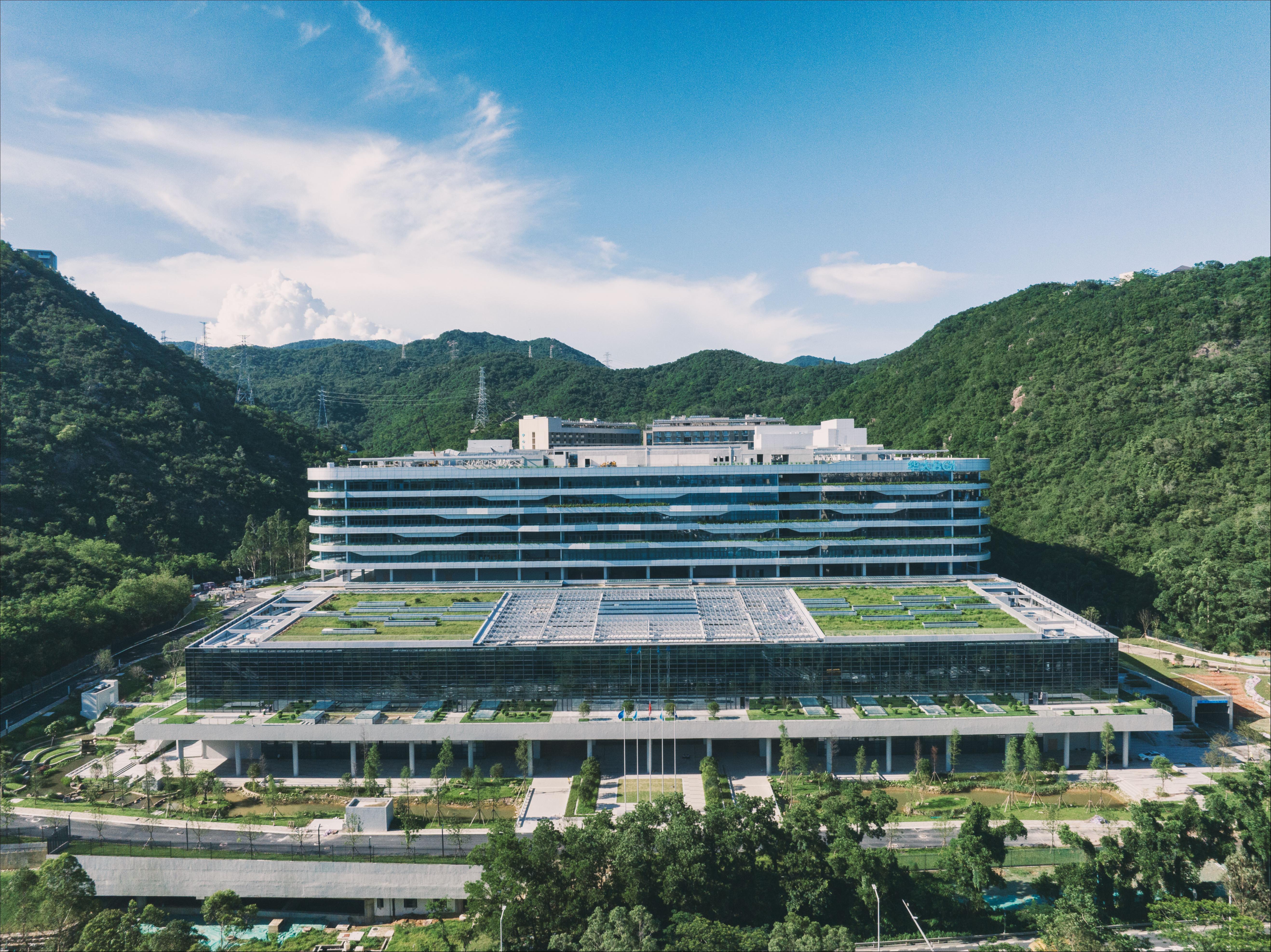
华大基因:布局银发经济的万亿消费新蓝海
Tai Mei Ti A P P· 2025-09-03 09:58
Core Insights - The gene testing industry is facing significant challenges, including upstream monopolies squeezing profits, price wars downstream, and a decline in birth rates leading to reduced demand, which is putting pressure on overall profitability [4] - BGI Genomics has identified elderly health management as a key growth driver for the future, focusing on the elderly demographic as a core market [4][5] - With over 300 million people aged 60 and above in China, there is a surge in demand for chronic disease prevention, which may support BGI's market positioning during industry downturns [4][5] Industry Trends - The aging population in China is accelerating, with projections indicating that by 2024, 22% of the population will be aged 60 and above, equating to approximately 310 million individuals [5] - The silver economy is expected to reach a market size of 8.3 trillion yuan in 2024, potentially exceeding 20 trillion yuan by 2030 and 106 trillion yuan by 2050, covering various sectors including healthcare, elderly care services, and senior products [5] - Health care needs are particularly pronounced, with 75% of elderly individuals suffering from chronic diseases, creating substantial demand for prevention, diagnosis, and health management services [6] Company Strategy - BGI Genomics is focusing on precision health management driven by gene testing, targeting chronic diseases prevalent among the elderly, such as genetic metabolic disorders and cardiovascular diseases [7] - The company has launched several products for Alzheimer's disease risk assessment and cardiovascular disease risk evaluation, addressing the specific health needs of the aging population [8][9] - BGI's innovative approaches include the integration of artificial intelligence and multi-omics technologies to provide comprehensive health management solutions for the elderly [10] Technological Innovations - The introduction of the GeneT model allows for efficient interpretation of large genomic datasets, enhancing the accuracy of disease risk predictions for the elderly [10] - The "i99 Smart Health" multi-omics health management system offers personalized health management plans by integrating various data types, addressing common health issues faced by the elderly [10] - These technological advancements aim to lower testing costs and make gene testing more accessible, transforming it from a luxury service to a more widely available option for the elderly [10][11]
卷疯了!字节、阿里等大厂发力AI智能体,全球96%企业正部署AI模型
Tai Mei Ti A P P· 2025-09-03 08:36
Core Insights - Major Chinese tech companies such as Alibaba, ByteDance, Tencent, and Meituan are intensifying their efforts in AI agents, accelerating the commercialization of generative AI applications [2][4] - Alibaba's Tongyi Lab launched AgentScope 1.0, a new framework aimed at simplifying the development, operation, and management of AI agents [2] - Tencent's Youtu-Agent framework has been open-sourced, while ByteDance's Agent platform "Kouzi Space" is now available on major app stores [2] - Meituan released the LongCat-Flash-Chat model with 560 billion parameters, demonstrating superior performance in AI applications [2][4] Investment and Financial Performance - The combined capital expenditure of major Chinese tech firms (BAT) exceeded 615 billion yuan in Q2, marking a 168% increase year-on-year [5] - Alibaba reported cloud revenue of 33.398 billion yuan, a 26% increase, and a capital expenditure of 38.676 billion yuan, up 220% year-on-year [5] - Tencent's CSIG department reported revenue of 55.536 billion yuan, a 10% increase, with capital expenditure of 19.1 billion yuan, up 119% [5] - Baidu's cloud revenue reached 10 billion yuan, with capital expenditure of 3.8 billion yuan, a 79% increase [5] Market Trends and Projections - The AI agent market in China is expected to exceed $27 billion by 2028, driven by increasing enterprise adoption [12] - A report indicated that 96% of global enterprises are deploying AI models, with 91% planning to use Web Application and API Protection (WAAP) for security [8] - The demand for AI computing power is surging, with Chinese cloud service providers' capital expenditures growing rapidly, reaching approximately $45 billion over the past year [6][7] Technological Advancements - The introduction of AI agents is enhancing the capabilities of AI applications, allowing for dynamic decision-making and tool utilization [8] - F5 has launched an AI gateway product to ensure the security of AI applications across various infrastructures [9] - The development of physical AI, including humanoid robots, is gaining momentum, with NVIDIA's new Jetson AGX Thor providing significant computational power for advanced applications [13][14] Industry Challenges - The integration of AI agents into physical robots presents challenges in data collection and processing, particularly in dynamic environments [14] - Security concerns are paramount as the convergence of digital and physical spaces increases the complexity and risks associated with AI applications [15]






海底数据中心 AI时代的能耗最优解?
Tai Mei Ti A P P· 2025-09-03 08:06
Group 1: AI and Data Center Energy Consumption - The development of generative AI is reshaping business processes and digital models across industries, while also increasing demands on underlying computing infrastructure [1] - IDC estimates that by 2027, the compound annual growth rate (CAGR) for AI data center capacity will reach 40.5%, with energy consumption expected to grow at a CAGR of 44.7%, reaching 146.2 terawatt-hours (TWh) [1] - In 2024, global data centers are projected to consume 415 TWh of electricity, accounting for 1.5% of total global electricity consumption [1] Group 2: Cooling Systems and Power Consumption - Prior to the surge in AI demand, cooling systems in data centers accounted for 40% of energy consumption, with AI servers' power per rack increasing from 10 kW to over 50 kW, surpassing traditional cooling limits [2] - Microsoft Azure found that the Power Usage Effectiveness (PUE) of traditional air-cooled data centers increased from 1.3 to 1.8 after deploying H100 GPUs, leading to server outages in high-heat areas [2] Group 3: Innovations in Data Center Design - The data center industry is undergoing transformation to improve energy efficiency, with a focus on reducing power consumption of auxiliary equipment and utilizing idle computing power effectively [4] - Companies like Huawei are exploring innovative designs, such as building data centers in mountains to reduce cooling costs, while others like Hailanxin are constructing underwater data centers to leverage seawater for cooling [5] Group 4: Underwater Data Centers - Microsoft pioneered underwater data centers, achieving a PUE of 1.07 and a failure rate one-eighth that of land-based centers, demonstrating the effectiveness of natural cooling [6] - Hailanxin's underwater data center project in Hainan aims for a PUE of approximately 1.1, with energy consumption reduced by over 10% and efficiency improved by up to 30% [6] Group 5: Cost Efficiency and Environmental Impact - Underwater data centers can lower total cost of ownership (TCO) by 15-20% compared to land-based centers, with significant annual savings on electricity and land costs [6][7] - The recovery of waste heat from underwater data centers can also support local fisheries and create additional economic value [7] Group 6: Operational Challenges and Solutions - Despite the advantages, underwater data centers face operational challenges due to their isolation, necessitating costly retrieval for maintenance [8] - Hailan Cloud is developing a 2.0 version of underwater data centers that allows for easier maintenance access while maintaining operational stability [9] Group 7: Integration with Computing Platforms - The construction of computing power scheduling platforms is becoming essential as companies shift from building their own infrastructure to purchasing computing power [10] - The integration of underwater data centers with computing platforms is seen as a potential solution to enhance efficiency and meet the growing demands of AI applications [11]

销量重回增长轨道,但蔚来翻身仗才打到一半|钛度车库
Tai Mei Ti A P P· 2025-09-03 07:38
Core Viewpoint - NIO has shown signs of recovery in Q2 2025 with increased sales, revenue growth, and reduced losses, but its profitability remains in a slow recovery phase [2][11]. Sales and Revenue - NIO's total revenue for Q2 reached 19.01 billion, a 9% year-on-year increase and a 57.9% increase from Q1, driven by a significant rise in vehicle deliveries [4]. - The company delivered 72,056 vehicles in Q2, marking a 25.6% year-on-year increase and a 71.2% quarter-on-quarter increase [4]. - The introduction of multiple brands has contributed to sales, with the NIO brand delivering 47,132 vehicles, the new Lada brand delivering 17,081 vehicles, and the Firefly brand delivering 7,843 vehicles [4]. Profitability and Margins - NIO's gross margin improved to 10% in Q2, but it remains below the 12.2% level from the previous year [6]. - The net loss for Q2 was approximately 4.995 billion, a reduction of 1% year-on-year and 26% quarter-on-quarter, but still represents a significant daily loss [6][11]. - The company aims for a gross margin of 16%-17% in Q4 and has set ambitious long-term gross margin targets for its brands [8]. Financial Health - As of the end of Q2, NIO had cash and cash equivalents of 27.2 billion, down from 41.7 billion at the end of the previous year, with a debt ratio exceeding 93% [7]. - The financial structure indicates ongoing operational pressure, with high operating costs impacting cash flow [7][11]. Market Position and Competition - NIO's recovery is contingent on its ability to maintain sales momentum and manage costs effectively, particularly in a competitive market with established players [9][11]. - The company has focused its resources on key models like the Lada L90 and the new ES8, postponing other releases to enhance operational efficiency [9][11]. - The competitive landscape is intensifying, with rivals like Li Auto and AITO already established in the large SUV segment, posing challenges for NIO's market share [9][11].


一体化交付会是企业级AI落地的解么?丨ToB产业观察
Tai Mei Ti A P P· 2025-09-03 04:04
Group 1 - The core viewpoint of the articles highlights the challenges and opportunities in AI deployment across enterprises, with many still in the early stages and facing issues like unclear ROI, weak data foundations, and insufficient expertise [2][3][4] - The Chinese market's understanding and maturity regarding software and SaaS are less developed compared to overseas markets, presenting unique opportunities for AI delivery in China [2][3] - The Chinese government's "Artificial Intelligence+" initiative outlines a three-phase development goal for AI integration across key sectors, aiming for over 70% application penetration by 2027 and 90% by 2030 [3][4] Group 2 - Companies like Alibaba, Huawei, Tencent, and Lenovo are actively promoting innovative models such as "Model as a Service" and "Intelligent Agent as a Service" to explore AI applications in various scenarios [5][6] - Despite the potential for AI applications, many enterprises face significant challenges in actualizing enterprise-level AI, with 73% of companies experiencing discrepancies between expectations and reality [6][10] - The "hallucination" problem in AI, which can lead to significant business impacts, remains a critical challenge, necessitating solutions that include human oversight and risk assessment [6][7][8] Group 3 - Data quality and availability are major obstacles, with effective data for AI training often below 10%, leading to a situation where "data-rich but information-poor" is common [9][10] - The lack of integration between departments creates "data silos," hindering the full potential of enterprise-level AI [10][11] - Companies are increasingly focused on quantifiable business outcomes from AI investments, shifting from merely pursuing advanced technology to seeking tangible benefits [10][11] Group 4 - The need for integrated delivery capabilities is emphasized, as many enterprises mistakenly believe that purchasing hardware equates to adopting AI [11][12] - Lenovo's recent upgrade of its "Hybrid AI Advantage Set" aims to enhance its full-stack AI capabilities, facilitating efficient AI deployment across diverse applications [12] - As AI transitions from pilot projects to large-scale applications, companies require comprehensive service providers capable of delivering end-to-end solutions across various dimensions [12]