晚点LatePost

Search documents
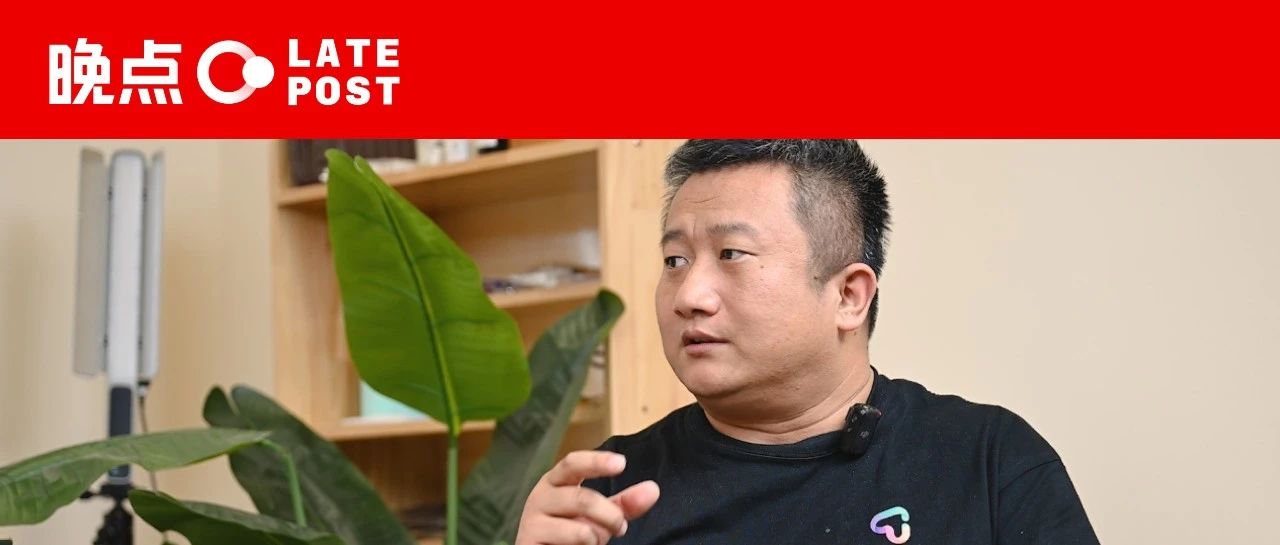
对话测测任永亮:把心情、星座、MBTI “产品化”,还赚到钱的人
晚点LatePost· 2025-08-04 13:46
Core Insights - The article discusses the success of the app "测测," which combines elements of astrology, MBTI, and emotional insights, appealing primarily to urban women and generating significant revenue with a small team [3][4][6] - The founder, 任永亮, transitioned from a background in medicine and machine learning to create a product that addresses emotional needs through algorithmic analysis [4][9] - The app aims to provide users with a sense of certainty and emotional comfort, reflecting a broader trend in digital products that maximize user engagement through emotional stimulation [6][30] User Engagement and Product Features - "测测" has over 50 million registered users, with 80% being women from first-tier cities, and it generates hundreds of millions in revenue [3][4] - The app's most popular features include daily mood tracking, "测测 AI," and MBTI assessments, which help users explore their emotions and relationships [18][19] - The app's design is influenced by psychological theories, particularly those of Carl Jung, and aims to integrate various emotional and psychological tools into a cohesive user experience [12][22] Founder’s Vision and Philosophy - 任永亮's motivation for creating "测测" stemmed from personal emotional challenges, leading him to explore algorithms that could analyze human behavior and emotions [4][9] - He believes that the current internet product landscape is dominated by dopamine-maximizing models, and he aims to create a more meaningful user relationship through AI and emotional engagement [6][30] - The founder's long-term vision includes developing a "companion robot" that can interact with users in a more emotionally intelligent way, breaking away from traditional engagement models [30][31] Market Position and Future Directions - The app occupies a unique niche in the market, focusing on emotional and psychological insights, which has allowed it to grow without direct competition in its specific domain [13][26] - The company plans to leverage advancements in AI to enhance user interaction and provide more personalized experiences, moving beyond passive responses to proactive engagement [28][30] - The founder emphasizes the importance of understanding complex systems and initial conditions in human behavior, suggesting that the app's insights are rooted in a broader understanding of human psychology and emotional dynamics [22][25]

隐形的便利店,美团淘宝的即时零售暗战丨外卖混战④
晚点LatePost· 2025-07-31 05:37
Core Viewpoint - The article discusses the competitive landscape of instant retail in China, focusing on the emergence and growth of "flash warehouses" created by Meituan, which are essential for the supply chain in instant retail and are being leveraged by competitors like Alibaba's Taobao Flash Sale to capture market share [2][4][5]. Summary by Sections Flash Warehouse Concept - Flash warehouses are a new store format developed by Meituan's instant retail team, typically located in non-retail spaces and offering a wide range of products for local residents [3][4]. - As of October 2024, Meituan plans to expand its flash warehouses from 30,000 to 100,000 [4]. Competitive Dynamics - In recent weeks, Taobao Flash Sale has reported daily order volumes exceeding 90 million, while Meituan's daily orders are around 120 million, indicating a stable gap of 30 million orders between the two platforms [4][5]. - Meituan's flash sale business is projected to achieve a transaction volume of approximately 400 billion yuan in 2024, with over a million merchants onboard, including 30,000 flash warehouses [5][6]. Merchant Strategies - Many flash warehouse merchants initially relied on incentives and subsidies from Meituan to grow their businesses, leading to deep partnerships [5][6]. - Taobao Flash Sale has introduced attractive subsidies for new merchants, which has led to a significant increase in order volumes for participating stores [8][9]. Market Trends - The competition among flash warehouses has intensified, with merchants lowering prices to attract customers, sometimes even below offline retail prices [10]. - Merchants express concerns that aggressive subsidies and competition may lead to unhealthy consumer habits and increased losses [11]. Supply Chain and Operational Efficiency - Meituan has developed a data system called "Qian Niu Hua" to optimize supply chain management and enhance operational efficiency across its flash warehouses [13][14]. - Taobao Flash Sale is leveraging Alibaba's existing supply chain resources to enhance its product offerings and improve delivery capabilities [15][16]. Future Outlook - The article suggests that the infrastructure and consumer habits cultivated by Meituan may benefit competitors like Alibaba and JD.com, as they enter the instant retail space [18][19]. - The competitive landscape is evolving, with both Meituan and Taobao Flash Sale aiming to capture a larger share of the instant retail market through strategic partnerships and operational improvements [17][20].


晚点播客丨IMO 金牌、Kimi 翻盘、抢人大战,与真格戴雨森复盘 2025 AI 中场战事
晚点LatePost· 2025-07-31 05:37
Core Viewpoint - The article discusses the significant advancements in AI, particularly the recent achievements of OpenAI and Google DeepMind in solving complex mathematical problems, marking a potential "moon landing moment" for AI capabilities [4][7][13]. Group 1: AI Developments and Achievements - OpenAI's new model achieved a gold medal level in the International Mathematical Olympiad (IMO) by solving five out of six problems, which is a groundbreaking achievement for a general language model [7][8]. - Google DeepMind's Gemini DeepThink model also received official recognition for achieving the same level of performance in the IMO, indicating that multiple companies are advancing in this area [14]. - The ability of language models to solve complex mathematical proofs without specific optimization suggests a significant leap in reasoning capabilities, which could lead to new knowledge discovery [12][20]. Group 2: AI Community and Market Trends - The global AI community is still in the early adopter phase, with users willing to experiment and provide feedback, which is crucial for product improvement [5]. - The article highlights the importance of "investing in people" in the AI era, emphasizing that strong teams with a clear technical vision are essential for success [5][52]. - The competition for talent in the AI sector is intensifying, with significant investments and acquisitions occurring in Silicon Valley and beyond [35]. Group 3: AI Applications and Future Outlook - AI applications are becoming mainstream, with notable advancements in coding tools and reasoning capabilities, indicating a shift from research-focused to practical applications [32][33]. - The emergence of AI agents capable of handling complex tasks autonomously is a key development, with products like Devin and Manus leading the way [34]. - The article suggests that the next few years will see rapid advancements in AI capabilities, potentially leading to significant breakthroughs that could exceed market expectations [41].



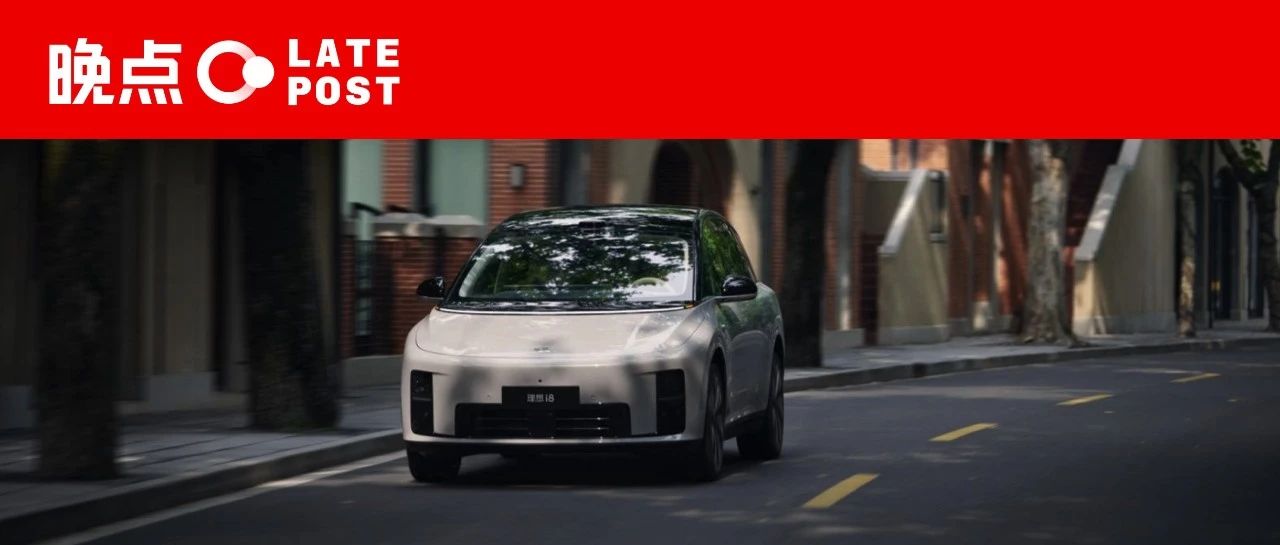
理想 i8 产品故事:延期一年的新车,要打一场输不起的仗
晚点LatePost· 2025-07-30 11:24
Core Viewpoint - The article discusses the challenges and strategic adjustments faced by Li Auto in launching its new electric vehicle, the i8, which is seen as crucial for the company's future success in a competitive market [2][4][30]. Group 1: Product Development and Strategy - The i8 is positioned as a key product to restore company morale and counteract the negative impact of the MEGA's underperformance [4][8]. - The i8's design underwent significant changes, including a shift from the original MEGA design to a more distinct SUV style, reflecting a strategic pivot in product development [10][11]. - Li Auto's leadership emphasized the importance of internal collaboration and rapid decision-making to adapt to market demands, with high-level executives directly involved in the i8's development [5][9]. Group 2: Market Positioning and Consumer Focus - The i8 aims to cater to families needing spacious vehicles, emphasizing comfort and usability, which aligns with Li Auto's brand identity as a family-oriented car manufacturer [19][20]. - The decision to eliminate the front trunk in favor of maximizing cabin space highlights the company's commitment to enhancing passenger comfort [20]. - Li Auto's marketing strategy for the i8 has shifted towards a more cautious approach, focusing on user needs rather than aggressive sales targets [35][37]. Group 3: Competitive Landscape - The launch of the i8 occurs in a highly competitive environment, with other brands like Tesla and Aion also introducing new models targeting similar consumer segments [40][41]. - The article draws parallels between the i8 and past automotive failures, emphasizing the need for clear product positioning and understanding consumer needs to avoid pitfalls [23][30]. - Li Auto's experience with the MEGA has led to a more conservative outlook on sales expectations for the i8, reflecting a broader industry trend towards sustainable growth rather than rapid expansion [34][35].
对话 VIVAIA 创始人:像做 iPhone 一样做女鞋,找准需求、刻意迭代
晚点LatePost· 2025-07-30 11:24
Core Viewpoint - The article discusses how the startup VIVAIA is breaking into the mature women's shoe industry by focusing on comfort, aesthetics, and sustainability, aiming to build a global brand [1]. Group 1: Company Background - VIVAIA, under the parent company Starlight Technology, received significant funding in 2020 and 2021, with major investors including Sequoia China and ByteDance, and has a monthly website visitor count exceeding 4 million [2][3]. - The company aims to leverage China's robust supply chain to create its own products and brand, with a focus on comfort and eco-friendly materials [5][6]. Group 2: Product Development - VIVAIA shoes weigh as little as 130 grams and utilize approximately 6 recycled plastic bottles per pair [7]. - The company emphasizes a balance between functionality and aesthetics, with innovative designs such as adjustable straps to accommodate various foot shapes [2][10]. Group 3: Market Strategy - VIVAIA's first shoe, a flat pointed shoe named Aria, sold out quickly, indicating strong market demand for comfortable and stylish options [11]. - The brand has expanded into offline retail, achieving record sales in Japan's Isetan department store, selling 1,630 pairs in just two weeks [11][35]. Group 4: Future Goals - VIVAIA aims to sell over 2 billion RMB worth of women's shoes by 2025 and has set a target of reaching 330 million users globally [11][12]. - The company is focused on localizing its operations in key markets, with Japan showing significant growth potential [44][45]. Group 5: Innovation and Challenges - VIVAIA is committed to continuous product iteration, similar to tech companies like Apple, to ensure comfort becomes a standard in the women's shoe industry [21][48]. - The company faces challenges from competitors and aims to avoid price wars by establishing a solid brand presence before entering the domestic market [46].

独家丨IPO 关口,全球第三储能公司海辰储能技术高管被批捕背后
晚点LatePost· 2025-07-29 12:33
Core Viewpoint - The arrest of Feng Dengkai is just a chapter in the ongoing dispute between CATL and Hichern Energy, highlighting the competitive tensions in the battery storage industry [1][15]. Group 1: Company Background - Hichern Energy has rapidly ascended to become the third-largest energy storage battery manufacturer globally, surpassing competitors like BYD and CATL within just two years of mass production [4][5]. - The company is valued at 25 billion RMB before its IPO, with significant backing from investors such as Bank of China Asset Management and CICC [5]. - Hichern Energy's projected revenue for 2024 is 12.9 billion RMB, with a net profit of 288 million RMB, and its core business has a compound annual growth rate (CAGR) exceeding 160% [5]. Group 2: Legal Disputes and Allegations - CATL has initiated legal action against Hichern Energy for unfair competition, claiming that Hichern's 587Ah battery cell closely resembles CATL's patented products, with only a 4.4% deviation in energy density [5][15]. - Feng Dengkai's arrest for allegedly infringing on trade secrets is part of CATL's broader strategy to protect its intellectual property and competitive edge [5][14]. - The ongoing legal battles and Feng's arrest could significantly impact Hichern Energy's IPO process, raising concerns about internal controls and information disclosure [14][15]. Group 3: Industry Context - The energy storage battery sector is currently embroiled in a price war, putting financial pressure on companies like Hichern Energy, which has nearly 10 billion RMB in debt against 6.6 billion RMB in cash and restricted deposits [5][14]. - The rapid growth of Hichern Energy has drawn scrutiny from CATL, which has become increasingly vigilant about protecting its technological advantages and preventing talent poaching [20][21]. - The competitive landscape has shifted, with many former CATL employees now occupying key positions in rival companies, leading to heightened tensions and legal disputes [21][22].


独家丨昉擎科技完成天使轮,小米、蔚来资本领投,寒武纪前 CTO 梁军任 CEO
晚点LatePost· 2025-07-29 12:33
Core Viewpoint - Shanghai Fangqing Technology has recently completed a total of hundreds of millions of RMB in angel round financing, indicating strong investor interest and potential growth in the AI chip sector [3][4]. Financing Overview - The angel round was led by Xiaomi's strategic investment department, with participation from NIO Capital and Mingshi Capital. Subsequent rounds included investments from various firms, highlighting a robust funding environment for emerging tech companies [4]. - The funds raised will be allocated towards core technology research and development, productization, and market expansion [4]. Technological Innovation - Fangqing Technology has proposed a new technical direction that decouples "context-aware" and "context-free" distributed computing architectures, aiming to enhance overall computational efficiency [6]. - This design separates Feed-Forward Networks and Attention mechanisms into independent modules, allowing for optimized hardware allocation, which represents a significant evolution in technology [6]. Leadership and Market Context - Liang Jun, former CTO of Cambricon and chief architect of Huawei's Kirin SoC, has joined Fangqing Technology as CEO, bringing extensive experience in AI chip development [7]. - The AI chip market is currently dominated by Nvidia, which holds a 92% market share in AI accelerators as of 2024, indicating a highly competitive landscape [7]. - Major companies like Google, Amazon, Alibaba, Baidu, and Tencent are significant customers of Nvidia, but they are also exploring self-developed alternatives to reduce dependency on a single supplier [7]. Impact of Regulatory Environment - U.S. government restrictions have hindered Nvidia's ability to sell high-end AI chips to Chinese customers, creating opportunities for domestic chip manufacturers such as Huawei, Cambricon, and others [8]. - The acceleration of AI applications this year has shifted the focus of teams from requiring extreme computational power to valuing service and support, increasing their willingness to consider domestic solutions [8].
东风日产成立 22 年来史无前例的一次大改造
晚点LatePost· 2025-07-28 02:37
Core Viewpoint - Dongfeng Nissan's N7 represents a critical transformation in the company's approach to electric vehicles, emphasizing speed, innovation, and a shift in decision-making authority to better compete in the rapidly evolving market [2][3][4]. Group 1: Development and Challenges - The N7 project faced significant challenges, including a decision to halt development due to concerns over competitiveness and design, highlighting the urgency for a successful electric vehicle launch [2][3]. - Dongfeng Nissan has experienced a decline in sales for three consecutive years, necessitating a major shift in strategy to regain market position [3][4]. - The company is undergoing its most significant challenge in 22 years, with a focus on independently developing new models for global markets [3][4]. Group 2: Strategic Changes - The management has made substantial changes to the N7's design, configuration, and technology to ensure it competes at the top tier of the market [3][4]. - Dongfeng Nissan has been granted unprecedented autonomy in product development, allowing it to define 99.9% of the content for its electric vehicles, a significant shift from previous practices where foreign partners dominated [3][4][5]. - The N7 is positioned as a strategic vehicle, with a focus on long-term profitability rather than immediate high margins, reflecting a new pricing strategy aimed at market penetration [6][7]. Group 3: Market Position and Performance - The N7 has achieved over 20,000 orders within 50 days of its launch, becoming the best-selling electric vehicle among joint ventures in China, although monthly sales of 6,000 units still indicate a need for improvement [4][6]. - The vehicle's pricing strategy is designed to be competitive, with a price range of 119,900 to 149,900 yuan, aiming to attract a broad customer base while maintaining a focus on quality [6][7]. - Dongfeng Nissan's internal team has set ambitious sales targets, initially aiming for 3,000 units per month, later revised to 5,000, and ultimately achieving over 10,000 orders at launch [17][18]. Group 4: Organizational Transformation - The company is transitioning from a manufacturing-focused entity to a technology-driven and user-centric organization, emphasizing the importance of speed and collaboration across departments [23][24]. - Dongfeng Nissan has established a "New Energy Brand Center" to streamline operations and enhance customer engagement, marking a significant shift in its operational strategy [25][26]. - The leadership is fostering a culture of open communication and collaboration to break down departmental silos, which is essential for the success of the N7 and future models [26][27]. Group 5: Future Outlook - The company recognizes the need for continuous improvement and innovation to maintain competitiveness in the electric vehicle market, with plans for additional models in the pipeline [50][51]. - Dongfeng Nissan aims to achieve a market share of over 50% in electric vehicles, positioning itself among the top players in the industry [54]. - The leadership emphasizes the importance of adapting to market changes and customer needs, moving away from traditional practices to embrace a more agile and responsive approach [55][56].

石头扫地机二次上市虽不性感,但贵在商业确定性较强
晚点LatePost· 2025-07-27 04:17
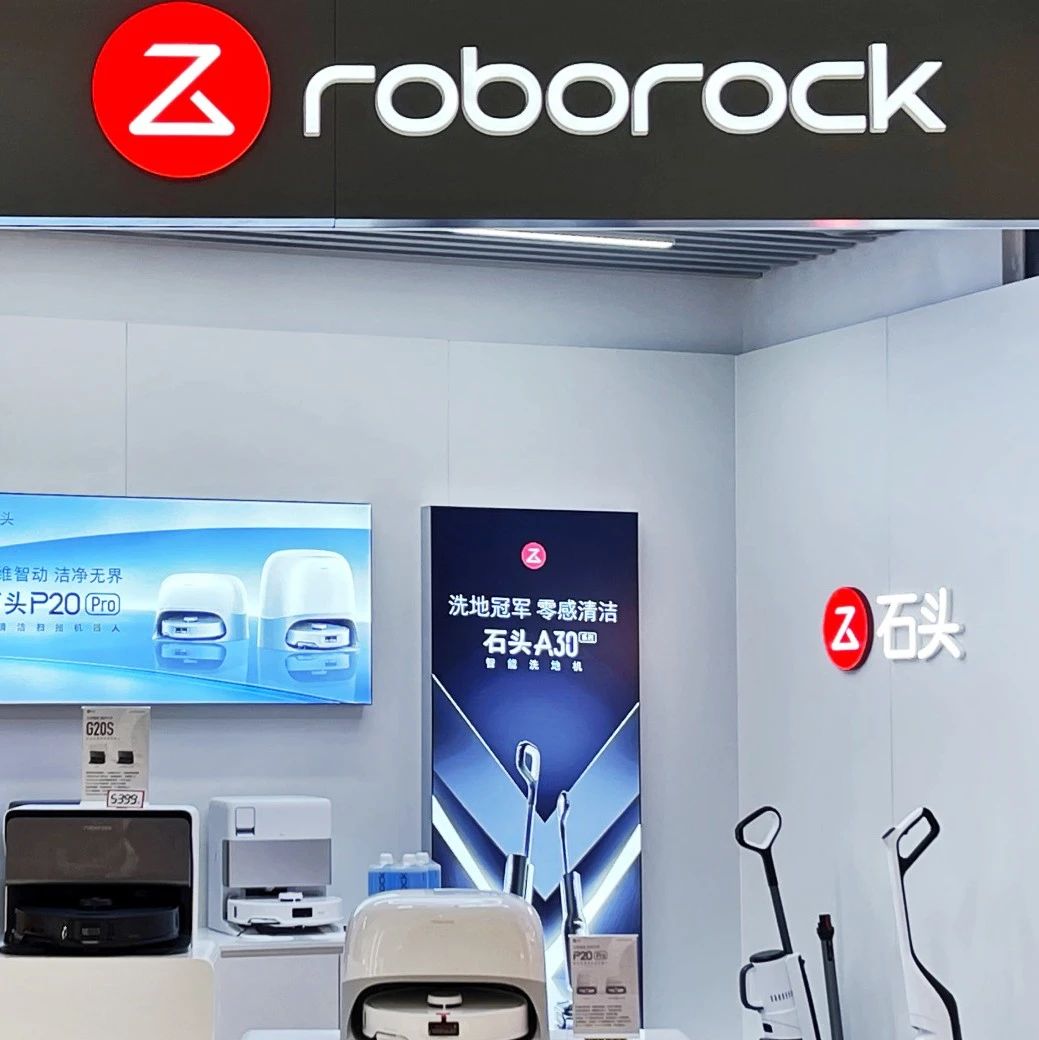
Core Viewpoint - The article discusses the growth logic and investment value of listed companies in the context of the sweeping robot industry, highlighting the competitive landscape and the potential for domestic brands to capture overseas market growth [4][11]. Industry Overview - The global sweeping robot market is projected to reach a GMV of $9.3 billion and sales of 20.6 million units in 2024, with year-on-year growth rates of 19% and 11% respectively [5]. - The average price of sweeping robots is expected to rise from $422 in 2023 to $451 in 2024, indicating a trend of simultaneous volume and price growth in the industry [5]. Market Dynamics - The consumer base for sweeping robots has not significantly expanded, but there is a structural change in the types of products being consumed, with high-end models gaining market share [7]. - In China, the penetration rate of high-end models priced above 3000 yuan exceeds 80%, while the overseas market's penetration is less than half of that, suggesting substantial growth potential in international markets [7][9]. Competitive Landscape - Major players in the overseas market include Roborock, Ecovacs, and Dreame, with Roborock and Ecovacs having a first-mover advantage [12]. - Roborock's overseas business accounted for 54% of its revenue in 2024, significantly higher than Ecovacs at 43% [12][13]. Financial Performance - In 2024, Roborock achieved global sales of 3.45 million units, generating a GMV of $2.18 billion, representing 16.7% and 23.4% of the global market share respectively [16]. - Roborock's profit structure is more favorable compared to Ecovacs, with a gross margin of 50.4% and a net margin of 16.6% in 2024, while Ecovacs reported 46.5% and 4.9% respectively [15]. Strategic Adjustments - Roborock is implementing a "retreat to advance" strategy by adjusting its distribution channels, which may temporarily lower profit margins but aims to enhance market control and expand market share [21][22]. - The company is also focusing on direct engagement with distributors, which is expected to improve profitability in the long run [21]. Future Outlook - The ability of domestic brands to effectively capture overseas market share will be crucial for their future growth and valuation [11]. - The competitive dynamics between Roborock and Dreame are intensifying, particularly as Dreame seeks to establish a stronger presence in Western Europe [17][19].

理想开始自制零部件,马斯克趟过的路要如何走?
晚点LatePost· 2025-07-27 04:17
Core Viewpoint - The article discusses the strategic supply chain management of Li Auto, emphasizing its focus on self-research and collaboration with suppliers to enhance product competitiveness and ensure supply security [5][22][29]. Group 1: Company Overview and Growth - Li Auto's core component, the rear electric drive, is its first self-developed and manufactured product [2]. - The company has shown remarkable growth, with revenue soaring from 2.9 billion yuan in 2021 to 16.2 billion yuan in 2024 [4]. - Li Auto has expanded its partnerships beyond startups to include major domestic and international automotive brands [4][5]. Group 2: Supply Chain Strategy - Li Auto's strategy prioritizes supply chain construction, aiming for rapid technological innovation and efficient product iteration [5][6]. - The company employs a four-tier supplier management system, ranging from self-research and manufacturing to strategic partnerships [15][22]. - The geographical clustering of suppliers in Jiangsu province enhances supply chain resilience and reduces transportation costs [13][14]. Group 3: Self-Research and Collaboration - Li Auto has invested in self-research for core components, such as the rear electric drive system, to improve efficiency and product competitiveness [15][18]. - The company collaborates with suppliers like Huichuan and Ningde Times to co-develop critical technologies, ensuring a stable supply of key components [17][20]. - Li Auto's partnership with Sico Semiconductor aims to develop third-generation semiconductor technology, enhancing its product offerings [17][18]. Group 4: Challenges and Market Position - Li Auto has faced challenges, including production halts and sales fluctuations, impacting its supply chain [26][28]. - The company differentiates itself from competitors like Tesla and BYD by defining products first and then selecting suitable suppliers, focusing on mutual benefits [29]. - The success of Li Auto's supply chain strategy, termed "Li Chain," hinges on accurate market demand and technology trend assessments [29].