汽车商业评论

Search documents
第十七届轩辕汽车蓝皮书论坛首日,32位嘉宾谈如何“决断”
汽车商业评论· 2025-06-14 00:18
Core Viewpoint - The automotive industry in China is at a critical juncture, facing challenges from intense competition and declining overall profitability despite the growth of domestic brands and the electric vehicle market [3][5][13]. Group 1: Industry Challenges and Decisions - The automotive industry is experiencing "involution" or excessive competition, leading to a widening gap in profit margins compared to the average profit margins of industrial enterprises [3][5]. - The forum emphasized the need for decisive actions to address the current challenges, with a focus on long-term strategies rather than short-term gains [5][8]. - The ten key decisions proposed for the Chinese automotive industry include: 1. Consensus against involution 2. Legal regulation to ensure order 3. Safety as a fundamental requirement 4. Exceeding user expectations 5. AI empowerment in business operations 6. Collaboration over comprehensive solutions 7. The necessity of a harmonious ecosystem 8. Commitment to global localization 9. Recognition that new automotive development is just beginning 10. Building strong foundations for future leadership [9]. Group 2: Corporate Strategies and Innovations - Companies like GAC emphasize the importance of a robust supply chain as a strategic partner to ensure product safety and quality [11]. - Chery Motors is focusing on user engagement by connecting engineers directly with customers to better understand their needs [15]. - NIO is committed to long-term strategies, enhancing operational management while continuing to invest in technology and product experience [18]. - Lantu Motors highlights the importance of understanding industry essence and pursuing positive values in every decision made [21]. Group 3: Technological Advancements and Market Trends - The rapid iteration of intelligent driving technology is leading to a significant opportunity in the market, with expectations for L2 and above autonomous systems to exceed 60% penetration by 2025 [27]. - The focus on safety in intelligent driving systems is becoming paramount, with maps playing a crucial role in ensuring safety [29]. - The concept of "intelligent driving equity" is gaining traction, aiming to make advanced driving features standard across various vehicle models [33][41]. Group 4: Globalization and Market Expansion - The forum discussed the risks and strategies associated with overseas expansion, emphasizing the importance of understanding local cultures and regulations [51][63]. - Companies are encouraged to adopt a collaborative approach in international markets, creating value for local communities rather than merely competing [69]. - The need for a dual cultural integration strategy was highlighted, ensuring that both Chinese efficiency and local workplace norms are respected [73].




贾可:中国汽车的十大决断
汽车商业评论· 2025-06-13 07:46
Core Viewpoint - The Chinese automotive industry is at a critical juncture, requiring decisive actions to overcome challenges such as "involution" and to ensure sustainable growth and competitiveness in the global market [6][10][16]. Group 1: Industry Overview - In 2023, the total output value of the Chinese automotive industry reached 11 trillion RMB, accounting for nearly 10% of the national GDP, surpassing real estate for the first time [9]. - Despite the growth in market share for domestic brands and the rapid penetration of new energy vehicles, overall industry profits are declining, with a widening gap compared to the average profit margin of industrial enterprises [10][11]. Group 2: Key Decisions for the Automotive Industry - **Decision 1: Form a National Consensus Against Involution** The urgency to combat "involution" in the automotive sector has gained recognition at the national level, with various government meetings emphasizing the need for industry self-discipline and regulation [20][21]. - **Decision 2: Legal Norms Must Govern Order** Recent legislative actions, such as the revised "Regulations on Payment of Small and Medium-sized Enterprises' Receivables," aim to establish legal frameworks to prevent involution and ensure fair competition [22][23]. - **Decision 3: Safety as the Bottom Line for Automotive Products** Safety must be prioritized over cost-cutting measures, as neglecting safety can lead to severe consequences for both consumers and brands [25][28]. - **Decision 4: Exceeding User Expectations is Essential** Automotive companies must focus on product quality and innovation to surpass user expectations, rather than relying solely on price competition [30][31]. - **Decision 5: AI to Empower Business Operations** Embracing AI technology can enhance decision-making, production efficiency, and supply chain management, driving the transformation of the automotive industry [32][36]. - **Decision 6: Collaboration Over Comprehensive Control** Companies should focus on their core competencies and seek external partnerships for non-core areas, promoting efficiency through specialization [38][41]. - **Decision 7: A Harmonious Ecosystem is Crucial for Future Success** A balanced ecosystem involving manufacturers, suppliers, and consumers is necessary for sustainable growth, emphasizing mutual benefits and fair profit distribution [42][46]. - **Decision 8: Commitment to Global Localization** As the Chinese automotive market leads globally, companies must adopt a strategy of global localization to mitigate risks associated with international operations [47][50]. - **Decision 9: The Development of New Automobiles is Just Beginning** The transition from traditional vehicles to "new automobiles" is ongoing, with significant advancements still required in areas like AI and smart technology [52][54]. - **Decision 10: Build Barriers and Accumulate Resources for Future Leadership** Establishing technological, brand, and supply chain barriers while maintaining financial reserves is essential for long-term success in the automotive industry [56][60].

车企“反内卷”风暴:“60天内支付”还不够
汽车商业评论· 2025-06-12 16:30
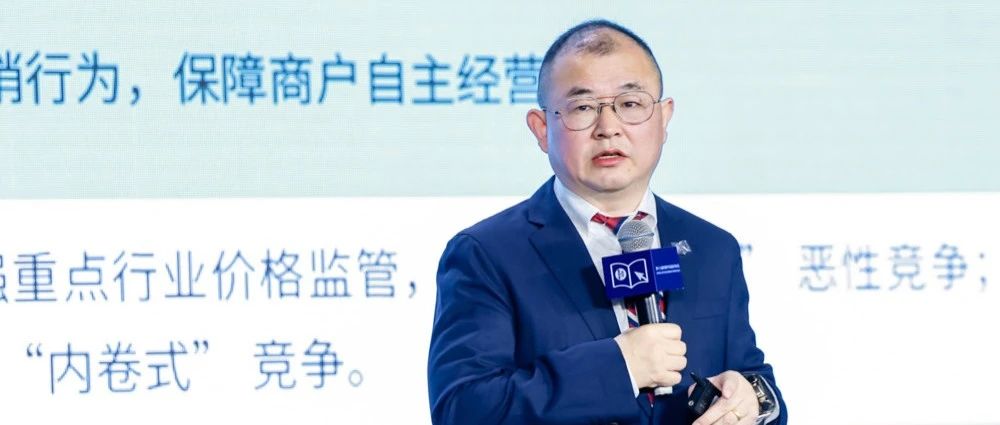
Core Viewpoint - The article discusses the commitment of 17 automotive companies to adhere to the new payment regulation for suppliers, which mandates a maximum payment period of 60 days, as part of the government's efforts to alleviate the financial pressure on small and medium-sized enterprises [4][5][27]. Group 1: Implementation of Payment Regulation - A total of 17 automotive companies, including major players like BYD, Geely, and NIO, have pledged to comply with the new payment terms [8]. - The regulation, effective from June 1, aims to address the long-standing issue of delayed payments to suppliers, which has been a significant concern in the industry [5][27]. - The average accounts payable turnover days for 32 automotive companies is reported to be 109.74 days, indicating a substantial gap compared to the new regulation [9]. Group 2: Supplier Perspectives - Suppliers express cautious optimism regarding the new payment terms, but they remain skeptical about the actual implementation and potential loopholes [6][27]. - Reports indicate that payment periods for suppliers can vary widely, from one month to over a year, with some waiting nearly two years for payments [11][12]. - The relationship between automotive manufacturers and suppliers is described as deteriorating, with a lack of trust and ethical business practices being highlighted [12][24]. Group 3: Challenges in Payment Terms - The article raises questions about how the payment period is calculated, whether it starts from receipt of goods or invoice date, and the implications of commercial acceptance notes [17][29]. - Some suppliers are concerned that the new 60-day payment term may come with additional conditions, such as interest deductions [28]. - The article notes that only a few companies, like BAIC and SAIC, have fully eliminated the use of commercial acceptance notes, which have been criticized for extending payment periods [30][39]. Group 4: Industry Dynamics - The article highlights the significant power imbalance in the supplier-manufacturer relationship, with many suppliers feeling pressured to accept unfavorable terms [14][24]. - It discusses the practices of certain manufacturers that delay payments based on price negotiations, further complicating the financial situation for suppliers [37][41]. - The article concludes with a call for a return to normal business practices, emphasizing the need for government and industry collaboration to ensure fair payment terms [41].


自动驾驶汽车真能重构保险业吗
汽车商业评论· 2025-06-12 16:30
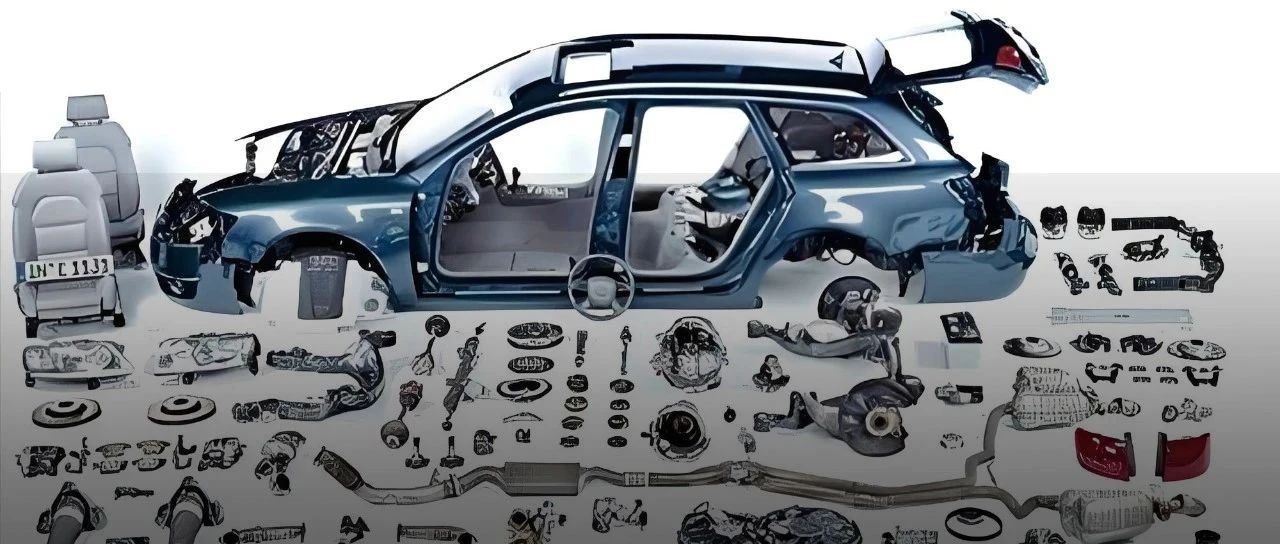
编 译 / 钱亚光 设 计 / 赵昊然 来 源 / w w w. b l o o m b e r g . c o . j p , w w w. c l a i m sj o u r n a l . c o m , e g a l c l a r i t y. o r g 业界对于自动驾驶汽车的预期各不相同,有人乐观地认为即将迎来重大突破,而另一些人则悲观地 认为自动驾驶汽车不会大规模上路。 高盛(Goldman)集团表示,自动驾驶汽车的兴起将促使美国规模达4000亿美元的汽车保险业进行 重新调整,因为人为失误导致的事故数量会减少,保险成本也会大幅降低,但关于责任归属的问题 仍存在。 高盛研究部门负责汽车和工业技术的分析师马克·德莱尼(Mark Delaney)在6月9日给客户的一份报 告中写道:"从长远来看,自动驾驶技术有可能显著降低事故发生率,并改变事故相关的索赔成本 分布以及法律责任。" 自动驾驶汽车市场发展迅速,预计到2030年将达到70亿美元,到同一年,美国Class 8重型卡车的自 动驾驶虚拟驾驶员潜在市场规模将约为50亿美元。 特斯拉公司期待已久的Robotaxi服务将于本周在其总部得克萨斯州奥斯 ...


5月跳楼价活埋价中,十大佬六小龙地位渐稳
汽车商业评论· 2025-06-12 09:51
Core Viewpoint - The article discusses the recent developments in the Chinese automotive market, highlighting the government's intervention to curb price wars and promote high-quality industry growth through measures such as regulating supplier payment terms [4][6]. Group 1: Market Trends and Performance - From January to April, the profit margin of the Chinese automotive industry was 4.1%, increasing to 4.4% in April, compared to 3.9% in Q1 and 3.5% in March, indicating a positive trend [7]. - In May, the retail sales of passenger vehicles reached 1.932 million units, a year-on-year increase of 13.3% and a month-on-month increase of 10.1%, surpassing the level of 1.81 million units in May 2018 [9]. - Cumulative retail sales from January to May reached 8.811 million units, up 9.1% year-on-year [9]. Group 2: Sales Data and Company Performance - In the first five months, sales of Chinese brand passenger vehicles reached 7.562 million units, a year-on-year increase of 26.3%, accounting for 68.8% of total passenger vehicle sales [10]. - The top ten automotive groups sold 10.708 million units in total, representing 84% of the overall market, with varying performance among individual companies [11]. - In May, BYD sold 382,476 units, a year-on-year increase of 15.35%, while SAIC Group sold 366,000 units, up 10.25% [13][14]. Group 3: Competitive Landscape - The article notes that some companies engaged in aggressive pricing strategies, leading to a temporary surge in market activity, but this has raised concerns about sustainability [12]. - The sales performance of major companies varied, with some like Geely and Changan showing significant growth, while others like GAC and Dongfeng experienced declines [14][39]. - New energy vehicle sales are highlighted as a key growth area, with companies like Changan and BYD reporting substantial increases in this segment [29][37].



马斯克的后悔速度,远超Robotaxi的商业化首测
汽车商业评论· 2025-06-12 09:51
Core Viewpoint - Elon Musk has softened his stance towards Donald Trump, indicating a desire to repair their relationship, likely driven by business interests [5][7]. Group 1: Tesla's Robotaxi Initiative - Tesla's Robotaxi project, referred to as "Project Rodeo," is set to begin trial operations on June 22, 2025, with an initial fleet of 10-20 Model Y autonomous taxis [8]. - The project aims to expand to approximately 1,000 vehicles in the coming months, targeting cities like San Francisco and San Antonio [8]. - The Robotaxi initiative represents a significant test of Tesla's long-term autonomous driving strategy, with a focus on system safety, regulatory attitudes, and remote supervision mechanisms [12]. Group 2: Competitive Landscape - Tesla faces increasing competition from Chinese electric vehicle manufacturers such as BYD, Xpeng, and Leap Motor, which are launching cost-effective models with urban and highway capabilities [14][15]. - Chinese companies are rapidly advancing in autonomous driving technology, with Huawei and others entering the market and showcasing L3-level autonomous driving developments [18]. - The cost of sensors in China is significantly lower than in Europe and the U.S., with an average reduction of 40% for cameras, radars, and ultrasonic sensors, and 20% for LiDAR, allowing local manufacturers to penetrate the market aggressively [20]. Group 3: Market Dynamics - Tesla's global sales have been declining, prompting Musk to reassess his business strategy amidst rising tensions with the Trump administration [15]. - The shift in focus towards the Robotaxi concept is critical for Tesla, as it now serves as a core support for its market valuation of approximately $1 trillion [16]. - The competitive pressure from Chinese automakers is intensifying, particularly in the autonomous driving sector, where Tesla is being challenged by companies it previously outperformed [22].

10万级电车敢做32万公里试验,丰田打了谁的脸?
汽车商业评论· 2025-06-11 03:27
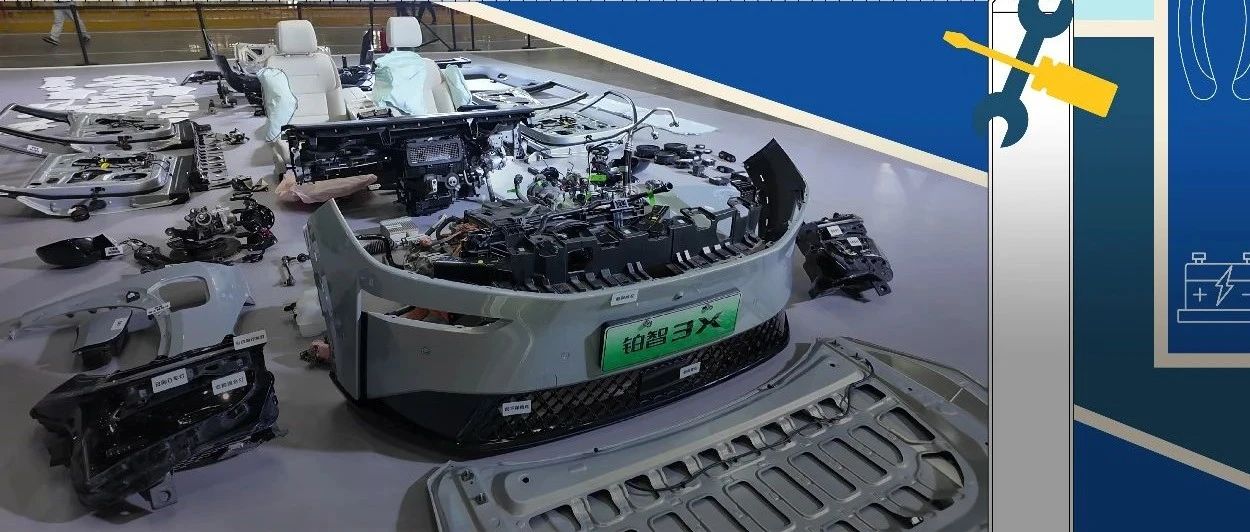
撰 文 / 孟 为 设 计 / 赵昊然 一款车型,消费者能够看到的是价格,是五花八门的配置表,看不到的是一款背后的品质和安全到 底如何。 在电车产品快速迭代的当下,一些品牌将"迭代速度"等同于技术进步,却忽视了车辆全生命周期的 耐久性与可靠性。这显然不是一个品牌、或者一款产品带给消费者的真正价值,它就像镜中花、水 中月,得之易,失之更易。 而广汽丰田,却用自己的实际行动证明,即使在电车产品快速迭代的当下,品质依然很重要。 广汽丰田位于广州南沙的新能源工厂里,一辆经历了32万公里"地狱试验"后的拆解车,诠释了来自 丰田品质的信仰与力量。 32万公里,模拟20年产品使用周期;经历了坏路、高速波状路等各种极限场景;每2000公里模拟切 换符合家庭出行、货物运输等多元负载的配重测试方案;每隔不同的公里数均会对悬架裂纹、后门 机能、车身高差等多个项目进行反复检查;前门开闭10万次+后门开闭5万次测试;120小时喷水防 锈测试;近光灯始终打开保持常亮的电路耐久性试验。 覆盖车架、车身、底盘、电气、驱动/制动系统5大核心品类90种部品,采用46条"军规级"严苛品质 判定基准。 广汽丰田希望用这样一场电车耐久性试验,回归用户 ...
英国首测,看看Euro NCAP安全评级新规改了啥
汽车商业评论· 2025-06-11 03:27
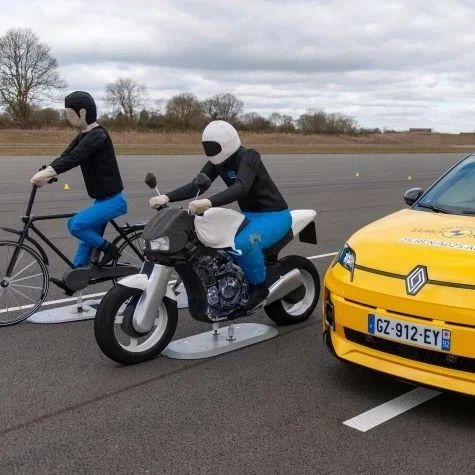
Core Viewpoint - Euro NCAP has announced new safety rating regulations for 2026, establishing updated benchmarks for automotive safety and innovation, particularly focusing on Advanced Driver Assistance Systems (ADAS) [4][5]. Group 1: Changes in Safety Rating Regulations - The Euro NCAP safety rating system, established in 1996, will categorize tests into four key areas: Safe Driving, Collision Avoidance, Collision Protection, and Post-Collision Safety starting January 2026 [5][10]. - The evaluation of driver monitoring systems will be enhanced, with advanced systems that can track driver performance earning up to 25 points, compared to the current 2 points for basic alerts [11]. - Systems that can identify and respond to driver impairment due to substances will also receive scoring incentives [12]. Group 2: Collision Avoidance and Protection - The Collision Avoidance category will include more in-depth testing of systems like Steering Assistance (SA) and Automatic Emergency Braking (AEB), reflecting real-world accident scenarios [15]. - Collision Protection assessments will focus on passive safety features, considering various body types and ages to improve safety for elderly drivers and child passengers [15]. - Post-Collision Safety upgrades will require systems like eCall to include passenger count in emergency messages, even detecting unbuckled passengers [15]. Group 3: New ADAS Testing Methodologies - Euro NCAP is committed to accurately assessing vehicles that meet its stringent standards, as demonstrated in recent tests of the new electric Renault 5 model [18][20]. - The 2024 ADAS testing and evaluation scheme includes nearly 60 pages of criteria based on real-time performance of speed assistance, adaptive cruise control (ACC), and collision avoidance systems [21]. - The "cut-out test" will evaluate how well emergency braking systems respond to sudden lane changes by preceding vehicles, with additional points for successfully avoiding motorcycles and bicycles [22]. Group 4: Testing Equipment and Procedures - Advanced testing equipment, including vehicles equipped with GPS and smart control devices, ensures high repeatability and accuracy in testing scenarios [24][26]. - The testing process involves simulating real-world conditions with foam models representing vehicles, ensuring that the systems can detect and respond to various obstacles [29][31]. - The performance of the Renault 5 during tests met expectations, demonstrating effective emergency braking capabilities [36].
车圈南橘北枳记
汽车商业评论· 2025-06-10 02:50
Core Viewpoint - The Chinese automotive market is undergoing a significant structural adjustment, with domestic brands increasing their market share at the expense of foreign brands, which now hold less than 35% of the market [4]. Group 1: Domestic Brand Growth - In 2024, domestic passenger car sales are projected to reach 17.97 million units, accounting for 65.2% of total passenger car sales, an increase of 9.2 percentage points year-on-year [4]. - In April 2025, domestic brands achieved retail sales of 1.15 million units, a year-on-year increase of 31%, with a market share of 65.5%, up 8 percentage points [4]. - From January to April 2025, domestic brands held a retail market share of 64%, an increase of 7.9 percentage points compared to the previous year, particularly gaining in the new energy and export markets [4]. Group 2: Challenges Faced by Foreign Brands - Kia is struggling in the Chinese market due to a lack of clarity in positioning and slow progress in electrification, with only 21.5% of global sales being electric models in 2024 [6]. - Skoda's sales in China fell by 23.1% year-on-year to 17,500 units in 2024, as it is squeezed by both the Volkswagen brand's price cuts and the competitive offerings from domestic brands [9][10]. - Jeep's focus on SUVs has led to a disconnect with Chinese consumer preferences, resulting in a decline in brand presence and market share [11]. Group 3: Global Performance of Foreign Brands - Despite challenges in China, Kia remains strong in its home market and is expanding in North America and Europe, achieving over 3 million global sales in 2024 [20]. - Skoda's global sales reached 926,600 units in 2024, with strong performance in Europe, particularly in Germany, the Czech Republic, and the UK [21]. - Jeep's brand recognition and performance in North America remain robust, with 90% of its global sales coming from this market, totaling 587,800 units in 2024 [23]. Group 4: Lessons Learned - The struggles of foreign brands in China highlight the importance of understanding local consumer preferences and adapting product strategies accordingly [28]. - Successful global strategies require a deep understanding of localization, which encompasses product definition, technology routes, brand communication, and supply chain management [29]. - Brands must recognize their positioning and strengths, focusing on markets that align with their core competencies rather than pursuing broad-scale expansion [29].


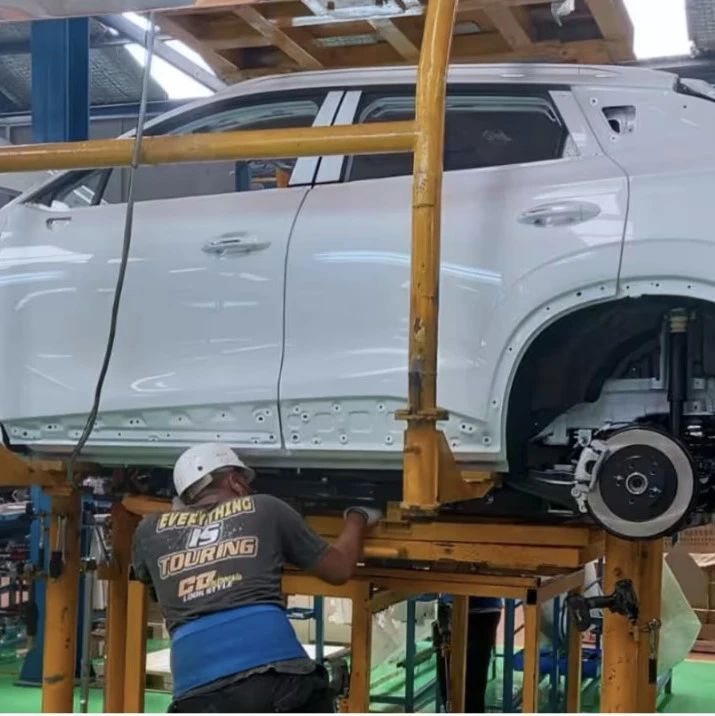
进军印尼,这家企业成为中国汽车的合作首选
汽车商业评论· 2025-06-10 02:50
Core Viewpoint - Handal Indonesia Motor is positioning itself as a key player in Indonesia's automotive market by capitalizing on the growing presence of Chinese electric vehicles, which poses a threat to traditional Japanese manufacturers and local partners [5][6][18]. Group 1: Company Strategy and Investments - Handal Indonesia Motor has signed an agreement with the Indonesian government to assemble vehicles from 11 Chinese brands, one local brand, and two joint ventures, focusing primarily on electric vehicles [5][6]. - The company is investing 50 trillion IDR (approximately 3.07 billion USD) to build a new factory in Purwakarta, West Java, with a planned capacity of 50,000 vehicles [6]. - The current factory in Bekasi assembles about 14,000 vehicles annually for brands such as Chery, Neta, and local brand Maung [16]. Group 2: Market Dynamics - In 2024, Indonesia's automotive retail sales are projected to decline by 10.9%, yet the market share of Chinese brands, particularly electric vehicles, is expected to rise from 3.4% in 2023 to 6.4% in 2024, reaching 10.4% in the first quarter of 2025 [18]. - Chinese automotive manufacturers are employing smart pricing strategies to gain market share, which has improved their reputation in Indonesia [18]. - Japanese brands are responding to the competition by lowering prices and advising dealers to avoid Chinese brands, indicating a potential price war [21]. Group 3: Political and Social Considerations - Handal's leadership is aware of the political risks associated with potential anti-Chinese sentiment in Indonesia, which has historically been leveraged by the government [26]. - The company maintains a local workforce and limits the employment of foreign workers, which may help mitigate tensions related to foreign investment [26].