36氪

Search documents
从700万粉丝IP到千台实体售罄,这家公司想做「原生机器人IP」的长期陪伴|早起看早期
36氪· 2025-12-25 00:26
Core Viewpoint - The article discusses the recent angel round financing of Hangzhou Erbai Intelligent Technology Co., Ltd., highlighting the company's innovative approach to emotional companion robots and the potential market growth in this sector [4]. Financing Information - The financing amount is in the tens of millions, led exclusively by Junchen Capital. The funds will be used for the mass production and delivery of the Erbai Mini robot, optimization of user experience, and development of long-term companionship models and systems [6]. Company Overview - Founded in 2019 and headquartered in Hangzhou, the company focuses on the Erbai Mini companion robot, which emphasizes deep interaction through a "adopt-train-recognize" process, allowing the robot to develop a unique personality and memory over time. The company has developed four core technologies: personality generation algorithm, emotional engine, sparse memory architecture, and natural interaction technology [8][10]. Market Potential - The emotional companion robot market is projected to reach $28.19 billion (approximately 200 billion RMB) by 2024, with an expected compound annual growth rate of 30.8% from 2025 to 2030 [11]. Company Performance - The company has operated the "I am Erbai" account matrix for seven years, accumulating over 7 million followers. Their AI dialogue mini-program achieved 400,000 active users in its first month. The first mass-produced product, Erbai Mini, began pre-sales in June 2025, generating over 1 million in sales on the first day and selling out in five days. The company is shifting its revenue model from content advertising and software services to focus on hardware sales [13]. Team Background - Erbai Intelligent was co-founded by Hai Wei and Mao Feifei. Hai Wei has over ten years of experience in internet product and content operations, while Mao Feifei has a background in human-computer interaction and intelligent systems [15]. Founders' Insights - The founders emphasize their differentiation through early IP development, engaging users with manageable interaction expectations, and superior dialogue strategies based on user feedback. They also highlight their advantage in visual interaction compared to competitors who primarily use voice [17][19]. Investor Perspective - Junchen Capital believes that companion robots will become a new consumer entry point, emphasizing the importance of establishing lasting user relationships rather than just technological advancements. They see potential for commercial expansion in long-term companionship, indicating a direction for diverse forms and scenarios [21].


8点1氪:官方回应吸毒记录封存相关问题;强生爽身粉致癌案判赔女子约110亿元;俞敏洪敲定东方甄选接班人
36氪· 2025-12-25 00:26
Group 1 - The revised Public Security Administration Punishment Law will take effect on January 1, 2026, and has garnered significant attention from media and the public regarding Article 136 [4][5] - The law's revision process included public consultations during its initial and second readings in August 2023 and June 2024, respectively, with specific provisions for sealing records of minor offenders [5][6] Group 2 - The law's provisions for sealing public security violation records apply to minors, covering various types of violations [5] - The law aims to address public concerns and clarify the implications of sealing records for individuals involved in minor offenses [4][5] Group 3 - The law's revisions reflect a broader trend in legal reforms aimed at balancing public safety with the rehabilitation of young offenders [5][6] - The law's implementation is expected to influence public perception and legal practices surrounding juvenile offenses in China [4][5]





门店破万,跻身咖啡「四大天王」,前饿了么高管和瑞幸掰手腕
36氪· 2025-12-25 00:26
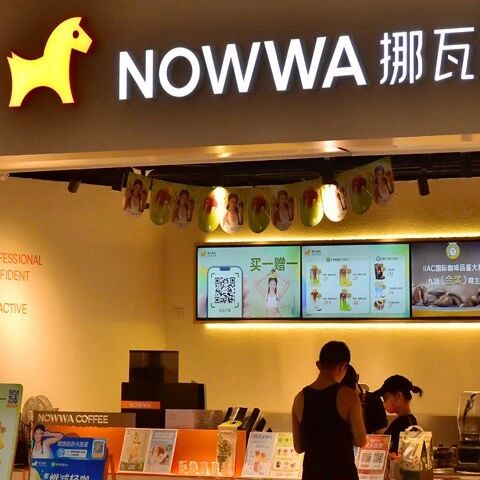
Core Viewpoint - The article discusses the rapid expansion of coffee brands in China, particularly focusing on the emergence of four major players: Luckin Coffee, Kudi Coffee, Lucky Coffee, and Nova Coffee, which have collectively reached over 10,000 stores, marking a significant milestone in the coffee industry [4][15]. Group 1: Market Dynamics - Nova Coffee has recently surpassed 10,000 stores globally, joining the ranks of other major coffee brands, with Luckin Coffee leading at 29,000 stores, Kudi at 15,000, and Lucky Coffee at 10,000 [4]. - The average consumer spending for these brands varies, with Luckin at 14.28 yuan, Kudi at 10.48 yuan, Lucky Coffee at 8.14 yuan, and Nova Coffee at 16.99 yuan, indicating a focus on affordable coffee options [4]. Group 2: Business Model and Strategy - Nova Coffee's unique approach involves a "store-in-store" model, allowing it to expand rapidly with minimal investment, leveraging existing foot traffic from partner establishments like restaurants and convenience stores [12][20]. - The initial investment to open a Nova Coffee outlet in a convenience store is approximately 1.6 million yuan, significantly lower than traditional standalone coffee shops, which can cost between 180,000 to 230,000 yuan [22][23]. Group 3: Competitive Landscape - The article highlights the competitive strategies of the four major coffee brands, noting that Kudi Coffee has achieved rapid expansion in just two years, while Nova Coffee has focused on a more gradual approach with a strong emphasis on online sales and partnerships [16][28]. - Nova Coffee's growth strategy includes a shift back to the "store-in-store" model after experimenting with independent stores, indicating a flexible approach to market demands [19][24]. Group 4: Future Outlook - Nova Coffee aims to reach over 30,000 stores by 2030, with a focus on maintaining profitability and brand integrity amidst rapid expansion [26]. - The article emphasizes the importance of sustainable growth models and the need for brands to differentiate themselves in a saturated market, questioning how they will maintain consumer loyalty as coffee becomes ubiquitous [29][30].

大厂扎堆智能眼镜,但谁也说不清它到底是啥
36氪· 2025-12-24 13:35
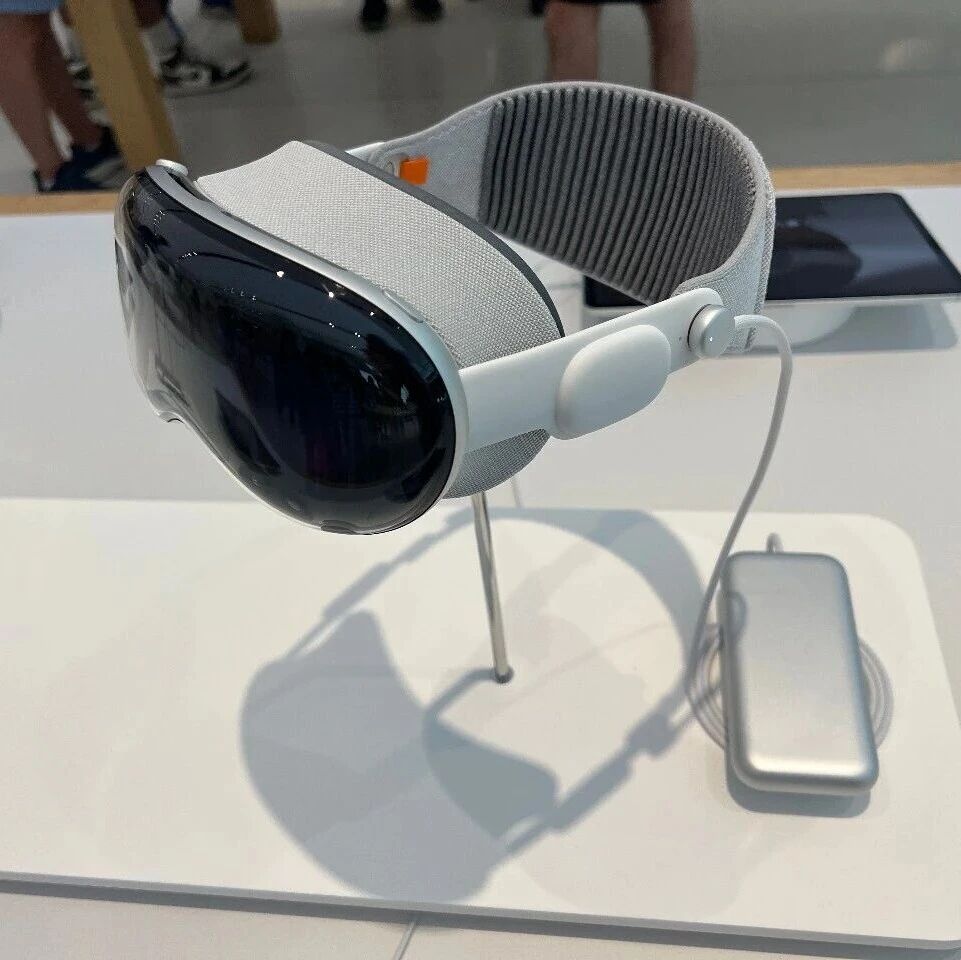
Core Viewpoint - The article discusses the current state and challenges of defining smart glasses and XR devices, highlighting the lack of a unified definition and the diverse functionalities and target audiences of these devices [4][5][11]. Group 1: Definition and Evolution of Smart Glasses - Smart glasses and XR devices have evolved into various forms with different functionalities, experiences, and target users, making it difficult to categorize them under a single definition [5][17]. - The ideal smart glasses should combine the form of glasses, AI capabilities, and immersive vision, similar to how the iPhone was defined as a combination of phone, iPod, and internet [18][20]. - The industry lacks a clear definition for smart glasses, leading to confusion among manufacturers and consumers regarding their purpose and capabilities [25][39]. Group 2: Industry Challenges and Manufacturer Strategies - Companies like Apple are facing strategic challenges in the smart glasses market, with reports indicating a shift towards lighter, AI-focused glasses after setbacks with heavier XR headsets [28][30]. - The success of products like Ray-Ban Meta is attributed to their aesthetic appeal and functionality rather than their AI capabilities, indicating that design and user experience are critical for market acceptance [36][41]. - The article emphasizes that the current state of AI hardware lacks a successful case, and the potential for smart glasses to replace smartphones remains uncertain, with the possibility of coexisting instead [40][41]. Group 3: Future Prospects and Industry Direction - The future of smart glasses hinges on manufacturers' ability to clarify what smart glasses truly are and to develop products that effectively integrate the necessary technologies [43]. - The article suggests that the industry must move beyond the experimental phase to establish a coherent narrative around smart glasses, which could lead to their eventual success and acceptance in the market [43].

深势科技8亿融资背后:从科研作坊到中国版DeepMind
36氪· 2025-12-24 13:35
Core Insights - The article discusses the rapid growth and development of DeepMind Technology, highlighting its recent C-round financing of over 800 million RMB, leading to a valuation exceeding 6 billion RMB. The financing was supported by both existing and new investors with strong industry backgrounds [4][5][25]. Group 1: Company Background - DeepMind Technology started in 2018 with a few research papers and has since secured hundreds of millions in financing, becoming a key player in the AI for Science (AI4S) sector [5]. - The company was founded by Zhang Linfeng and his peers, who realized the potential of AI in molecular dynamics simulations, achieving results that previously required extensive computational resources [8][9]. Group 2: Key Milestones - The company won the national disruptive technology innovation competition, receiving 12 million RMB in funding, which validated their technological intuition [8]. - In 2020, the founders received the Gordon Bell Award, a prestigious recognition in high-performance computing, further enhancing their credibility and attracting investment [8]. Group 3: Talent Acquisition - The recruitment of top talent, such as AI expert Ke Guolin from Microsoft Research Asia, marked a significant turning point for the company, allowing it to scale its operations and enhance its algorithm capabilities [12][13]. - Ke Guolin's team successfully replicated Google DeepMind's AlphaFold2, becoming the first globally to achieve this feat, which significantly boosted the company's reputation in the AI4S field [14][16]. Group 4: Business Strategy - DeepMind Technology chose to focus on being a software platform rather than a biotech company, aiming to build trust with pharmaceutical clients by avoiding direct competition in drug development [19]. - The company aims to become a "Dassault Systemes of the micro-world," addressing fundamental issues in molecular research applicable across various industries, including pharmaceuticals and materials science [19]. Group 5: Super Laboratory Initiative - To bridge the gap between AI predictions and practical applications, DeepMind established a "super laboratory" to automate experimental processes, enhancing the efficiency of scientific research [21][22]. - This initiative aims to create a continuous supply of high-quality experimental data, which will feed back into AI models, forming a data flywheel that benefits the entire AI4S industry [23]. Group 6: Market Position and Future Aspirations - The recent C-round financing from state-backed institutions signals a recognition of AI4S as a strategic national infrastructure, emphasizing its importance in overcoming technological bottlenecks [25]. - Despite facing valuation pressures compared to U.S. counterparts, the company believes it can achieve a breakthrough akin to AlphaFold, which would significantly enhance its market perception and investment appeal [27].

普通人也有飞行梦
36氪· 2025-12-24 13:35
Core Viewpoint - The article discusses the journey of YingShi in developing a consumer-grade drone that offers a unique panoramic experience, aiming to make drone flying accessible to ordinary people, while overcoming significant technical and market challenges [2][10][29]. Group 1: Company Background and Initial Challenges - YingShi is a company focused on exploring visual limits, initially venturing into the sky with the "瞳Sphere," a panoramic camera accessory that faced challenges due to weight and interference issues [5][6]. - The company recognized the difficulty of entering the drone market dominated by established giants and the need for substantial funding to develop a new consumer drone [7][8]. - The past decade has seen many competitors in the drone industry fail due to various reasons, including performance issues and market saturation [8]. Group 2: Development of the YingLing Project - The YingLing project began five years ago, with the aim of creating a new consumer experience that could differentiate YingShi from established competitors [10]. - The team faced significant technical challenges, particularly in flight control and image transmission systems, which required a deep understanding of both hardware and software integration [17][21]. - The initial development involved a small team with relevant experience, focusing on gradual progress and internal talent rather than public recruitment [18]. Group 3: Innovative Solutions and Product Design - The team proposed an innovative approach to achieve the desired filming effects without relying on traditional drone speed and control, utilizing panoramic cameras and post-processing techniques [16]. - The design philosophy emphasized creating a drone that could be operated easily by ordinary users, moving away from traditional joystick controls to a motion-sensing remote control [32][34]. - The team aimed to create a lightweight drone under 250 grams to avoid regulatory issues, which posed structural design challenges [28][30]. Group 4: Technical and Production Challenges - The complexity of drone manufacturing involves a long assembly chain and high precision, with each component's performance affecting the overall system [50][54]. - Extensive testing was conducted to ensure safety and reliability, with the drone undergoing nearly 70,000 flight tests before its official launch [52][56]. - The product's successful launch in China generated over 30 million yuan in sales within 48 hours, indicating strong market acceptance [56]. Group 5: Brand Identity and Market Positioning - The brand name "Antigravity" reflects the company's spirit of challenging norms and pushing boundaries in the drone industry [59][63]. - The team aimed to create a distinct brand identity that stands out in a market dominated by traditional designs, drawing parallels to the innovative approach taken by Sony in the gaming industry [64].

「断亲」之后,又流行群居网红了?
36氪· 2025-12-24 13:35
现实关系一塌糊涂,电子关系欣欣向荣。 文 | 刘小土 编辑 | 李春晖 来源| 娱乐硬糖(ID:yuleyingtang) 封面来源 | IC Photo 嚷嚷着 "断亲"的人们很快又意识到,孤独的人或许还是可耻的。这种心理转向在最新的短视频流行文案里一览无余。 以下文章来源于娱乐硬糖 ,作者刘小土 娱乐硬糖 . 有温度的泛娱乐产业自媒体。娱乐人物的商业解读,资本客厅的莎士比亚。 群居博主的多重宇宙 大概是年底让人多愁善感,网友们纷纷翻开了社交账簿: "朋友这一页,应是兰芝同芳、管鲍同契","家人这一页,应是椿萱并茂、棠棣同馨",再到恋 人、夫妻、亲戚……各种关系被围裹上精美修辞,与之搭配的视频则往往是"人山人海"。 在影视领域,群像剧一直很热门,也出过不少爆款。现在,这种概念被平移到短视频创作里,且变成了网友的口头用语。如今描述 "人多热闹",常用的说 法就是"伟大群像"。 而当越来越多人相信,一群人的故事比一个人的故事更有魅力,群居型创作也就成为一条冉冉升起的赛道,并且快速细分为不同流派。 这其中,新博主快 乐合租正在弯道超车,老网红自制 "综艺"一直江山稳固,同性拼团生活则堪称中年减速带。 评论区的围观 ...

史上最大IPO来袭?SpaceX凭什么值1.5万亿美元?
36氪· 2025-12-24 09:51
Core Viewpoint - SpaceX's valuation of $1.5 trillion raises questions about whether it is a bubble or a reflection of future potential, with significant contributions from its Starlink project and ambitious plans for space AI computing [4][7][9]. Group 1: Business Model and Revenue Streams - SpaceX is not just a rocket company; it generates significant revenue from its Starlink satellite internet service, projected to contribute approximately $128 billion by 2025, accounting for 70.3% of total revenue [11][12]. - The company’s revenue model includes $51 billion from launch services and $3 billion from human landing systems, with total projected revenue of $182 billion by 2025 [12]. - Starlink has rapidly expanded its user base from 900,000 at the end of 2021 to over 8 million currently, covering more than 150 countries [17][19]. Group 2: Technological and Strategic Advantages - SpaceX's success relies on its ability to launch satellites at a low cost, with Falcon rockets reducing launch costs to less than one-tenth of traditional rockets [26]. - The company has established a self-sustaining cycle where revenue from Starlink supports rocket development, which in turn lowers costs for future satellite launches [37]. - The ambitious concept of "space AI computing" aims to leverage the unique conditions of space for cost-effective AI training and processing, potentially creating a new revenue stream [31][34]. Group 3: Challenges and Risks - SpaceX faces significant technical challenges, particularly with the Starship program, which is crucial for its future ambitions [42][46]. - The company’s reliance on government contracts and support poses a risk, as political dynamics can impact its operations and funding [50][53]. - The competitive landscape is intensifying, with new entrants and established players like Blue Origin and various national space agencies increasing competition in the commercial space sector [75][83]. Group 4: Market Dynamics and Future Outlook - The global market for satellite internet and space services is evolving, with increasing competition from both private companies and state-sponsored initiatives [76][81]. - SpaceX's valuation hinges on its ability to maintain user growth for Starlink and successfully execute its ambitious projects, including space data centers and lunar missions [66][90]. - The future of SpaceX and its valuation will depend on navigating complex technological, political, and commercial landscapes, with the potential for significant rewards if successful [89].

拼多多再造「拼多多」
36氪· 2025-12-24 09:51
11月19日,拼多多2025年第三季度财报发布次日,公司披露了6-k文件,要在12月19日举行股东大会。 这则通告当时并未引起太大关注。 彼时,市场目光还聚焦在财报数据的增减之间,没人预料到,这场看似常规的会议,会释放一系列重磅消息。 重磅之一,拼多多宣布升级治理架构,实行联席董事长制度,联合创始人赵佳臻获任联席董事长,与陈磊共同担任联席董事长兼联席CEO。 而此次调整,被外界解读为对赵佳臻过往两年工作成效的高度认可,自2023年4月出任联席CEO以来,他始终将供应链升级与高质量发展作为核心战略,带 领平台完成了一场深刻的生态变革。 对此,陈磊在股东大会上给出了高度评价:"自赵佳臻担任联席CEO以来,我们的供应链已发展成为支撑整个平台和相关生态的关键,3年时间Temu走了拼 多多差不多十年成长的路,很不容易。在集团新十年的当口,我们更要回归初心不忘本,这既是一切的前提和基础,也是实现新跨越的根本动能。" 一场供应链驱动的增长奇迹 过去三年,是全球出口贸易竞争白热化的三年。 重仓中国供应链,拼多多的出海远征。 地缘政治博弈加剧了贸易壁垒,海外消费市场在通胀压力下持续疲软,传统外贸的大单模式逐渐被碎片化的小订单取 ...

为什么越来越多品牌开始故意做小众?
36氪· 2025-12-24 09:51
Core Insights - The article discusses the shift in marketing strategies from targeting mass markets to focusing on niche markets, highlighting that brands are increasingly finding success by catering to specific consumer needs rather than trying to appeal to everyone [4][11][53]. Group 1: Market Dynamics - The traditional approach of mass marketing is becoming less effective as consumer preferences evolve and markets become saturated [15][19]. - Brands that once dominated through broad appeal are now facing challenges as they attempt to satisfy diverse consumer demands, leading to increased competition and lower profit margins [12][16]. - The rise of niche brands is attributed to their ability to address specific pain points that larger brands overlook, allowing them to establish a loyal customer base and maintain pricing power [17][41]. Group 2: Consumer Behavior - Modern consumers, particularly younger generations, prioritize self-expression and individuality in their purchasing decisions, often choosing niche products that reflect their personal values and identities [28][30]. - The shift from functional needs to self-expression means that consumers are willing to pay a premium for products that resonate with their personal beliefs and lifestyles [30][41]. Group 3: Marketing Strategies - Successful niche brands focus on creating exceptional products tailored to specific market segments, often disregarding broader appeal in favor of deep engagement with a targeted audience [35][37]. - The effectiveness of marketing has shifted from mass persuasion to attracting the right audience through unique brand values and aesthetics, reducing marketing costs while increasing customer loyalty [49][51]. - Brands like Lululemon and Patagonia exemplify this strategy by initially targeting specific consumer groups and building strong brand identities that resonate with their core audience [43][44]. Group 4: Future Implications - The article suggests that the concept of a unified mass market is fading, with brands needing to adapt by embracing niche strategies to survive in an increasingly fragmented market [53][54]. - Companies that fail to develop a distinct niche focus risk becoming irrelevant in a landscape dominated by specialized brands that cater to specific consumer needs [55][56].