华尔街见闻

Search documents
降息25基点“板上钉钉”、50“难度很大”,对于美联储,市场“想要的更多”
华尔街见闻· 2025-09-15 10:42
Brandywine Global Investment Management债券投资组合经理Jack McIntyre表示:"我的直觉告诉我是25基点。问题在于美联储在声明中是否会更多强调就 业而非通胀。" 本周FOMC利率决议,市场确信美联储至少降息25个基点,但这已经无法满足激进预期,投资者已经为延续至2026年的一系列降息进行了定价。 目前金融市场普遍倾向于认为, 就业形势的担忧将在本周利率决议中占据主导地位,美联储将传达鸽派基调。 市场已消化了美联储为避免经济衰退而将在 2026年前持续降息的预期,这种乐观情绪推动美债收益率跌至数月低位,美股屡创新高。 在债券市场,基准10年期美债收益率接近4月以来最低水平,标普500指数逼近历史高位,纳斯达克100指数刚刚录得一年多来最长连涨纪录。 然而,由于通胀水平仍高于目标,关税对价格的影响仍在发酵, 分析认为,美联储主席鲍威尔及其他官员可能发出信号,暗示投资者过于激进,从而引发资产 价格的重新定价。鲍威尔讲话和美联储官员利率预测"点阵图"是本次决议的关注重点。 25基点几成定局,50基点存在小概率可能 市场对本周三美联储降息25基点的预期已接近100%确定性 ...


智能科技领跑者的中场战事:中高端战略夯实“基本盘”,“创新”打开增长天花板
华尔街见闻· 2025-09-15 10:42
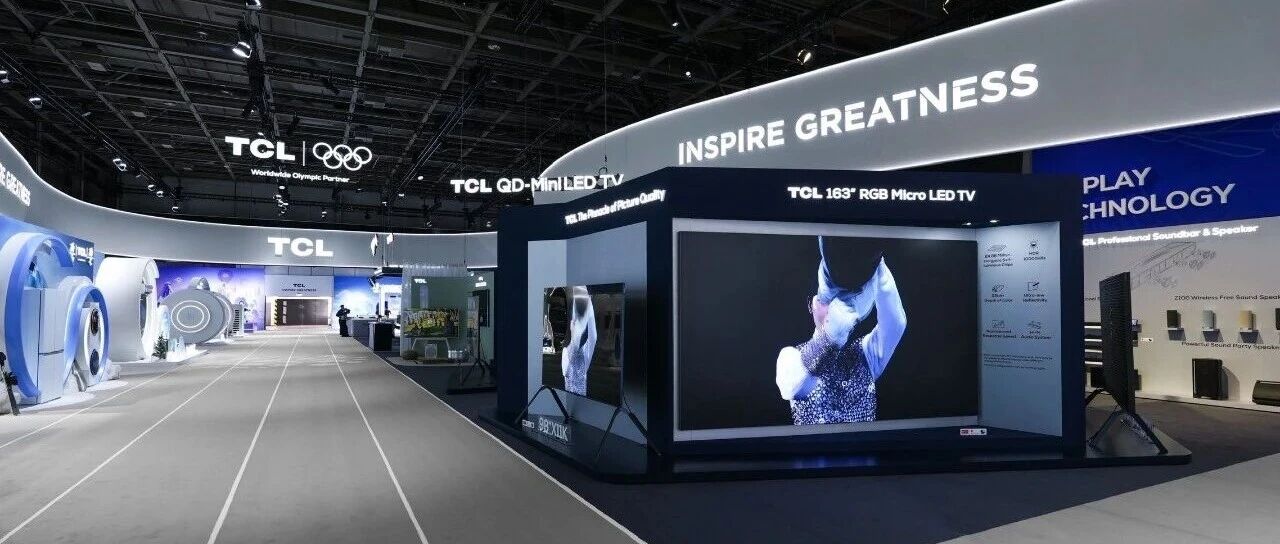
Core Viewpoint - TCL Electronics has demonstrated strong performance in the context of a slowing global black electronics market, achieving quality growth in its core business and significant innovation breakthroughs, leading to a 20.4% year-on-year revenue increase to HKD 54.78 billion in the first half of 2025 [1][2]. Financial Performance - In the first half of 2025, TCL Electronics reported a post-tax profit of HKD 1.05 billion, a 60.5% increase year-on-year, and an adjusted net profit attributable to shareholders of HKD 1.06 billion, up 62.0% year-on-year [1]. - The company's television business revenue grew by 9.4% to HKD 28.35 billion, with a gross margin increase of 0.5 percentage points to 15.9% [5]. Strategic Focus - TCL Electronics is committed to a "high-quality development" strategy, aiming for long-term goals where net profit growth outpaces revenue and sales growth [2]. - The company is focusing on a "mid-to-high-end + globalization" strategy to navigate the current market uncertainties and enhance its competitive position [2]. Market Trends - The TV market is experiencing structural growth trends towards larger and higher-end products, with a significant increase in demand for Mini LED technology [3][4]. - The domestic TV market has surpassed a 50% penetration rate for large screens, while the overseas market is gradually catching up, presenting opportunities for TCL [3]. Innovation and Technology - TCL Electronics is exploring Micro LED technology and AI to enhance operational efficiency and expand into new markets such as smart glasses and companion robots [2][9]. - The company launched the 163-inch Micro LED television X11H Max, featuring advanced specifications that enhance picture quality [7]. Competitive Position - TCL Electronics has solidified its position as the second-largest global TV manufacturer, with a 7.6% year-on-year increase in global TV shipments to 13.46 million units in the first half of 2025 [5]. - The company leads the global market in Mini LED TV shipments, showcasing its technological advancements and market responsiveness [5]. Future Outlook - The market for companion robots is projected to reach USD 117.3 billion by 2033, with a CAGR of approximately 18%, indicating significant growth potential for TCL's innovations in this area [13]. - TCL's strategic focus on AI and AR/XR technologies is expected to open new growth avenues, enhancing its brand presence globally [14].
苹果iPhone 17预售跟踪:Pro Max最抢手,Air最差,中国市场需求强劲
华尔街见闻· 2025-09-15 10:42
Core Viewpoint - Citi's latest report on the first-day pre-sale tracking of the iPhone 17 reveals key signals regarding Apple's future performance, highlighting strong demand in specific markets and a continued trend towards high-end models [1] Group 1: Demand Trends - High-end models remain the most popular products for Apple, with the iPhone 17 Pro Max having the longest delivery times, followed by the Pro model [2][3] - There is a significant regional differentiation in market demand, with longer delivery times for the iPhone 17 series in China and India compared to shorter wait times in the US and UK [5] - The strong demand in the Chinese market is particularly noteworthy, with delivery times for the iPhone 17 series, especially the base model, significantly longer than last year [6] Group 2: Market Analysis - The high-end trend continues, as evidenced by the iPhone 17 Pro Max being the most sought-after model, indicating that high-end consumers are still pursuing top features and performance [4] - The new iPhone Air model is the least popular, attributed to its relatively high price, smaller battery capacity, and fewer camera features, making it less attractive in a competitive product lineup [4] Group 3: Pricing Strategy - The starting price of the iPhone 17 in China is set at 5,999 RMB, which aligns with the government subsidy cap of 6,000 RMB, suggesting that this pricing strategy may be a key driver for stimulating demand in the complex Chinese market [6] Group 4: Valuation and Price Target - Based on a comprehensive assessment of Apple's business, Citi analysts have set a target price of $245 for the company, reflecting an approximately 8% premium over Apple's historical valuation based on a 28x P/E ratio for the fiscal year 2027 [7] - As of the report, Apple's stock is priced at $234, indicating a potential upside of 4.7% to reach Citi's target price [9]


华尔街“最火的词”:Run it hot!
华尔街见闻· 2025-09-15 10:42
Group 1 - The core logic of the "Run it hot" strategy is that tax cuts and interest rate reductions will jointly "heat up" the economy, triggering a new wave of growth [1] - The market performance reflects this enthusiasm, with the Dow Jones Industrial Average surpassing 46,000 points for the first time, and both the S&P 500 and Nasdaq Composite Index reaching historical highs [1] - Despite the optimistic market sentiment, there are concerns regarding weak employment reports and tariffs potentially dragging down economic growth, highlighting a divergence in views [1][4] Group 2 - The "Run it hot" trading strategy is based on the belief that the U.S. economy will perform strongly under supportive monetary and fiscal policies, even amidst negative data [3] - Investors' optimism is supported by the notion that the economy is still growing and that a potential rate cut by the Federal Reserve could create a favorable environment for risk assets [4] - However, some analysts warn that investors may be misreading the current economic conditions, with evidence suggesting a gradual economic slowdown that could pressure cyclical sectors [6] Group 3 - Data released indicates concerning signals, such as a revision showing that the U.S. added 910,000 fewer jobs than initially reported over the past year [5] - Bob Elliott expresses skepticism about the optimistic outlook, noting that even a slowdown in growth could disappoint investors expecting significant profit increases [7] - The bond market's performance suggests a more complex investor psychology, as rising bond prices typically indicate expectations of an economic slowdown [7] Group 4 - The rise of AI may be reshaping traditional economic narratives, with indicators of consumer strength remaining robust despite a weak labor market [9] - Lower borrowing costs could further fuel investment in the AI sector, as evidenced by Oracle's announcement of multi-billion dollar contracts, significantly boosting its market value [9] - Economists suggest that the ongoing technology investment cycle provides underlying support for the economy, although concerns about the labor market are increasing [10]

市场监管总局:进一步调查英伟达
华尔街见闻· 2025-09-15 08:31
⭐星标华尔街见闻,好内容不错过 ⭐ 本文不构成个人投资建议,不代表 平台 观点,市场有风险,投资需谨慎,请独立判断和决策。 觉得好看,请点"在看" 英伟达违反反垄断法 市场监管总局依法决定实施进一步调查 9月15日,国家市场监管总局官网发布公告称,近日,经初步调查,英伟达公司违反《中华人民共和 国反垄断法》和《市场监管总局关于附加限制性条件批准英伟达公司收购迈络思科技有限公司股权案 反垄断审查决定的公告》,市场监管总局依法决定对其实施进一步调查。 ...


关于预制菜,新华社、人民日报、央视发声
华尔街见闻· 2025-09-15 07:03
Core Viewpoint - The recent controversy surrounding pre-prepared dishes (pre-cooked meals) has sparked significant public interest, particularly regarding consumer rights and the quality of dining experiences. The discussion emphasizes the need for clearer definitions, reduced information asymmetry, and maintaining food quality while providing convenience [3][25]. Group 1: Definition and Classification of Pre-prepared Dishes - Pre-prepared dishes are defined as meals made from one or more food products that undergo industrial pre-processing and require heating or cooking before consumption. They do not contain preservatives [5][16]. - Foods that do not fall under the category of pre-prepared dishes include simply processed fresh vegetables, frozen staple foods, and meals prepared in central kitchens that comply with food safety regulations [6][7][10]. Group 2: Safety and Regulatory Measures - The regulatory framework emphasizes the importance of strict food safety management, including the establishment of food safety management systems and rigorous quality control of raw materials [11]. - There is a call for enhanced supervision and inspection of pre-prepared dish production, focusing on quality control throughout the supply chain [11][24]. Group 3: Consumer Rights and Transparency - The promotion of transparency regarding the use of pre-prepared dishes in restaurants is crucial to safeguard consumer rights. Consumers should be informed about the nature of the dishes they are purchasing [12][22]. - The discussion highlights the need for a clear labeling system and the establishment of a complaint mechanism for consumers to report misleading practices [24][25]. Group 4: Industry Development and Future Directions - The pre-prepared dish industry is recognized as a significant component of the food industry, with calls for standardized regulations and innovative practices to enhance quality and safety [23][24]. - Experts suggest that the future of the pre-prepared dish industry lies in standardization, transparency, and innovation, which will help build consumer trust and support industry growth [24].

西贝发布致歉信
华尔街见闻· 2025-09-15 05:41
9月15日下午,西贝官方微博发布致歉信,全文如下: ヘHJ/ベロ) 以外取扱手HJ心切J0 同时,请每一位顾客放心,西贝始终坚守严 格的食品安全底线,严格遵守国家相关法律 法规。 此刻西贝全体伙伴已积极行动起来,就顾客 关心的问题进行逐一改善。 为了满足广大顾客的需求,让顾客拥有更好 的体验。我们将尽可能把中央厨房前置加工 工艺调整到门店现场加工。 2025年10月1日前,西贝全国门店会陆续完成 以下调整: 1、西贝所有使用大豆油烹调的菜品,调整为 使用非转基因大豆油。 2、儿童餐吃光光牛肉焖饭牛肉酱,调整为门 店现炒。 7、酥皮肉夹馍卤肉,调整为生肉在门店现卤。 8、手撕椒麻鸡,调整为生鸡在门店现煮。 9、燕麦小米粥中的金瓜泥,调整为门店现熬 小米粥,加入新鲜金瓜片熬制。 关于广大顾客关心的保质期问题,我们正在 与上游供应商积极沟通,在保证食品安全和 库存周转的前提下,尽量缩短保质期。 但我们深知这些改善是远远不够的,我们欢 迎顾客继续提出改善建议。我们将积极持续 整改。 正如西贝餐饮创始人贾国龙向顾客所做的 承诺: 做饭的围着吃饭的转,你说昨好就咋办。顾 客虐我千百遍,我待顾客如初恋。 西贝从今以后打明牌 ...

“央行超级周”来了--这36小时交易员要“连轴转”了
华尔街见闻· 2025-09-14 11:44
全球金融市场即将迎来一个"央行超级周", 一场密集的利率决策风暴将在约36小时内席卷全球。 从美联储到日本央行,多家主要央行将相继公布利率决议,其政策走向将为全球经济的最后季度定下基调,并直接影响着全球半数交易最活跃的货币。 备受瞩目的焦点是美联储, 市场普遍预期其将宣布自特朗普第二任期以来的首次降息。 在美联储做出决定前, 周二公布的美国零售销售数据将是最后的重要参考。 经济学家预测8月零售额增长0.3%。在劳动力市场不稳和物价上涨的背景下,消费 者的持续消费能力存有疑问。 此外,周四的失业救济申请数据将揭示上周的就业数据跳升是暂时现象还是市场持续恶化的前兆。 长期以来,白宫一直敦促降低借贷成本,而美联储主席鲍威尔则对关税驱动的通胀保持警惕。 然而,近期劳动力市场的疲软迹象,为降息亮起了绿灯,多数经 济学家预计降息幅度为25个基点。 紧随其后,加拿大央行也预计将采取降息行动。而英格兰银行在8月出现罕见的三方意见分歧后,此次可能维持利率不变。周期的尾声将由日本央行画上句 号,该行虽有紧缩倾向,但预计短期内不会采取行动。 这些决策将对占全球经济总量五分之二的经济体产生影响,包括七国集团(G7)中的四个国家。 对 ...

美银Hartnett:弱美元周期开启,“除美元外皆可买”时代来临
华尔街见闻· 2025-09-14 11:44
Core Viewpoint - The article discusses the transition from the "Anything But Bonds" (ABB) trading strategy to the "Anything But The Dollar" (ABD) paradigm, indicating a shift in market dynamics and investment strategies [1]. Market Expectations - The market is closely watching the upcoming Federal Reserve meeting, with expectations of at least a 25 basis point rate cut, which is perceived as credible amid a backdrop of accelerating U.S. economic growth [2]. - The current market reaction suggests a resurgence of risk parity strategies, breaking through highs for 2024 [2]. Asset Performance - Year-to-date, asset performance has shown significant divergence, with gold leading at a 38% increase, outperforming global equities (25%) and Bitcoin (23%) [4]. - In contrast, the dollar and oil have been the biggest losers, down 10% and 13% respectively, supporting the view of a weakening dollar [5]. Economic Growth and Market Trends - Hartnett predicts that U.S. nominal GDP growth, which surged by 54% since 2020, will peak in 2025, slowing from a 6% annual growth rate to 4% due to weakening government spending and labor market conditions [9]. - The peak in nominal growth typically signals a peak in bond yields, suggesting the end of a prolonged bear market in bonds by 2025 [13]. Investment Opportunities - The end of the ABB trading cycle is expected to benefit long-neglected, interest-sensitive assets such as small-cap and value stocks, which are currently at near-historic low rolling return rates compared to large-cap stocks [14][13]. - Hartnett emphasizes the importance of embracing the ABD theme, advocating for investments in non-dollar assets, particularly in international markets, as the dollar weakens and fiscal expansions occur in Europe and Japan [16]. AI Bubble and Credit Market Risks - While AI remains a bright spot in the market, there are risks associated with the rapid increase in capital expenditures for AI, which have surged from 35% to 72% of cash flow in 2023 [18]. - The technology sector's credit spreads are at their narrowest since 1997, indicating a lack of concern among credit investors regarding the risks associated with the AI sector's spending [20]. Policy, Profits, and Political Landscape - Hartnett uses the "PPP" framework to analyze the current situation, noting that the Fed's anticipated rate cuts are seen as preemptive, which has led to a narrowing of credit spreads and a rise in interest-sensitive stocks [24]. - The labor market is weak, with an average of only 64,000 new jobs added monthly over the past six months, but this is offset by a strong "K-shaped" wealth effect [25]. - Political risks are rising due to populism, high inflation, and significant wealth disparity, which may lead to policies reminiscent of the early 1970s aimed at reducing unemployment while controlling inflation [27][28].

50元一晚的酒店,估值570亿
华尔街见闻· 2025-09-14 11:44
Core Viewpoint - OYO, a leading budget hotel chain, is preparing for an IPO with a target valuation of $8 billion (approximately 57.2 billion RMB), highlighting the potential profitability of low-cost accommodations in the global market [7][9][12]. Group 1: Company Overview - OYO currently operates over 22,700 hotels with a total of 119,000 rooms, maintaining an average price of around 50 RMB per night [9]. - The company achieved a net profit of 6.23 billion INR (approximately 500 million RMB) in the fiscal year 2024, with nearly 80% of this profit coming from markets outside India, including China [9][10]. Group 2: Financial Performance - OYO's aggressive pricing strategy has led to a high occupancy rate of 90% in its first month of operation, despite facing criticism from competitors for its "predatory pricing" [9][11]. - The company has successfully reduced its expenses by 16% in the fiscal year 2024 by repaying 165 billion INR (approximately 13.4 billion RMB) of debt accumulated during its rapid expansion [11][14]. Group 3: IPO Plans - OYO's IPO is anticipated to take place in November 2023, with significant interest from major investment banks and investors, indicating a favorable market outlook [12][13]. - The IPO is seen as a strategic move to improve OYO's brand image and shed its "budget hotel" label, aligning with its plans to expand its high-end hotel brand, SUNDAY, into 30 countries by 2026 [13][16]. Group 4: Historical Context - OYO was founded by Ritesh Agarwal, who dropped out of college to pursue entrepreneurship, initially starting with a concept similar to Airbnb before pivoting to a budget hotel model [20][22]. - The company quickly gained traction, becoming a unicorn by 2018 with a valuation of $5 billion, and later reaching a peak valuation of $10 billion in 2019 [23][26].