和讯

Search documents
肆月河豚融了3000万:从小品类到全链条、低价格
和讯· 2025-07-24 10:29
Core Viewpoint - The company, Suyue Pufferfish, has completed a 30 million yuan Series B financing round, achieving a post-investment valuation of 450 million yuan, with plans to enhance supply chain construction, expand restaurant networks, and accelerate the incubation of fast-food sub-brands [1][2] Financing and Investment Plans - The recent 30 million yuan funding will primarily be used for supply chain development, including upstream cultivation and processing, as well as retail channel expansion [4][1] - The company aims to invest in new product development and retail, acknowledging that retail can be costly [4][1] Business Growth and Market Position - Following the lifting of the pufferfish ban, Suyue Pufferfish has expanded its business significantly, with over ten locations across various provinces [2][1] - The company has developed a full pufferfish industry chain, including cultivation, processing, and distribution, which is crucial for maintaining competitive pricing [3][1] Supply Chain Development - The supply chain currently covers all provinces in China except Taiwan, with over 1,000 downstream clients, primarily in mid-to-high-end dining [6][1] - The supply chain business is projected to account for approximately 60% of total revenue by 2024, with annual growth rates exceeding 10% [6][1] Response to Market Trends - The company is adapting to a trend of consumer spending downscaling by reducing the price of private dining rooms from over 500 yuan to around 300 yuan [7][1] - A new standardized small store concept, "Suxiaoyue," has been launched in collaboration with JD.com, targeting a lower price point of around 50 yuan per person [7][1] Future Expansion Plans - The standardized small store model is expected to be the main driver of future expansion, with plans to open up to 100 or even 1,000 locations in lower-tier cities [8][1] Industry Insights - The current pufferfish market in China is estimated to be around 10 billion yuan, indicating significant growth potential [14][1] - The company emphasizes the need for better integration of upstream supply chains to stabilize market demand and pricing [14][1]


这粒美元的“速效救心丸”,该怎么玩
和讯· 2025-07-23 10:16
Core Viewpoint - The article discusses the rapid transformation of the international monetary system, particularly focusing on the rise of cryptocurrencies and the explosive growth of stablecoins, which pose structural challenges to the Chinese yuan and highlight the need for cautious responses from China [1][2]. Group 1: Stablecoin Market Dynamics - The total market capitalization of global stablecoins has exceeded $260 billion, a 12-fold increase from $20 billion in 2020 [2][7]. - The dominance of USD stablecoins is significant, accounting for over 85% of the market, reinforcing the USD's position as the global reserve currency [2][7]. - The U.S. Treasury Secretary has emphasized that stablecoins will enhance the global reach of the USD and increase demand for U.S. Treasury bonds, which are key reserve assets supporting stablecoins [2][7]. Group 2: China's Response to Stablecoins - The Shanghai Municipal State-owned Assets Supervision and Administration Commission has signaled a shift towards a more open attitude regarding digital currencies, contrasting with previous strict regulations against virtual currency trading [3][9]. - There is a notable divergence in opinions among experts regarding the development path of the Chinese yuan stablecoin, with some advocating for an open and proactive approach while others suggest a more cautious "offshore first" strategy [4][12]. - The potential for a yuan stablecoin to stimulate demand for the yuan is highlighted, especially given the high internal and external flow of stablecoins in the Asia-Pacific region [10]. Group 3: Regulatory Developments - The U.S. has initiated federal-level legislation for stablecoins, while Hong Kong's stablecoin regulations are set to take effect, indicating a global race surrounding stablecoin frameworks [5][6]. - The upcoming stablecoin regulations in Hong Kong will require stablecoins to be backed by 100% of the same currency's high-quality reserve assets, laying a legal foundation for offshore yuan stablecoins [13]. Group 4: Challenges and Opportunities for Yuan Stablecoin - The lack of liquidity in the offshore yuan market is a significant challenge, with current offshore yuan deposits and products only slightly above one trillion [14]. - Experts suggest that increasing the issuance of yuan government bonds in offshore markets and enhancing hedging products could improve the liquidity and usage of the yuan [14]. - The unique advantages of a yuan stablecoin include leveraging China's manufacturing leadership to integrate into global trade and payment systems, potentially reducing the dominance of the USD [11][12].
以创业板定投助力“长钱长投”天弘基金联合深交所举办ETF大讲堂活动
和讯· 2025-07-22 10:39
Core Viewpoint - The article emphasizes the growing importance of ETFs as a long-term investment tool in the Chinese market, particularly with the launch of a new dynamic PB-based investment strategy for the ChiNext index by Tianhong Fund and the Shenzhen Stock Exchange [1][2]. Group 1: ETF Market Overview - The domestic ETF market has surpassed 4 trillion yuan, with stock ETFs exceeding 3 trillion yuan, indicating a rising demand for index tools among investors [1]. - Tianhong Fund's total index fund management scale is projected to exceed 130 billion yuan by the end of 2024, ranking 9th in the industry, with over 90 products and more than 12 million holders [3]. Group 2: Investment Strategy - The newly introduced ChiNext investment strategy uses dynamic PB percentiles as a valuation anchor, promoting a "buy low, sell high" approach by adjusting investment amounts based on PB levels [2][5]. - The strategy aims to enhance investor experience by addressing four major pain points in regular investment practices, focusing on effective buying and selling conditions [2][4]. Group 3: Market Trends and Insights - The ChiNext index has been optimized to improve investment value, with new mechanisms for monthly removal of risk warning stocks and ESG negative screening, enhancing the quality of index samples [8]. - The overall valuation of the ChiNext is currently at a relatively reasonable historical level, indicating a higher probability of positive returns in the future [8]. Group 4: Educational Initiatives - The Shenzhen Stock Exchange has been actively promoting ETF product innovation and investor participation through educational events like the "ETF Lecture Hall," aiming to instill a scientific investment mindset among investors [4][10]. - The collaboration between Tianhong Fund and Ant Wealth has led to the development of practical tools such as "Target Investment" and "Index Traffic Light" to assist investors [3].

实际汇率三年累贬15%,人民币资产和外汇资产的配置选择题
和讯· 2025-07-22 10:39
Core Viewpoint - The article discusses the 20th anniversary of the "7·21" exchange rate reform, highlighting the significant changes in the RMB exchange rate since 1994, including a nearly 60% appreciation from 2005 to early 2022, followed by a depreciation of over 15% since 2022, indicating a deviation from reasonable valuation [1][5]. Group 1: RMB Exchange Rate Dynamics - The RMB's actual effective exchange rate has shown a trend of appreciation until 2022, but has since weakened significantly, reaching its lowest level in nearly a decade by March 2025 [1][4]. - The depreciation of the RMB is attributed to a combination of nominal effective exchange rate decline and a decrease in China's price level relative to trade partners, with the latter accounting for two-thirds of the decline [5][6]. - Despite a record trade surplus, the actual depreciation of the RMB has not been offset, indicating that lower prices have not translated into expected competitiveness in international markets [5][6]. Group 2: Economic Conditions and Policy Recommendations - Demand insufficiency is identified as the primary reason for the RMB's depreciation, exacerbated by price stickiness and market coordination failures [6][7]. - The article notes that while economic growth has shown resilience, investment growth has slowed, particularly in real estate, which has seen a significant decline [8][9]. - CF40 suggests that expanding domestic demand should be the core focus of macroeconomic policy in the second half of the year, with fiscal spending being a critical lever to stimulate total demand [10][11]. - The projected fiscal budget for 2025 indicates a significant increase in public spending, which could effectively boost total demand if achieved [10][11]. - Urban renewal is highlighted as a suitable area for government-led public investment to stimulate economic activity [12].
从“一年一考”到“五年一盘”,A股市场的慢变量来了
和讯· 2025-07-21 09:40
Core Viewpoint - The recent policy shift by the Ministry of Finance aims to guide insurance funds towards long-term and stable investments, moving from an annual assessment to a five-year evaluation cycle, which is expected to enhance the stability and structure of the A-share market [1][2][5] Group 1: Policy Changes and Implications - The new assessment mechanism for state-owned commercial insurance companies will focus on a combination of annual, three-year, and five-year performance indicators, with weights adjusted to 30%, 50%, and 20% respectively [2] - This adjustment is intended to align financial performance assessments with the actual operational cycles of insurance products, reducing the pressure for short-term financial results [2][3] - The policy is seen as a dual approach to encourage long-term investment behavior while providing clear guidelines for fund allocation in the A-share market [2][5] Group 2: Market Impact and Predictions - It is anticipated that the allocation of insurance funds in the A-share market will increase from approximately 11% to 15% or higher over the next two to three years, with a potential net increase of 300 billion to 500 billion yuan annually [5] - The long-term investment focus is expected to optimize the investment structure of insurance funds, leading to a gradual shift from defensive to a balanced investment strategy [5] - The influx of long-term capital is likely to reduce market volatility and enhance the market's resilience to external shocks, contributing to overall market stability [5][6] Group 3: Investment Preferences and Concerns - There are concerns that insurance funds may concentrate their investments in high-dividend stocks, which could contradict the goal of enhancing market vitality and structure [7][8] - However, high-dividend companies are typically stable and well-governed, and their attractiveness to insurance funds could lead to improved valuations and governance practices [8] - The regulatory framework encourages diversified investments, suggesting that insurance funds will not be limited to specific sectors but will consider a balanced risk-return profile [8][9] Group 4: Risk Management and Regulatory Considerations - The dual nature of insurance funds as stabilizers in the market and potential sources of systemic risk has been highlighted, emphasizing the need for robust regulatory frameworks [9][10] - Recommendations include strict monitoring of investment ratios, dynamic risk management, and enhanced transparency in risk disclosures to mitigate potential financial instability [9][10] - Historical lessons from the UK and US suggest that developing insurance products where investment risks are borne by policyholders could be a viable strategy for promoting insurance fund participation in the market [10]


国产Jeep是怎么死掉的
和讯· 2025-07-21 09:40
Core Viewpoint - The article discusses the rapid decline and eventual bankruptcy of GAC Fiat Chrysler (广汽菲克), highlighting the challenges faced by the brand in the competitive Chinese automotive market, particularly in the SUV segment, and the rise of domestic competitors that have filled the void left by the brand's exit [5][12][15]. Group 1: Company Overview - GAC Fiat Chrysler was established in 2010 as a joint venture between GAC Group and Stellantis, with an investment of approximately 17 billion yuan [5]. - The brand initially launched its first domestic model, the Fiat Viaggio, in 2012, but it did not achieve significant market impact [6]. - The introduction of the Jeep brand in 2015 marked a turning point, with sales peaking at 222,300 units in 2017, making it a leading new joint venture brand in China [6][7]. Group 2: Sales Decline - Starting in 2018, GAC Fiat Chrysler's sales began to plummet, dropping to 124,000 units that year and continuing to decline to just 20,000 units by 2021 [7]. - The decline was exacerbated by the "oil leak" incident involving the Jeep Cherokee, which led to a 43.6% drop in sales in 2018 [8]. - The brand's inability to adapt to the changing market dynamics, including the rise of electric vehicles and increased competition from established players, contributed to its downfall [9][12]. Group 3: Market Dynamics - The article notes that despite the brand's struggles, there remained a loyal customer base among off-road enthusiasts who appreciated the Jeep brand's heritage [10][11]. - However, domestic competitors like Tank 300 and Haval Dog have successfully captured the market share previously held by GAC Fiat Chrysler, offering high-performance, cost-effective alternatives [12][13]. - The shift in consumer preferences towards local brands has been significant, with these brands introducing advanced technologies and appealing marketing strategies that resonate with younger consumers [12][13]. Group 4: Future of the Jeep Brand - Despite the bankruptcy of GAC Fiat Chrysler, the Jeep brand plans to continue its presence in China through imported models, focusing on the high-end off-road segment [14][15]. - This strategic shift allows Jeep to concentrate on its core brand identity without the pressures of large-scale production, potentially leading to a more sustainable business model in the Chinese market [15].

荣耀CEO李健,闯关IPO 180天
和讯· 2025-07-18 09:47
Core Viewpoint - The article discusses the challenges and strategic changes faced by Honor under the leadership of CEO Li Jian, highlighting the company's efforts to regain market share and prepare for its upcoming IPO amidst a competitive smartphone landscape [3][4][15]. Group 1: Leadership Changes and Market Challenges - Li Jian took over as CEO of Honor after the departure of Zhao Ming, leading to significant internal restructuring and the reassignment of over 30 key positions in the China region [3][12]. - Honor's market share has declined, with IDC reporting a drop to 13.7% in Q1 2025, down from 17.1% a year prior, resulting in a sixth-place ranking in the Chinese market [6][16]. - The company faced a challenging start in 2025, with key executives leaving and a lack of new product launches compared to competitors [6][11]. Group 2: Product Launches and Sales Performance - The launch of the Honor 400 series marked a critical moment for the company, achieving over 1 million activations and becoming the best-selling new product during the 618 shopping festival [12][14]. - The Honor 400 series features competitive specifications, including a Snapdragon 7 flagship platform and a 200-megapixel camera, with a starting price of 2499 yuan [12][13]. - Following the success of the 400 series, Honor plans to focus on the foldable phone market with the release of the Magic V5, which emphasizes lightweight design [13][14]. Group 3: IPO Preparation and Valuation Concerns - Honor is preparing for its IPO, having received guidance approval from the China Securities Regulatory Commission, with a target to complete the process by early next year [4][15]. - The company's valuation has reportedly decreased by 23% since its separation from Huawei, with a pre-IPO valuation of 200 billion yuan compared to 260 billion yuan in 2020 [16][18]. - To enhance its market appeal, Honor is diversifying into AI and robotics, announcing a $10 billion investment over five years to build an AI ecosystem [15][17].

连平:当下亟需出台更有力度的针对性举措
和讯· 2025-07-18 09:47
Group 1 - The overall economic performance in China is stable with improvements in exports and consumption growth, while facing challenges from the real estate market and external uncertainties [1][2] - The real estate market remains a significant negative factor for economic performance, with sales declining over 10% year-on-year in major cities and liquidity pressures on developers [3][4][5] - Real estate investment is expected to fluctuate around -10%, contributing to a decline in nominal GDP growth by 0.75 percentage points [5][6] Group 2 - Private investment growth is weak, with a continuous decline in fixed asset investment since 2023, primarily due to the downturn in the real estate market [6][7] - Structural issues, including market access restrictions and increased regulatory scrutiny, are contributing to the low enthusiasm for private investment [6][7] - Consumer spending may face challenges due to potential resource shortages in policy support and a conservative consumption attitude among residents [7][8] Group 3 - Export performance is under pressure from U.S. tariffs and trade barriers, particularly affecting labor-intensive industries [8][9] - Domestic demand remains weak, leading to structural deflationary pressures, with CPI and PPI showing declines [10][11] - Local government finances are strained due to declining land sales and high debt repayment pressures, limiting infrastructure investment capabilities [11][12] Group 4 - Monetary policy needs to improve coordination with fiscal policy to effectively support economic growth [12][13] - There is a need for targeted measures to support the real estate sector and enhance liquidity for developers [14][15] - Increased support for private enterprises and consumer spending is essential to stimulate economic activity [16][17] Group 5 - Recommendations include expanding fiscal support for trade enterprises and enhancing capital market stability through various financial tools [20][21][22] - The government should implement measures to alleviate the financial burden on local governments and improve their investment capabilities [23][24] - A proactive monetary policy approach is necessary to address deflationary pressures and stabilize the economy [24][25]
宗庆后遗产纠纷升级,当“家文化”遭遇“法时代”
和讯· 2025-07-17 09:50
Core Viewpoint - The article discusses the ongoing legal battle over the inheritance of the late Zong Qinghou's wealth, highlighting the complexities of family dynamics and legal frameworks involved in the dispute over a $21 billion trust and a 29.4% stake in Wahaha Group [1][10]. Group 1: Legal Focus on Parent-Child Relationship and Inheritance - The three plaintiffs are seeking to establish their inheritance rights by proving their parent-child relationship with Zong Qinghou, which is essential for their claims under Chinese law [3][4]. - The plaintiffs have submitted birth certificates and requested DNA testing to confirm their relationship, facing challenges regarding the legality of evidence collection and potential counter-evidence from the defendant [3][4]. Group 2: Validity of the Will - Zong Qinghou's will from 2020 states that his overseas assets are to be inherited solely by his daughter, Zong Fuli, which could be contested due to the lack of independent witnesses [5][6]. - Legal experts indicate that the will may face challenges due to formal defects, as it lacks the required number of impartial witnesses and specific asset listings [5][6]. Group 3: Trust Commitment Evidence - The plaintiffs claim that Zong Qinghou promised to establish a $21 billion trust fund for them, but evidence suggests that only $18 billion is available, raising questions about the existence of the trust [6][7]. - The absence of formal documentation for the trust commitment may hinder the plaintiffs' case, as oral promises are generally not recognized under Hong Kong trust law [8][9]. Group 4: Family Legacy and Corporate Governance - The case reflects broader issues in family business succession and the need for effective wealth management systems, emphasizing that family trusts must be dynamically assessed to remain compliant and effective [9][10]. - The article suggests that the lack of institutional design in wealth transfer can lead to conflicts, highlighting the importance of balancing emotional ties and financial interests in family businesses [10].

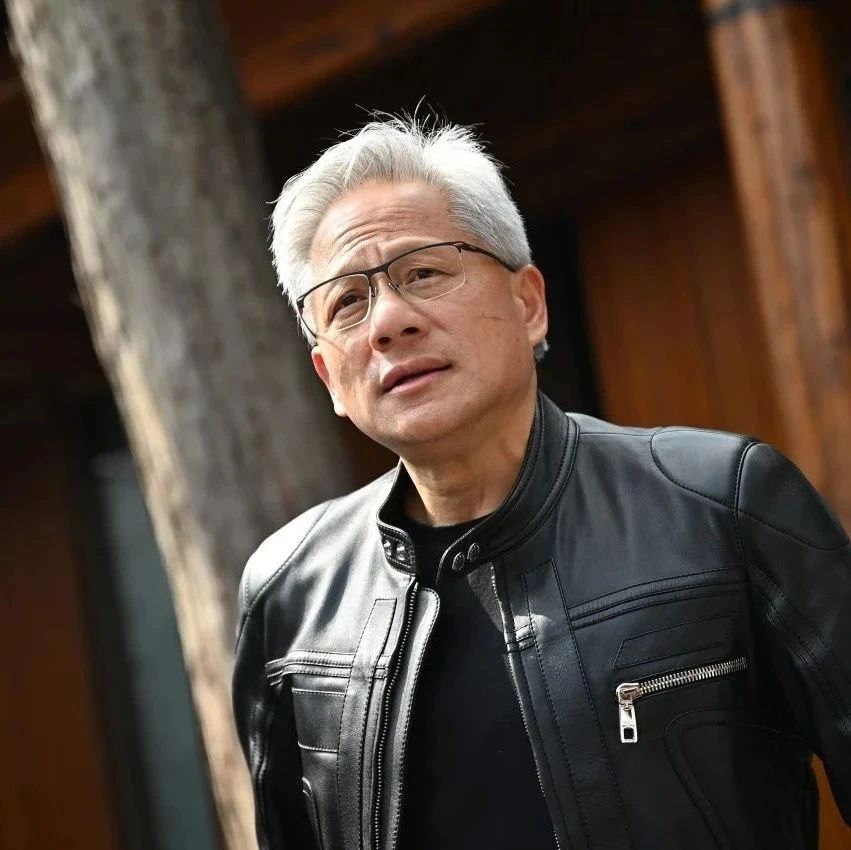
盛赞中国:黄仁勋为何嘴更甜了?
和讯· 2025-07-17 09:50
Core Viewpoint - The article highlights NVIDIA CEO Jensen Huang's recent visit to China, emphasizing the company's commitment to the Chinese market and the potential for collaboration in AI and technology sectors [1][2]. Group 1: NVIDIA's Engagement in China - Jensen Huang's visit marks his third trip to China this year, indicating a strong focus on the Chinese market [1]. - During his visit, Huang met with Xiaomi's founder Lei Jun, expressing admiration for Xiaomi's automotive technology and design [1]. - Huang emphasized the importance of U.S. companies establishing a presence in the Chinese market due to its vast and dynamic nature [1]. Group 2: AI and Technology Developments - Huang announced that NVIDIA has received U.S. government approval to sell the H20 chip to the Chinese market, which is designed specifically for AI applications [2][3]. - He highlighted the transformative role of AI across various industries, including healthcare and entertainment, and its integration into major Chinese platforms like Tencent and Alibaba [4]. - Huang noted that NVIDIA's technology has been pivotal in the development of the AI ecosystem globally, and he expressed optimism about future collaborations with Chinese companies [4]. Group 3: Competition and Market Dynamics - Huang acknowledged the competitive landscape with Chinese companies like Huawei, praising their technological advancements and capabilities in various fields [5]. - He pointed out that while NVIDIA has decades of experience, Huawei's rapid progress in a short time demonstrates its strength in the market [5]. - Huang believes that China is well-prepared for advancements in AI, with several models showing high efficiency and adaptability for various applications [6]. Group 4: Robotics and Manufacturing - Huang expressed optimism about China's robotics industry, citing the country's strong manufacturing base and capabilities in mechatronics [7]. - He highlighted the potential for robots to be integrated into various sectors, further enhancing China's technological landscape [7].