格隆汇APP

Search documents
5000亿订单在手!垄断3-4万亿AI赛道
格隆汇APP· 2025-11-20 09:14
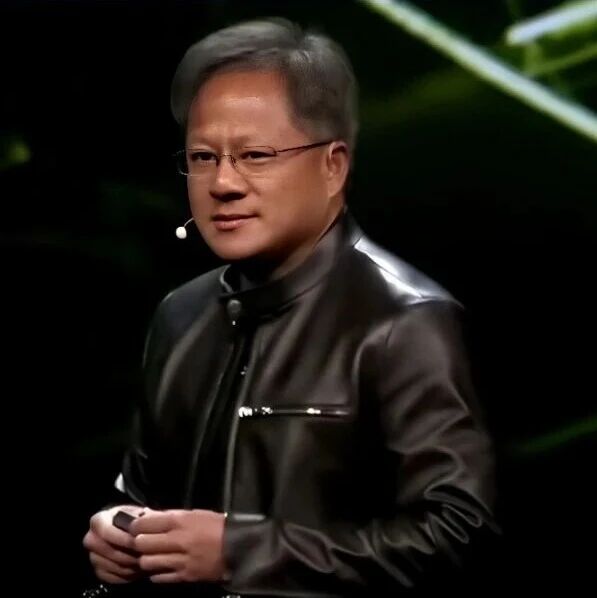
Core Viewpoint - Nvidia's FY26Q3 financial report indicates a robust and sustained demand for AI computing power, with significant revenue growth and a strong order backlog, dispelling concerns about an AI bubble [2][4][49]. Financial Performance - Revenue reached $57.01 billion, exceeding expectations by nearly $2 billion and showing a year-over-year increase of 62% [3][5]. - Adjusted net profit was $31.7 billion, translating to an average daily profit of $350 million, surpassing the annual revenue of many tech companies [3][4]. - The adjusted gross margin was 73.6%, with a target of 75% for FY27, indicating improved profitability [7][9]. Business Segments - Data center revenue was $51.2 billion, accounting for 90% of total revenue, with a year-over-year increase of 66% [11]. - The computing business grew by 56%, supported by the GB300 product line [12]. - Networking revenue doubled to $8.2 billion, driven by NVLink and Spectrum-X [15][38]. - Automotive revenue reached $592 million, a 32% increase year-over-year, indicating future potential in autonomous driving [17]. Demand Dynamics - Nvidia has a backlog of $500 billion in orders, with 5 million GPUs needed for AI projects this quarter [18][22]. - The demand spans across cloud providers, sovereign nations, and tech companies, with no signs of a seasonal slowdown [23][24]. - Key partnerships include a 1 GW computing power agreement with Anthropic and a three-year supply deal with Saudi Arabia for 400,000 to 600,000 GPUs [21]. Technological Leadership - The Blackwell platform is a key driver, with the GB300 product contributing nearly two-thirds of its revenue and outperforming previous models [31][32]. - The upcoming Rubin platform, set to launch in the second half of 2026, aims for significant performance improvements [34]. - The CUDA ecosystem remains a critical competitive advantage, ensuring customer retention and performance upgrades [36]. Supply Chain and Partnerships - Nvidia is building a resilient global supply chain, with key partners including TSMC and Foxconn [44]. - TSMC's CoWoS capacity is projected to reach 105,000 wafers per month by the end of 2026 [45]. - The company maintains a cooperative stance with competitors like Intel, balancing competition with collaboration [46]. Future Outlook - Key indicators for Nvidia's continued growth include meeting FY26Q4 revenue targets, successful Rubin platform production, and stable supply chain costs [51]. - Nvidia's core advantages include its technological monopoly, the CUDA ecosystem, and a substantial order backlog, positioning it as a critical player in the AI infrastructure market [52].


联想的AI再造与估值革命
格隆汇APP· 2025-11-20 09:14
Core Viewpoint - Lenovo Group is transitioning from a traditional PC manufacturer to a significant player in the AI industry, with its AI business now accounting for 30% of total revenue, indicating a strategic shift towards AI services and infrastructure [3][5][29]. Group 1: Business Transformation - Lenovo's market share in the PC sector has reached 25.5%, but this focus has overshadowed its growing non-PC business, which has contributed to significant revenue and profit growth [2][6]. - The company is implementing a hybrid AI strategy, positioning itself as a leading provider of edge AI solutions, catering to both B2B and B2C markets [5][13]. - The shift from hardware sales to AI service offerings is fundamental to Lenovo's business model transformation, aiming to create a comprehensive AI ecosystem [14][23]. Group 2: Financial Performance - Over the past three fiscal years, the proportion of non-PC business in total revenue has steadily increased, indicating a shift towards AI-related infrastructure and services [25]. - The Infrastructure Solutions Group (ISG) and Solutions Services Group (SSG) are driving revenue growth, with ISG experiencing a 24% year-on-year increase and SSG maintaining a profit margin exceeding 22% [26][27]. - Lenovo's AI-driven revenue growth has shown explosive potential, with AI PC revenue increasing by 197% and AI server revenue growing by over 150% [27][28]. Group 3: Market Positioning - Lenovo's hybrid AI strategy allows it to integrate AI capabilities across various devices, making it a key player in the AI ecosystem [12][20]. - The company aims to control the AI terminal market, positioning itself as a critical entry point for AI applications, similar to how Apple and Microsoft controlled their respective ecosystems [20][21]. - By embedding AI capabilities into its devices, Lenovo seeks to create a personalized AI experience for users, enhancing its competitive edge in the market [12][30].

这轮牛市券商涨不过银行和保险?真相和机会来了!
格隆汇APP· 2025-11-19 09:06
Core Viewpoint - The article discusses the performance of brokerage stocks compared to banks and insurance stocks during a slow bull market, emphasizing that brokerage stocks have not underperformed as perceived, but rather are in a consolidation phase after a strong rally [2][3][4]. Group 1: Performance Comparison - From September 24, 2024, to the present, the brokerage sector has seen an overall increase of over 47%, while the banking sector has risen over 36% and the insurance sector slightly over 33% [5]. - Since April 7, 2025, the brokerage sector has rebounded by 14%, outperforming banks at 9% and insurance at 5%, with Agricultural Bank showing a significant increase of nearly 57% during this period [7]. Group 2: Asset Characteristics - The perception that banks and insurance outperform brokerages is attributed to the inherent characteristics of these asset classes, where brokerages have a higher beta, leading to greater volatility and less favorable experiences for impatient retail investors [8][9]. - Banks and insurance companies are considered stable investments, benefiting from interest margins and long-term premiums, with consistent dividend yields of 3%-5%, providing a safety net during market fluctuations [9][10]. Group 3: Market Dynamics - The article highlights that the strong performance of individual stocks, such as Agricultural Bank, can create a misleading impression of the overall banking sector's performance, as many smaller banks have not seen similar gains [13][14]. - Brokerages are described as "bull market amplifiers," with their earnings closely tied to market activity, leading to significant gains during bullish phases but also sharp declines during downturns [15][16]. Group 4: Future Outlook - The current market is characterized as a slow bull market, with banks and insurance benefiting from their stability, while brokerages are expected to gain momentum for the next bull market anticipated in 2026 [22][23]. - The article suggests that the period from year-end to the Chinese New Year often presents seasonal opportunities for brokerages, with an 80% probability of price increases during January and February over the past five years [26][27].


从零跑汽车三季报发布,看到了中国车企盈利的新范式
格隆汇APP· 2025-11-19 09:06
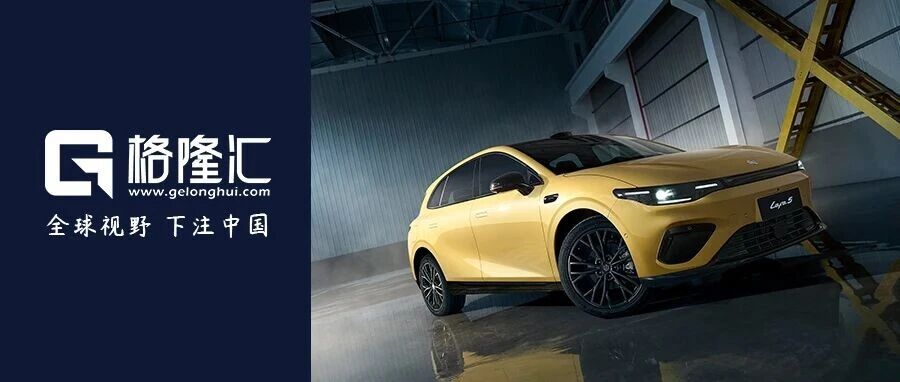
Core Viewpoint - Leap Motor has demonstrated significant growth and profitability in its Q3 2025 financial report, achieving a revenue of 19.45 billion yuan, a 97.3% increase year-over-year, and a net profit of 150 million yuan, indicating a strong market position and operational efficiency [2][5]. Group 1: Scale Efficiency - Leap Motor's strategy mirrors that of Uniqlo, focusing on a streamlined product matrix that caters to mainstream consumer needs, which has led to a positive feedback loop of sales growth and profitability [5][7]. - The C-series models, particularly the C11, have established a strong foothold in the competitive 150,000-200,000 yuan market segment, achieving over 11,000 units sold in October alone [9][10]. - The company has optimized its cost structure, with Q3 sales and management expense ratios at 4.88% and 3.24%, respectively, outperforming competitors like NIO and Xpeng [10][11]. Group 2: Technical Density - Leap Motor's commitment to in-house research and development has resulted in a high self-sufficiency rate of 65%, allowing for significant cost reductions without compromising quality [17][18]. - The introduction of CTC 2.0 technology enhances vehicle space utilization and safety, addressing common consumer concerns about electric vehicle performance [14][16]. - The company has increased its R&D investment to 1.21 billion yuan in Q3, a 55.4% year-over-year increase, reflecting a strategic focus on effective cost management and technological advancement [17][19]. Group 3: Growth Engine - Leap Motor has set an ambitious target of selling one million vehicles by 2026, supported by a robust product lineup and strategic market expansion [20][21]. - The company plans to introduce multiple new models across various price segments, enhancing its market reach and catering to diverse consumer demographics [23][25]. - Leap Motor is accelerating its international expansion, targeting markets in Europe, the Middle East, Africa, and South America, which are expected to contribute significantly to future growth [26][28].
全球巨震!资金却在疯狂扫货
格隆汇APP· 2025-11-18 09:31
Core Viewpoint - The article discusses the recent adjustment in global tech stocks, particularly focusing on the inflow of funds into the Hong Kong internet sector despite the market downturn, highlighting the significant role of AI in driving growth for major companies like Alibaba and Tencent [2][3][4][31]. Group 1: Market Trends - The Hang Seng Internet Technology Index has dropped by 16.14% since October 3 [3]. - In the last two trading days, the Hang Seng Internet ETF (513330) saw a net inflow of 1.661 billion yuan, leading all ETFs tracking the Hong Kong market [5]. - Despite the market correction, there are clear signs of capital inflow into the sector [4]. Group 2: AI Development - Alibaba has officially launched the "Qianwen" project, aiming to enter the AI-to-C market, which will cover various life scenarios and is designed to enhance user interaction [7][8]. - Major internet companies, including Tencent, Baidu, JD.com, and Meituan, are actively investing in AI infrastructure and applications [9][10]. - AI is increasingly integrated into various business operations, enhancing efficiency and driving growth [10][11]. Group 3: Financial Performance - Tencent reported a revenue of 192.87 billion yuan for Q3 2025, a 15% year-on-year increase, with operating profit rising by 18% [12]. - AI has played a crucial role in Tencent's growth, optimizing advertising targeting and enhancing user engagement in gaming [13][14]. Group 4: Investment Trends - Top investment firms have shown a significant interest in Chinese concept stocks, with Hillhouse Capital increasing its holdings in Alibaba and Pinduoduo [16][17]. - Notable investment shifts include Warren Buffett's Berkshire Hathaway making a substantial investment in Alphabet, indicating a growing recognition of AI's potential [24][25]. Group 5: Capital Inflows - Southbound funds through the Hong Kong Stock Connect have seen a net inflow exceeding 1.3 trillion HKD this year, significantly higher than the previous year [26]. - Specific companies like Alibaba, Meituan, and Tencent have received substantial net inflows, indicating strong investor interest [27]. Group 6: Valuation and Future Outlook - The Hang Seng Internet ETF's index is currently at a historical low valuation, suggesting potential for revaluation as market conditions improve [24]. - Goldman Sachs predicts that the annual net inflow through the Hong Kong Stock Connect could maintain levels between 800 billion to 1 trillion HKD in 2026 [30]. - Despite the current market correction, companies with strong fundamentals in the AI sector are expected to remain in focus for investors [31][32].






清仓英伟达?科技大佬新信号?
格隆汇APP· 2025-11-18 09:31
Core Viewpoint - The article discusses the recent actions of prominent investors like Peter Thiel and Jeff Bezos regarding AI investments, suggesting that the current market is undergoing a rational adjustment rather than a downturn in AI itself [3][5][22]. Group 1: Thiel's Actions and Market Reactions - Peter Thiel has completely liquidated his position in Nvidia, which was previously a significant part of his portfolio, reducing his total holdings from $212 million to $74.4 million, indicating a turnover rate of over 80% [3][4]. - Thiel's decision is framed as a strategic move rather than a panic response, as he compares the current AI landscape to the peak of the 1999 internet bubble, suggesting that investors are overvaluing future potential without considering current profitability [5][6]. - The market reacted with concern, interpreting Thiel's exit as a sign that AI might be losing momentum, leading to increased anxiety among retail investors [3][5]. Group 2: Comparison with Internet Bubble - The article contrasts the current AI investment climate with the 1999 internet bubble, arguing that AI is more akin to the early stages of the internet in 1997, where significant growth potential remains [10][14]. - Key indicators show that AI investment currently constitutes only 1.2% of GDP, compared to 15% during the peak of the internet bubble, suggesting that there is still substantial room for growth [10][14]. - Current AI companies are demonstrating profitability, with the S&P 500's net profit margin at 13.1%, indicating a stark difference from the unprofitable internet companies of the late 1990s [11][14]. Group 3: Long-term AI Potential - The article emphasizes that AI is not a bubble but a transformative technological revolution, with applications in various sectors like healthcare and industrial processes already generating revenue [17][22]. - Support from government policies and funding is stronger now than during the internet bubble, with initiatives like the U.S. "Chip Act" and European digital strategies promoting AI development [17][22]. - The speed of AI adoption is significantly faster than that of the internet, with practical applications already integrated into daily life, reinforcing the argument that AI is a necessity rather than a speculative concept [17][22]. Group 4: Investment Strategy Recommendations - Investors are advised to avoid companies that lack core technology and rely solely on AI hype, focusing instead on established companies with stable cash flows and proven AI applications [20][22]. - Attention should be directed towards platform giants like Microsoft and Google, which have the infrastructure to monetize AI effectively, as well as core players in the AI supply chain [20][22]. - The article encourages investors to remain patient and selective, as the current market volatility may lead to the emergence of future leaders in the AI space, similar to how the 1999 bubble ultimately benefited companies like Amazon and Google [20][22].

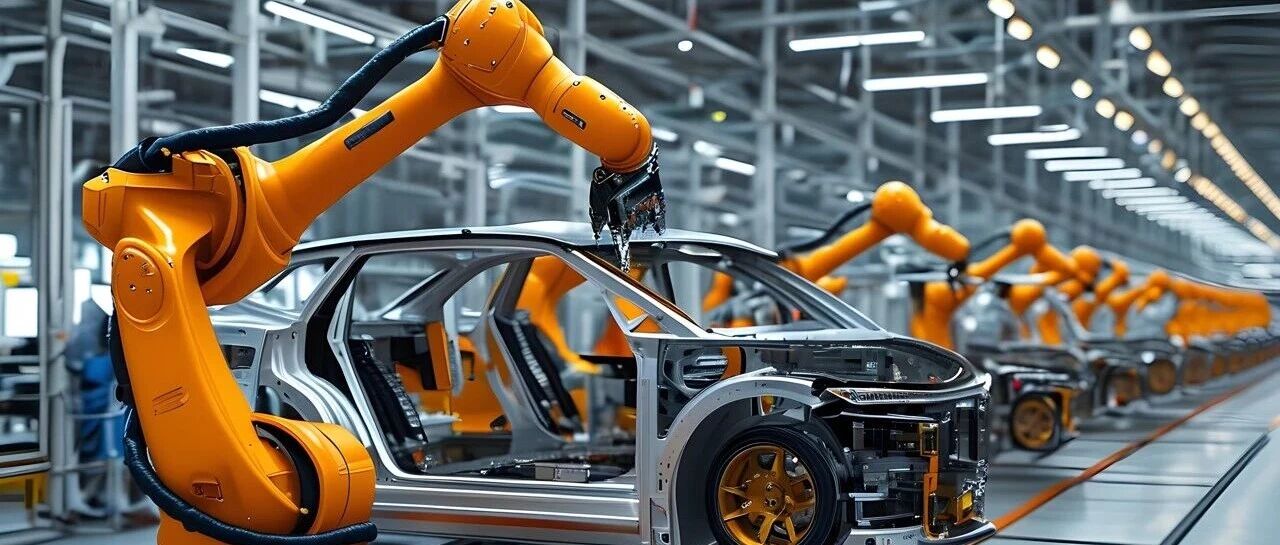
浙江杭州冲出一家汽车制造机器视觉IPO,比亚迪、小米均为终端客户
格隆汇APP· 2025-11-18 09:31
浙江杭州冲出一家汽车制造机器视觉IPO,比亚迪、小米均为终端客户 原创 阅读全文 格隆汇新股 ...


腾讯投出一家创新药IPO,估值37亿,来自江苏扬州
格隆汇APP· 2025-11-17 10:35
Group 1 - The article discusses Tencent's investment in an innovative drug company's IPO, which is valued at 3.7 billion [1] - The company is based in Yangzhou, Jiangsu province, indicating a growing biotech sector in this region [1] - The investment reflects Tencent's strategy to diversify its portfolio and tap into the pharmaceutical industry [1]