虎嗅APP

Search documents
幸运咖破万店,咖啡市场迎来“农村包围城市”的胜利
虎嗅APP· 2025-11-30 03:09
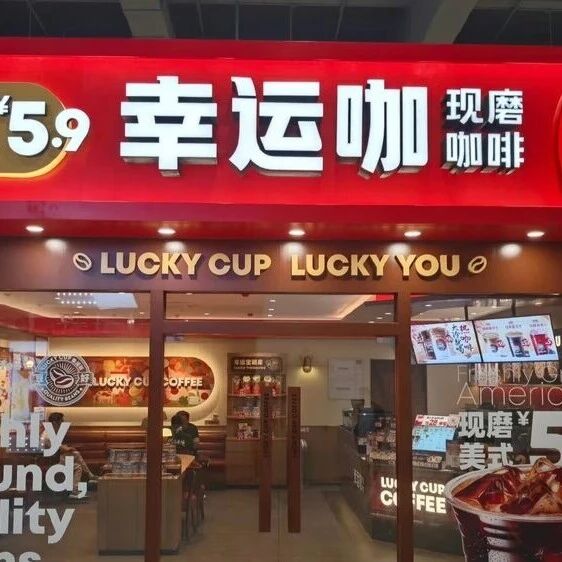
Core Viewpoint - The article discusses the rapid expansion of the coffee brand Lucky Coffee, which has reached over 10,000 stores globally in just 10 months, becoming the third local coffee chain to join the "10,000-store club" after Luckin and Kudi [2][3]. Expansion and Market Position - Lucky Coffee's journey to 10,000 stores was not smooth, facing challenges due to unclear positioning in its early years. A significant turnaround occurred in 2020 when the general manager of Mixue Ice City, Zhang Hongfu, redefined the brand's strategy [3][4]. - The brand established a "high-quality and affordable" positioning, with prices set between 6-8 yuan, targeting lower-tier markets and student demographics. This strategy led to a rapid expansion, with 579 new stores added in 2022 [4]. - In 2023, the coffee industry faced intensified price wars, causing Lucky Coffee to lose its competitive edge temporarily. However, a promotional campaign in mid-2024 helped revive sales [5][6]. Cost Control and Franchise Model - Lucky Coffee's pricing strategy includes a cup of Americano priced at 6.9 yuan in first-tier cities, lower than discounted prices from competitors. The brand maintains a gross margin of 48% even at lower prices due to effective cost control [9]. - The company benefits from a robust supply chain, with coffee bean procurement costs significantly lower than the industry average. A 40 billion yuan procurement agreement with Brazil further strengthens its cost control [9][10]. - The franchise model is unique, with no revenue sharing from individual stores, reducing management costs for franchisees. The initial investment for a franchise is approximately 127,000 yuan, making it accessible for more entrepreneurs [10]. Market Challenges and Competition - As Lucky Coffee expands into first- and second-tier cities, it faces a different competitive landscape, with established players like Luckin holding a significant market share [14][16]. - The brand's perception as a "cheap coffee" option poses challenges in brand positioning, especially compared to competitors that have successfully launched popular products [15][20]. - The coffee market is entering a phase of intensified competition, with new entrants and existing brands seeking to differentiate themselves through product innovation and operational efficiency [16][17]. Future Outlook - After reaching the 10,000-store milestone, Lucky Coffee faces new challenges, including profitability pressures in high-rent areas and rising raw material costs. The brand must navigate internal competition and maintain quality across its expanding network [19][21]. - The company has launched numerous new products, but many lack significant market impact, highlighting the need for stronger product development to enhance brand value [20].

我看理想汽车管理变革:职业经理人还是创始人模式?
虎嗅APP· 2025-11-30 03:09
Core Viewpoint - The article discusses the management philosophy of Li Xiang, founder of Li Auto, emphasizing the "Founder Mode" as defined by Paul Graham, which advocates for deep founder involvement in core business operations and breaking hierarchical structures [6][8][11]. Group 1: Founder Mode vs. Manager Mode - Paul Graham's "Founder Mode" contrasts with the traditional "Manager Mode," advocating for founders to engage directly in business details and decision-making rather than relying solely on hired managers [11][16]. - Li Xiang's management style reflects the "Founder Mode," focusing on direct communication, user value, and rejecting the rigidity of professional manager systems [19][20]. - The article highlights that the "Founder Mode" is particularly suited for rapidly changing industries like electric vehicles, where quick decision-making is crucial for survival [20][26]. Group 2: Li Auto's Management Practices - Li Xiang is known for his extreme product obsession, directly managing product definitions and details, which exemplifies the "Founder Mode" [19]. - The organizational structure at Li Auto is designed to be flat and efficient, allowing for direct access to core business areas, contrasting with traditional hierarchical models [19][20]. - Li Auto's approach includes acknowledging mistakes and quickly correcting course, a trait often lacking in professional managers who may hide errors to protect their positions [20]. Group 3: Challenges of Founder Mode - The article discusses potential challenges of the "Founder Mode," including the risk of founder burnout and the lack of decision-making training for middle management [20][24]. - It notes that while the "Founder Mode" can drive innovation, it may also lead to instability if the founder's vision is flawed or if they are unable to delegate effectively [20][24]. - The historical context of management evolution is provided, indicating that the shift from founder-led to professional management was necessary for handling organizational complexity as companies grew [21][23]. Group 4: Digital Transformation and Future Outlook - The article concludes with a call for Li Auto to leverage digital transformation tools to support Li Xiang's comprehensive management approach, suggesting that technology can enhance the effectiveness of the "Founder Mode" [27].


怕失业的你,在AI狂飙的时代该这么想
虎嗅APP· 2025-11-29 13:20
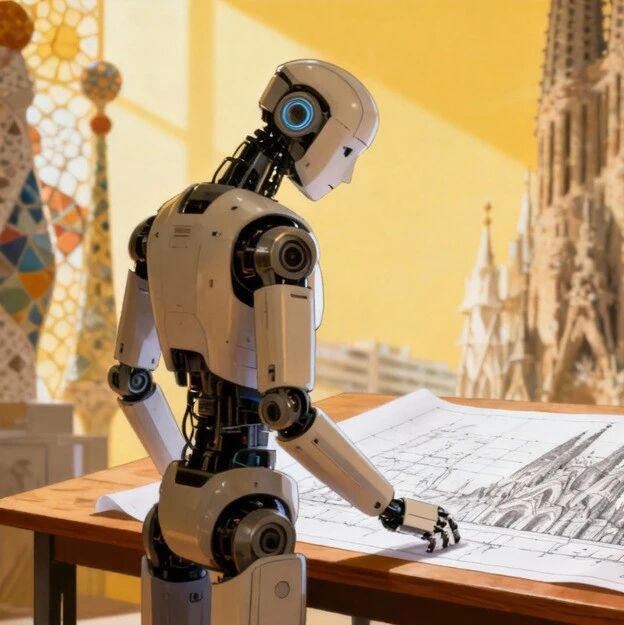
Core Viewpoint - The article emphasizes the importance of optimism and long-term thinking in the face of uncertainty, using the construction of the Sagrada Familia as a metaphor for enduring projects that transcend individual lifetimes [4][6][7]. Group 1: Historical Context of Sagrada Familia - The Sagrada Familia's construction began in 1882, and architect Antoni Gaudí took over in 1883, dedicating his life to its design, which aimed to create a dialogue between nature and faith [5][6]. - Gaudí's vision included modular design and a self-sustaining funding model through ticket sales and donations, allowing the project to progress at its own pace without reliance on government funding [6][8]. - Despite Gaudí's death in 1926, which left the project in crisis, subsequent generations of architects and craftsmen continued the work, utilizing advancements in technology such as 3D modeling and drone surveying [6][7]. Group 2: Optimism in Uncertain Times - The article argues that true creativity often stems from optimism, suggesting that most significant human achievements are made by those who maintain a hopeful outlook [7][10]. - It highlights the need for flexible thinking and the ability to imagine multiple future scenarios, especially in rapidly changing environments like AI technology [10][11]. - The discussion includes the potential for collaboration between the U.S. and China in AI, challenging the prevailing narrative of inevitable conflict and emphasizing the importance of global cooperation on shared challenges [12][13]. Group 3: AI and Creativity - The article posits that AI is not merely a tool but a partner that can enhance human creativity by freeing individuals from mundane tasks, allowing them to focus on imaginative endeavors [16][20]. - It discusses the evolution of AI from general-purpose tools to specialized assistants that can cater to specific industry needs, thereby enhancing creativity across various fields [17][18]. - The potential for AI to create a new era of creativity is emphasized, where individuals can explore interests and hobbies, leading to innovative outcomes [20][21]. Group 4: Challenges and Considerations - The article acknowledges the limitations of AI, emphasizing the need for human guidance in AI training and the importance of integrating human experience with AI capabilities [21][22]. - It raises concerns about the gap between theoretical knowledge and practical application in AI, suggesting that human insight is crucial for effective collaboration [22][23]. - The need for AI to develop continuous learning capabilities and the distinction between human responsibility and machine execution are highlighted as critical issues for future development [23].
中国竞争最激烈的考试,挤破头也难上岸
虎嗅APP· 2025-11-29 13:20
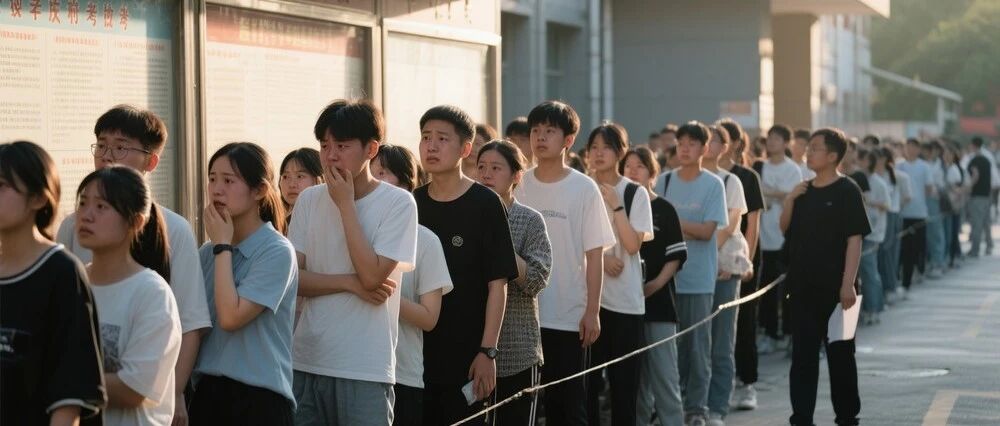
Core Viewpoint - The article discusses the increasing competition and changing dynamics in the civil service examination landscape in China, highlighting the challenges faced by candidates in securing government positions amid rising applicant numbers and decreasing recruitment quotas [3][4][5]. Group 1: Examination Trends - In 2026, the number of candidates for the civil service examination reached 3.718 million, a significant increase compared to previous years, with a 34.7% rise in 2022 alone [6][7]. - The recruitment plan for the 2026 civil service examination saw a reduction of 1,602 positions, marking the first decrease in seven years, leading to a record competition ratio of 98:1 [7][9]. - The civil service examination has been labeled as "the most difficult" for several years, with the number of successful candidates consistently increasing, reaching 371.8 million in 2026, which is double the number from 2019 [6][7]. Group 2: Regional Competition - The provinces with the highest number of successful candidates include Guangdong, Beijing, Shandong, Henan, and Yunnan, with Guangdong alone having 290,000 candidates pass the review [9][10]. - Despite high applicant numbers, the competition ratio is more intense in regions like Beijing, Ningxia, and Guizhou, where the number of positions is limited compared to the number of applicants [10][15]. Group 3: Age Limit Changes - The age limit for civil service examination candidates has been raised to 38 years, with specific positions allowing applicants up to 43 years old, which has led to increased anxiety among current candidates [17][18]. - The number of positions available for candidates without a fresh graduate status has decreased by 6%, while the number of applicants has increased by 6%, indicating heightened competition [18][24]. Group 4: Job Market Dynamics - The civil service examination offers a significant number of positions at the county level, accounting for 73.88% of total positions, but competition remains fierce for higher-level positions [33][34]. - Certain positions, particularly in the tax system, are highly sought after, with the tax system planning to recruit 25,004 individuals, representing 65.6% of total recruitment [24][27]. Group 5: Candidate Experience - Many candidates face challenges in securing positions due to high competition and stringent requirements, with some positions remaining unfilled due to their demanding qualifications [30][31]. - The experience of working as a grassroots civil servant can be taxing, with many expressing a desire to leave the position due to the high workload and complex interpersonal dynamics [39][43].
英伟达和OpenAI,当代东印度公司
虎嗅APP· 2025-11-29 13:20
Core Viewpoint - The article discusses the historical and contemporary significance of companies like Nvidia and the Dutch East India Company (VOC), drawing parallels between their market dominance and the implications of their economic power in their respective eras [5][8][60]. Group 1: Historical Context - The Dutch East India Company (VOC) is considered the highest-valued company in history, with a peak valuation equivalent to approximately $7.9 trillion today, representing two-thirds of the GDP of the Netherlands at that time [5][6]. - The VOC was the first joint-stock company and played a crucial role in global trade, particularly in spices, leading to significant economic advantages for the Netherlands over other European powers [6][7]. Group 2: Nvidia's Market Position - Nvidia reached a market capitalization of $5 trillion in October, making it the highest-valued company in U.S. history, closely rivaling the combined market caps of Apple and Tesla [5][7]. - Nvidia's dominance in the AI sector is likened to a "currency" in the AGI world, with its GPUs being essential for AI development, establishing it as a "dollar-level" entity in the tech industry [9][10]. Group 3: Investment and Economic Influence - Nvidia has disclosed plans for investments and acquisitions totaling at least $1.5 trillion, with significant stakes in AI companies like OpenAI ($100 billion) and various other tech sectors [14]. - The company's investment strategy resembles a modern economic order, akin to the Bretton Woods system, where Nvidia aims to create a thriving AGI ecosystem centered around its technology [15][18]. Group 4: Competitive Landscape - The article compares Nvidia's relationship with OpenAI to that of the VOC and the British East India Company, highlighting the competitive dynamics and interdependencies between these entities [23][26]. - Nvidia's CUDA technology has become a dominant force in AI development, with over 5 million developers engaged in its ecosystem, reinforcing its market position [19][20]. Group 5: Data Colonialism and Sovereignty - The concept of "data colonialism" is discussed, with concerns raised about how companies like OpenAI and Nvidia may exploit data from developing countries, echoing historical colonial practices [27][28]. - The article emphasizes the importance of "sovereign AI," where countries seek to establish their own AI infrastructures to protect data sovereignty, although this often leads to dependency on major tech companies [56][58]. Group 6: Market Dynamics and Future Outlook - The article warns of a potential "bubble" in the AGI market, drawing parallels to historical market bubbles, and suggests that the current valuation of tech companies may not be sustainable [31][38]. - The future of AGI is portrayed as a landscape dominated by a few powerful entities, raising concerns about systemic risks and the implications for global economic equity [62][63].


有意思周报|科学家发现,饭后“边放屁边散步”对身体很健康;初代《超人》漫画以超过900万美元的价格售出
虎嗅APP· 2025-11-29 12:00
Group 1 - The article discusses the health benefits of walking after meals, highlighting that a 10 to 15-minute walk can help relieve gas, reduce bloating, improve digestion, lower post-meal blood sugar, and decrease the risk of type 2 diabetes [11][12][15]. - Canadian author Mairlyn Smith has popularized the concept of "fart walking," encouraging people to consume dietary fiber and walk after meals to naturally release gas [14]. - Gastroenterologists explain that walking stimulates intestinal movement, making it easier to expel gas and reducing feelings of bloating and discomfort after eating [16]. Group 2 - A study led by Dr. Marta Kowal found that couples who meet online report lower relationship satisfaction compared to those who meet in real life, with only 16% of participants meeting online, increasing to 21% for those who started dating after 2010 [20][21]. - The phenomenon of "swiping culture" in online dating has shifted motivations from seeking long-term partners to short-term relationships, potentially leading to lower relationship quality [24]. - Despite the rise of online dating, younger generations are not necessarily more inclined to seek love online compared to older generations [24]. Group 3 - A Thai woman was discovered alive in a coffin just before her scheduled cremation, leading to confusion among temple staff [25][26]. - The woman had been unresponsive for two days before her brother transported her for cremation, believing she had passed away [26][28]. - After being found alive, she was taken to a nearby hospital for further evaluation [29]. Group 4 - A rare first edition of Superman comic from 1939 was sold for over $9 million, making it the most expensive comic ever sold [31][32]. - The comic was discovered by two brothers while cleaning their late mother's attic, where it was stored among other collectibles [32]. - Experts confirmed the comic's authenticity and rarity, estimating that fewer than 500 copies of this edition exist today [33]. Group 5 - Cyberattacks on logistics companies in the U.S. have surged since 2020, with IMC Logistics reporting 876 thefts last year compared to just 5 in 2021 [59]. - Criminal organizations are increasingly using hackers to infiltrate logistics systems, allowing them to manipulate shipping information and steal high-value goods [60][62]. - The average value of stolen goods is projected to reach $202,364 in 2024, with recent figures indicating a spike to $336,787 due to targeted thefts [62]. Group 6 - The trend of finding one's "birthday color" on the Pantone website has become a popular cultural phenomenon among young people globally [66][68]. - Users engage with Pantone's color retrieval system to discover their unique color based on their birth date, which they then use for fashion and social media [69][70]. - This shift indicates a growing desire among individuals to express themselves through color, transforming Pantone from a design tool to a personal expression outlet [78].

山居7年后,我亲手告别了“田园梦”
虎嗅APP· 2025-11-29 09:26
Core Viewpoint - The article discusses the journey of a young woman, Miaojie, who left city life to pursue a rural lifestyle, only to later return to the city, reflecting on the challenges and realizations of her experience in rural living [5][6][7]. Group 1: Rural Lifestyle Aspirations - The desire to escape urban life and return to farming has become a popular aspiration among young people, with over 12 million individuals expected to engage in rural entrepreneurship by 2025 according to recent data from the Central Financial Office [5]. - Miaojie's initial vision of rural life included living in a self-built home, growing organic vegetables, and connecting deeply with nature, which she achieved for seven years [5][6]. Group 2: Reality of Rural Living - The romanticized view of rural life is contrasted with the harsh realities of hard work, loneliness, and the challenges of living away from urban conveniences [5][27]. - Miaojie experienced significant personal growth, transforming from a city girl to a capable farmer, but also faced the difficulties of rural life, including physical labor and isolation [5][25]. Group 3: Agricultural Practices and Challenges - Miaojie and her husband adopted a sustainable farming approach, avoiding pesticides and focusing on diverse planting, but faced numerous challenges, such as crop failures and pest infestations [17][18][29]. - The couple's income from the farm varied significantly, ranging from 5,000 to 70,000 yuan annually, highlighting the financial instability of rural farming [37]. Group 4: Personal Transformation and Reflection - The experience of living on the farm led to a reevaluation of personal values and lifestyle choices, with Miaojie recognizing the importance of community and support systems that were lacking in rural life [43][46]. - After the birth of their daughter, Miaojie felt increasing pressure regarding financial stability and educational opportunities, leading to conflicts with her husband about their future [39][40]. Group 5: Return to Urban Life - Ultimately, Miaojie made the decision to leave the farm and return to the city, where she continued her work in English education and began writing about her experiences, culminating in her book "After the Rain" [6][43]. - The article concludes with Miaojie's reflections on the beauty and pain of her rural life, emphasizing the lessons learned about patience, resilience, and the complexities of human relationships [46].

当营销进入“广场舞时代”,品牌该怎么办?
虎嗅APP· 2025-11-29 09:26
Core Insights - The article discusses the current state and trends in marketing, emphasizing the importance of adapting to changes brought by AI and the evolving digital landscape [5][6][10]. Group 1: Marketing Trends - The "Square Dance Phenomenon" illustrates the open and competitive nature of the current internet business environment, where there are no significant barriers to entry, leading to saturation in various markets [10][11]. - The overwhelming amount of advertisements consumers encounter daily has led to ad fatigue, making it challenging for brands to maintain visibility and engagement [10][11]. - The shift from traditional advertising to performance-driven marketing is evident, with brands now focusing on immediate sales results rather than just brand awareness [13][15]. Group 2: Business Strategies - Companies are advised to adopt a "135 plan" for personal and business goals, focusing on short-term, mid-term, and long-term objectives [6]. - The importance of making strategic choices over mere hard work is highlighted, as the right decisions can significantly impact future trajectories [6][8]. - Businesses should navigate competition carefully, avoiding direct attacks on rivals and instead fostering a collaborative environment [7]. Group 3: Consumer Behavior - Modern consumers are characterized by their price sensitivity and tendency to compare products across platforms, leading to high return rates and low brand loyalty [17][18]. - The article notes that consumers are increasingly resistant to traditional marketing tactics, preferring authentic and engaging content [10][11]. - The rise of e-commerce has shifted power dynamics, with platforms dictating pricing and visibility, often at the expense of brand identity [14]. Group 4: Future Outlook - The article predicts that the marketing landscape will continue to evolve, with a focus on data-driven strategies and the need for brands to adapt quickly to changing consumer preferences [20][21]. - The potential for new opportunities in underexplored industries is emphasized, suggesting that companies should seek niches where competition is less intense [23][24]. - The future of advertising agencies may involve a shift towards operational roles, focusing on data analysis and performance metrics rather than traditional creative roles [21].

民营企业造出了高超音速导弹,这事儿不能细想
虎嗅APP· 2025-11-29 09:26
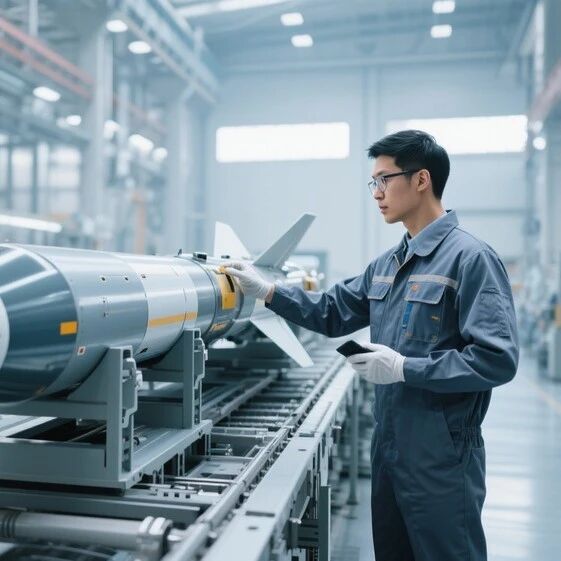
Core Viewpoint - The emergence of the YKJ-1000 hypersonic missile from a private Chinese company, Lingkong Tianxing Technology Co., signifies a remarkable advancement in China's industrial capabilities, showcasing the potential for low-cost, high-tech military solutions that challenge traditional defense paradigms [6][29][46]. Group 1: YKJ-1000 Overview - The YKJ-1000 hypersonic missile has a range of approximately 1300 km and can reach speeds of 5 to 7 times the speed of sound, developed by a private company using commercially available materials [6][8]. - The cost of the YKJ-1000 is significantly lower than comparable systems, priced at only 700,000 RMB, which is about one-tenth the cost of the U.S. Tomahawk missile [9][11]. - The missile's affordability allows for a new tactical approach in warfare, where large quantities can be deployed at a fraction of the cost of traditional interceptors [25][26]. Group 2: Cost Reduction Mechanisms - The YKJ-1000 achieves its low cost by utilizing industrial-grade materials and production techniques, such as using concrete for the missile's warhead and adopting die-casting technology from the automotive industry [13][14][16]. - Components like camera modules are sourced from commercial markets, with costs significantly reduced through bulk production [18][19]. - The missile employs electric separation nuts instead of traditional explosive ones, further lowering production costs and enhancing reliability [20][22]. Group 3: Implications for China's Industrial Strength - The development of the YKJ-1000 reflects the overflow of talent and technology from China's robust industrial system, indicating a shift towards more innovative and competitive private defense enterprises [32][34]. - The founder of Lingkong Tianxing, with a background in prestigious institutions and extensive experience in state defense projects, exemplifies the high level of expertise driving this innovation [34][35]. - The increasing number of private aerospace companies in China is a direct result of the growing pool of trained engineers and scientists, leading to advancements in military technology [37][39]. Group 4: Future Prospects - The YKJ-1000 is not an isolated case; it represents a trend where private companies will continue to emerge, leveraging existing technologies to create competitive military solutions [40][41]. - The integration of diverse technological expertise, such as that from the automotive sector, will likely lead to further innovations in defense capabilities [42][44]. - The ability to repurpose civilian technologies for military applications highlights a unique strategic advantage for China, potentially reshaping the landscape of modern warfare [49][50].
中国最长的跨市地铁,要来了
虎嗅APP· 2025-11-29 03:06
Core Viewpoint - The opening of Dongguan Metro Line 1 marks a significant development in the Greater Bay Area's transportation network, enhancing connectivity between major cities like Guangzhou and Shenzhen, and facilitating a more integrated urban transit system [6][10][12]. Group 1: Metro Development in Dongguan - Dongguan Metro Line 1 has officially commenced operations, becoming the second metro line in the city after the opening of Line 2 in 2016 [6]. - The new line is crucial for connecting the metro networks of Guangzhou and Shenzhen, thereby enhancing the overall transit system in the Greater Bay Area [10][11]. - The future vision includes a super metro network linking five cities: Foshan, Guangzhou, Dongguan, Shenzhen, and Huizhou, which will significantly improve urban connectivity [12][14]. Group 2: Importance of Metro Connectivity - The metro network is not just about physical infrastructure; it represents the integration of people, goods, information, and capital flows across cities [15]. - Despite a general slowdown in metro approvals across China, the Greater Bay Area continues to see the necessity for metro expansion due to high population density and commuter demand [16][19]. - Guangzhou and Shenzhen are among the top cities in terms of metro passenger volume, with daily ridership exceeding 1 million in certain areas, indicating a strong demand for further metro development [19][23]. Group 3: Future of Intercity Metro Systems - The trend is shifting towards intercity metro systems, moving beyond traditional city-centric designs to accommodate urban agglomerations [30][31]. - Since the opening of the Guangzhou-Foshan metro line in 2010, several intercity metro lines have been established, enhancing connectivity between cities [32][34]. - The potential for smaller cities to develop metro systems through intercity connections is increasing, allowing them to benefit from the economic spillover of larger urban centers [39].