
虎嗅APP

Search documents
“确实,现在卖房要趁早”
虎嗅APP· 2025-11-22 09:45
Core Viewpoint - The article emphasizes the urgency for homeowners to sell their properties as soon as possible due to the current unfavorable market conditions, which have fundamentally changed compared to previous downturns [9][40]. Group 1: Market Conditions - There is a significant lack of buyers with both purchasing power and intent in the current market [10]. - The real estate market has been struggling for two years, but the current situation is fundamentally different; simple price reductions are no longer sufficient to stimulate purchases [11][15]. - In a specific neighborhood, only 33 units have been sold this year compared to 68 and 72 in the previous two years, indicating a severe slowdown in transactions [16]. Group 2: Buyer Behavior - Current buyers are often those who are psychologically prepared for further price declines, indicating a shift in buyer mentality [21]. - Many buyers are driven by urgent needs, particularly those purchasing properties priced below 2 million, which has seen increased activity from previously unable buyers [23]. Group 3: Seller Challenges - Homeowners have become a weaker group in the market, facing unprecedented challenges in selling their properties due to an oversupply of listings [24][25]. - The emotional toll on sellers is significant, with many willing to offer high commissions to agents to facilitate sales [26][27]. Group 4: Agent Dynamics - Real estate agents are experiencing heightened anxiety, with many having not closed any deals throughout the year, leading to a desperate push for sales [31][32]. - Agents are increasingly using pressure tactics on sellers to lower prices, reflecting the overall market anxiety [34][36]. Group 5: Recommendations for Sellers - Homeowners are advised to sell as early as possible, as the current market dynamics favor buyers and agents, making it a zero-sum game [41][42]. - Sellers should prepare mentally, understand their competition, and choose capable agents to navigate the challenging market effectively [44][56].


再次跑赢印度,亚洲GDP增速第一的国家还是它
虎嗅APP· 2025-11-22 09:45
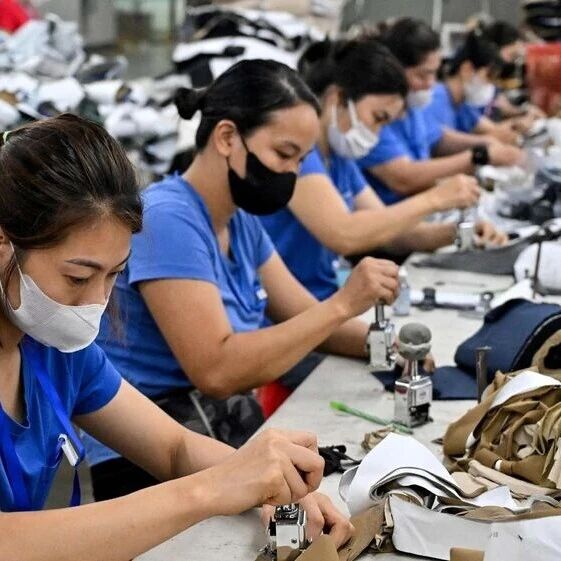
以下文章来源于时代周报 ,作者马欢 时代周报 . 记录大时代,深读全商业。互联网新闻信息服务许可证编号:44120230006 本文来自微信公众号: 时代周报 ,作者:马欢,编辑:梁励,原文标题:《再次跑赢印度!亚洲 GDP增速第一的国家还是它,明年目标要增长10%》,题图来自:视觉中国 亚洲经济增速第一的国家,或许还是越南。 越南近期公布经济数据,2025年第三季度国内生产总值 (GDP) 同比大幅增长8.23%。越南总理范 明政在国会上表示:"2025年的GDP增长率将达到8%。" 制造业的强劲表现是越南此次经济快速增长的核心驱动力。越南政府还计划,明年GDP增速要冲上 10%。 此前,美国政府宣布,美国已经和越南就关税问题签署了框架性协议。按照协议,美国对越南商品实 施平均约20%的进口关税,但部分产品可获豁免。 与此同时,昔日GDP增速在亚洲领跑的印度,却受困于美国政府的关税政策。 一、越南:制造业与出口强劲 今年以来,越南的经济增速格外亮眼。 分季度来看,越南经济增长呈现逐步上升的态势——第一季度增长7.05%,第二季度增长8.19%;第 三季度更是达到8.23%,创三年来最快增速。 在所有产业中, ...
京圈餐饮老炮儿,如何把面包复购做到40%
虎嗅APP· 2025-11-22 03:12
Core Viewpoint - The article discusses the growth and business strategy of Hongxing Qianjin, a bakery and milk company founded by Wang Ying, highlighting its unique market positioning and operational challenges in the competitive baking industry [5][9][21]. Group 1: Company Overview - Hongxing Qianjin opened its first store on July 31, 2022, selling 300 breads within two hours, and has since expanded to 18 stores nationwide, projecting revenue of over 110 million yuan in 2024 with a net profit margin of 10% [5][9]. - The founder, Wang Ying, has 16 years of experience in the restaurant industry, previously creating popular dining concepts that focused on unique customer experiences rather than just food [6][8]. Group 2: Business Model and Strategy - The company emphasizes selling experiences rather than just food, with a focus on fresh ingredients and high-quality products, avoiding artificial additives and preservatives [8][10]. - The operational model has evolved to include a strong supply chain and data-driven management, allowing for efficient production and staffing, achieving a monthly revenue of 600,000 yuan per store with a labor efficiency of 270-320 yuan per hour [14][21]. Group 3: Marketing and Consumer Engagement - Hongxing Qianjin employs a "temperature strategy," combining fresh milk and baked goods to enhance customer experience and drive repeat purchases, achieving a milk purchase rate of over 90% among customers [18][20]. - The brand leverages social media and influencer marketing to create buzz and attract customers, while also adapting product offerings to local tastes without changing the overall store concept [17][20]. Group 4: Challenges and Future Plans - The company faces challenges in maintaining product consistency and quality as it expands, with plans to open 100 new small stores by 2025 while ensuring supply chain reliability [21][22]. - Despite competition from traditional brands and supermarkets, the company remains optimistic, focusing on opportunities for growth and innovation in the baking industry [21][22].

今年最流行的社交局,花200块一起“杀糕”
虎嗅APP· 2025-11-22 03:12
Core Viewpoint - The article discusses the rising trend of "cake-cutting gatherings" (杀糕局), where individuals come together to share and taste various cakes, enhancing social interactions while enjoying desserts at a lower cost [4][7]. Group 1: Concept and Organization - "Cake-cutting gatherings" are inspired by group ordering, allowing dessert enthusiasts to sample multiple popular cakes without the burden of high costs [7]. - Typically initiated by a group leader on social media, these gatherings involve planning details such as time, location, and budget, with participants selecting a cake list (糕单) based on preferences [9][11]. - The gatherings have gained popularity, often filling up within hours of posting, indicating a strong demand for such social experiences [11][12]. Group 2: Experience and Social Dynamics - Participants engage in a collaborative experience, sharing the task of cutting and tasting cakes, which fosters a sense of community and shared enjoyment [19][21]. - The gatherings not only provide a platform for tasting desserts but also create a low-pressure social environment, allowing individuals to connect over shared interests without the need for extensive personal disclosures [32][33]. - The event concludes with participants expressing gratitude and planning future meetups, highlighting the positive social impact of these gatherings [26][34]. Group 3: Market Implications - The rise of "cake-cutting gatherings" reflects a broader trend where high-quality desserts are perceived as luxury items, prompting consumers to seek cost-effective ways to enjoy them [31]. - Local cake shops are beginning to capitalize on this trend by offering specialized gatherings, indicating a shift in how businesses engage with consumers in the dessert market [31]. - The phenomenon illustrates a growing desire among young people for meaningful social interactions that are both enjoyable and financially accessible, reshaping the landscape of social dining experiences [34][36].

日本首相一句话,我的民宿订单“旺季腰斩”
虎嗅APP· 2025-11-22 03:12
Core Viewpoint - The article discusses the significant impact of political statements on the tourism industry in Japan, particularly focusing on the cancellation of bookings for winter accommodations in Hokkaido due to rising tensions related to Taiwan. This has led to substantial financial losses for local businesses that rely heavily on winter tourism revenue. Group 1: Impact of Political Statements - The cancellation wave was triggered by Japanese Prime Minister Kishi Nobuo's remarks linking Taiwan issues to Japan's national security, causing public unrest and protests against his leadership [7][8]. - The immediate effect was a sharp increase in booking cancellations, with one business reporting a loss of over 200,000 yuan due to a 50% cancellation rate across its properties [9][15]. Group 2: Business Operations and Financial Losses - The winter season is critical for the business, accounting for 90% of annual revenue, and the legal framework limits operations to 180 days a year [5][17]. - By November 18, the cancellation rate reached nearly 50%, with losses per property estimated between 50,000 to 80,000 yuan, totaling over 200,000 yuan across four properties [15][17]. Group 3: Market Conditions and Future Outlook - The article highlights the competitive landscape in the accommodation sector, particularly in Osaka, where the number of registered properties has surged, leading to price reductions and increased competition [26]. - Despite the current challenges, there is hope for recovery as the business prepares for potential stabilization in the market, aiming to attract both local and international tourists once the political situation improves [33][34].

对标宇树的机器人公司要倒闭了
虎嗅APP· 2025-11-21 14:04
Core Insights - K-Scale Labs, a humanoid robot company, is facing closure due to limited operational funds, with cash reserves around $400,000 [5][6] - The company raised approximately $4 million in seed funding in February 2024, achieving a valuation of $50 million, but failed to secure additional funding [6][10] - The competitive landscape in the robotics industry has intensified, particularly with the emergence of lower-priced robots from Chinese manufacturers [7][12] Funding and Financial Challenges - K-Scale's CEO initially believed raising $10 million to $15 million for continued operations would be straightforward, but efforts were unsuccessful [6][10] - Despite receiving over $200 million in orders for its humanoid robots, the company could not gain the trust of Silicon Valley investors [10][12] - The company produced 10 prototype robots and had over 100 orders, with each robot priced at approximately $15,000, significantly lower than typical market prices [10][12] Industry Trends and Competition - The robotics ecosystem has matured, with significant price reductions in humanoid robots, such as the UTree G1 priced at around $9,900 [7][12] - K-Scale's strategy involved open-source software to attract developers, but competition from other AI companies with similar offerings posed challenges [9][10] - The industry has seen several companies, including Aldebaran and Embodied, face bankruptcy due to financial pressures and commercialization difficulties [13][14] Market Dynamics - The entry barriers for new robotics companies have increased, with substantial funding required to compete effectively [16] - Established companies with high valuations are struggling to attract investment as new entrants with lower valuations gain investor interest [15][16] - The market is undergoing a "淘汰赛" (elimination race), where only companies with differentiated technology or strong backgrounds are likely to survive [16]

日本餐饮品牌,在中国市场猛猛赚钱?
虎嗅APP· 2025-11-21 14:04
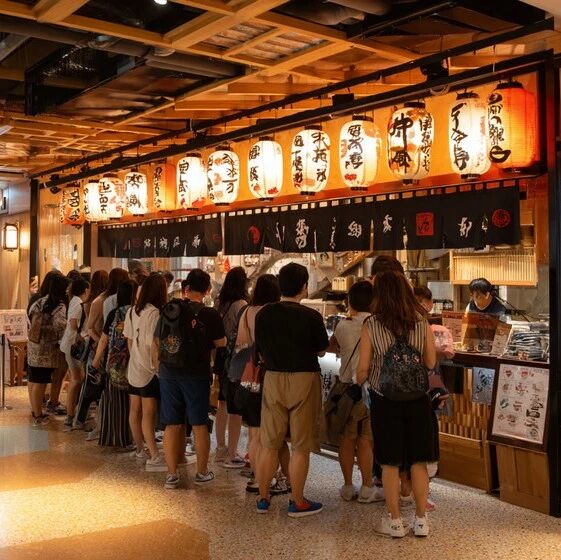
Core Viewpoint - Japanese restaurant brands are experiencing significant success in the Chinese market, with Sushi Ramen's parent company reporting record sales and operating profits, increasing by 19% and 54.4% respectively [4][5]. Group 1: Market Performance - Sushi Ramen and Bin Sushi have become extremely popular, often leading to long queues in shopping malls, indicating a surge in consumer interest in Japanese cuisine [5][9]. - Sushi Ramen's new stores in Shanghai are fully booked for two weeks in advance, showcasing the high demand for affordable sushi chains [7][9]. - The rapid expansion of local sushi brands and the entry of more Japanese brands into China have intensified competition in the Japanese cuisine sector [5][10]. Group 2: Competitive Landscape - Several Japanese brands are setting ambitious goals for expansion in China, with some aiming for "hundred-store" targets [11]. - Local restaurant giants, such as Haidilao, are entering the sushi market, indicating a trend towards localization in the Japanese cuisine sector [22]. - The competitive landscape is expected to become more intense as local brands adopt similar pricing strategies to attract consumers [21][22]. Group 3: Consumer Trends - The perception of Japanese cuisine has shifted, with consumers now more focused on price and value rather than just the origin of ingredients [17][25]. - The trend of "localization" in Japanese cuisine is growing, with domestic suppliers increasingly providing ingredients, reducing reliance on Japanese imports [23][25]. - The market for Japanese cuisine in China is projected to continue growing, with estimates suggesting a market size of 70 billion yuan by 2025 [24].
南极游轮生意,有人撑不住了
虎嗅APP· 2025-11-21 14:04
Core Viewpoint - The article discusses the contrasting fortunes of high-end and small-scale polar cruise companies in the Antarctic tourism market, highlighting a significant polarization in consumer demand and market performance [4][5][22]. Group 1: Market Dynamics - The luxury polar cruise market is thriving, with top brands like Silversea and Ponant experiencing strong demand, while smaller companies struggle to survive [5][22]. - The average price of luxury hotels in the U.S. has reached a record $394, indicating a growing divide in the hospitality sector, which mirrors trends in the polar cruise industry [13][19]. - The number of Chinese tourists visiting Antarctica has increased significantly, with 9,384 visitors in the 2023-2024 season, making China the third-largest source of tourists [24][29]. Group 2: Consumer Behavior - There is a noticeable shift in the demographic of Chinese tourists to Antarctica, with a rising proportion of younger travelers, particularly those born in the 1990s and 2000s [26][27]. - High-end cruise companies are adapting to this demographic shift by enhancing their offerings, such as adding Chinese language support and specialized experiences [27][28]. - The luxury travel market is increasingly characterized by consumers willing to spend significantly on unique experiences, further benefiting top-tier cruise operators [19][22].

K签落地前,这座中国县城已有1.5万外国人常驻
虎嗅APP· 2025-11-21 14:04
Core Viewpoint - The article discusses how Yiwu, a city in China, has developed a unique model of inclusive governance for international migration, positioning itself as a global trade hub through grassroots globalization practices [5][6][34]. Group 1: Yiwu's Globalization Model - Yiwu has transformed from a poor agricultural county into a prosperous trade city in just 30 years, recognized as the world's largest small commodity wholesale market [6][14]. - The city serves as a case study for a new form of globalization that is inclusive and accessible, contrasting with traditional elite-driven global cities [6][34]. - The influx of international merchants has been a key factor in Yiwu's rapid development, necessitating a focus on inclusive governance as part of the "Yiwu model" [7][34]. Group 2: Economic Impact and Trade Networks - In 2020, Yiwu's total import and export volume reached 312.95 billion yuan, with exports accounting for 300.62 billion yuan, highlighting its significant role in international trade [16]. - Yiwu acts as a critical junction for the "Belt and Road" initiative, with trade volume with countries along the route reaching 136.14 billion yuan in 2020 [9]. - The city has established a unique "bottom-up globalization" model, facilitating trade networks that connect various regions across Eurasia [10][34]. Group 3: Governance and Policy Innovations - Yiwu has implemented continuous policy reforms to create a vibrant and inclusive governance model, which has attracted a large number of foreign merchants [18][22]. - The city has become a pilot for national reforms, gaining special permissions that enhance its capacity to manage international trade and foreign residents [19][20]. - The governance approach in Yiwu emphasizes community involvement and cooperation between local authorities and foreign merchants, fostering a friendly and efficient urban environment [21][22]. Group 4: Cultural and Social Dimensions - Yiwu's appeal extends beyond its market; it also encompasses cultural and social aspects, making it a place where international merchants can build networks and communities [11][12]. - The city has developed a "super diversity" characterized by the coexistence of various cultures, languages, and identities, enriching its social fabric [32][34]. - Yiwu's inclusive governance model serves as a potential blueprint for other regions in China to address international migration and foster economic growth [24][26].

全球气候治理的共识,越来越弱了?
虎嗅APP· 2025-11-21 09:31
Core Viewpoint - The article discusses the outcomes and challenges of COP30, highlighting the shift from setting climate goals to implementing them effectively, with a focus on the role of Brazil and the implications of geopolitical dynamics on global climate governance [2][7][12]. Group 1: COP30 Outcomes - COP30 revealed that the global temperature increase has been reduced to a range of 1.9-2.6°C due to the implementation of the "Nationally Determined Contributions" (NDCs) established by the Paris Agreement, contrasting with earlier predictions of over 4°C [2]. - Brazil, as the host country, has set a precedent by announcing its new NDC for 2024, aiming for a 2035 reduction target anchored to achieving carbon neutrality by 2050 [5][7]. - The conference emphasized the need for practical cooperation and the acceleration of low-carbon transitions, marking a shift in focus from goal-setting to implementation [7][12]. Group 2: Challenges in Climate Governance - There is a significant lag in the submission of new NDCs by countries, with nearly half yet to submit, indicating a lack of momentum in global climate governance [3][4]. - Geopolitical divisions, economic uncertainties, and funding shortages are major obstacles, with developed countries and developing nations experiencing distrust over climate financing [6][12]. - The Trump administration's withdrawal from the Paris Agreement and subsequent funding cuts have exacerbated these challenges, with an estimated $11 billion in climate funding affected [6][12]. Group 3: Trade and Climate Policy - The inclusion of "unilateral trade measures" as a formal agenda item was proposed by developing countries, reflecting the need for affordable low-carbon products and their smooth circulation globally [10]. - The article highlights the increasing discussions around trade policies in relation to climate action, as countries seek to avoid "green protectionism" while ensuring equitable and efficient global green transitions [10][11]. Group 4: Brazil's Role in Climate Action - Brazil's proactive stance in climate governance is evident through its reactivation of the Amazon Rainforest protection plans, which have led to a significant reduction in deforestation rates [12][13]. - The choice of location for COP30 in the Amazon region underscores the connection between climate change and ecosystem protection, emphasizing the urgency of addressing environmental degradation [11][12]. Group 5: China's Influence in Climate Governance - China has transitioned from a passive participant to a key player in global climate governance, with significant achievements in low-carbon product exports, reaching $121 billion in the first half of 2025 [15][16]. - The country is also shifting from being a follower in technology application to a leader in innovation, contributing to global low-carbon supply chains and supporting developing nations in their climate efforts [16][20].
