虎嗅APP

Search documents
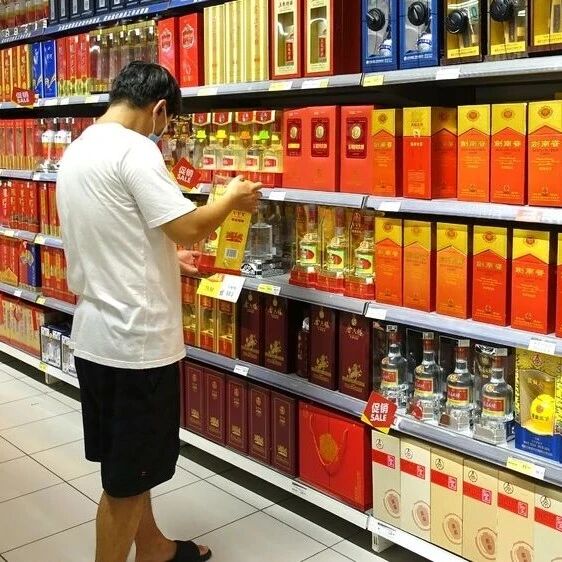
“每天睁眼就是亏钱”,有白酒经销商一年亏3000万
虎嗅APP· 2025-11-21 09:31
Core Viewpoint - The white liquor industry is facing significant challenges, with many distributors reporting severe financial losses and a saturated market leading to price inversion and cash flow issues [4][6][9]. Group 1: Market Conditions - In Q3 2025, 18 out of 20 listed liquor companies reported declining performance, with some experiencing net profit drops exceeding 90% [6]. - Over 50% of white liquor distributors reported worsening price inversions, and more than 40% faced cash flow pressures [6]. - The market is described as overly saturated, with distributors unable to maintain profitability due to falling prices and increasing costs [7][10]. Group 2: Distributor Challenges - Distributors are experiencing a "reverse snowball" effect, where the value of inventory decreases with each new payment made to manufacturers [21][22]. - Many distributors are reducing their operational scale, cutting staff and costs in response to declining sales and profitability [13][19]. - The relationship between distributors and manufacturers is becoming strained, with some distributors losing their rights due to unwillingness to meet high purchase quotas [8][12]. Group 3: Consumer Behavior - There is a perception that younger consumers are not engaging with white liquor, although some distributors believe this is temporary and linked to age rather than a permanent shift in consumption habits [9][23]. - The cultural significance of liquor in social settings is being questioned, with a shift towards valuing health and moderation over traditional drinking practices [15][23]. Group 4: Future Outlook - Despite current challenges, some distributors maintain a belief in the long-term viability of the industry, citing the enduring nature of Chinese drinking culture [23]. - The industry is expected to undergo significant changes, with technology and new consumer preferences reshaping market dynamics [9].

高中生变成大学首席科学家,爽剧都不敢这么编
虎嗅APP· 2025-11-21 09:31
Core Viewpoint - The article discusses the scandal involving Guo Wei, a supposed chief scientist at Jiangsu University of Science and Technology, who was exposed for having a high school diploma only, with his resume being fabricated or borrowed from others [4]. Group 1: Background and Discovery - Guo Wei claimed to have an impressive academic and professional background, including being a top science student in Shaanxi Province and holding positions in prestigious institutions [4]. - Investigations revealed that the claims about his academic achievements, such as being the top science student in 1994, were false, as the actual top student attended Tsinghua University [4]. - Jiangsu University acknowledged the serious academic misconduct and terminated Guo's employment, reporting the case to the police [4][8]. Group 2: Academic and Research Claims - Guo claimed to have published over 170 SCI papers and developed significant theories in materials science, yet searches in top journals revealed no publications under his name [6]. - He falsely claimed to have received national science and technology awards, which were actually awarded to other individuals with the same name [6]. Group 3: Financial Implications and Consequences - Guo allegedly misappropriated substantial research funds, with reports suggesting he managed projects totaling nearly $30 million [7]. - The scandal raises concerns about the integrity of academic hiring processes and the potential waste of academic resources, as genuine talent may be overlooked due to such fraudulent activities [8]. Group 4: Broader Implications for Academia - The incident highlights systemic issues within academic institutions regarding the verification of credentials and the prevalence of academic fraud [8]. - It suggests a need for stricter oversight and accountability in the hiring processes of academic and research positions to prevent similar occurrences in the future [8].

深度揭秘:三体公司CEO毒杀游族董事长林奇案始末
虎嗅APP· 2025-11-21 09:31
Core Viewpoint - The article discusses the criminal case of Xu Yao, former CEO of San Ti Company, who was sentenced to death for intentional homicide and the use of dangerous substances, highlighting the intricate details of the case and the background of the involved parties [4][6][75]. Group 1: Background of the Case - Xu Yao was convicted for poisoning his boss, Lin Qi, the chairman of Youzu Network, leading to Lin's death, and for poisoning four others [9][66]. - The poisoning incident occurred in December 2020, and Xu Yao was arrested shortly after Lin's hospitalization [12][57]. - Xu Yao's actions included purchasing various toxic substances online and conducting experiments in a rented warehouse [9][42]. Group 2: Xu Yao's Professional Background - Xu Yao was born in 1981 and graduated from prestigious universities, including Southwest University of Political Science and Law and the University of Michigan [13]. - He worked at Dewey & LeBoeuf LLP and later joined Fosun Group, where he quickly rose to a prominent position in the legal department [13][14]. - Xu Yao was recognized for his contributions to international legal affairs, overseeing significant transactions valued at approximately $142.6 billion [14]. Group 3: Lin Qi and Youzu Network - Lin Qi, also born in 1981, founded Youzu Network, which became a leading player in the gaming industry after its successful IPO in 2014 [16][17]. - Lin was a fan of the "Three-Body Problem" series and sought to develop related media products, including films and games [18][19]. - The company faced challenges in successfully launching adaptations of the "Three-Body Problem," which Lin had invested in heavily [19][21]. Group 4: The Poisoning Incident - On December 16, 2020, Lin Qi consumed a product recommended by Xu Yao, which was later found to be contaminated with lethal toxins [50][66]. - Following Lin's hospitalization, investigations revealed the presence of "pufferfish toxin" and "a-agaritine" in his system, leading to his death on December 25, 2020 [66][67]. - The stock price of Youzu Network dropped significantly following the news of Lin's hospitalization and subsequent death, reflecting investor concerns [65][68]. Group 5: Legal Proceedings - Xu Yao was arrested on December 18, 2020, and faced charges of intentional homicide and the use of dangerous substances [75]. - Despite his claims of innocence and attempts to argue that Lin's death was due to other causes, the court upheld the charges against him [76][78]. - The case has drawn significant media attention due to its dramatic nature and the high-profile individuals involved [4][8].

爱具体的人,做心动的事儿
虎嗅APP· 2025-11-21 06:00
Core Insights - The article emphasizes the importance of individual identity in the age of AI, suggesting that technology should enhance human experiences rather than define them [2][3][5]. Group 1: Event Overview - The 2025 Hu Xiu F&M Innovation Festival will take place on November 22-23 at Beijing 798·751 Park, focusing on the theme "I, Rebecoming Myself" [2]. - The event will feature over 100 cross-disciplinary practitioners and thinkers from various fields, including AI technology, consumer business, philosophy, and health [2][3]. Group 2: Key Sessions - On November 22, the session "AI Reshapes Everything" will include a deep dialogue between Professor Zhou Lian from Renmin University and Wang Jialiang, founder of Chubao, discussing the essence and boundaries of humanity under AI [2]. - The session "Who Am I, Who Can I Be" will explore life boundaries with insights from leaders in brain-machine interfaces, AI healthcare, and synthetic biology [3]. - A special lecture by Zhang Xiaoyu, an award-winning author, will address the relationship between intelligence and society, questioning the future direction of social evolution due to AI [3]. Group 3: Debates and Discussions - A debate titled "Will AI Enhance or Diminish Human Intelligence?" will feature prominent figures discussing the implications of AI on human cognitive abilities [5]. - The event will also include practical methodologies from industry leaders, such as the vice chairman of Haidilao, who will reimagine the essence and boundaries of service in the restaurant industry [8]. Group 4: Consumer Insights - The session "I, Meaning" will focus on how AI can transform consumer experiences, featuring discussions on emotional engagement through music and virtual personas [7]. - Data-driven insights will be shared by industry experts, revealing the true nature of consumer behavior in the market [8]. Group 5: Interactive Experiences - Attendees will have the opportunity to interact with over 60 AI products, including robots that understand emotions and creative smart toys [9]. - The event will also feature open dialogues on contemporary issues faced by young people, such as high housing prices and employment challenges [9].
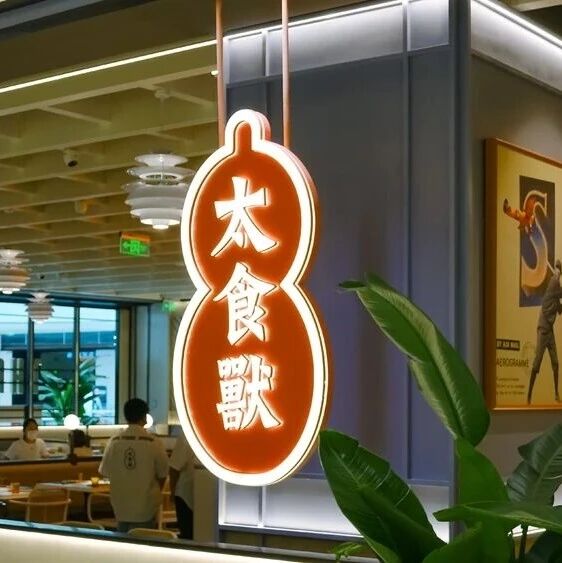
一批泰餐品牌开始走下坡路,泰餐不行了?
虎嗅APP· 2025-11-20 23:57
Core Viewpoint - The article discusses the decline of several Thai restaurant brands in China, particularly focusing on the case of Tai Shi Shou, which has seen a significant reduction in its number of stores and overall market presence [4][16]. Group 1: Tai Shi Shou's Decline - Tai Shi Shou, once a leading Thai restaurant chain in China, has reportedly closed all its stores in Nanjing and has been exiting multiple markets including Anhui, Hebei, Gansu, and Sichuan [5][11]. - The brand peaked with over 60 stores nationwide but has seen its store count shrink by more than half within a year, now reportedly having only 20 operational locations [15]. - The restaurant initially gained popularity through its unique "Thai + Tea Restaurant" model and social media buzz, leading to long queues at new openings [7][9]. Group 2: Broader Industry Trends - Other Thai restaurant brands are also experiencing downturns, with notable closures reported for brands like Xingye Nanyang Cuisine and Simply Thai, indicating a broader trend of decline in the Thai dining segment [16][18]. - The shift in consumer preferences towards "value-for-money dining" has impacted traditional Thai restaurants, which typically have higher average spending per customer (around 120-160 yuan) [19]. - In contrast, new "Thai-style street stalls" are emerging, offering a more affordable dining experience with lower average spending (60-70 yuan), suggesting a potential shift in market dynamics [20].
早报 | 英伟达财报未能稳住市场,美股大跌;霸王茶姬老板将娶天合光能千金;俞敏洪回应南极旅游争议;达利欧称AI泡沫未到破裂时
虎嗅APP· 2025-11-20 23:57
昨夜今晨 【美股大跌:英伟达财报未能稳住市场】 美东时间周四,美股市场上演过山车式行情,尽管英伟达强劲财报一度显著提振了市场情绪,纳指一度涨超 2%,但随着估值担忧卷土重来,以及降息预期进一步受挫,三大指数悉数收跌,纳指跌逾2%。 截至收盘,道琼斯指数跌0.84%,报45,752.26点;标普500指数跌1.56%,报6,538.76点;纳斯达克指数跌 2.15%,报22,078.05点。 另外,比特币也继续下挫,自四月以来首次跌破8.7万美元,截至发稿时报8.69万美元,跌幅超5%,盘中最低 报8.61万美元。 【美国9月非农大超预期,美联储12月决策更趋复杂】 美东时间周四,美国劳工统计局公布的数据显示,美国9月非农就业意外大增11.9万人,显著高于市场预期的5 万人。报告发布后,美国股指期货涨幅扩大,美国国债收益率全线走低,交易员继续押注美联储不会在12月的 会议上进一步降息。 失业率则从8月的4.3%升至4.4%,创2021年以来新高。此外,7月份非农新增就业人数从7.9万人下修7000人至 7.2万人;8月份非农新增就业人数从2.2万人下修2.6万至-0.4万人。修正后,7月和8月新增就业人数合计较 ...





年赚10亿的AI单品,喂不饱大厂
虎嗅APP· 2025-11-20 23:57
Core Viewpoint - Kuaishou aims to achieve an annual revenue of 1 billion from its AI product, Keling, which has shown significant growth in its recent financial performance, marking a shift in the company's growth trajectory driven by AI technology [5][7][9]. Financial Performance - In Q3 2025, Kuaishou reported a revenue of 35.554 billion yuan, a year-on-year increase of 14.2%, the highest growth rate in nearly six quarters [5][7]. - Operating profit increased by 69.9% to 5.3 billion yuan, while adjusted net profit rose by 26.3% to 4.99 billion yuan, comparable to major competitors like JD and Baidu [7]. - Keling AI's revenue exceeded 300 million yuan in Q3, with a target for the full year raised from 430 million yuan to 1 billion yuan, reflecting a growth of over 130% [7][9]. AI's Role in Growth - AI has become the core engine for Kuaishou's performance, with online marketing service revenue growing by 14% to 20.1 billion yuan, driven by the application of AI technologies [9][11]. - The OneRec and G4RL models significantly improved marketing efficiency, contributing approximately 5% to the online marketing service revenue [9][11]. - Keling AI has generated over 450 million users and produced over 200 million videos and 400 million images, serving over 20,000 enterprise clients across various industries [13][15]. E-commerce and Live Streaming - E-commerce revenue grew by 41.3% to 5.9 billion yuan, benefiting from AI applications in the e-commerce sector, with a daily active merchant count increasing by 13% [17][19]. - Live streaming revenue increased by 2.5% to 9.574 billion yuan, with a focus on stabilizing operations rather than aggressive growth [16][19]. User Engagement and Ecosystem - Kuaishou's DAU reached 416 million, a year-on-year increase of 1.7%, while MAU grew by 2.2% to 731 million, indicating strong user engagement [22][25]. - The average daily usage time reached 134.1 minutes, reflecting a high level of user retention and engagement within the platform [25][26]. Organizational Changes - Kuaishou initiated a major organizational restructuring to enhance operational efficiency, integrating related business units to address collaboration issues [26][28]. - The appointment of Liu Xiao as head of the Life Services Division aims to leverage his experience in marketing and operational needs of local businesses [29][30]. Market Trends - The live e-commerce market is experiencing a slowdown, with a projected growth of only 8.31% in transaction volume for 2024, indicating a shift to a more competitive landscape [19][20]. - Kuaishou is focusing on enhancing the monetization potential of quality content creators and improving marketing efficiency in response to the changing market dynamics [20][33].

零售终于坐在消费者这边了
虎嗅APP· 2025-11-20 13:53
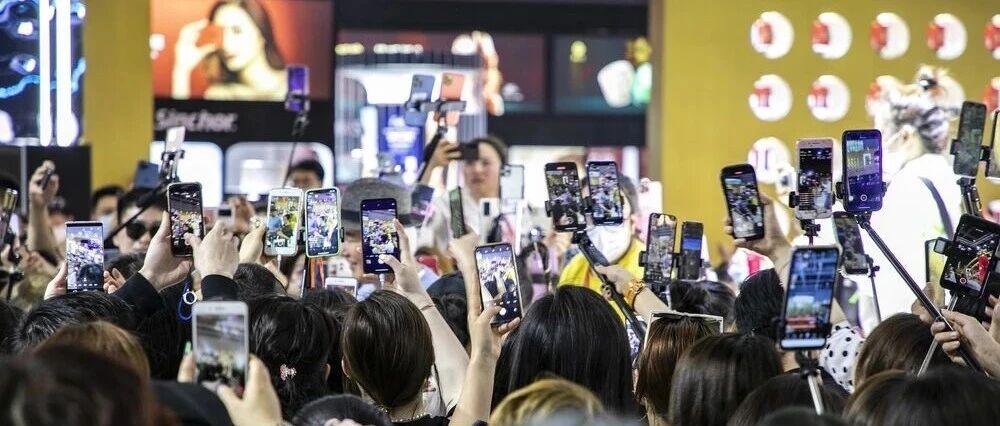
随后,中国零售业进入了快速爆发时期,大型商超多次迭代、电商和即时零售的崛起,加之中国供给 端的高速发展,给消费者带来了丰富的供给、多元的选择,迎来了"敢买"、"想买"的日子。但不知道 从什么时候起,整个零售行业,从品牌、零售商到大型电商平台,想要让消费者动心,越来越难。表 面上的"选择越多"、"物资丰富"并没有让消费者觉得"更好买",反而他们总是觉得选择成本高,购物 过程繁琐。 这样的感受并不意外,因为零售业已经很久没站在消费者这边了,品牌方按照他们的想象制造、零售 商顾着销售,唯独忘记了听听消费者在想什么,或者就算听到了,也出于财务指标很难贯彻下去。所 谓零售行业的结构性困境,只是在提醒一个简单的道理—— 零售行业如果忘了顾客,顾客也会忘了 它。 背向顾客做零售,当然会迷路 当消费者逐渐远离时,很多企业开始把目光投向自有品牌。这是零售企业重新掌控货盘、提升差异化 的关键举措。然而,在行业整体焦虑的背景下,许多自有品牌成了"指标驱动"的产物:比拼的是 SKU数量、品类覆盖和营收占比,而不是商品是否真正有被购买的理由。 起初,大型零售代表着一种朴素的交易信任:明码标价、货真价实,顾客需要什么,就能方便地找到 什 ...


一个公式,读懂流媒体剧变
虎嗅APP· 2025-11-20 13:53
Core Viewpoint - iQIYI's Q3 2025 financial report shows total revenue of 6.68 billion yuan, with membership service revenue at 4.21 billion yuan, reflecting a 3% quarter-over-quarter growth. The report highlights the evolving landscape of video content driven by AI, emphasizing the need for platforms to adapt their content strategies to meet changing user demands and emotional engagement [5][10][19]. Group 1: Content Strategy and Market Position - iQIYI is focusing on enhancing content production capabilities and improving consumption formats to increase platform value [7]. - The company is maintaining a strong presence in traditional content, with successful releases such as the series "生万物" and the film "捕风追影," which grossed over 1.2 billion yuan [10]. - iQIYI's overseas revenue has seen significant growth, reaching a near two-year high, indicating the successful conversion of Chinese content advantages into international business [10]. Group 2: Emotional Value and User Engagement - The essence of the content industry is viewed as an investment in producing user-favored content, which serves as a platform asset and underpins the business model [9]. - iQIYI is actively developing IP consumer products and offline experience businesses, with projects underway in cities like Yangzhou and Kaifeng, and a third park announced in Beijing [15]. - The relationship between users and content IP is evolving, with offline experiences enhancing emotional engagement and loyalty among fans [15][18]. Group 3: AI's Role in Content Creation - AI is seen as a transformative force in the content industry, enhancing creativity and production efficiency [21][25]. - iQIYI has initiated an AI short film competition and partnered with Oscar-winning director Baodeqi to establish the "Baodeqi·iQIYI AI Theater," aiming to explore effective workflows for AI in the film industry [28]. - The company is focused on nurturing talent and developing AI-driven content production methods, anticipating significant changes in the industry within the next few years [28][30]. Group 4: Future Business Model and Value Creation - The shift towards "spiritual market share" reflects a new business model that prioritizes emotional engagement over traditional metrics like screen share [18][19]. - iQIYI's long-term value is projected to depend on the potential total value of its IP asset portfolio and the efficiency of monetization across various scenarios [32]. - The company is simultaneously enhancing its content production capabilities and expanding its monetization channels, positioning itself for a transformative evolution in the content landscape [34].


李斌的苦,雷军还要再吃一遍?
虎嗅APP· 2025-11-20 13:53
Group 1 - The article discusses the recent challenges faced by Xiaomi and its founder Lei Jun, drawing parallels with NIO's CEO Li Bin, highlighting the shifting dynamics in the Chinese electric vehicle (EV) industry [2][3] - The narrative emphasizes the dual nature of "traffic" in the EV sector, where it can both elevate and harm reputations, as seen in the contrasting experiences of Li Bin and Lei Jun [4][5] - Xiaomi's initial success in pre-orders for its SU7 and YU7 models is overshadowed by safety incidents, leading to a rapid decline in public perception and trust [6][15] Group 2 - The article contrasts the testing approaches of Li Bin and Lei Jun, noting that Li Bin's hands-on, transparent methods have garnered public trust, while Lei Jun's marketing-driven approach has led to skepticism [7][10] - The narrative points out that while both CEOs engage in showcasing their products, the public's reaction varies significantly based on their perceived authenticity and the outcomes of their demonstrations [11][12] Group 3 - The article highlights a shift in consumer priorities within the EV market, with safety now taking precedence over smart features, posing a significant challenge for Xiaomi [14][15] - It notes that Xiaomi's vehicles are facing declining resale values, indicating concerns about their long-term reliability and market perception [15][16] Group 4 - The piece discusses the broader implications for the EV industry, suggesting that the focus is shifting from marketing and traffic to safety and compliance, driven by regulatory changes [16][17] - It concludes that both Lei Jun and Xiaomi must navigate these challenges by prioritizing safety and rebuilding consumer trust, similar to the journey taken by NIO [18][19]