虎嗅APP

Search documents
35岁天花板,终于破了
虎嗅APP· 2025-10-14 09:11
Core Viewpoint - The relaxation of the age limit for civil service examinations from 35 to 38 years signals a significant shift in employment policies, reflecting the changing demographics and labor market dynamics in China [4][6][21]. Group 1: Age Limit Changes - The age limit for civil service recruitment has been raised from 35 to 38 years, with some regions extending it to 40 or even 45 years [6][8]. - The initial 35-year age limit was established in 1994, aimed at promoting youth in leadership roles, but has become outdated as the average age of the workforce has risen significantly [8][10]. - The average age of the labor force in China has increased from 32.25 years in 1990 to 39.72 years in 2022, indicating a demographic shift towards an older workforce [11]. Group 2: Implications of Policy Changes - The recent policy changes are part of a broader initiative to ensure equal employment rights and eliminate age discrimination, as outlined in the "24 Measures" for stabilizing employment [18][32]. - The removal of the 35-year age limit is expected to set a precedent for further reforms across various sectors, potentially leading to the elimination of age barriers in other employment areas [19][21]. - The demographic group affected by this change, primarily those born in the 1990s, constitutes a significant portion of the current workforce, making their employment stability crucial for overall economic stability [26][30]. Group 3: Future Considerations - There are concerns that the removal of the 35-year limit may lead to a new "38-year ceiling," necessitating careful management of age-related employment policies [22][32]. - The importance of the 35-year age group is underscored by their substantial representation in the labor market, with those aged 30-49 making up over half of the employed population [30][31]. - Ensuring job security for the 80s and 90s generations is vital for maintaining social stability and economic growth in China [31][32].


早报|三大运营商eSIM手机业务上线;西贝回应新公司涉及预包装食品;库克在抖音完成直播带货首秀;天府大道车祸系酒驾事故
虎嗅APP· 2025-10-14 00:08
Group 1 - The three major telecom operators in China, including China Mobile and China Unicom, have officially launched eSIM mobile services after receiving approval for commercial trials [2][3] - China Unicom reported that as of the article's publication, 68,356 users had already made online appointments for eSIM services [2] - China Telecom has set specific conditions for eSIM service registration, including age and account limits [4] Group 2 - Apple CEO Tim Cook conducted a live-streaming sales event on Douyin, announcing the upcoming release of the iPhone Air, which will be available for pre-order starting October 17 [5] - The iPhone Air's release was delayed due to the postponement of eSIM services by the three major telecom operators [5] Group 3 - OpenAI and Broadcom announced a strategic partnership to develop custom data center chips, with plans to deploy AI accelerators by 2026 [11] - Broadcom's stock rose by 12% following the announcement of this collaboration, which aims to meet the growing demand for AI technologies [11] Group 4 - The Chinese government has implemented a special port fee for American vessels, effective from October 14, as part of a reciprocal measure against the U.S. [7][8] - The fee structure includes a charge of 400 RMB per net ton for Chinese vessels entering U.S. ports [28] Group 5 - Vanke Enterprises announced the resignation of its chairman, Xin Jie, and the election of Huang Liping as the new chairman [21] - The resignation was attributed to personal reasons, and the transition in leadership is expected to impact the company's strategic direction [21] Group 6 - The Dutch government plans to impose restrictions on Anshi Semiconductor, a subsidiary of China's Wingtech Technology, prompting a response from the Chinese Foreign Ministry [26] - The ministry emphasized its opposition to discriminatory practices against specific national enterprises and the need to adhere to market principles [26]

推迟普职分流,让孩子们喘口气吧
虎嗅APP· 2025-10-14 00:08
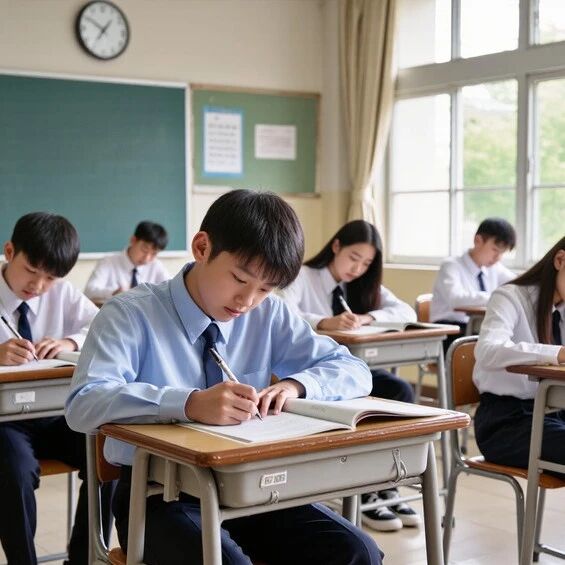
Core Viewpoint - The article discusses the recent adjustments in policies regarding the separation of academic and vocational education in China, highlighting the increasing focus on expanding ordinary high school enrollment while reducing the intensity of student separation into vocational education [3][4]. Group 1: Policy Adjustments - Various regions in China, such as Shaanxi and Zhejiang, are implementing policies to increase the enrollment ratio of ordinary high schools, with Shaanxi aiming for 77% by 2025 [3]. - Fujian has initiated a pilot program for integrating ordinary and vocational education, allowing for student transfers between the two systems [3]. Group 2: Public Concerns - The fixed ratio of academic to vocational education has led to significant anxiety among families, as many students are compelled to enter vocational schools regardless of their preferences or abilities [4][5]. - The perception that vocational education lacks the same opportunities as ordinary education contributes to this anxiety, as many vocational students struggle to access higher education and public sector jobs [5][7]. Group 3: Importance of Vocational Education - Despite the challenges, vocational education is crucial for meeting the demand for skilled labor in industries such as manufacturing, which is projected to face a talent gap of nearly 30 million by 2025 [8][9]. - However, a survey indicates that only 20.41% of young workers are willing to pursue jobs in manufacturing, primarily due to concerns about social status and working conditions [9]. Group 4: Legislative Changes - The revised Vocational Education Law has relaxed the requirements for student separation, allowing for more flexibility in how vocational and ordinary education are structured [11]. - Despite these changes, the underlying anxiety regarding educational pathways remains prevalent among parents and students [11]. Group 5: Solutions and Challenges - To alleviate the anxiety surrounding vocational education, there is a need to significantly improve the wages and social status of industrial workers [12][15]. - The current profit margins in China's manufacturing sector are low, making it difficult to offer competitive salaries and benefits to attract young workers [15][16]. - The cultural shift towards higher education and urbanization complicates the transition back to factory work for many young people, highlighting the need for substantial improvements in working conditions and career advancement opportunities [17].
小米,再不反思就晚了
虎嗅APP· 2025-10-14 00:08
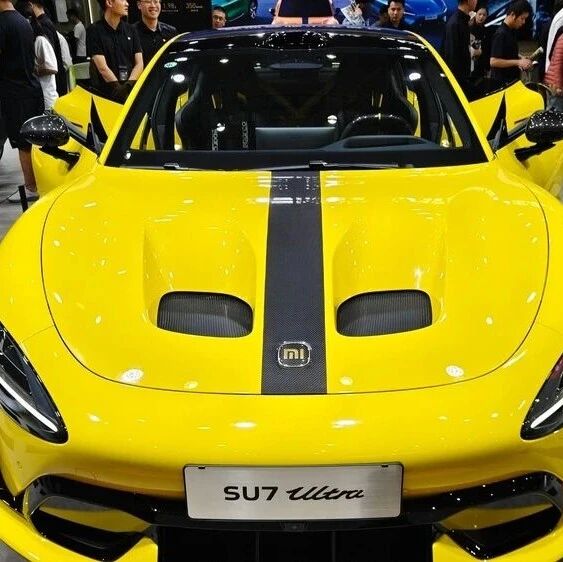
Core Viewpoint - Xiaomi is facing significant challenges following a fatal traffic accident involving its SU7 Ultra model, raising concerns about the safety and responsibility of its vehicles [2][3][5]. Group 1: Accident Details - The accident occurred on October 13, 2025, in Chengdu, with the driver suspected of being under the influence of alcohol [3]. - The driver exhibited reckless behavior prior to the accident, including speeding and unsafe maneuvers [4]. - The vehicle collided with another car and subsequently with a green belt, leading to a fire that resulted in the driver's death [4]. Group 2: Responsibility and Implications - The accident's responsibility lies primarily with the driver, regardless of the alcohol factor, highlighting the need for Xiaomi to reassess its operational strategies [5]. - Unlike previous incidents involving smart driving, Xiaomi's direct responsibility in this case is less pronounced, but the frequency of accidents involving Xiaomi vehicles indicates a pressing need for strategic adjustments [5]. Group 3: Performance and Target Demographics - The SU7 Ultra has been marketed heavily on performance, achieving notable track times, which aligns with Xiaomi's branding in consumer electronics [8][10]. - The vehicles are positioned as affordable performance options, appealing particularly to younger consumers, with a significant percentage of users being under 35 years old [11][12]. - This demographic, characterized by shorter driving experience, poses a risk when combined with high-performance vehicles, leading to dangerous driving behaviors [12]. Group 4: User Behavior and Company Response - Users have reported engaging in risky driving practices, such as drifting, which raises safety concerns [12]. - Xiaomi attempted to implement restrictions on high-performance usage through an OTA update, but faced backlash from users, leading to the retraction of the initiative [15][16]. - The company's strategy of appealing to a younger, performance-oriented market may inadvertently contribute to unsafe driving practices [17]. Group 5: Market Position and Future Strategy - Xiaomi's entry into the automotive market has been marked by aggressive strategies, but the recent incidents suggest a need for a more cautious approach [19]. - The company must balance its innovative drive with the inherent risks of the automotive industry, which differs significantly from consumer electronics [19]. - To maintain its reputation and ensure safety, Xiaomi should adopt a more conservative strategy in product development and marketing [19].


荷兰“冻结”的安世半导体,对汽车产业有多关键?
虎嗅APP· 2025-10-13 14:14
Core Viewpoint - The article discusses the recent turmoil surrounding Wintech Technology and its subsidiary Nexperia, highlighting the geopolitical tensions affecting the semiconductor industry, particularly in relation to national security concerns and the implications for global supply chains [4][5]. Group 1: Incident Overview - On October 12, Wintech Technology announced that its subsidiary Nexperia's assets and intellectual property were frozen by the Dutch government, effective September 30, for a period of one year [4]. - The incident coincides with Wintech's strategic shift towards focusing on the semiconductor sector after divesting its consumer electronics ODM business [4][5]. Group 2: Nexperia's Background - Nexperia originated from Philips Semiconductor, evolving through various technological advancements in discrete devices over more than 80 years [7][8]. - In 2016, a Chinese consortium acquired Nexperia's standard products business from NXP for approximately $2.75 billion, establishing it as an independent entity under Dutch law [10][11]. Group 3: Market Position and Growth - Nexperia is a leading global manufacturer of power semiconductors, with significant revenue derived from the automotive sector, achieving $2.36 billion in revenue in 2022 and projected revenues of $2.15 billion in 2023 and $2.06 billion in 2024 [11]. - The company has seen a 30% year-on-year growth in power discrete device revenue in 2023, positioning it as a top player in the global market [17]. Group 4: Strategic Importance - Nexperia's integrated device manufacturer (IDM) model allows it to control the entire production chain, from chip design to wafer manufacturing and packaging, providing a competitive edge in the market [14][15]. - The company has a strong foothold in the automotive sector, being a core supplier to major Tier 1 automotive manufacturers, which enhances its market position and customer loyalty [18][20]. Group 5: Geopolitical Implications - The incident reflects the increasing geopolitical tensions in the semiconductor industry, with Nexperia being viewed as a critical player in the discrete device market [22]. - The article suggests that the current geopolitical landscape may drive Chinese companies to seize opportunities in supply chain restructuring, focusing on capacity expansion and customer engagement to capture market share [22].

中国手机,还有第三条路
虎嗅APP· 2025-10-13 14:14
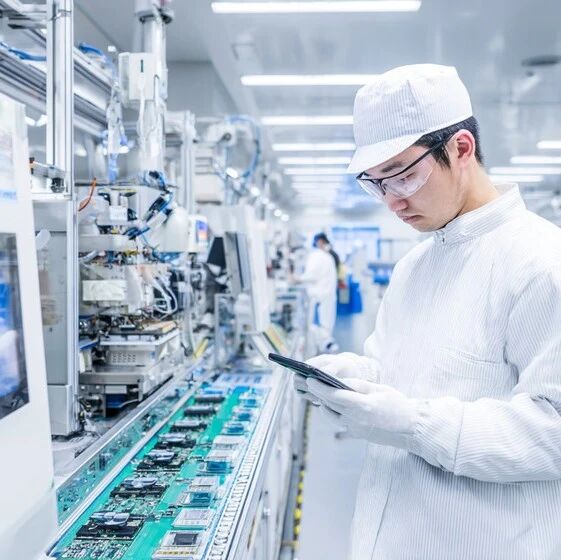
Core Insights - The Chinese smartphone market is characterized by intense competition and significant innovation, with a shift towards high-end models, contributing over 25% of the global high-end smartphone market share by mid-2025 [2][3]. Market Dynamics - The market has transitioned from growth-driven strategies to a focus on capturing existing market share, necessitating deeper competitive advantages for manufacturers [3]. - Consumer preferences are evolving, with a greater emphasis on user experience, technology integration, and brand value rather than just specifications [3]. Competitive Landscape - The top six manufacturers are projected to hold approximately 95% of the market share from July 2024 to August 2025, with Huawei, Vivo, and Xiaomi collectively accounting for over 50% [3][4]. - Huawei, Xiaomi, and Vivo represent distinct strategic approaches within the market, each successfully navigating the competitive landscape [4][5]. Huawei's Strategy - Huawei adopts a high-altitude strategy focused on building a robust technological foundation, investing heavily in R&D, with expenditures exceeding 20% of revenue in 2024 [8]. - The return of the Kirin 9010 chip has revitalized Huawei's smartphone business, allowing it to secure a position in the lucrative high-end market [9]. Xiaomi's Approach - Xiaomi's strategy emphasizes horizontal expansion and ecosystem development, creating a vast network of interconnected smart devices [10][11]. - The company's unique "investment + incubation" model facilitates rapid product category expansion while maintaining high cost-performance ratios [10]. Vivo's Long-Term Strategy - Vivo's approach is characterized by a focus on user satisfaction and long-term value accumulation, prioritizing user experience over aggressive market expansion [15][16]. - The company has consistently invested in areas that enhance user experience, such as high-quality audio and innovative imaging technologies [17][19]. Recent Developments - Vivo's latest X300 series exemplifies its strategic focus on user-centric innovation, featuring advanced imaging capabilities and a collaborative development approach with industry leaders [26][30]. - The introduction of the "4K 60FPS cinematic portrait video" function in the X300 series addresses user demands for high-quality video production [30]. Conclusion - The competition among Huawei, Xiaomi, and Vivo illustrates the depth and maturity of the Chinese smartphone industry, with each brand carving out its unique identity and market position [35][36]. - The high-end market is seen as the ultimate battleground, where each company's distinct strengths will be tested against consumer preferences and market dynamics [36].

中年男人的“爱马仕”,三个字
虎嗅APP· 2025-10-13 14:14
Core Viewpoint - The article discusses the booming marathon industry in China, highlighting the increasing participation and the evolving nature of marathon events, which have transformed into a complex ecosystem involving significant financial investment and social dynamics [3][4][6]. Industry Growth - The number of marathon events in China has surged, with 749 events planned for 2024, attracting a total of 704.86 million participants, averaging about 9,400 participants per event. This is a dramatic increase from 1828 events in 2019 and 134 in 2015, marking a growth of over 12 times in just five years [8][12]. - The participation numbers have also escalated from 1.5 million in 2015 to 7.12 million in 2024, indicating a growing interest in long-distance running [8]. Registration and Participation - Most popular marathons now require a pre-registration and lottery system, with extremely low acceptance rates. For instance, the Shanghai Marathon had a registration of 356,589 with a 7.2% chance of winning a spot, which can drop to around 3% when considering all factors [12][17]. - There are alternative ways to secure a spot, such as purchasing charity entries, which can cost significantly more than regular registration fees. For example, the 2024 Beijing Marathon offered charity spots for 2,000 RMB, while the 2025 Shanghai Marathon's charity spots were priced at 5,000 RMB each [17][18]. Equipment and Training - The marathon industry has led to a surge in demand for specialized running gear, with brands like Li Ning and Hoka becoming popular among participants. The article notes that the average marathon runner is typically aged between 30 to 39, a demographic that holds a significant portion of China's wealth [23][27]. - Training services have also emerged, with personal trainers charging between 400 to 800 RMB per hour, and specialized pacing services (referred to as "private hares") costing anywhere from 1,000 to 10,000 RMB depending on the desired performance outcome [29][30]. Social Dynamics - The marathon has evolved into a form of social currency, with participation and associated costs reflecting one's social status. The article suggests that marathons have become a new luxury experience for middle-class individuals, akin to owning high-end brands [20][21]. - The emotional and psychological aspects of running are emphasized, with many participants viewing marathons as a means to regain a sense of control and accomplishment in their lives, especially as they face the challenges of middle age [45][49][53].

小米SU7发生起火事故,电池、门把手成为关注焦点
虎嗅APP· 2025-10-13 14:14
Core Viewpoint - The article discusses a serious traffic accident involving electric vehicles, particularly focusing on the safety features and design flaws of Xiaomi's electric cars, which have raised concerns about battery safety and door handle design in emergency situations [5][11]. Summary by Sections Accident Details - A traffic accident occurred on October 13, 2023, in Chengdu, resulting in the death of the driver, who was suspected of driving under the influence. The involved vehicles were both electric cars, and one caught fire after the collision [5][6]. Vehicle Safety Features - Xiaomi's vehicles, including the SU7 Ultra, are marketed with advanced safety features, such as a battery design intended to mitigate fire risks during collisions. The company claims that the battery pack has 17 layers of high-pressure insulation and can withstand temperatures up to 1000°C [7][8]. - The battery pack's bottom is reinforced with a bulletproof coating, enhancing its resistance to tearing and puncturing by 10 to 13 times compared to traditional materials [7]. Emergency Response Challenges - The design of the door handles in Xiaomi's vehicles has come under scrutiny. The vehicles use electronic door handles that may fail to operate in a collision, potentially trapping occupants inside during emergencies [9][10]. - Data indicates that vehicles with electronic door handles have a significantly lower success rate in emergency situations compared to those with mechanical handles [10]. Regulatory Implications - The accident has sparked discussions about upcoming regulations regarding battery safety and door handle designs in electric vehicles. New standards set to take effect in July 2026 will impose stricter safety requirements for electric vehicle batteries [11][12]. - Proposed regulations will also ban fully hidden door handles and require mechanical release mechanisms to improve rescue operations during emergencies [12].
关税阴霾再临,“稀土牌”效力如何?股市能撑住吗?
虎嗅APP· 2025-10-13 09:44
Core Viewpoint - The article discusses the escalating trade tensions between the US and China, particularly focusing on the implications of China's export controls on rare earth metals and the US's potential tariff increases on Chinese imports. It highlights the strategic importance of rare earths in global supply chains and the ongoing geopolitical maneuvering between the two nations [2][8][11]. Group 1: Trade Tensions and Market Reactions - Following the announcement of new tariffs by President Trump, global stock markets experienced significant declines, with the S&P 500 index dropping 2.4% in one week, marking the most severe sell-off since April [6][5]. - The Chinese government's decision to impose stricter export controls on rare earths is seen as a strategic move to enhance its leverage in trade negotiations with the US [9][10]. - The article notes that the market's reaction to these developments may present buying opportunities, particularly if the situation stabilizes post-APEC summit [3][20]. Group 2: Rare Earths Market Dynamics - China dominates the global rare earth market, accounting for approximately 88% of rare earth oxide production and 91% of rare earth metal production [8][9]. - The strategic importance of rare earths is underscored by their critical role in advanced manufacturing processes, including electric vehicle production [9][10]. - China's recent export control measures are part of a broader strategy to utilize its rare earth resources as a bargaining chip in international trade [11][12]. Group 3: US Export Controls and EDA Software - The US has implemented export controls on electronic design automation (EDA) software, which is crucial for semiconductor design, further complicating the technology landscape between the two countries [14][15]. - The restrictions on EDA software have significant implications for China's semiconductor industry, which relies heavily on foreign technology for advanced chip design [16][17]. - The article suggests that while the US has strong leverage through its technology controls, China's rare earth dominance provides it with a counterbalancing strategy [11][12]. Group 4: Future Market Outlook - The article anticipates that the fourth quarter will be critical for the Hong Kong stock market, influenced by US-China negotiations and macroeconomic factors [21]. - Despite current market volatility, there remains a willingness among investors to buy on dips, supported by low interest rates and favorable policy conditions in China [20][21]. - The ongoing AI theme in the US market continues to attract investment, with analysts suggesting that the current market dynamics do not yet indicate a bubble [22].
特斯拉新车“换汤不换药”,马斯克能否突破自我?
虎嗅APP· 2025-10-13 09:44
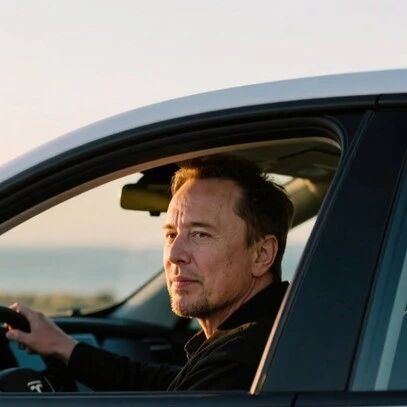
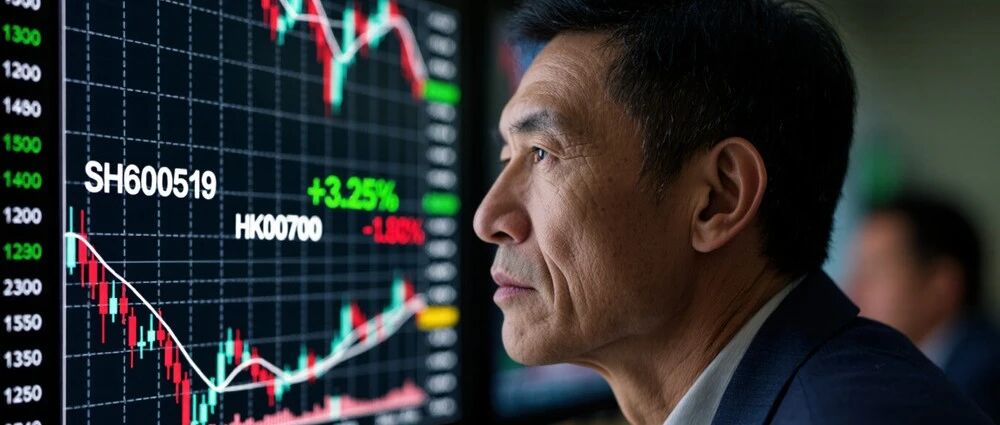
Core Viewpoint - Tesla's recent launch of the Model Y and Model 3 standard versions aims to attract price-sensitive consumers, but the lack of innovative features and significant cost-cutting measures may hinder their appeal, particularly in the Chinese market [4][5][6][9]. Group 1: Product Launch and Market Response - Tesla introduced the Model Y and Model 3 standard versions during the National Day holiday in the U.S., with starting prices of $39,990 and $36,990, respectively, reducing the entry price by $5,000 and $5,500 [4]. - The Model Y standard version has been criticized for extensive cost-cutting, including the removal of features like ambient lighting, electric seat adjustments, and even the Autopilot system, which requires an additional $8,000 for the Full Self-Driving option [5][6]. - Following the announcement of the new models, Tesla's stock initially rose over 5% but subsequently fell 4.45%, resulting in a market value loss of $65 billion, indicating investor skepticism about the new models' attractiveness [8][9]. Group 2: Innovation and Competitive Landscape - Tesla's long-standing reliance on the Model Y, which has not seen significant innovation in six years, poses a challenge as competitors in China rapidly advance with diverse offerings [10][29]. - The company has not introduced a groundbreaking new product since the Model Y, and the current strategy of minor adjustments to existing models may not suffice to maintain market leadership [10][29]. - The lack of a new flagship model and the focus on cost-cutting rather than innovation may lead to difficulties in sustaining growth, especially in the competitive Chinese market [22][33]. Group 3: Leadership and Company Culture - The article draws parallels between Elon Musk and other strong founders, suggesting that Musk's dominant influence may stifle innovation within Tesla, similar to the situation faced by the late founder of Wahaha, Zong Qinghou [11][30]. - The governance structure at Tesla, while more professional than that of some companies, still reflects a "one-man company" culture that can limit creative input from other team members [12][36]. - For Tesla to regain its innovative edge, it may require Musk to delegate more and create an environment that encourages risk-taking and creativity among employees [36][37].