雷峰网

Search documents
有钱人终成眷属!霸王茶姬创始人迎娶400亿「光二代」千金;广汽和华为曾多次「吵架」!启境幕后细节曝光;大疆正式杀入3D打印赛道
雷峰网· 2025-11-21 00:44
Group 1 - The founder of Bawang Tea Ji, Zhang Junjie, is getting married to Gao Haichun, daughter of the founder of Trina Solar, with a combined market value of approximately 613 billion yuan for their respective companies [5][6] - DJI has officially entered the consumer-grade 3D printing market by investing in Smart Pie Technology, indicating a strategic move towards innovative technology [11] - Ant Group's CTO He Zhengyu stated that the Lingguang App and Alibaba's Qianwen App are not competitors but rather allies in the pursuit of AGI [8][9] Group 2 - Xiaomi's 500,000th car has rolled off the production line, achieving this milestone in just 602 days, marking a record for global new energy vehicle companies [15] - Star Motion Era has completed nearly 1 billion yuan in A+ round financing, led by Geely Capital, indicating strong investor confidence in the robotics sector [17][18] - Huawei and GAC have had multiple disputes during their collaboration on the Qijiang project, highlighting the challenges in automotive partnerships [20][21] Group 3 - NetEase reported a Q3 revenue of 28.4 billion yuan, with gaming revenue reaching 23.3 billion yuan, reflecting a year-on-year growth of 11.8% [23] - The new Xiangjie S9 MPV from Huawei's Hongmeng Zhixing will be launched, featuring a price range of 309,800 to 369,800 yuan, with a focus on high-end configurations [24][25] - Meizu Technology has clarified that it will not relocate its headquarters despite a building being listed for sale, emphasizing its commitment to its current location [27][28] Group 4 - Nvidia has warned that its potential $100 billion investment in OpenAI is not guaranteed, reflecting the uncertainties in large-scale tech investments [37][38] - Qualcomm has filed a complaint leading to a raid on Arm's Seoul office by South Korea's antitrust agency, indicating ongoing tensions in the semiconductor industry [38][39] - Google has introduced AI content detection features in its Gemini application, aiming to enhance transparency in AI-generated content [39][40]






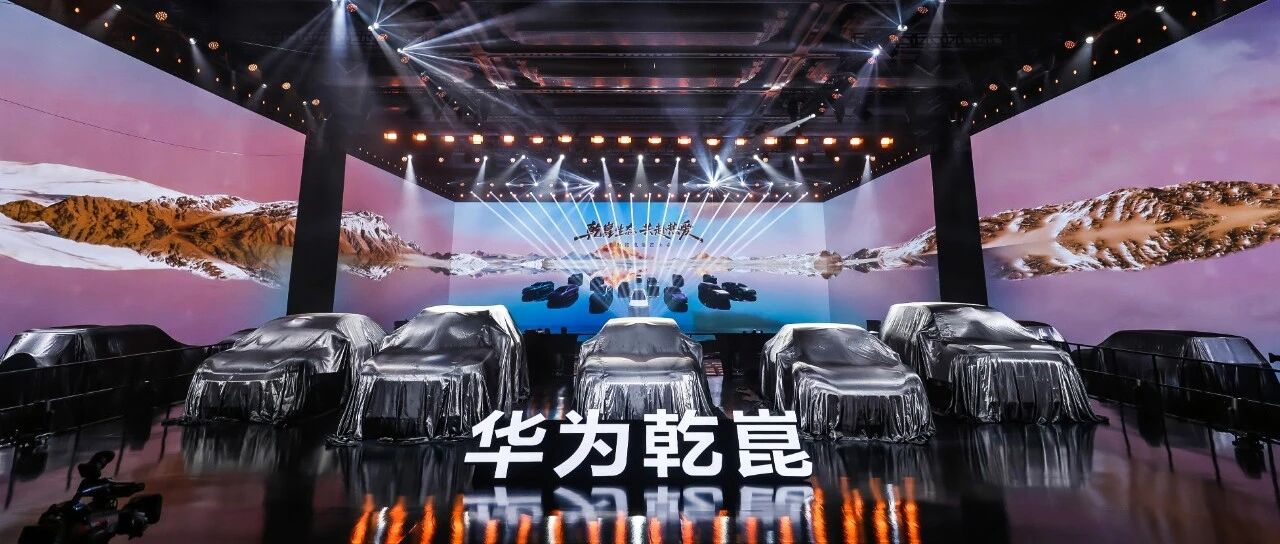
华为乾崑 all in 启境,开启造车新模式
雷峰网· 2025-11-20 14:45
Core Viewpoint - The article discusses the collaboration between Huawei and GAC to establish the Qijing brand, focusing on creating a smart, safe, and stylish vehicle that integrates advanced AI capabilities and IoT connectivity [2][4][23]. Group 1: Product Definition and Vision - Qijing aims to create a vehicle that meets diverse consumer needs without compromise, emphasizing safety, style, and advanced technology [11]. - The long-term vision for Qijing is to develop a "mobile intelligent entity" that can proactively sense user needs and make autonomous decisions [13][23]. Group 2: Technological Integration - Qijing vehicles will utilize Huawei's comprehensive technology suite, including the Kunlun intelligent driving system, HarmonyOS cockpit, and various AI-driven features [4][6]. - The WEWA architecture, which eliminates the language processing step, is designed to reduce latency by 50% and improve traffic efficiency by 20% [6]. Group 3: Team and Process Collaboration - Huawei has integrated its teams and processes with Qijing, ensuring a seamless collaboration in product development, marketing, and decision-making [6][9]. - The introduction of established processes like IPD and IPMS aims to embed Huawei's capabilities within Qijing, fostering long-term growth [6]. Group 4: Strategic Importance - Qijing is positioned as a critical component of GAC's smart transformation and represents a new path for Huawei in the automotive sector [9][23]. - The project has received significant attention from Huawei's leadership, indicating its strategic importance within the company's broader goals [7][9]. Group 5: Future Aspirations - Qijing envisions a future where vehicles serve as intelligent assistants, enhancing user experience through advanced AI capabilities [16][21]. - The integration of IoT devices will allow for seamless communication between the vehicle and home, creating a cohesive smart living environment [21].

小火靠产品,大火靠模式,小米正迈向模式级胜利
雷峰网· 2025-11-20 07:35
Core Viewpoint - The Q3 financial report of Xiaomi serves as a preview of the company's next growth phase rather than just a performance summary [1][7]. Group 1: Financial Performance - In Q3, Xiaomi's total revenue reached 113.1 billion RMB, a year-on-year increase of 22.3%, marking the fourth consecutive quarter of revenue exceeding 100 billion RMB [3][4]. - The overall gross margin for Q3 was 22.9%, up 2.5 percentage points year-on-year, setting a new historical record. Adjusted net profit surged 81% year-on-year to 11.3 billion RMB, exceeding major investment banks' expectations [4][5]. - For the first three quarters of 2025, total revenue reached 340.4 billion RMB, nearing last year's total, with adjusted net profit of 32.8 billion RMB, surpassing the total for 2024 [5]. Group 2: Business Segments - Xiaomi's growth is supported by three main business lines: smartphones, automotive, and IoT, all showing strong growth potential [10][20]. - The smartphone and AIoT business combined generated revenue of 84.1 billion RMB in Q3, with a gross margin of 22.1%, an increase from 20.8% year-on-year [10][11]. - The automotive segment saw revenue of 29 billion RMB in Q3, a year-on-year increase of over 199%, with the automotive business achieving profitability for the first time [12][15]. Group 3: Strategic Developments - Xiaomi's high-end smartphone strategy is yielding results, with Q3 smartphone shipments reaching 43.3 million units, maintaining a top-three global market position [23][24]. - The automotive business has rapidly become a new growth engine, with Q3 deliveries reaching 108,799 units, setting a new record for the quarter [30][32]. - The IoT business reported revenue of 27.6 billion RMB in Q3, with a gross margin of 23.9%, continuing a trend of revenue growth for seven consecutive quarters [38][40]. Group 4: Innovation and R&D - Xiaomi's R&D investment in Q3 reached 9.1 billion RMB, a 52.1% year-on-year increase, with total R&D personnel reaching 24,871 [47]. - The company is focusing on high-quality growth in its IoT business, with plans to enhance its product offerings and expand into overseas markets [39][40]. - The establishment of a new smart appliance factory marks a significant milestone for Xiaomi's home appliance business, supporting future growth [40][41].


英伟达Q3狂揽570亿美元!黄仁勋:AI芯片订单已排到2026年;闻泰科技:对安世控制权仍然受限;Meta首席AI科学家宣布辞职
雷峰网· 2025-11-20 00:38
Group 1 - Nvidia reported record revenue of $57 billion for Q3, a 62% increase year-over-year and a 22% increase from the previous quarter [4][5] - CEO Jensen Huang stated that Nvidia has $500 billion in undelivered AI chip orders, with deliveries scheduled through 2026 [4] - The data center business remains the core growth driver for Nvidia, with Q3 revenue reaching $51.2 billion, a 66% year-over-year increase [5] Group 2 - Kuaishou employees reportedly crowdsource funds for leadership birthday celebrations, with processes resembling major projects [7][8] - Xiaomi announced that AI expert Luo Fuli will debut as the head of the MiMo large model at an upcoming conference [10] - Wenta Technology announced that its control over Anshi remains limited despite a recent suspension of a ministerial order [12] Group 3 - Tesla is suing Wuyou Media for the return of a $7,761 new energy subsidy, claiming the vehicle did not meet mileage requirements [18] - Li Yang, founder of Crazy English, criticized Yu Minhong for his motivational speeches, suggesting a disconnect with employees [14][15] - NIO's self-developed high-level autonomous driving chip, Shenji NX9031, has begun external technology licensing, potentially generating significant revenue [24][25] Group 4 - Google launched its latest AI model, Gemini 3, which is considered a strong competitor to GPT-5.1, achieving a record score in benchmark tests [38][39] - Meta's chief AI scientist Yann LeCun announced his departure after 12 years to establish his own AI startup, focusing on advanced machine intelligence [36][37] - Anthropic's valuation surged to $350 billion following significant investments from Microsoft and Nvidia [40][41]

清洁巨头五分钟获取竞对最新机密;某明星机器人公司内斗严重,总裁团只剩三人;投资人带订单上门遭冷遇丨鲸犀情报局Vol.22
雷峰网· 2025-11-20 00:38
Group 1: Competitive Dynamics in the Cleaning Appliance Industry - Company B has increased its advertising budget to 7 billion to compete with Company A, which previously spent around 6 billion, aiming to secure the top position in the market [1] - Both companies are engaged in espionage, with Company B attempting to recruit an employee from Company A to steal internal information, leading to countermeasures from Company A [1] - Company B has established an efficient intelligence network, allowing it to access competitor strategy meeting details within minutes [1] Group 2: Investment and Business Interactions - An investor faced a confusing meeting with a robotics startup that claimed to have significant overseas orders but failed to provide substantial information during discussions [2] - A leading investment firm bypassed internal processes to secure an investment in an AI company after realizing it had signed with another firm, demonstrating the competitive nature of investment decision-making [3] Group 3: Organizational Challenges in Hardware Companies - A hardware giant has been managing its suppliers and agents with a strict compliance approach, often replacing those who do not adhere to its directives, regardless of performance [4][5] - A robotics company has experienced significant personnel turnover, with many mid-level managers leaving, indicating internal strife and instability [4] Group 4: Recruitment and Retention Issues - A western appliance giant struggles to attract top talent from prestigious universities due to its remote location and salary limitations, leading to a cycle of hiring and turnover [5] Group 5: Market Dynamics and Product Development - A snow-clearing robot company has faced challenges in mass production despite securing funding, with its product not meeting performance expectations [6] - A major player in the smart lawn mower market signed a large framework agreement after being motivated by a competitor's high-profile announcement, indicating the impact of competitive actions on business decisions [7][8] Group 6: Corporate Governance and Internal Culture - A large corporation has implemented strict controls over employee interactions to prevent corruption, leading to unusual disciplinary actions against employees for minor infractions [6] - In the smart cleaning industry, a procurement executive's unethical practices led to widespread dissatisfaction among suppliers, highlighting issues in corporate governance [7] Group 7: Challenges in E-commerce and IPO Aspirations - A well-known e-commerce brand is facing difficulties in its IPO process due to unaccounted large payments to influencers, raising concerns about its financial transparency [9]

独家对话松鼠动力创始人萧昂:房车的底层逻辑是消费电子,不是车
雷峰网· 2025-11-19 11:48
Core Viewpoint - The article discusses the entrepreneurial journey of Xiao Ang, who transitioned from Anker to establish Squirrel Power, focusing on the RV market and the innovative approach to outdoor living experiences. Group 1: Entrepreneurial Background - Xiao Ang spent ten years at Anker, managing over 40% of its revenue-generating business [1][4] - He was the first product manager at Anker and played a crucial role in building the company's product planning system [4] - After a transformative experience in Tibet, he decided to pursue his passion for RVs, leading to the founding of Squirrel Power [4][17] Group 2: Business Model and Market Insights - Squirrel Power aims to redefine outdoor living through electric and intelligent RVs, targeting a significant market opportunity in the RV sector [20][24] - The global RV market is valued at approximately $700-800 billion, with 99% of the market outside China, particularly strong in the US, which accounts for about half of the global market [46][48] - The average age of RV buyers has decreased from 55 to 40 years over three years, indicating a shift in consumer demographics towards younger, experience-driven buyers [23][24] Group 3: Product Development and Innovation - Squirrel Power has successfully developed a fully functional prototype RV, focusing on smart technology and user experience [9][21] - The company is addressing a specific pain point in the market: the significant reduction in range for electric vehicles when towing RVs [21][22] - The RV's material complexity is closer to consumer electronics than traditional vehicles, with a bill of materials (BOM) of 421 components, allowing for a more streamlined supply chain [30][29] Group 4: Competitive Landscape and Strategy - The RV industry is characterized by a lack of consensus on product definitions, with most consumers unfamiliar with the concept of towable RVs, presenting an opportunity for Squirrel Power [26][29] - The company plans to leverage its understanding of the supply chain, as nearly 90% of RV components are sourced from China, ensuring cost advantages [45][50] - Squirrel Power's strategy includes targeting early adopters who are willing to pay a premium for innovative and experience-oriented products [28][50] Group 5: Team and Leadership - The founding team of Squirrel Power consists of individuals passionate about outdoor lifestyles, enhancing the company's mission and vision [42][43] - Xiao Ang emphasizes the importance of finding the right talent and building a team that shares a common vision and passion for the product [40][42] - The company is focused on creating a culture of resilience and optimism, which is essential for navigating the uncertainties of entrepreneurship [11][10]

亚马逊卖家之困:电商税风暴与价格体系的崩塌
雷峰网· 2025-11-19 06:38
Core Viewpoint - The cross-border e-commerce industry is facing significant challenges due to strict enforcement of e-commerce taxes and changing platform rules, particularly on Amazon, which is leading to a survival crisis for small and medium-sized sellers [2][4][9]. Group 1: Challenges Faced by Sellers - The strict enforcement of e-commerce taxes is forcing many sellers to explain discrepancies in reported income, which could lead to losses if they are required to pay back taxes [2][4]. - Amazon's new pricing rules are causing historical prices to be recalibrated, leading to reduced sales volumes for many sellers [6][9]. - Increased advertising costs and platform fees are squeezing profit margins, with some sellers reporting advertising costs exceeding 10% of sales [7][9]. Group 2: Seller Strategies and Adaptations - Many sellers are exploring alternative platforms like TikTok and Temu, seeking better profit margins and less competitive environments, although these platforms also present their own challenges [10][11][12]. - A shift towards brand building is emerging among sellers, as reliance on low-price strategies is becoming unsustainable in the face of intense competition [15][16][18]. - Sellers are balancing their resources between maintaining a presence on Amazon and exploring new channels, with a common strategy being to allocate 70% of resources to Amazon and 30% to emerging platforms like TikTok [21]. Group 3: Market Dynamics - The competitive landscape is evolving, with platforms like TikTok offering lower commission rates (5%-8%) compared to Amazon's rates (15% or more), making them attractive alternatives for sellers [11]. - Amazon is adjusting its algorithms to favor brand-oriented sellers, indicating a shift in platform strategy towards higher-value sellers [16][18]. - The overall sentiment among sellers is one of cautious adaptation, recognizing that while Amazon's environment is tightening, it remains the most viable platform for sustainable profit [21].


国产推理芯片,赢了英伟达?
雷峰网· 2025-11-19 06:38
Core Viewpoint - The article discusses the shift in the computing power market towards domestic solutions, highlighting the decline in profitability for NVIDIA products and the rise of domestic computing power projects supported by substantial subsidies [1][6][10]. Group 1: Market Dynamics - The computing power market is witnessing a transformation, with domestic solutions gaining traction as NVIDIA's products fail to maintain their previous popularity [2][4]. - Major internet companies are adapting to domestic chip solutions, indicating a collective industry shift towards supply chain security and business development needs [2][3]. - The domestic computing power projects are becoming commercially viable due to policy support and increasing market demand [3][10]. Group 2: Financial Support and Subsidies - Financial institutions are actively supporting domestic computing power projects, with significant subsidies available, reaching up to 80% of project costs [6][8]. - The government is providing targeted assistance to domestic computing power projects, including lowering funding barriers and offering substantial financial incentives [7][10]. - The cost of domestic computing power is becoming more competitive due to these subsidies, which help bridge the price gap with NVIDIA products [8][9]. Group 3: Technological Advancements - Domestic chip manufacturers have made significant advancements, achieving performance levels comparable to NVIDIA's mainstream products [12][16]. - The demand for inference tasks is expected to drive the growth of domestic computing power, with a notable increase in token usage for AI models [13][20]. - The development of supernode products is emerging as a key trend, enhancing efficiency and reducing costs in the deployment of AI infrastructure [26][27]. Group 4: Market Competition and Strategy - The domestic chip market is entering a competitive phase, with the need for rapid commercialization and efficient deployment becoming critical [25][30]. - Pricing strategies are evolving, with manufacturers willing to offer discounts to penetrate the market and expand application scenarios [28][29]. - The lack of a unified standard in the software ecosystem poses challenges for the adoption of domestic chips, highlighting the need for improved interoperability [29][30].


被Figure CEO质疑量产视频造假,优必选:他们应多来中国看看;胖东来补偿受委屈员工35.9万元;贝索斯复出搞AI被嘲跟屁虫
雷峰网· 2025-11-19 00:35
Group 1 - UBTECH's humanoid robot Walker S2 production video was questioned for authenticity by Figure's CEO, who claimed that the video contained computer-generated effects. UBTECH responded by releasing a continuous video showing real robots in action, emphasizing the strength of China's manufacturing capabilities [4][5] - UBTECH's CBO stated that skepticism about Chinese manufacturing stems from a lack of understanding and encouraged critics to visit China to witness the industry's growth firsthand. The company has reported a total of 800 million yuan in orders, holding itself accountable to shareholders and the public [5] - New Oriental's founder, Yu Minhong, faced employee backlash after a trip to Antarctica, leading him to announce plans for a youth exploration center focused on natural education [7][8] Group 2 - Fat Donglai announced a compensation of 359,000 yuan for employees who faced disrespect from customers, highlighting the importance of respecting personal dignity in the workplace. Other companies like Meituan and Xibei are also implementing similar support measures for their employees [10][12] - Tencent filed a lawsuit against Competitive World and Taobao for trademark infringement related to the game "JJ Happy Landlord," leading to an apology and the removal of the infringing game from the market [14] - Canopus Robotics has filed for an IPO in Hong Kong, aiming to raise funds for R&D, brand building, and market expansion. The company reported revenues of 197 million yuan in 2022 and projected growth in subsequent years [16] Group 3 - Xiaopeng Motors reported a total revenue of 20.38 billion yuan for Q3 2025, with a year-on-year growth of 101.8%. CEO He Xiaopeng believes the robotics market has greater potential than the automotive sector, with plans for significant growth in robot sales by 2030 [16][17] - ByteDance has established a new department for transactions and advertising in China, consolidating its engineering teams to enhance efficiency in e-commerce and advertising [19][20] - Geely is expected to complete the acquisition of Zeekr by the end of the year, following a plan to integrate resources and enhance competitiveness within the group [21] Group 4 - Alibaba launched the Qianwen app, directly competing with ChatGPT, while Ant Group introduced the Lingguang AI assistant, showcasing advancements in AI technology [21][22] - Xiaomi's 17 series smartphones achieved sales of over 200,000 units within five days of launch, positioning them as a strong competitor against Apple's iPhone [24] - Baidu reported Q3 revenue of 31.17 billion yuan, with its autonomous driving service, "Luobo Kuaipao," experiencing a significant increase in usage [28][29] Group 5 - BYD's sales in the UK surpassed 50,000 vehicles, with a notable increase in sales in October, indicating strong market performance [38] - Jeff Bezos has launched a new AI startup named "Project Prometheus," which has raised $6.2 billion in funding, focusing on AI applications in various industries [33][34] - Tesla's CEO Elon Musk criticized Bezos's new venture, calling it a copycat initiative [34]




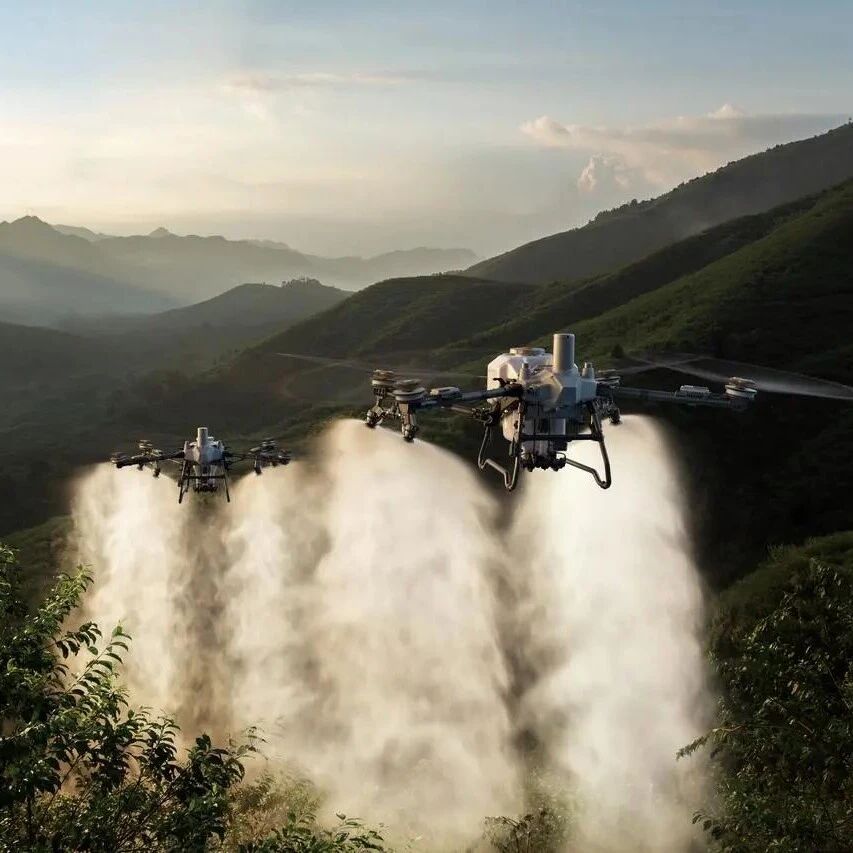
大疆亮剑,农业无人机迈入智驾时代
雷峰网· 2025-11-19 00:35
Core Viewpoint - The agricultural drone industry is transitioning from manual control to intelligent driving, driven by changes in user demand and the expansion of operational scenarios [1][15]. Group 1: DJI's Agricultural Drone Business - DJI's agricultural drone segment, while not widely recognized, is a significant part of its business puzzle, with a projected shipment of 200,000 units by 2025, leading to an estimated annual revenue exceeding 10 billion [2][3]. - DJI's agricultural drones hold a market share of nearly 90% in China, with 62,332 units out of a total of 69,427 units reported in the subsidy system [3][5]. - The agricultural drone sector is crucial for honing flight technology, contributing 98% of flight time in China's drone industry, enhancing DJI's overall technological capabilities [5][6]. Group 2: Cost Reduction and Market Activation - The past decade has focused on cost reduction, with the price of agricultural drones dropping significantly from 100,000 for a 10-liter payload drone to around 10,000, a 90% decrease [8][10]. - This price drop has transformed agricultural drones from tools for professional pest control teams to accessible equipment for ordinary farmers, with the user ratio shifting from 90% small B users to 50% self-use users [10][13]. - The decline in costs is attributed to various factors, including the optimization of design and the decreasing prices of lithium batteries, which account for about one-third of the drone's cost [9][12]. Group 3: Transition to Intelligent Driving - The introduction of laser radar in DJI's T100S and T70S models marks the beginning of the intelligent driving era for agricultural drones, enabling fully automated operations in specific scenarios [6][17]. - The multi-sensor intelligent driving solution combines millimeter-wave radar, vision, and laser radar, significantly enhancing obstacle detection capabilities [18]. - DJI's commitment to user safety is evident in its new policy offering free repairs for drones that collide with obstacles during operation, reflecting confidence in its intelligent driving technology [19]. Group 4: Future Developments and Industry Trends - The future of agricultural drones includes advancements towards L4 level autonomous operations, with capabilities for real-time monitoring of crop health and pest identification using AI [20][22]. - The industry is moving towards a model where agricultural drones serve as intelligent assistants, providing comprehensive agricultural solutions rather than just operational tools [20][23]. - The evolution of agricultural drones is reshaping perceptions of modern agriculture, emphasizing efficiency and technological integration in farming practices [22][23].