材料汇

Search documents
电子半导体产业研究方法论(附PPT)
材料汇· 2025-11-06 15:56
Methodology - The core of the electronic sector research is to "embrace change and capture the ends of the industrial chain (wafer manufacturing & terminal products)" [3] - The research divides into two main lines: "domestic production" (equipment, materials, IC manufacturing) and "market-oriented" (consumer electronics, automotive, communication) [3] - The focus is on "core focus + dual-line parallel + differentiated strategies" [3] - The ends of the industrial chain are the most valuable segments: wafer manufacturing is the core manufacturing link in the semiconductor industry, with the highest technical barriers and capital investment [3] - The dual-line parallel approach reflects the unique attributes of China's electronic semiconductor industry, where domestic production corresponds to policy-driven and import substitution logic, while market-oriented corresponds to demand-driven and global competition logic [3] - Differentiated strategies are necessary to avoid a "one-size-fits-all" approach, as different sectors have distinct driving logic [3] iPhone Case Study - The article uses iPhone sales and market share data to illustrate its four development stages: innovation and breakthrough, diversification and expansion, transformation and challenge, revival and leap [6] - It emphasizes that "technology changes life and production, and the essence of growth is the growth of demand" [6] - Four supports for demand growth are identified: consumer group expansion, increased payment willingness, desire for new features, and expanded usage scenarios [6] - Investment insights from the product lifecycle are discussed, highlighting different investment logic at each stage [6][8] - The "iPhone moment" is deemed replicable, suggesting that any electronic semiconductor sector's explosion requires a flagship product or technology to activate potential demand [6][7] Valuation Issues - The DDM model serves as a theoretical foundation, while relative valuation is the practical basis, emphasizing the logic of "capital expenditure → revenue → profit" corresponding to "PB → PS → PE" [18] - High valuation premiums stem from "growth certainty," where market expectations for long-term growth drive high valuations [19] - The article outlines the appropriate valuation indicators for different stages: PB during capital expenditure, PS during revenue growth, and PE during profit stability [18]

英伟达、台积电破局“功耗墙”!SiC或成下一代GPU的隐藏王牌(附55页PPT)
材料汇· 2025-11-05 15:57
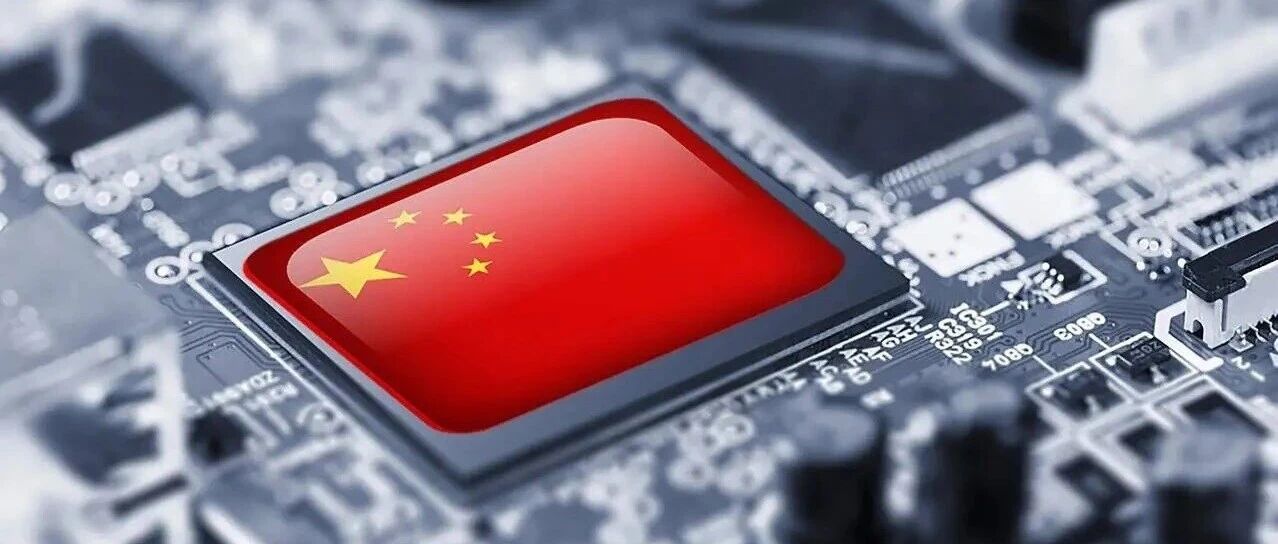
Core Insights - The article emphasizes the strategic importance of SiC (Silicon Carbide) as a potential interposer material for advanced packaging solutions by Nvidia and TSMC, with a planned introduction by 2027, indicating a shift towards addressing thermal management challenges in AI computing [3][4]. - The competition in AI computing is shifting focus from transistor density to packaging and thermal management capabilities, highlighting the critical role of heat dissipation in chip performance [3][4]. - SiC is positioned as the optimal solution for CoWoS (Chip on Wafer on Substrate) interposers, balancing performance and feasibility, while traditional materials like diamond and glass fall short in practicality [3][4]. - The adoption of SiC in CoWoS could create a significant new market, particularly benefiting the mainland Chinese SiC industry due to aggressive investments in substrate capacity and cost advantages [3][4]. Group 1: SiC as Interposer Material - Nvidia and TSMC are considering SiC for future advanced packaging, with plans to implement it by 2027 [4]. - SiC is expected to address the thermal management issues associated with CoWoS packaging, which is crucial for the performance of AI chips [3][4]. - The transition to SiC interposers is seen as a strategic move to maintain competitive advantages in the semiconductor industry [3][4]. Group 2: Thermal Management Challenges - The article highlights the increasing power requirements of Nvidia's GPUs, necessitating improved cooling solutions to manage heat dissipation effectively [23][25]. - The CoWoS packaging technology is critical for high-performance computing, and any limitations in thermal management could hinder chip performance and reliability [25][37]. - SiC's high thermal conductivity (490 W/m·K) significantly outperforms silicon (130 W/m·K) and glass, making it a superior choice for managing heat in advanced packaging [105][106]. Group 3: Market Implications - The potential shift to SiC interposers could unlock a substantial new market, moving SiC from a niche power electronics market to a broader AI and data center infrastructure market [15][111]. - The mainland Chinese SiC industry is poised to benefit from this transition, leveraging its investments and production capabilities to capture a share of the global semiconductor supply chain [3][4][113]. - The expected growth in CoWoS capacity, projected at a compound annual growth rate of 35%, underscores the increasing demand for advanced packaging solutions [112].



人形机器人的轻量化:镁合金与特种工程塑料(附50页PPT)
材料汇· 2025-11-05 15:57
Core Viewpoint - The article emphasizes the importance of material substitution as a key method for lightweighting in humanoid robots, while structural optimization is ideal but progresses slowly. This reflects the insufficient maturity of the industry chain, leading manufacturers to prefer readily available mature material solutions [4]. Group 1: Lightweighting in Humanoid Robots - Lightweighting is not just about weight reduction; it involves system-level optimization that directly relates to energy efficiency, thermal management, supply chain, and scenario adaptability [4]. - The reduction in weight leads to lower power requirements for motors and bearings, allowing for a broader selection of supply chain options [13]. - Enhanced dynamic stability through lightweighting can improve center of mass control, but materials must possess both lightness and high rigidity, necessitating upgrades in sensors and control algorithms [14]. Group 2: Material Trends - Aluminum alloys are currently the main materials for lightweight applications, while magnesium alloys are emerging as new contenders [38]. - The market for aluminum and magnesium alloys in humanoid robots is projected to reach 101 billion and 37 billion respectively by 2030, with a high CAGR of 130.2%, indicating explosive industry growth expectations [78]. - Magnesium alloys, despite having a market size only one-third that of aluminum alloys, may experience faster growth due to lower prices and increasing demand [79]. Group 3: Engineering Plastics and Material Substitution - The article discusses the ongoing trend of substituting plastics for steel in automotive applications, with a focus on lightweighting through the use of various engineering plastics [86]. - The development of thin-walled and high-performance engineering plastics is crucial for achieving lightweight goals in the automotive sector, with thickness targets decreasing from 2.3mm in 2020 to 1.6mm by 2035 [89]. - Special engineering plastics like PEEK, PPS, and LCP are highlighted for their superior properties, making them key materials for lightweighting in humanoid robots [100][104]. Group 4: Market Dynamics and Company Performance - Companies like Aikodi and Xuji Group are actively expanding their product lines to include aluminum and magnesium alloys for both automotive and robotics applications, indicating a dual-driven growth strategy [85]. - The lightweighting trend is supported by a clear policy direction, but the establishment of a low-cost manufacturing system remains a critical bottleneck [45]. - The article notes that while domestic companies are increasing production capacity for materials like PEEK, they still face challenges in achieving quality consistency compared to imported materials [134].

报告议程公布 | Carbontech2025应用端大会
材料汇· 2025-11-04 14:54
Core Viewpoint - The Carbontech2025 International Carbon Materials Conference and Exhibition will be held from December 9-11, 2025, in Shanghai, focusing on "Material Innovation Driving Industrial Transformation" and covering the entire carbon materials industry chain [3]. Group 1: Event Overview - The conference will feature high-end communication and cooperation platforms, including specialized pavilions for semiconductor carbon materials and energy equipment carbon materials, showcasing breakthroughs in applications such as electronics, power semiconductors, and strategic fields like wind power and hydrogen storage [3]. - The event will also include an application-oriented conference that delves into cutting-edge developments in carbon materials across various sectors, including ultra-precision processing, semiconductors, and new energy vehicles [3]. Group 2: Organizational Structure - The conference is organized by DT New Materials, with support from various institutions and associations, including the Chinese Academy of Engineering and several universities and research centers [5][6]. Group 3: Agenda and Activities - The event will consist of an opening ceremony, three major thematic conferences, and seven special activities, focusing on industry hot topics such as material preparation processes, equipment technology updates, and investment opportunities [9][10]. - A detailed agenda includes sessions on diamond applications, ultra-precision processing, and carbon fiber high-end equipment manufacturing, featuring presentations from industry experts and researchers [12][14][19]. Group 4: Special Features - Carbontech2025 will have dedicated areas for product displays, new product launches, and research achievements, aimed at promoting collaboration between academia and industry [30][31][33]. - The conference aims to facilitate deep cooperation among enterprises along the industry chain, enhancing efficient and sustainable development in the carbon materials sector [31].
破解“散热天花板”:金刚石铜复合材料的百亿征程(附分析报告)
材料汇· 2025-11-04 14:54
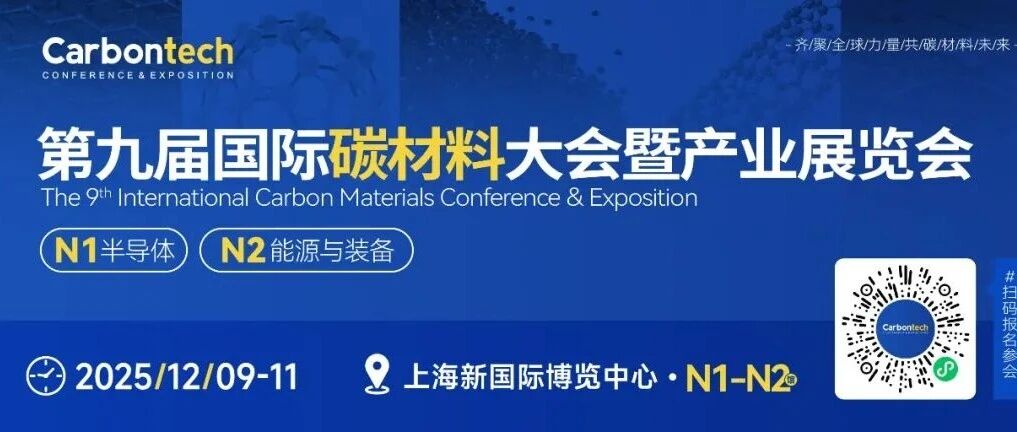
Core Insights - The article emphasizes the critical role of heat dissipation technology in high-power and high-density electronic devices, highlighting the shift from traditional materials to diamond-copper composite materials as a solution to thermal management challenges [1][3][4]. Group 1: Heat Dissipation Technology - Heat dissipation systems have evolved from being performance optimization components to core constraints on product performance, driven by the exponential increase in heat flow density [4][11]. - Traditional heat pipe technologies face significant limitations, with performance degradation exceeding 40% in complex applications, necessitating the development of high-performance composite materials [11][12]. Group 2: Market Dynamics and Challenges - The article outlines the challenges faced in various sectors, including AI chips, electric vehicles, and 5G base stations, where heat flow densities exceed 300 W/cm², leading to significant performance losses and increased operational costs [10][12][13]. - The economic implications of heat management are underscored, with data indicating that a 10°C increase in temperature can reduce reliability by 50%, emphasizing the need for effective thermal solutions [7][13]. Group 3: Diamond-Copper Composite Materials - Diamond-copper composite materials are identified as a breakthrough solution, combining the high thermal conductivity of diamond with the workability and electrical conductivity of copper, achieving thermal conductivities exceeding 1000 W/m·K [18][22]. - The material's advantages include precise thermal expansion matching, which mitigates interface cracking issues, and excellent environmental adaptability, making it suitable for extreme conditions [22][23]. Group 4: Industry Landscape and Growth Potential - The diamond-copper industry is characterized by a complete supply chain in China, with over 90% domestic production, and a significant profit margin in the midstream manufacturing segment [35]. - The global market for diamond-copper composites is projected to grow from $160-190 million in 2024 to $350-380 million by 2030, driven by high heat flow density applications in AI, electric vehicles, and 6G communications [36][37]. Group 5: Competitive Landscape - The competitive landscape shows a dichotomy where international giants dominate high-end markets while domestic companies accelerate local replacements, focusing on cost control and technological advancements [45]. - Key players include Japan's Sumitomo Electric, which holds a significant market share, and various Chinese firms that are entering supply chains of major companies like Huawei and BYD [45]. Group 6: Future Trends - Future developments are expected to focus on technological breakthroughs and the expansion of application scenarios, with an emphasis on integrating multiple manufacturing processes and enhancing performance in both consumer and aerospace markets [53][54].


2025异质异构集成年会最新议程/嘉宾公布,共探先进封装、CPO、Micro LED异质集成等热点话题
材料汇· 2025-11-03 15:39
Core Viewpoint - The article discusses the upcoming Heterogeneous Integration Annual Conference organized by TrendBank and the Yongjiang Laboratory, focusing on the strategic opportunities in the new generation of chip development, particularly in heterogeneous integration technology [10][11]. Conference Overview - The conference will take place from November 17-19, 2025, at the Nanyuan Wanghai Hotel in Zhenhai District, Ningbo, with an expected attendance of 300-500 participants [11]. - The theme of the conference is "Focusing on the Frontier of Heterogeneous Integration Technology, Advancing the Journey of Advanced Packaging" [10][11]. Key Topics and Sessions - The conference will cover various advanced packaging technologies, including 2.5D/3D heterogeneous integration, optoelectronic co-packaging, wafer-level bonding, and glass-based packaging [11]. - Notable sessions will include discussions on the challenges and opportunities in heterogeneous integration technology, advanced packaging trends, and the impact of AI on semiconductor manufacturing [4][6][9]. Strategic Importance - Ningbo is highlighted as a core port city with a strong foundation in advanced manufacturing, making it an ideal location for this conference aimed at enhancing the electronic information industry in the Yangtze River Delta region [9][10]. - The Yongjiang Laboratory is recognized as a provincial-level laboratory approved by the Zhejiang provincial government, focusing on electronic information materials and micro-nano device preparation [9][11]. Participation and Registration - The conference offers various ticket options, including early bird discounts for registrations completed by October 31, 2025 [13]. - Participants will have access to conference materials, lunch, and a banquet on November 18 [13].
2025年10月新材料企业投融资情况
材料汇· 2025-11-03 15:39
Core Insights - The article discusses investment opportunities in the new materials sector, highlighting various companies and their specific areas of focus within the industry [5][6]. Company Summaries - Shenzhen He Yi New Energy Technology Co., Ltd. specializes in high-energy lithium batteries and received undisclosed funding from He Chuang Capital [3]. - New Magnet (Shenzhen) Superconducting Technology Co., Ltd. focuses on high-temperature superconducting materials and secured millions in seed funding from Nanshan Innovation Investment [3]. - Nantong Crystal Co., Ltd. is involved in high-performance synthetic stones and received angel investment from Guotou Chuangye [3]. - Hangzhou Xingke Hengzhi Technology Co., Ltd. is engaged in nanomaterials research and development, receiving tens of millions in angel++ funding from Xiamen High-tech Investment [3]. - Wuhan Xindian Technology Co., Ltd. specializes in magnetic functional materials and received A-round funding from Changjiang Industrial Capital [3]. - Suzhou Liwei New Materials Technology Co., Ltd. focuses on perovskite solar cell materials and received A-round funding from Guode Investment [3]. - Shandong Shouxun New Materials Co., Ltd. is involved in new carbon nanomaterials and was acquired for 46.9 million [3]. Investment Trends - The article emphasizes the growing interest in new materials, particularly in sectors like superconductors, nanomaterials, and energy storage solutions, indicating a shift towards advanced material technologies [5][6]. - The "14th Five-Year Plan" outlines key opportunities in the new materials industry, suggesting that stakeholders should focus on these areas for future growth [5].

芯片散热的破局者:国内21家金刚石铜材料企业全景盘点
材料汇· 2025-10-31 14:29
Core Viewpoint - The article discusses the development and investment landscape of diamond-based composite materials, highlighting various companies involved in this sector and their technological advancements. Group 1: Company Overview - Changsha Shenghua Microelectronics Materials Co., Ltd. specializes in high-performance electronic packaging materials, including tungsten-copper and diamond-copper composites, with thermal conductivity reaching 600-800 W/m·K [5] - Nanjing Ruiwei New Materials Technology Co., Ltd. focuses on new materials for chip cooling, collaborating with Nanjing University of Aeronautics and Astronautics [6] - Hunan Xinfeng Advanced Materials, a subsidiary of Hunan Xinfeng Technology, is engaged in the research and production of diamond semiconductor materials, with a projected output of 50 tons in 2024 and 150 tons in 2025 [8] Group 2: Investment and Financing - Several companies have secured significant funding, such as Hunan Xinfeng Advanced Materials, which completed an A+ round of financing amounting to several million yuan in February 2025 [9] - Ningbo Saime Technology Co., Ltd. was established with investment from Jiangxi Copper Group, focusing on lightweight, high-thermal-conductivity composite materials for various applications [10] - Anhui Shangxin Crystal Technology Co., Ltd. has received angel round financing and is involved in the production of high-end refractory metals and diamond-copper composites [12] Group 3: Technological Advancements - Companies are developing advanced materials with high thermal conductivity, such as diamond-copper composites, which are essential for high-power semiconductor applications [33] - The industry is leveraging innovative manufacturing techniques, including chemical vapor deposition and powder metallurgy, to enhance material properties and production efficiency [24][25] - The market is witnessing a trend towards integrating diamond-based materials in various sectors, including aerospace, automotive, and electronics, due to their superior thermal management capabilities [42]

从“十五五“规划看新材料领域:从业者/研究者/投资者必抓的10大机遇
材料汇· 2025-10-28 15:32
Core Viewpoint - The article emphasizes the strategic importance of new materials in China's 14th Five-Year Plan, highlighting their role in industrial upgrading, technological breakthroughs, green transformation, national security, agricultural modernization, and new urbanization [2][4][21]. Group 1: Strategic Positioning of New Materials - New materials are identified as the "core support" for modern industrial systems, essential for upgrading key industries like mining, metallurgy, and chemicals [4]. - They are positioned as a key area for technological self-reliance, focusing on breakthroughs in critical technologies such as integrated circuits and advanced materials [4]. - New materials are crucial for green transformation and energy security, supporting the construction of a new energy system and resource conservation [4]. - They serve as a quality assurance for agricultural modernization, with biodegradable materials and soil restoration being key applications [4]. - New materials are seen as an upgrade vehicle for new urbanization, directly linked to the demand for prefabricated buildings and municipal infrastructure [4]. - They act as a protective barrier for national security, ensuring the safety of food, energy resources, and critical supply chains [4]. Group 2: Market and Policy Alignment - New material enterprises should align with the six strategic positions outlined in the plan, focusing on "self-controllable industrial chains, green and intelligent integration, scenario-based applications, and cross-field empowerment" [5][6]. - The article identifies four main lines of development: addressing critical material shortages, adapting to green and intelligent industry needs, expanding scenario-based applications, and leveraging policy tools to mitigate risks [6][8][9][10]. Group 3: Investment Opportunities - The article outlines six key tracks for investment, emphasizing sectors with strong policy support and market demand, such as new energy materials, biomanufacturing materials, aerospace materials, and safety materials [15][16]. - It highlights the importance of focusing on high-certainty tracks driven by both policy and market forces, with specific materials and market data provided for each sector [16]. - The article also discusses forward-looking tracks in quantum technology, brain-computer interfaces, and 6G communication materials, indicating future growth areas [17]. Group 4: Research and Development Focus - The article stresses the need for a comprehensive approach to R&D, targeting foundational research, technological breakthroughs, and the transformation of research outcomes into practical applications [11][12]. - It identifies key research directions, including extreme environment materials, new energy and communication materials, and bio-intelligent materials [12]. - The article emphasizes the importance of collaborative ecosystems involving industry, academia, and research institutions to foster innovation and talent development [14].

盘点 | 国内金刚石铜复合材料企业清单!!!
材料汇· 2025-10-27 15:51
Core Viewpoint - The article discusses the development and investment landscape of diamond-based composite materials, highlighting various companies involved in this sector and their technological advancements. Company Overview - **Changsha Shenghua Microelectronics Materials Co., Ltd.** specializes in high-performance electronic packaging materials, including tungsten-copper and molybdenum-copper composites, with thermal conductivity reaching 600-800 W/m·K. The company has entered the supply chains of major players like Huawei and BYD for applications in 5G base stations and electric vehicles [5]. - **Nanjing Ruiwei New Materials Technology Co., Ltd.** focuses on new materials for chip cooling, collaborating with Nanjing University of Aeronautics and Astronautics. The company provides comprehensive thermal management solutions through thermal design and testing [6]. - **Xinfeng Advanced Materials** is a subsidiary of Hunan Xinfeng Technology, established in 2019, specializing in semiconductor materials and diamond-based composites. The company aims to produce 50 tons of high-performance low-cost diamond-copper materials by 2024, with plans to expand to 150 tons by 2025 [8]. - **Ningbo Saime Technology Co., Ltd.** was founded in 2018, focusing on lightweight, high-thermal-conductivity composite materials for applications in power chip packaging and 5G communications [9]. - **Anhui Shangxin Crystal Technology Co., Ltd.** specializes in high-end refractory metals and diamond-copper/aluminum composites, with a focus on medical and optical applications [12]. Investment Landscape - Various companies have secured funding rounds, indicating a growing interest in diamond-based composite materials. For instance, **Nanjing Ruiwei** completed an A+ round with several million yuan in funding [9]. - **Ningbo Saime Technology** has also attracted investment from major players like Jiangxi Copper Group, reflecting the strategic importance of this sector [10]. - **Haitexin New Materials Technology Co., Ltd.** is set to become a leading manufacturer of microelectronic packaging materials, with significant investments in production facilities [17]. Technological Advancements - Companies are leveraging advanced technologies such as chemical vapor deposition (CVD) and high-pressure high-temperature (HPHT) processes to enhance the performance of diamond-based materials [29]. - The thermal conductivity of diamond-copper composites is highlighted, with some products achieving thermal conductivity rates of 1800-2200 W/m·K, significantly outperforming traditional materials [30]. - The industry is witnessing innovations in manufacturing techniques, such as the development of ultra-thin diamond heat sinks and composite materials tailored for specific applications in aerospace and defense [22][24].